Electric Bikes
Best Cargo E-Bikes for Family Use: Three Practical Options for Car-Free Living
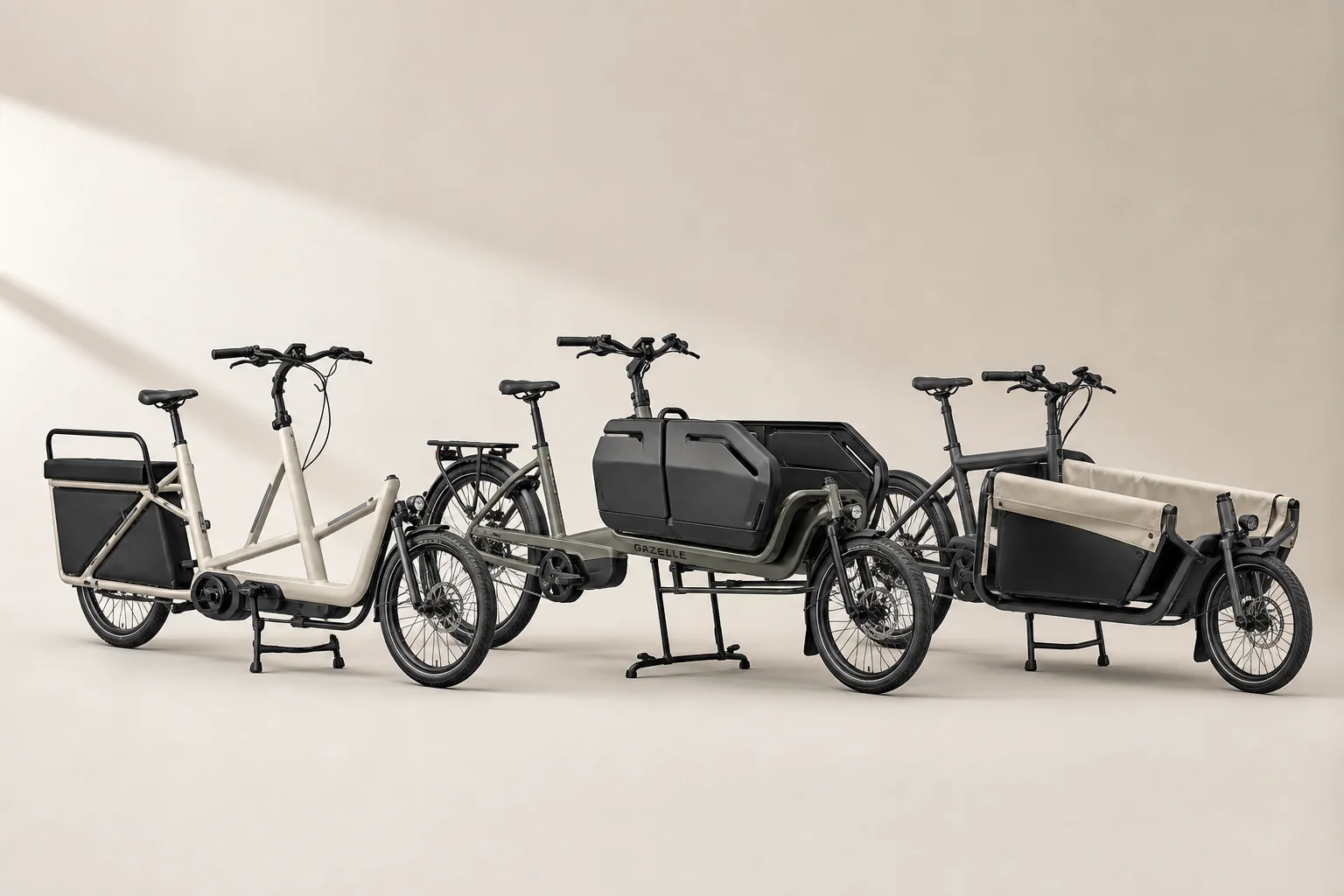
Three electric cargo bikes designed for families and everyday transportation, each with distinct strengths for replacing car trips and building community.
Introduction
Electric cargo bikes represent a practical alternative to car dependency for families and everyday transportation. Unlike traditional bicycles, cargo e-bikes combine electric assistance with dedicated cargo capacity, making them viable for school runs, grocery shopping, and regular commuting. Three standout models offer different approaches to family transportation, each addressing specific needs and riding styles.
Why Electric Cargo Bikes Matter
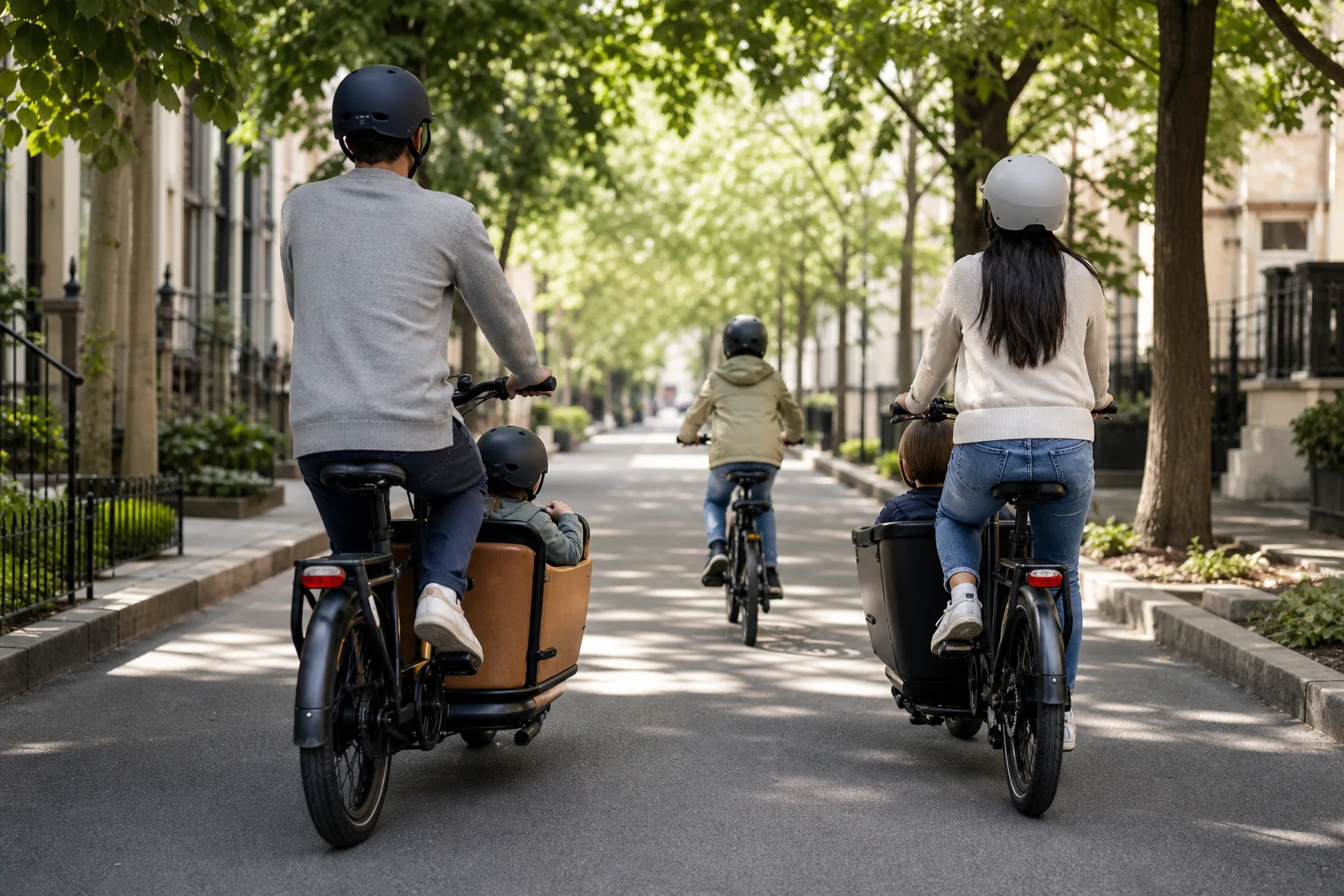
Electric cargo bikes have demonstrated measurable impact on transportation patterns. They reduce car dependency, lower household transportation costs, decrease carbon emissions, and accelerate delivery times for businesses. Sales data shows cargo e-bikes are growing faster than traditional bikes and other electric models, despite higher upfront costs. They remain significantly less expensive than automobiles, which most families are attempting to replace.
Cities worldwide are adapting infrastructure for smaller, battery-powered vehicles and human-centered transportation. The United States is becoming increasingly bike-friendly, with 234 cities now scoring above the momentum tipping point for bikeability, up from 33 in 2019. Brooklyn, New York ranks as the best city for biking in the US, where cargo e-bikes have become a visible part of daily transportation.
Aventon Abound: Accessible Low-Step Frame
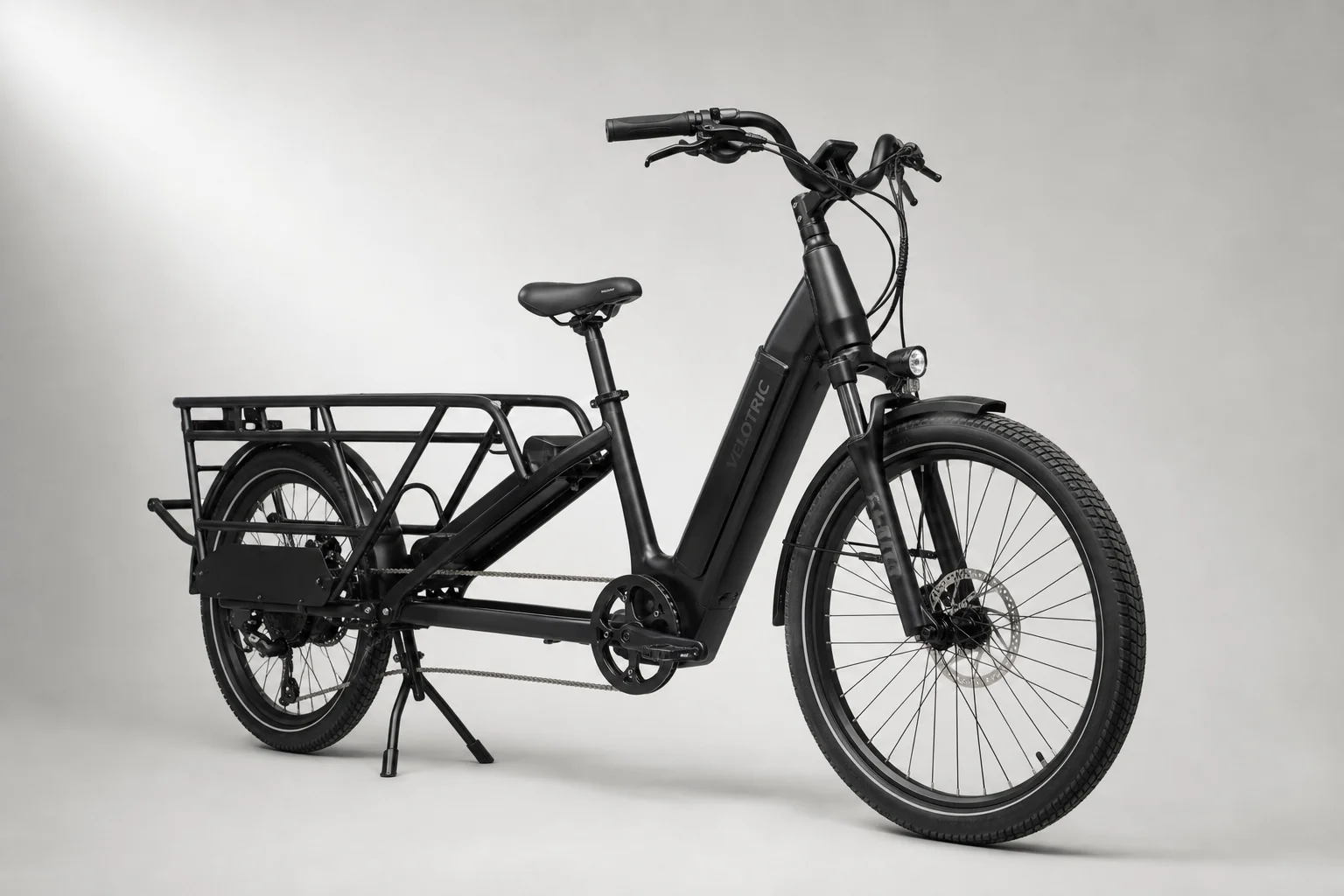
The Aventon Abound features a low-step frame design that prioritizes accessibility across different rider heights and physical abilities. The approachable geometry makes it comfortable for shorter riders and those seeking an easy mounting experience.
This model suits families where multiple household members of varying heights need to share the bike, or riders who prioritize ease of entry and exit over maximum cargo capacity.
Trek Fetch Plus: Bosch Mid-Drive Performance
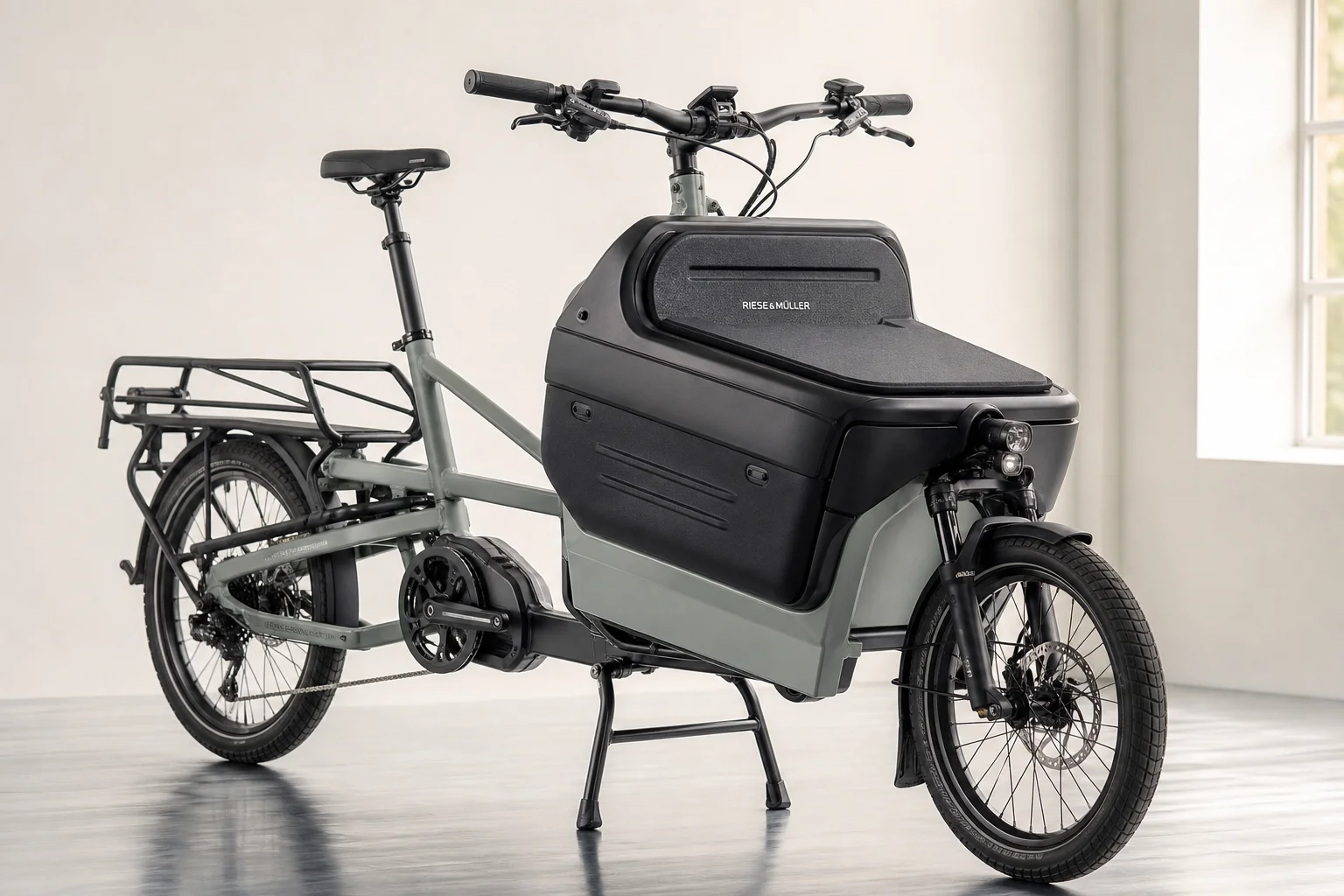
The Trek Fetch Plus combines substantial rear cargo space with hard-shell front carriers and a Bosch mid-drive motor system. The dual-carrier design provides flexibility for different cargo types and passenger configurations.
The Bosch mid-drive system delivers consistent power delivery and is recognized as a top-tier electric drivetrain option. This model appeals to riders who want proven motor reliability and the flexibility of both front and rear cargo areas for mixed-use transportation.
Flyer L885: Versatile Dual-Purpose Design
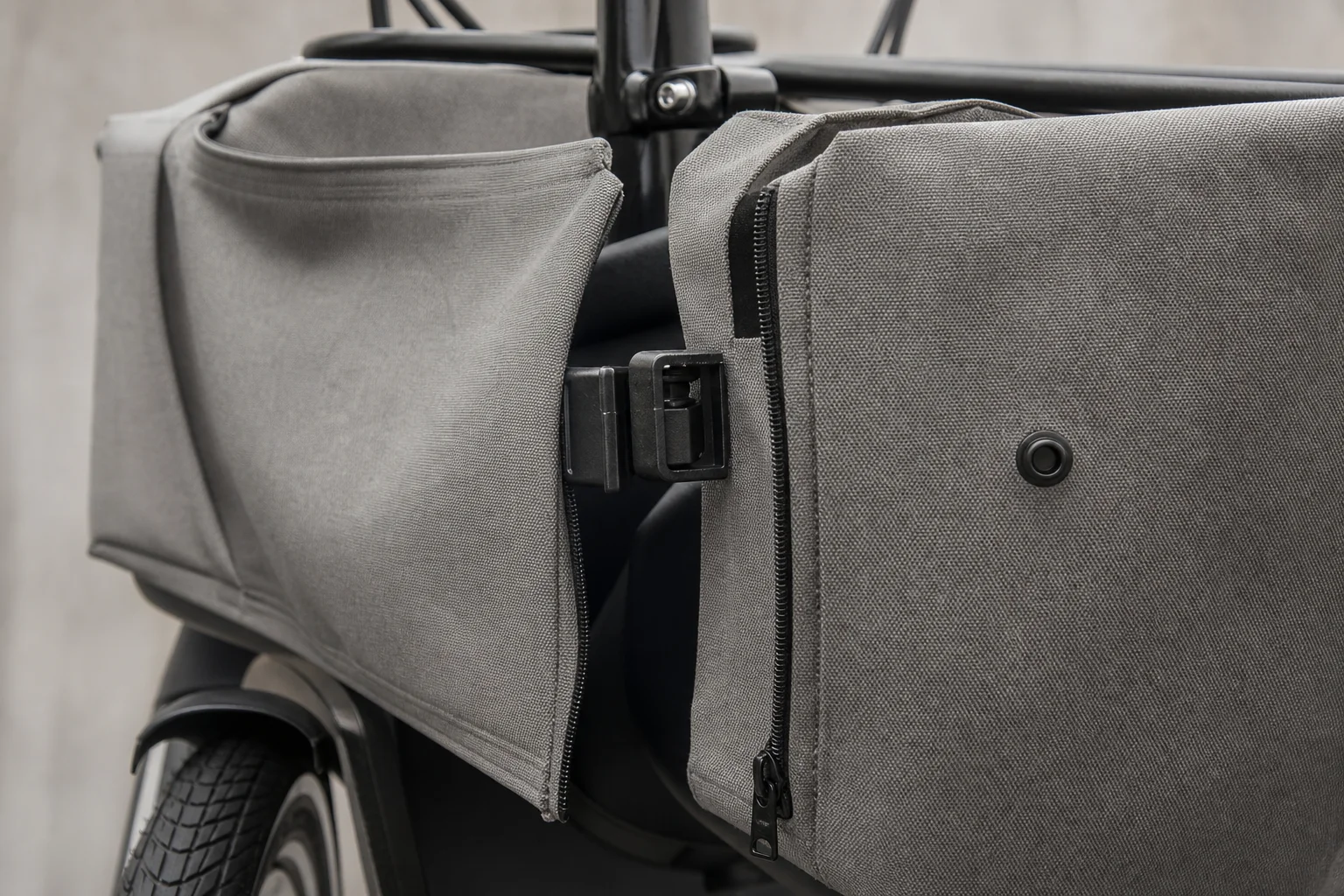
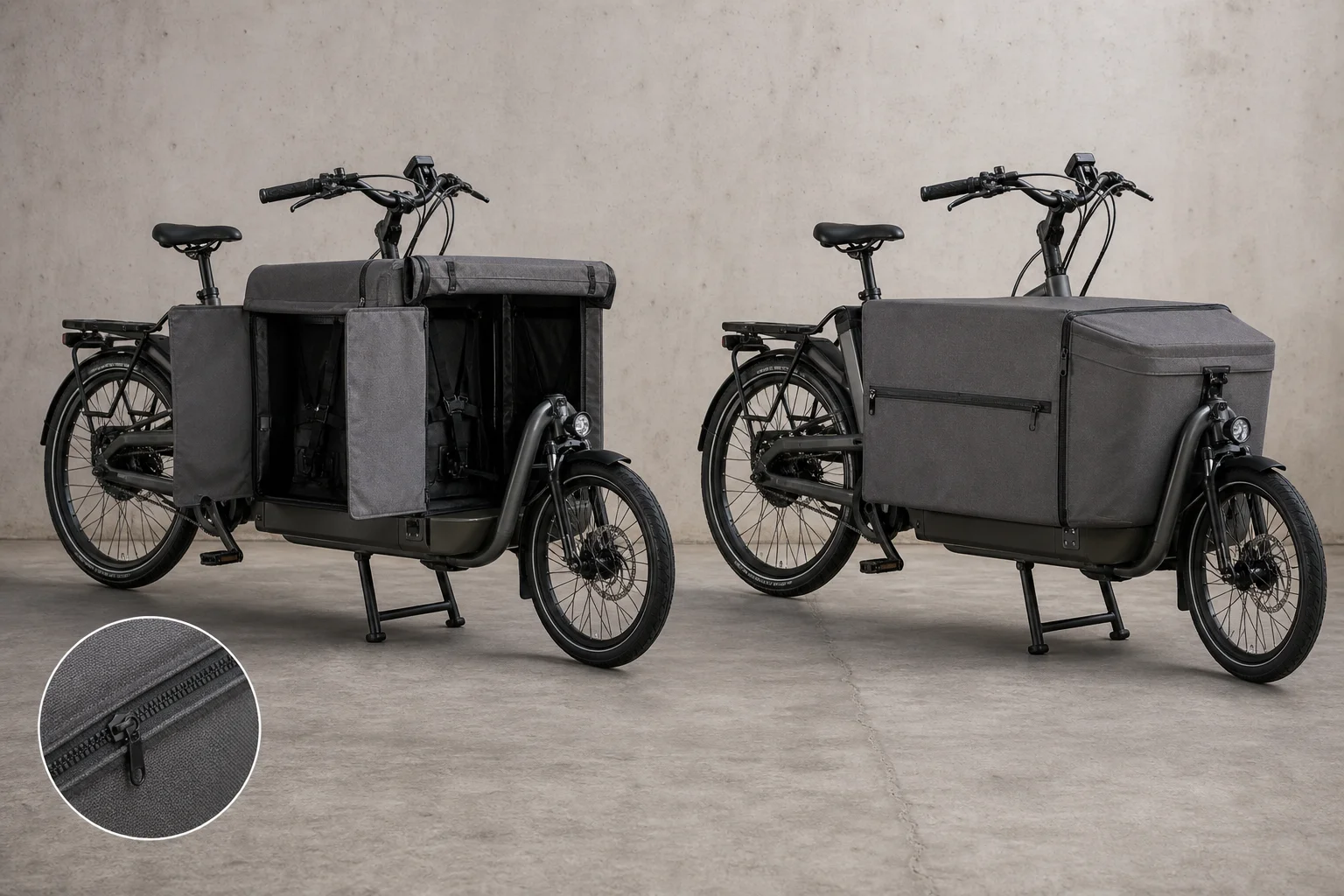
The Flyer L885, manufactured by Radio Flyer (the company known for classic red wagons), stands out for its transformable cargo area. Canvas side flaps zip up and click into place, converting the seating area into a cargo space for groceries or other items.
This dual-purpose design eliminates the need to choose between passenger and cargo capacity. The canvas construction and modular approach make it adaptable to different family needs on the same ride. For families who need flexibility between transporting children and hauling groceries, this versatility represents a significant practical advantage.
Infrastructure and Safety Considerations
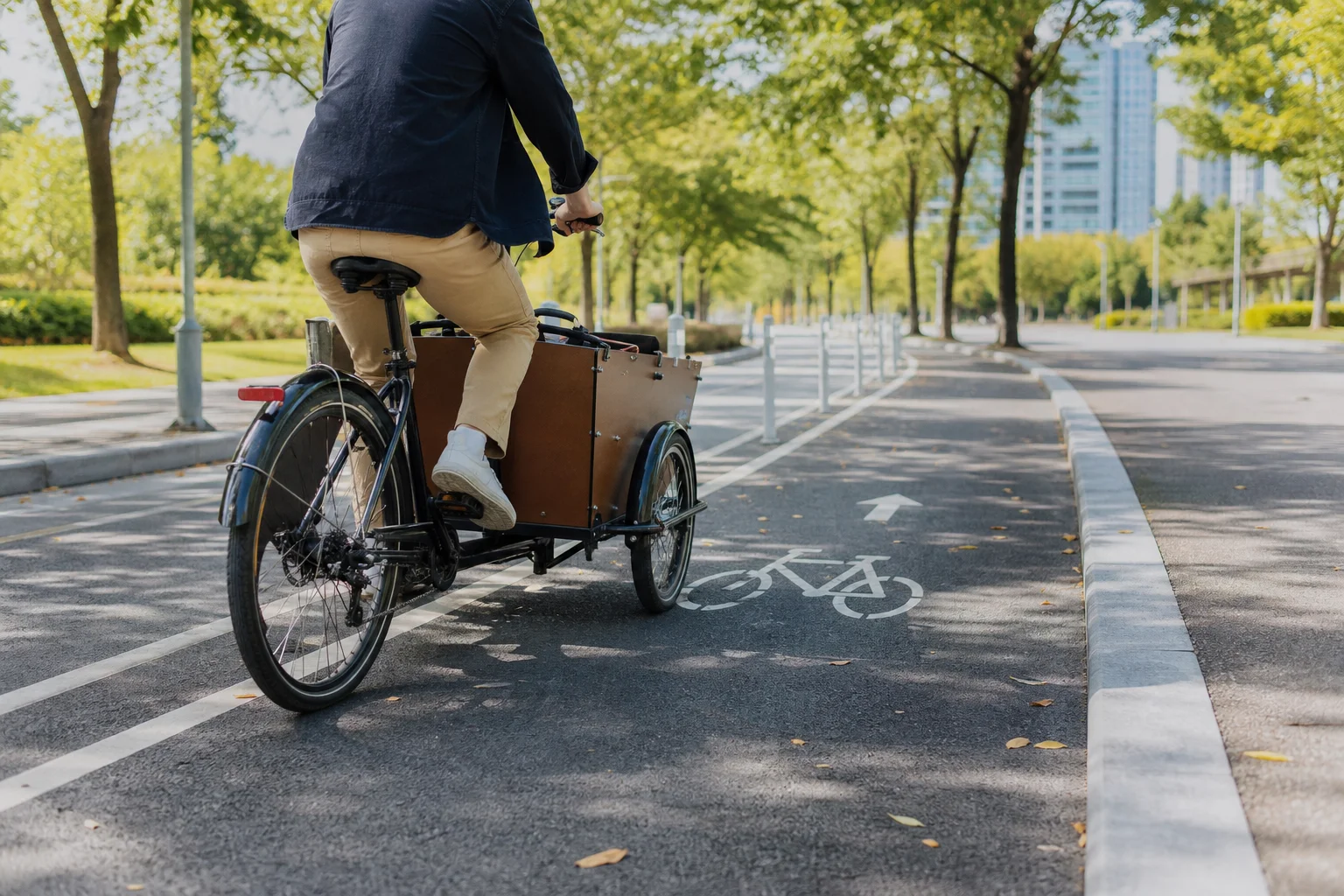
The primary barrier to wider e-bike adoption remains road safety. Protected bike infrastructure like dedicated lanes is still limited in most US cities, and riding alongside cars and trucks presents genuine risk. Cargo bikes, which can resemble small trucks, sometimes create friction with traditional cyclists competing for limited lane space.
Cities are beginning to address this by creating differentiated infrastructure. Some parks and urban areas now feature separate slow and fast lanes for bicycles, accommodating different speeds and vehicle types. However, broader systemic changes in road design and protected infrastructure remain necessary for cargo e-bikes to become truly mainstream transportation.
Building Community Through Cargo Bikes
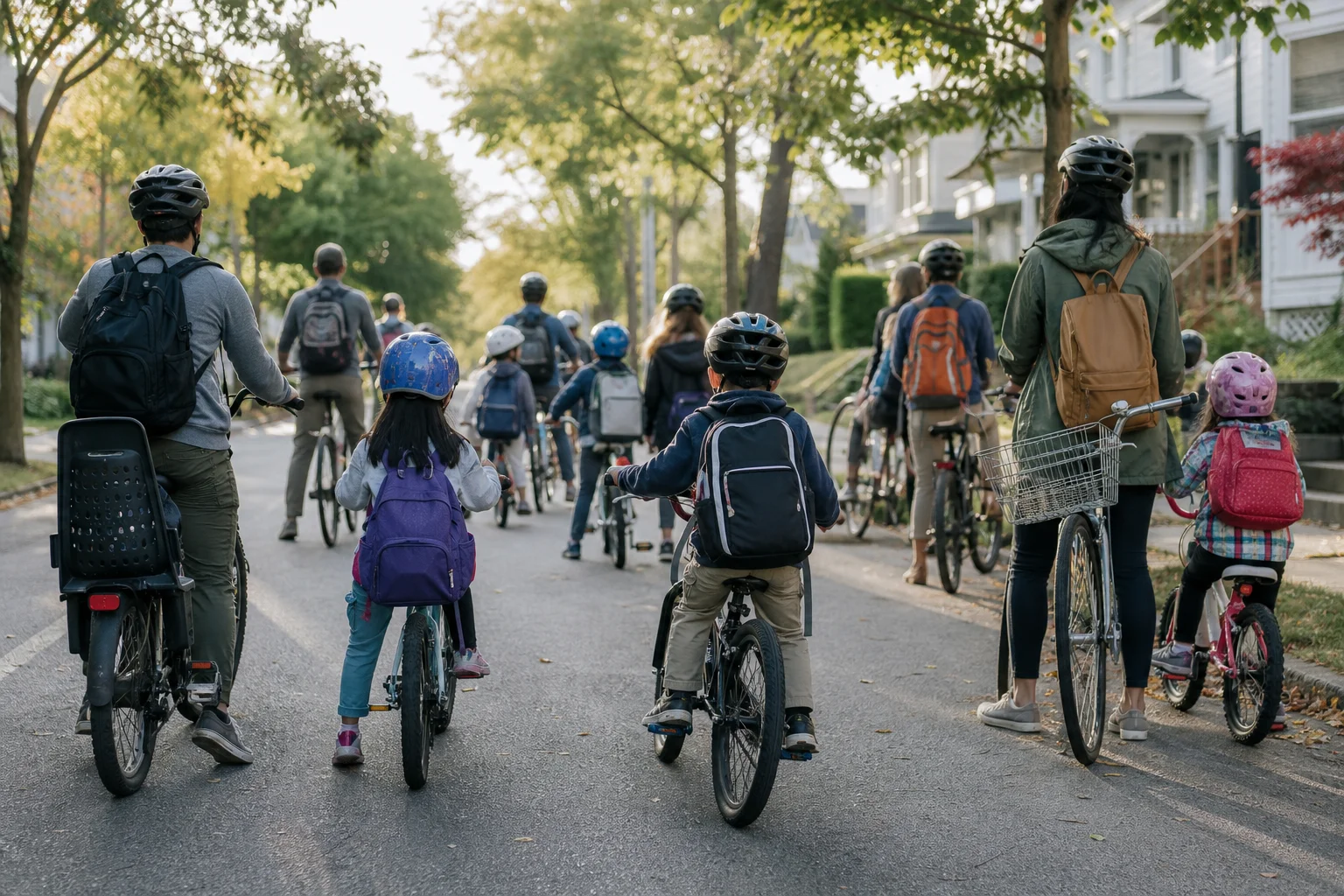
Beyond individual transportation benefits, cargo e-bikes are catalyzing community-building initiatives. Bike buses, where groups of families ride together to school or community destinations, have grown into a global movement. These organized group rides provide safe, low-stress routes for families new to cycling and create offline social connections.
The visibility and accessibility of cargo e-bikes have given many parents confidence to bike with their children, making family cycling feel achievable rather than intimidating. Local advocacy and grassroots efforts, rather than top-down policy alone, are driving adoption and cultural shifts toward cycling-friendly communities.
Conclusion
Electric cargo bikes offer practical solutions for families seeking to reduce car dependency and build more sustainable transportation patterns. The Aventon Abound prioritizes accessibility, the Trek Fetch Plus delivers proven motor performance with flexible cargo options, and the Flyer L885 provides versatile dual-purpose design. Choosing between them depends on your household’s specific needs: shared access across different heights, reliable mid-drive performance, or flexible passenger-to-cargo conversion. All three represent meaningful steps toward car-free family living.
Further reading
Related Reviews
Automotive Accessories
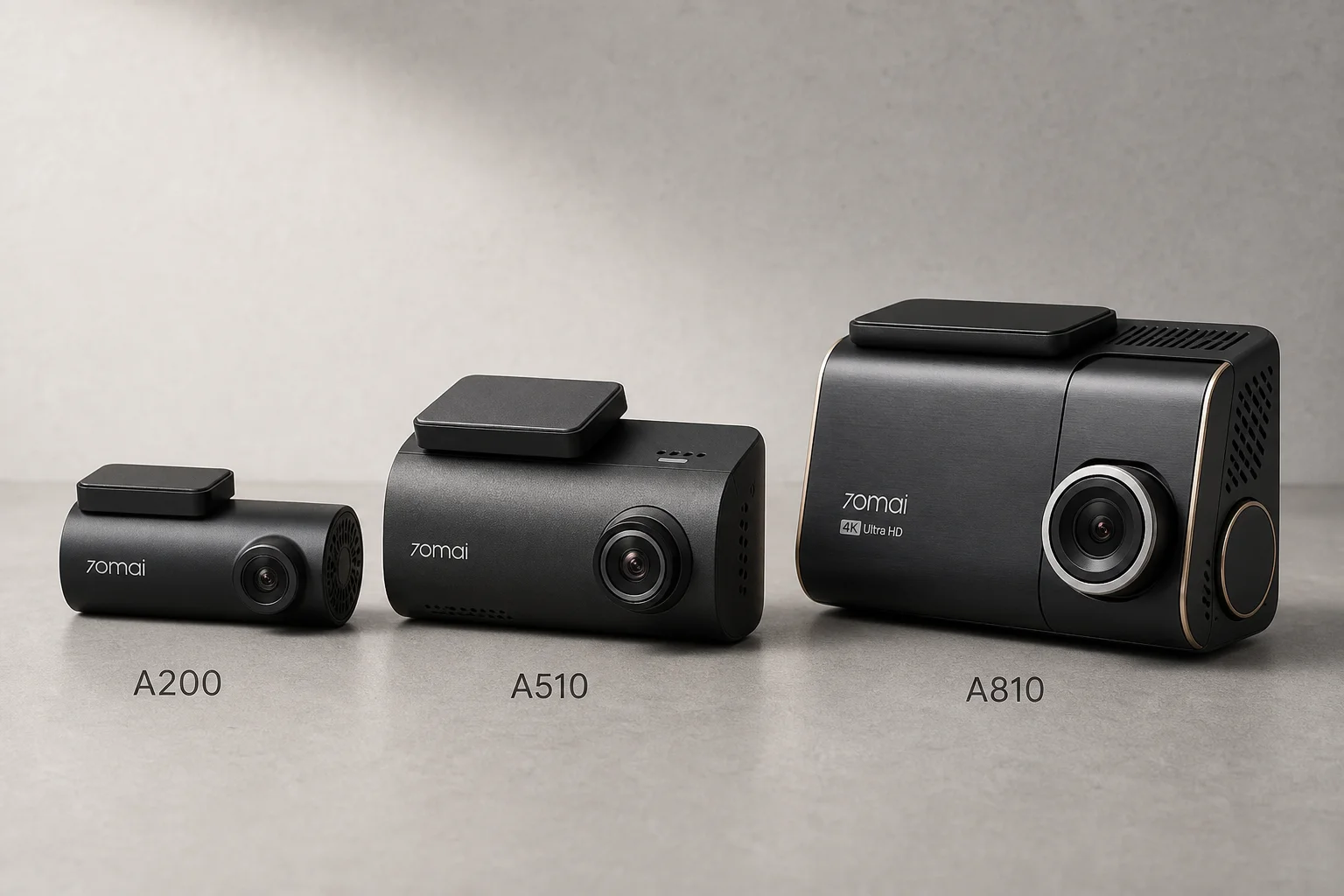
70mai Dash Cam Comparison: A200 vs A510 vs A810
Three dash cameras from 70mai across different price points reveal how resolution and sensor quality impact real-world footage clarity, especially for number plate visibility and low-light performance.
Cycling Power Meters
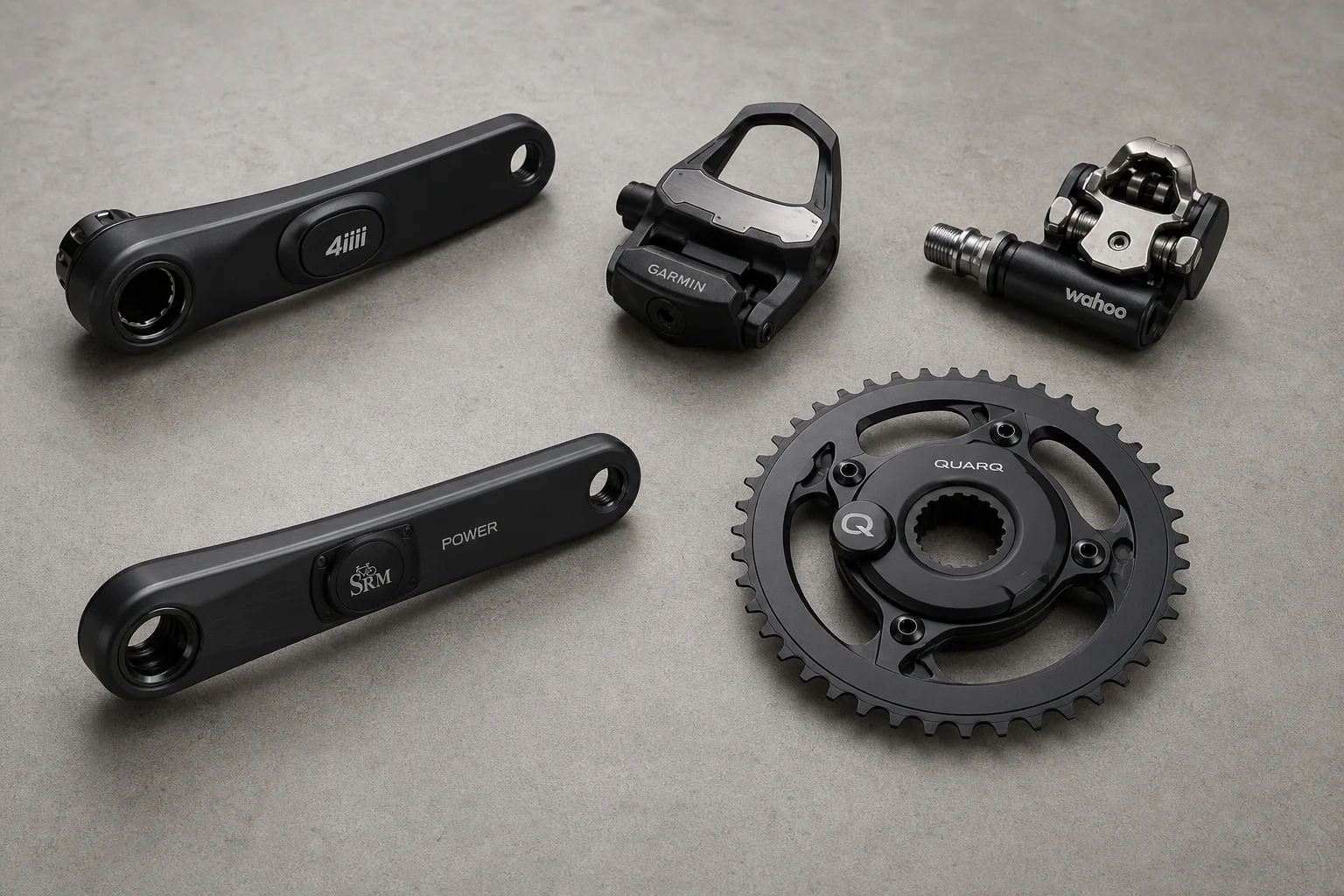
Five Affordable Power Meters for Road and Off-Road Cycling
Five practical power meter options under $500 that deliver reliable power measurement without breaking the budget.
Coffee Gear
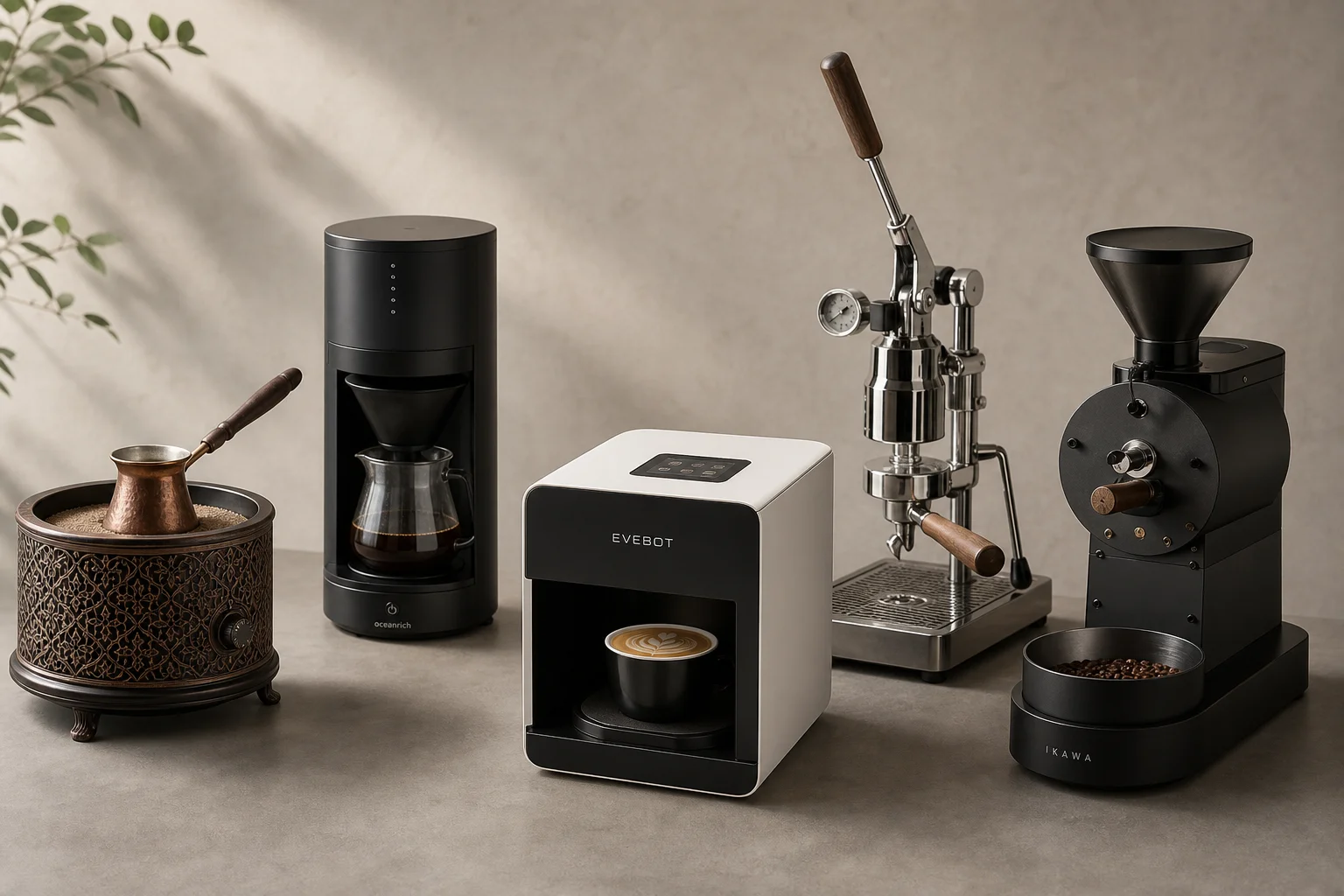
AliExpress Coffee Gear Review: Five Products Worth Testing
A practical look at five coffee tools from AliExpress, including a sand heater, automatic brewer, latte art printer, espresso machines, and home roaster.