Electric Bikes
Best Electric Bikes 2026: Seven E-Bikes Worth a Closer Look
A practical look at seven electric bikes spanning endurance road, gravel, cargo and experimental designs, with the real strengths and trade-offs of each.
Introduction
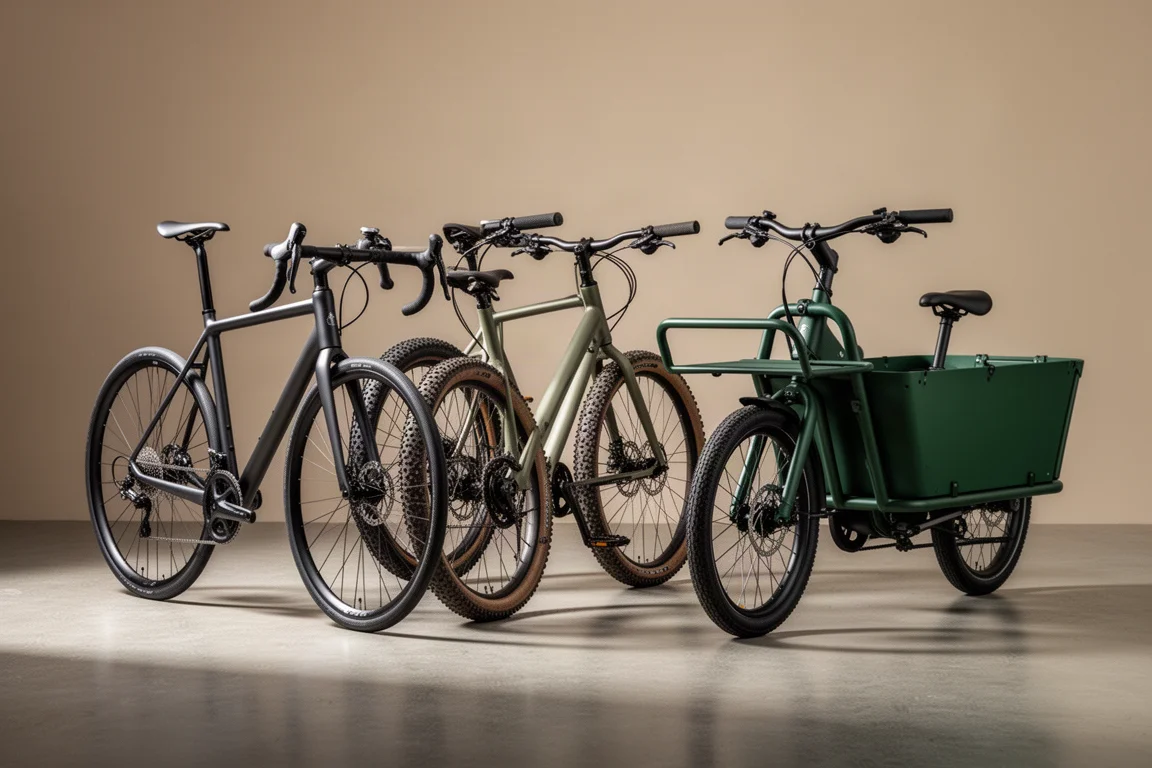
The bicycle industry is working through one of the toughest stretches it has seen in years, yet one part of the market is clearly moving in the opposite direction. Electric bikes keep arriving from almost every major brand, and they now cover road, gravel, commuting and cargo duties rather than sitting in a single niche.
That breadth is the interesting part. Some of the models below are built to feel as close as possible to a conventional bike, while others lean fully into utility. The seven machines here are the ones that look most promising, and each one makes sense for a slightly different rider.
How We Chose These E-Bikes
We looked at how each bike balances weight, motor assistance and everyday usability, then weighed that against what it asks of the rider. Ride character mattered too: whether the motor supports the bike’s natural feel or dominates it, and whether the frame and component choices suit the terrain the bike is aimed at.
Price and positioning were part of the picture as well. An electric bike can justify a high figure if it replaces a car, extends the length of every ride or opens up terrain that would otherwise be out of reach. Value here is about fit, not just the number on the tag.
Trek Domane+ AL 5
The Domane has been a mainstay of the endurance road category for years, and adding a motor has let it serve the same audience in a more varied way. The top specification bike carries a claimed weight of 12.15 kg (26.8 lb) for a 56 cm frame, which is a respectable figure for an assisted road bike.
The entry level Domane+ AL 5 is the version most riders will actually consider. It adds roughly 2 kg (4 lb) over the lighter model while saving a significant amount of money, and the range as a whole spans a wide spread of price points. Higher end versions use Trek’s top end OCLV 800 series carbon fibre. Underneath all of it sits one of the most popular endurance platforms available.
Scott Addict RC eRIDE
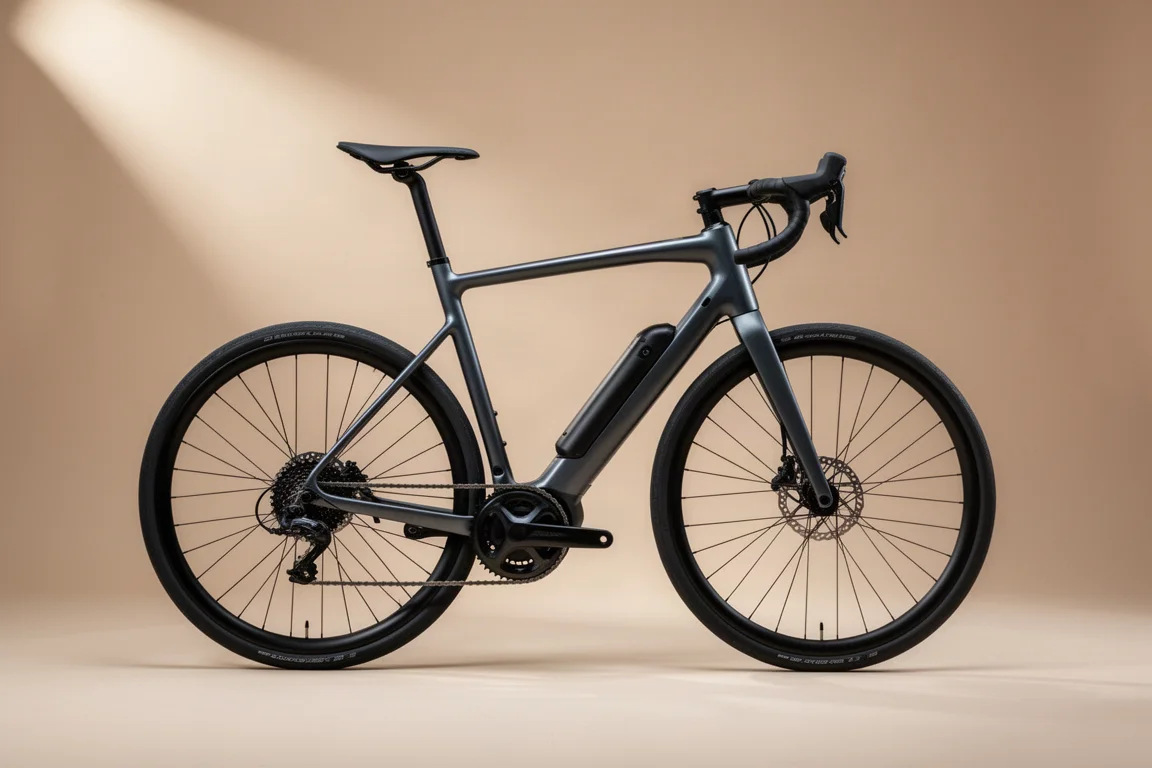
At a claimed 10.6 kg, the Addict RC eRIDE is one of the lightest electric road bikes currently available, and that figure is the whole point of the bike.
Scott’s stated aim was to make cycling tougher rather than easier, with the motor used to help riders cover more miles and stay out for longer rather than to flatten every climb. Whatever you ask of it, the eRIDE is remarkably discreet. Parked next to the analogue Addict RC Pro, the two are hard to tell apart at a glance, and only a closer look reveals the extra hardware underneath.
Performance at this level does not come cheap, but for riders who want an electric road bike that stays close to an analogue machine in weight terms, this is the model to look at.
Cannondale Topstone Neo
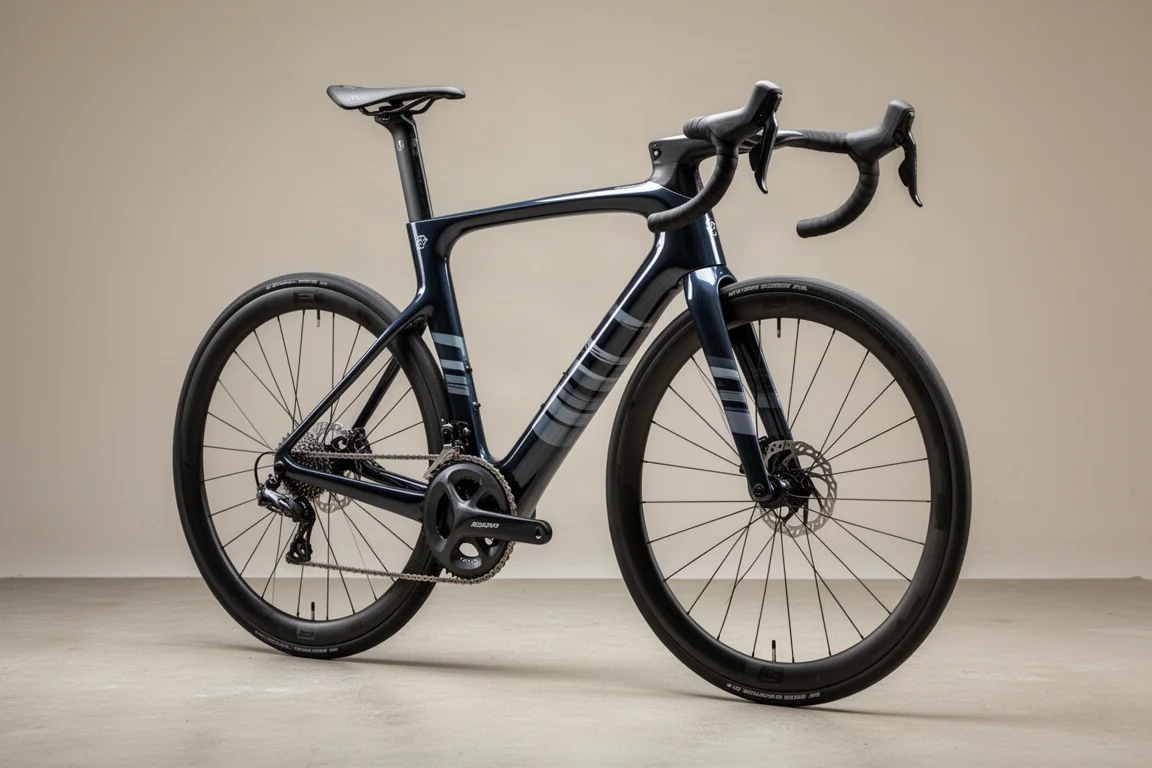
The Topstone has become a favourite among gravel riders, and the Neo version keeps that multi terrain ability while adding assistance.
One detail sets it apart from other Topstone models: the Neo does not use the Kingpin suspension system found elsewhere in the range. The result is that motor power is felt much more directly, and the bike can be ridden on the road without feeling soft or vague underneath the rider.
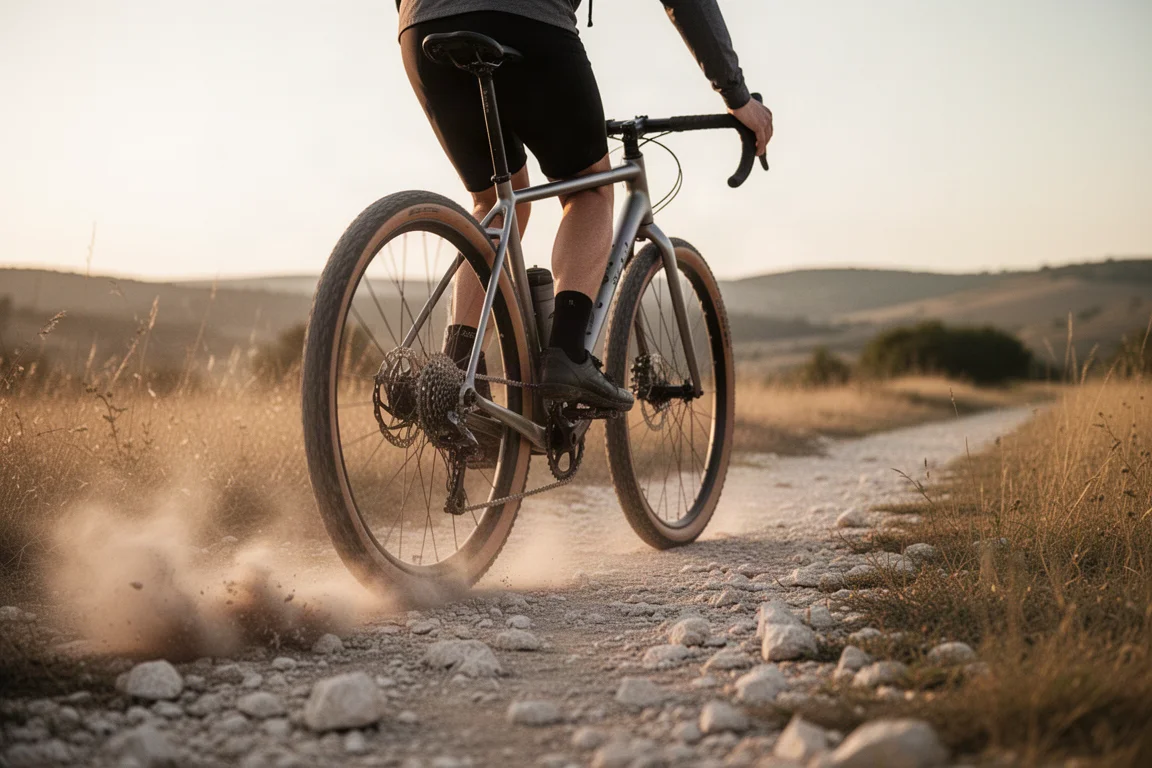
Two models are offered, both built around Shimano GRX groupsets and alloy frames. The stock tyres suit gravel, but swapping to something more road oriented, such as a Panaracer Gravel King slick, lets you keep the comfort of a wider tyre without the usual speed penalty, thanks to the motor.
In the UK the two bikes sit either side of the £3,000 mark, which represents solid value next to many competitors. The main caveat is age: both models have been on sale for a while and look due for an update fairly soon.
Specialized Creo 2 Comp
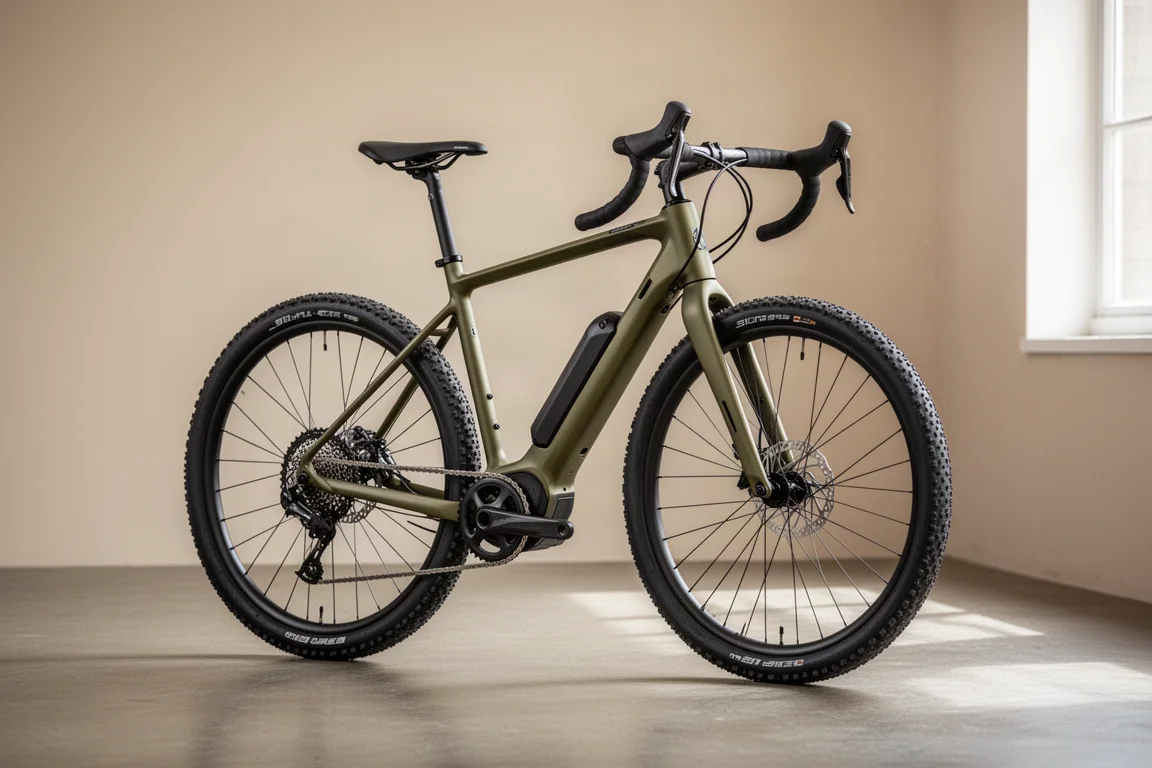
The latest Creo arrived at a similar time to the newest Roubaix, and it follows a similar philosophy. Just as the Roubaix broadened out into more of an all road machine, the new Creo has moved away from pure tarmac in favour of a more versatile, gravel focused character.
The top S-Works version uses the latest 3.3 generation Future Shock and a dropper seat post, and the platform as a whole is a highly competent one. Like other rigid framed gravel bikes, a simple tyre change turns it into a comfortable, versatile machine for eating up long distances without suffering on rough roads.
The sticking point is price. There are three Creo models, and the entry level Creo 2 Comp starts at a fairly high £5,000 in the UK, which is a tough starting point for the most accessible version of the range.
Specialized S-Works Creo
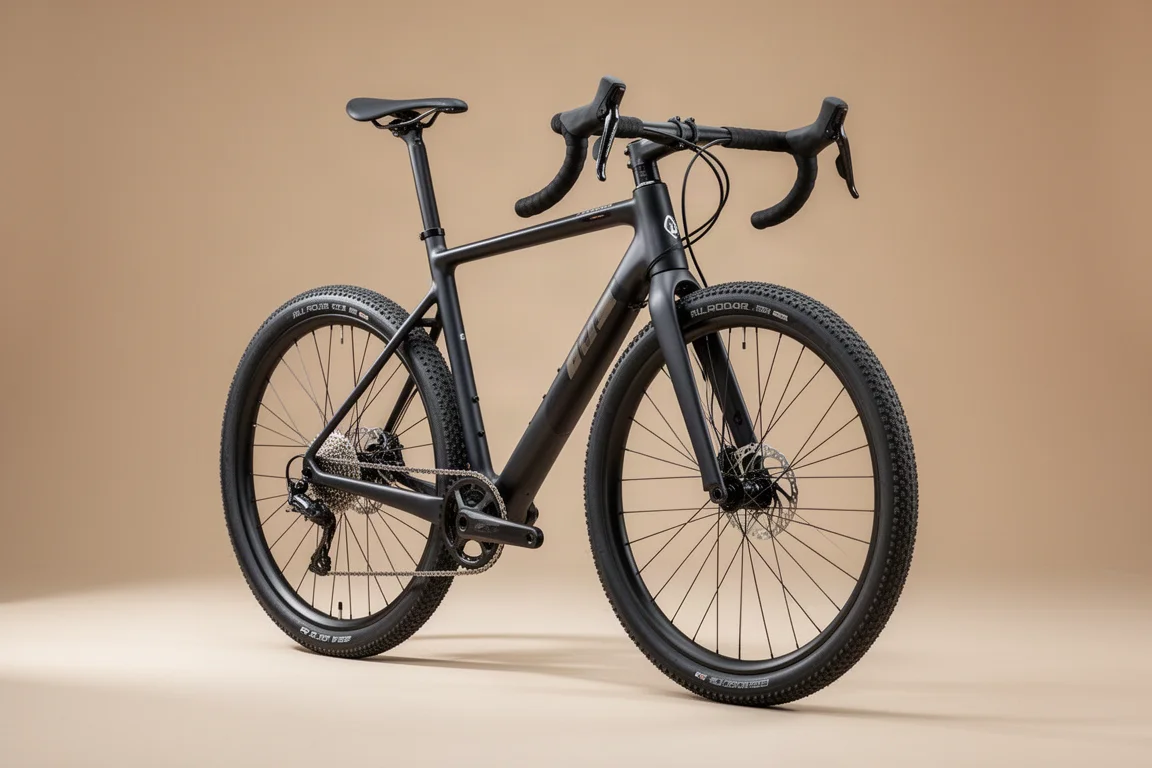
The S-Works Creo sits at the top of the three model Creo line up and shows what the platform can do when nothing is held back.
It carries the latest 3.3 generation Future Shock along with a dropper seat post, a combination that suits the bike’s move towards mixed surface riding. The result is a fast, highly capable machine that handles long gravel days as comfortably as it handles smoother roads.
As with the rest of the range, the cost is significant. The S-Works sits above the £5,000 entry model, so it is best approached as a considered purchase for riders who already know they want the most capable version of this platform.
Trek Fetch+ 4
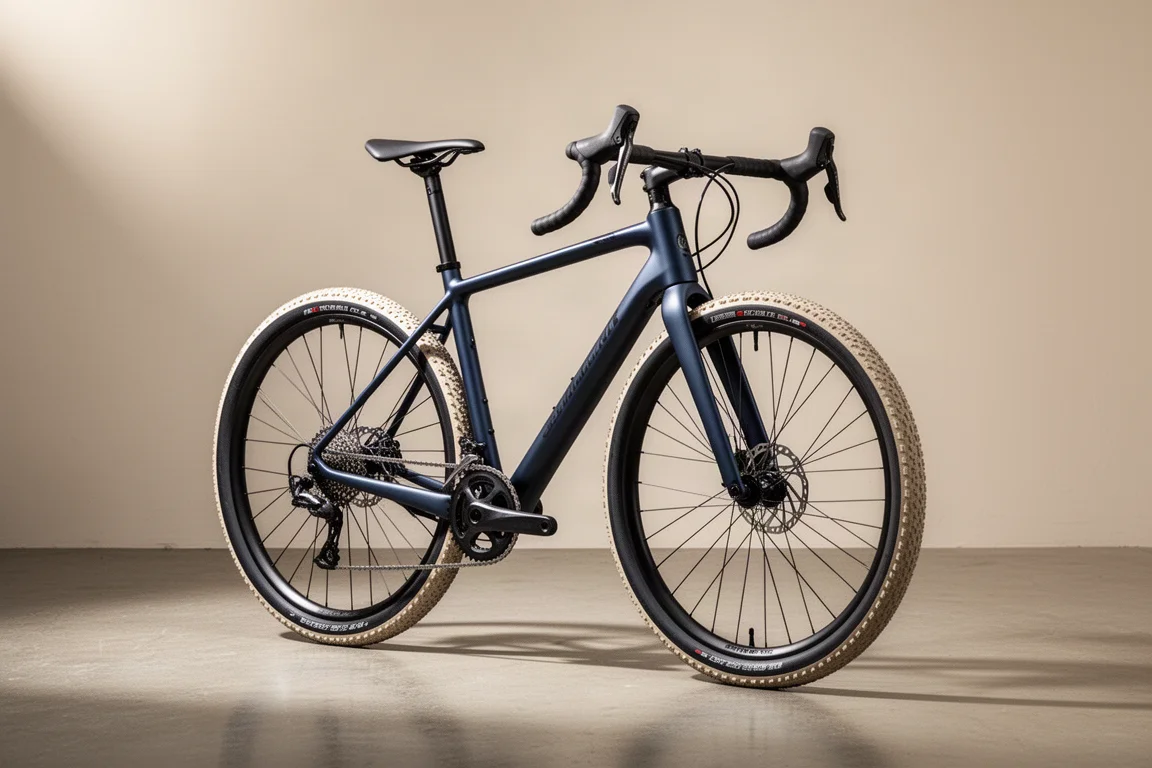
Cargo bikes are quietly changing how a growing number of people move their children, their shopping and, increasingly, commercial deliveries. The Fetch+ 4 is a good example of why.
There is space up front for children or cargo, and both the seat and the handlebars adjust so the rider can find a stable, confident position. The bike comes in step through and standard frames with a range of build options, and it uses a Bosch Performance Line motor with up to 125 km of range per charge from a 725 Wh battery.
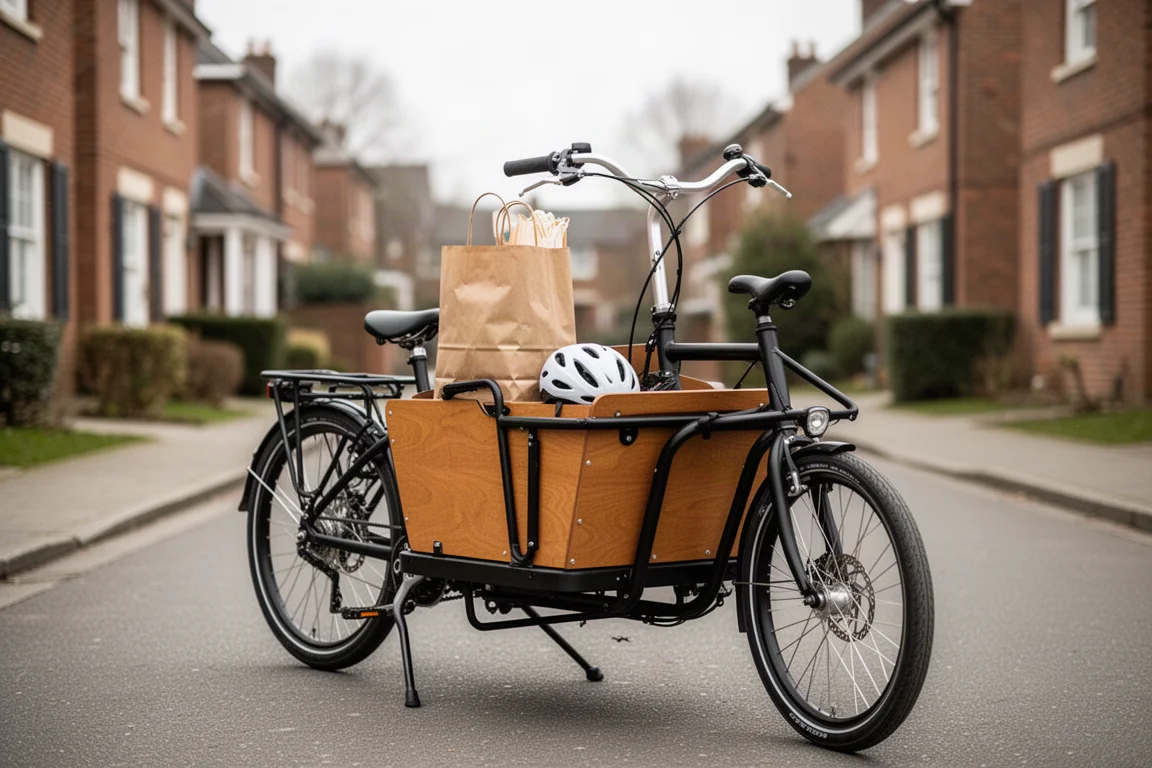
Bosch’s largest capacity integrated battery adds a claimed 20 percent extra distance to every charge, and a locking ring on the rear wheel means the bike can be left parked securely. It is not a cheap purchase, but for households where it can replace a car, the savings can stack up considerably over time.
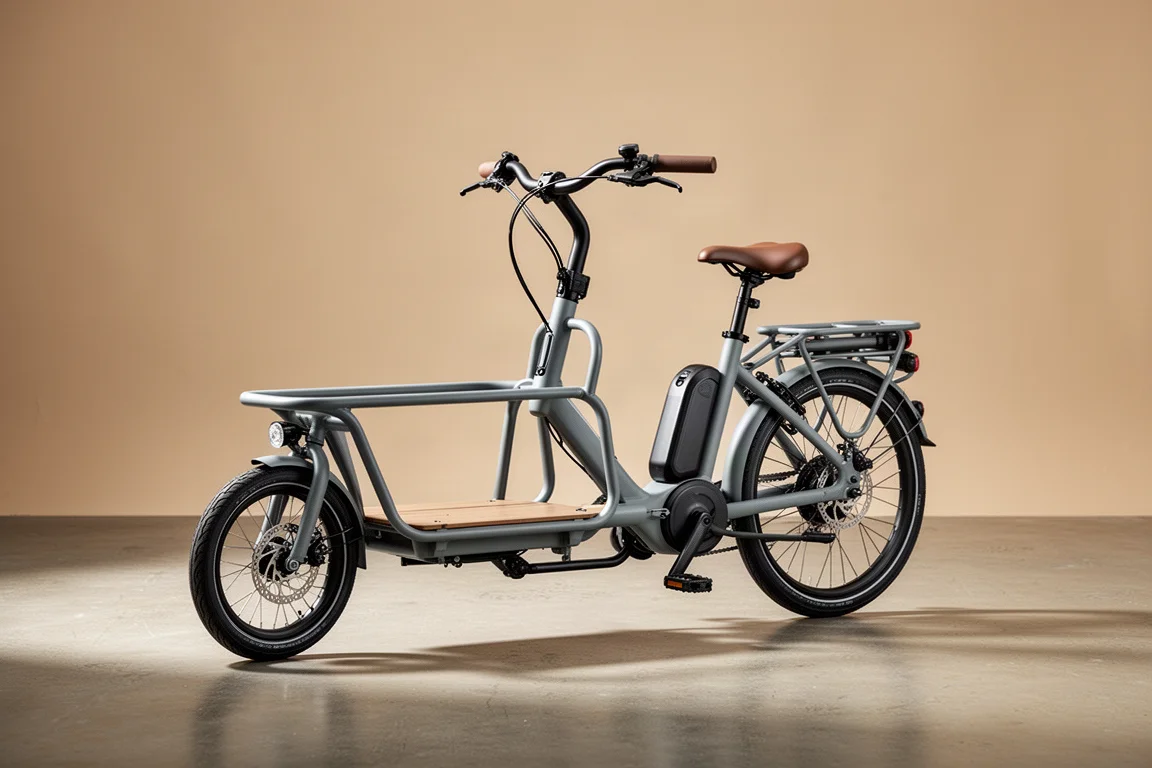
Lotus 136
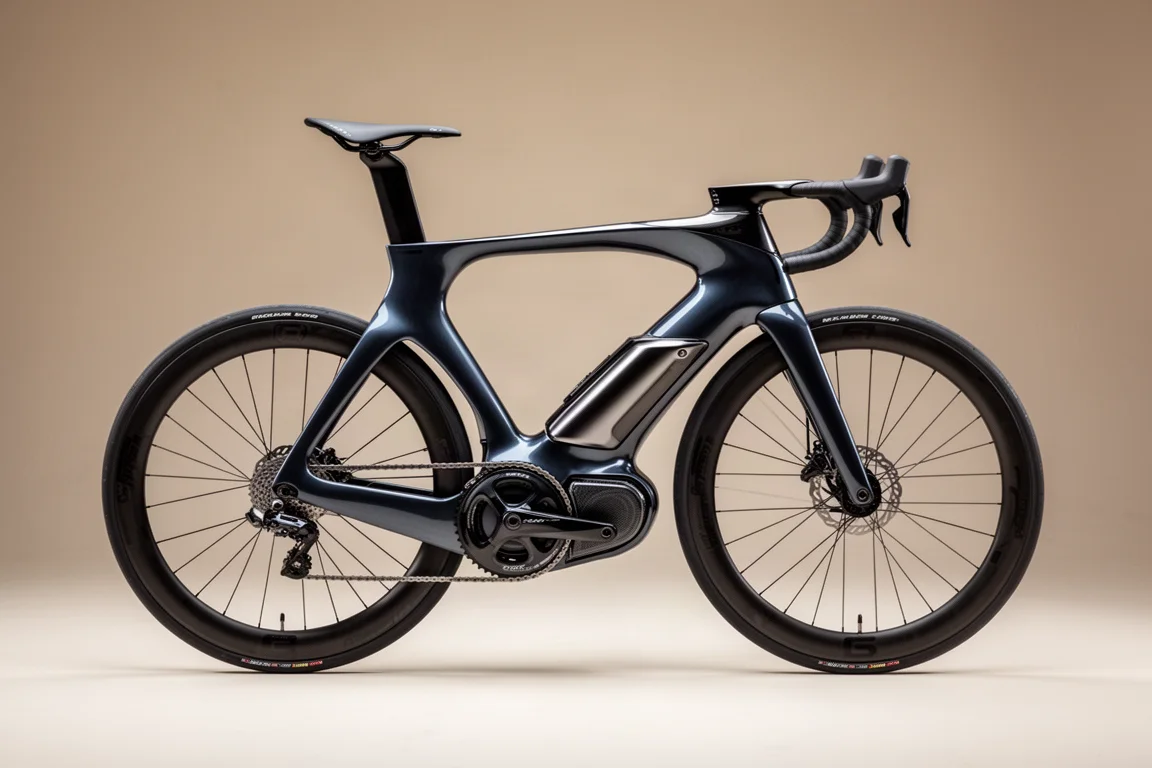
This one gets a special mention rather than a recommendation. Launched at the start of November, the Lotus 136 pairs the aerodynamics of the Lotus Hope track bike used by the Team GB track squad with one of the lightest motors found on an electric bike.
The ambition is easy to applaud, but the execution raises a question that is hard to shake: why build an electric bike whose assistance stops before the aerodynamic shapes can start doing useful work? On the face of it, the concept would make more sense as an unassisted race bike aimed squarely at racers.
It is still an intriguing machine, and quite possibly a sign of what is to come.
Buying Advice: Matching an E-Bike to Your Riding
The right choice depends far more on how you ride than on any single specification, and this group splits neatly along those lines.
If you want a road bike that still feels like a road bike, the lightest options here are the ones to look at, and the Addict RC eRIDE is the clearest example. Riders who want one bike for mixed surfaces should look at the gravel oriented platforms, where the Topstone Neo and the Creo models offer two different takes on the same idea: the Cannondale leans on direct power delivery and keen pricing, while the Specialized bikes lean on a more refined and considerably more expensive package.
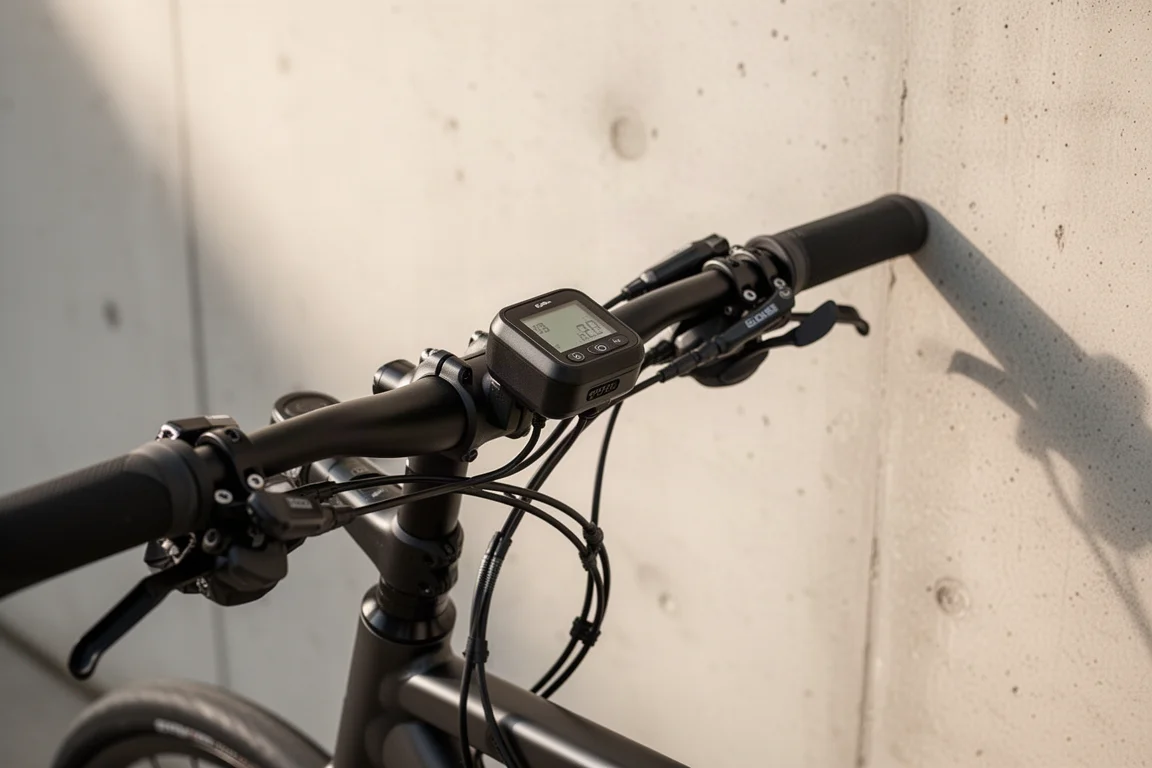
For pure utility, the Domane+ range covers a wide spread of budgets, and the Fetch+ 4 makes sense where a car is genuinely being replaced. The Lotus 136 is worth knowing about, but it is not a practical purchase.
Conclusion
Electric bikes are one of the few bright spots in a difficult market right now, and the sheer range of machines on offer is the reason why. There is a genuinely different answer for almost every rider: a discreet road bike that hides its motor, a gravel platform that changes character with a tyre swap, or a cargo bike that takes over the weekly shop and the school run.
The common thread is that each of these bikes is worth considering only when it matches a real need. Pick the one that fits the riding you actually do, and the extra cost of assistance becomes much easier to justify.
Further reading
Related Reviews
Electric Bikes
Best Cargo E-Bikes for Family Use: Three Practical Options for Car-Free Living
Three electric cargo bikes designed for families and everyday transportation, each with distinct strengths for replacing car trips and building community.

Electric Bikes
Best Electric Bikes 2026: The Most Exciting Launches From CES
From lightweight e-motos to compact city commuters, these are the most interesting electric bikes unveiled at CES 2026.
Electric Bikes
Best Electric Bikes: 5 Standout Models for Commuting, Gravel and Everyday Riding
Five electric bikes that span a sub-12 kg carbon road machine, a carbon gravel build, two practical hybrids and a belt-drive city single speed, with the strengths and trade-offs worth checking first.