Speakers
Tekton Troubadour Review: Measurements, Sound, and Who It Suits
A close look at the Tekton Troubadour, a $1,000-per-pair stand-mount speaker with real bass extension, a handsome finish, and a broad upper midrange lift worth understanding before you buy.
Introduction
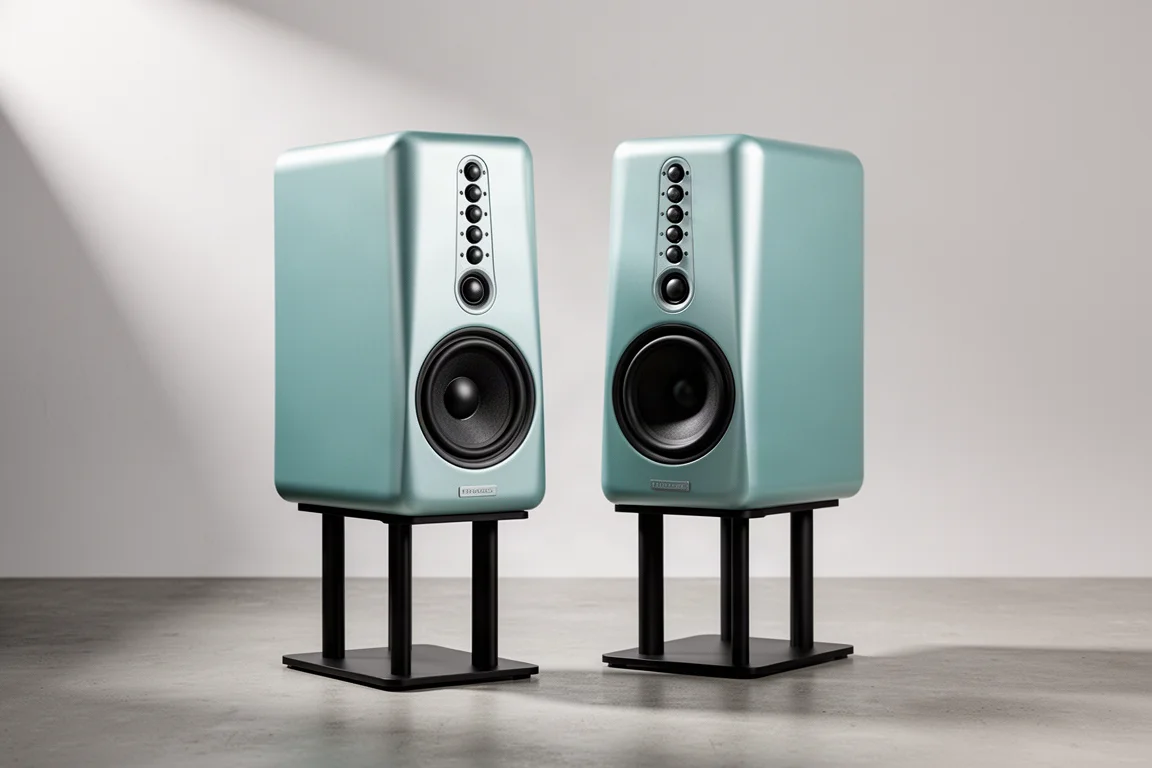
The Tekton Troubadour is a stand-mount speaker sold as a pair for around $1,000. It uses a vertical array of tweeters with the middle tweeter as the reference axis, a ported cabinet, and threaded inserts on the underside that are meant to be sealed with the supplied feet. The pair tested arrived in a seafoam green-blue finish that looks considerably more deliberate than the usual black box.
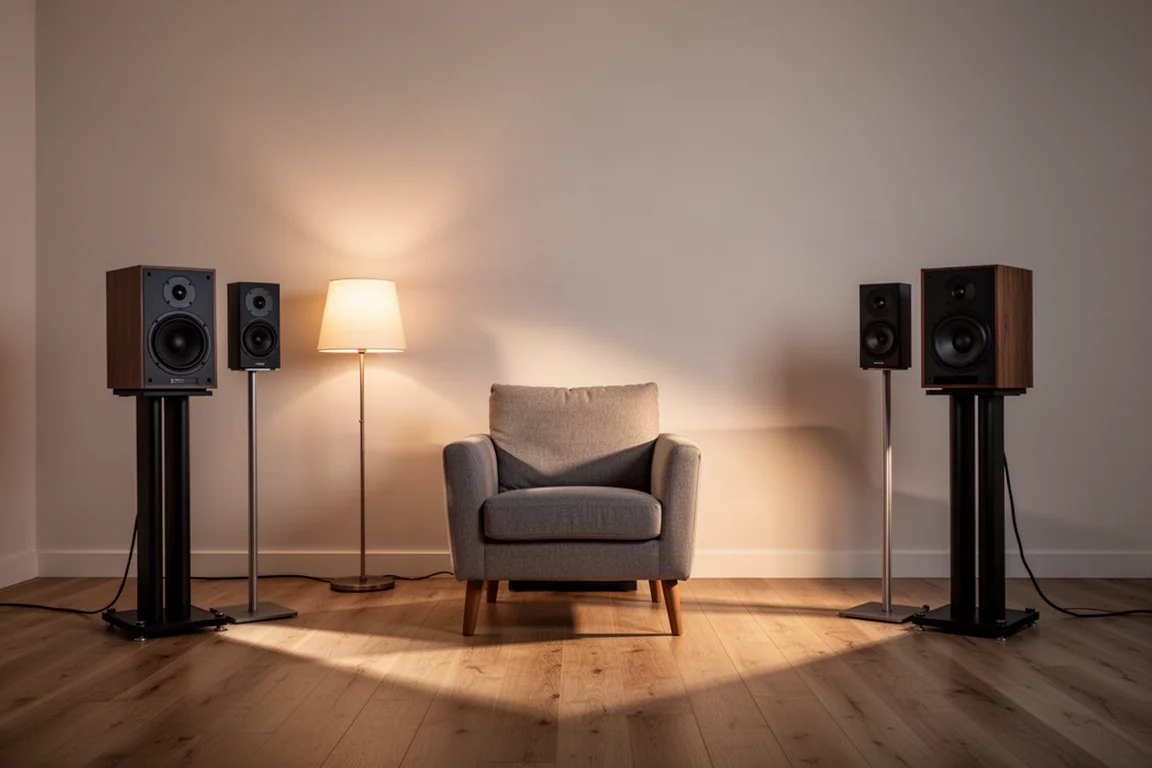
At this price the Troubadour sits in a crowded part of the market, so the useful question is not whether it plays music competently. It does. The useful question is where it departs from neutral, and whether those departures matter for the way you actually listen.
Who This Product Is For
The Troubadour suits listeners who want a compact speaker with genuine low-frequency reach and a finish that reads as furniture rather than equipment. Bass extension lands around 50 Hz in a normal room, and depending on placement it can reach a little lower. That is enough weight for most acoustic music, jazz, and vocal recordings without adding a subwoofer.
It is less suited to listeners who move around while they listen. The vertical listening window is narrow, roughly plus or minus 20 degrees, and the horizontal radiation is asymmetrical as well. In the sweet spot it behaves predictably; move well off axis vertically and the overall tonality shifts noticeably.
Main Strengths
Tonality is fundamentally sound. On-axis frequency response is tidy, the midrange and treble hold together without obvious discontinuities, and the speaker responds well to equalization if you want to trim the regions you do not like. In practice that means the Troubadour gives you a workable base to tune rather than a voicing you have to fight.
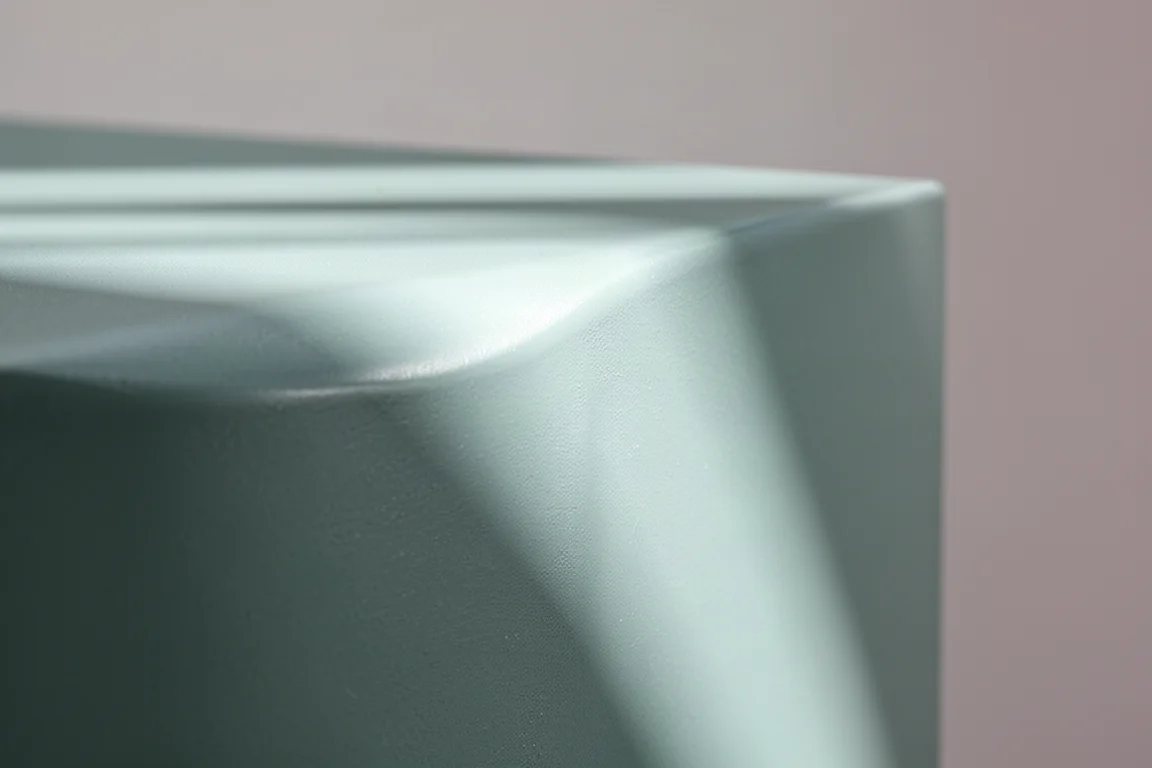
Build and finish hold up too. Across a week of moving the speakers between rooms and stands, the cabinet surface resisted fingerprints and smudges, which matters more than it sounds when a speaker is going to live in a living room. The manufacturer lists dimensions, weight, and US manufacturing on its product page, though driver specifications are not published there.
Sound Quality and Bass Extension
On-axis response looks good, with a gentle shelf below roughly 300 Hz. That shelf is placement sensitive: pulled well out into the room the low end can read as slightly thin, while moving the speaker closer to the wall adds weight. Below that region the roll-off is steep but extends reasonably low, and in-room bass reaches about 50 Hz.
Harmonic distortion was measured at 86 dB and 96 dB. Multitone distortion is higher through the midrange, which becomes most relevant at louder playback levels. Based on the compression behaviour, expect roughly 20 dB of usable dynamic range from the design. At normal domestic listening levels that is workable, but this is not a speaker built for very high output.
Build, Finish, and Setup
Setup guidance from the manufacturer is specific: the reference axis is the middle tweeter, and the speakers should be angled to converge roughly four feet behind the listening position. That toe-in produced the most coherent result in listening, and the speaker tolerates small positional adjustments without falling apart.
The feet are not cosmetic. The threaded inserts in the base are through-holes, and in a ported cabinet those openings give air an additional path out of the enclosure. Sealing them with the supplied inserts is the intended configuration, so it is worth confirming they are installed before you start evaluating the speaker.
Things to Consider Before Buying
Two characteristics are worth knowing before you commit. The first is a small resonance in the cabinet that shows up in impedance measurements. The second is a broad lift in the upper midrange that shapes the character of the speaker more than any other single trait.
The 250 Hz Cabinet Resonance
Impedance sweeps show a small bump near 250 Hz. It is present with the feet installed and with the threaded holes sealed, so it is not caused by an air leak through the base. It also disappears when the cabinet is turned upside down and rested flat on a hard surface, which points to a resonance in the top panel that gets damped when the panel is pressed against something solid. In normal use, with the speaker sitting on a stand, that resonance remains, though it was not audible in listening.
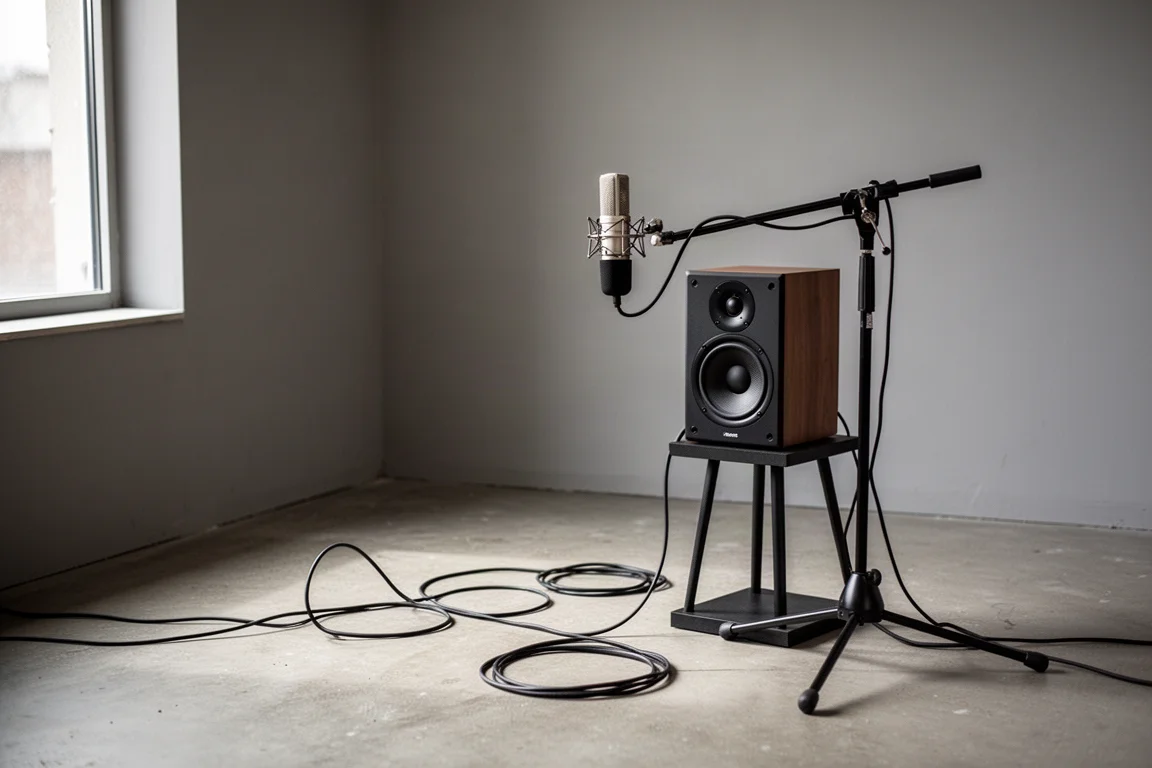
It is a minor issue, and not something most listeners would identify without measurements. Even so, it is the kind of detail worth understanding rather than discovering later.
Listening Window and Placement Flexibility
The vertical window is the practical constraint. The middle tweeter is the axis, and staying near it keeps tonality consistent. Standing up moves you well outside that window and the sound changes substantially. Most non-coaxial speakers behave this way, so this is a design characteristic to plan around rather than a defect: a low seat, a stand height that puts your ears on the tweeter axis, and a settled listening position will get the best from it.
Horizontal behaviour is asymmetrical, which means the left and right speaker are not mirror images in the way they radiate. Symmetrical placement and a modest toe-in help here.
Upper Mid-Range and Treble Balance
The estimated in-room response shows a wide elevation centred near 4 kHz and spanning roughly 2 kHz to 8 kHz, with treble falling above it. That combination pushes upper midrange content forward. In solo listening it reads as a little extra presence; compared directly against a more linear speaker, the difference becomes obvious, and it is the main reason the Troubadour does not sound neutral.
Whether that bothers you is a preference question. Some listeners enjoy that kind of forwardness. If you want a speaker that adds nothing of its own, this is the trait to weigh, and it is also the trait most easily addressed with a modest EQ cut in that region.
Buying Advice
At around $1,000 per pair, the Troubadour is a reasonable proposition if you value bass extension, an attractive finish, and a speaker that responds well to equalization. It is a poor fit if you need a wide vertical window, listen while standing or moving, or want a voicing that is neutral straight out of the box.
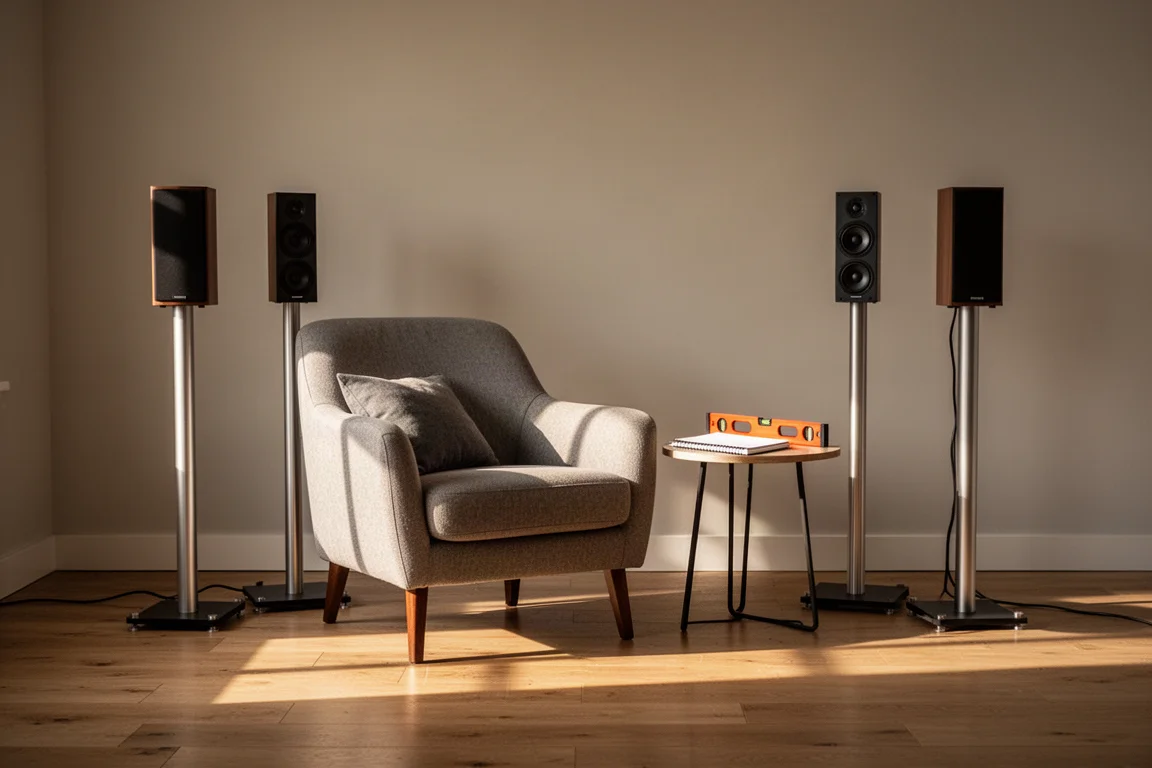
Budget for a stand height that puts your ears on the middle tweeter axis, and plan to spend some time on toe-in. If your room allows the speakers to sit relatively close to the wall, you will gain low-frequency weight without losing the tidy on-axis response, and a small cut around 4 kHz will bring the upper midrange back in line if it proves too forward in your space.
Conclusion
The Tekton Troubadour is a good speaker with a specific personality. Its strengths are real: solid bass extension for the size, a clean on-axis response, a finish that holds up to daily life, and enough adjustability that EQ can shape it to taste. Its trade-offs are equally clear: a narrow vertical window, a broad upper midrange lift, and a small cabinet resonance that measurement will reveal but most listening will not.
If you sit in one place, want weight and warmth from a compact cabinet, and are comfortable tuning the top end slightly, the Troubadour makes a satisfying case for itself at this price. If you want neutrality out of the box and a forgiving listening window, look carefully at what else your budget can reach.
Product link
View more details for Tekton Troubadour
This product is mentioned in the review. Check the specifications, options, and compatibility before buying.
View more details for Tekton TroubadourFurther reading
Related Reviews
Speakers
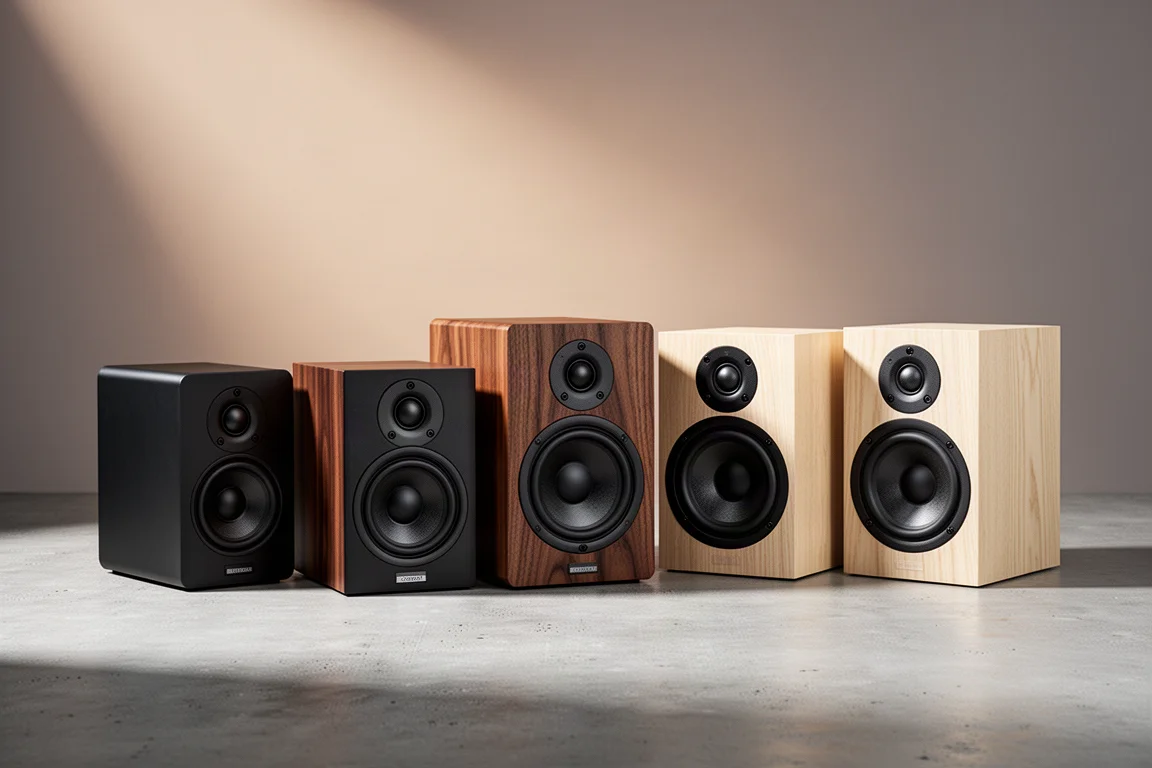
13 Under-the-Radar Speakers Still Worth Buying
Thirteen speakers that quietly stayed in production while newer models took the spotlight, from budget bookshelf pairs to a full-size tower.
Speakers
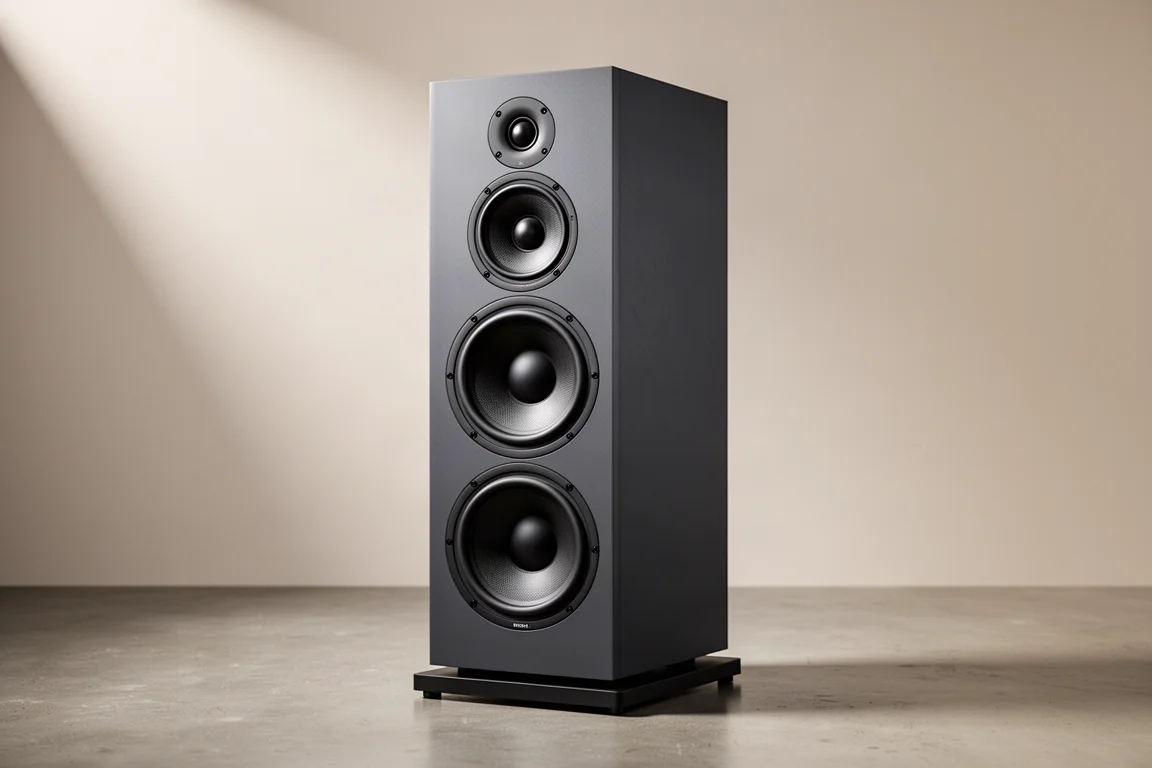
Arendal 1528 Monitor 8 Review: A Three-Way Standmount With Serious Dynamic Headroom
A three-way standmount speaker with extremely low distortion, high output capability, and deep bass for its size, plus the setup details worth knowing before buying.
Speakers
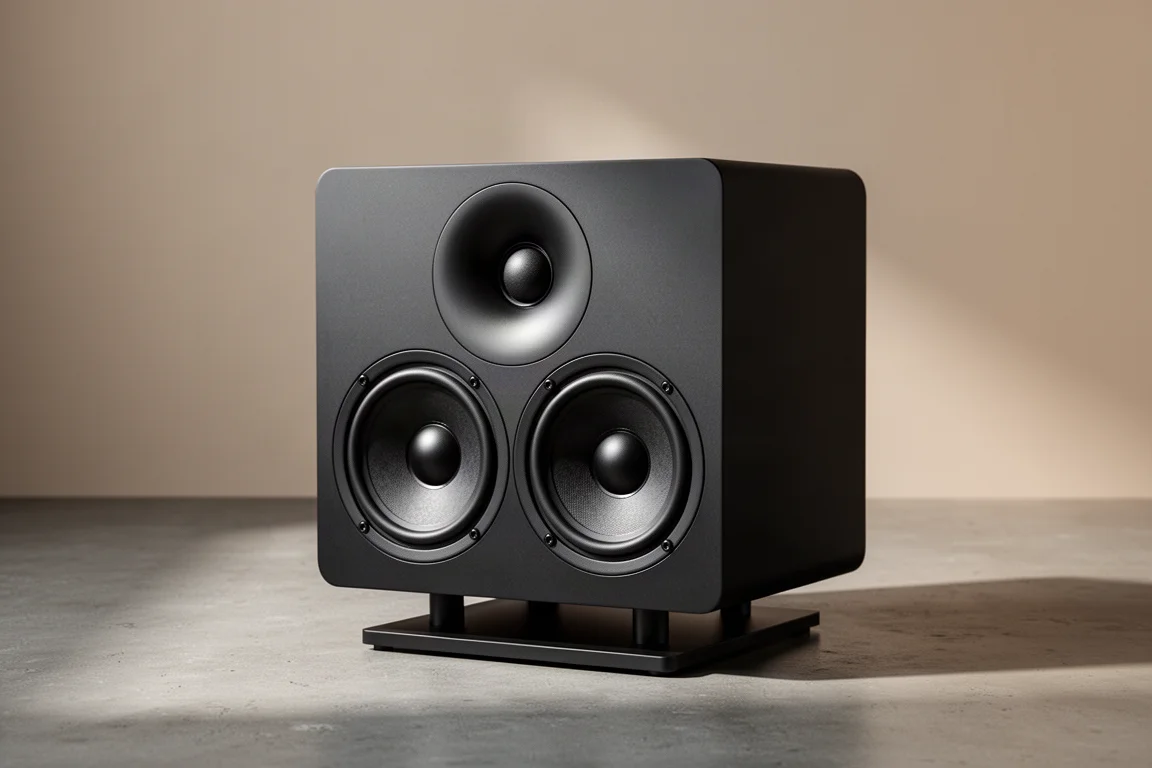
Arendal 1723 Monitor S Review: A Compact Monitor With Serious Ambition
A close look at the Arendal 1723 Monitor S, a compact MTM monitor with a waveguide-loaded tweeter, an HDF cabinet, and flexible ported or sealed operation for music and home theater.