Ski Boots
Tecnica Zero G Tour Pro Review: A Lightweight Boot Built for the Uphill
A close look at the Tecnica Zero G Tour Pro, a narrow, low-volume touring boot with a full Vibram sole, tech binding compatibility, and a strong walk mode.
Introduction
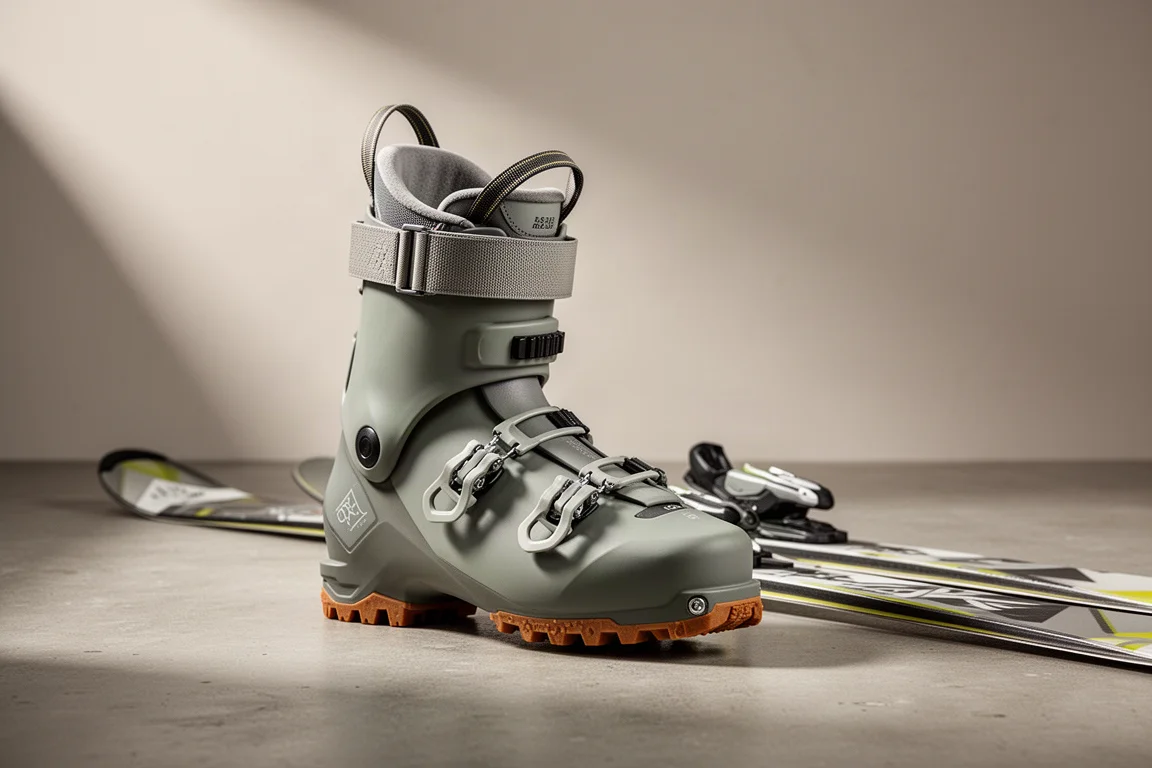
The Tecnica Zero G Tour Pro sits at the uphill-focused end of Tecnica’s touring range. It is a genuinely light boot with a narrow, low-volume fit, and its priorities are clear: this is a design built for walking first and skiing second. A full Vibram sole runs underneath, and the shell is intended for tech and multi-norm bindings rather than alpine bindings, so confirming binding compatibility is the first practical step before buying.
It still uses a full plastic shell for the descent, which keeps it a real ski boot rather than a stripped-back race shell. The difference is in the balance: less material, less padding, and a walk mode with far more travel than a downhill-oriented boot.

For skiers who spend most of their season going uphill, that balance is the point. The Zero G Tour Pro is aimed at longer tours and longer distances, where low weight and a wide range of motion matter more than a stiff, damp flex on the way down.
Who This Boot Is For
This boot makes the most sense for skiers who tour more often than not. If your days are mostly uphill, with long approaches and long distances, the light construction and generous walk mode are working in your favor. The narrow, low-volume fit also suits skiers whose feet tend to move around inside wider touring boots.
Binding choice matters here. The boot is designed around tech and multi-norm bindings and does not have alpine binding capability, so it is not a match for a standard alpine setup. Skiers who split their time between lift-served days and the backcountry should weigh how much they actually prioritize the descent, because this boot leans clearly toward the uphill side of that equation.
Main Strengths
Weight is the headline. Tecnica trims it in several small ways: buckles with loops instead of bulkier hardware, lighter-weight plastics than the Cochise, a Light Lock power strap mechanism, and a thin, light liner with minimal padding.
Range of motion is the other standout. With the liner removed, the shell travels all the way back and all the way forward, which is the kind of freedom that makes a long skin track noticeably less tiring.

The walk mechanism itself is a simple integrated lever: up to walk, down to ski. It locks in firmly and gives a better uphill range than the more downhill-oriented mechanism used on the Cochise.
Fit, Liner, and Range of Motion
The liner is thin and light, with very little padding, which fits the minimalist approach of the whole boot. At the back of the shell there is a yellow hinge point, and across the front there are lace eyelets that keep the foot cinched securely inside.
Together with the narrow, low-volume last, this produces a close, precise fit rather than a roomy, cushioned one. Skiers who like a snug touring boot will read that as a strength. Skiers who prefer a softer, more forgiving interior will want to check the fit carefully before committing.
Things to Consider Before Buying
Binding compatibility is the first thing to check. This boot does not have alpine binding capability and is built for tech or multi-norm bindings, so it will not work with every setup.
Fit is the second consideration. The last is narrow and low volume, which is excellent for some feet and simply wrong for others, and there is no padded interior to soften that. The liner is deliberately thin, so the feel on snow is direct rather than cushioned. Finally, the boot is more touring-oriented than downhill-oriented: it is a capable full plastic shell, but it is not positioned as a hard-charging resort boot.
Where It Sits in the Tecnica Touring Line
Tecnica builds several touring boots with different priorities. The Cochise leans further toward the descent, with a walk mechanism that is more downhill-oriented. The Zero G Tour Pro takes the opposite approach: it locks in for skiing but is tuned to deliver a better range on the uphill, and it uses lighter plastics and lighter components throughout.
That positioning matters more than any single specification. Choosing between them is really a question of which half of a tour you care about most.
Buying Advice
Start with bindings, then fit, then how you actually ski. If your bindings are tech or multi-norm and your feet suit a narrow, low-volume boot, the Zero G Tour Pro is a coherent choice for touring-focused days and longer distances.

If you want one boot that feels substantial on the descent, or your feet need more volume and padding, this is likely the wrong end of the range. The boot rewards skiers who already know they spend most of their time going uphill and want the weight and walk-mode benefits that come with that focus.
Conclusion
The Tecnica Zero G Tour Pro is a lightweight touring boot with a narrow, low-volume fit, a full Vibram sole, tech and multi-norm binding compatibility, and a walk mode with impressive travel. It is built for skiers who tour more often than not and want a full plastic shell for the way down without carrying downhill-oriented weight on the way up. Check binding compatibility and fit first; if both line up, the priorities of this boot will make sense from the first skin track.
Product link
View more details for Tecnica Zero G Tour Pro
This product is mentioned in the review. Check the specifications, options, and compatibility before buying.
View more details for Tecnica Zero G Tour ProFurther reading
Related Reviews

Ski Boots
2027 Ski Boot Roundup: Six 130-Flex Boots Worth Knowing
Six 130-flex ski boots for 2027, plus a low-volume liner upgrade, compared on weight, fit, flex feel, and ease of use.

Ski Boots
Armada AR One Ski Boot Review: A Three-Piece Cabrio That Finally Gets It Right
Armada's first ski boot blends three-piece Cabrio design with Atomic engineering, a heat-moldable shell, and a 100mm last that fits better than any Cabrio before it.

Ski Boots
Armada AR1 Ski Boot Review: A Cabrio and Overlap Hybrid for Park and Freeride Skiers
Armada's first ski boot pairs a three-piece cabrio shell with overlap-style buckles and a cable-driven slingshot buckle. Here is where it shines, and what to weigh before buying.