Ski Boots
Tecnica Zero G Decoy Pro Review: The Uphill Boot Built for Downhill Skiers
A hybrid touring boot that looks like a Zero G Tour Pro but weighs closer to a Cochise, with 65 degrees of cuff range and a freeride-first design.
Introduction
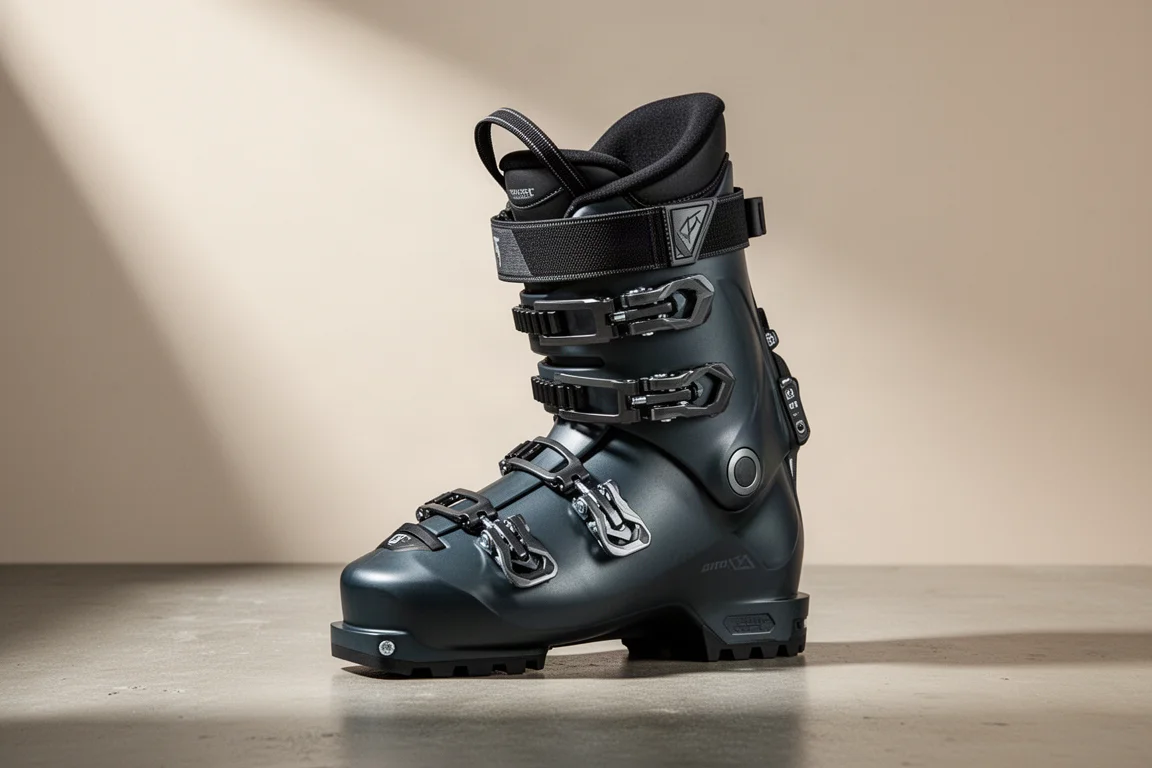
The Tecnica Zero G Decoy Pro is a hybrid ski boot designed to bridge the gap between the Zero G Tour Pro and the Cochise 130. Tecnica calls it the uphill boot for downhill skiers, a phrase that captures the intent well: a touring boot built to handle rowdy backcountry skiing.
The construction reflects that idea. The lower shell is polyurethane, a denser and smoother-feeling material than the one used on the Zero G Tour Pro, and the power frame at the back of the boot is noticeably beefier. The upper cuff is co-injected Grilamid and fiberglass, where the Zero G Tour Pro uses a Grilamid and carbon mix. A Grip Walk sole means the boot can still click into an alpine binding when needed.
Weight is where things get interesting. In a 26.5 with the liner, the Zero G Decoy Pro comes in at 1,715 g. The Cochise 130 measures 1,885 g at 27.5, and the Zero G Tour Pro is 1,285 g. The new boot looks like a Zero G Tour Pro but carries weight closer to a Cochise.
Who the Tecnica Zero G Decoy Pro Is For
This is a boot for skiers whose touring has a freeride edge. Building jumps, hunting lines, dropping into couloirs and steeps, that is the territory where the Zero G Decoy Pro starts to make sense.
Tecnica positions it as a 50/50 boot within the hybrid category, roughly half alpine and half touring. That is a fair description, though half your days touring is a lot of days. If most of your skiing happens at the resort, the Cochise is the more natural match. If nearly every day is spent in the backcountry going up and coming back down, the lighter Zero G Tour Pro is the more efficient choice. The Zero G Decoy Pro earns its place in between, particularly for aggressive skiers who treat ski mountaineering as a place to ski hard rather than simply travel.
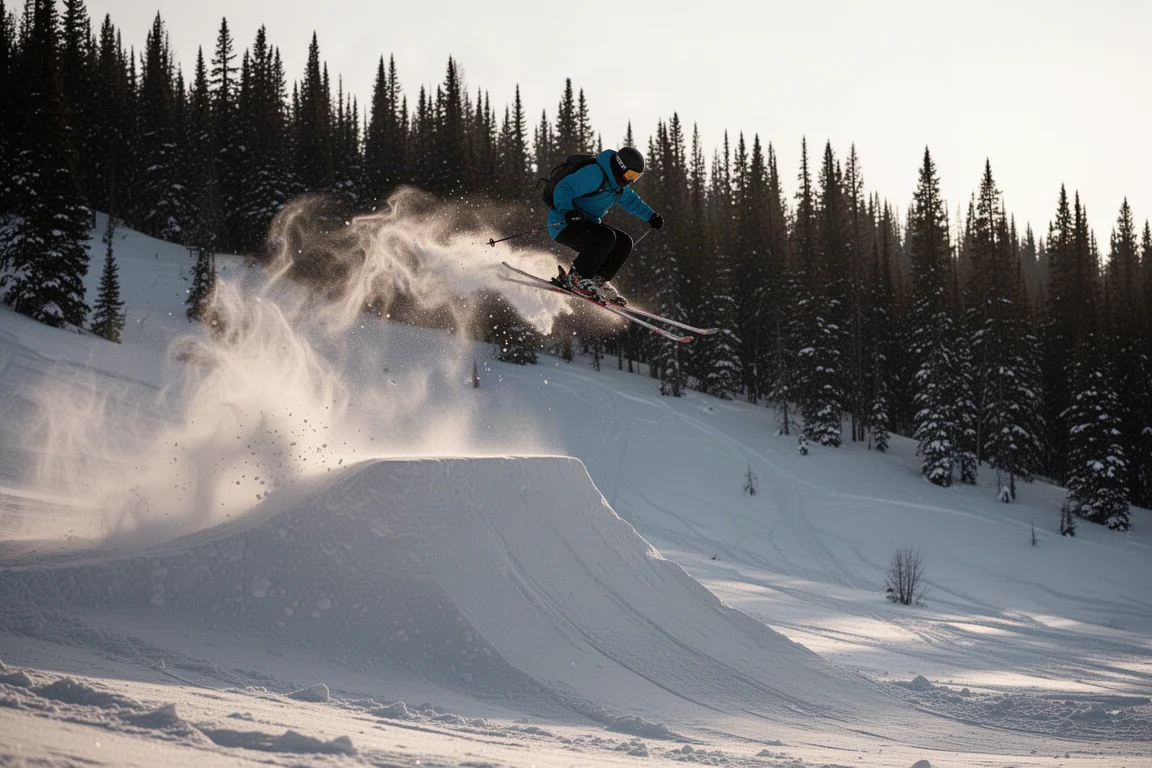
There is a specific development story behind the design. Athletes were previously taking the Zero G Tour Pro and adding a heavier liner or other modifications to get more downhill performance out of it. The Zero G Decoy Pro is effectively that idea built as a production boot, which is why it starts from the touring side rather than from an alpine shell with a walk mechanism bolted on.
Main Strengths: Shell, Cuff, and Range of Motion
The polyurethane lower shell is the most significant change from the Zero G Tour Pro. It feels denser, smoother, and more solid, and the rear of the cuff carries noticeably more material than a typical full touring boot. The buckles are more substantial as well, and an elastic power strap rounds out the upper.
Range of motion is a standout. The Zero G Decoy Pro offers 65 degrees of upper cuff movement. By comparison, the Shift Alpha 130 and the Atomic Hawx Ultra XTD 130 sit around 54 to 55 degrees, and the Cochise 130 is 55 degrees. That difference shows up on long skin tracks.
Forward lean is another deliberate choice, set at roughly 15 to 15.5 degrees, considerably more than either the Zero G Tour Pro or the Cochise 130. Skiers who prefer a more forward stance will find the boot puts them there without adjustment.
Fit and the Liner
The Zero G Decoy Pro uses a 99 mm last, and it is a fairly forgiving one. The shell offers plenty of room from side to side, which means most of the fit comes down to the liner.
That liner is thick and dense, and it accounts for much of the weight difference between this boot and the Zero G Tour Pro. In a 24.5, the liner alone weighed just under 1,200 g and the complete boot 1,557 g, with the liner running roughly twice the weight of a Zero G Tour Pro liner. Temperature regulation is a genuine strength: feet stayed warm on a very cold tour without overheating on a warm day.
Because of that density, molding the liner is worth the effort. Tecnica’s CAS (Custom Adaptive Shape) system covers both a heat-moldable liner and a moldable shell. Common pressure points appear around the ankle and the forefoot, while the instep runs roomy and the ankle fits less snugly than expected. Molding the liner resolves most of that, and the shell itself rarely needs work.
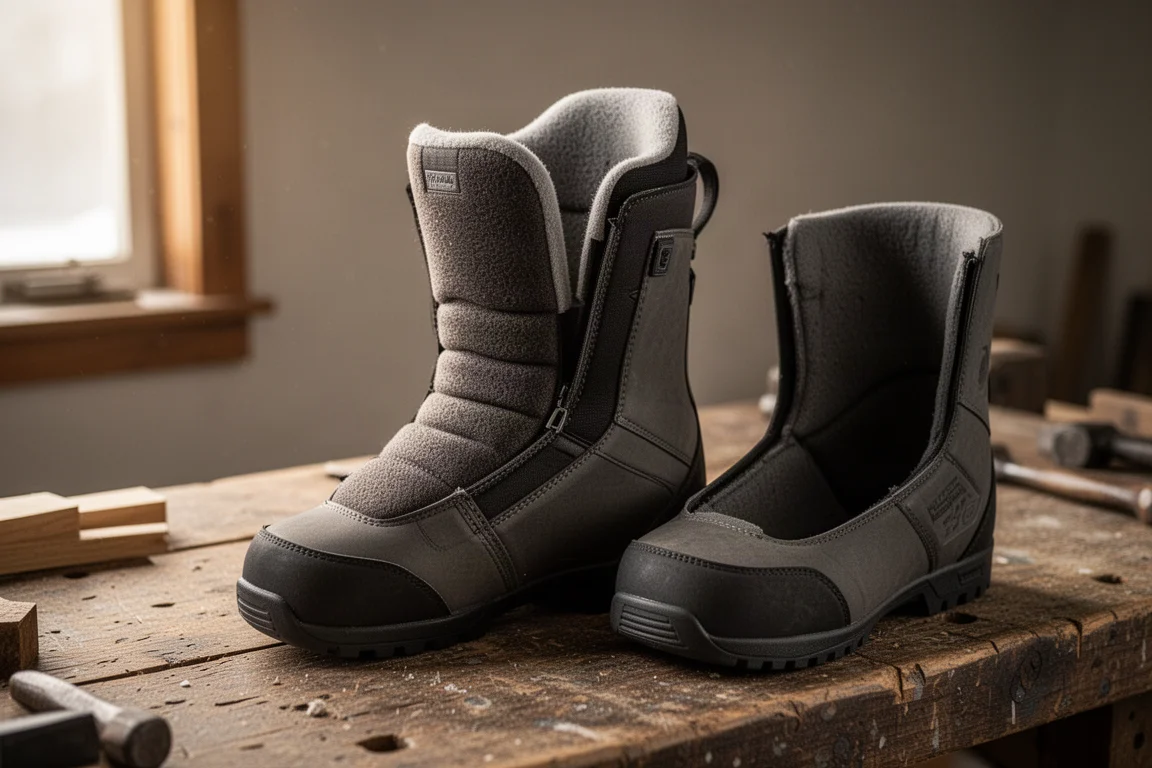
Fit matters more than usual here. The boot is stable, stiff, and supportive in the rearward direction, and it will not fold when you need to ride the tails in powder. A dialed-in fit translates those qualities into precise inputs; a loose fit makes the boot feel vague.
How the Zero G Decoy Pro Skis
Performance depends heavily on what you pair it with. On a heavier setup pairing a 189 cm QST 106 with a Shift 16 binding in wet, heavy snow, the boot felt underpowered. On an Enforcer 104 Unlimited with a Kingpin binding, the stiffness matched the ski well, the weight felt right, and the ski moved around easily. Lighter, playful freeride skis in the 108 mm range are the sweet spot.
Rearward stability is a genuine strength. The boot holds up when you need to lean back in powder and does not collapse under pressure. Direct power transfer to the inside edge is not the same as a dedicated alpine boot, and it never will be. That is the honest trade-off of the hybrid category, and this boot handles it better than most.
How the Zero G Decoy Pro Compares With Other Boots
Putting boots on a scale side by side tells a clear story. The Zero G Decoy Pro measured 1,557 g in a 24.5 with the liner. The Shift Alpha 130 came in at 1,749 g, the Atomic Hawx Ultra XTD 130 at 1,669 g, a Dynafit Radical Pro at 1,750 g in a 29.5, and a Nordica Unlimited 130 at 1,900 g.
Those numbers position the Zero G Decoy Pro as the lightest of that comparison group, while its 65 degrees of cuff range leads the field by a wide margin. The Dynafit Radical Pro flexed more consistently and smoothly and offered good range of motion, but it lacks a Grip Walk sole, which limits binding compatibility. The Nordica Unlimited 130 delivered better power transfer at the cost of significant weight and much less cuff movement.
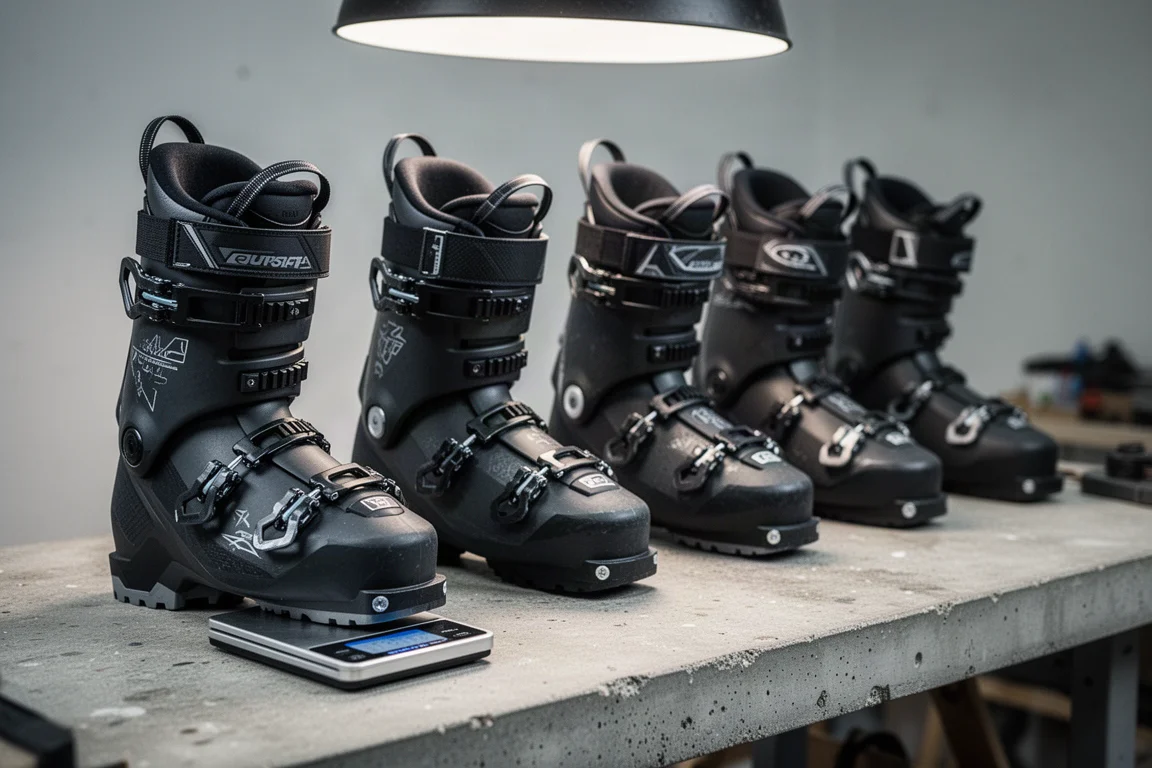
Against the Cochise 130, the difference in uphill range of motion is substantial, even though the two boots sit in a similar weight conversation. That gap is the clearest argument for choosing the Decoy Pro over a heavier hybrid, and it is the reason the boot feels closer to a touring model on the way up than its weight suggests.
Things to Consider Before Buying
The weight penalty against the Zero G Tour Pro is real, and the liner is the main reason. If your touring is mostly about efficient travel rather than aggressive descents, that extra mass is hard to justify.
Downhill performance, while strong for a touring boot, does not match a true alpine boot. Skiers stepping in expecting uncompromised on-piste power will be disappointed, because the category does not work that way.
Crampon compatibility needs attention: because of the T hike lever that flips and locks the boot, only crampons with a front bail will fit.
Footbeds also have a tendency to slide forward inside the boot at first, requiring a tap back into the heel pocket. The issue resolves once the boots have been skied, but it is worth checking on a new pair.
Buying Advice
The most useful question is an honest one: how much of your skiing actually happens in the backcountry? If you split your days roughly evenly, or if your touring revolves around freeride terrain, jumps, drops, and steep lines, the Zero G Decoy Pro is built exactly for that.

If the resort still claims most of your days, the Cochise 130 is the better match. If nearly every day is a tour and the descent is a means to an end, the Zero G Tour Pro saves meaningful weight. The Zero G Decoy Pro sits in the middle by design, and it rewards skiers whose terrain demands more boot than a pure touring model can offer. Ski mountaineering with an aggressive approach, where the goal is not only to get down the line but to ski it hard and jump off something along the way, is where this boot lands best.
Conclusion
The Tecnica Zero G Decoy Pro is a hybrid boot built from the touring side rather than the alpine side, and that distinction shapes everything about it. It brings 65 degrees of cuff range, a denser polyurethane shell, a strong rearward platform, and a freeride-first stance into one package. It is not the lightest option, and it will not ski like a race-bred alpine boot. For skiers who spend real time in the backcountry chasing lines and building features, that balance is exactly the point.
Product link
View more details for Tecnica Zero G Decoy Pro
This product is mentioned in the review. Check the specifications, options, and compatibility before buying.
View more details for Tecnica Zero G Decoy ProFurther reading
Related Reviews

Ski Boots
2027 Ski Boot Roundup: Six 130-Flex Boots Worth Knowing
Six 130-flex ski boots for 2027, plus a low-volume liner upgrade, compared on weight, fit, flex feel, and ease of use.

Ski Boots
Armada AR One Ski Boot Review: A Three-Piece Cabrio That Finally Gets It Right
Armada's first ski boot blends three-piece Cabrio design with Atomic engineering, a heat-moldable shell, and a 100mm last that fits better than any Cabrio before it.

Ski Boots
Armada AR1 Ski Boot Review: A Cabrio and Overlap Hybrid for Park and Freeride Skiers
Armada's first ski boot pairs a three-piece cabrio shell with overlap-style buckles and a cable-driven slingshot buckle. Here is where it shines, and what to weigh before buying.