Ski Boots
Tecnica Mach1 LV 120 Review: A Low-Volume Ski Boot for Advanced Skiers
A close look at the Tecnica Mach1 LV 120, a low-volume 120-flex ski boot built for advanced and expert skiers with narrower feet.
Introduction
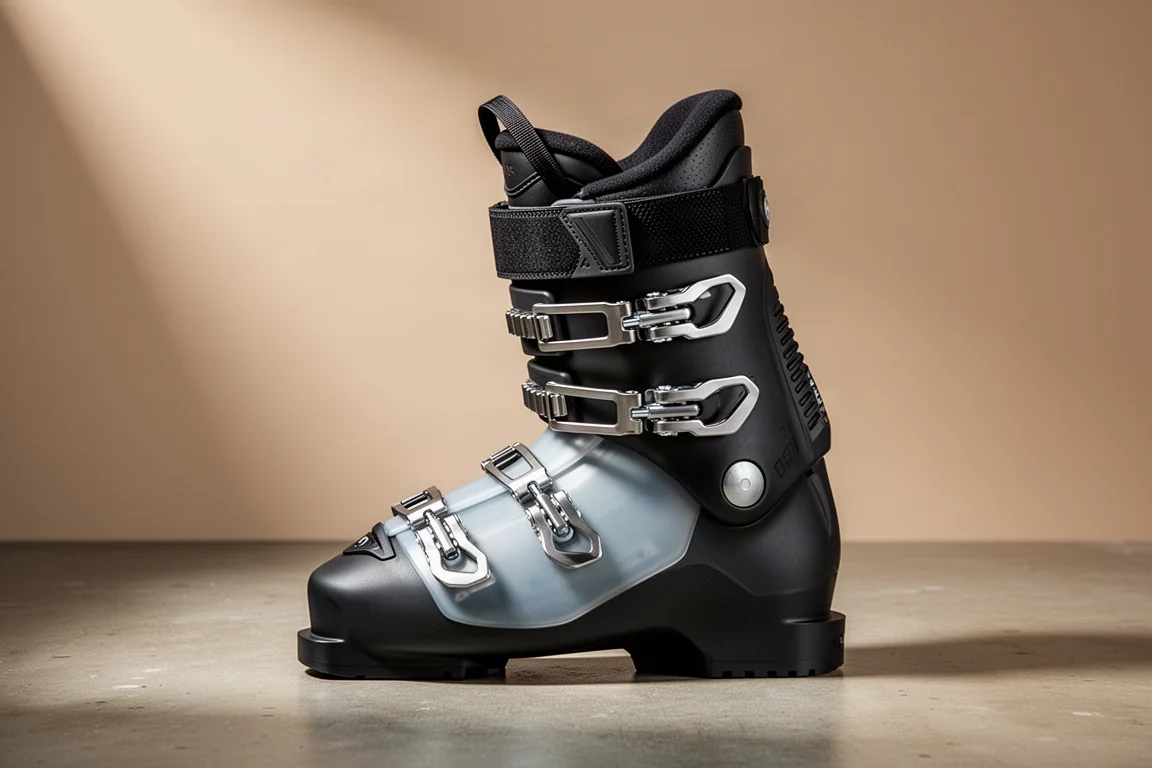
The Tecnica Mach1 LV 120 is a low-volume alpine ski boot built for skiers who want a close, precise shell without stepping up to a race-derived flex. The LV in the name stands for low volume, and that shapes almost everything about how this boot feels on snow. It is a performance-oriented option aimed at advanced and expert skiers, and Tecnica has left enough adjustability in the design that a good boot fitter can still fine-tune the shell where it matters.
Who this product is for
This boot is aimed at advanced and expert skiers who want the ultimate in fit and performance, particularly those with a lower-volume foot. The last measures 98 mm, the shell sits fairly low over the instep, and the throat around the lower leg is narrow. If your feet are narrow or your instep is shallow, that combination usually translates into less movement inside the boot and more direct response to the ski.
The 120 flex rating suits strong advanced and expert skiers, and it is also a sensible pick for lighter experts, or for anyone who simply prefers a little more give in the forward flex than a stiffer boot provides.
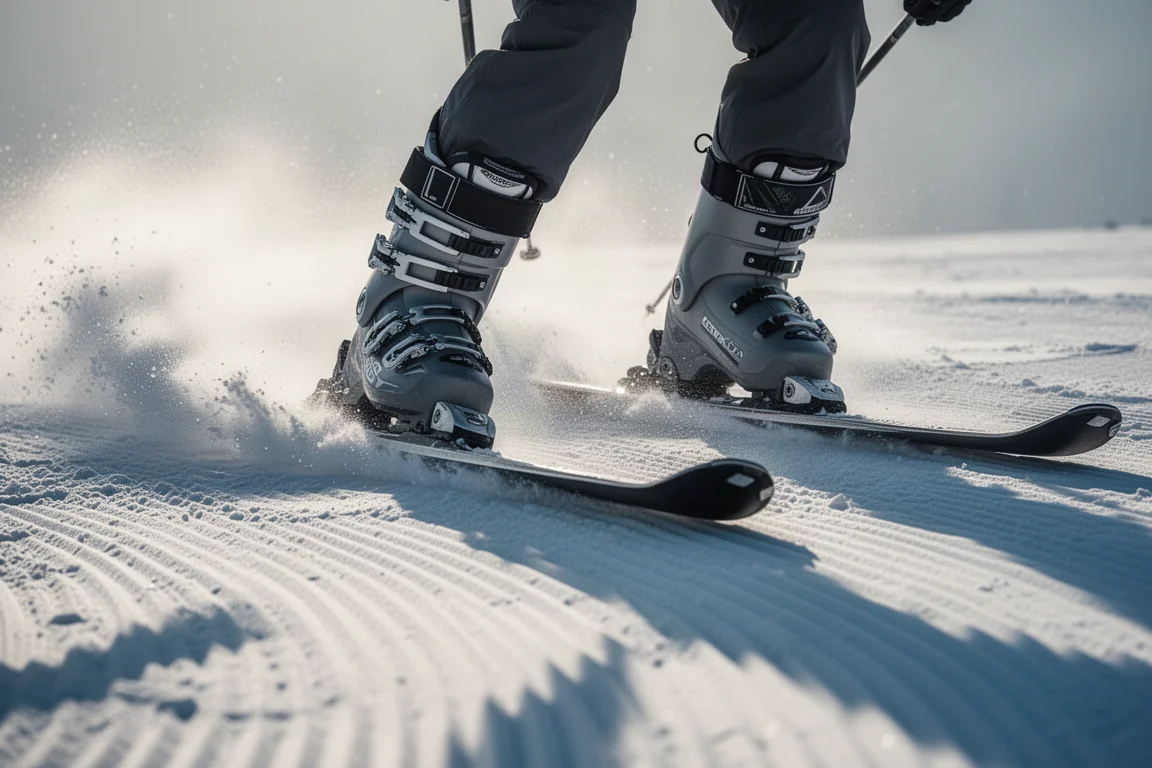
Skiers with wider feet or a high instep should look at a higher-volume alternative, because the whole point of this design is a close, low-volume hold.
Main strengths
The Mach1 LV 120 pairs a low-volume shell with several features that make the fit easier to live with over a full season.
Low-Volume Fit for Precision
The 98 mm last and the narrow lower-leg profile give the boot a snug, performance-first feel. That fit is what makes it appealing for skiers who find standard-width shells too roomy. Just as importantly, the shell can be worked by a boot shop, so a fitter can punch and stretch specific areas rather than forcing your foot to adapt to the boot.
Heat-Moldable Liner and Adjustable Tongue
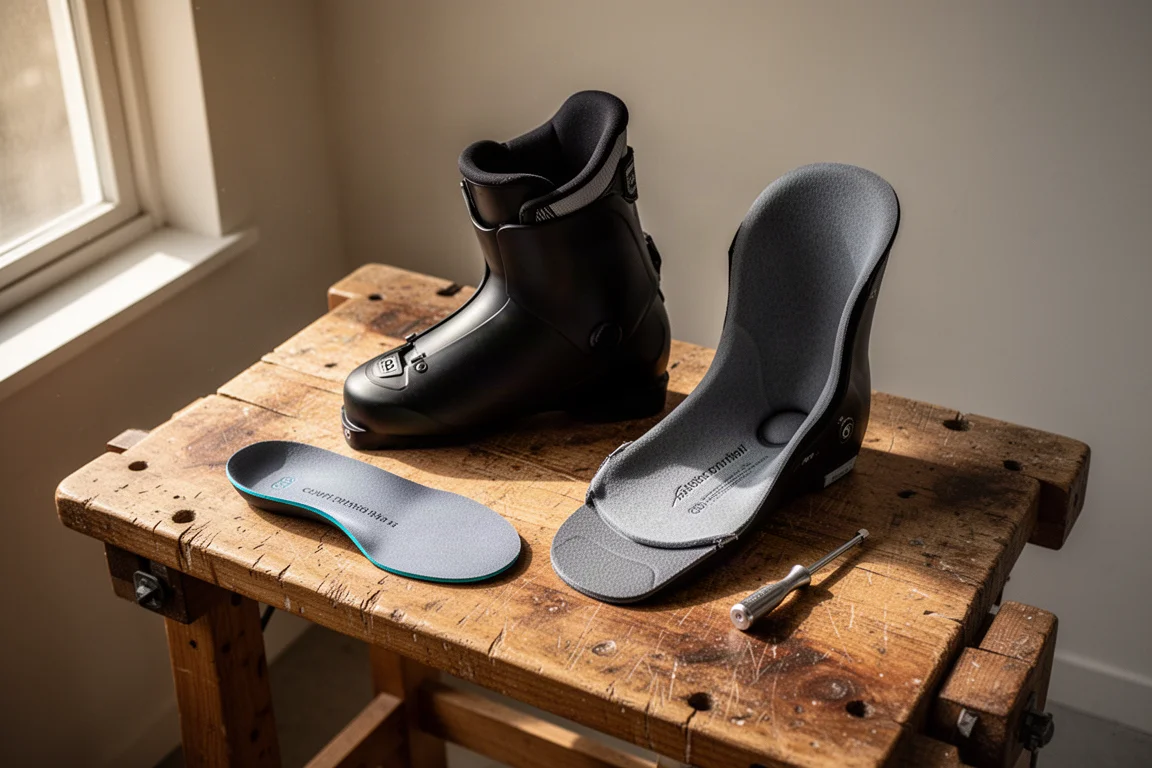
Inside, the liner uses a custom adaptive shape and is fully heat moldable. A boot shop can heat it and let it cool around your foot, which helps produce a close, precise fit rather than an approximate one.
The tongue is adjustable as well. Lifting a tab releases it from the Velcro underneath, letting you move the whole tongue forward or backward. Because the shell sits low over the instep, that adjustment is a quick way to ease pressure or improve circulation if the fit feels tight across the top of the foot.
Buckles, Power Strap, and T-Drive Spine
The boot closes with four micro-adjustable buckles, and the top two also offer macro adjustment. You can move the top catches across to tighten the closure, which gives both fitters and skiers more range without changing hardware. A Velcro power strap finishes the closure at the cuff. This is one of the differences between the 120 and the 130 low-volume model, which uses a power lock strap instead.
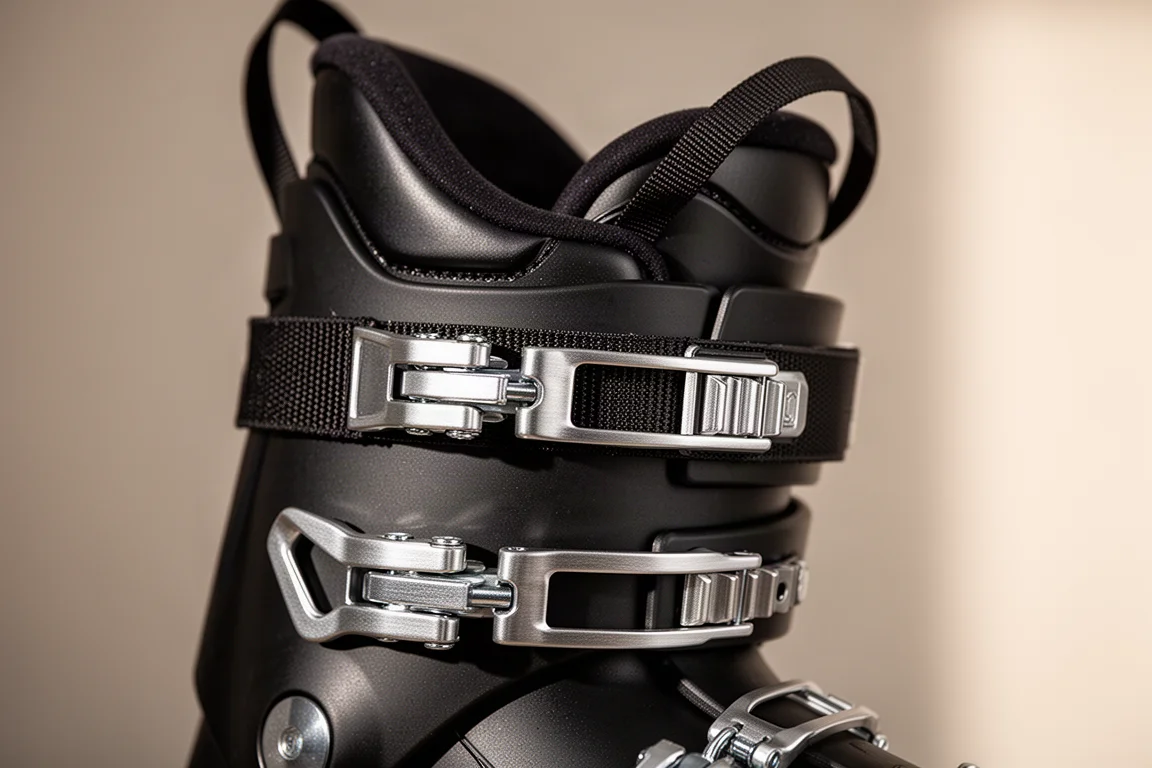
The shell also uses a multiple-injection construction, with a softer black plastic over the instep. That softer section makes the boot easier to get on and off, which keeps it user-friendly for recreational skiers who do not want a race-style entry and exit.
At the rear, the T-Drive spine supports rearward flex while adding lateral stiffness. The result is more support through that part of the turn, so input travels from the boot to the ski edge quickly and cleanly.
Things to consider before buying
- The low-volume fit is the defining feature, and it will not suit everyone. If you have a wide forefoot, a high instep, or a fuller lower leg, this shell will likely feel restrictive from the first try-on.
- The 120 flex is a performance rating rather than a universal recommendation. Strong, heavier experts may prefer a stiffer boot, while the 120 makes the most sense for lighter experts or skiers who want a bit more flex.
- The closure uses a Velcro power strap. Skiers who specifically want the power lock strap found on the 130 low-volume model should factor that into the decision.
- Getting the best from this boot depends on proper fitting. The heat-moldable liner and workable shell are real strengths, but they need a competent boot fitter to reach their potential.
Buying advice
Buy this boot for the fit, not for the spec sheet. The Mach1 LV 120 is a polished, high-quality product, and its strengths show up most clearly on skiers whose feet genuinely match a 98 mm low-volume last. If you already know that narrow, low-instep boots work for you, this is a straightforward choice.
If you are unsure, start by having your foot measured and shell-fitted rather than ordering on flex rating alone. A boot fitter can confirm whether the low-volume shell is the right starting point and explain what can be adjusted, from the heat-moldable liner to the tongue position and the macro buckle settings. That conversation is worth more than any single number on the box.
Conclusion
The Tecnica Mach1 LV 120 is a strong option for advanced and expert skiers with lower-volume feet who want a precise, customizable fit and a 120 flex that stays versatile. Its heat-moldable liner, adjustable tongue, and T-Drive spine all support that goal, and the softer plastic over the instep keeps it practical to put on and take off. Skiers with wider or higher-volume feet should look elsewhere, but for the right foot, this is a well-executed performance boot.
Product link
View more details for Tecnica Mach1 LV 120
This product is mentioned in the review. Check the specifications, options, and compatibility before buying.
View more details for Tecnica Mach1 LV 120Further reading
Related Reviews

Ski Boots
2027 Ski Boot Roundup: Six 130-Flex Boots Worth Knowing
Six 130-flex ski boots for 2027, plus a low-volume liner upgrade, compared on weight, fit, flex feel, and ease of use.

Ski Boots
Armada AR One Ski Boot Review: A Three-Piece Cabrio That Finally Gets It Right
Armada's first ski boot blends three-piece Cabrio design with Atomic engineering, a heat-moldable shell, and a 100mm last that fits better than any Cabrio before it.

Ski Boots
Armada AR1 Ski Boot Review: A Cabrio and Overlap Hybrid for Park and Freeride Skiers
Armada's first ski boot pairs a three-piece cabrio shell with overlap-style buckles and a cable-driven slingshot buckle. Here is where it shines, and what to weigh before buying.