Ski Boots
Tecnica Mach1 130 LV Review: A Light, Precise Low-Volume Ski Boot
A detailed look at the Tecnica Mach1 130 LV, a light 130-flex low-volume ski boot with a multi-injection shell, T-Drive 2.0 rear spine, and a lively, feedback-rich on-snow feel.
Introduction
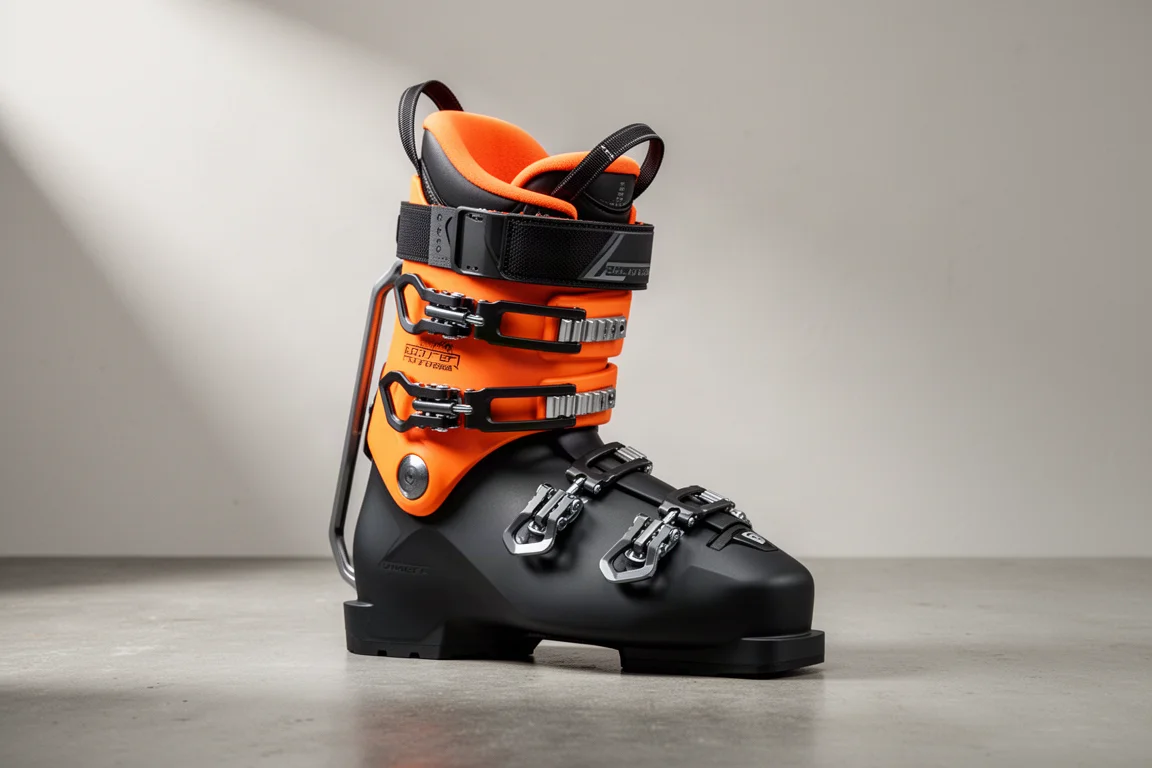
The Tecnica Mach1 130 LV sits at the top of Tecnica’s non-race, low-volume range: a 130-flex boot built on a 98 mm last with a traditional four-buckle overlap shell. Rather than leaning on thick plastic for structure, it generates stiffness through a multi-injection shell and a rear spine system that links the upper shell to the lower cuff. The result is a boot that weighs just under 2,000 grams with its liner, roughly 400 grams less than a 140-flex boot with a thicker shell that comes in around 2,400 grams. That weight difference shapes everything about how it skis.
Who the Tecnica Mach1 130 LV Is For
This boot suits strong skiers who want a low-volume fit without going all the way to a race shell. The 98 mm last is still a low-volume platform, but the fit is more accommodating than many other high-end low-volume boots, and the thin CAS shell material can be stretched and ground to create room where it is needed. That combination works well for skiers with a higher instep or a slightly wider forefoot who have struggled in tighter low-volume shells, and for anyone who wants a light, energetic boot for mixed all-mountain resort skiing rather than a heavy plug boot for groomer laps.
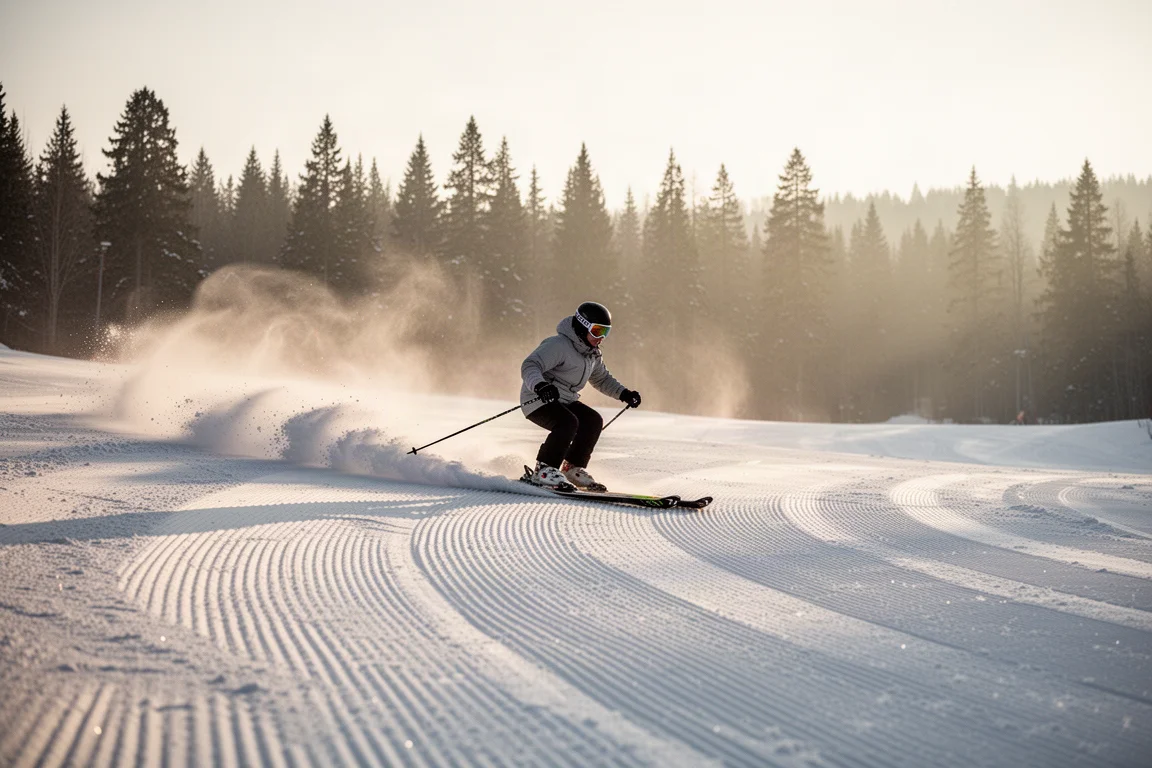
Skiers who mostly carve on hard snow and want maximum damping may still prefer a heavier boot. This one is aimed at people who move around the mountain, mix up turn shapes and terrain, and want to feel what the snow is doing underfoot.
Main Strengths
Shell and T-Drive 2.0
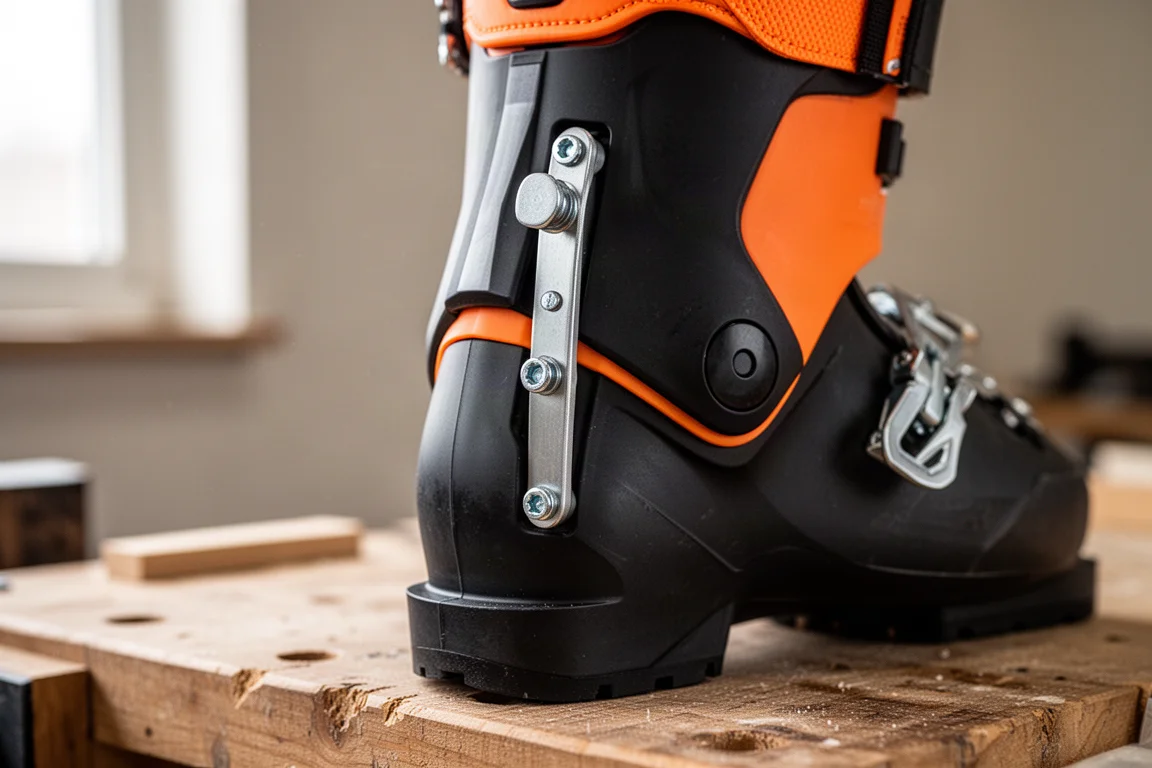
The shell is a TPU CAS construction with walls that are noticeably thinner than many boots in this flex class. Tecnica compensates with multi-injection plastic and the T-Drive 2.0 rear spine, which uses two bars bolted to both the upper shell and the lower cuff instead of a simple rivet driven through the plastic. One bar sits on the outside of the boot and a second orange bar sits on the inside. Together they add progressive flex and lateral support, so the boot holds the foot firmly without feeling like a solid block.
The buckles are mounted in the black plastic section of the shell, while the orange section on the non-buckle side flexes easily until it meets that black plastic and hits a hard stop. When you are buckled in, the buckles pull against the stiffer material for a direct connection, while the shell still gives a little suppleness across the shin.
A power strap finishes the upper: a hook-and-cam strap that sits between a softer expert-style booster strap and a World Cup strap in stiffness. There is also a replaceable grip pad at the toe, and the black plastic over the instep is shaped to ease entry and exit.
Fit, Liner, and Ease of Entry
The stock liner is Tecnica’s CAS liner, made from a thermo-moldable TPU material that can be heat molded and also ground down with a standard plastic grinder if extra room is needed. The same material appears in the tongue, so the fit over the instep can be adjusted through the molding process. After heat molding the liner and stretching the shell around a bunion area, the fit needed no further work, including on a foot with a higher instep.
The liner is comfortable and clearly high end. Riders who want more can step up to an aftermarket ZipFit liner, which adds heel hold and a touch more stiffness, though it makes the boot harder to get on and off. The stock liner is easy to slide in and out of, and it performs without any issues.
On-Snow Performance
At just under 2,000 grams with the liner, this boot feels light and quick on the foot. It is at its best in short turns and precise, energetic skiing, where direct feedback from the snow is an advantage. Carving is no problem either; you can stand on the shell and drive it hard. As conditions firm up, it transmits more feedback and feels energetic rather than damp, which is the natural trade-off of a lighter shell.
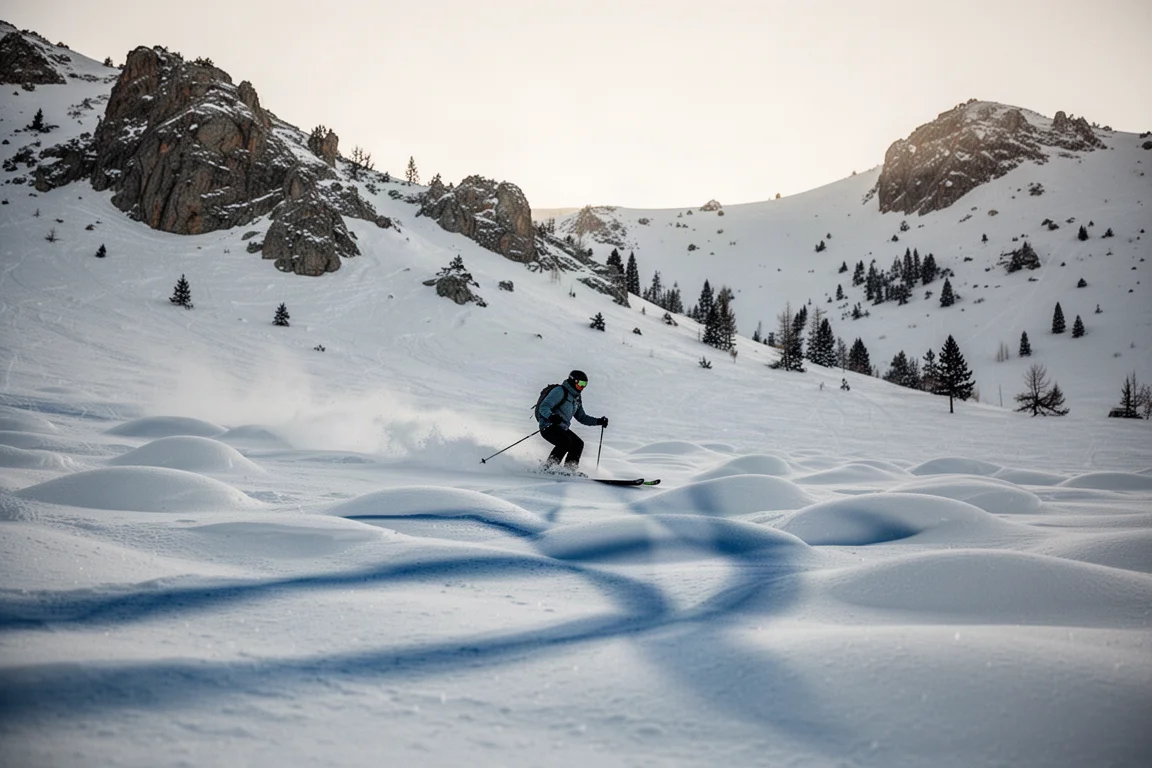
The boot pairs naturally with skis that have a moderate rather than punishing flex, in the all-mountain and freeride range. It also works well on softer western snow and in varied resort conditions, and it holds up on firmer eastern groomers, though heavier boots have the edge when the surface is bulletproof. Heavier skiers who drive a boot hard will find plenty of power here, with only the occasional wish for more energy at the end of a long, tiring mogul run.
Things to Consider Before Buying
The main trade-off is damping. Thicker-shelled boots around 2,400 grams feel quieter and more planted, and they filter out more vibration. The Mach1 130 LV is deliberately lighter and more communicative, so on firm, icy days it feels lively and quick rather than smooth and settled. If maximum dampness is the priority, a heavier boot is the better answer.
Fit is the other consideration. This is a 98 mm low-volume last, but it is more accommodating than several other premium low-volume boots. Skiers used to a very tight low-volume shell may find it roomier than expected, and skiers who normally avoid low-volume boots may find they can wear this one comfortably. Nothing about boot fit is universal, so trying it on matters far more than any specification.
Buying Advice
Choose this boot if you want a light, responsive 130-flex platform for mixed resort skiing and you like feeling the snow underfoot. It makes the most sense for skiers who move between groomers, moguls, trees, and softer off-piste snow rather than those who spend every run railing hardpack.
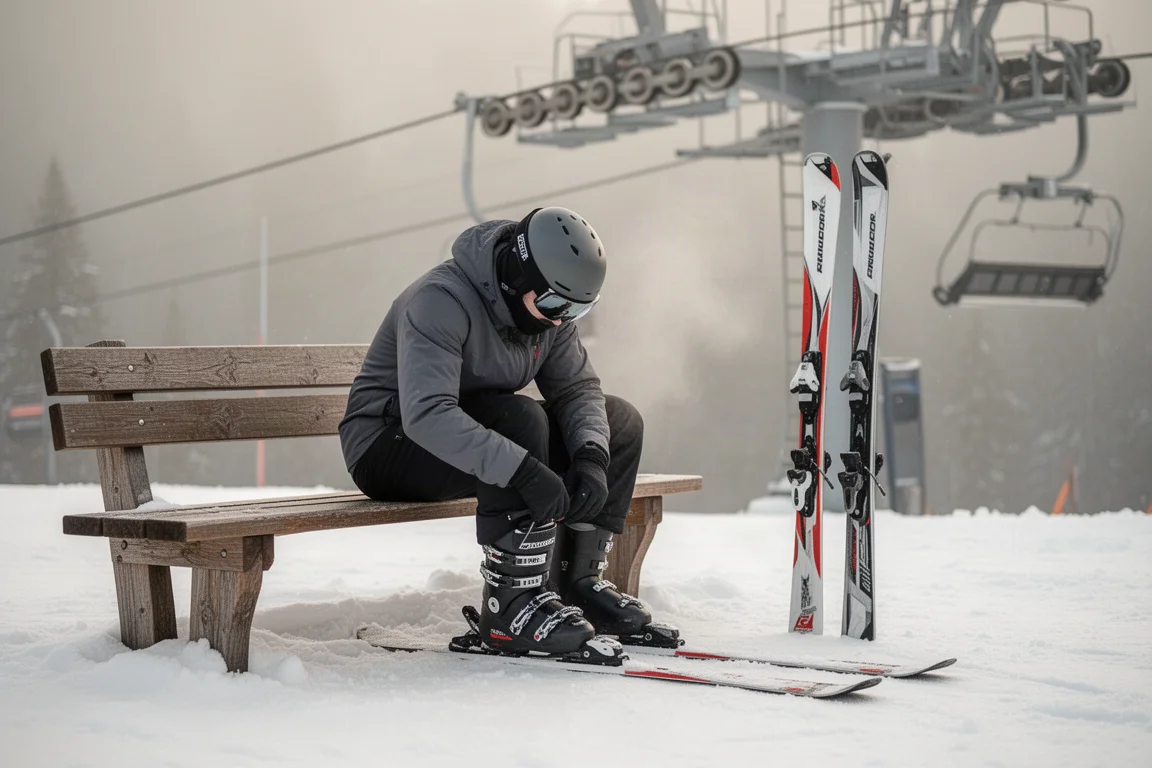
Liner choice is worth thinking through. The stock CAS liner is comfortable, molds well, and needs no upgrading. An aftermarket liner can add heel hold and stiffness, but it also makes the boot harder to put on and take off. Either way, plan on a proper heat mold and shell work where needed, since the thin CAS plastic is designed to be adjusted.
Conclusion
The Tecnica Mach1 130 LV is a genuinely light 130-flex low-volume boot that trades some damping for quickness, feedback, and energy. It fits a wide range of feet for a low-volume shell, works with a broad spread of all-mountain skis, and is easy to live with on and off the hill. Skiers who want a planted, quiet feel from a heavy shell will prefer something else, but anyone chasing a lively, precise resort boot has a strong option here.
Product link
View more details for Tecnica Mach1 130 LV
This product is mentioned in the review. Check the specifications, options, and compatibility before buying.
View more details for Tecnica Mach1 130 LVFurther reading
Related Reviews

Ski Boots
2027 Ski Boot Roundup: Six 130-Flex Boots Worth Knowing
Six 130-flex ski boots for 2027, plus a low-volume liner upgrade, compared on weight, fit, flex feel, and ease of use.

Ski Boots
Armada AR One Ski Boot Review: A Three-Piece Cabrio That Finally Gets It Right
Armada's first ski boot blends three-piece Cabrio design with Atomic engineering, a heat-moldable shell, and a 100mm last that fits better than any Cabrio before it.

Ski Boots
Armada AR1 Ski Boot Review: A Cabrio and Overlap Hybrid for Park and Freeride Skiers
Armada's first ski boot pairs a three-piece cabrio shell with overlap-style buckles and a cable-driven slingshot buckle. Here is where it shines, and what to weigh before buying.