Ski Boots
Tecnica Mach1 120 MV Review: A Mid-Volume All-Mountain Boot Built for Strong Skiers
A practical look at the Tecnica Mach1 120 MV, a 100mm mid-volume ski boot with a 120 flex, T-Spine shell connection and a heat-moldable liner.
Introduction
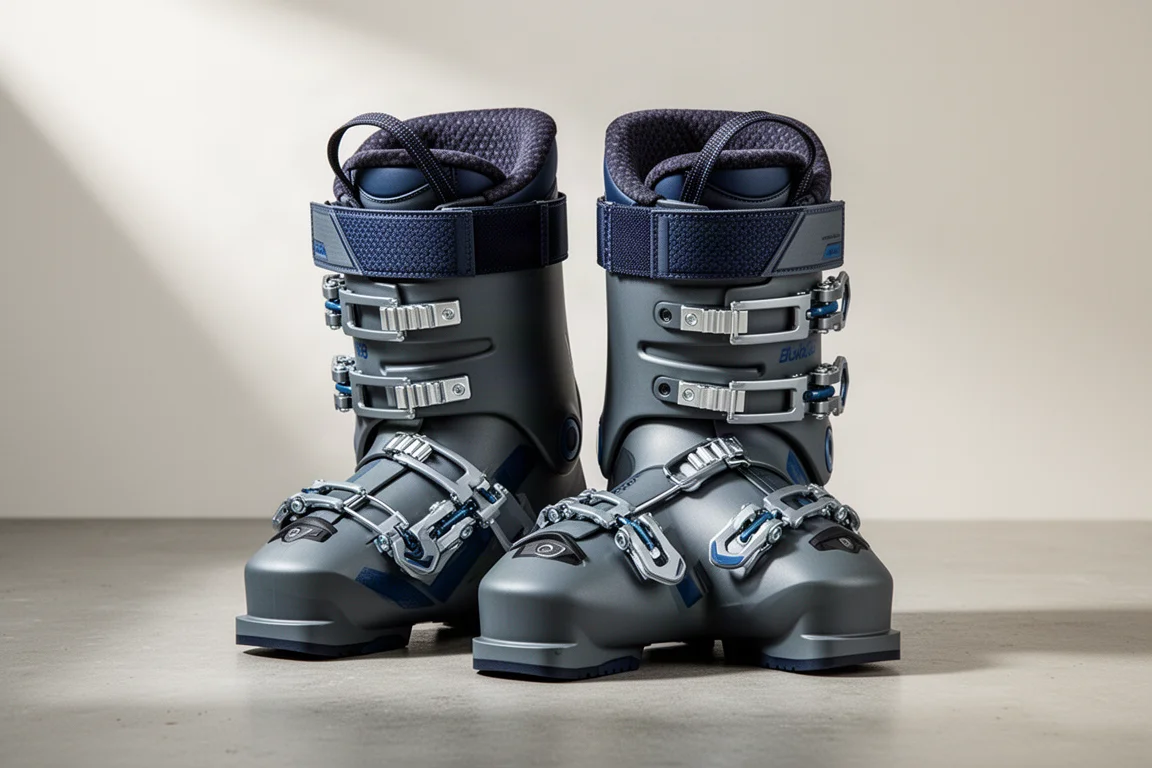
The Tecnica Mach1 120 MV occupies a genuinely useful position in the alpine boot line-up. It is stiff enough to drive a wider all-mountain ski with authority, but it stops short of the uncompromising 130-flex shells that many recreational skiers never actually need. Add a mid-volume 100mm last and a liner designed to be heat molded, and you get a boot that aims at a very specific skier: someone who skis aggressively, spends long days on the hill, and still wants the shell to feel civil when they walk from the car park to the lift.
This is a high-end recreational boot, and it is built to behave like one. The question worth answering is whether the fit and the flex suit the way you actually ski.
Who the Tecnica Mach1 120 MV Is For
The Mach1 120 MV is aimed at advanced and expert skiers, and it can work for a progressing intermediate who is comfortable at speed and ready for a firmer platform. The 120 flex rating is the key number here. It sits clearly above a 110, which many lighter or more casual skiers prefer, yet below the stiffest 130-class shells. Skiers who want a precise, responsive boot without the punishing feel of a race-derived flex tend to land right in this range.
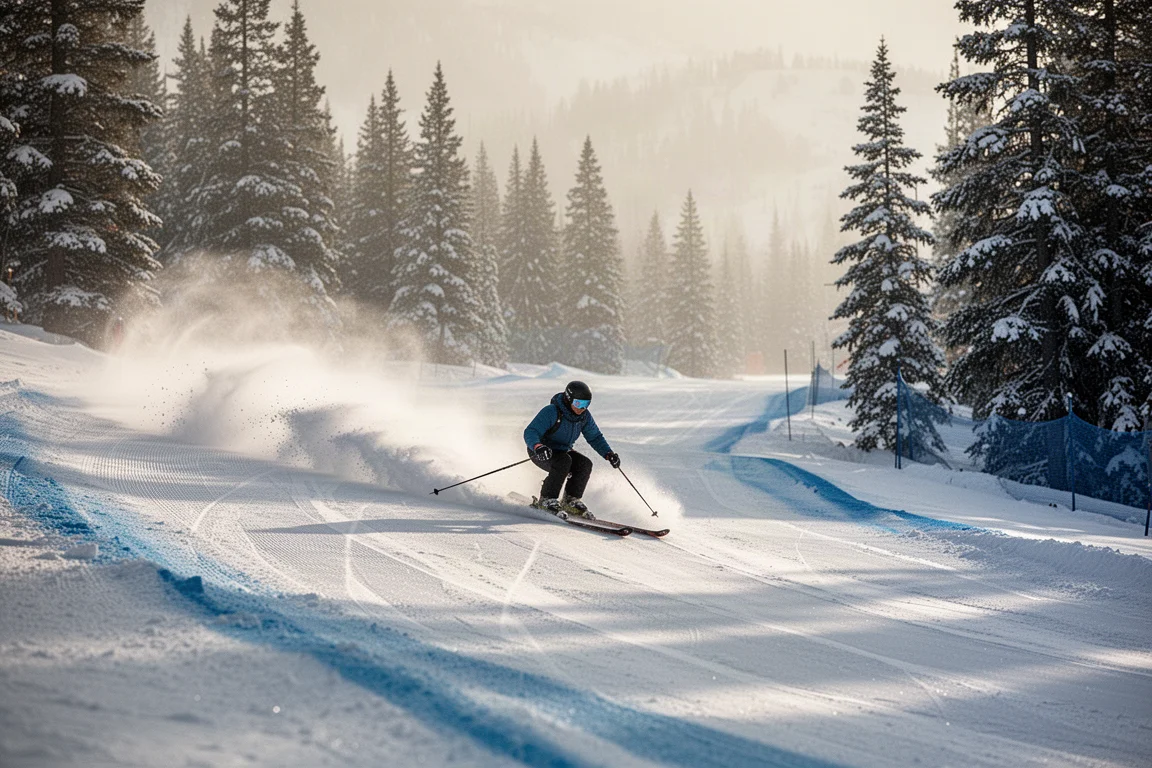
That middle position is what makes the boot so broadly relevant. It is a strong option for all-mountain skiing at a high level, where the snow underfoot changes constantly and the boot has to stay predictable from groomed corduroy to chopped-up afternoon crud. If your ankle flexion is limited, or if you simply prefer a boot that lets you stay forward without fighting it, this flex is worth serious consideration.
Fit and Volume: What the 100mm Last Means
The MV in the name stands for mid volume, and that is expressed as a 100mm last. Rather than being a narrow, race-tight fit, the shell is a little more generous over the instep and through the throat of the boot. That extra room matters for circulation and for long days, and it means the boot can accommodate a wider range of foot shapes than a low-volume shell would.
The fit is not simply roomy, though. Volume has been added where feet tend to complain and left tight where control matters, which is the balance most all-mountain skiers are chasing. The shell itself is finished to a high standard, and the overall fit and finish is one of the reasons this boot feels more refined than its price band might suggest.
Power and Precision: T-Spine and the 120 Flex
Much of the boot’s power comes from the T-Spine technology, a structural connection between the lower shell and the upper cuff. Because the two halves of the boot are tied together rather than flexing independently, the shell resists twisting and translates input more directly into lateral movement. In practice that means edge-to-edge transitions feel quick and the boot holds a line precisely when you ask it to.
Four micro-adjustable Lift Lock buckles handle closure, and the top two include additional holes that let you slide the buckle across for extra clamping force when you want a tighter hold. A velcro power strap at the top of the cuff adds another layer of support and helps lock the upper shell against the shin.
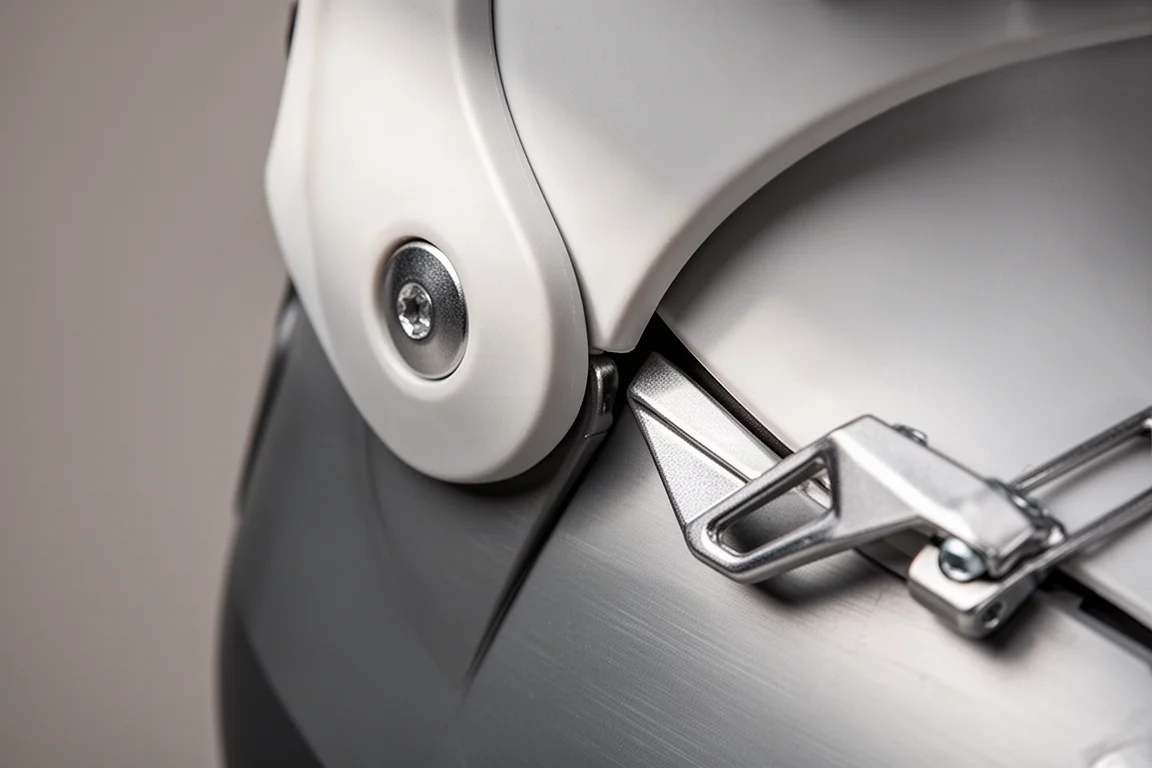
The cumulative effect is a boot that feels planted rather than vague. The 120 flex gives it enough backbone to stand up to an aggressive forward stance without becoming a wall that refuses to bend, which is exactly the compromise that makes a boot usable across a full season of varied conditions.
Liner Comfort and Custom Molding
The liner is where a lot of the comfort in this boot comes from. It uses CAS custom adaptive shape material in the heel pockets and around the ankle pads, which means the liner can be heated and molded to match the contours of your foot. Heel hold is one of the first things skiers notice in a boot, and this design targets that area directly.
Tongue position is adjustable as well. Peeling back a velcro tab lets you slide the whole tongue forward or backward depending on your instep height. Skiers with a high instep can gain circulation without giving up performance, which is a rare combination in a boot this stiff.
There is also thicker, stiffer plastic on the inside of the liner, and that detail feeds directly into precision. It firms up the inside edge of the boot, increasing lateral stiffness so that pressure transfers to the ski’s inside edge more cleanly. The black quick instep material across the top of the foot is a practical touch: it makes getting in and out easier and is softer against the top of the foot, which helps circulation over a long day.
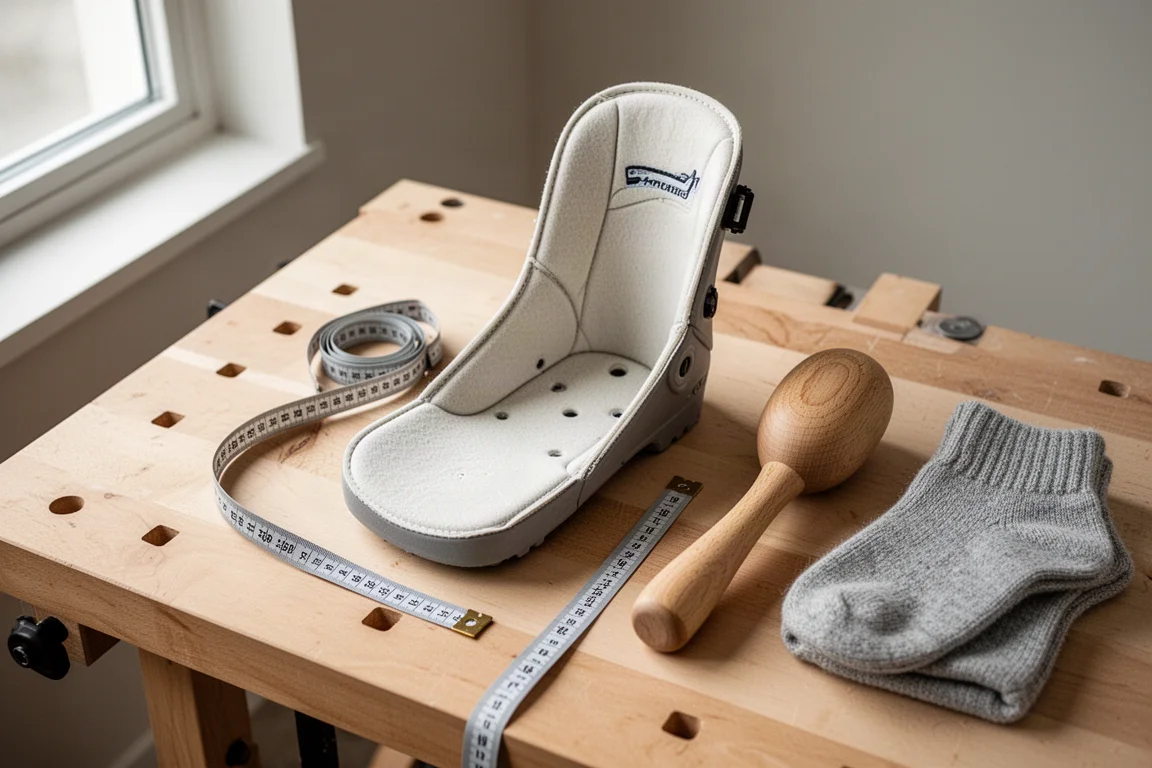
Grip soles come pre-installed, which is a sensible choice for anyone who spends time on icy lodge steps and parking lots.
Things to Consider Before Buying
The 120 flex is the main thing to think honestly about. It is a stiff boot, and skiers who are lighter, newer to the sport, or who prefer a softer, more forgiving feel may find a 110 flex easier to ski on all day. The Mach1 120 MV rewards input, but it does not hide a passive stance.
Fit is the other consideration. A 100mm mid-volume last is more accommodating than a low-volume race shell, but it is still a specific shape. The heat-moldable liner gives a shop room to refine the fit, and that process is best handled by a qualified boot fitter rather than attempted at home. Budget for a proper fitting session if you want the liner to do what it was designed to do.
Finally, the adjustable tongue and the sliding buckle positions are setup features, not fixes. They help you dial the boot in, but they are not a substitute for the right shell size in the first place.
Buying Advice
This boot makes the most sense for skiers who already know they like a firm, precise platform and who ski a genuine mix of terrain. If you are stepping up from a softer recreational boot and want something that will not hold you back as your technique improves, the 120 flex is a reasonable place to land. If you are currently comfortable on a 110 and have no complaints, there is no need to move up purely for the sake of it.
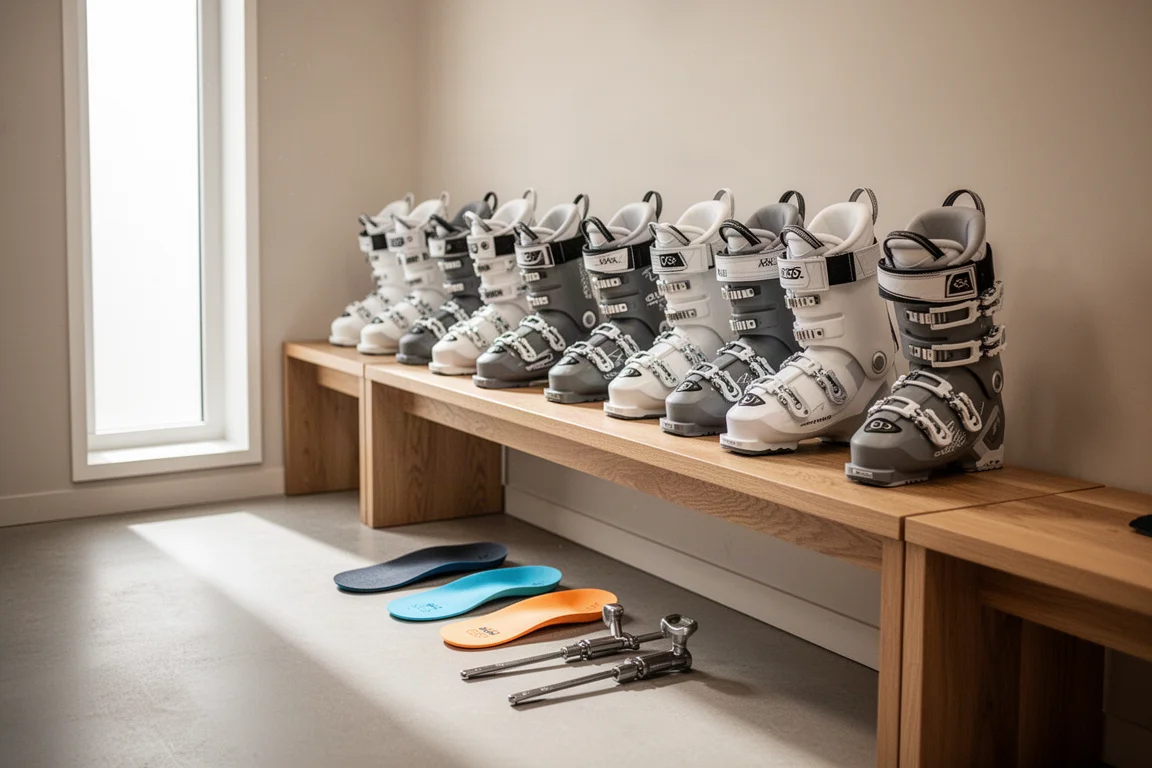
The strongest case for the Mach1 120 MV is a skier who wants one boot to cover groomed runs, soft snow and everything between, with a fit that can be tuned rather than endured. Buy it for the flex and the shape, then invest the time in getting the liner molded properly. That combination is what turns a good boot into one you stop thinking about.
Conclusion
The Tecnica Mach1 120 MV gets the essentials right. A 100mm mid-volume last keeps the fit livable, the T-Spine shell connection and four micro-adjustable buckles deliver precise lateral control, and the heat-moldable liner with its adjustable tongue gives a fitter real tools to work with. The 120 flex is stiff enough for high-level all-mountain skiing and sensible enough to wear all day.
For advanced and expert skiers, and for progressing intermediates ready for a firmer platform, this is a boot that earns its place in the conversation. Match it to your ability and your foot shape, get the liner molded, and it will reward the investment for seasons to come.
Product link
View more details for Tecnica Mach1 120 MV
This product is mentioned in the review. Check the specifications, options, and compatibility before buying.
View more details for Tecnica Mach1 120 MVFurther reading
Related Reviews

Ski Boots
2027 Ski Boot Roundup: Six 130-Flex Boots Worth Knowing
Six 130-flex ski boots for 2027, plus a low-volume liner upgrade, compared on weight, fit, flex feel, and ease of use.

Ski Boots
Armada AR One Ski Boot Review: A Three-Piece Cabrio That Finally Gets It Right
Armada's first ski boot blends three-piece Cabrio design with Atomic engineering, a heat-moldable shell, and a 100mm last that fits better than any Cabrio before it.

Ski Boots
Armada AR1 Ski Boot Review: A Cabrio and Overlap Hybrid for Park and Freeride Skiers
Armada's first ski boot pairs a three-piece cabrio shell with overlap-style buckles and a cable-driven slingshot buckle. Here is where it shines, and what to weigh before buying.