Ski Boots
Tecnica Mach1 120 HV Review: A High-Volume Ski Boot for Strong Skiers
A closer look at the Tecnica Mach1 120 HV, a 103 mm high-volume ski boot with a 120 flex, a heat-mouldable liner, and a lateral support linkage built for larger, aggressive skiers.
Introduction
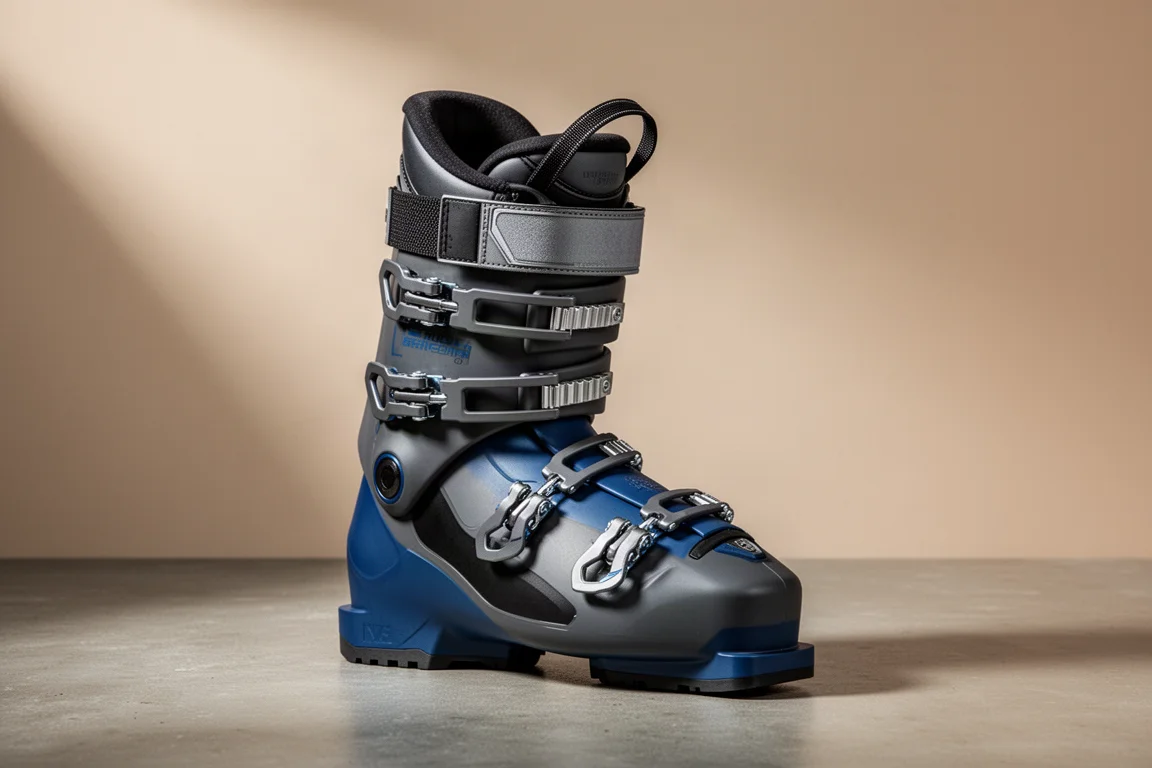
The Tecnica Mach1 120 HV is built around a straightforward idea: give strong skiers with wider feet and higher insteps a boot that fits well straight out of the box, without pushing them into a 130 flex they may not want or need.
The numbers tell most of the story. A 103 mm forefoot last, a generous instep, and a wide open upper throat place this boot firmly in high-volume territory, while the 120 flex sits a step below the stiffest options in the range. That combination keeps the ankle mobile enough to flex the shell properly through the turn.
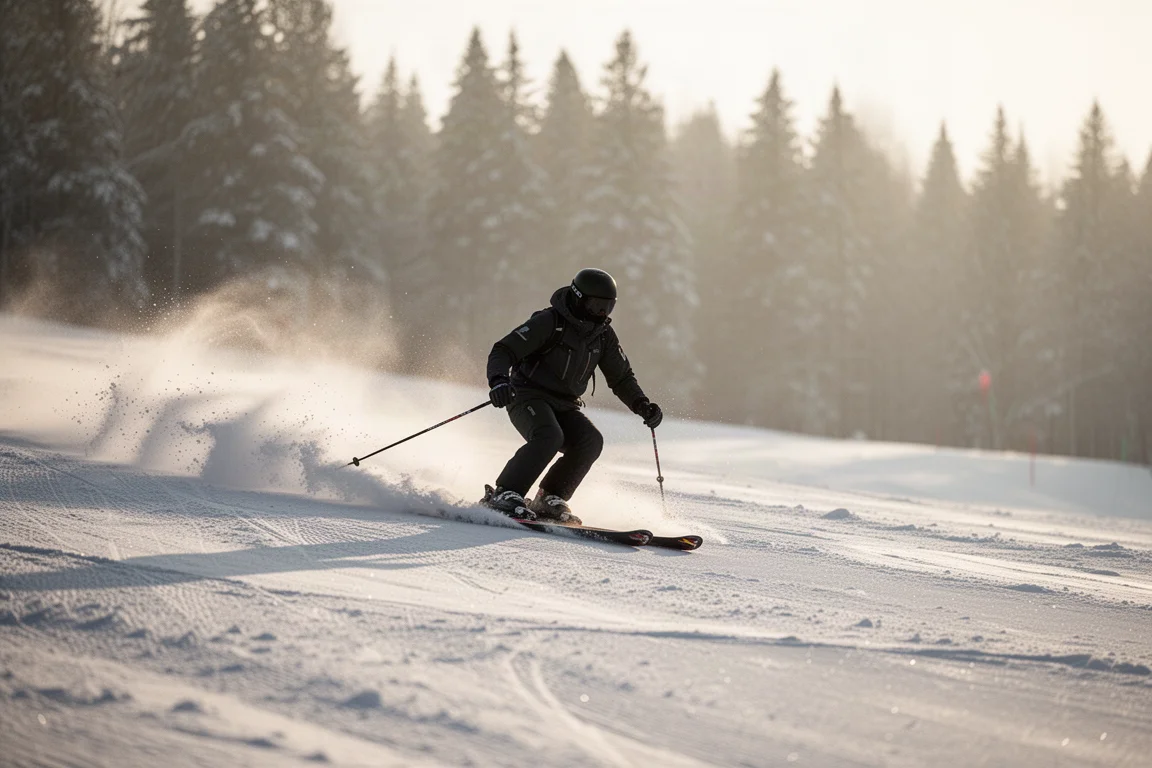
For skiers who have spent seasons squeezing into medium-volume shells, that fit is the headline. The rest of the boot is built to support it: a lateral support linkage, a heat-mouldable liner, and hardware that makes entry, adjustment, and fine tuning considerably easier.
Who This Boot Is For
This is a boot for larger, more aggressive skiers who want a high-volume fit and a 120 flex rather than a 130. The extra room through the forefoot, instep, and throat means feet that feel cramped in narrower lasts get a better fit here right away, before any workshop adjustment.
Skiers with a higher instep benefit most. The upper throat is wide open, and the shell volume above the foot is generous, so pressure across the top of the foot is reduced compared with lower-volume designs.
If your feet are average or low volume, this is probably the wrong starting point. A high-volume shell is meant to be roomy, and there is only so much a bootfitter can take out.
Shell, Flex, and the T-Drive
The shell uses a custom adaptive design, which means a boot shop can add width to the plastic if the 103 mm forefoot still feels tight. Because the last is already generous, many high-volume feet will not need that extra work at all.
The T-Drive linkage connects the lower shell to the upper cuff. That connection adds lateral support, so when you tip the boot into a turn, the energy you put into the shell transfers to the ski more directly. It is a meaningful upgrade to this high-volume model.
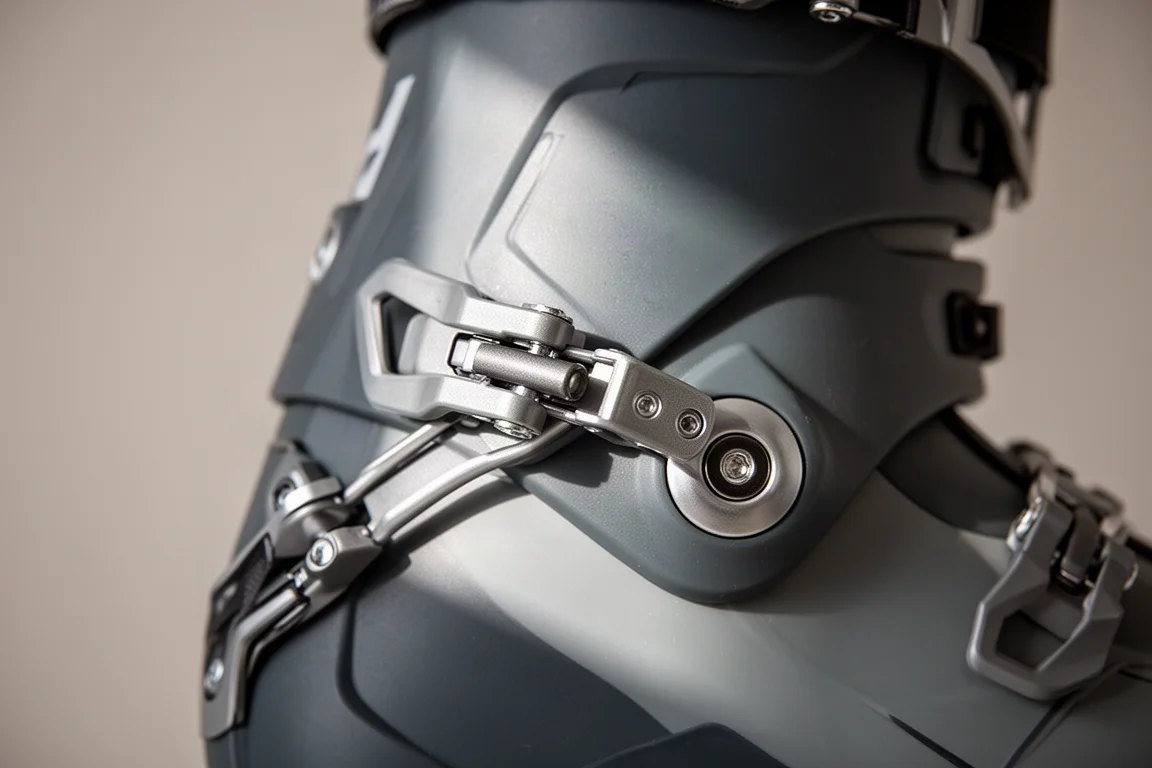
A firmer plastic panel runs along the inside edge of the boot, reinforcing the area that takes the most load when you pressure the inside edge and drive energy toward the ski.
Liner, Tongue, and Custom Fit
The liner uses a custom adaptive shape material over the ankles and into the heel. A boot shop can heat it in an oven and mould it to the foot, which is where a roomy shell and a mouldable liner start working together rather than against each other.
The custom tongue carries a small velcro tab that lets you slide it forward or backward in the shell depending on your instep height. It is a small detail, but it gives higher-instep skiers a way to tune pressure across the top of the foot without swapping liners.
Tecnica keeps a high-end liner in this boot, with firmer material on the inside edge. For a boot aimed at recreational skiers who ski hard, that is a sensible place to spend the budget.
Buckles, Power Strap, and Easy Entry
Four micro-adjustable buckles with a Lift Lock, plus a power strap across the cuff, give you plenty of adjustment range. Working the buckles and the strap together lets you dial the fit in rather than accepting whatever the shell does on its own.
Double pull loops at the top make the boot easier to pull on, and the quick instep design places a black plastic panel over the top of the shell so the foot slides in and out with less wrestling. Anyone who has fought a stiff high-volume boot in a cold car park will appreciate that.
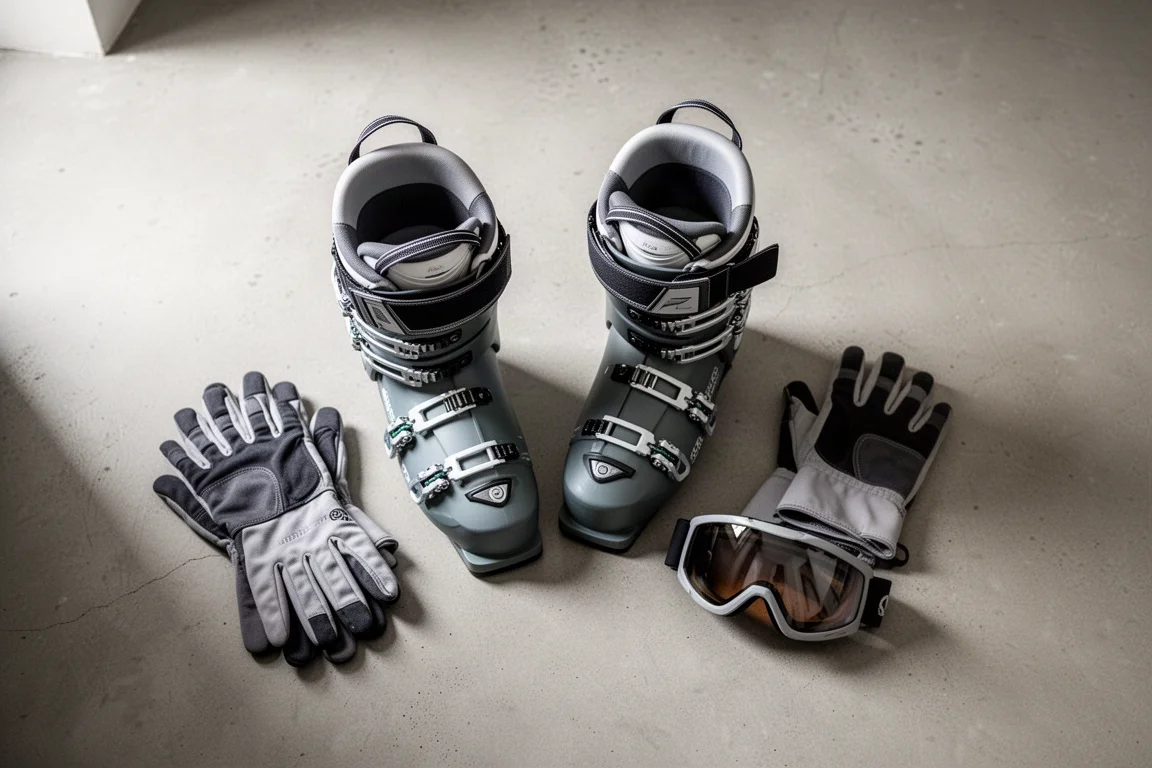
Dual upper cuff adjustments sit on the side of the cuff, and the pivot is larger than on the mid-volume versions of this boot. That extra material and range are aimed squarely at bigger, stronger skiers who load the cuff harder.
Things to Consider Before Buying
The 120 flex is the honest trade-off. It is designed for skiers who want support without the full stiffness of a 130, so if you are chasing maximum resistance at speed, a stiffer shell is the more logical choice.
Heat moulding the liner and any custom adaptive shell work are best handled by a boot shop. That is normal for a performance boot, but it does mean the fit you get on day one is a starting point rather than the finished result.
Finally, be realistic about foot volume. The generous instep and wide throat that make this boot excellent for high-volume feet are exactly why it will feel sloppy for someone with a narrow, low-volume foot.
Buying Advice
Match the boot to your foot volume first, then to your flex preference. The Mach1 120 HV rewards skiers who genuinely need the room: wider forefoot, higher instep, and a preference for a shell they can still flex with the ankle.
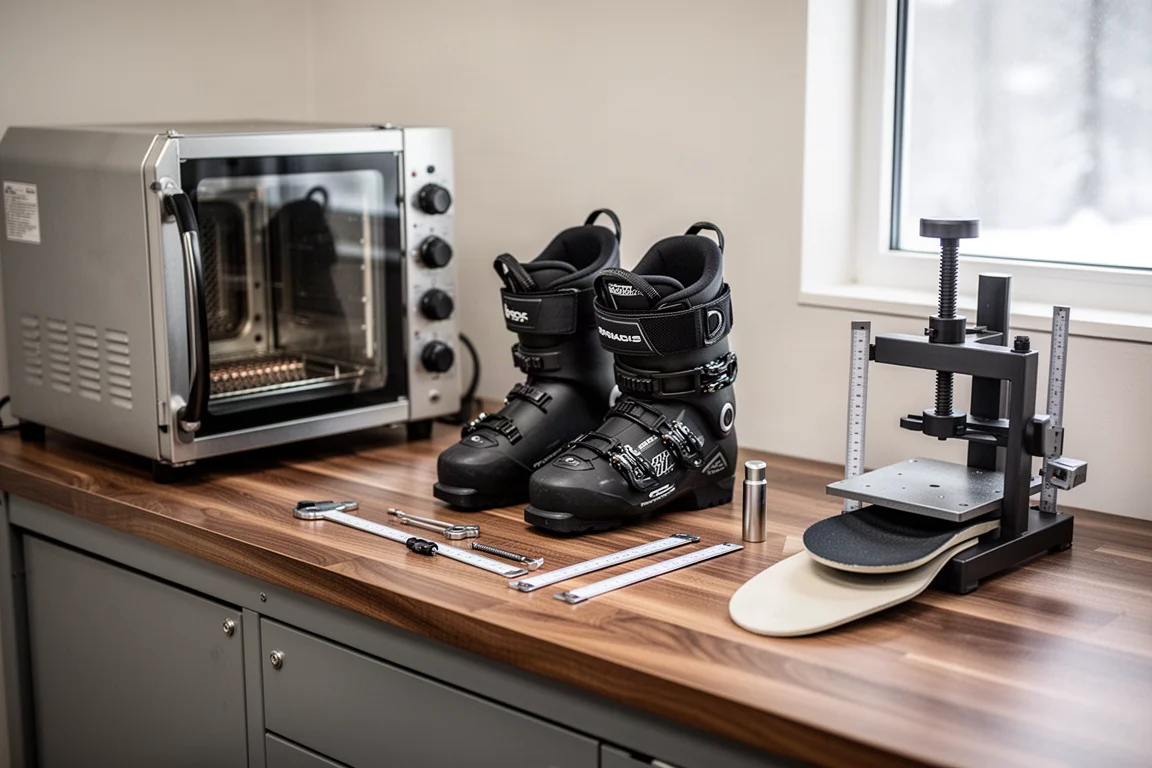
Budget for a proper heat mould of the liner, and ask about the custom adaptive shell if the forefoot is borderline. Those two steps turn a good out-of-the-box fit into a fit that holds up over a full season of hard skiing.
If your feet sit at the narrower end of the spectrum, or if you already know you want a 130 flex, start your search elsewhere and treat this boot as a reference point for volume rather than a candidate.
Conclusion
The Tecnica Mach1 120 HV does one job clearly: it gives larger, aggressive skiers a high-volume shell with a manageable 120 flex, a mouldable high-end liner, and the lateral support of the T-Drive linkage. For skiers who have always felt pinched in medium-volume boots, it is a convincing place to start.
Product link
View more details for Tecnica Mach1 120 HV
This product is mentioned in the review. Check the specifications, options, and compatibility before buying.
View more details for Tecnica Mach1 120 HVFurther reading
Related Reviews

Ski Boots
2027 Ski Boot Roundup: Six 130-Flex Boots Worth Knowing
Six 130-flex ski boots for 2027, plus a low-volume liner upgrade, compared on weight, fit, flex feel, and ease of use.

Ski Boots
Armada AR One Ski Boot Review: A Three-Piece Cabrio That Finally Gets It Right
Armada's first ski boot blends three-piece Cabrio design with Atomic engineering, a heat-moldable shell, and a 100mm last that fits better than any Cabrio before it.

Ski Boots
Armada AR1 Ski Boot Review: A Cabrio and Overlap Hybrid for Park and Freeride Skiers
Armada's first ski boot pairs a three-piece cabrio shell with overlap-style buckles and a cable-driven slingshot buckle. Here is where it shines, and what to weigh before buying.