Ski Boots
Tecnica Mach1 110 LV Review: A Low-Volume Ski Boot Built for Control
A practical look at the Tecnica Mach1 110 LV, a low-volume ski boot with a 110 flex, a heat-moldable liner, and fit details aimed at advanced skiers and lighter experts.
Introduction
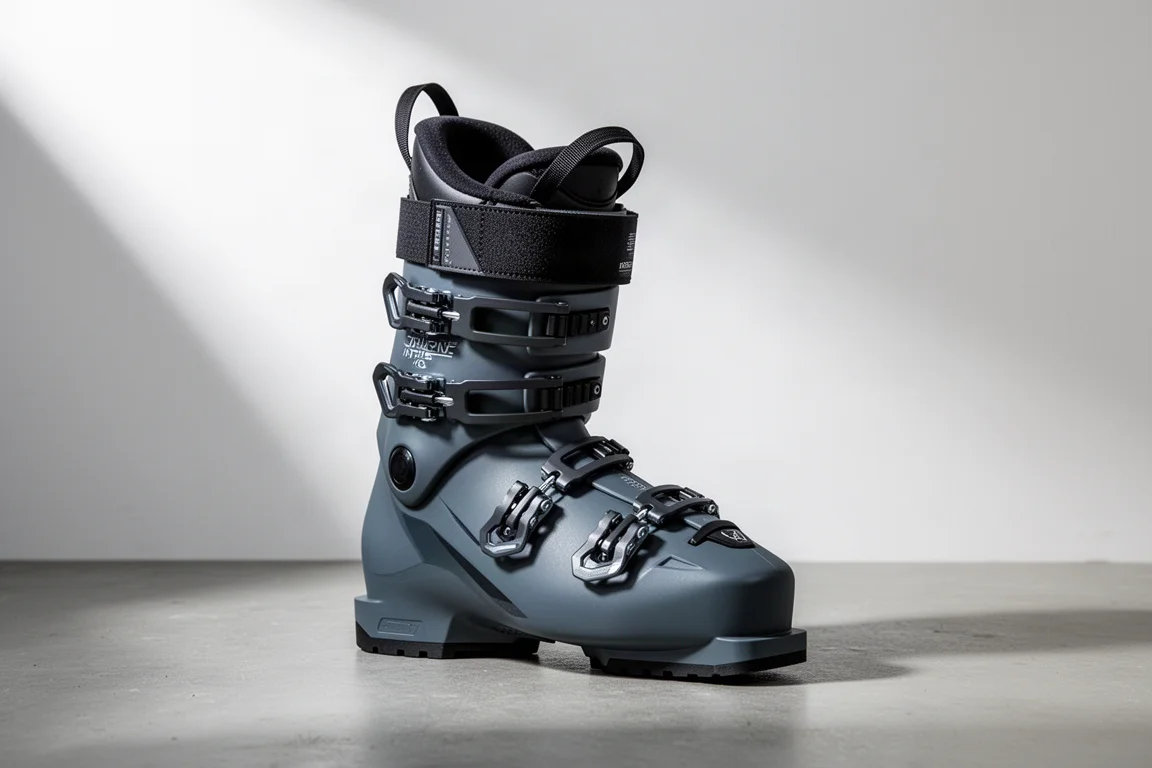
The Tecnica Mach1 110 LV sits in a useful spot for skiers who want a tight, secure hold without stepping up to a very stiff shell. Its 110 flex rating is the softer end of the performance range, and its low-volume last is built around narrower feet and lower insteps. The combination makes it a boot that prioritizes a precise, close fit rather than a roomy, forgiving one.
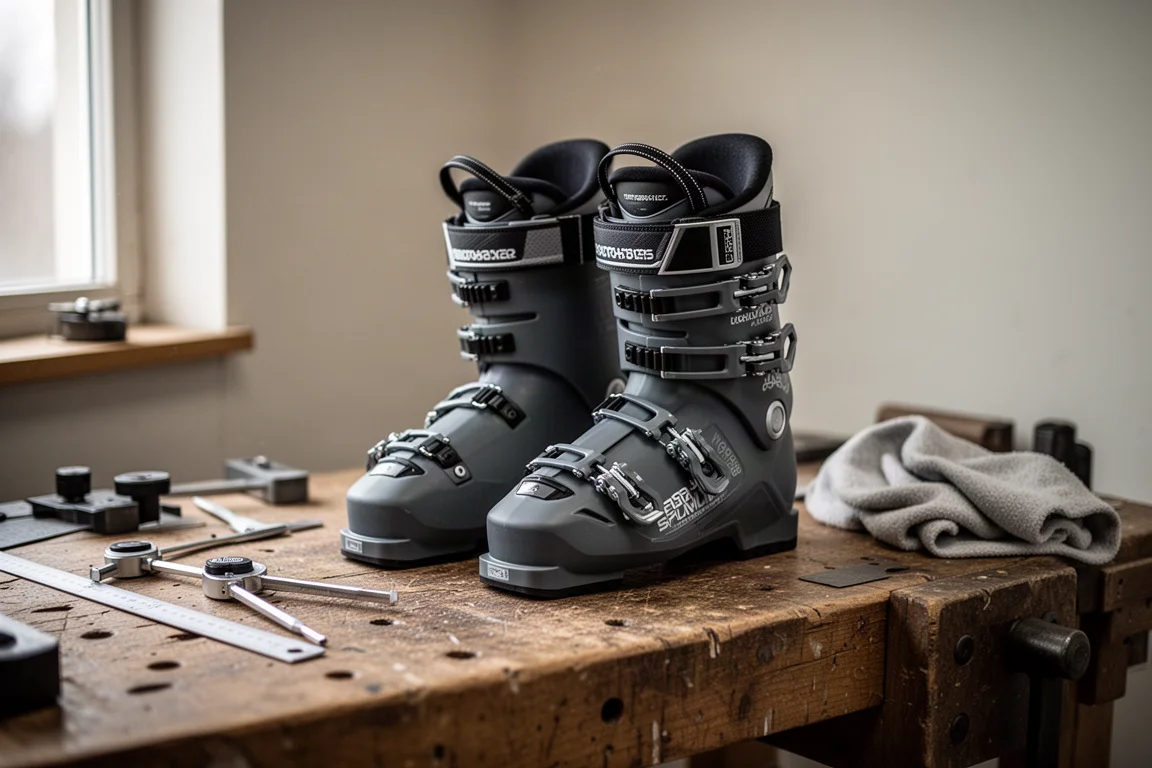
That pairing of a lower flex with a lower-volume fit is the core of the design. Rather than forcing skiers to choose between comfort and control, the Mach1 110 LV narrows the shell so the foot stays planted, then softens the flex so the boot remains manageable through a full day on the hill.
Who This Boot Is For
This boot is aimed at advanced skiers and lighter-weight experts. A 110 flex gives those skiers enough support for confident turns without the punishing stiffness of a race-oriented shell. It also suits anyone who simply prefers a slightly softer forward flex in their boots, whether because of body weight, skiing style, or the terrain they spend most of their time on.
The low-volume fit is the other half of the equation. Skiers with lower-volume feet often swim inside a standard shell, and that extra space costs them response. Here the reduced interior volume takes up that slack, which is exactly why the boot is worth considering for lower-volume-footed individuals in particular.
It is worth being clear that a 110 flex rating does not make this a low-end product. The flex patterns across the Mach1 line are built to a consistent standard, and the 110 shares the same structural thinking as the stiffer options above it.
Fit and Shell Design: A True Low-Volume Last
The numbers behind the fit are straightforward. The boot measures 98 millimeters across the forefoot, paired with a fairly low instep height and a narrow throat around the lower leg. Those three traits add up to a genuine low-volume fit rather than a slightly trimmed standard shell.
Both the shell and the liner use a custom adaptive shape, which means a boot fitter has meaningful room to work with when dialing the boot in. Grip Lock soles come pre-installed, so the boot arrives ready to walk in without an extra purchase.
For skiers who have struggled to find a shell that holds the foot without crushing it, this is the part of the design that matters most. The narrower throat and lower instep are what keep the heel and midfoot locked down, while the 98 millimeter forefoot keeps the front of the foot from feeling squeezed.
Liner, Buckles, and Power Strap
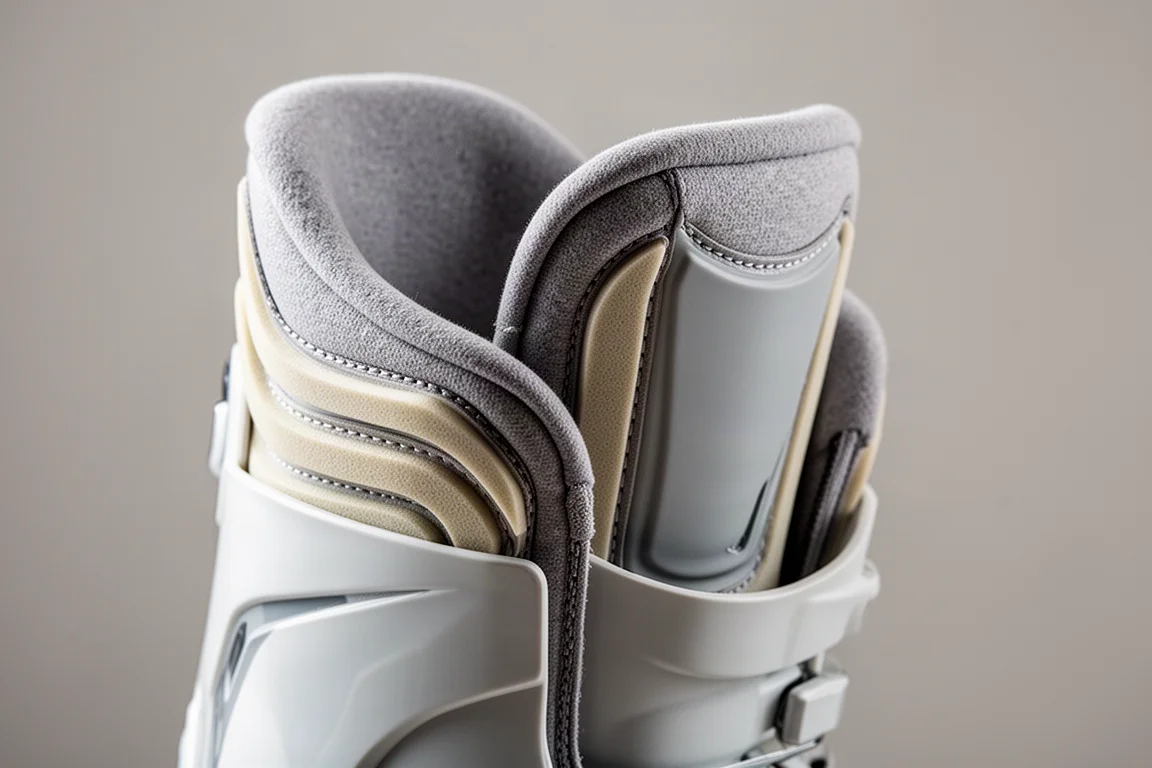
The liner is a strong part of the package. It is custom moldable, so a boot shop can heat it in an oven and let the custom adaptive material along the sides and ankle mold directly to the shape of the foot. The result is a closer, more personal fit than a stock liner can offer.
Two structural details inside the liner do real work on snow. A stiffer plastic section on the inside of the liner helps drive internal rotation and activates the inside edge more easily. A stiff plastic panel on the tongue adds support across the front of the shin.
Closure hardware is equally practical. Four Lift Lock micro-adjustable buckles handle the fit, and the top two buckles include extra holes so they can be repositioned for a tighter hold when needed. A velcro power strap at the cuff finishes the setup and lets you fine-tune the overall tension around the upper boot.
Flex and Lateral Support: The T-Drive Spine
The T-Drive rear spine connects the upper cuff to the lower shell, and it changes how the boot behaves. It keeps lateral movement precise, so edge-to-edge transitions feel direct rather than vague, and it keeps the forward flex firm and controlled.
That is what allows a 110 flex boot to feel more capable than the number suggests. Even without especially stiff plastic in the shell, the T-Drive structure delivers the same lateral support found higher up the range. Skiers get a boot that is easier to flex forward while still holding a strong, stable edge.
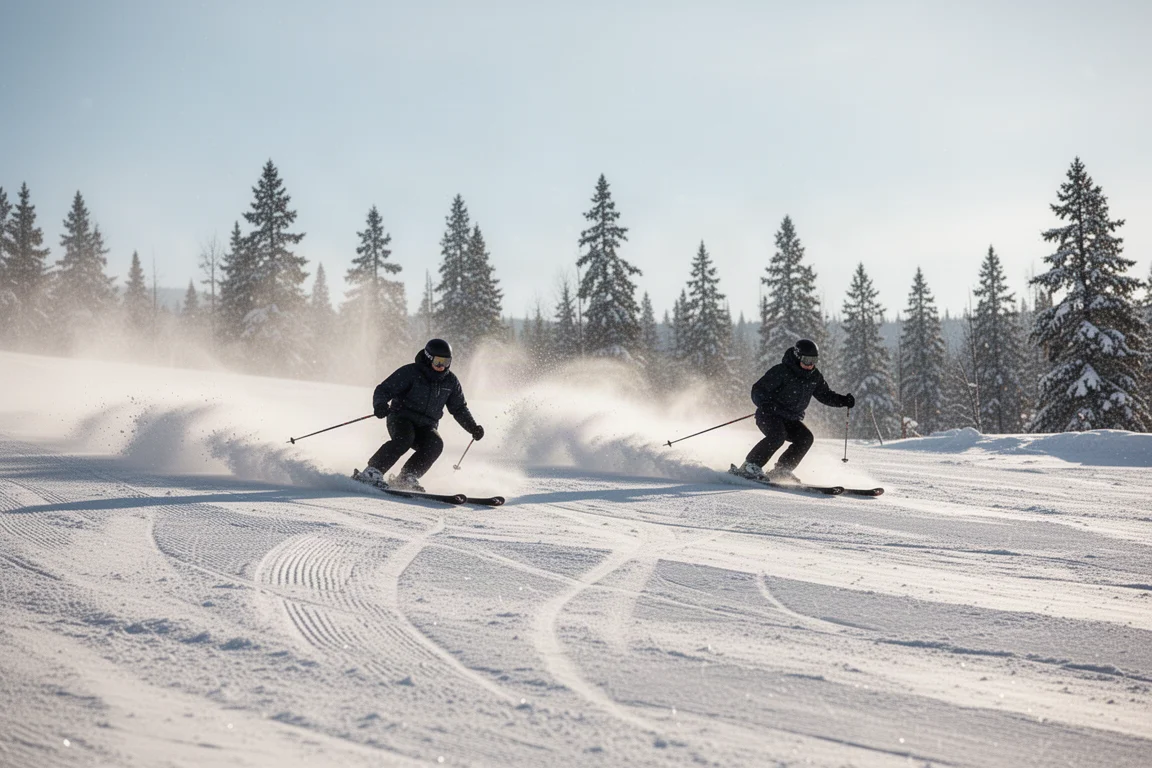
In practice, this is the difference between a boot that folds under pressure and one that stays composed. The softer flex is most noticeable when driving the shin forward, while the lateral response remains crisp, which is a genuinely appealing balance at this flex level.
Quick Instep and Getting In and Out
Getting into a low-volume boot can be the least enjoyable part of the day, so the Quick Instep feature is a welcome detail. A black plastic panel over the instep uses a slightly softer material, which opens up room for the foot to slide in and out.
That same softness has a second benefit. It allows a little extra circulation across the top of the foot, which helps keep toes warmer on cold days. In a shell this snug, that small amount of relief goes a long way.
Things to Consider Before Buying
The most important consideration is fit, not features. This is a low-volume boot, and it is designed around narrower feet, lower insteps, and slimmer lower legs. Skiers with wider or higher-volume feet will likely find it too tight, and no amount of buckle adjustment will fix a shell that is fundamentally the wrong shape.
Flex is the second consideration. At 110, this boot is softer than the 120 and 130 options in the same line. Heavier or very aggressive skiers who want maximum resistance when driving forward should look at those stiffer versions instead. Skiers who want a more approachable flex will find the 110 better suited to their day.
Finally, the moldable shell and liner are an advantage only if they are used. Heat molding the liner is done at a boot shop, and the custom adaptive material needs that proper fitting process to deliver its benefit. Buyers who skip professional fitting will not get the most out of the design.
Buying Advice
Match the boot to the foot first and the flex number second. If your feet are lower volume and you have been fighting excess room in a standard shell, the 98 millimeter forefoot, low instep, and narrow throat here are the reasons to shortlist this boot. If your feet are wider or higher volume, that same geometry is the reason to look elsewhere.
On flex, think about how you actually ski. Advanced skiers and lighter experts will find the 110 flex supportive without being demanding, and skiers who simply prefer a softer forward flex will appreciate it too. Those who want the stiffest possible platform should step up within the line.
Budget for a proper fitting session as part of the purchase. The custom adaptive shell and liner are designed to be worked on, and the pre-installed Grip Lock soles, four Lift Lock micro-adjustable buckles, and velcro power strap give a fitter plenty of adjustment to work with.
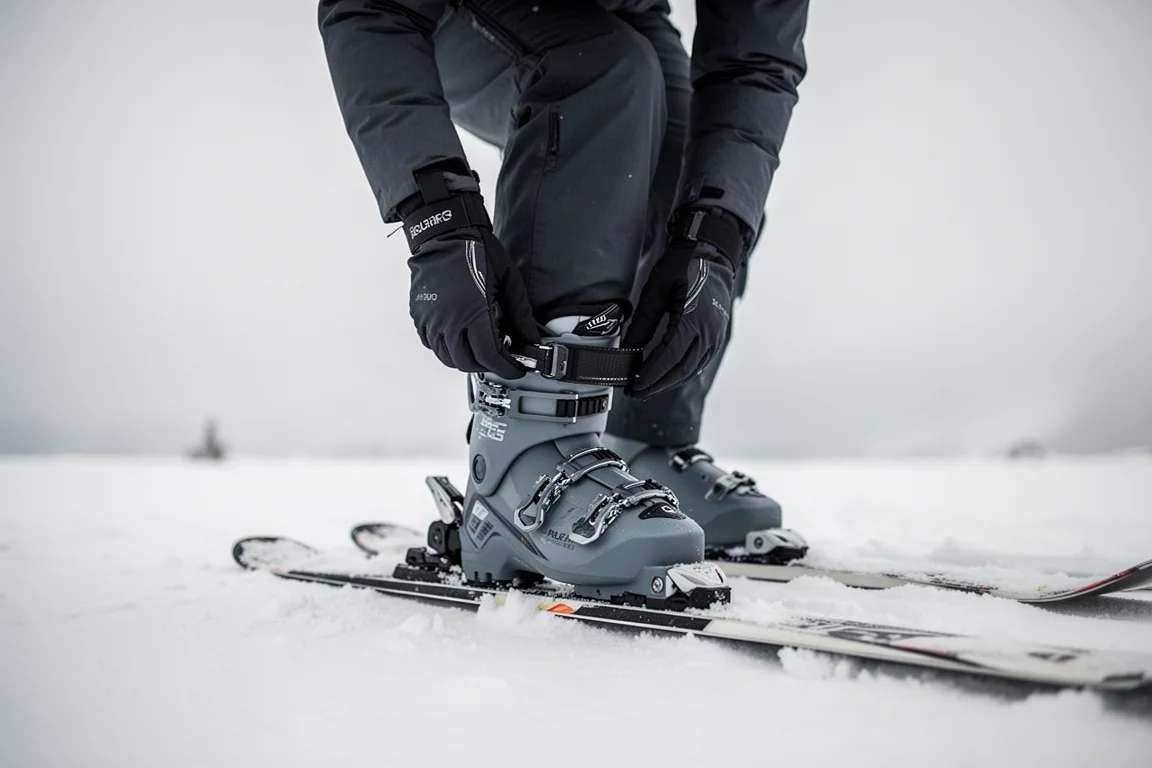
Approached that way, the Mach1 110 LV is a boot that rewards the right match. It is not trying to be the stiffest or the roomiest option available, and for the skier it was built around, that restraint is exactly the point.
Conclusion
The Tecnica Mach1 110 LV is a low-volume, high-performance ski boot with a slightly softer flex than the stiffer models in the same range. Its 98 millimeter forefoot, low instep, and narrow lower-leg throat create a close, secure hold for lower-volume feet, while the T-Drive rear spine keeps lateral support precise and forward flex controlled. Add a heat-moldable liner with custom adaptive material, four micro-adjustable buckles, and pre-installed Grip Lock soles, and it becomes a sensible choice for advanced skiers, lighter-weight experts, and anyone who wants a precise fit without a punishing 130 flex.
Product link
View more details for Tecnica Mach1 110 LV
This product is mentioned in the review. Check the specifications, options, and compatibility before buying.
View more details for Tecnica Mach1 110 LVFurther reading
Related Reviews

Ski Boots
2027 Ski Boot Roundup: Six 130-Flex Boots Worth Knowing
Six 130-flex ski boots for 2027, plus a low-volume liner upgrade, compared on weight, fit, flex feel, and ease of use.

Ski Boots
Armada AR One Ski Boot Review: A Three-Piece Cabrio That Finally Gets It Right
Armada's first ski boot blends three-piece Cabrio design with Atomic engineering, a heat-moldable shell, and a 100mm last that fits better than any Cabrio before it.

Ski Boots
Armada AR1 Ski Boot Review: A Cabrio and Overlap Hybrid for Park and Freeride Skiers
Armada's first ski boot pairs a three-piece cabrio shell with overlap-style buckles and a cable-driven slingshot buckle. Here is where it shines, and what to weigh before buying.