Ski Boots
Tecnica Cochise Pro Women's Review: A Hybrid Ski Boot for Uphill and Downhill
A women's hybrid ski boot with a 99 mm last, tech fittings, and a T-Ride walk mechanism that locks into a solid alpine feel.
Introduction
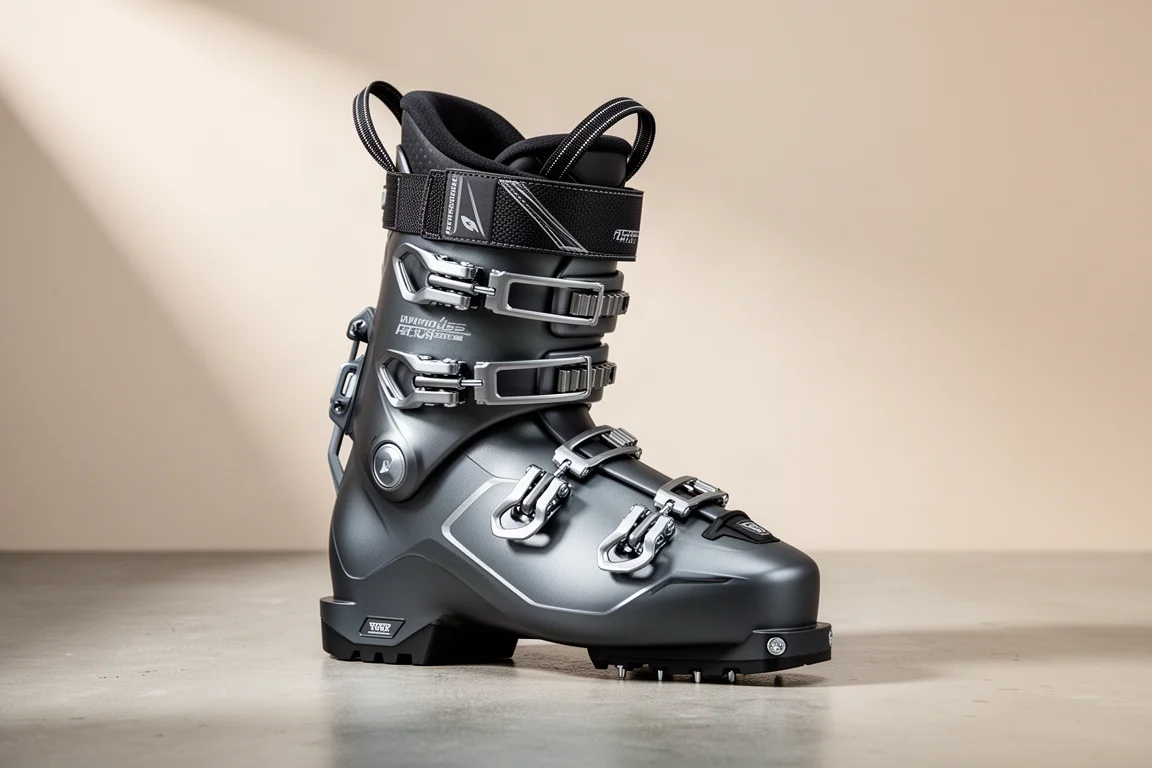
Hybrid boots ask a lot of themselves. You want a cuff that moves freely on the skin track, and you want a planted, responsive connection the moment you point the skis downhill. The Tecnica Cochise Pro Women’s is built for exactly that split, and it leans further toward true alpine manners than most touring-first designs.
There is no published flex rating for this boot, though it sits around 115 based on the rest of the line and how the Mach 1 boots are rated. The last measures 99 mm, which places it between a low-volume and a mid-volume fit rather than at either extreme. Add tech fittings in the toe and heel and the T-Ride walk mechanism, and you get a boot that climbs efficiently and then locks down into something that behaves like a standard alpine boot.

That balance is the entire argument for a boot like this. A shell that walks beautifully but skis vaguely is a compromise most skiers refuse to accept, and the Cochise Pro Women’s is positioned for the skier who wants to keep moving uphill without giving up the feel of a proper downhill boot.
Who This Boot Is For
This is a boot for the skier who wants one pair to cover both directions. If your days include skinning out past the resort boundary, a short tour before lifts open, or a full day of laps with a bit of climbing mixed in, the Cochise Pro Women’s is designed to handle all of it without forcing you to choose a dedicated touring shell or a dedicated alpine shell.
It also suits women skiers who value a liner that can be shaped to the foot rather than one that simply has to be tolerated. The liner here is a half touring, half alpine design, which is a fair description of the boot as a whole: capable of walking, capable of charging, and honest about being a blend of the two.
If your skiing is entirely lift-served on groomers and you never plan to use tech fittings, a straight alpine boot will still be the simpler answer. The value of this boot comes from actually using the uphill half of its design.
Fit, Liner, and Customization
The 99 mm last sits in the middle of the fit range, which makes this a boot that many skiers can wear comfortably but few will find perfect straight out of the box. That is not a flaw so much as a characteristic of the category, and Tecnica has built in several ways to close the gap.
The quick instep section uses a multi-injection plastic construction. It makes getting in and out noticeably easier, and it also allows better circulation and blood flow around the instep, which matters on long cold days.
The liner is where most of the personalization happens. The ankle pockets are fully heat moldable, so a boot shop can shape them directly to your foot. The tongue is a custom piece mounted on velcro, and you can peel it off and move the whole tongue in or out to change how the boot closes over the instep. There is also a lace-up liner, which gives you a secure, even wrap before the shell buckles ever come into play.
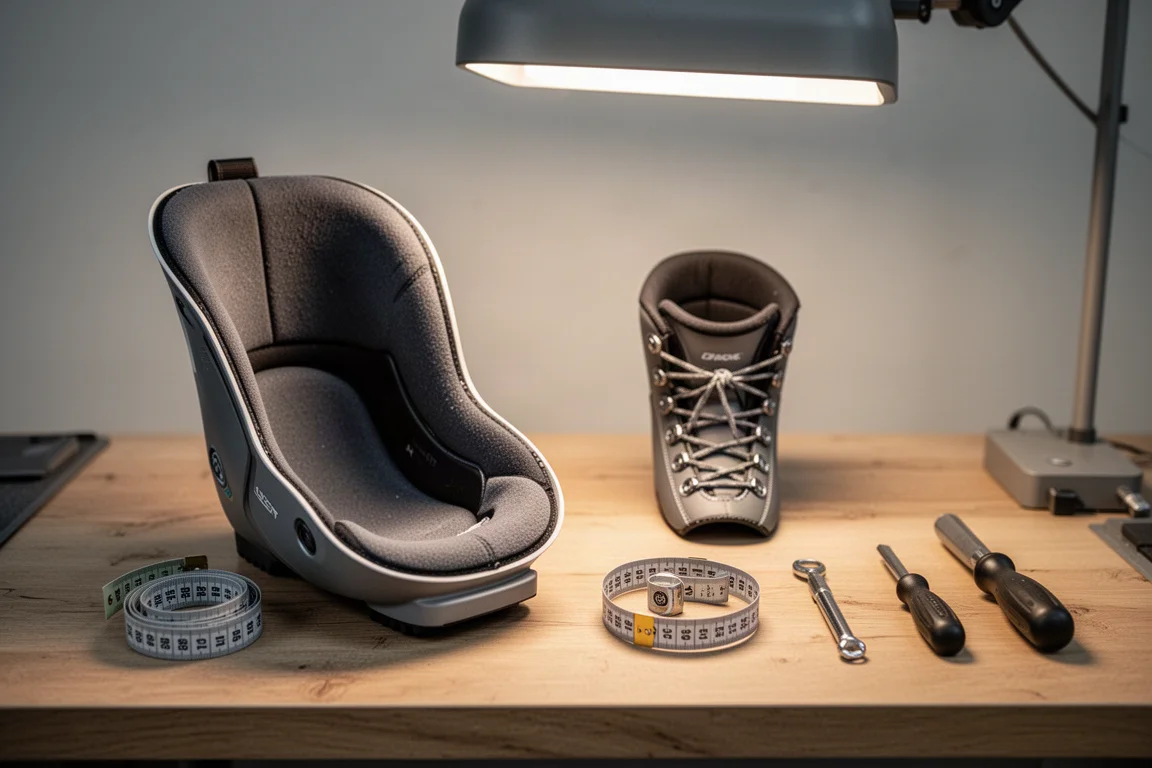
Because so much of the fit is adjustable, the boot rewards being set up properly by someone who knows what they are doing. A shop with heat-molding equipment can turn a decent fit into a very good one.
Uphill Performance and the Walk Mechanism
Uphill travel is where the hardware earns its place. Tech inserts in the toe and heel let the boot work with pin bindings, and the walk mechanism unlocks into a tour mode with a genuinely wide range of motion, all the way back and all the way forward. Combined with the tech toe, that range makes the Cochise Pro Women’s an efficient climber rather than a boot that merely tolerates the ascent.
The mechanism itself is simple to operate. Flip it into tour mode to climb, then twist it to lock it down. Once locked, the connection is solid and the boot feels like a regular alpine boot again.
Weight is managed carefully too. The four buckles are micro-adjustable and lighter than the hardware on the Mach 1 boots, and the whole product is a lighter package than that alpine line. The power strap across the top of the cuff is not a velcro closure but a hook-and-pull design, which holds tension more consistently through a day of transitions.
The outsole is a GripWalk design with Vibram, so walking across parking lots and icy lodge steps is far less eventful than it is in a smooth-soled race boot.
Downhill Performance and Power Transfer
Lock the walk mechanism down and the boot stops behaving like a touring product. The connection is solid, the flex is progressive, and the feel is that of a regular alpine boot rather than something that has been softened to save weight.
That is the harder half of the hybrid equation to get right, and it is the reason this boot makes sense for skiers who are unwilling to trade away downhill confidence. The same shell that walks up the hill is stiff enough and planted enough to drive a ski with authority on the way back down, and the hook-and-pull power strap helps keep the upper cuff and liner working as one unit.
For a skier whose priorities are, in order, skiing well and then getting up the hill, this is the right kind of compromise: the touring hardware is there when you need it, and it stays out of the way when you do not.
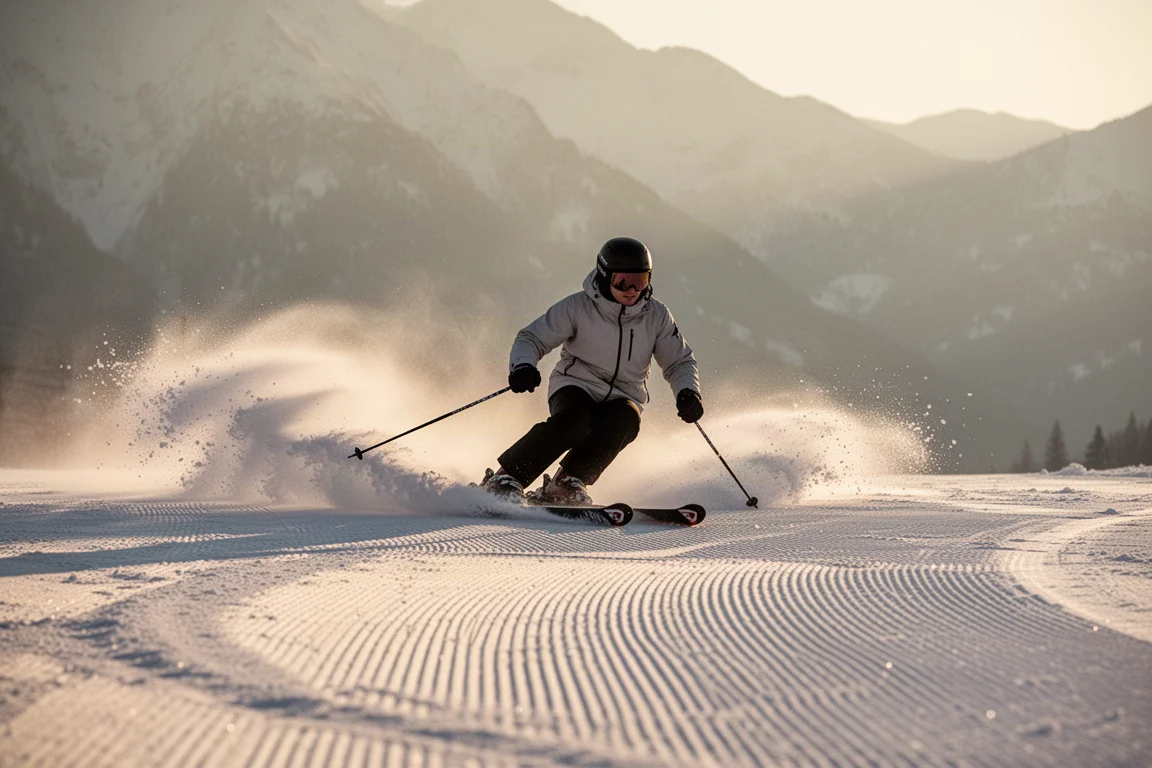
In practice that means you can take this boot into terrain where a dedicated touring shell would feel vague underfoot, and you can still use it for the climb that gets you there.
Things to Consider Before Buying
The most important thing to know is that the flex rating is not published. The roughly 115 figure is an estimate drawn from the rest of the line and from how the Mach 1 boots are rated, so treat it as a guide rather than a specification. If you are used to shopping by flex number alone, this boot will require a different approach.
The 99 mm last is also a middle-of-the-road fit. It is not a narrow race fit and not a wide comfort fit, so it works best for skiers whose feet land in that range, or for skiers willing to have the liner heat molded and the tongue repositioned to dial in the fit.
Because the boot ships with a GripWalk sole, it is worth confirming compatibility with your current bindings before you commit. A shop can check this quickly and save you a frustrating surprise on the first day out.
Finally, this is a hybrid, and hybrids are blends by definition. It walks very well for what it is and skis very well for what it is, but a dedicated touring boot will still be lighter on the climb and a dedicated alpine boot will still be simpler to live with. The Cochise Pro Women’s makes sense when you want one boot that does both jobs competently rather than two boots that each do one job perfectly.
Buying Advice
Buy this boot for the fit first and the features second. The feature list is strong, with tech fittings, a wide walk range, a heat-moldable liner, an adjustable tongue, a lace-up liner, and lighter buckles than the brand’s alpine line, but none of that matters if the shell does not match your foot shape. A 99 mm last is a good starting point for a wide range of skiers, and the multi-injection instep makes the boot easy to get in and out of, so it is worth trying on even if you usually gravitate toward a different volume.
Plan to have the liner heat molded at a shop. The ankle pockets and the velcro-mounted tongue are specifically designed to be adjusted, and using those options is what turns this from an adequate fit into a comfortable one. If you are new to tech fittings, ask the shop to walk you through the walk mechanism and the locking sequence before your first tour, since the transition is quick once you have done it a few times.

As for timing, the practical move is to sort your fit before the season starts rather than mid-winter, when boot shop schedules fill up and heat-molding appointments get harder to find.
Conclusion
The Tecnica Cochise Pro Women’s is a well-rounded hybrid boot that takes the uphill half of its job seriously without softening the downhill half. The 99 mm last, the heat-moldable liner, the adjustable tongue, the lace-up liner, and the wide walk range all point to a boot designed to be tuned to the skier rather than endured by them.
It will not suit every skier. If you never plan to climb, a dedicated alpine boot is simpler, and if you tour exclusively, a lighter touring-specific shell may appeal more. But for the skier who wants one boot that climbs efficiently and still feels locked in and solid on the descent, this is a thoughtful, capable option worth trying on in person.
Product link
View more details for Tecnica Cochise Pro Women's
This product is mentioned in the review. Check the specifications, options, and compatibility before buying.
View more details for Tecnica Cochise Pro Women'sFurther reading
Related Reviews

Ski Boots
2027 Ski Boot Roundup: Six 130-Flex Boots Worth Knowing
Six 130-flex ski boots for 2027, plus a low-volume liner upgrade, compared on weight, fit, flex feel, and ease of use.

Ski Boots
Armada AR One Ski Boot Review: A Three-Piece Cabrio That Finally Gets It Right
Armada's first ski boot blends three-piece Cabrio design with Atomic engineering, a heat-moldable shell, and a 100mm last that fits better than any Cabrio before it.

Ski Boots
Armada AR1 Ski Boot Review: A Cabrio and Overlap Hybrid for Park and Freeride Skiers
Armada's first ski boot pairs a three-piece cabrio shell with overlap-style buckles and a cable-driven slingshot buckle. Here is where it shines, and what to weigh before buying.