Ski Boots
Tecnica Cochise 130 vs 120 Review: Choosing the Right Hybrid Ski Boot Flex
A side-by-side look at the Tecnica Cochise 130 and Cochise 120, covering the shared shell design, liner differences, walk mode hardware, and which flex suits which skier.
Introduction
Hybrid ski boots have matured quickly. A few seasons ago, a boot that promised a genuine walk mode and real downhill performance usually meant accepting clunky hardware and vague power transfer. The Tecnica Cochise line belongs to a newer generation that tries to remove that compromise.
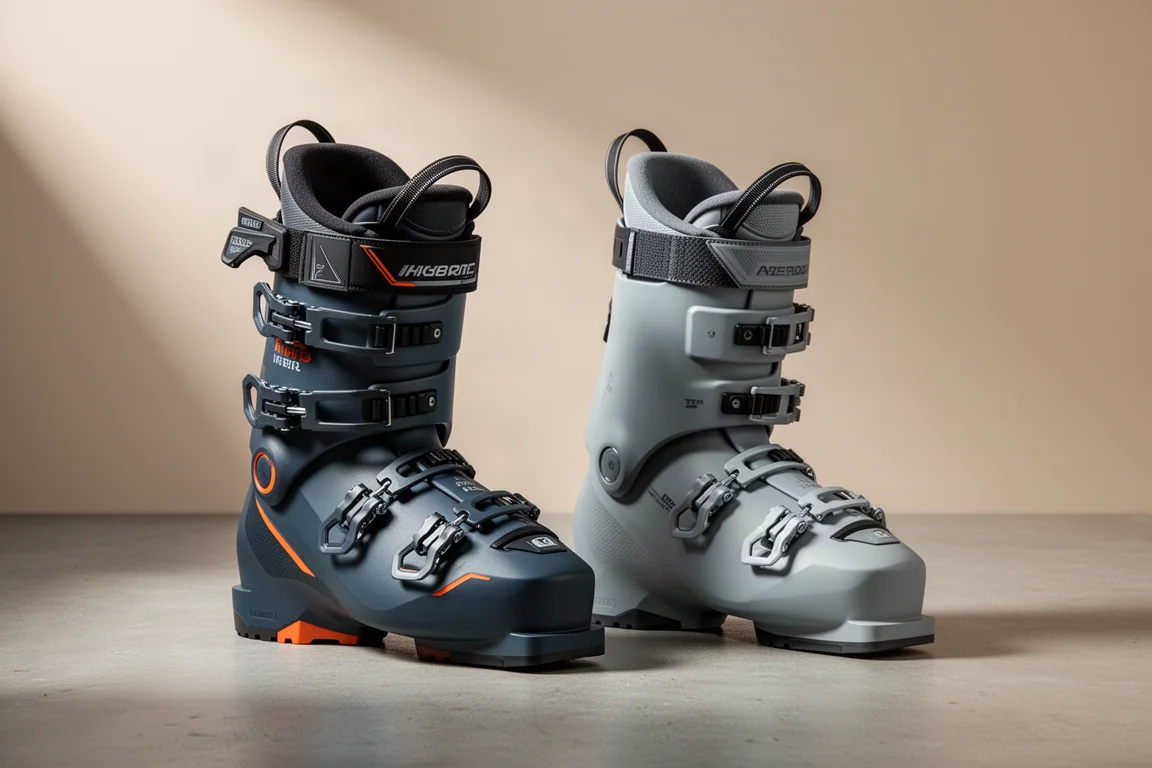
Two flexes in the line matter most to all-mountain skiers: the Cochise 130 and the Cochise 120. They share a shell, both accept pin bindings, and both are built for skiers who would rather own one setup than a resort boot plus a separate touring boot.
This comparison covers what the two models have in common, where they genuinely differ, and which flex makes more sense depending on how you ski.
What the Cochise 130 and 120 Share
Both boots are built on the same shell shape with a 99 mm last, which places them in the medium-volume category. That fit sits close to a medium-volume Mach 1, so skiers who are comfortable in that kind of boot should find the Cochise platform familiar.
The construction pairs a polyurethane lower with a polypropylene upper. That differs from the Mach 1, which uses polyurethane top and bottom. The softer upper plastic on the Cochise saves weight, which matters when the boot is heading uphill.
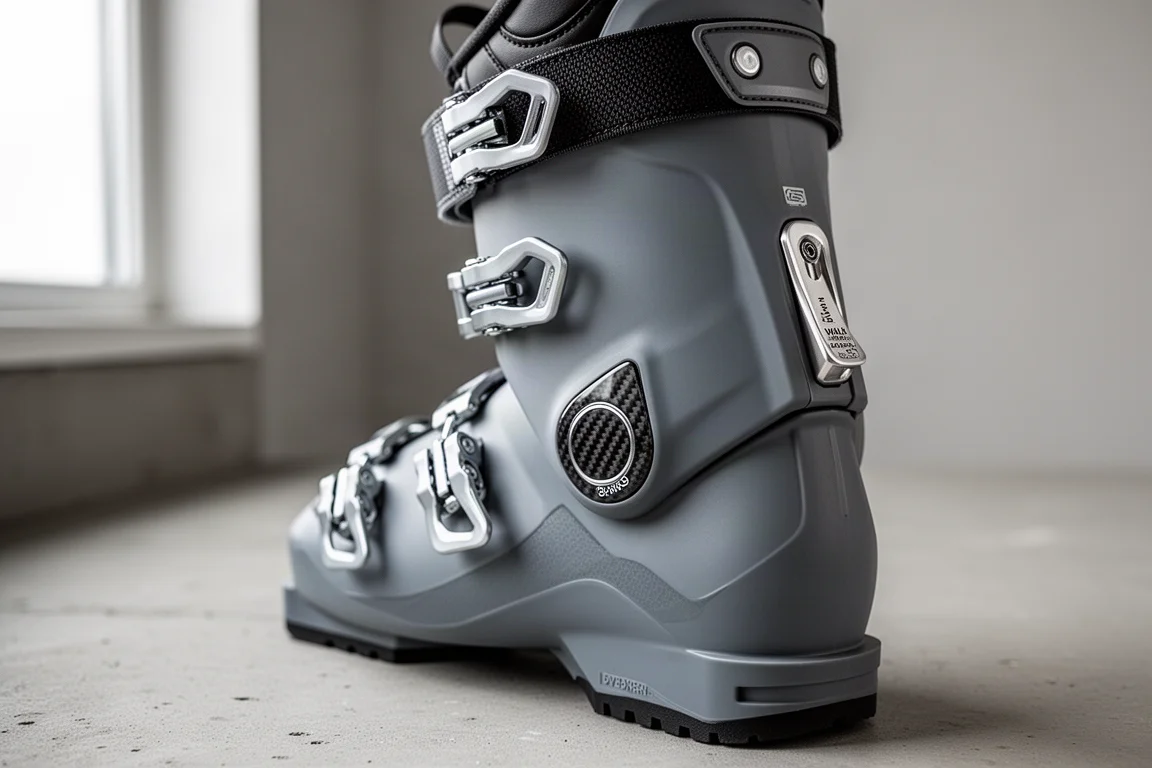
Hardware is shared too. There are four buckles with micro adjustment and a forward locking mechanism, plus a touring notch on the top two buckles so they can stay buckled on the climb. Those top buckles sit flush, extend for extra mobility, and can be moved sideways for macro adjustment. At the rear, the T-Ride walk mode lock handles the switch between ski and walk modes, and both boots carry tech fittings for pin bindings.
Tecnica Cochise 130: Stiffer Flex, More Precision
The Cochise 130 is the stiffer of the two and the one aimed at skiers who want the closest possible connection to the ski. Its liner uses more of the heat-moldable material than the 120, and that material extends into the forefoot and into the tongue.
The extra material changes the fit in a practical way. The foot sits closer to the shell, which speeds up energy transfer to the ski edge, but the liner also takes up more room. Skiers with a higher instep may feel pressure across the top of the foot and may need shell work, such as grinding or stretching, before the fit is right.
The 130 liner also includes a lace option for skiers who want to lock the foot down further.
Tecnica Cochise 120: A More Forgiving Flex
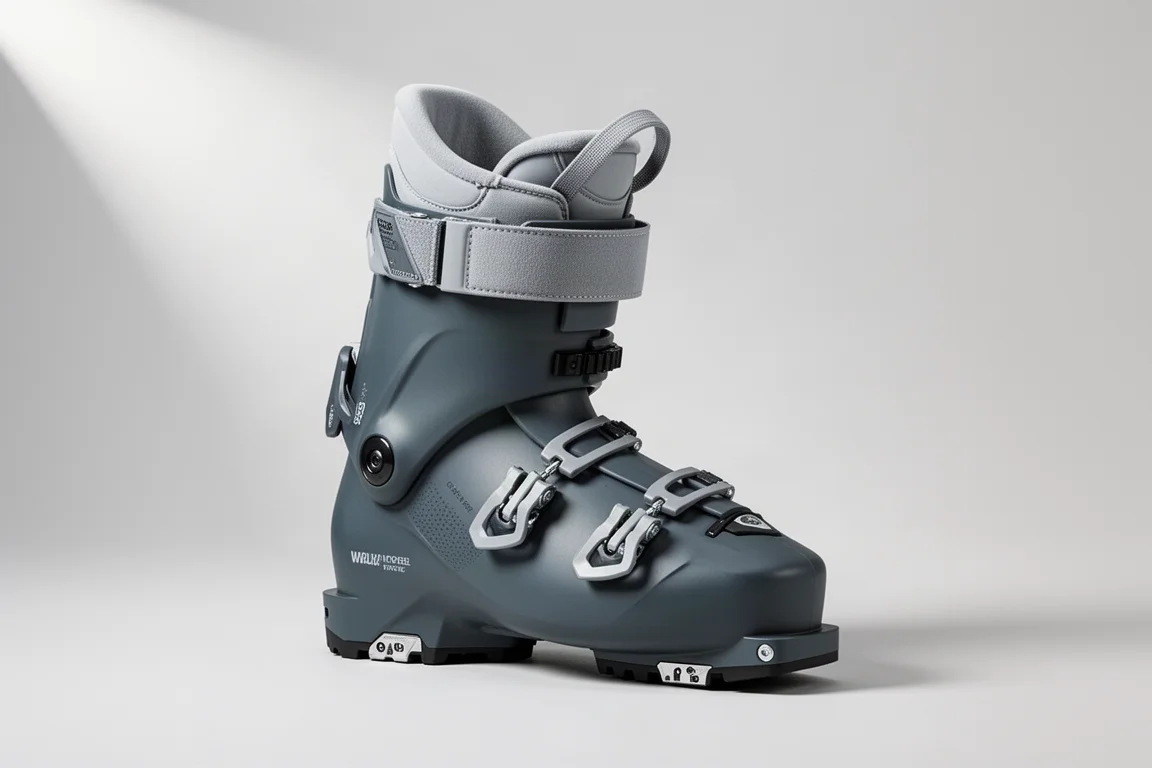
The Cochise 120 uses a softer flex and a liner with less heat-moldable material. That liner is still moldable, and a fitter can stretch it, punch it, or grind it, but the foam packs out more easily on its own, which makes the break-in process simpler.
On snow, the gap between the two is smaller than the flex numbers suggest. The 120 still feels composed and planted, and for many skiers the more forgiving fit will be the better trade.
Liner and Fit Differences Between the 120 and 130
Both liners use heat-moldable material that a fitter can stretch, punch, and grind. In practice, that means either boot can be adapted to a wide range of foot shapes, and a professional fitting session is worth the investment.
The difference is in how much material you are working with. The 130 liner carries more of it through the forefoot and the tongue, and that extra foam needs somewhere to go. If your instep is high, the shell may need grinding or stretching to create room. The 120 liner packs down into itself more readily, so it tends to settle without extra shell work.
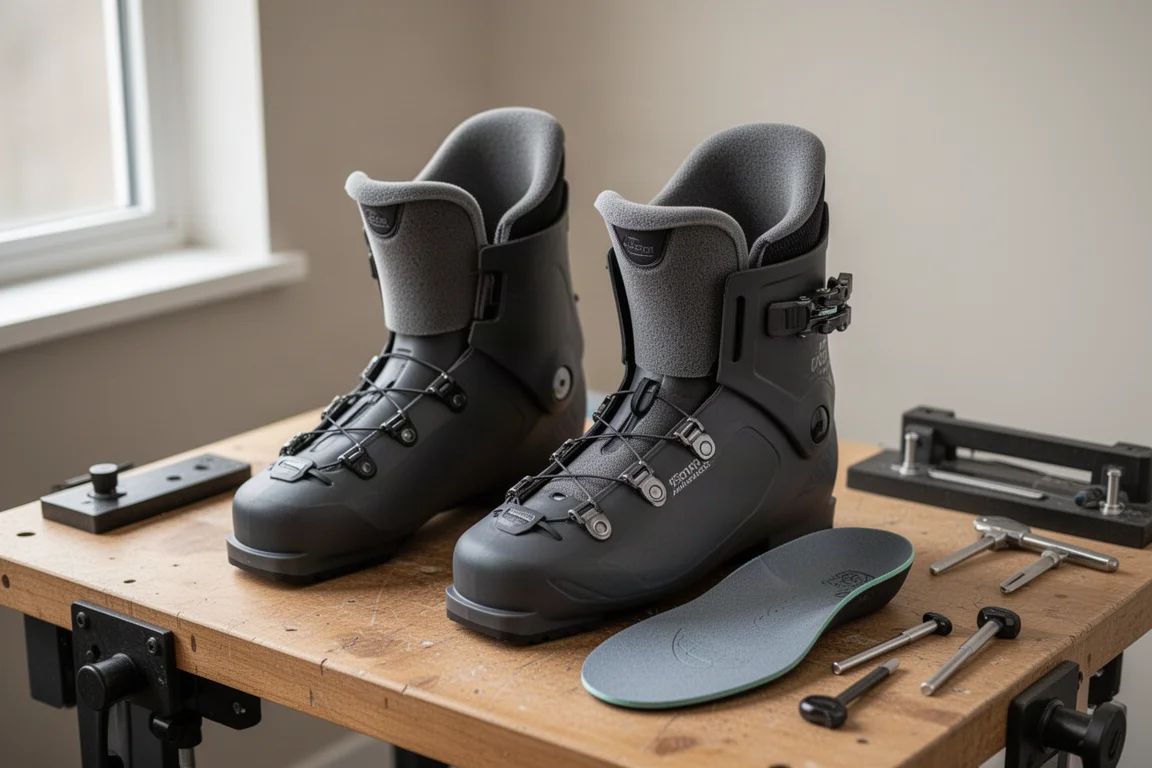
Because of that, the 130 rewards a visit to a boot fitter, while the 120 is the easier boot to take from the shop straight to the hill.
Buckles, Walk Mode, and the T-Ride Lock
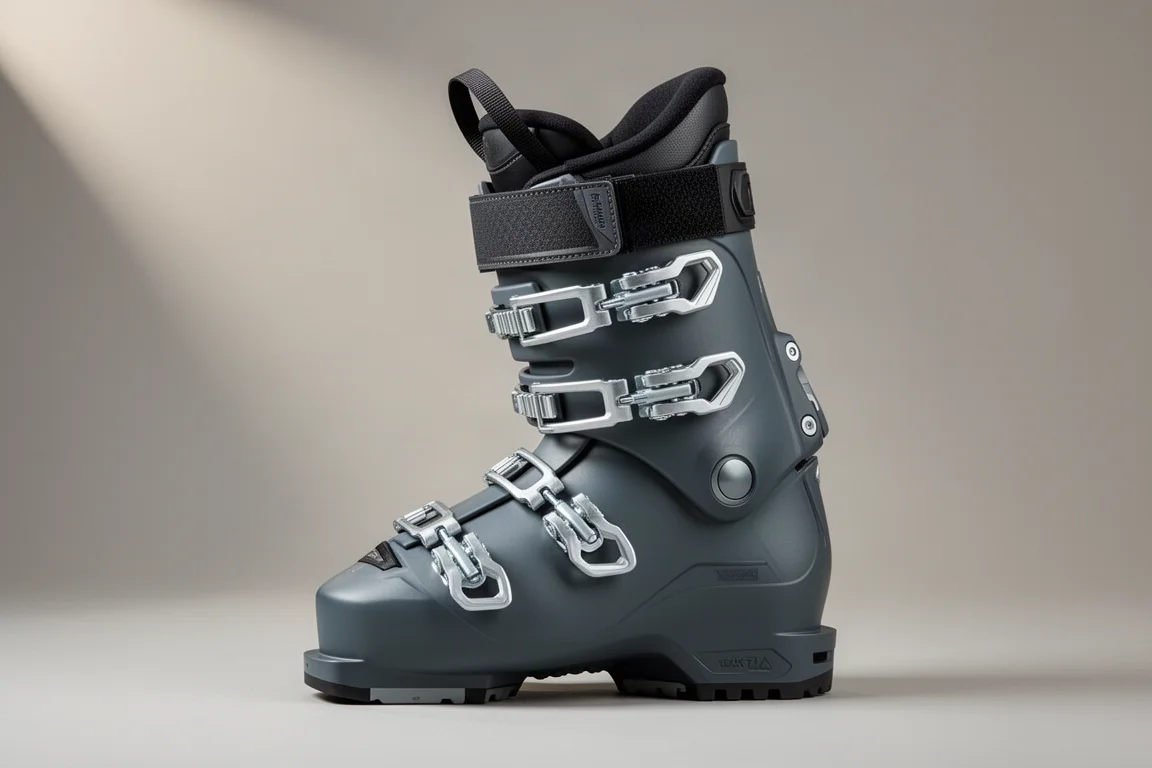
The four buckles are touring-oriented, and weight is saved by removing material from them. They feel lighter and more wire-like than a caged buckle, and the more open holes make them slightly slower to operate than the buckles on a Mach 1 or a Salomon S/Pro. They are still micro-adjustable, they lock forward, and the top two carry a touring notch.
Power strap hardware differs between the two models. One uses a 45 mm hook-and-loop strap; the other uses a ratcheting power-lock strap that cinches down firmly and adds support to forward flex.
The T-Ride lock at the rear is the headline piece of hardware. A small flip unlocks it, a second flip puts the boot into walk mode, and flipping it back down and turning it to the right locks everything in place. A metal grabber is screwed into the plastic shell, and a carbon inlay sits alongside it.
In ski mode that locked spine does more than hold the boot together. It adds lateral stiffness without making forward flex excessively stiff, which suits modern wider skis that rely on lateral movement to access the sidecut. The carbon-infused area is deliberately asymmetric, matching the way pressure builds on the inside edge and the outside foot.
Uphill Performance and Binding Compatibility
Tech fittings are standard on both boots, and that is a meaningful change from the original Cochise, which used a flat alpine sole with no pin compatibility and relied on a walk mode alone.
Pairing the boots with a Duke PT 16 binding works well, and it is the kind of setup the line is designed for: one pair of boots, one pair of skis, and a binding that can handle lifts and short tours.

The sweet spot is the skier who tours a handful of days a season, perhaps early and late season with a few days in between, and who does not want to maintain two separate setups.
Who Might Prefer a Dedicated Alpine Boot
The 130 comes closer to a regular advanced or expert alpine boot than its walk mode suggests, thanks to the rear lock and the more alpine-oriented plastic in the shell. That said, it will not match the connection of a two-rivet overlap alpine boot with a stiffer cuff.
Skiers who ride lifts most days, ask a lot of their gear, or want maximum power transfer on firm days with a giant slalom ski may still be better served by a dedicated alpine boot.
Buying Advice: Which Flex Makes Sense for You
If you are moving toward a hybrid setup and want the easier entry point, the Cochise 120 is the sensible choice. It has less liner material, it breaks in more naturally, and it still delivers enough performance for most all-mountain skiing.
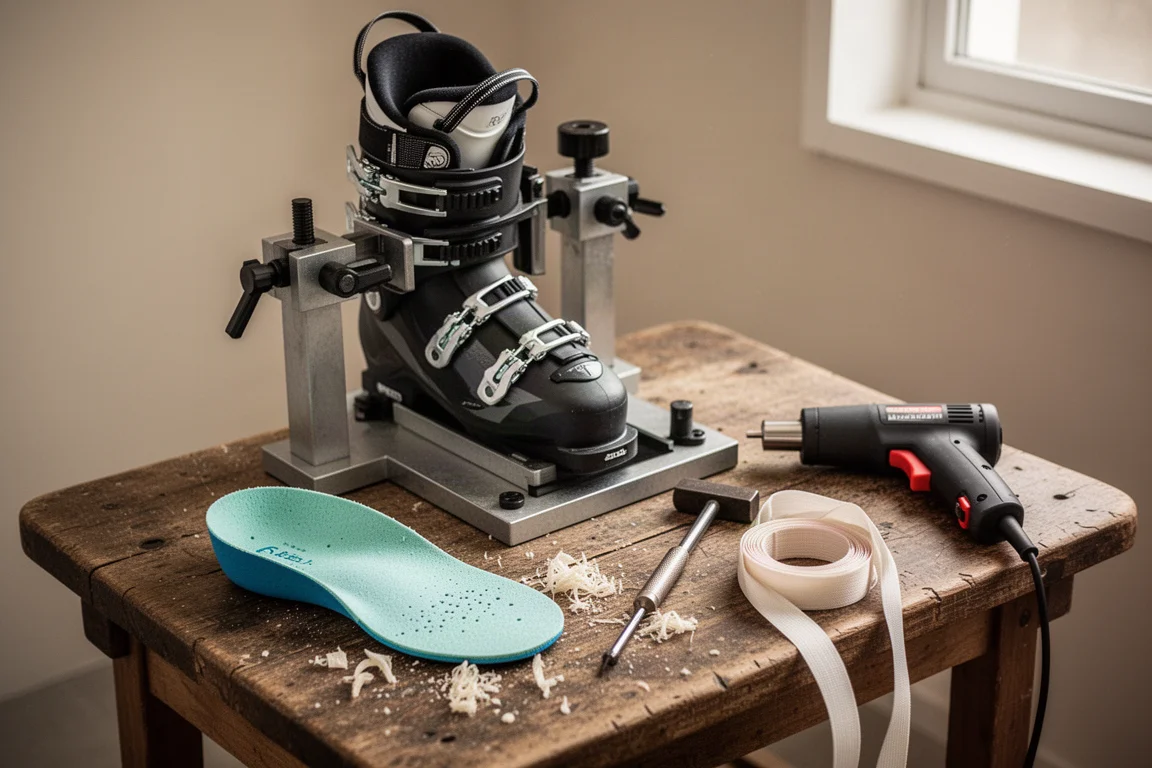
Choose the Cochise 130 if you want the most precise fit you can get and you are prepared to spend time with a boot fitter making room where your foot needs it. The closer the foot sits to the shell, the faster your input reaches the ski edge.
A women’s version with a lower cuff is also part of the line. And if you are building a hybrid setup from scratch, start with the boot rather than the binding, because the binding choice depends on the boot having tech fittings and a walk mode.
Conclusion
The Cochise 130 and Cochise 120 share a shell, a 99 mm medium-volume fit, four touring buckles, a T-Ride walk mode lock, and tech fittings. What separates them is the liner and the flex: the 130 trades a little comfort for precision and asks more fitting work, while the 120 is easier to live with out of the box and gives up only a small amount on snow.
Either way, this is a line that makes the one-boot quiver a realistic idea for skiers who split their time between the resort and short tours.
Further reading
Related Reviews

Ski Boots
2027 Ski Boot Roundup: Six 130-Flex Boots Worth Knowing
Six 130-flex ski boots for 2027, plus a low-volume liner upgrade, compared on weight, fit, flex feel, and ease of use.

Ski Boots
Armada AR One Ski Boot Review: A Three-Piece Cabrio That Finally Gets It Right
Armada's first ski boot blends three-piece Cabrio design with Atomic engineering, a heat-moldable shell, and a 100mm last that fits better than any Cabrio before it.

Ski Boots
Armada AR1 Ski Boot Review: A Cabrio and Overlap Hybrid for Park and Freeride Skiers
Armada's first ski boot pairs a three-piece cabrio shell with overlap-style buckles and a cable-driven slingshot buckle. Here is where it shines, and what to weigh before buying.