Ski Boots
Tecnica Cochise 130 Review: A Hybrid Ski Boot That Climbs and Still Skis
A closer look at the Tecnica Cochise 130, a 130-flex hybrid ski boot with a locking metal-on-metal walk mode, Dynafit tech fittings, Vibram soles, and a moldable shell and liner.
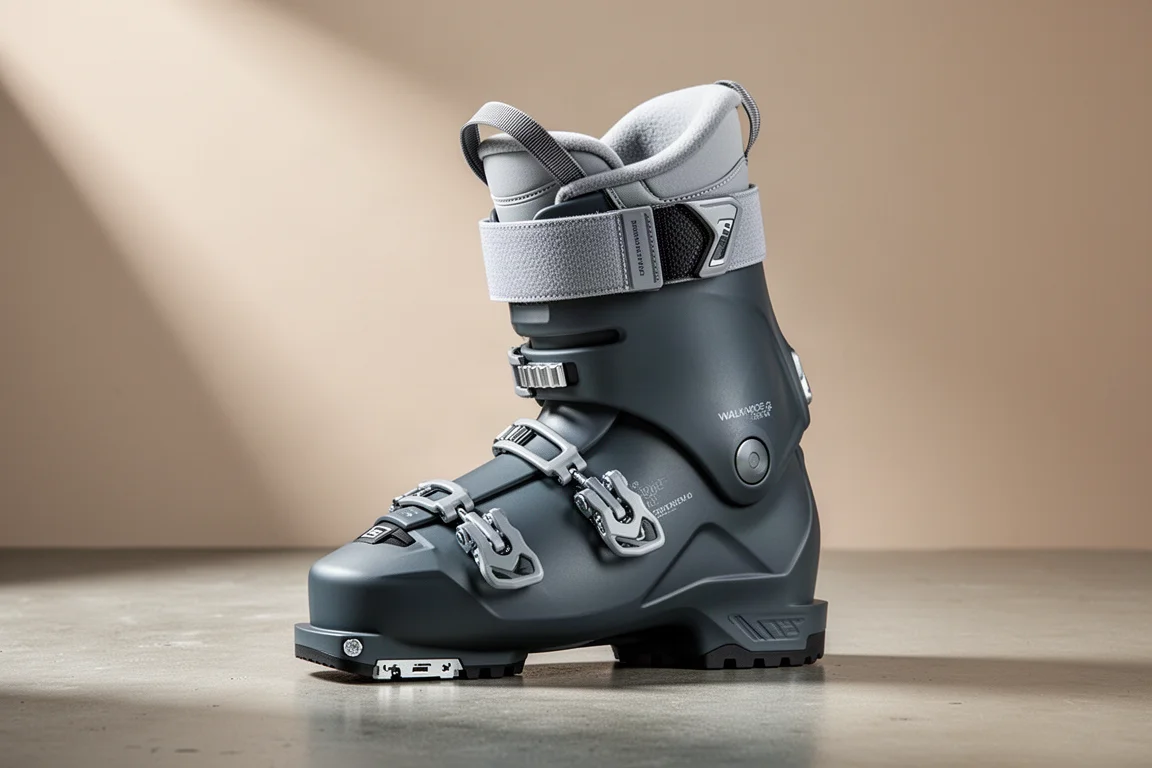
Introduction
Hybrid ski boots have become a popular answer for skiers who want to tour uphill without giving up downhill performance, and the Tecnica Cochise 130 is one of the more convincing examples of that idea. It pairs a 130 flex with a 99mm last, sits on the lighter end of the touring category, and is built around a walk mode that genuinely locks.
That combination is the whole point of the design. The Cochise 130 is meant to climb efficiently and then ski like an alpine boot on the way down, which is what makes it worth a closer look if you want to cover both halves of a ski day with one pair of boots.
Who This Boot Is For
This is a boot for skiers who want to go uphill and downhill and not compromise much in either direction. If part of your season happens on a skin track and part of it happens on lift-served terrain, a hybrid boot lets you keep a single setup instead of maintaining two.
It also appeals to riders who have avoided touring boots because they feel vague or soft when the terrain steepens. The Cochise 130 is designed so that the ascent stays efficient and the descent still feels like a descent.

The fit is worth thinking about before anything else. The 99mm last sits between a low and a mid volume fit, so it is not a narrow race shell and not a roomy freeride shell either. Skiers who normally wear a mid volume alpine boot are the most likely to feel at home in it.
Main Strengths
The T-Ride walk and lock mechanism is one of the better executions of its kind. When it is locked, the construction is metal on metal, which makes the connection feel genuinely secure rather than merely tightened. When it is unlocked, the lever flips up and the upper cuff moves freely.
The buckles are light and easier to use than many lighter weight buckles, and the power strap hooks and cinches down tight in the style of a proper alpine power strap. The Quick Instep adds a softer plastic panel over the top of the foot, which makes the boot easier to pull on and off and helps circulation once you are in it.
Walk Mode and Touring Performance
In tour mode the cuff moves freely, and a hinge at the back of the shell supports that range of motion. Combined with the walk mechanism, the result is a boot that climbs efficiently for its class, which is exactly what a hybrid design has to get right.
Dynafit tech fittings in the toe and heel let the boot work with a lightweight tech binding, and it remains compatible with a regular alpine binding as well. That dual compatibility is what turns a single pair of boots into a genuine one-quiver option.
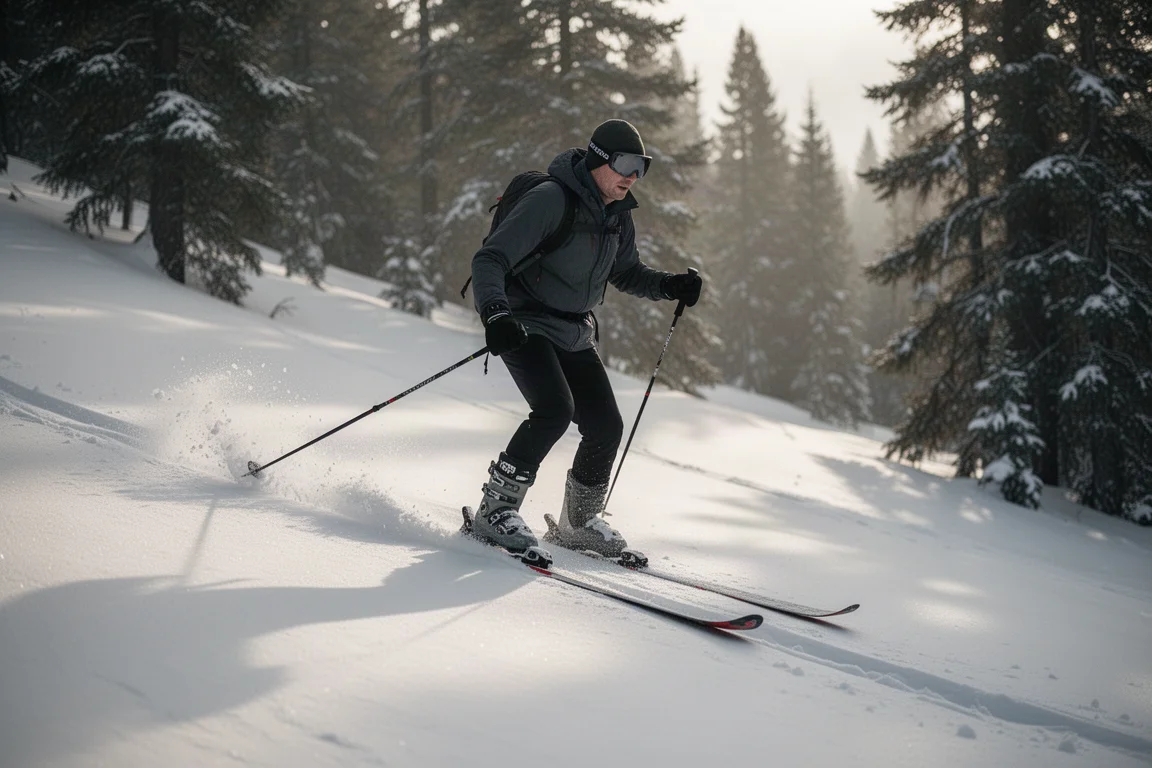
For long approaches, the free-moving cuff and the rear hinge do most of the work. The boot sits on the lighter end of the category, so the uphill effort stays reasonable even on longer days.
Fit and Custom Shell Adaptation
Customization is a headline feature here. The shell is a Custom Adaptive design, so a boot shop can work with it, and the whole boot can go into an oven and be molded to your foot. That is a meaningful advantage for anyone whose feet rarely fit a stock shell cleanly.
The liner is a high end Custom Adaptive build, including the tongue, and the tongue itself is movable: a small tab flips up so the tongue can slide backwards or forwards. Lace eyelets and a rear spoiler round out the fit system.
Things to Consider Before Buying
The 99mm last is the detail to weigh most carefully. It is neither a low volume nor a high volume shell, so skiers at either extreme may need more work from a bootfitter to reach a comfortable fit.
Hybrid boots also involve trade-offs by nature. A dedicated alpine boot will still feel more planted, and a dedicated touring boot will still be lighter, so the Cochise 130 makes the most sense for skiers who value doing both well rather than maximizing either one.
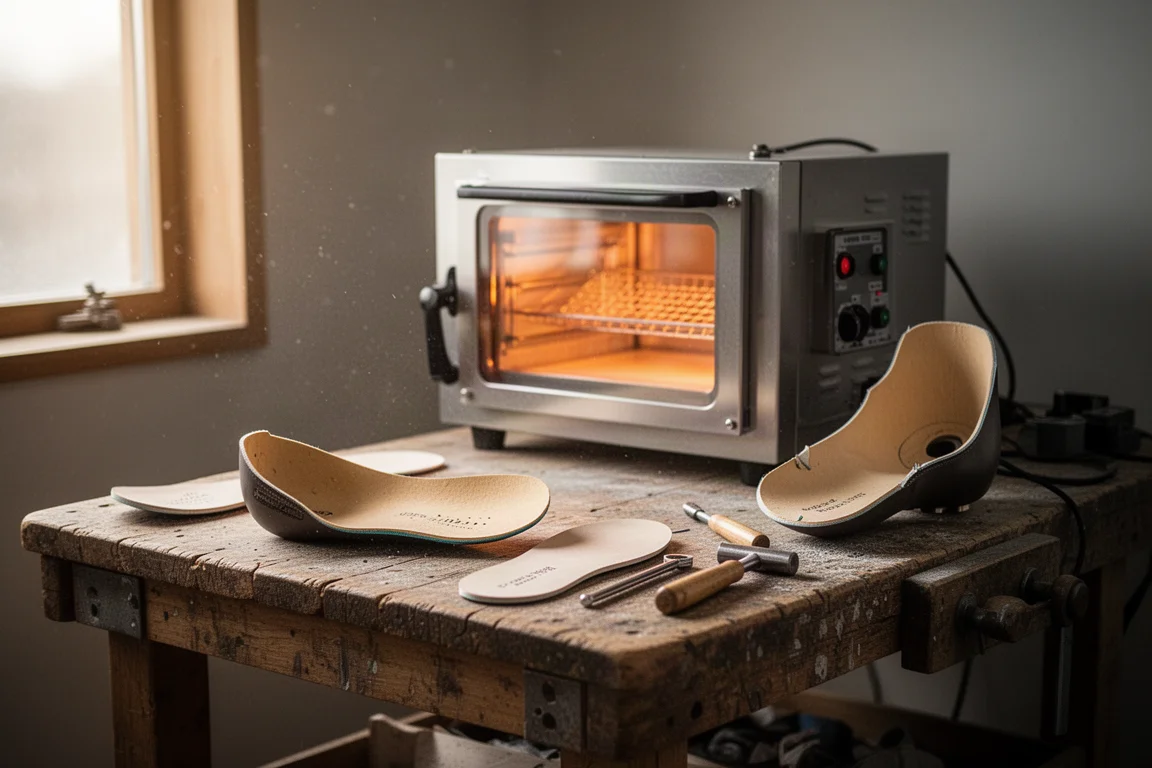
Because the shell and liner are both moldable, the quality of the bootfitting matters as much as the boot itself. Budget time with a shop rather than expecting a perfect fit straight out of the box.
Sizing and Setup Notes
Start with your normal alpine boot size and expect the 99mm last to feel snug across the forefoot before molding. The Custom Adaptive shell and liner can then be shaped at a boot shop to relieve pressure points and improve hold.
Set the movable tongue where it supports your shin, then lock the walk mode before dropping in. When the lever is locked, the metal on metal connection takes the flex from secure to solid, which is the setting you want for the descent.
Buying Advice
Buy the Cochise 130 if you want one boot that tours efficiently and still skis with the feel of an alpine boot. It is the strongest fit for skiers who split their time between uphill and downhill and would rather not own two pairs.

Plan on a professional bootfitting session as part of the purchase, since the shell and liner are designed to be molded. That step is what unlocks most of the fit and comfort this boot is capable of.
If your skiing is almost entirely lift-served, a dedicated alpine boot remains the simpler choice. If it is almost entirely touring, a lighter dedicated touring boot will climb more easily. The Cochise 130 is aimed squarely at the middle ground.
Conclusion
The Tecnica Cochise 130 gets the hybrid formula right: a genuinely secure locked walk mode, a free-moving cuff for the climb, Dynafit tech fittings and Vibram soles for binding flexibility, and a moldable shell and liner for fit. For skiers who want to go up and come down on the same pair of boots, it is a well-considered option.
Product link
View more details for Tecnica Cochise 130
This product is mentioned in the review. Check the specifications, options, and compatibility before buying.
View more details for Tecnica Cochise 130Further reading
Related Reviews

Ski Boots
2027 Ski Boot Roundup: Six 130-Flex Boots Worth Knowing
Six 130-flex ski boots for 2027, plus a low-volume liner upgrade, compared on weight, fit, flex feel, and ease of use.

Ski Boots
Armada AR One Ski Boot Review: A Three-Piece Cabrio That Finally Gets It Right
Armada's first ski boot blends three-piece Cabrio design with Atomic engineering, a heat-moldable shell, and a 100mm last that fits better than any Cabrio before it.

Ski Boots
Armada AR1 Ski Boot Review: A Cabrio and Overlap Hybrid for Park and Freeride Skiers
Armada's first ski boot pairs a three-piece cabrio shell with overlap-style buckles and a cable-driven slingshot buckle. Here is where it shines, and what to weigh before buying.