Ski Boots
Tecnica Cochise 120 Review: One Hybrid Ski Boot for Uphill and Downhill
A practical look at the Tecnica Cochise 120, a hybrid ski boot that tours efficiently, skis like an alpine boot, and fits between low and mid volume.
Introduction
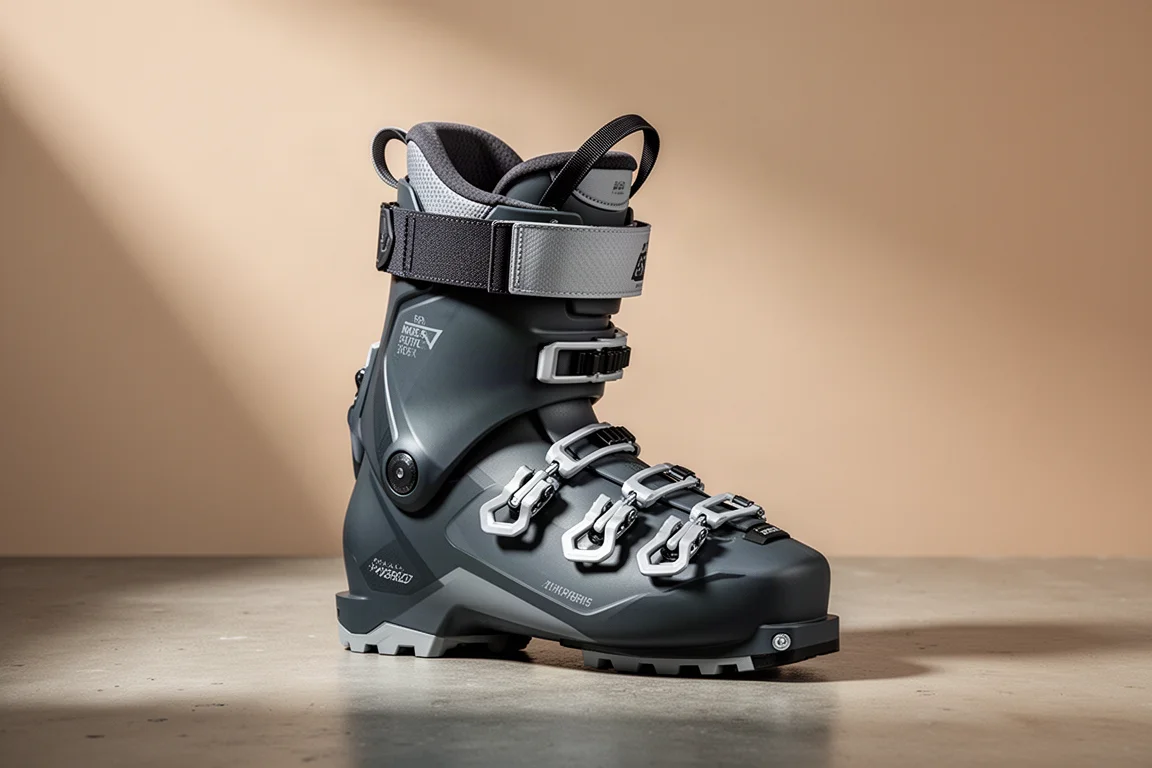
The Tecnica Cochise 120 is a hybrid ski boot built for skiers who split their time between touring uphill and riding lifts downhill. It tours well, and it also skis like a regular alpine boot, which is a blend of fit, performance, and versatility that is genuinely uncommon in this category.
That combination matters because most boots ask for a compromise. A dedicated touring boot climbs efficiently but can feel vague on hardpack, while a stiff alpine boot is a burden on the skin track. The Cochise 120 is designed to sit in the middle, and it does so without asking you to change bindings or keep a second pair of boots in the car.

If you are shopping for a single boot that covers both sides of the mountain, this review walks through what the Cochise 120 does well, where it differs from its stiffer sibling, and which skiers are likely to be happiest in it.
Who the Tecnica Cochise 120 Is For
This boot suits advanced and expert skiers who want one pair of boots for lift-served days and touring days alike. It is a particularly good match for skiers who find a 130 flex more than they need, whether that is about stiffness, fit, or both, and who want something slightly more forgiving without dropping into a soft, low-performance shell.
It is also a sensible option for higher-volume feet. The fit lands between a low-volume and a mid-volume boot, with a 99 mm forefoot and some room over the instep, so skiers who usually feel squeezed in narrow touring shells tend to find it comfortable.
Main Strengths: Fit and Comfort
The most immediate strength is how little work the boot needs before it becomes usable. It is comfortable out of the box for higher-volume feet, often needing nothing beyond a personal footbed. That is unusual for a boot that also has to climb efficiently.
Four micro-adjustable buckles and a power strap handle fine-tuning. The buckles are lightweight, which keeps the boot competitive on the uphill, and the strap lets you dial in forward pressure for the descent.
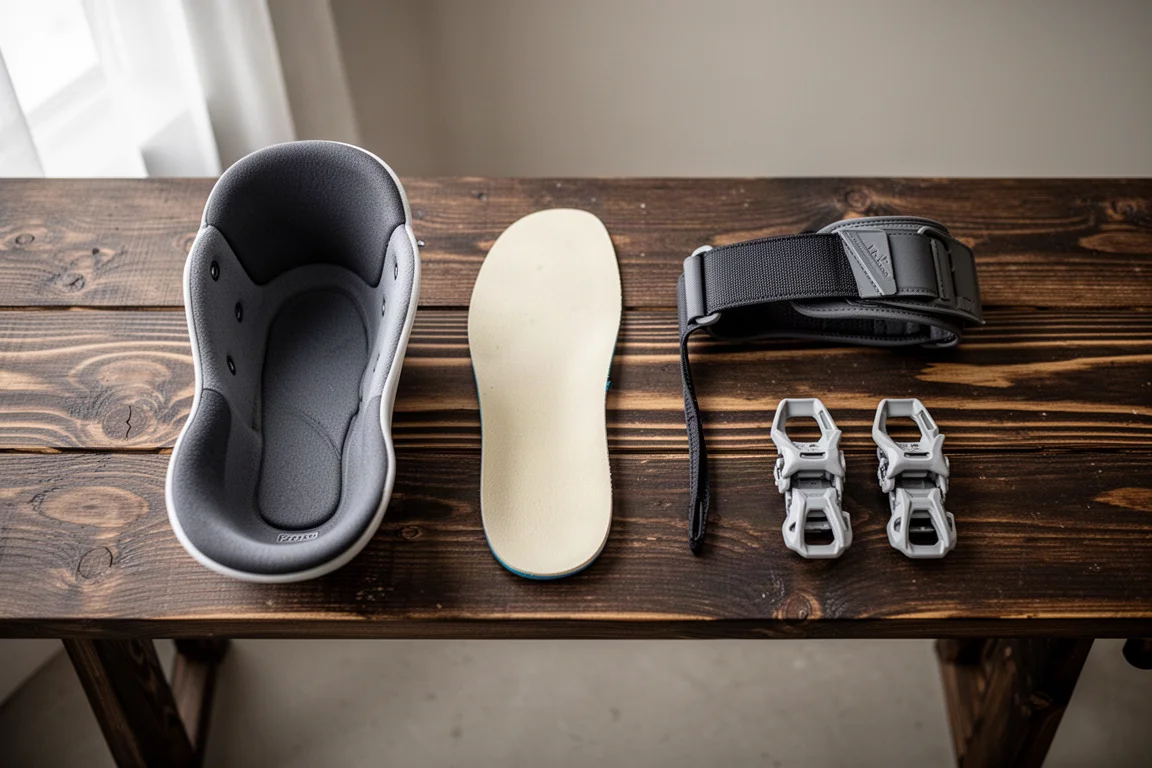
A softer material around the instep makes the boot easier to get on and off and more comfortable once it is on, allowing better blood flow and circulation across the top of the foot.
Walk Mode and Uphill Efficiency
The Cochise 120 uses Tecnica’s T-Ride walk mechanism, one of the better systems in this class. It relies on a twist lock: with the mechanism down and locked, the boot feels like a fixed alpine boot with no unwanted movement. Flipping the switch up releases the cuff into tour mode, and that is the whole procedure.
With the liner removed, the range of motion in the cuff becomes obvious. Combined with the boot’s tech toes, that travel makes the Cochise 120 an efficient climber rather than a boot that merely tolerates a skin track.
The boot comes pre-installed with grip soles and tech fittings, so it works in a standard alpine binding or in a lightweight tech binding. That flexibility is the core of the hybrid promise: the same boot can drive a resort setup one day and a touring setup the next.
Liner and Volume Details
The liner is where the 120 differs most from its stiffer sibling. The 130 uses custom adaptive shape material throughout the tongue and forefoot, while the 120 uses it in the ankles only. The result is a liner that is a little more generous overall, so the 120 fits more like a higher-volume boot even after the liner has been heat-moulded.
That is worth keeping in mind when choosing between the two flexes. If you want the tighter, more precise wrap of the 130, the 120 will feel roomier by comparison.
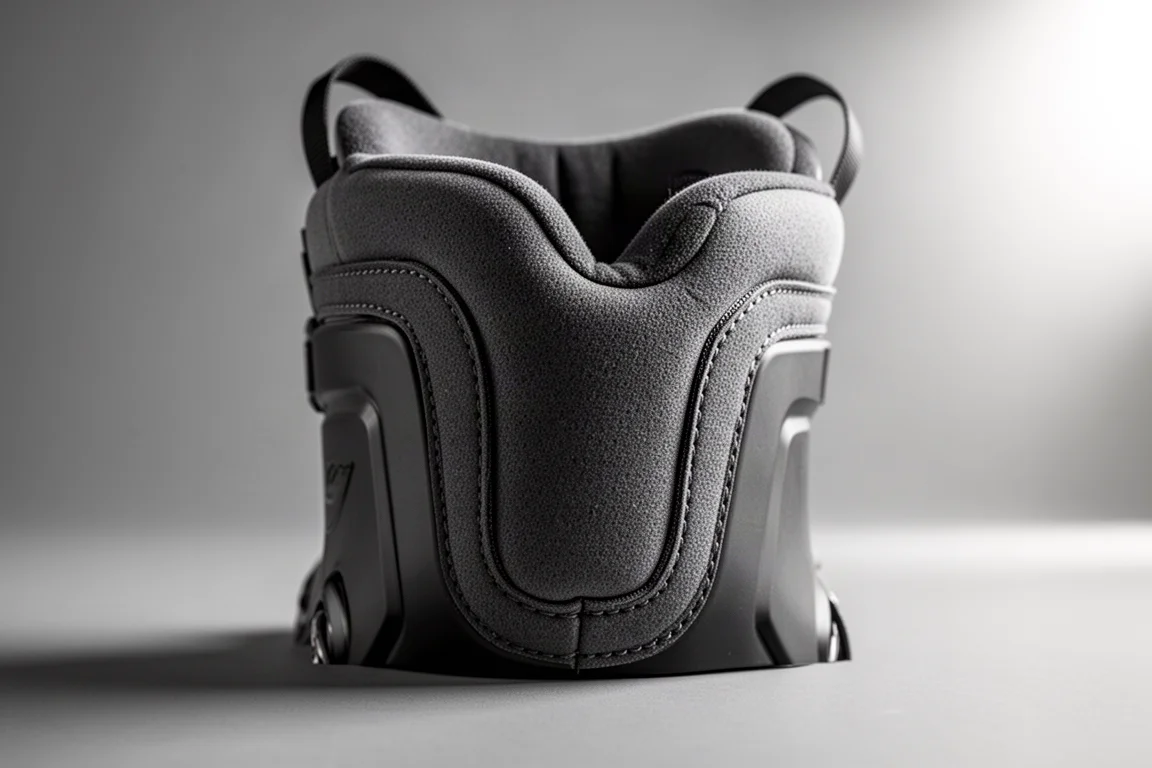
The tongue is customizable. A small hook-and-loop tab lets you slide the tongue forward or back to accommodate the height of your instep. The liner also has a hinge point at the back that helps the cuff move more naturally when hiking.
Things to Consider Before Buying
Fit is the main variable. Because the Cochise 120 sits between low and mid volume and carries a more generous liner than the 130, skiers with very low-volume feet may need more work from a bootfitter to get a secure hold. Skiers with higher-volume feet are more likely to be comfortable from the first run.
The flex is a deliberate choice rather than a shortcoming. At 120, it is a strong all-round flex, but skiers who want maximum drive and the tightest possible fit should look at the 130. The 120 is aimed at advanced and expert skiers who want a little more room and a little less resistance from the shell.
Buying Advice
Start with your foot rather than the number on the box. If you have a higher-volume foot and want one boot for both touring and lift days, the Cochise 120 is one of the easier recommendations in this category because it needs very little break-in.
If you have a low-volume foot, or you already know you want the stiffest and most precise fit available, the 130 is the more logical target. For everyone in between, the deciding factors are usually the walk mechanism and the liner volume, and the 120 handles both well.
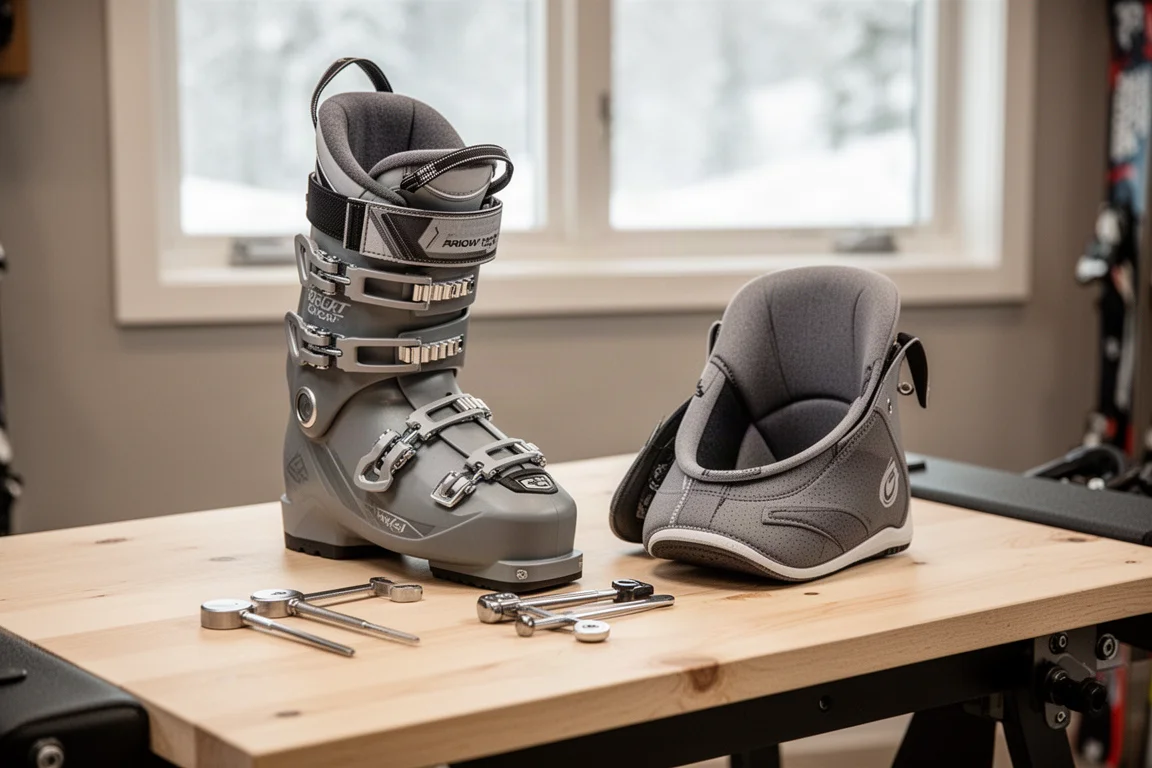
Buying from a shop that can heat-mould the liner and check the shell fit is worth the effort, since the boot’s strongest quality, comfort out of the box, is best confirmed on your own feet.
Conclusion
The Tecnica Cochise 120 is a versatile hybrid boot that climbs efficiently and still skis like an alpine boot. It suits advanced and expert skiers who want one pair of boots for the whole mountain, particularly those with higher-volume feet or those who find a 130 flex unnecessary. Check the liner volume and flex against your own priorities, and it becomes a straightforward choice.
Product link
View more details for Tecnica Cochise 120
This product is mentioned in the review. Check the specifications, options, and compatibility before buying.
View more details for Tecnica Cochise 120Further reading
Related Reviews

Ski Boots
2027 Ski Boot Roundup: Six 130-Flex Boots Worth Knowing
Six 130-flex ski boots for 2027, plus a low-volume liner upgrade, compared on weight, fit, flex feel, and ease of use.

Ski Boots
Armada AR One Ski Boot Review: A Three-Piece Cabrio That Finally Gets It Right
Armada's first ski boot blends three-piece Cabrio design with Atomic engineering, a heat-moldable shell, and a 100mm last that fits better than any Cabrio before it.

Ski Boots
Armada AR1 Ski Boot Review: A Cabrio and Overlap Hybrid for Park and Freeride Skiers
Armada's first ski boot pairs a three-piece cabrio shell with overlap-style buckles and a cable-driven slingshot buckle. Here is where it shines, and what to weigh before buying.