Floorstanding Speakers
Technics G90 Mark II Review: A Firmer, More Precise Tower Speaker
A close look at the Technics G90 Mark II tower speaker: a more inert cabinet, firm and articulate bass, real amplifier demands, and the trade-offs to weigh at its price.
Introduction
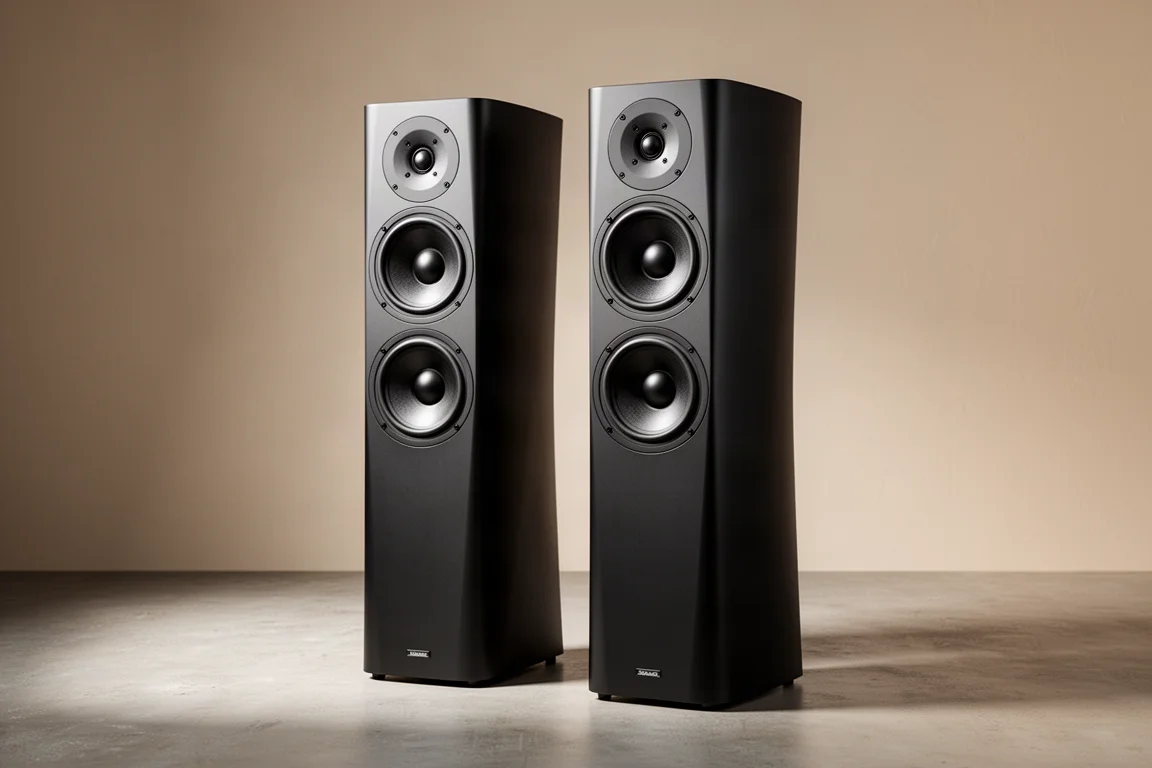
The Technics G90 Mark II is the second generation of the company’s tower speaker, and it is a genuine update rather than a cosmetic refresh. Drivers, cabinet construction, and connection options have all been revised, while the underlying concept stays the same.
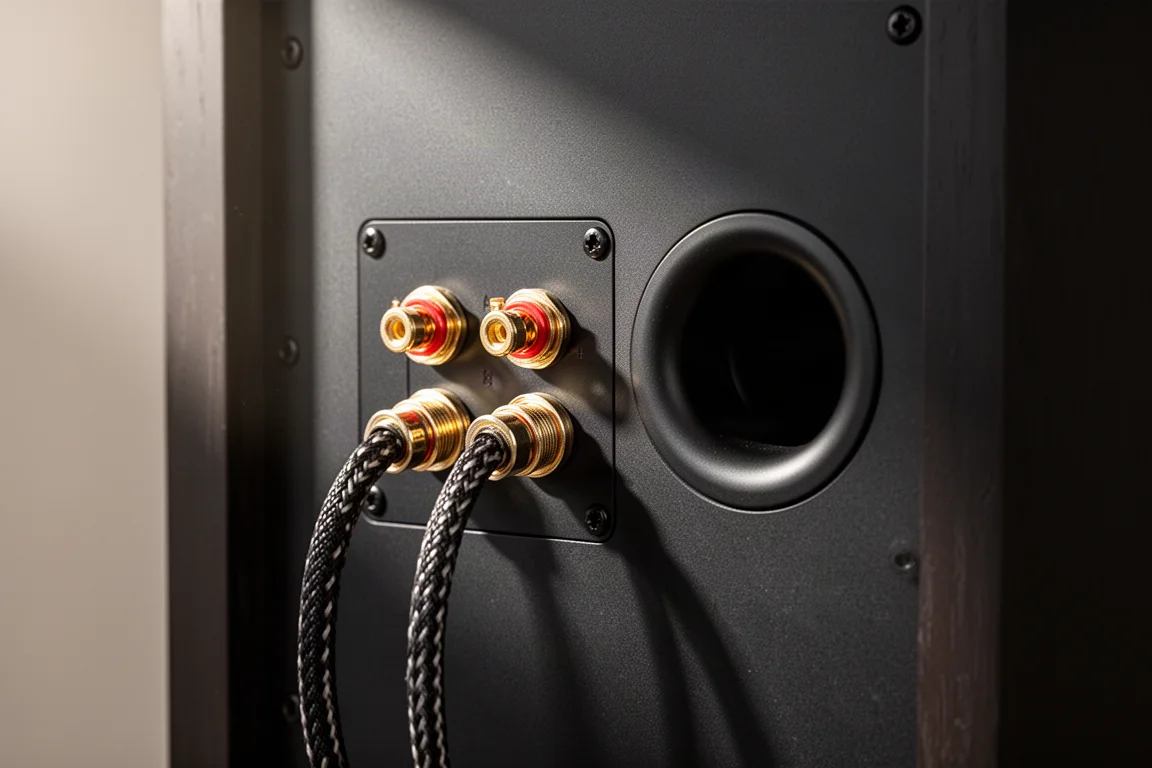
The design is a three-way bass reflex tower built around a 6.5-inch midrange driver with a 1-inch dome tweeter mounted inside it in a coaxial configuration. Two 6.5-inch woofers handle the low end, supported by a rear-facing port. Technics reports a frequency response of 33 Hz to 90 kHz, sensitivity of 86 dB, and an impedance of 4 ohms. The previous generation was rated at 88 dB, so the Mark II is slightly less efficient and asks a little more from the amplifier behind it.
The other figure that shapes the buying decision is price. At around $6,000 per pair, with a black-only finish, the G90 Mark II sits in a busy bracket of well-established tower speakers.
Who the Technics G90 Mark II Is For
This is a speaker for listeners who can give it space and volume. It works best with an amplifier that can deliver a minimum of 75 watts and handle a 4-ohm load, and it performs noticeably better when the cabinets sit 18 to 24 inches from the front wall, measured from the back of the speaker. That gap gives the rear port enough room to augment the bottom end without overloading the bass.
It is also a speaker that comes alive at higher listening levels. The Mark II is more power hungry than the original G90 and needs more volume from the amplifier before it fully engages, which makes it a poor match for anyone who mostly listens quietly.
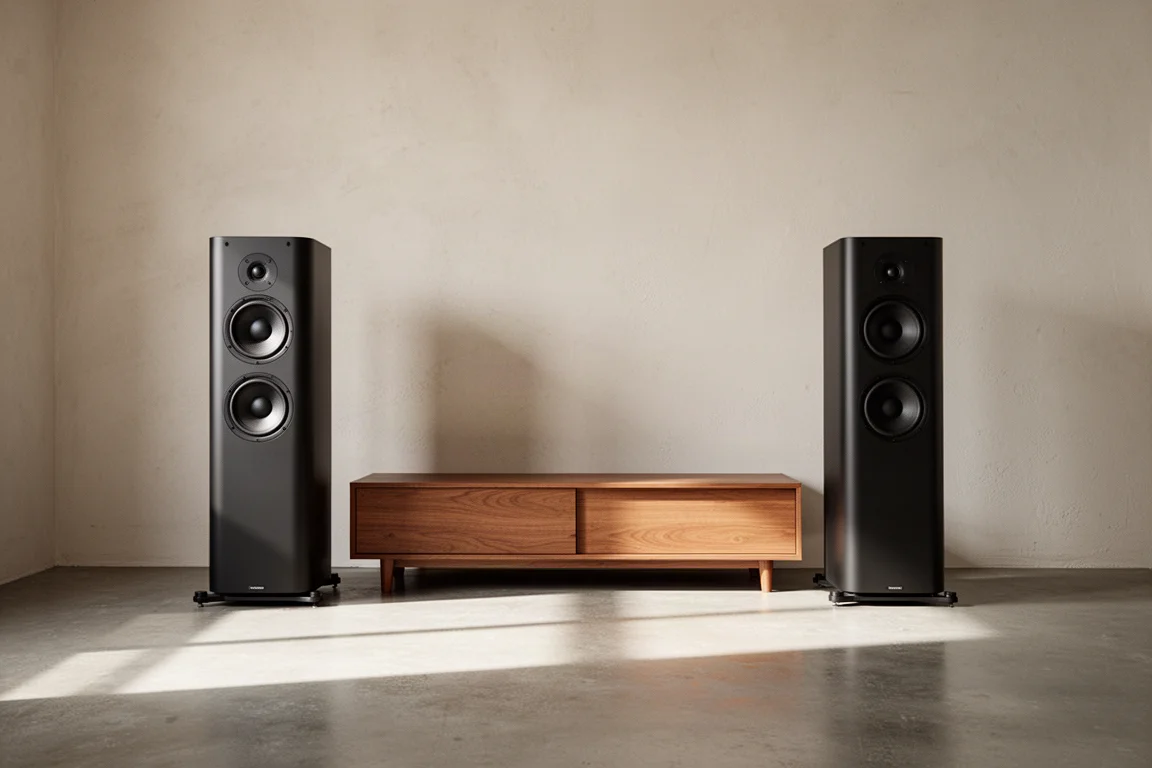
One more consideration is low-frequency reach. Technics’ claims in the mid-30 Hz region are honest, and that will be enough for most acoustic and vocal material, but this is not a full-range speaker. Listeners who spend a lot of time with electronic music or hard rock should plan on adding a subwoofer rather than expecting the towers to carry the deepest octaves on their own.
Main Strengths
The most striking improvement is in the cabinet. The Mark II is a touch heavier than its predecessor, and the extra damping and bracing is both audible and tactile. Sweeps from 20 Hz to 20 kHz at 75 dB at the listening position showed an approach to ruler-flat response across most of the range, with only a few bumps around the crossover point. More importantly, there was almost a complete lack of cabinet resonance.
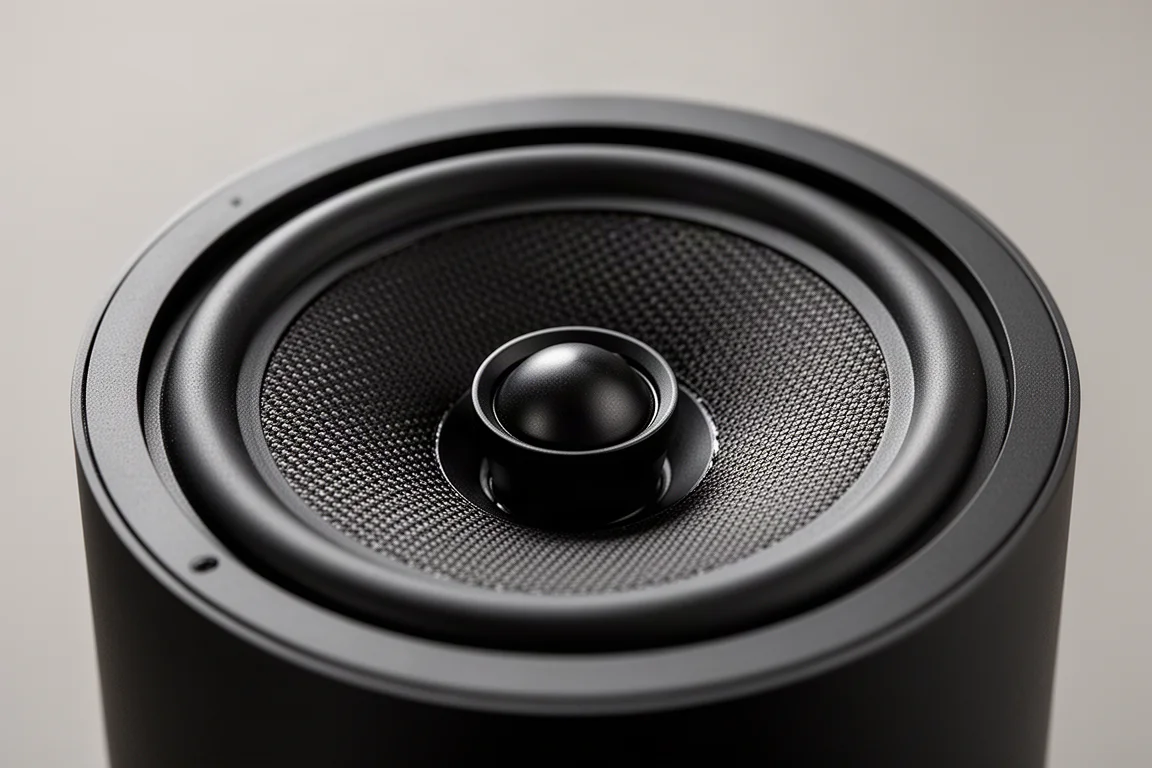
That rigidity translates directly into the way the speaker sounds. Compared with the original G90, the Mark II is firmer and more precise, which is saying something, because the original was hardly sloppy.
Bass is firm, articulate, and free of the boxiness or boominess that often creeps in around a rear port. Coherence is exceptional, with virtually no gap or audible transition as the sound moves from the midrange into the treble. The dome tweeter is airy, detailed, and extended without glare at any volume. Imaging is a genuine strength as well: the soundstage is vast, open, and dimensional, with strong horizontal and vertical separation, and the centre image locks in solidly once the speakers are positioned correctly.
Setup, Amplifier Matching and Placement
Amplifier matching matters more than usual here. The G90 Mark II was driven successfully by a Technics R1000 integrated amplifier and a Technics G700 Mark II, both of which had no trouble with the load. An Audio Lab 8300 XP stereo amplifier paired with a miniDSP SHD acting as DAC and preamp proved the most rewarding combination, largely because it allowed small EQ adjustments to tailor the sound to the room. An Audio Lab 9000a integrated also handled the speakers comfortably. Every one of those amplifiers could push the towers to reference levels without fuss.
Placement follows a similar logic. The speakers were set just over 11 feet from the primary listening position and around 9.5 feet apart, with a slight amount of toe-in to lock in the centre image. The speakers ship with stabilising feet and optional spikes, and the included rubber pads were used to protect a concrete floor. In that room there was no audible or measurable difference between spikes and pads, though listeners with thick rugs or carpet may find the spikes more useful.
Things to Consider Before Buying
There is one consistent colouration worth knowing about. The Mark II adds a little energy in the lower midrange, and at volumes above roughly 75 dB it can take on a subtle megaphone-like effect. It affects a narrow band of frequencies, roughly between 100 and 200 Hz, and it becomes most obvious with certain vocal ranges and instruments. With peaks approaching 100 dB, that lift can start to feel fatiguing as some material turns shouty.
Two other points deserve a mention before purchase. First, this speaker demands a competent amplifier and louder-than-average listening levels to become fully engaging, and the previous generation was easier to enjoy and easier to drive. Second, finish options are limited to black, and supply is expected to be limited as well, which may make an in-store audition harder to arrange.
How the G90 Mark II Compares
The competition in this price range is strong, and the differences are worth understanding before committing.
Bowers & Wilkins builds a very impressive 700 series. The 705 standmounts from that range offer even more detail at all volumes and a livelier presentation from top to bottom, although they also need quality amplification to perform at their best. The Technics cabinet feels more robust, which likely contributes to its more controlled character. Listeners who want a livelier, more dynamic speaker that performs better at lower volumes will likely prefer the 700 series.
Martin Logan’s Motion XT F100 is another serious alternative. It is equally good from top to bottom, has exceptional control in the low end, and is far less finicky about power and placement. It also avoids the low-midrange lift, and it comes in a wider range of finishes.
For buyers working to a tighter budget, the Polk R700 is worth a look. The Technics is the more refined speaker, and build quality favours it clearly, but the Polk reaches lower in the bass, keeps its midrange composed at high volumes, and offers a more polite, rolled-off treble. It also comes in more finishes.
Two larger options round out the picture. The Polk Legend L800 is a big three-way design with a cable link running between the two cabinets, and it is difficult to get right, which is why the Technics would be the easier recommendation of the two. The Klipsch Forte IV, meanwhile, is a horn-loaded design, and horn speakers have a tonal character that simply does not translate to traditional dome-and-cone designs. Listeners drawn to that character are usually making that choice first, before comparing anything else.
Buying Advice
The G90 Mark II is a clear improvement on an already solid original. The changes to the cabinet and drivers were not subtle, and with the single exception of the low-midrange lift, they moved the speaker in the right direction.
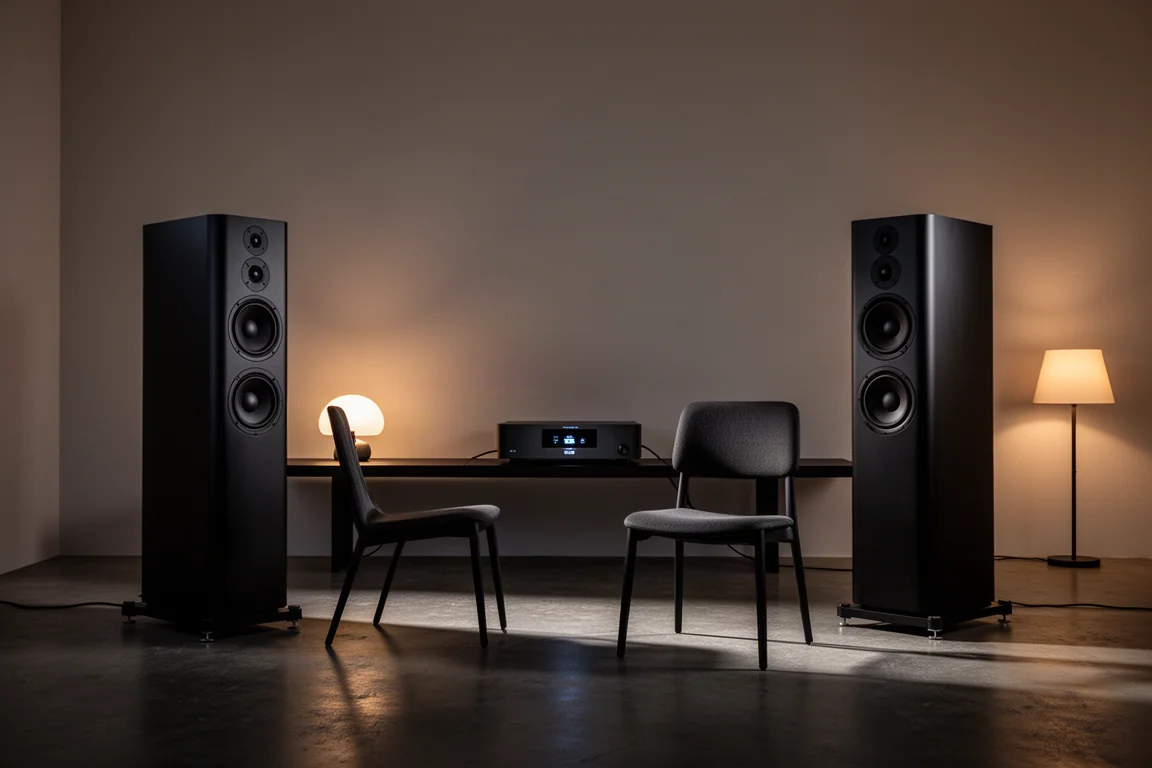
Value is the sticking point. At around $6,000 per pair, expectations are high, and the market for more affordable tower speakers keeps improving at a pace that makes premium pricing harder to justify. At roughly $3,800 to $4,000, this speaker would be a much easier recommendation. At its current price, it is best treated as an audition-first purchase, ideally with a Technics amplifier in the chain and a dealer who can let you hear it properly.
Conclusion
The Technics G90 Mark II is a well-built, highly coherent tower speaker with a remarkably inert cabinet, firm and articulate bass, and an open, dimensional soundstage. It rewards a capable amplifier, a little breathing room behind the cabinets, and the freedom to turn the volume up. If that describes your system and your listening habits, it deserves a place on your shortlist, provided you can hear it before you buy.
Product link
View more details for Technics G90 Mark II
This product is mentioned in the review. Check the specifications, options, and compatibility before buying.
View more details for Technics G90 Mark IIFurther reading
Related Reviews
Floorstanding Speakers
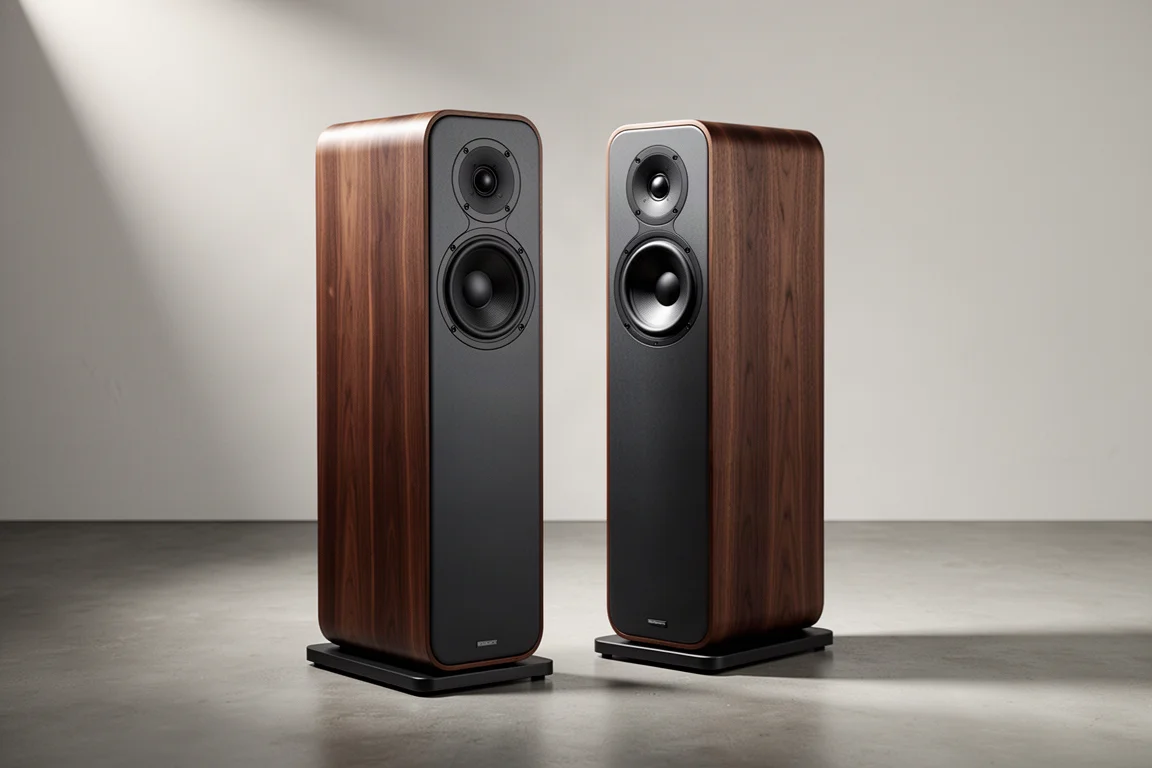
Acoustic Energy AE109 Mark II Review: A Refined Floorstander at £699
The Acoustic Energy AE109 Mark II is a slim, warm sounding floorstander that delivers clarity, midrange body and strong imaging in small to medium rooms.
Floorstanding Speakers
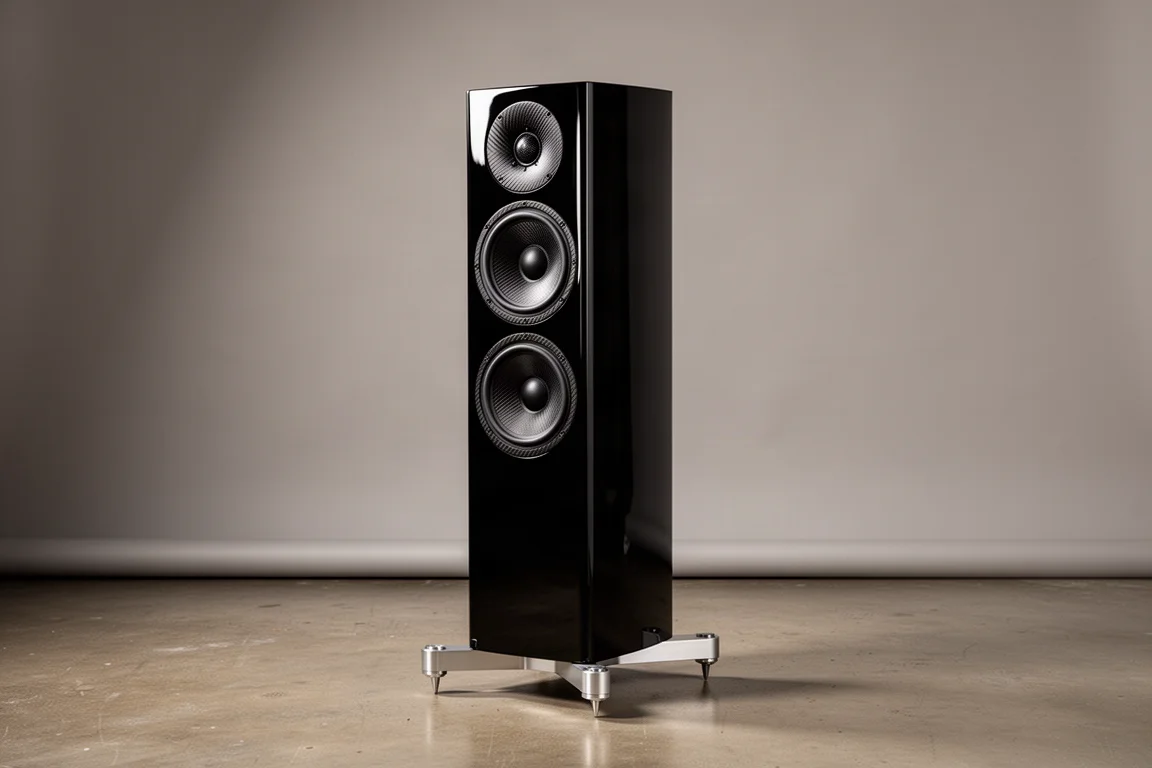
Acoustic Energy AE509 Review: A Slim Floorstander With Deep, Defined Bass
A practical look at the Acoustic Energy AE509, a slim floorstanding speaker with carbon fibre drivers, deep and well-defined bass, and an easy-going character that rewards careful system matching.
Floorstanding Speakers
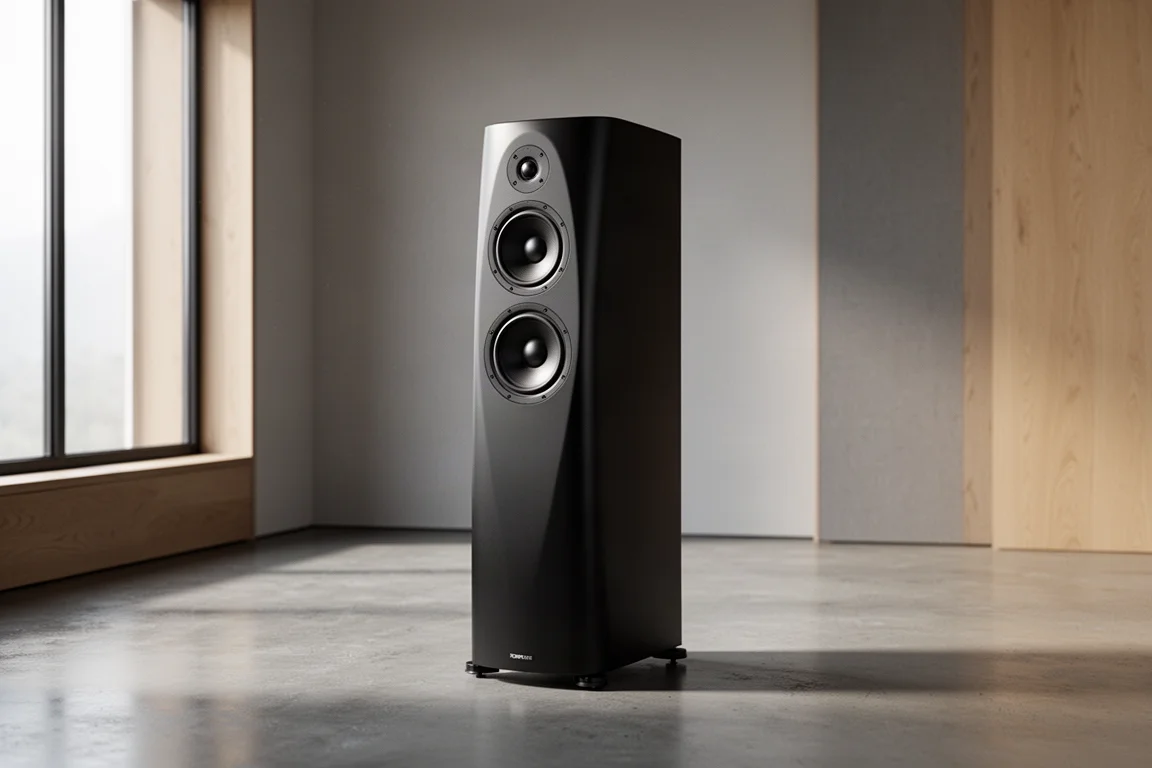
Arendal 1528 Tower 8 Review: Reference Neutrality With Real Demands
A close look at the Arendal 1528 Tower 8, a nearly five-foot, 200-pound floorstander that rewards generous space, serious power, and high listening levels with reference-grade neutrality.