Ski Boots
Technica Mach Sport 110 HV Review: A High-Volume Ski Boot Built for Comfort
A closer look at the Technica Mach Sport 110 HV, a 110-flex recreational ski boot with a 103 mm last, dual-injection shell, and moldable liner for higher-volume feet.
Introduction
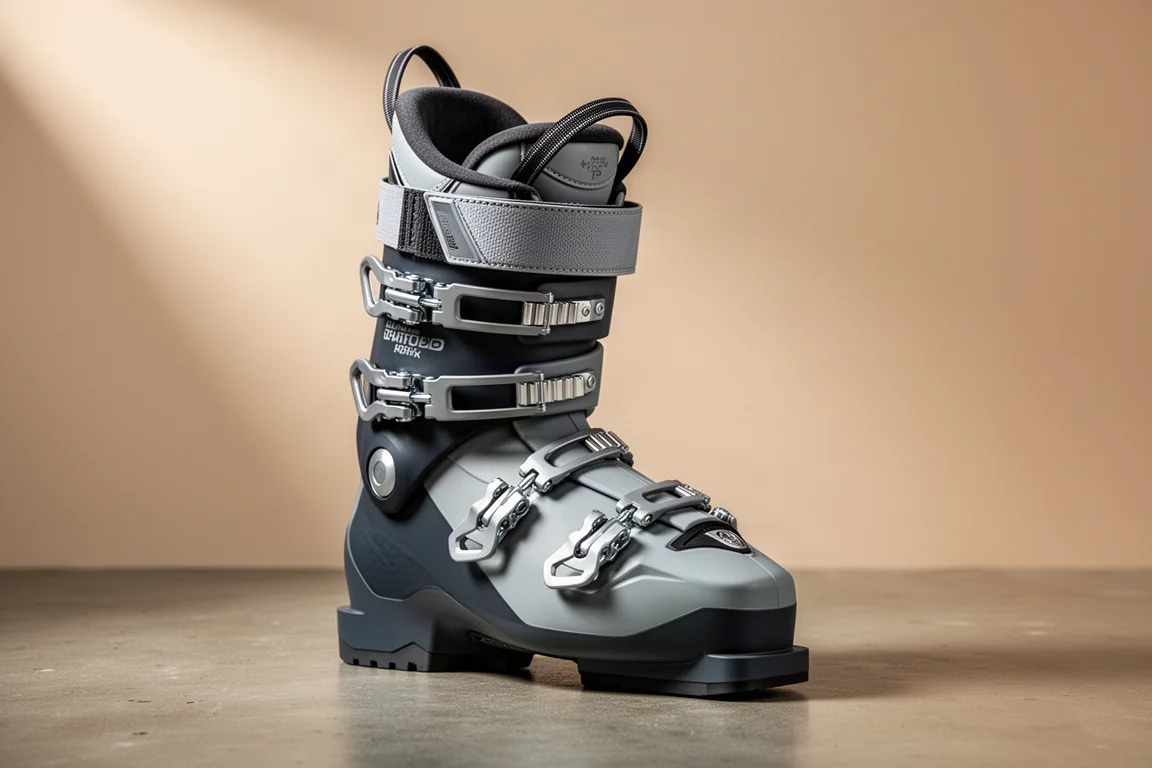
The Technica Mach Sport 110 HV is a high-volume recreational ski boot aimed at skiers who want a comfortable fit without stepping down to a basic rental-grade shell. It sits in the value-focused part of the Mach range, yet it inherits a meaningful amount of technology from the more expensive Mach 1 series.
That mix of comfort and trickle-down features makes it relevant to a wide spread of skiers: intermediates moving into a more supportive boot, advanced skiers with wider feet, and lighter experts who want a roomier shell they can stay in all day.

The fit philosophy is the headline here. This is not a narrow race shell with a forgiving liner dropped inside it. The Mach Sport 110 HV is a genuinely high-volume boot, with a 103 mm last, a generous instep, and an accommodating throat toward the top of the shell.
Who this product is for
The clearest match is a skier with a higher-volume foot: wider across the forefoot, higher in the instep, or simply someone who has struggled to find a boot that does not pinch. The 110 flex is stiff enough to support advancing and advanced skiing, and it also works for lighter expert skiers who do not need an aggressive race-level flex.
It is also a sensible option for skiers who are relatively new to the sport or progressing, and who value ease of use. Getting the foot in and out is part of the design brief here, not an afterthought.
What it is not aimed at is a skier with a low-volume, narrow foot who needs a tight performance fit. The whole point of this shell is room.
Main strengths
A few features stand out more than the spec sheet suggests, and they are all about making the boot easier to live with across a full ski day.
Shell and fit for high-volume feet
The 103 mm last is the foundation. Combined with a generous instep and a roomier throat, it gives feet that usually feel cramped a place to sit without pressure points.
The shell uses a dual-injection construction, with a softer black material in key areas and a firmer grey material elsewhere. That softer section makes entry and exit noticeably easier, and it is paired with a quick instep design. For skiers who put boots on in a cold parking lot, that detail matters more than it sounds.
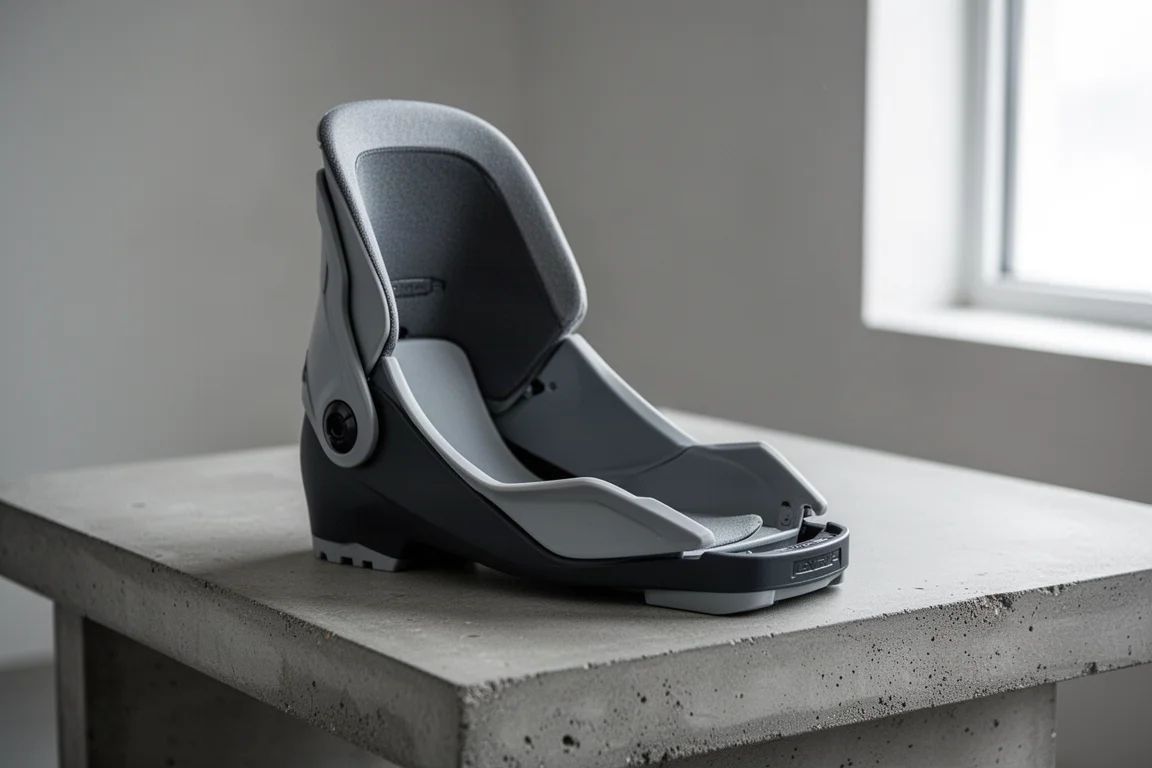
The result is a shell that feels welcoming when you step in but still holds the foot well once buckled, which is the balance most high-volume boots struggle to strike.
Buckles, cuff adjustment, and the power strap
Four micro-adjustable aluminum buckles handle the main closure, and there is a macro adjustment as well for larger fit changes. The upper catch can also be moved forward or back without tools, which helps if the cuff sits awkwardly against the shin or calf.
A power strap across the top of the cuff lets you fine-tune how the upper boot wraps the leg. The boot does not use the T-Drive power transfer piece found higher in the range, but it does keep two rivets at the rear and dual upper cuff alignment, so the essentials for a clean stance are still present.
Liner and customization
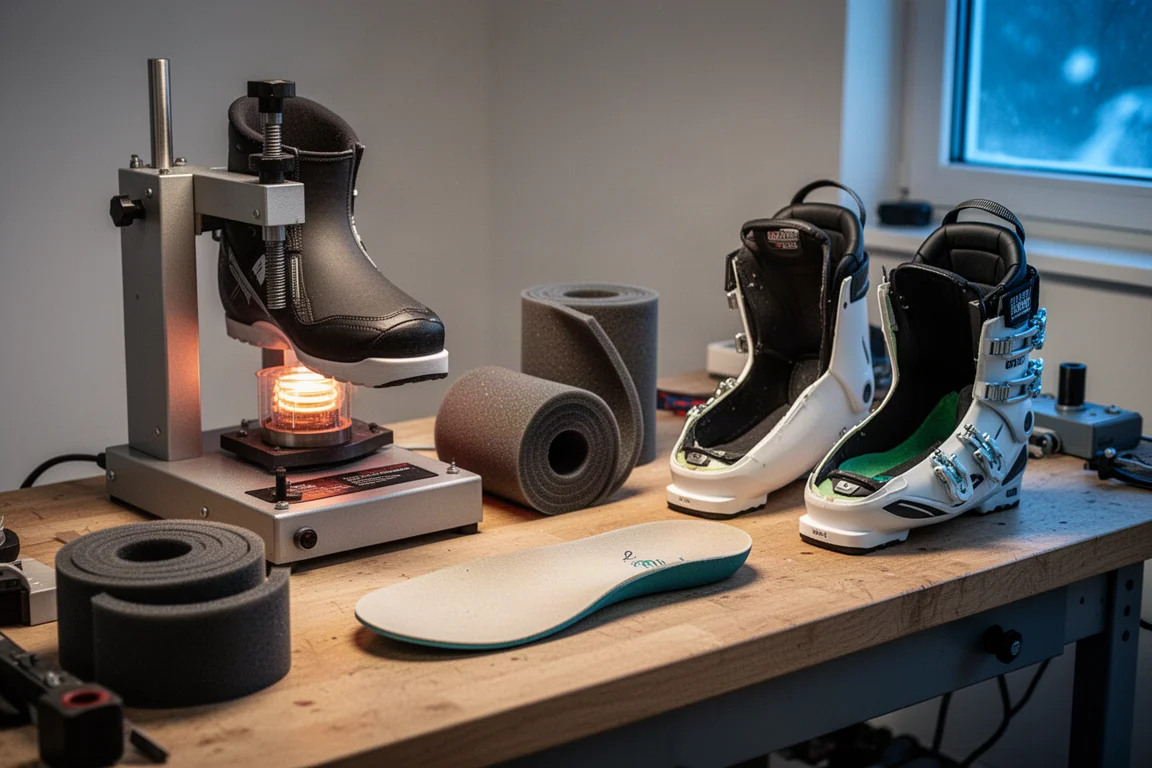
The liner uses moldable material, which means a bootfitter can heat and shape it to your foot rather than leaving you to break it in over several weekends. That single step is often the difference between a boot that works and one that gets sold secondhand.
The liner material is not the same specification as the C.A.S. material used in the Mach 1 series, so it offers a little less customization headroom than the premium boots. For a recreational skier, it is still a comfortable and workable platform.
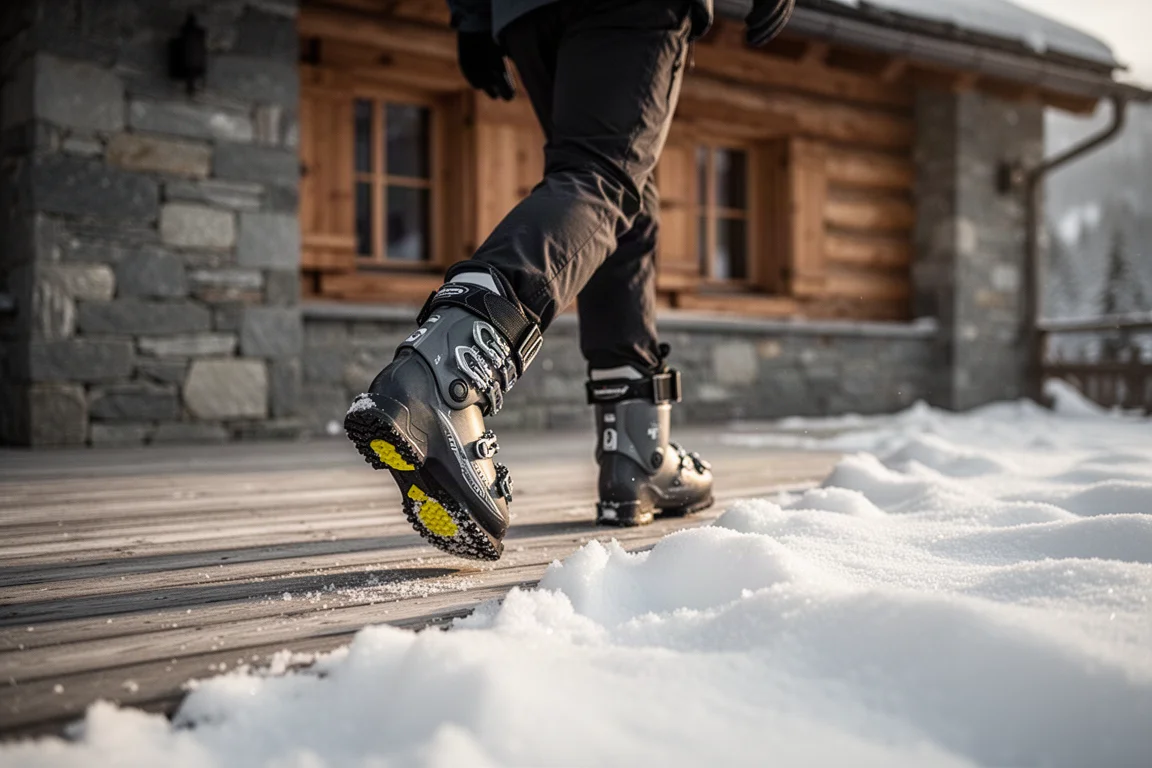
GripWalk soles come pre-installed, which makes walking to the lift and across lodge floors more secure than a flat race sole, and it keeps the boot compatible with modern GripWalk bindings.
Things to consider before buying
The 110 flex is not a beginner-soft boot. It suits skiers with some technique who can flex the shell and drive the ski, and it may feel like too much boot for a first-season skier who is still learning to pressure the front of the ski.
The high-volume fit is also a specific choice rather than a universal one. If your feet are narrow or low-volume, this shell will likely feel like too much room, and a lower-volume boot in the same flex range will serve you better.
Finally, the liner and the absence of the T-Drive piece are the visible reminders that this is the value tier of the range. Skiers who want the higher-specification liner material and the extra power transfer hardware should look at the Mach 1 models instead.
Buying advice
Buy this boot for fit first. If a 103 mm last with a generous instep matches the shape of your foot, the Mach Sport 110 HV delivers a lot of the feel and hardware of a more expensive boot at a friendlier position in the range.
Plan on having the liner molded by a bootfitter, and take the time to set the macro adjustment, the tool-free catch position, and the power strap properly. Those three adjustments do most of the work in turning a roomy shell into a secure one.
If you are between sizes or between volume categories, try both. A boot that is slightly too roomy will not hold your foot once you start skiing, and no amount of buckle tension fixes that.
For skiers with wider feet, higher insteps, or a history of pressure points, this is one of the more straightforward ways to stay comfortable and keep skiing all day.
Conclusion
The Technica Mach Sport 110 HV is a high-volume, 110-flex recreational boot that leans on comfort and ease of use while borrowing real features from the Mach 1 line. Its 103 mm last, dual-injection shell, micro-adjustable buckles, and moldable liner cover the practical needs of intermediate and advanced skiers with wider feet.
The trade-offs are honest ones: a liner below the premium specification, no T-Drive, and a fit that is deliberately roomy. Choose it because that fit matches your foot, and it will be a boot you can ski in comfortably from the first lift to the last.
Product link
View more details for Technica Mach Sport 110 HV
This product is mentioned in the review. Check the specifications, options, and compatibility before buying.
View more details for Technica Mach Sport 110 HVFurther reading
Related Reviews

Ski Boots
2027 Ski Boot Roundup: Six 130-Flex Boots Worth Knowing
Six 130-flex ski boots for 2027, plus a low-volume liner upgrade, compared on weight, fit, flex feel, and ease of use.

Ski Boots
Armada AR One Ski Boot Review: A Three-Piece Cabrio That Finally Gets It Right
Armada's first ski boot blends three-piece Cabrio design with Atomic engineering, a heat-moldable shell, and a 100mm last that fits better than any Cabrio before it.

Ski Boots
Armada AR1 Ski Boot Review: A Cabrio and Overlap Hybrid for Park and Freeride Skiers
Armada's first ski boot pairs a three-piece cabrio shell with overlap-style buckles and a cable-driven slingshot buckle. Here is where it shines, and what to weigh before buying.