Ski Boots
Technica Cochise 95W Review: One Hybrid Ski Boot for Lifts and Occasional Touring
A closer look at the Technica Cochise 95W, a versatile 95-flex hybrid boot built for intermediate and advanced skiers who want downhill performance with a lighter, tour-capable setup.
Introduction
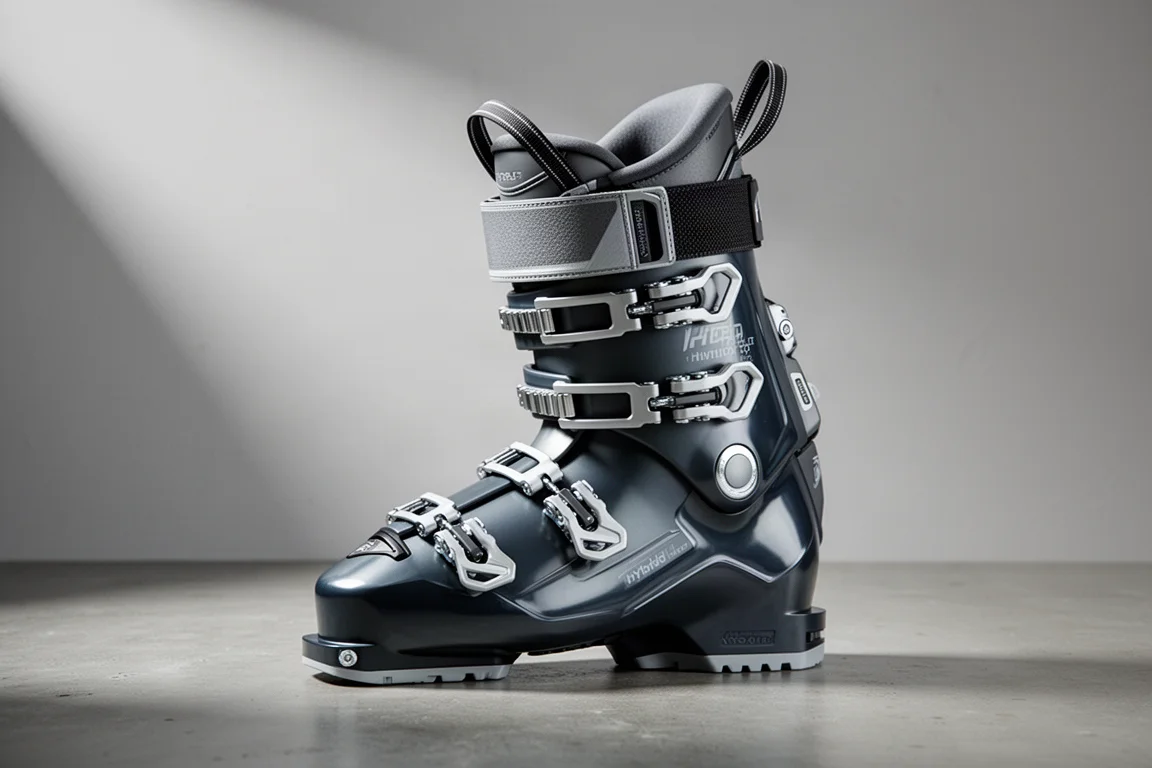
Most skiers do not want two pairs of boots in the closet. The Technica Cochise 95W is built around that reality: a hybrid design that holds its own on lift-served terrain while still offering a genuine walk mode for the days you decide to head uphill. It sits at a 95 flex, and Technica has tuned it toward a softer, more forgiving ride than the stiffest race-derived shells in the lineup, which makes it approachable for a wide range of skiers rather than a narrow group of experts.
What makes it interesting is the balance. The shell has a polished, finished look, the walk mechanism locks down firmly for descending, and the boot accepts both lightweight tech bindings and standard alpine bindings. That combination is what turns a hybrid boot from a compromise into a practical single-boot quiver.
Who This Boot Is For
This is a boot for the intermediate to advanced skier who is either testing out touring or simply wants a lighter weight boot for everyday alpine skiing. The 95 flex is the key number here: it is soft enough to be manageable for a progressing skier, yet structured enough to drive a modern all-mountain ski with confidence.
The fit leans toward a low to mid volume shape with a 99 mm last and a low to moderate instep height. Skiers with narrower feet or a lower instep will likely find it comfortable out of the box, while higher volume feet will depend more on a proper fitting session. A quick instep feature, a slightly softer plastic panel over the top of the foot, is designed to help circulation reach the toes and to make the boot easier to get on and off at the start and end of the day.
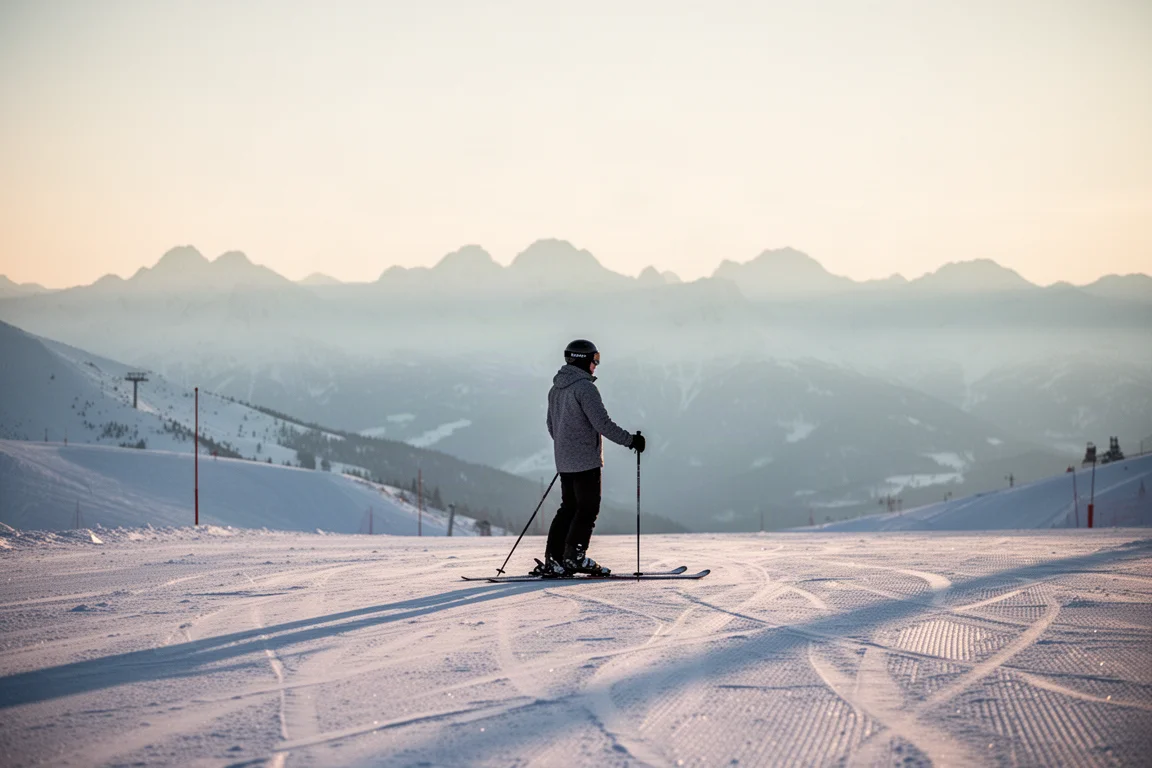
It is worth thinking about this boot in terms of days on snow rather than a single discipline. If your season is mostly lift laps with a handful of touring outings mixed in, the Cochise 95W is shaped around exactly that pattern.
Main Strengths
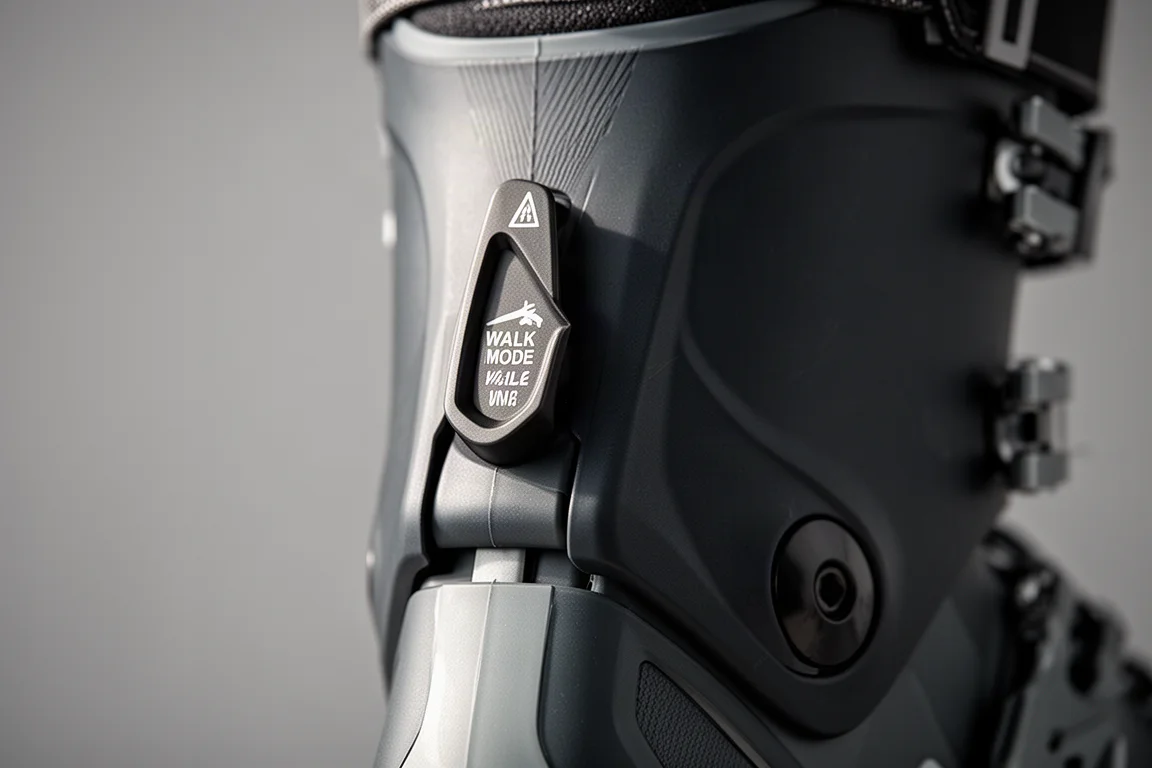
The headline feature is the T-Ride walk mode system. Flipped up, it releases the cuff into a genuinely useful touring range of motion, and the back-and-forth travel lines up neatly with the hinge point of the liner. Flipped down, it locks the cuff into a firm, direct connection for alpine skiing, which is the part that matters most for anyone who spends the majority of their time riding lifts.
Versatility is the second strength. The boot has tech toe and heel inserts along with Vibram-style toe and heel plates, so it can be paired with a lightweight tech binding for uphill days or clicked straight into a regular alpine binding for resort days. That is a meaningful amount of flexibility from a single shell.
Hardware is kept light without feeling stripped down. There are four lightweight micro-adjustable buckles, and the top two can be moved outward or inward for a broader macro adjustment of the cuff, plus a lightweight power strap to firm up the upper. For skiers who want to fine-tune the stance without swapping boots, that adjustability does real work.
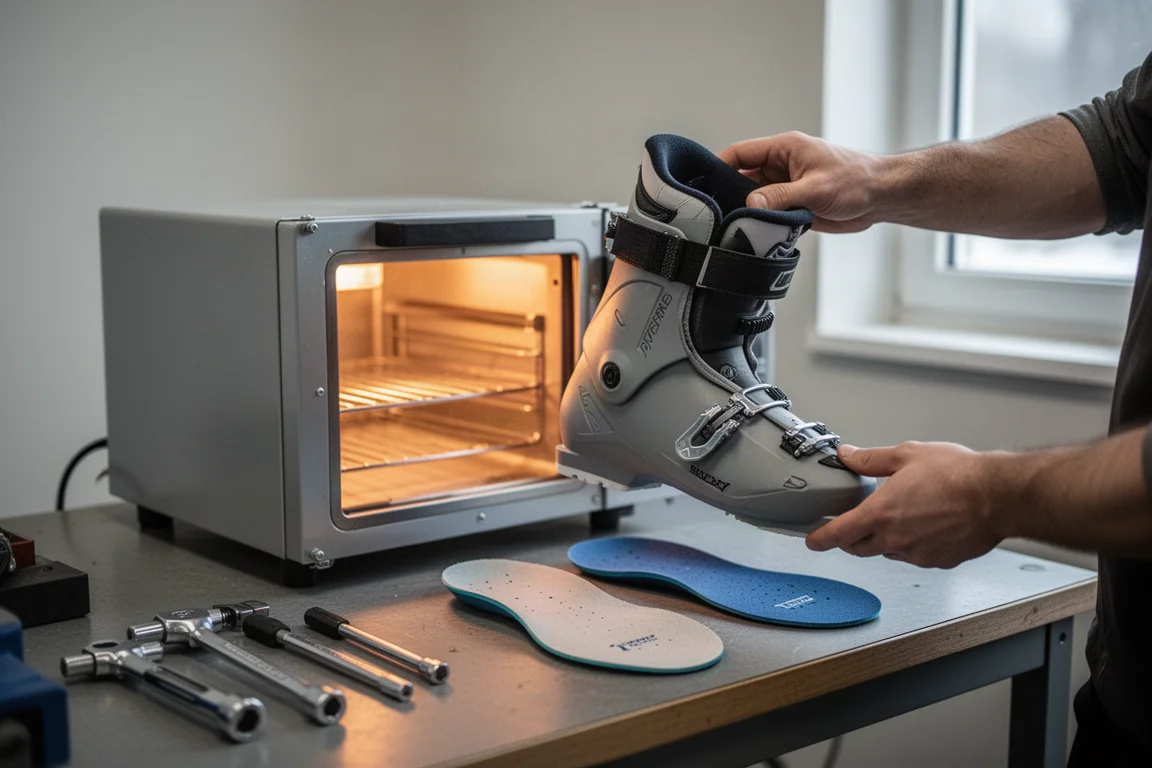
The liner deserves its own mention. It uses a CAS material that is fully customizable, meaning a boot shop can heat it and mold it directly to the foot. A custom tongue adds a second layer of tuning: peel back the velcro tab and the tongue can be moved in or out to accommodate a higher or lower instep, letting a skier generate their own level of comfort across the top of the foot.
Things to Consider Before Buying
The fit profile is the first thing to check honestly. A 99 mm last with a low to moderate instep and a low to mid volume overall shape is not a universal fit, and skiers with wider feet or a tall instep should plan on working with a fitter rather than assuming an off-the-shelf match. The adjustable tongue helps, but it is an adjustment, not a different shell.
Flex is the second consideration. A 95 flex is a moderate, versatile rating, and it suits intermediate and advanced skiers well. Very aggressive, heavier skiers who want maximum forward support from a boot may find themselves wanting something stiffer. This boot is designed to be manageable and well-rounded rather than punishing.
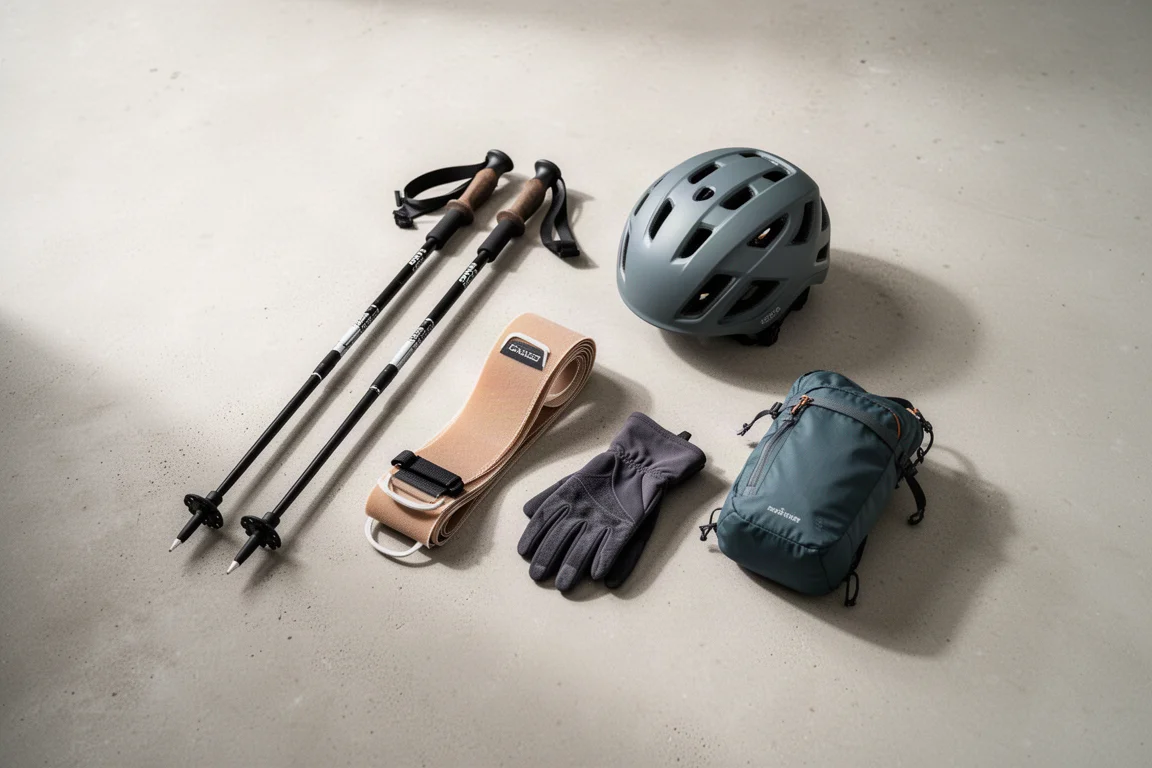
Finally, consider how much of the boot’s capability you will actually use. The tech inserts, the walk mode and the lighter hardware are all there for touring, but they also make the boot a sensible choice for skiers who tour only a couple of times a year, or not at all, and simply want a lighter alpine boot with a smoother walk to the car park and the lodge.
None of these are flaws so much as fit questions. Answering them before purchase is what separates a boot that works from one that gets resold.
Buying Advice
Start with your real skiing pattern rather than the most ambitious version of it. If you tour occasionally or not at all, this boot still makes sense because the downhill side of the design is solid and the lighter build is pleasant on long days. If you tour regularly, the walk mode and tech compatibility give you the essentials without a second pair of boots.
Budget for a proper fitting session. The CAS liner and custom tongue are designed to be heat-molded and adjusted by a boot shop, and that process is where much of the comfort in this boot is unlocked. Skiers with a higher instep should specifically ask about moving the tongue to gain room over the top of the foot.
Binding choice is worth planning at the same time. Because the shell works with both tech bindings and standard alpine bindings, you can build a setup around the terrain you ski most, then keep the boot as the constant. Sizing should follow your measured foot length and a fitter’s assessment, not the size of the boot you currently own.
Treat the boot as the foundation of the setup and match the bindings and skis to it, rather than the other way around. That order of decisions tends to produce a quiver that gets used.
Conclusion
The Technica Cochise 95W makes a clear case for itself as a single-boot solution. The 95 flex keeps it friendly for intermediate and advanced skiers, the T-Ride walk mode delivers a real touring range of motion alongside a locked-down downhill feel, and the combination of tech inserts with Vibram-style toe and heel plates means it works across binding types.
It is at its best for the skier who wants one pair of boots that handles resort days comfortably and can still head uphill when the mood strikes. Check the fit profile carefully, plan for a proper liner mold, and this hybrid design should serve a wide range of seasons without asking you to specialize.
Product link
View more details for Technica Cochise 95W
This product is mentioned in the review. Check the specifications, options, and compatibility before buying.
View more details for Technica Cochise 95WFurther reading
Related Reviews

Ski Boots
2027 Ski Boot Roundup: Six 130-Flex Boots Worth Knowing
Six 130-flex ski boots for 2027, plus a low-volume liner upgrade, compared on weight, fit, flex feel, and ease of use.

Ski Boots
Armada AR One Ski Boot Review: A Three-Piece Cabrio That Finally Gets It Right
Armada's first ski boot blends three-piece Cabrio design with Atomic engineering, a heat-moldable shell, and a 100mm last that fits better than any Cabrio before it.

Ski Boots
Armada AR1 Ski Boot Review: A Cabrio and Overlap Hybrid for Park and Freeride Skiers
Armada's first ski boot pairs a three-piece cabrio shell with overlap-style buckles and a cable-driven slingshot buckle. Here is where it shines, and what to weigh before buying.