Cycling Gear
Tech of the Month: A Carbon Road Bike Under £2,000 and Heat Training Tech
Two very different pieces of cycling tech worth a closer look: a sub-£2,000 carbon endurance road bike with a wireless 1x drivetrain, and a non-invasive body temperature sensor built for heat training.
Introduction
This month’s roundup covers two very different pieces of cycling kit: a carbon endurance road bike that undercuts most of the competition on price, and a small wearable sensor that a large part of the professional peloton uses to prepare for racing in the heat. One is a complete bike aimed at riders buying their first carbon frame. The other is a training tool aimed at riders who already follow a structured plan. Both are worth understanding before you commit your money, so here is what each one offers, where it falls short, and who it makes sense for.
Van Rysel NCR: Carbon Endurance Value Under £2,000
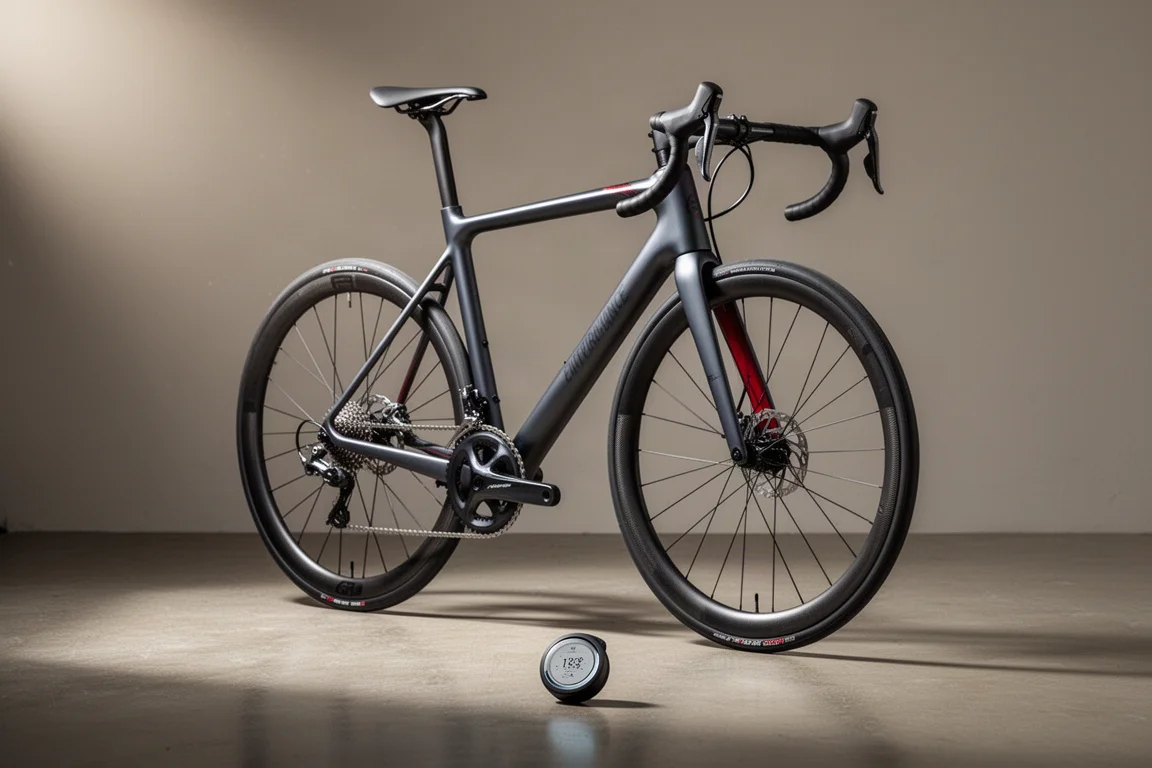
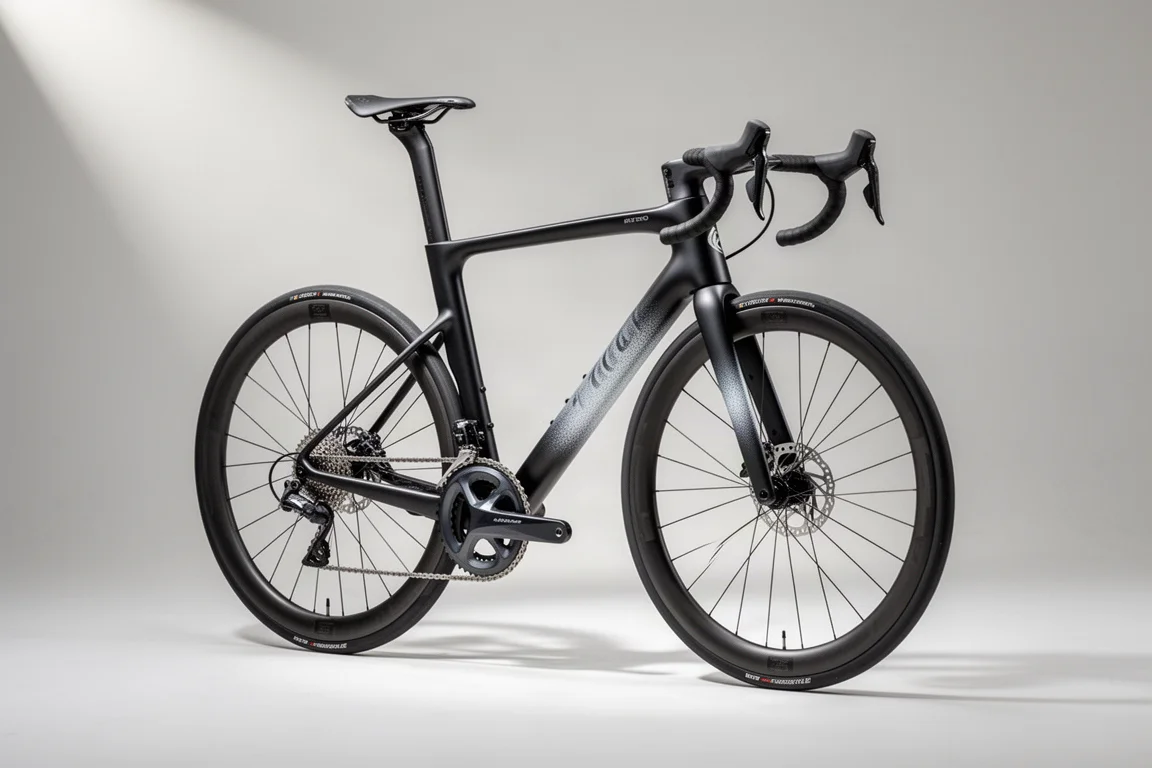
The Van Rysel NCR is Decathlon’s latest sporty endurance and general riding bike, and it arrives with a specification list that reads like a much more expensive machine. For under £2,000 in the UK you get a carbon frameset with 35mm of tyre clearance, tubeless-ready Hutchinson tyres, and a wireless SRAM Apex AXS drivetrain.
The gearing is a 1x setup: a 46-tooth chainring paired with an 11-44-tooth cassette. That combination gives a broad spread of gears for climbing as well as fast road riding, and the single chainring keeps shifting simple, which is a genuine advantage for newer riders. Mavic supplies the wheels, and Hutchinson’s 28mm Fusion 5 tyres are tubeless-ready out of the box.
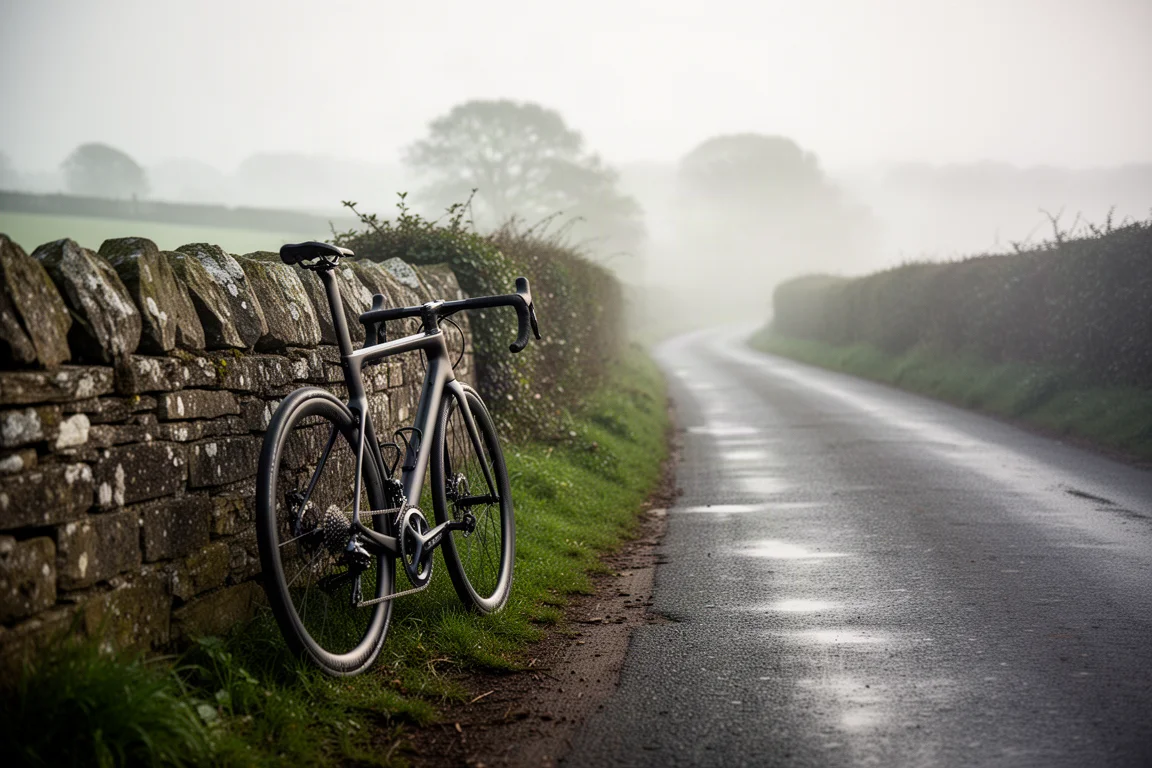
The wheelset is the one place where the budget shows. At just over 1,900g it is on the heavy side, and it would be the first component most riders would look to upgrade. Everything else about the platform is refreshingly sensible. The front end is not integrated and the seatpost uses a standard 27.2mm diameter, so swapping bars, stems and posts is straightforward and replacement parts stay easy to find. That is not something you can say about every modern road bike.
The clearest omission is the lack of mudguard mounts. With 35mm of clearance the frame could easily accommodate them, and for year-round riding they are genuinely useful, so their absence is a strange one to live with.
On paper, and assuming it rides well out on the road, this looks like an excellent entry-level road bike. Its closest rivals sit near it on price: the Giant Defy Advanced at £2,299, the Canyon Endurace CF at £1,949 and the Merida Scultura Endurance at £2,250. Note that these are UK prices only, and the NCR is not yet available in the US.
CORE Body Temperature Sensor: Heat Training Data for Amateur Riders
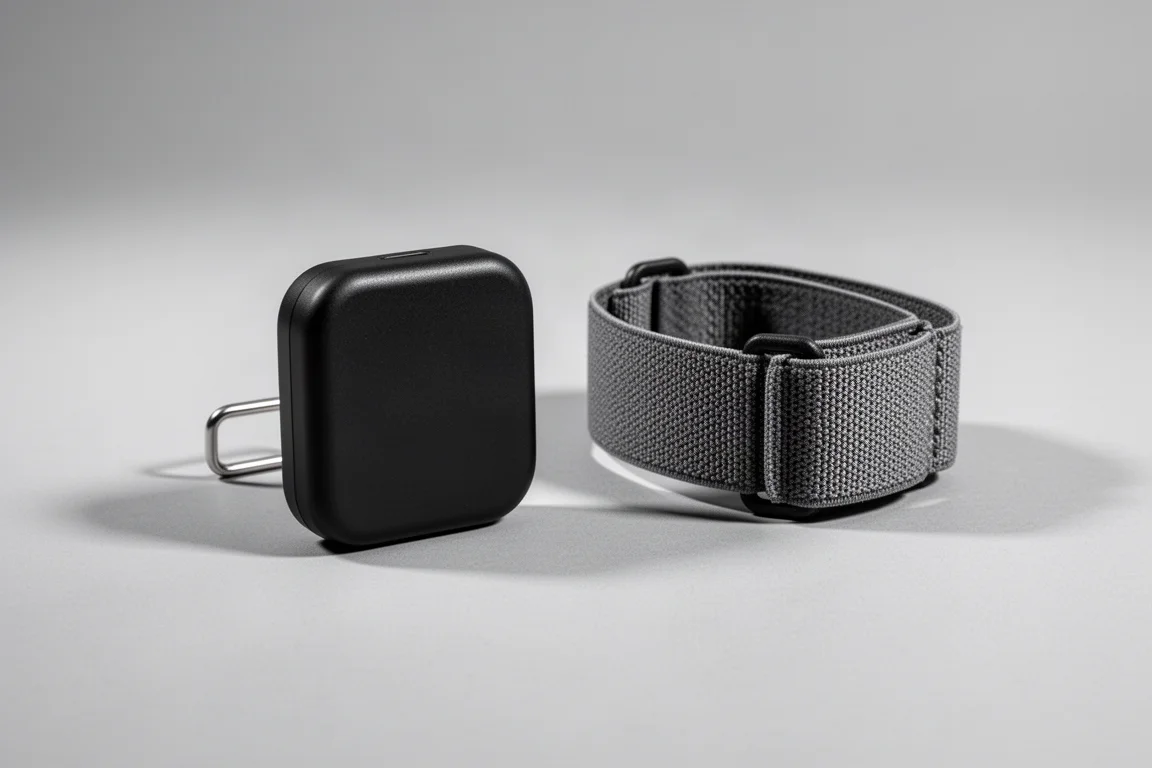
The CORE body temperature sensor is the kind of training tech that is easy to miss. It is a small non-invasive device that clips to a heart rate monitor strap or sticks to your skin, rather than being swallowed or inserted. The company claims it is the most accurate non-invasive body temperature sensor on the market, and it says the device is used by roughly 97% of WorldTour teams, with 10 teams officially sponsored and the rest buying it in for their riders and coaches.
Setup is straightforward. The sensor connects over ANT+ or Bluetooth to common cycling computers, so you can watch your core temperature while you ride. Afterwards, the data can be analysed in TrainingPeaks and Golden Cheetah.
The appeal is heat acclimatisation. Training in the heat helps your body cope better with hot conditions, which matters if you have a big event or a cycling trip in the summer. The company also says heat training can stimulate higher blood hemoglobin, which might help lift FTP.
At around £230 or $285 it is not cheap, and it is a training tool rather than a quick fix. It makes the most sense for riders who already follow a structured plan and want to prepare properly for riding in hot weather.
How Heat Acclimatisation Training Works
Core temperature is the number that matters during heat training, and it is not something you can judge reliably from how sweaty you feel. A sensor that logs it continuously turns heat exposure into something measurable: you can see how your body responds to repeated sessions and how quickly it adapts.
For professional riders, that might mean arriving at a sweltering day in the Alps already adapted. For recreational riders the practical version is simpler: a block of structured sessions in the heat before a big day out, so you are not suffering through the first hours of an event or a cycling holiday. The claimed hemoglobin response is the second part of the story, and the idea is that heat work could support a rise in FTP alongside your normal training.
What to Check Before You Buy
For the bike, availability is the first thing to confirm. The NCR is priced in the UK and is not yet available in the US, and its rivals are priced differently in dollars. It is also worth budgeting for a wheel upgrade at some point, since the stock wheelset is the heaviest part of the package. If you ride through winter and want mudguards, this frame will not take them, so plan around that.
For the sensor, the main question is whether you already train with structure. A temperature sensor is only useful if you act on the data, and the benefits depend on a proper heat acclimatisation plan. Check that your computer supports the connection too: the sensor works over ANT+ and Bluetooth with common head units, and the deeper analysis happens in apps such as TrainingPeaks and Golden Cheetah.
Who Each Product Suits Best
The Van Rysel NCR suits riders who want a carbon frame, wide tyre clearance and modern, easy-to-service standards without paying a premium. If you are buying your first carbon road bike, or you want one bike for general riding and endurance days, the value here is hard to argue with.
The CORE sensor suits a narrower group: riders preparing for a hot-weather race, sportive or cycling trip, and riders who already track their training data closely. If you regularly ride or race in the heat, the sensor adds a data point that heart rate and power do not cover.
Where to Spend First
If you are deciding between the two, the bike is the bigger purchase and the one that changes how you ride day to day, while the sensor is a targeted training tool for a specific goal. Riders on a tight budget should prioritise the bike, then consider the sensor only if a hot-weather event is genuinely on the calendar.
For smaller budgets, two other items stand out on price alone: an aero road helmet at £90 and a 3D-printed bar tape at £43, both far cheaper ways to refresh a setup you already own.
Buying Advice
Buy the Van Rysel NCR if you want the most bike for the money and you are comfortable with UK-focused availability. Budget a little extra for lighter wheels down the line, and weigh the missing mudguard mounts against how and where you actually ride.
Buy the CORE sensor if you have a specific hot-weather goal and a training plan to go with it. Treat the claimed gains as something you build through consistent sessions rather than something that arrives in the box. Check compatibility with your computer first, because the whole point of the device is the data you review after the ride.
Whichever you choose, both products show how competitive cycling tech has become: a carbon bike with a wireless drivetrain for under £2,000, and a body temperature sensor that professional teams rely on, now available to any rider with a structured plan and a compatible head unit.
Conclusion
The Van Rysel NCR is the standout value here. A carbon frameset, 35mm clearance, tubeless-ready tyres and a wireless 1x drivetrain for under £2,000 is a strong package, with heavy stock wheels and no mudguard mounts as the trade-offs to accept. The CORE body temperature sensor is a different kind of purchase entirely: a specialist training tool at around £230 or $285, best suited to riders preparing for heat and already committed to structured training. Match either one to a real riding goal and both make sense.
Further reading
Related Reviews
Cycling Gear
8 Cycling Products Riders Keep Coming Back To
Eight cycling components and accessories with clear strengths, honest trade-offs and long-standing reputations among riders and mechanics.
Cycling Gear
Aero Helmets and Bottle Setups Tested: Six Options Ranked by Measured Watt Savings
Wind tunnel data on six aero helmets and bottle setups, with real watt savings, practical trade-offs, and guidance on what is worth buying first.
Cycling Gear
Aero Road Bikes and Fast Tires Worth Watching in 2026
Four aero road bikes and one fast road tire, with the real strengths, the open questions, and what to check before you buy.