Cycling Gear
Tech of the Month: Seven Standout Cycling Products Worth a Closer Look
A 3D printed stem, a value-focused GPS computer, an 82 mm deep wheelset, a full gravel apparel range, and a triathlon frame built without UCI limits.
Introduction
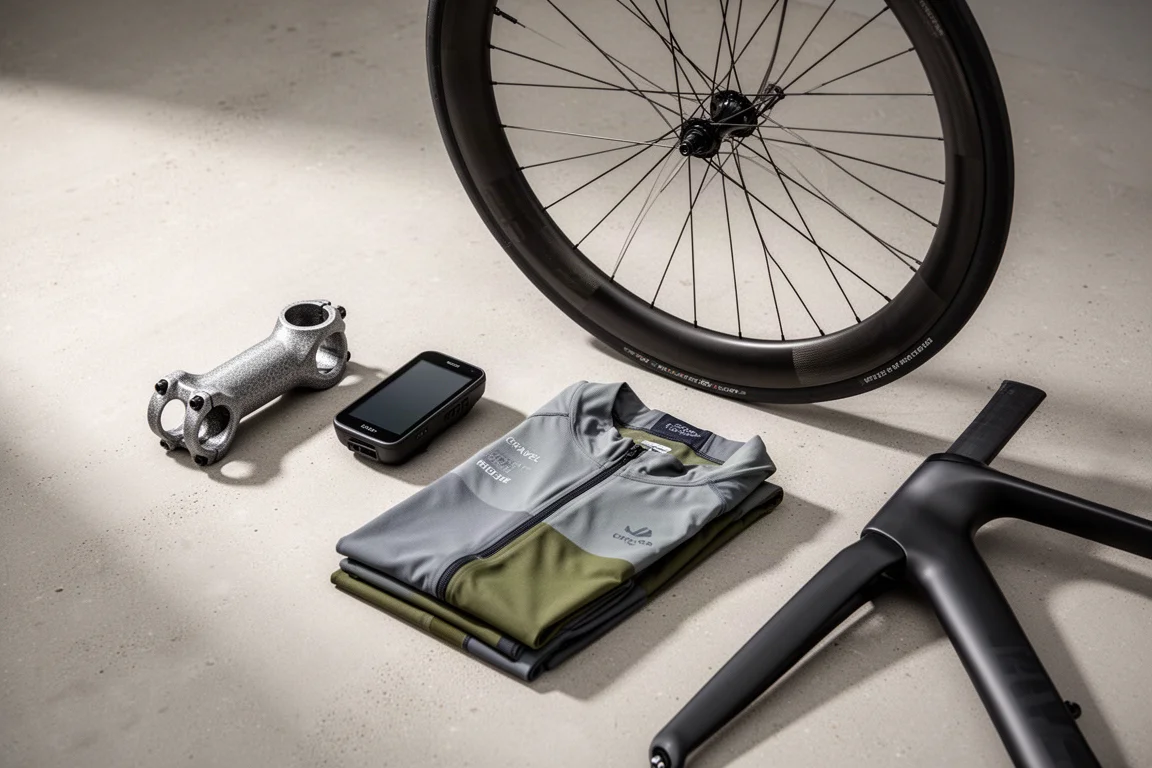
This month’s line-up covers a lot of ground. There is a 3D printed stem from a brand that has spent years working behind the scenes on high performance components, a GPS computer pitched as the sensible middle ground, one of the deepest aero wheelsets on the market, a complete gravel apparel range, and a triathlon frame designed with no regard for UCI rules whatsoever. Each one solves a different problem, and each one has a clear set of trade-offs worth understanding before you spend anything.
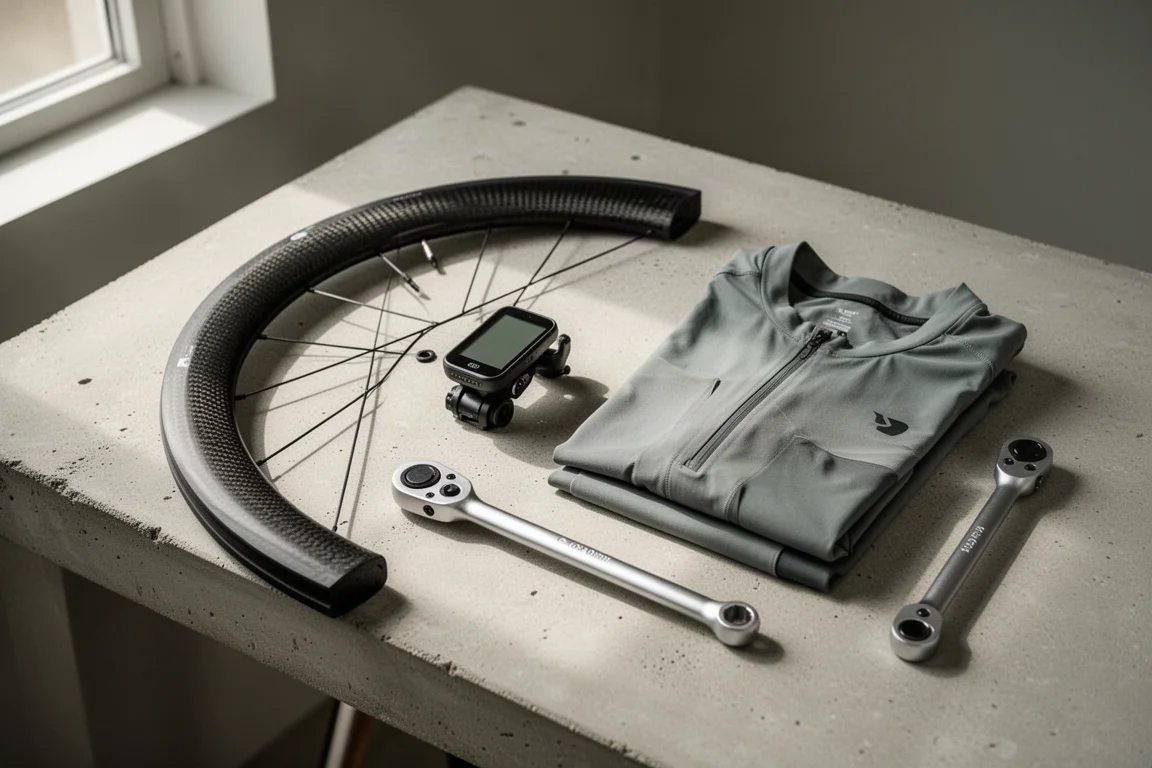
Below, each product gets its own section covering what it is, what it is built for, and where the compromises sit. The aim is not to push you toward the most expensive option in the list, but to help you work out which of these actually fits the riding you do. Prices and claimed figures are included where they were provided, so you can compare value rather than just specification.
Metron Elix Stem
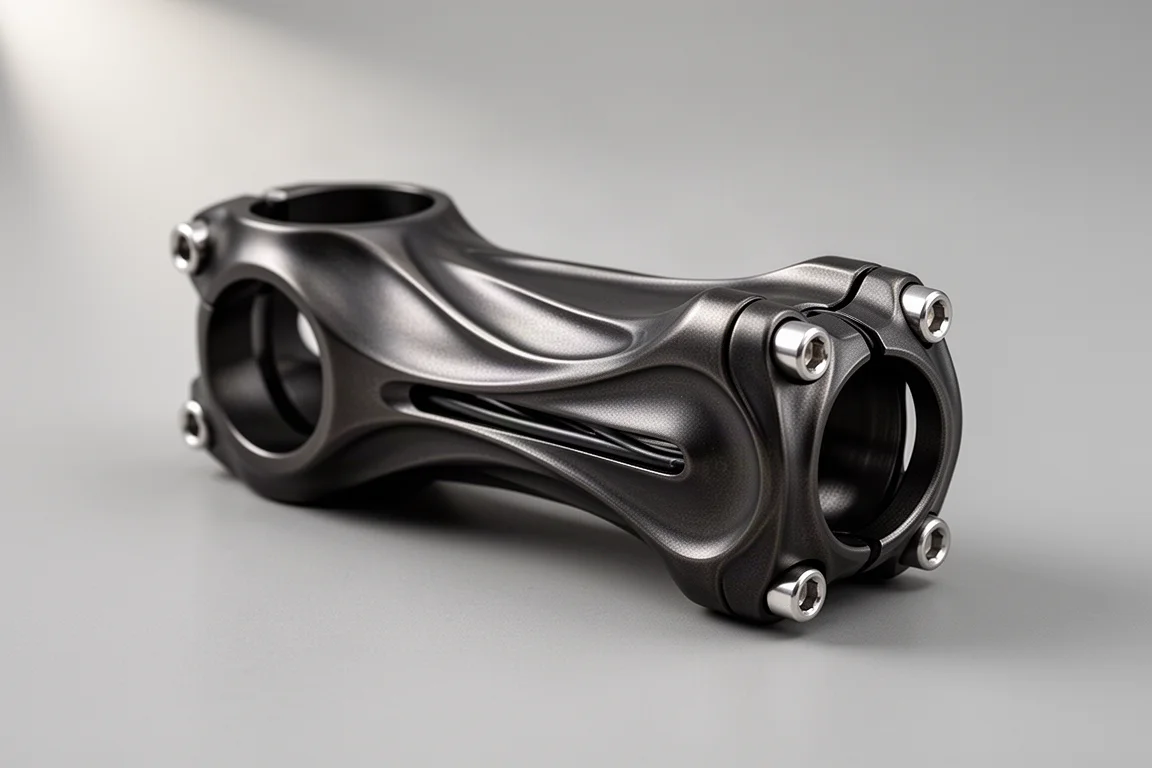
Metron Advanced Equipment has moved from low volume production into a commercially available product with the Elix, and it is one of the most radical looking stems around. The company’s founder was part of the original development group behind the British Cycling track programme, and the Elix is the first piece of what is intended to become a wider range of high performance parts.
The construction method is what makes the shape possible. Using 3D printing, the brand says it could manufacture forms that would be essentially impossible with traditional methods, and the result is a stem with a heavily sculpted, load path driven silhouette. The material is a scandium, aluminium and magnesium alloy, described by the brand as scalm. Extensive analysis and simulation of load paths allowed the designers to define where material was needed and where it was not, which increases torsional stiffness without altering bending stiffness. In practice that is claimed to mean better vibration damping alongside class leading stiffness under hard sprinting, though most riders will not be able to feel the difference from the saddle.
Claimed weight starts from 150 g depending on length, and a 110 mm version measures 166 g including titanium hardware. It works with both external and internal cable routing systems, including FSA ACR. The obvious hurdle is price, at around £500, which puts it firmly in exotic territory.
Garmin Edge Explore 2
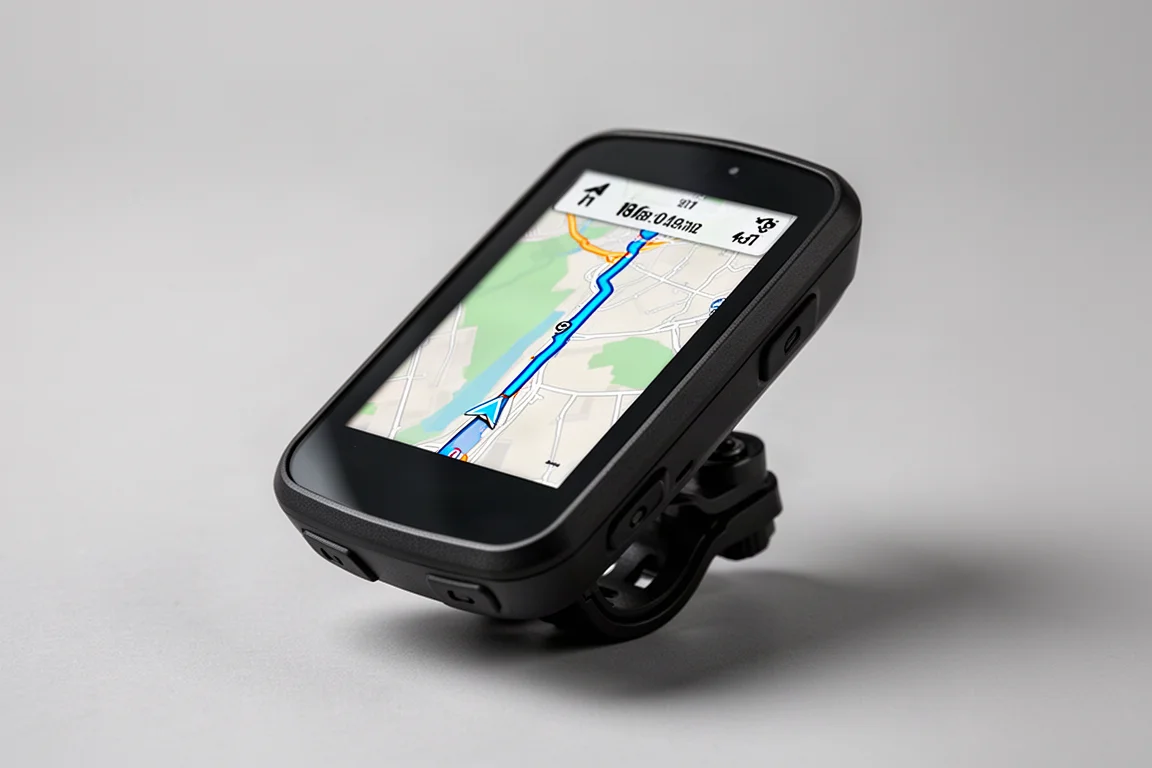
The Edge Explore 2 sits below the brand’s premium units, and on price alone it makes a strong case for itself: at £249 it comes in at less than half the cost of the top tier solar model. It is sized between the compact units and the largest ones in the range, and the three inch touchscreen is bright and easy to read in use.
Battery life is generous for the class, with a claimed 24 hours in standard use and around 16 hours when the computer is working harder, for example navigating while connected to a heart rate monitor or a power meter and running lights. Some deeper training metrics are left out compared with the more expensive models, so detailed analysis tools such as FTP breakdowns are not part of the package. What remains is still useful: it pairs with a power meter and a heart rate monitor, measures VO2 max, and provides an estimated recovery time after a long ride.
There are practical additions too. A new temperature sensor is on board, it can control the brand’s new Varia radar camera, and charging has moved to USB-C. Riders chasing in-depth training data are still better served by the more expensive range, but for recording rides and following routes, the Explore 2 is one of the strongest options available.
Zipp 858 NSW
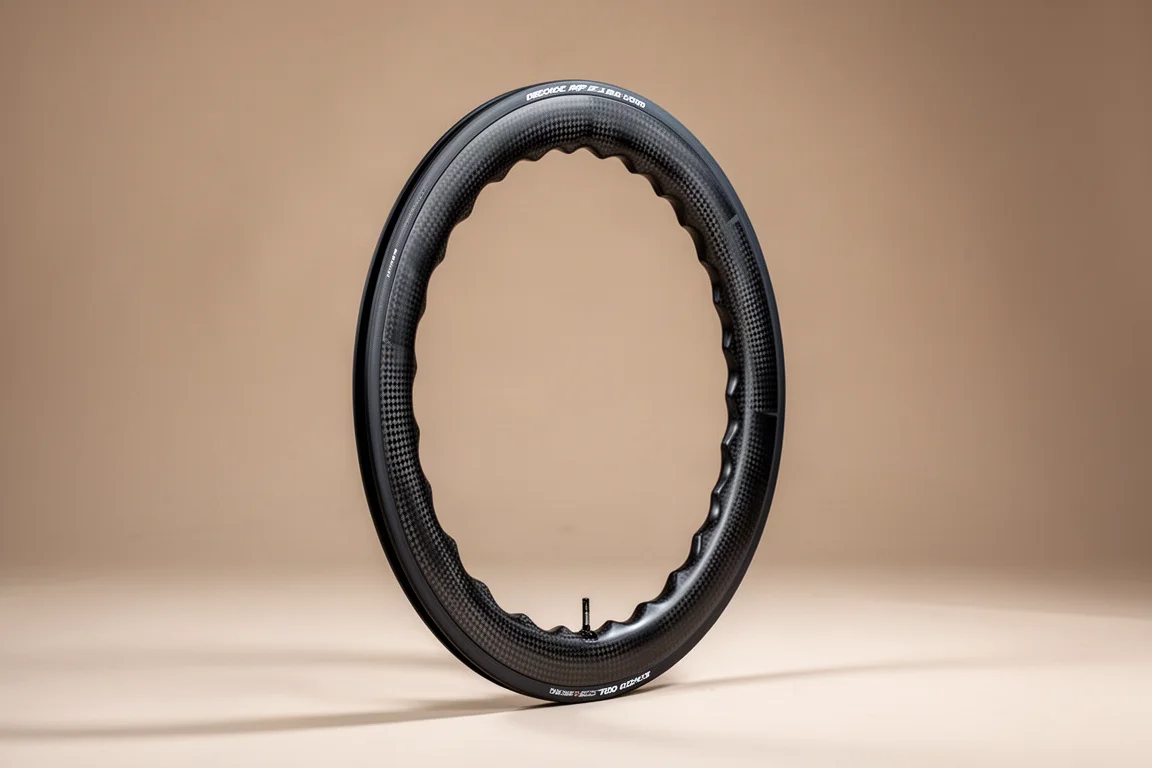
The 858 NSW is the deepest aerodynamic wheel in the brand’s line-up, measuring between 82 mm and 85 mm. It keeps the distinctive sawtooth rim profile, a shape inspired by the tubercles on the pectoral fins of humpback whales, which the brand claims produces cleaner airflow and therefore a faster wheel. On paper the aerodynamic gain over the previous generation is modest at about a single watt, so the more interesting changes sit elsewhere.
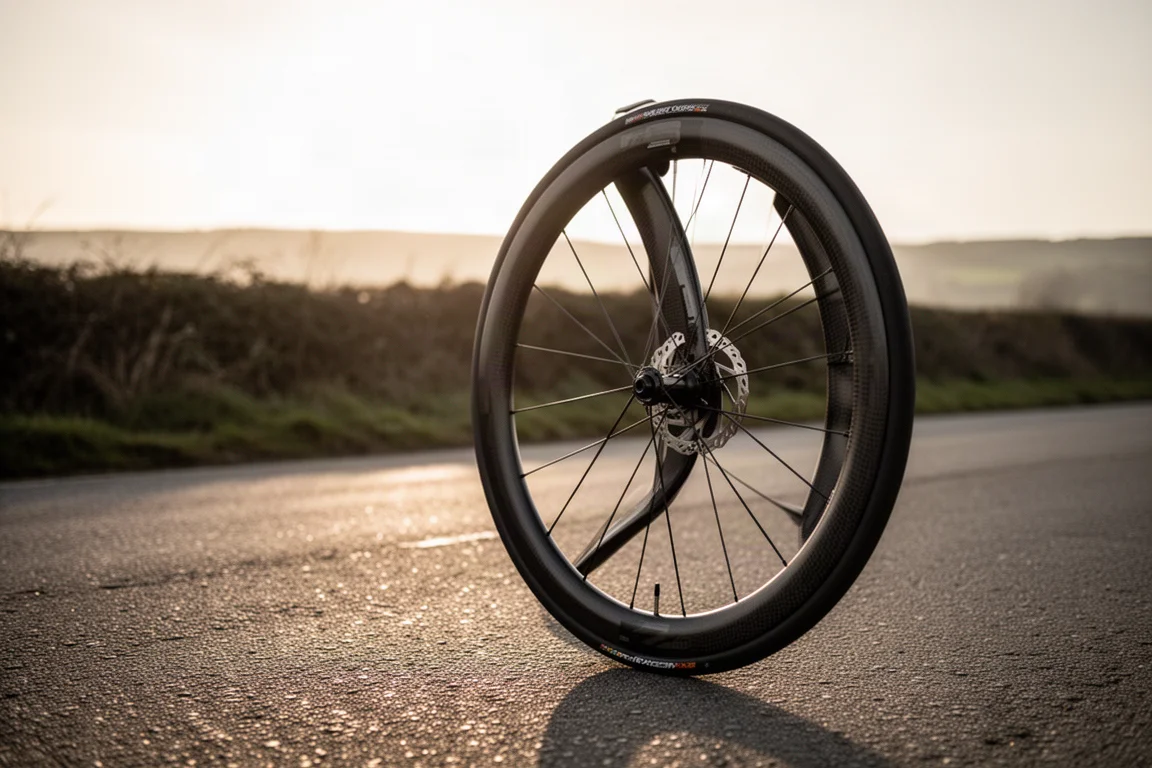
The rim is wider than before at 23 mm internally, and it is tubeless and hookless. Overall wheel performance is broken down into wind resistance, gravity, rolling resistance and vibration losses, and the new design addresses several of those at once. A new rim structure, described as carbon internal reinforcement, works like a skeleton inside the rim: it puts strength where it is needed and removes excess material elsewhere, cutting 282 g compared with the old model for a claimed pair weight of around 1,530 g. The construction also allows a small amount of shock absorption to blunt vibration losses, while the hookless shape is said to reduce rolling resistance by making the contact patch wider and shorter.
Perhaps the biggest surprise is the direction of travel on price. The new wheel is cheaper than the model it replaces by around £620 or $240, although it remains a serious outlay at roughly £3,570 or $4,642 for the pair.
Assos Mille GTC Jersey C2
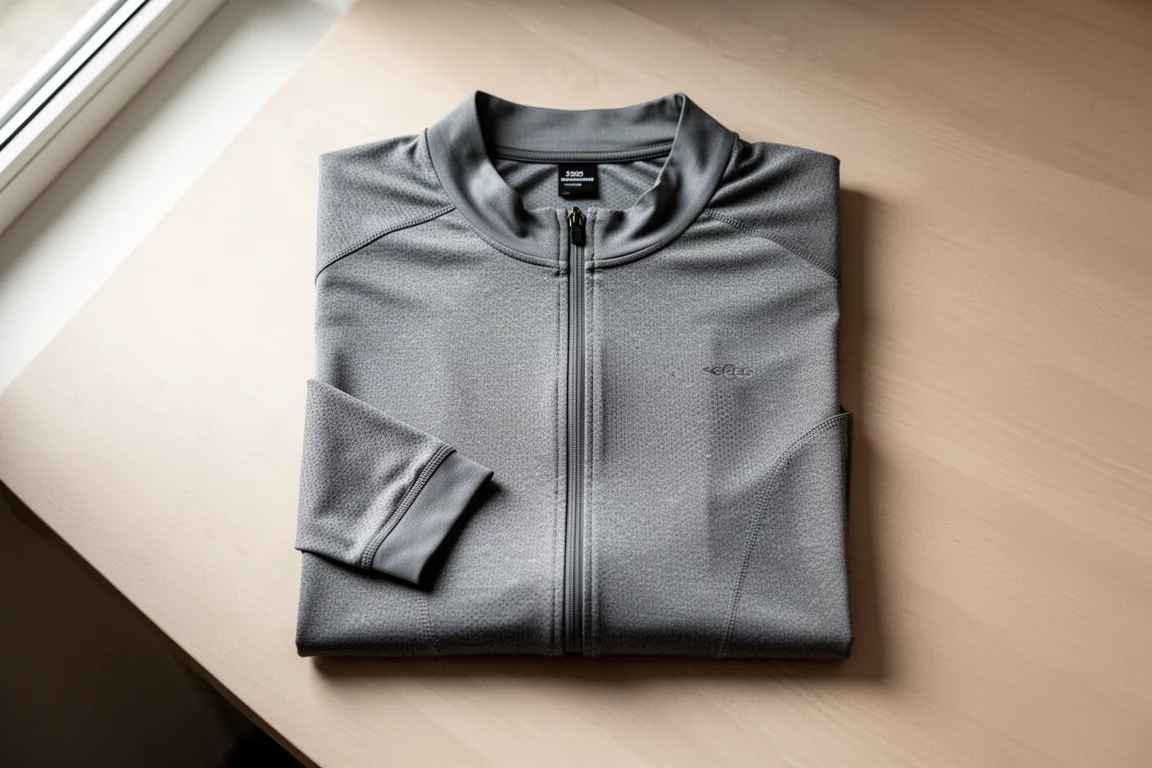
This is the brand’s first move into gravel specific clothing, sitting within the Mille endurance line. The range is designed around comfort rather than aerodynamics or low weight, and currently consists of three pieces: a jersey, cargo bib shorts and over shorts.
The Mille GTC Jersey C2 blends elements from the road and mountain bike collections. The brand took durable, lightweight and breathable fabric from its trail range to cope with the demands of bikepacking. It uses a quarter zip, and the fit sits between categories: looser than the road clothing but closer than a mountain bike tee. The traditional three rear jersey pockets are gone, replaced by a single security pocket on the left side of the back, and the collar and cuff material is softer against the skin. The triangle textile is borrowed from the trail jerseys. It comes in two colourways. Expect to pay around £110 or $160.
Assos Mille GTC Kiespanzer C2 Bib Shorts
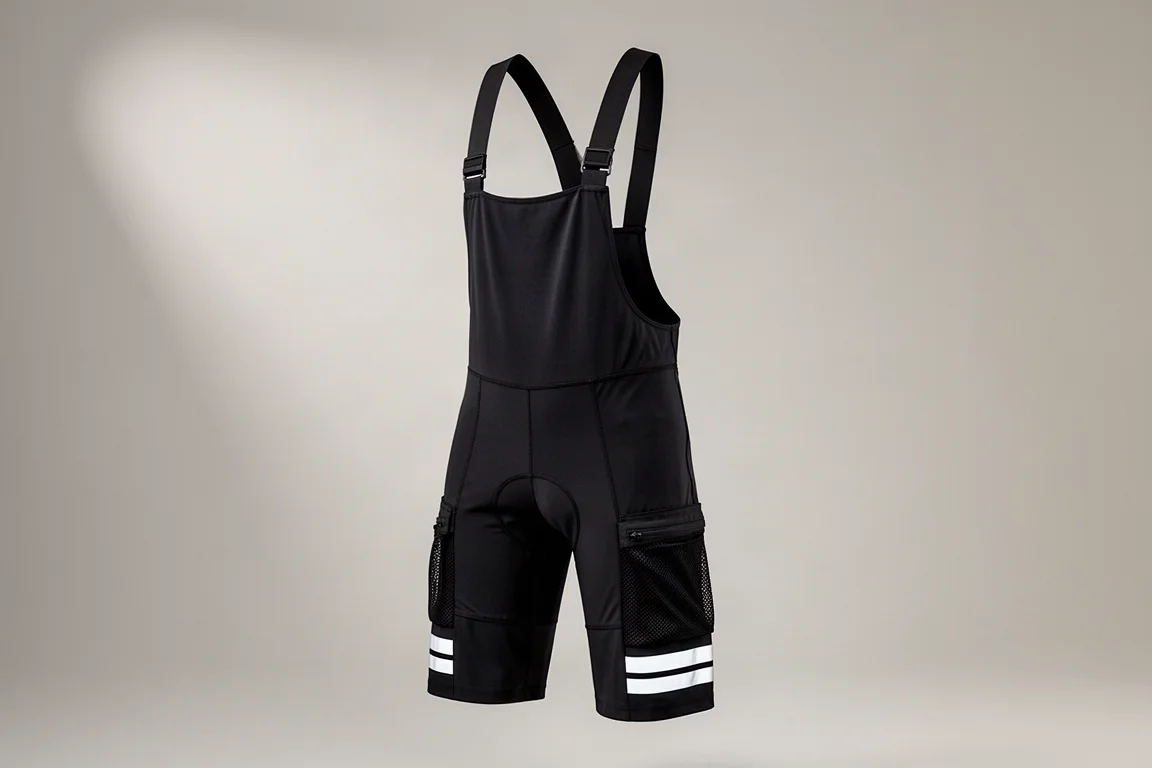
The Kiespanzer C2 is a cargo bib short with four pockets in total: two on the thighs and two at the rear. The pockets use high stretch, extremely breathable mesh panels, and the rear pair have green pull tabs so supplies can be grabbed while riding. The leg storage pockets are formed from mesh that folds in on itself at the top, which keeps contents secure over rough ground.
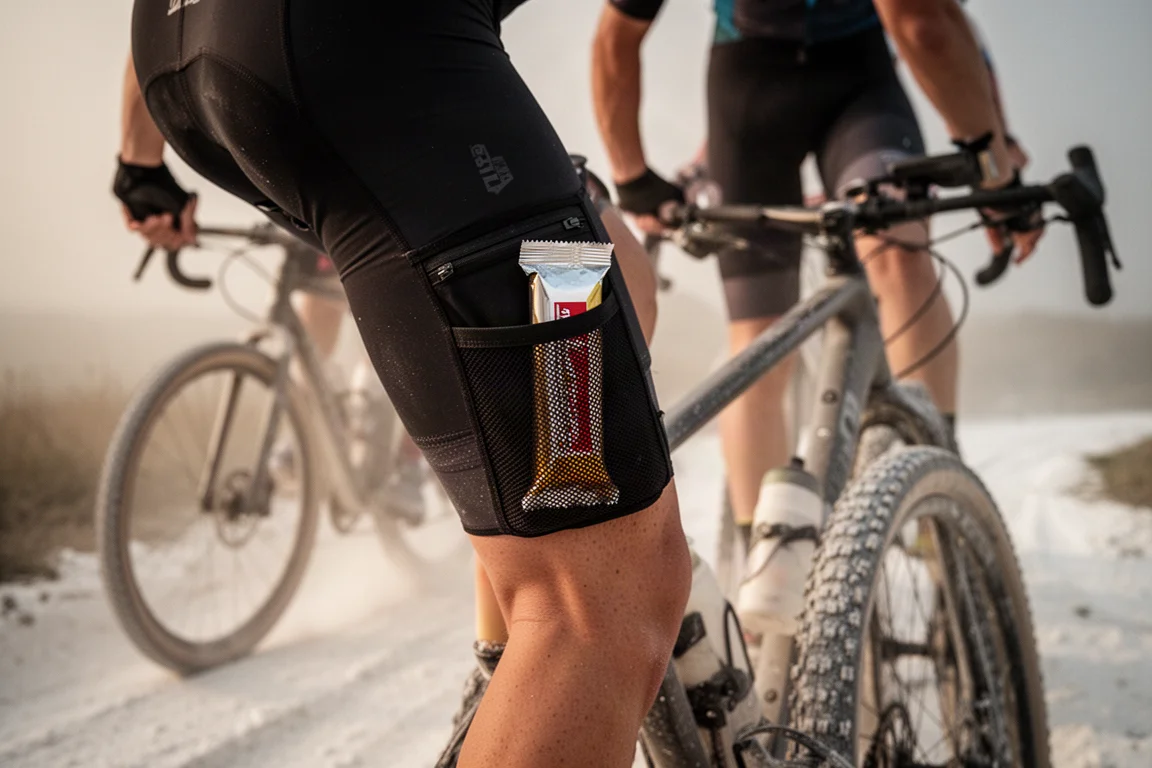
The tried and tested C2 pad is fitted with a 19 mm gravel specific insert, which the brand says absorbs vibration on rough and choppy terrain. Mesh-like side panels are said to protect against abrasion while maintaining breathability, and they are also claimed to compress the leg muscles to reduce fatigue. Reflective stripes improve visibility, a silicon leg gripper holds the short in place, and X-frame bib straps keep everything anchored. The price is around £210 or $270.
Assos Mille GTC Zeppelin Cargo Short C2
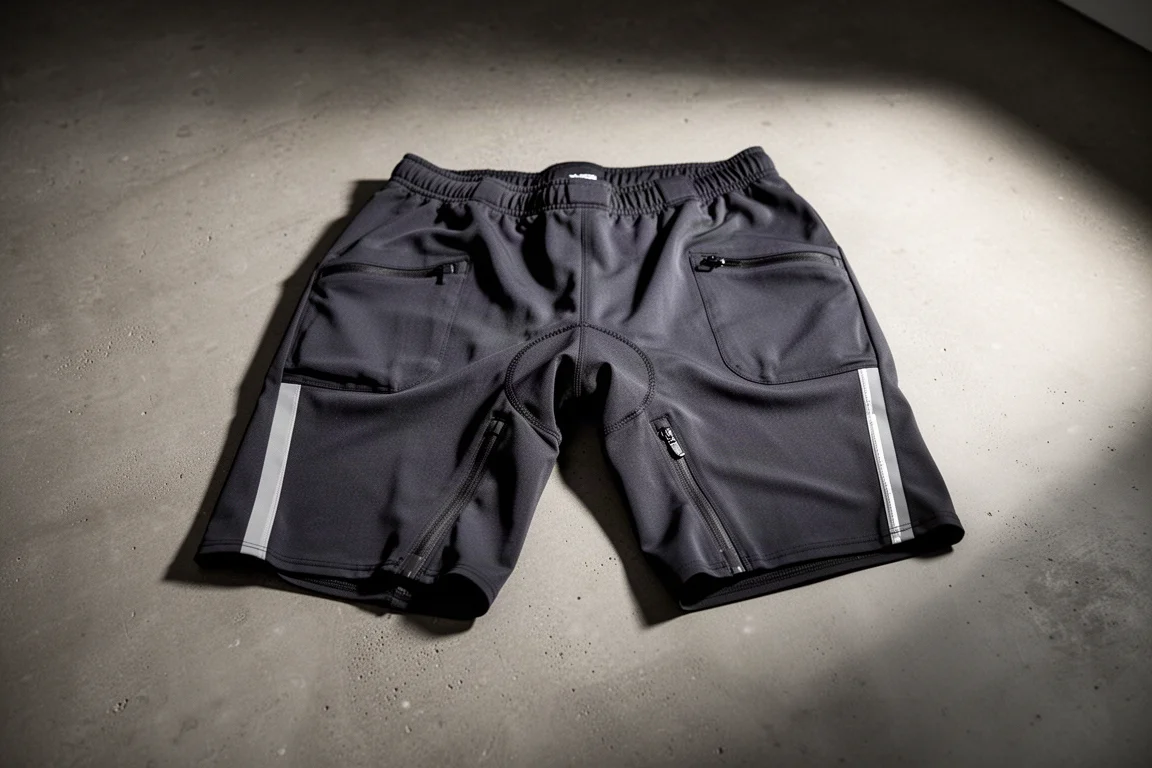
Rounding out the range is the Zeppelin Cargo Short C2, which is really a baggy short worn over the top of a liner. Many of the design features come from the brand’s mountain bike trail cargo shorts, but the Zeppelin is five centimetres shorter with a slimmer leg opening that can be zipped open to a wider fit.
There are two deep pockets, one on either side, and reflective strips run down the outer thighs for visibility if a ride runs long. The fit is deliberately closer than a mountain bike short to reduce flapping and bunching, and the shorts can be layered over trail liner shorts or over thermal tights for extra protection from weather and road spray. They retail for around £140 or $190.
Kadex Tri Frame
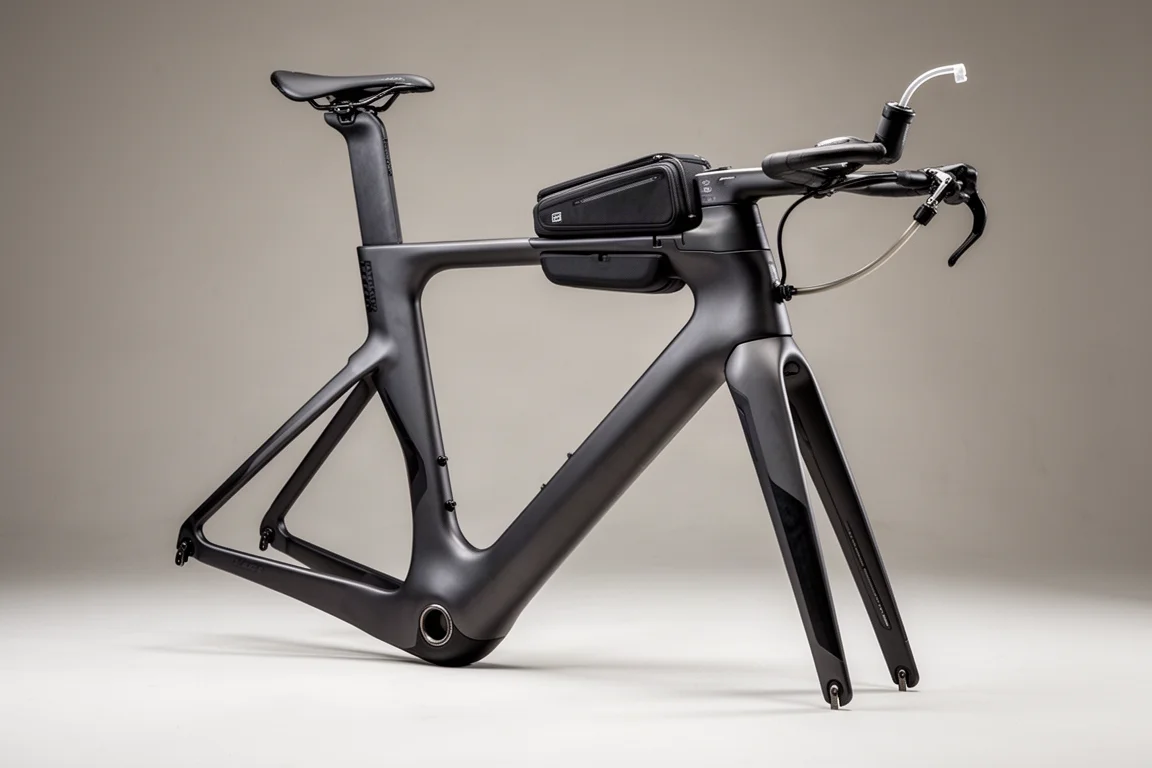
The Kadex tri frame is built specifically for 70.3 and full distance Ironman racing, which means it is not constrained by UCI regulations. That freedom shaped the whole design. Integrating a bento box and hydration system into the frame required a deep down tube and a top tube arrangement that does not get in the way, and the goal is what the brand calls endurance aero: keeping the rider in a low profile position for as long as possible without reaching around for bottles or scrambling for gels. Nutrition sits in the bento box, hydration runs through a flexible straw.
Personalised fit is the other major theme. The frame set comes in five sizes from extra extra small through to large, and the seat tube section is reversible to give either a 76 or an 80 degree effective seat angle. The front end is unusually adjustable: fore and aft movement, different armrest widths, up to 80 mm of stack in 10 mm increments, a two piece base bar that can sit at zero, plus 10, 20, 30 or 40 mm of height, and four angle options at zero, five, 10 or 15 degrees. All the parts needed for those adjustments are included.
Aerodynamics were developed over roughly two and a half to three years, starting with hundreds of iterations in computational fluid dynamics before moving to wind tunnel work and then real world testing. The wide open fork design lets air flow through, and the fork blades line up with the uprights between the seat stay and the chainstay. Storage is substantial: a toolbox clicks securely into place for a gas canister, tyre levers, an inner tube and a CO2 canister, a bladder holds between 600 ml and a full litre depending on frame size, and the bento box takes between six and 10 gels.
Travel has clearly been considered. The frame set ships with its own storage case included in the price, the front end spacers are split so they can be removed easily once the armrests come off, and the base bar separates into two pieces. The accompanying disc and four spoke wheels are new in disc brake form for the brand, with a completely hollow rear wheel and no foam inside, hookless and tubeless only rims at 22.4 mm internal width, and clearance for up to a 28c tyre at the front. The frame set and all three wheel options are expected to be available before the end of the year, with pre-order details to follow on the brand’s website.
What to Consider Before You Buy
The spread of prices here is wide, and the honest starting point is matching spend to how often you will notice the benefit. A £500 stem or a £3,570 wheelset only makes sense if you already race, time trial, or ride enough that small gains compound into something meaningful. For most riders, the largest practical improvements in this list come from the wearable items and the computer, because comfort and navigation affect every ride rather than a handful of them.

Fit and adjustment matter more than headline claims. The gravel apparel range is built around comfort and storage rather than speed, so sizing and pocket placement are the things to check first. On the triathlon side, the frame’s value lies in how much position adjustment is included as standard, which is worth more over an Ironman distance than any single aerodynamic figure. Also worth checking before you commit: the Assos range runs from extra small to extra large, the Kadex frame comes in five sizes, and the Zipp wheelset is tubeless and hookless only, so it suits riders already set up that way.
Conclusion
This batch covers the full spectrum, from a stem that exists mainly to push manufacturing boundaries, to a computer that quietly does most of what most riders need, to a wheelset making a genuine case that deep and fast no longer has to mean heavier, to a gravel apparel range aimed squarely at long days out, and finally to a triathlon frame that ignores the rulebook in favour of real world speed and self-sufficiency. The best buy in the list depends entirely on the riding you have planned, but each of these products has a clear job and does it without obvious compromise.
Further reading
Related Reviews
Cycling Gear
8 Cycling Products Riders Keep Coming Back To
Eight cycling components and accessories with clear strengths, honest trade-offs and long-standing reputations among riders and mechanics.
Cycling Gear
Aero Helmets and Bottle Setups Tested: Six Options Ranked by Measured Watt Savings
Wind tunnel data on six aero helmets and bottle setups, with real watt savings, practical trade-offs, and guidance on what is worth buying first.
Cycling Gear
Aero Road Bikes and Fast Tires Worth Watching in 2026
Four aero road bikes and one fast road tire, with the real strengths, the open questions, and what to check before you buy.