Cycling Gear
Tech of the Month: Road and Gravel Gear Worth a Closer Look
A roundup of ten recently launched road and gravel products, from carbon saddles and gravel shoes to a 6.3kg superbike and a cable-actuated 12-speed groupset.
Introduction
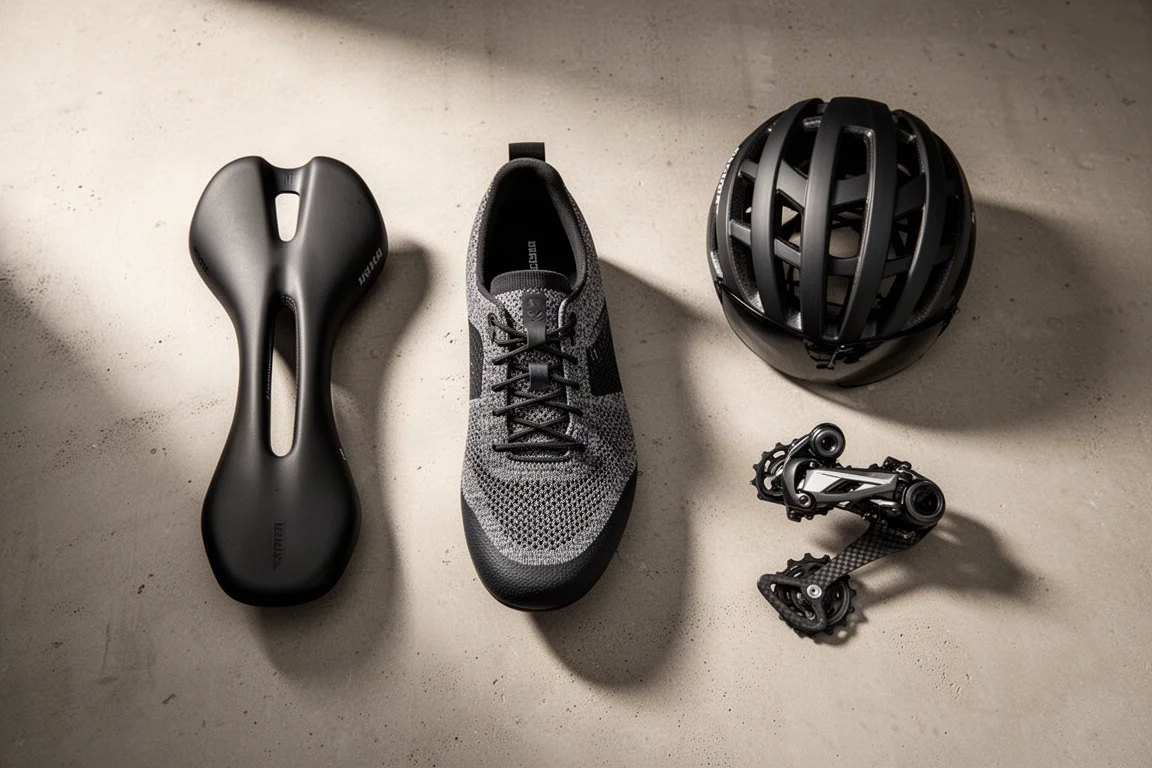
This month’s selection covers a wide spread of road and gravel hardware, from two redesigned endurance and racing saddles to a gravel shoe, a time trial helmet, an ultra-light road bike build and a cable-actuated 12-speed groupset. Each product here targets a fairly specific rider, so the useful question is not which one is best in absolute terms but which one matches the riding you actually do.
Prices below are the figures given at launch and are in pounds and dollars where both were quoted.
Fizik Tempo Aliante and Vento Antares Saddles
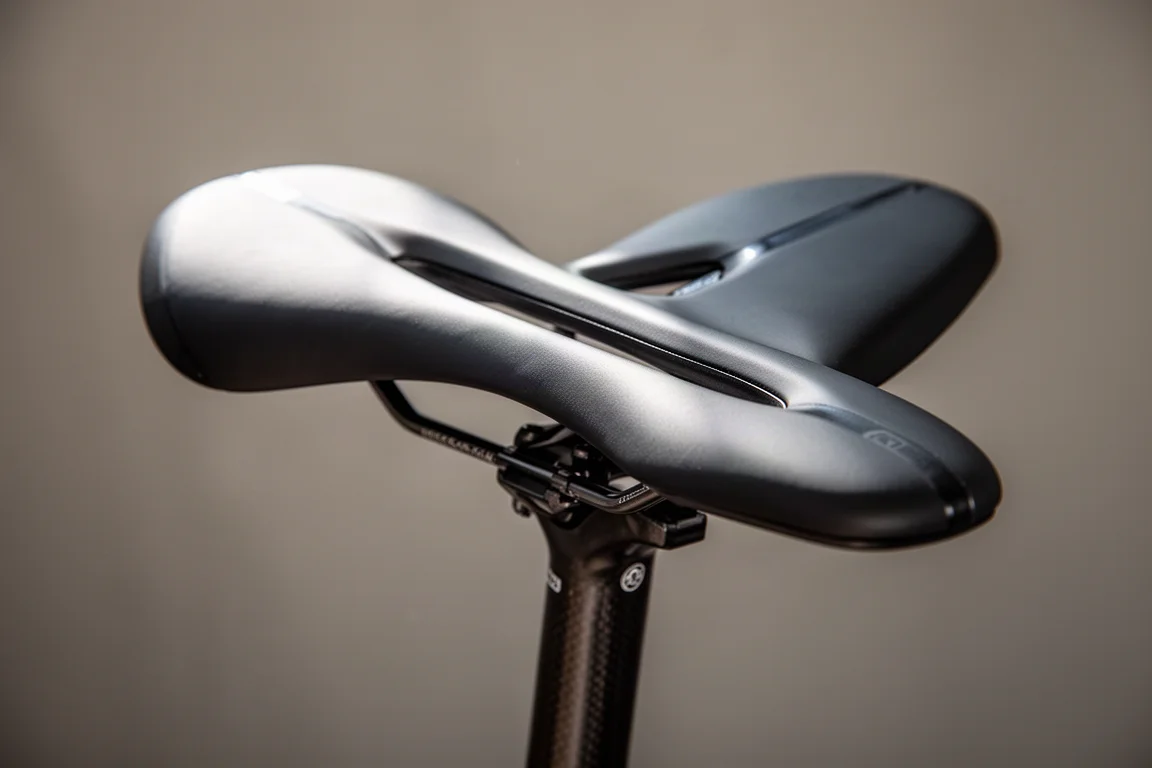
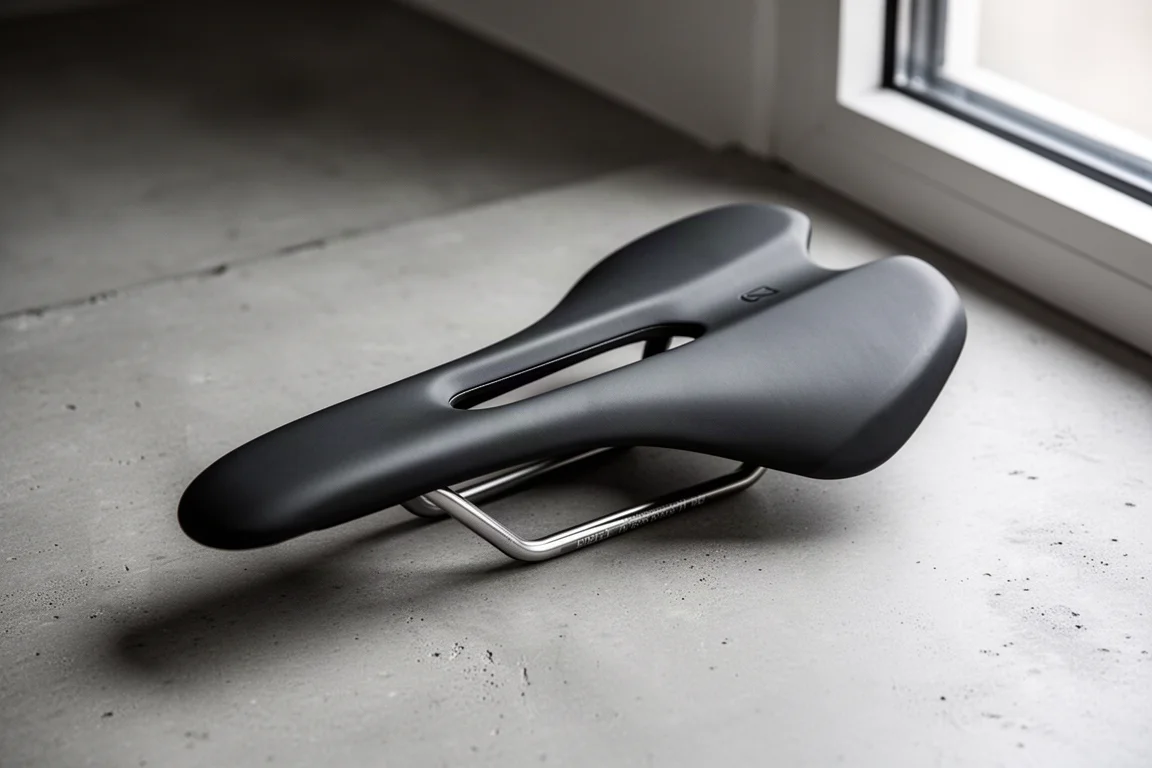
Fizik has refreshed two long-running saddle families, now called the Tempo Aliante and the Vento Antares. The Tempo Aliante keeps a slightly waved upper profile, but the shape has been flattened somewhat to spread pressure more evenly, and the saddle is pitched at long-day comfort. The shell is nylon, which Fizik says lets the outer wings flex to reduce chafing, and the padding is dual density: firmer at the rear for support, softer at the nose. A central cut-out is intended to promote blood flow.
Three versions are available. The range-topping R1 uses carbon rails, the mid-range R3 uses Kium alloy rails, and the entry-level R5 uses S-Alloy rails. All are 277mm long and come in 145mm or 155mm widths. Measured weights were 177g for the R1, 215g for the R3 and 235g for the R5, a gap of roughly 58g between the top and bottom of the range. Pricing runs at 179.99 pounds or 224.99 dollars for the R1 and 104.99 pounds or 129.99 dollars for the R5.
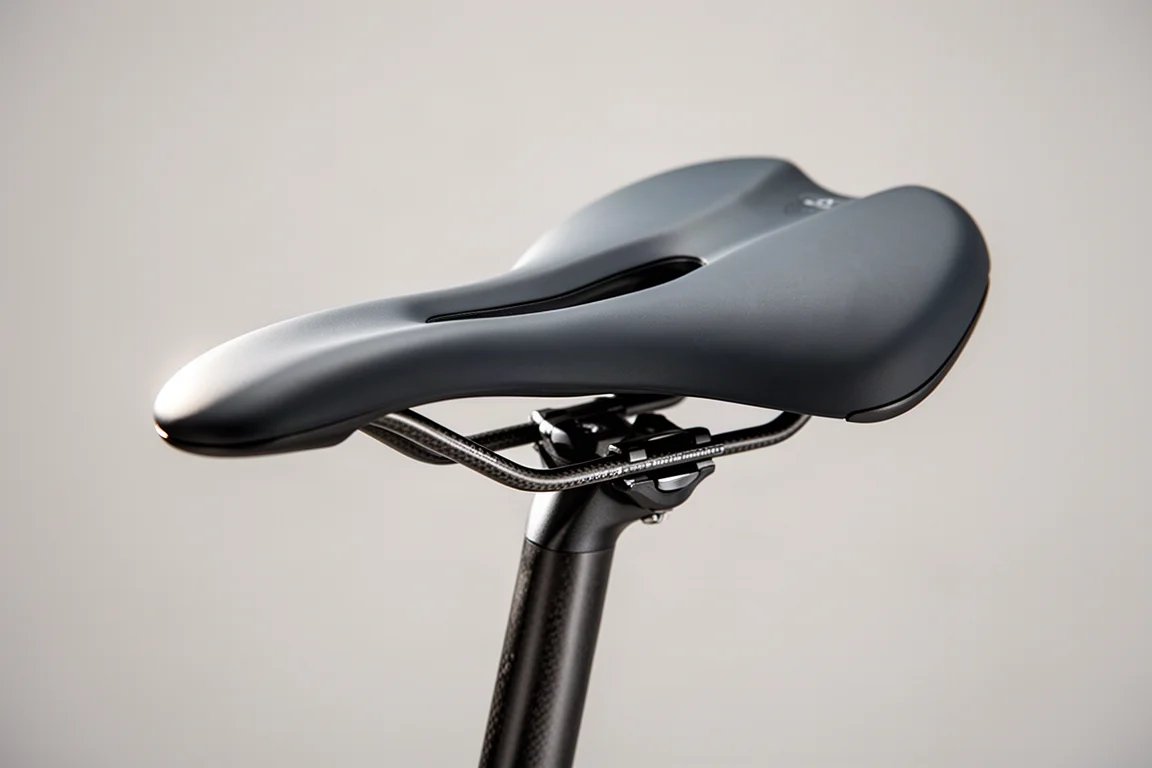
The Vento Antares takes the opposite approach. It is aimed at road racers and sporty riders who favour a more aggressive position, with a much flatter overall shape suited to riders with greater flexibility who need less support. Changes from the previous version include a slightly wider nose which, along with the cut-out, is said to eliminate pressure hot spots, and a modified shape said to increase interaction with the sit bones for improved power transfer. It comes in the same R1, R3 and R5 tiers, is 268mm long, slightly shorter than the Aliante, and is offered in 140mm or 150mm widths.
It is worth being cautious about performance claims on saddles. Saddle preference is highly individual and bound up with bike fit, so the practical route is to treat these as shapes to try rather than guaranteed gains.
Specialized Recon Gravel Shoes
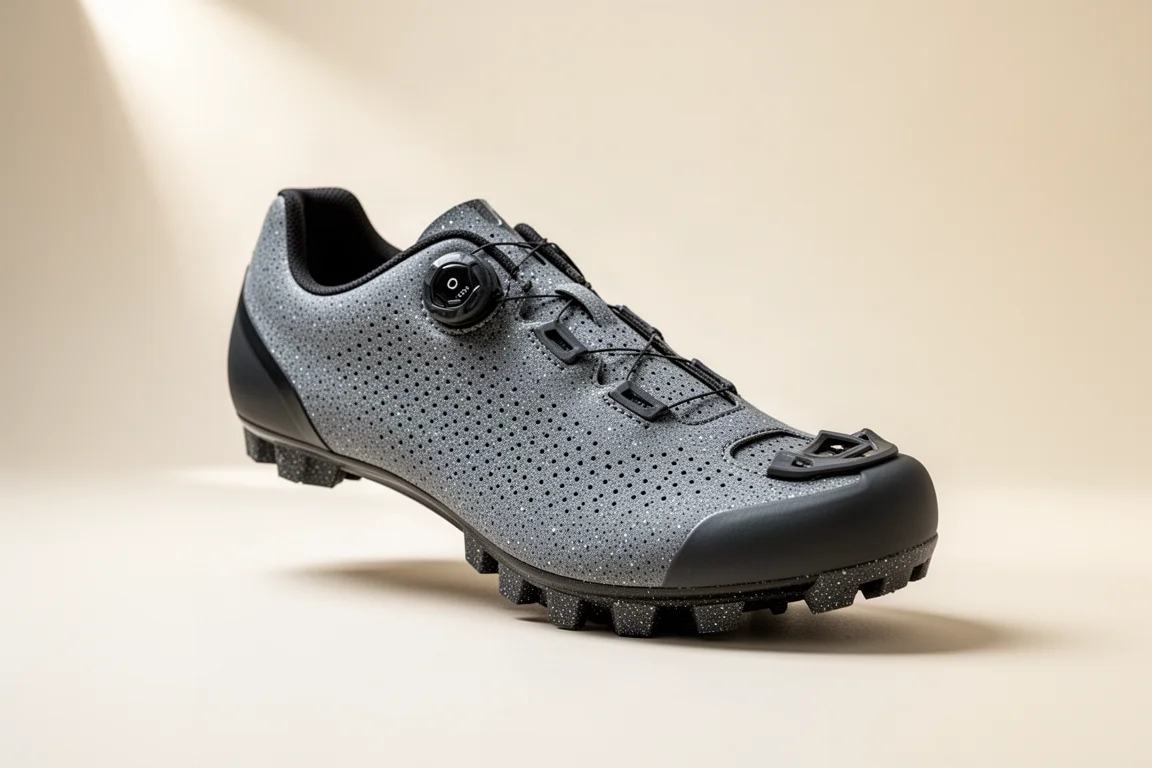
The Specialized Recon range has been around for several years, and this new version borrows technology from the S-Works Torch road shoe. The revised last, the shape the shoe is built around, now has a slightly wider mid-foot area. Underneath, the tread design is similar to the S-Works Recon cross-country mountain bike shoe.
What Specialized frames as gravel-specific is the sole behaviour. Its Stride toe flex technology means the soles are more compliant than a race shoe, which matters because walking sections are a normal part of gravel riding and cross-country race shoes are not pleasant to walk in. The uppers are perforated synthetic material, with protection around the base where the upper meets the sole, and the sole itself is shielded by a continuous piece of tread that rises beside the cleat area to create a wide pedalling platform for comfort and stability.
The price is a notable part of the story. These come in at 200 pounds, against around 385 pounds for the S-Works equivalents, which makes them a considerably easier proposition for riders who want much of the same thinking at a lower cost.
POC Procen Time Trial Helmet
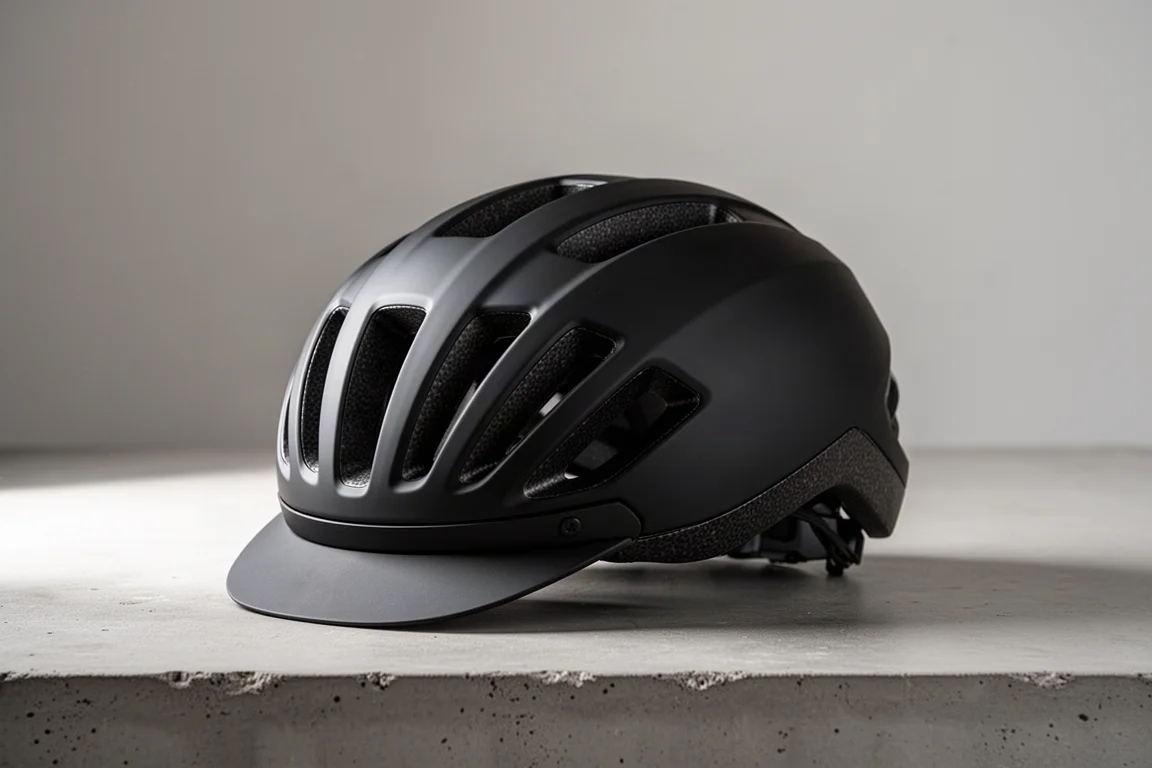
The POC Procen is a new time trial helmet added alongside POC’s existing TT helmets, the Cerebel and the Tempor, rather than replacing them. In shape terms it sits between the two: it takes the more traditional overall silhouette of the Cerebel and folds in features from the more radical Tempor, notably large front vents and a subtle flare along the rear side edges.
Those vents are the centrepiece of the design. POC says they improve cooling and reduce drag using the Venturi effect, where pressure drops as air passes through a narrow point, drawing air through the helmet. Heat transfers from the head to that airflow and exits through the rear exhaust port, while the flow through the helmet reduces the pressure build-up that would otherwise occur in that area. The tail is chopped off to reduce the drag penalty when a rider puts their head down during a race.
On which helmet is fastest, POC’s position is that it depends on the rider and their position on the bike. Its more radical Tempor design has historically been extremely fast but highly sensitive to head position, which made it hard to recommend for riders who could not optimise their fit around it or hold a consistent position. The Procen includes an adjustable visor that moves in and out by 10mm from the helmet, which POC says helps improve ventilation and reduces fogging while waiting on the start line. A clear and a dark visor are both included, along with a hard-shell case.
There is a single size, medium, covering heads from 54 to 60cm, with different size pads in the box for fine-tuning fit. At 350 pounds or 400 euros it is a niche, top-end purchase. Colour options are matte black or matte white.

Canyon Ultimate CFR
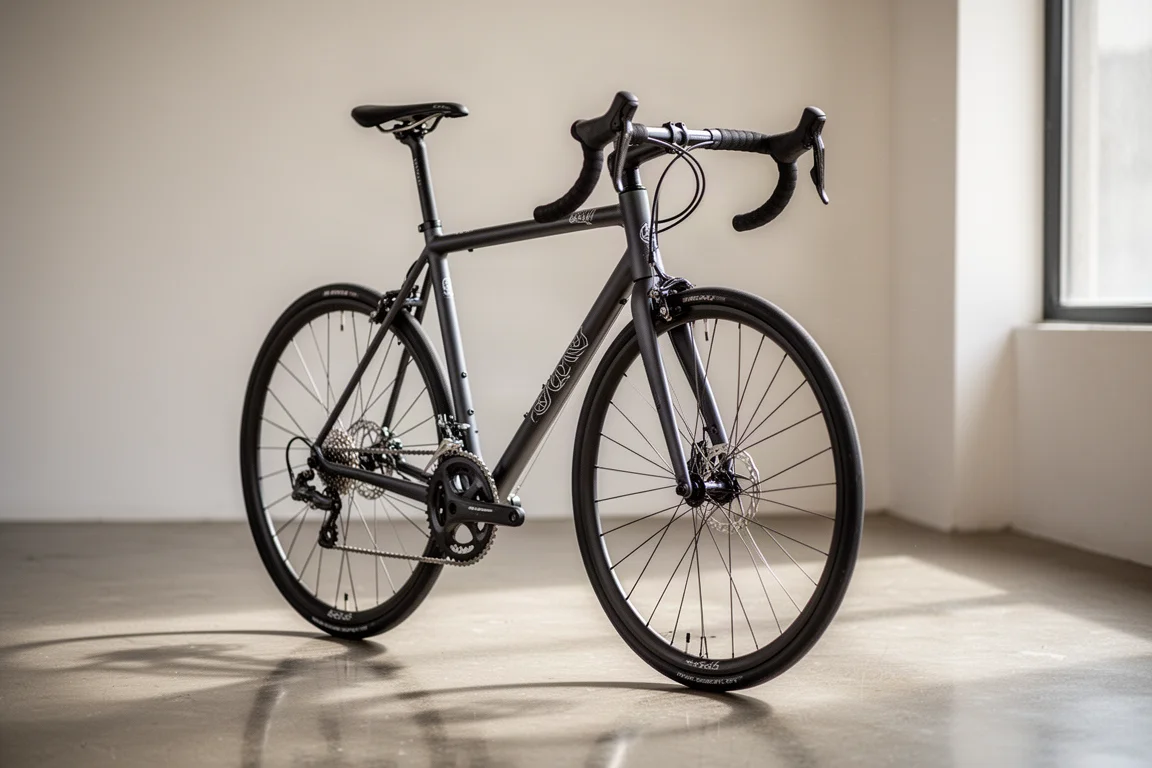
The Canyon Ultimate CFR is built to be extremely light, coming in at around 6.3kg, which puts it below the UCI weight limit for sanctioned racing. Adding a set of deeper carbon wheels would bring it up to the limit, and heavier components could add further weight if needed.
The build is a showcase of light parts. The saddle is a Selle Italia SLR C59 at just 61g, which is a dream for weight-focused riders, though the bare carbon shell means getting your position dialled is essential for comfort. A Shimano Dura-Ace Di2 groupset handles shifting and braking. The wheels are DT Swiss PRC 1100 Dicut Mon Chasseral, claimed at just 1,266g, wrapped in Schwalbe Pro One TT tyres, which makes the bike hill climb ready in the most literal sense.
This is a bike for riders chasing low weight on rolling and hilly terrain, and it is a purposeful build rather than an all-round compromise.
Shimano Dura-Ace Di2
The Canyon Ultimate CFR build uses a Shimano Dura-Ace Di2 groupset, which is Shimano’s electronic shifting platform and the component group handling both shifting and braking on this bike. It is a well-established choice at the performance end of road riding and, in this context, part of what makes the build function as a race-ready machine while keeping weight in check.
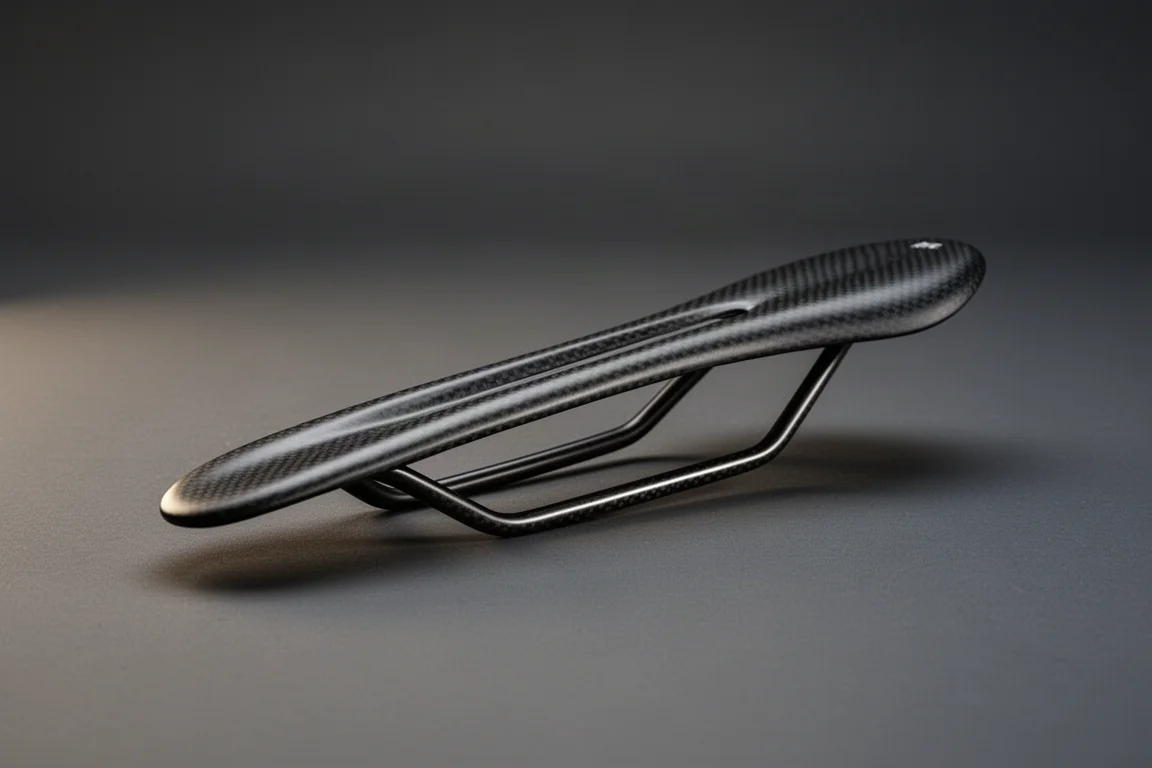
Selle Italia SLR C59
The Selle Italia SLR C59 is the saddle fitted to the Canyon Ultimate CFR, and at 61g it is exceptionally light. That low weight comes with a bare carbon shell, so it rewards riders who have their position properly set up and who are willing to prioritise weight over padding comfort. For weight-conscious builds, it is one of the more extreme options on the market.
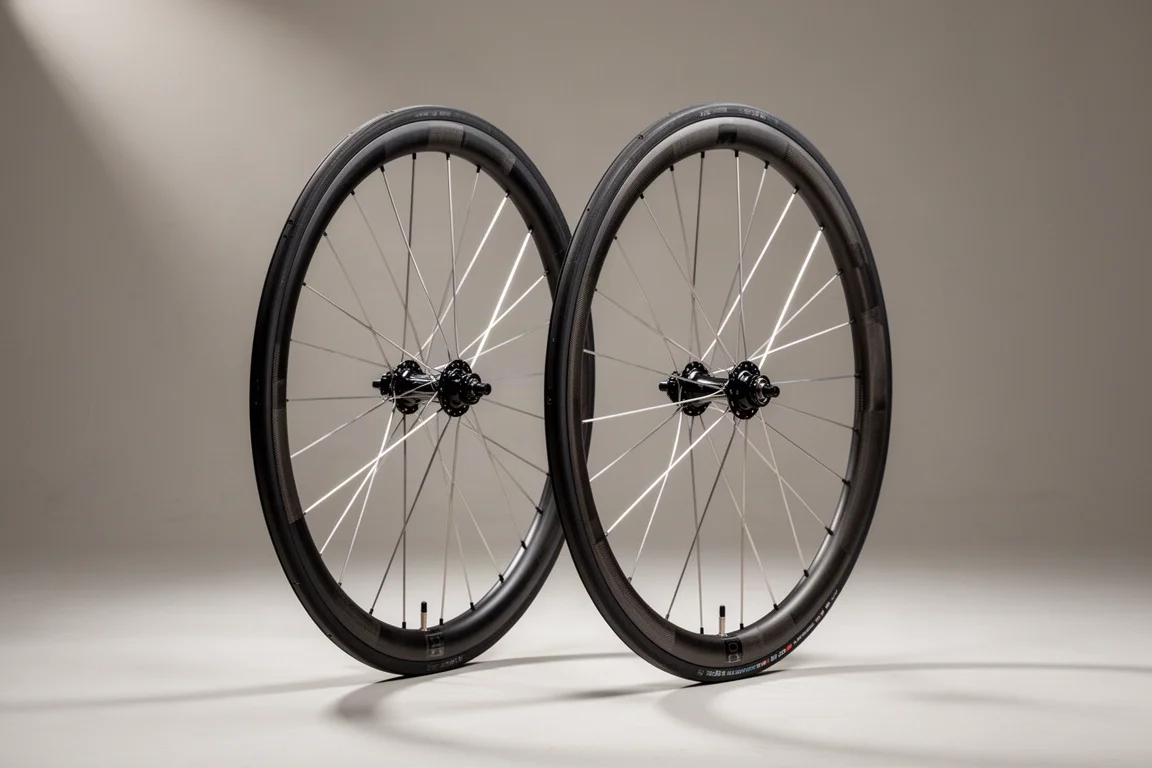
DT Swiss PRC 1100 Dicut Mon Chasseral
The DT Swiss PRC 1100 Dicut Mon Chasseral wheelset carries a long name and a claimed weight of just 1,266g, which is the headline number here. Fitted with Schwalbe Pro One TT tyres on the Canyon Ultimate CFR, the wheelset plays a major part in that bike’s climbing-focused character and suits riders whose priority is low rotating weight rather than deep-section aerodynamics.
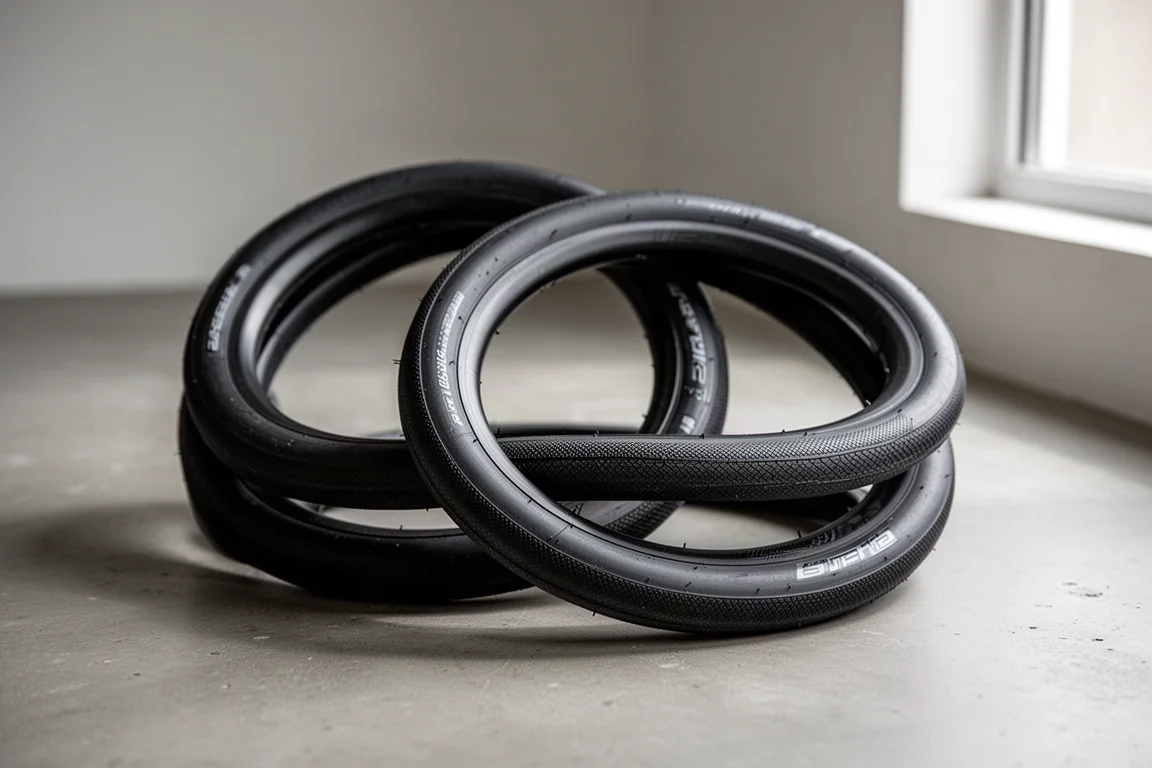
Schwalbe Pro One TT
The Schwalbe Pro One TT tyres are the tyres specified on the Canyon Ultimate CFR, paired with the DT Swiss wheelset. They complete the low-weight, climb-oriented setup of that build and are part of what makes the bike ready for hilly and hill climb style riding.
TRP Evo 12 Drivetrain
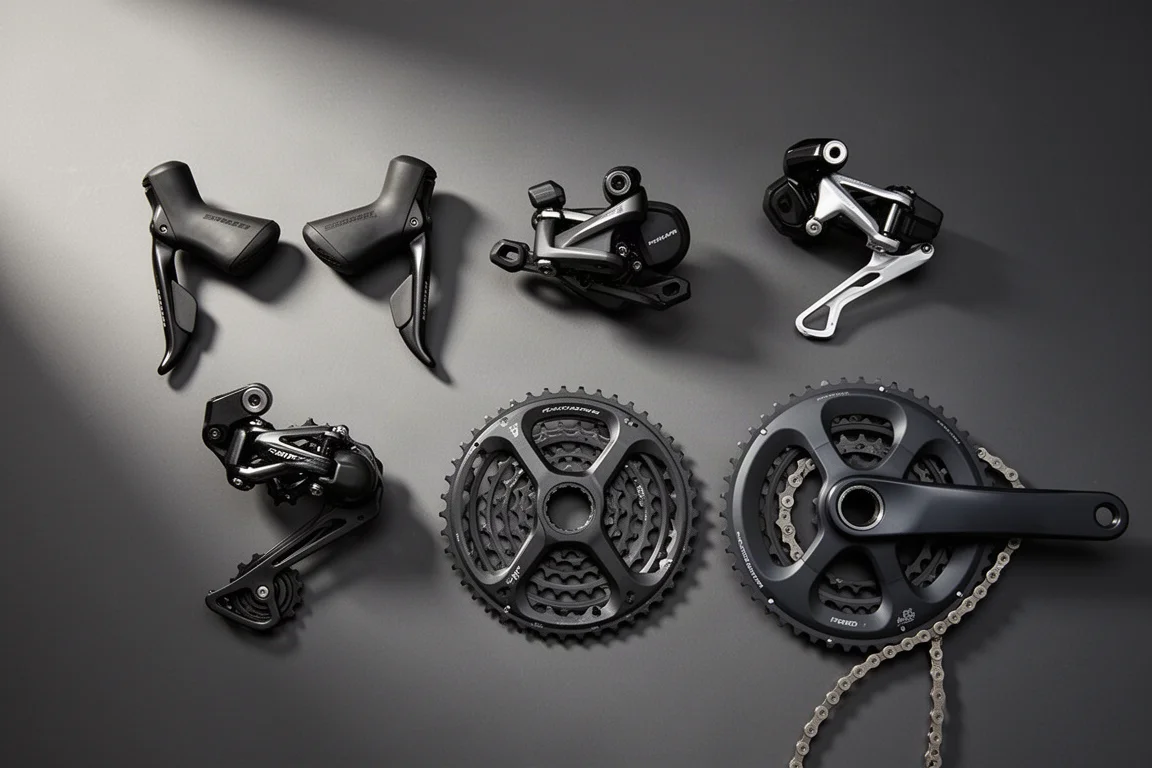
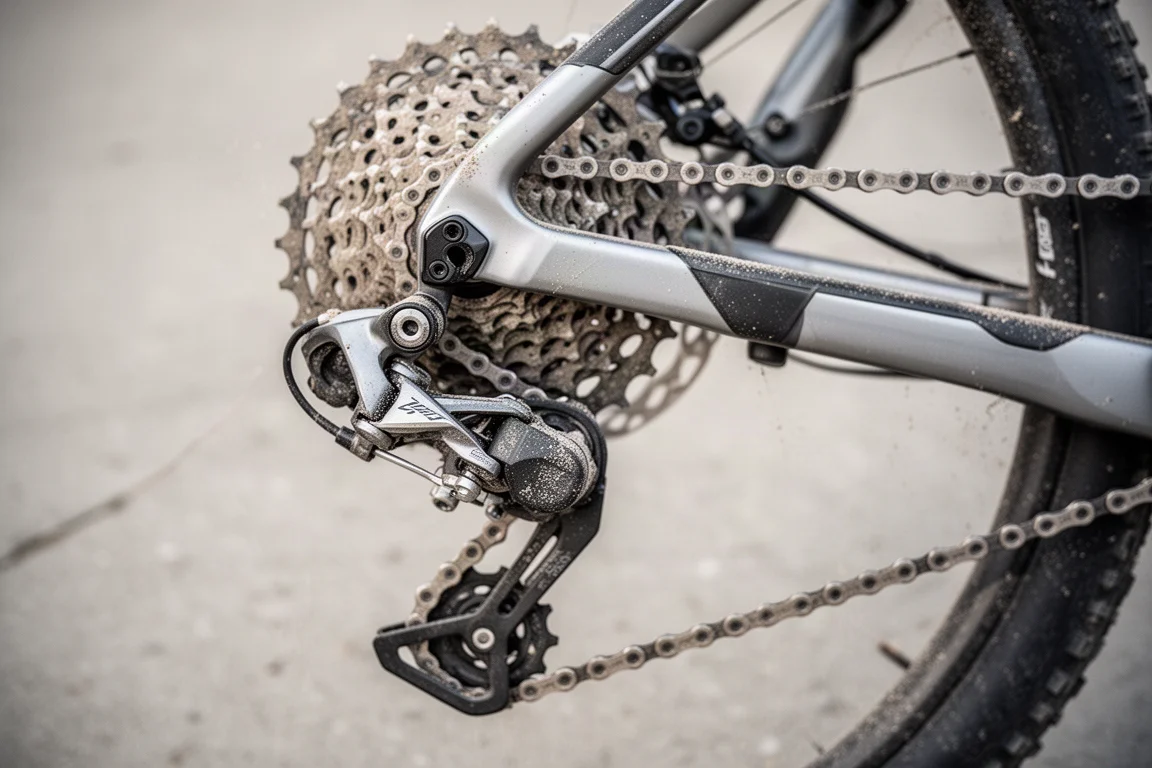
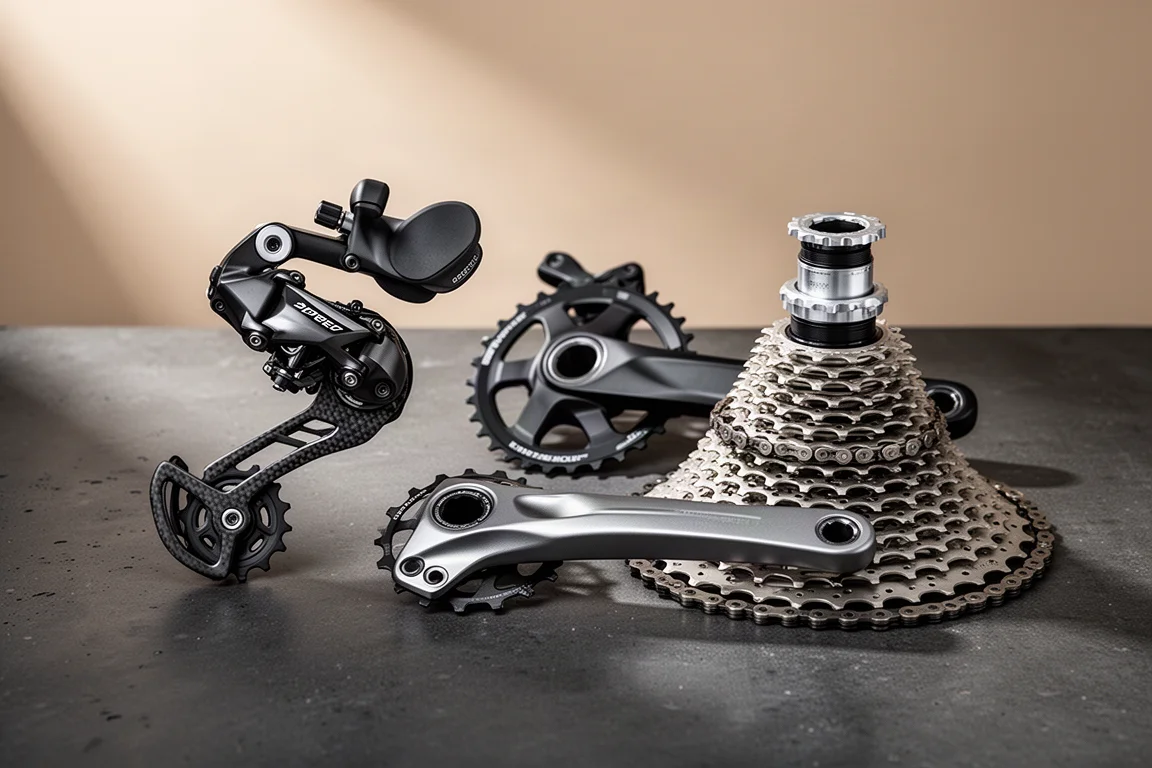
TRP’s Evo 12 is the company’s first full groupset, following earlier work on derailleurs and shifters. It is a cable-actuated drivetrain rather than a wireless one, and the design puts most of its differentiation into the shifter and rear derailleur.
The rear derailleur uses an instant silent clutch to cut noise and chain slap, and adds TRP’s Hall lock, designed by John Hall. The Hall lock stabilises the derailleur on its B-knuckle, which stops it swinging back and forward and keeps things quiet over rough ground. It can be switched off with a lever for easier wheel removal, and cage release spring tension helps with fast wheel changes. The cage is carbon, saving weight and adding visual appeal.
The shifter’s lever that moves you to an easier gear is angle adjustable, as on some SRAM setups, and there is a button to choose between a single shift and a five-up shift in one go. The alloy crankset follows a conventional formula for the price bracket, with forged aluminium arms, a direct-mount narrow-wide chainring and a 30mm spindle for stiffness. A carbon version is available for a weight and cost premium.
The cassette mounts via Shimano’s Micro Spline standard and offers a 520 percent range with a 10 to 52 tooth spread. The top two cogs are 44 and 52 teeth respectively, giving even jumps between gears, and are made from 7075 aluminium to save weight, while the other ten cogs are machined from a single piece of steel for durability. The 12-speed chain comes from KMC. Finish options are a stealthy black and silver or a black and gold. The groupset starts from 1,036 pounds for the black version with alloy cranks.
Buying Advice
The right pick here depends almost entirely on where and how you ride.
Saddle choice is the most personal decision in this group. The Tempo Aliante suits riders who want support over long days in the saddle, while the Vento Antares suits racers and flexible riders who favour an aggressive position. Width and shape matter more than weight, so where possible try before committing, and treat power transfer claims with a healthy degree of scepticism.
For gravel riders who walk as much as they ride, the Recon offers a more compliant sole than a race shoe and a considerably lower price than the S-Works equivalent, which makes it an easy one to justify. If you race time trials and can hold a consistent head position, the Procen is a serious aerodynamic option, but its single size, price and position sensitivity mean it rewards riders who have their fit dialled in.
The Canyon Ultimate CFR, Selle Italia SLR C59, Dura-Ace Di2, DT Swiss wheelset and Schwalbe Pro One TT tyres are best understood as one coherent ultra-light build rather than separate purchases, aimed at riders chasing minimum weight on hilly terrain. The TRP Evo 12 stands apart as a more accessible way into a complete 12-speed cable drivetrain with genuinely distinctive derailleur and shifter features.
Conclusion
This month’s mix runs from small, personal choices like saddles and shoes to a complete superbike build and a new player in the drivetrain market. The most useful takeaway is to buy against your own riding rather than the marketing headline: comfort and fit for saddles and shoes, position tolerance for a TT helmet, low weight for a hill-focused bike, and shifting character for a drivetrain.
Further reading
Related Reviews
Cycling Gear
8 Cycling Products Riders Keep Coming Back To
Eight cycling components and accessories with clear strengths, honest trade-offs and long-standing reputations among riders and mechanics.
Cycling Gear
Aero Helmets and Bottle Setups Tested: Six Options Ranked by Measured Watt Savings
Wind tunnel data on six aero helmets and bottle setups, with real watt savings, practical trade-offs, and guidance on what is worth buying first.
Cycling Gear
Aero Road Bikes and Fast Tires Worth Watching in 2026
Four aero road bikes and one fast road tire, with the real strengths, the open questions, and what to check before you buy.