TVs
TCL QM7L Review: The TCL Mini LED Most Buyers Should Consider
A close look at the TCL QM7L, the value-focused SQD mini LED that gives up a little peak brightness and some dimming zones next to the QM8L, and what that means in a real living room.
Introduction
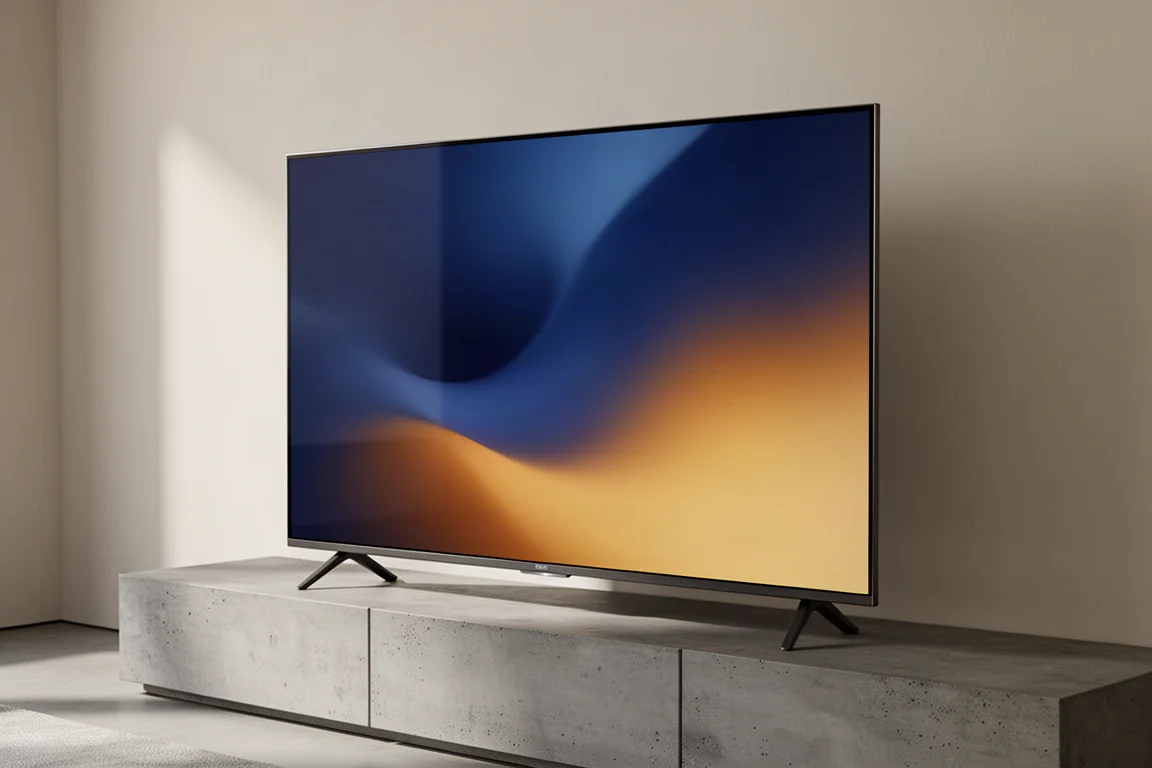
TCL now has a television that sits at the very top of its lineup, and the QM7L sits well below it in price and specification. Neither of those facts answers the question most buyers actually have, which is which TCL makes the most sense to buy today.
The 75-inch QM7L is the interesting one. On TCL’s own website it costs $300 less than the comparable 75-inch QM8L, a model that already delivered much of the flagship experience for considerably less money than the range-topping set. That price gap raises a simple question: what are you actually giving up?
On paper, the main differences are peak brightness and the number of discrete dimming zones. The QM8L also steps up to TCL’s TSR AI Pro processor and a WHVA 2.0 Ultra panel, while the QM7L uses the standard TSR AI processor and an HVA 2.0 Pro panel. Whether those upgrades matter in a normal living room is a separate question from whether they look better on a specification sheet.
Who the TCL QM7L Is For
The QM7L suits viewers who want a bright, punchy mini LED picture without paying for every last increment of performance. It is aimed at people who stream across several apps, watch broadcast television, and want the set to look good the moment it comes out of the box.
Setup is straightforward. You can mount it or use the included legs, then work through Google TV. There is also a Basic TV option during initial setup for anyone who would rather bypass many of the connected smart features, which is a genuinely useful choice. The television defaults to its Standard picture profile, and it is easy to see why most people leave it there: it is bright, punchy, slightly cool in tone, and has the kind of immediate pop that looks good in a bright room or while flipping through streaming apps at night.
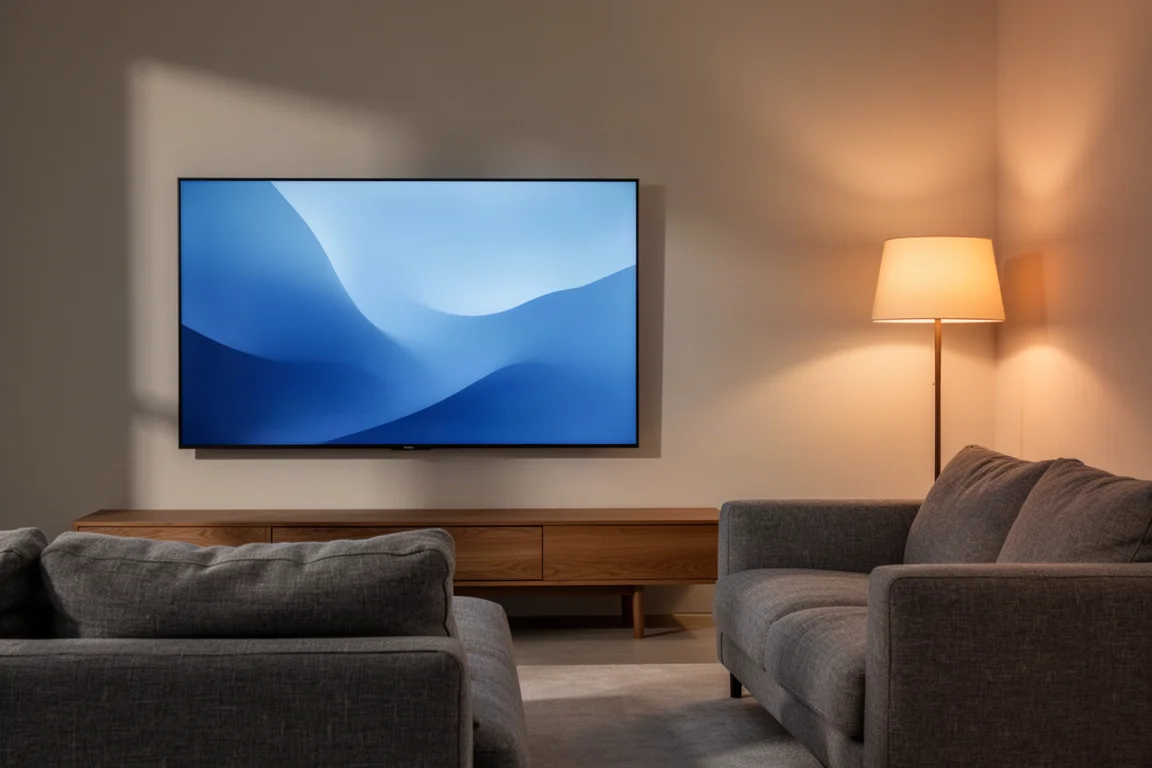
For that kind of viewing, the default look will feel right. The QM7L is built for this audience rather than for anyone planning to chase the final few percent of measured accuracy.
Brightness and Picture Quality
Brightness is one area where the QM7L appears to outperform its own paperwork. TCL’s specification sheet claims up to 3,000 nits of peak brightness. With the brightness, backlighting and dynamic contrast aids maxed out, measurement recorded 3,800 nits, before the set settled into a more sustained 2,800 to 3,000 nits. Even the sustained figure is very bright.
Peak brightness, even sustained peak brightness, is not the same as full-screen brightness. Full-screen or real-world appreciable brightness for this series falls between 725 and 1,000 nits, which is still strong and bright enough for both SDR and HDR images to be enjoyed in ambient light and even in some brightly lit rooms without running the television flat out all the time.
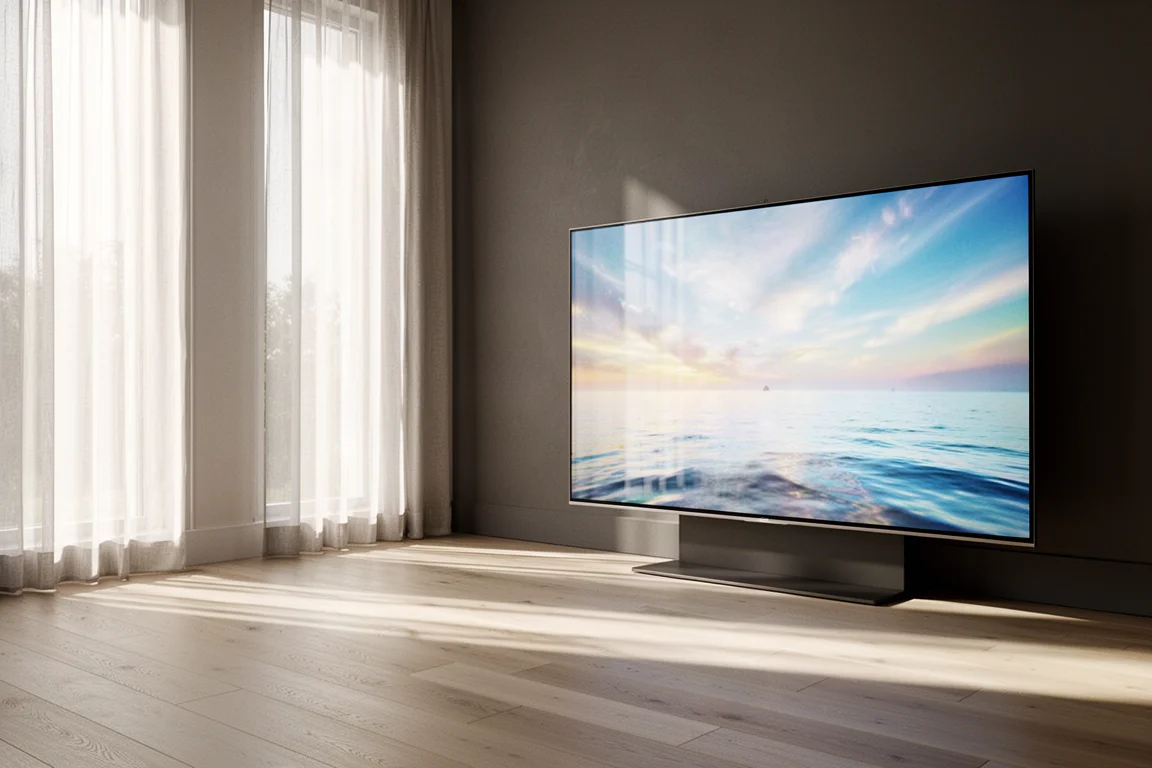
The QM7L makes its strongest case when you simply sit down and watch. Streaming, physical media and broadcast television all looked right in either Filmmaker mode or Dolby Vision Dark. Across a wide range of material, it never came across as meaningfully less capable in dynamic range, contrast or color accuracy than the slightly more expensive QM8L. Colors, especially primaries such as red and blue, carry the hint of added brilliance that has become characteristic of TCL sets while staying accurate. Skin tones have an organic quality and do not push too green or too yellow when moving from a vivid or standard mode into something more accurate.
Out-of-the-Box Accuracy and Color Coverage
The best picture profile out of the box is Filmmaker mode. In that mode the QM7L meets the standard for being accurate without additional adjustment or calibration, aside from possibly raising the brightness. Filmmaker mode measured only 200 nits by default, which was clearly an energy-saving brightness setting, confirmed by the green leaf icon shown next to the brightness value.
Accuracy is not limited to SDR. In HDR10, the Filmmaker profile measured a Delta E of three for grayscale and two for color. Dolby Vision IQ and Dolby Vision Bright were less accurate, while Dolby Vision Dark came in at roughly three for grayscale and three for color. Unlike SDR Filmmaker mode, both HDR10 and Dolby Vision came out of the box with higher brightness settings. The Standard profile, by contrast, measured a Delta E of nine for grayscale and 12 for color, a clear signal that it prioritizes pop over precision.
TCL makes strong claims about color coverage on its new SQD mini LED models, including 100% BT.2020. Measured coverage came in at 91% of BT.2020 and 98% of the smaller P3 space. Methods for obtaining these figures vary between tests and even between panels, and 91% is still strong enough that most viewers are unlikely to feel shortchanged in real-world use.
Things to Consider Before Buying
Panel uniformity is good rather than great. Solid color full-screen test patterns reveal a noticeable vignette around all four edges of the screen, which can show up in brightly lit scenes, full-screen graphics, news broadcasts and commercials. It is not a deal breaker, since plenty of LED-based televisions show similar or worse vignetting, and the QM8L was no better or worse in this regard.
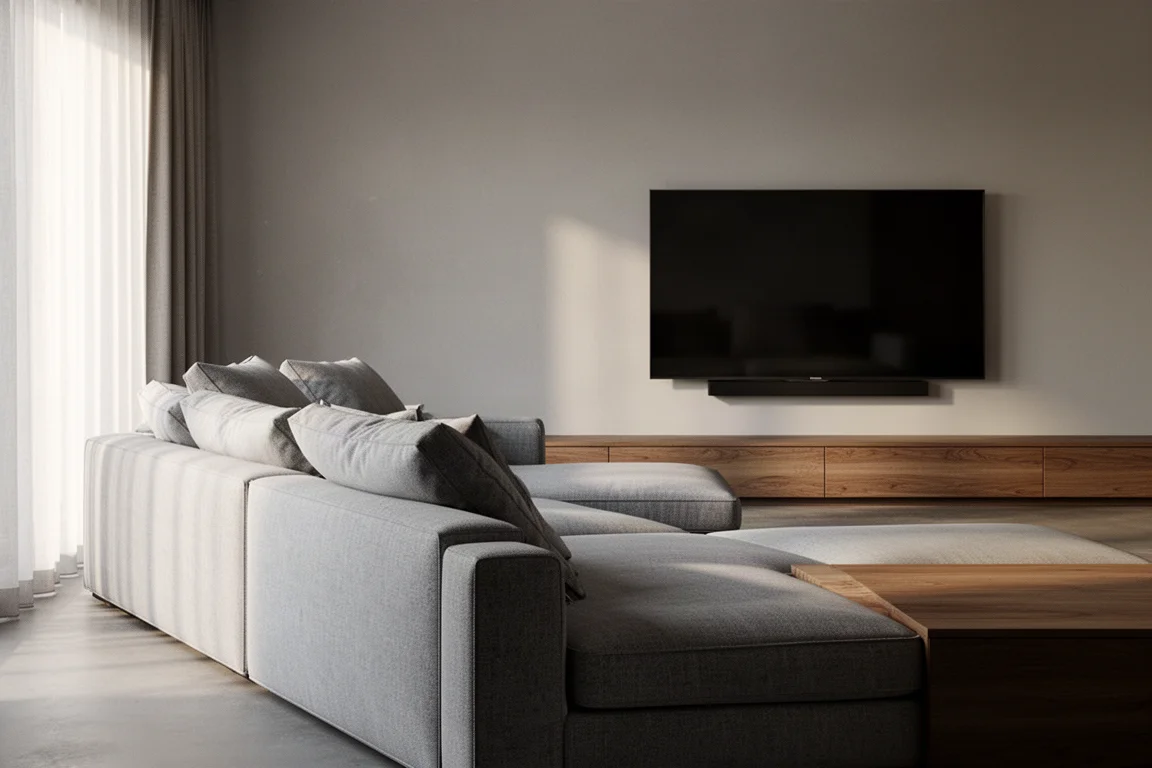
Off-axis viewing is a shared limitation. Despite the upgraded panel on the QM8L, both models weaken in contrast, shift in color and take on a purplish tinge when you sit far off to one side. Across the width of a 7 to 8 foot sofa, most viewers will not run into real problems, but on an L-shaped sofa the seats on the return side may leave guests with a very different impression of the film you just watched.
Blooming is handled well without being perfect, and this is where the QM7L’s lower dimming zone count shows up as a small step behind the QM8L. That difference on its own is not big enough to justify an extra $300 unless you know you watch a lot of subtitle-heavy content. Fast motion is the other area to weigh carefully. Whip pans, fast-moving cars and strong vertical lines such as track boundaries and fencing looked rough, with ghosting, edge-related motion artifacts and compression artifacts appearing once the action really got going. Colors and contrast stayed punchy and vibrant in those same scenes.
Gaming, Upscaling, and Everyday Use
For casual gaming the QM7L is fine, even at higher frame rates, and it is a pleasant screen to spend a few hours in front of. Upscaling and processing perform more or less the same as the QM8L in everyday use. The QM7L does a very good job cleaning up lesser-quality signals such as older standard-definition content and early Blu-ray. The QM8L may be slightly better here, but the gap when processing legacy content to 4K is not night and day.
Buying Advice
What you give up by choosing the QM7L comes down to peak brightness, dimming zones, the TSR AI Pro processor and the WHVA 2.0 Ultra panel. In everyday viewing, color values and black level rendering are not appreciably different between the two. The most visible difference is overall brilliance: the QM8L’s higher light output produces a slightly noticeable difference in perceived saturation and overall richness when the two are compared side by side. For some buyers that is worth the extra $300, and for others it is not.
The QM7L also makes its drawbacks easier to live with, because it costs less to begin with. If you are shopping for a mini LED television and you do not want to spend flagship money or spend your evenings hunting for differences in TV technology that may not matter to you long term, the QM7L deserves a place on your shortlist.
One wider consideration for 2026 is whether to buy an SQD mini LED set now or wait for RGB mini LED models to become more widely available. Both technologies have advantages and disadvantages. SQD mini LED shows little if any color crosstalk or bleeding, and while crosstalk can be observed on RGB mini LED sets, it is not as significant an issue in everyday viewing as it is sometimes made out to be.
Conclusion
The QM7L is not the best television money can buy, and it does not pretend to be. It offers strong everyday performance, good picture quality and excellent brightness, with just enough of what makes TCL’s more expensive models special, without asking you to pay for every last ounce of performance. Its shortcomings are real but easy to forgive at this price, and for most viewers that is exactly what makes it work.
Product link
View more details for TCL QM7L
This product is mentioned in the review. Check the specifications, options, and compatibility before buying.
View more details for TCL QM7LFurther reading
Related Reviews
TVs
Best Sony XR TVs Compared: X90K, X95K, A80K, A90K, A90J, A95K and Z9K
A practical guide to Sony's XR television range, from the value-focused X90K to the 8K Mini LED Z9K, with clear advice on which model suits which room.
TVs
Hisense 100UR8SG Review: A 100-Inch RGB Mini-LED That Takes On OLED
A 100-inch RGB mini-LED television with measured peak brightness of 3,850 nits, wide color volume, and a price far below large-format OLED.
TVs
Hisense U9 vs Hisense U8 vs Samsung S90C OLED: Which TV Is Worth Buying?
A practical comparison of two Hisense RGB Mini-LED televisions and an OLED alternative, with real strengths, trade-offs and a clear buying recommendation.