TVs
TCL 98QM850G Review: A 98-Inch Mini LED TV That Earns Its Size
A 98-inch mini LED television with 2,300 dimming zones, strong out-of-the-box accuracy and capable gaming support, plus the off-axis viewing trade-off to plan around.
Introduction
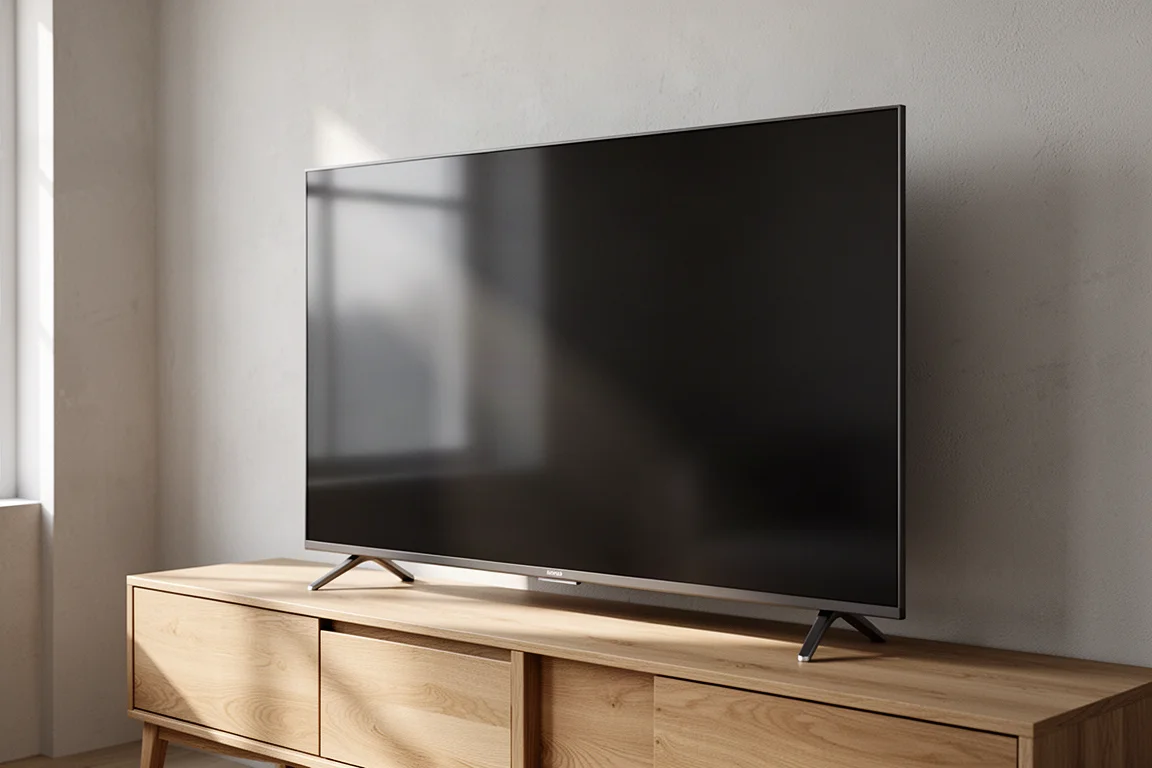
The Q Class sits at the top of TCL’s range of genuinely giant 4K televisions, and the 98QM850G is the clearest expression of what that range is about. It pairs a 98-inch mini LED panel with 2,300 full array local dimming zones and a claimed peak brightness of up to 2,000 nits. Those figures are remarkable for any television, and they exist for a practical reason: HDR formats such as Dolby Vision need brightness headroom to look convincing across a screen that fills an entire wall.
TCL delegates control of the mini LEDs, video processing and upscaling to its third generation AQ processor, and runs Google TV as the day-to-day operating system. The panel has a native 120Hz refresh rate, with user-adjustable settings that can produce motion rates as high as 480.
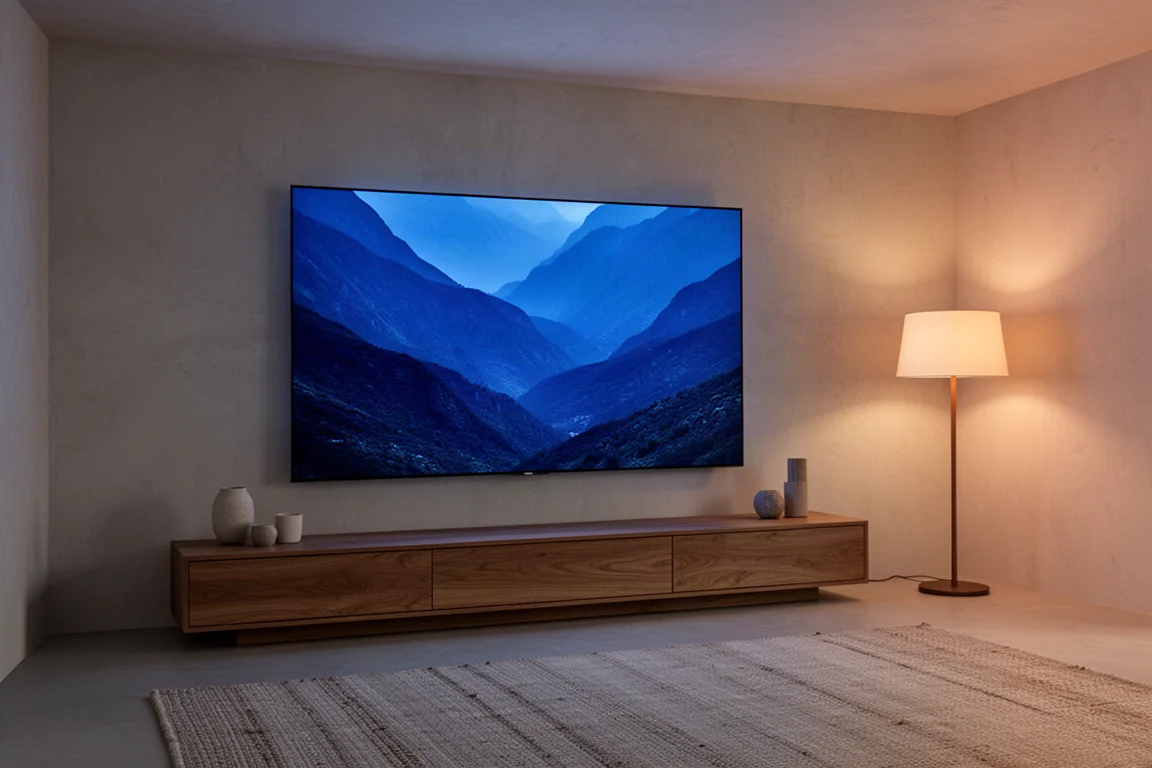
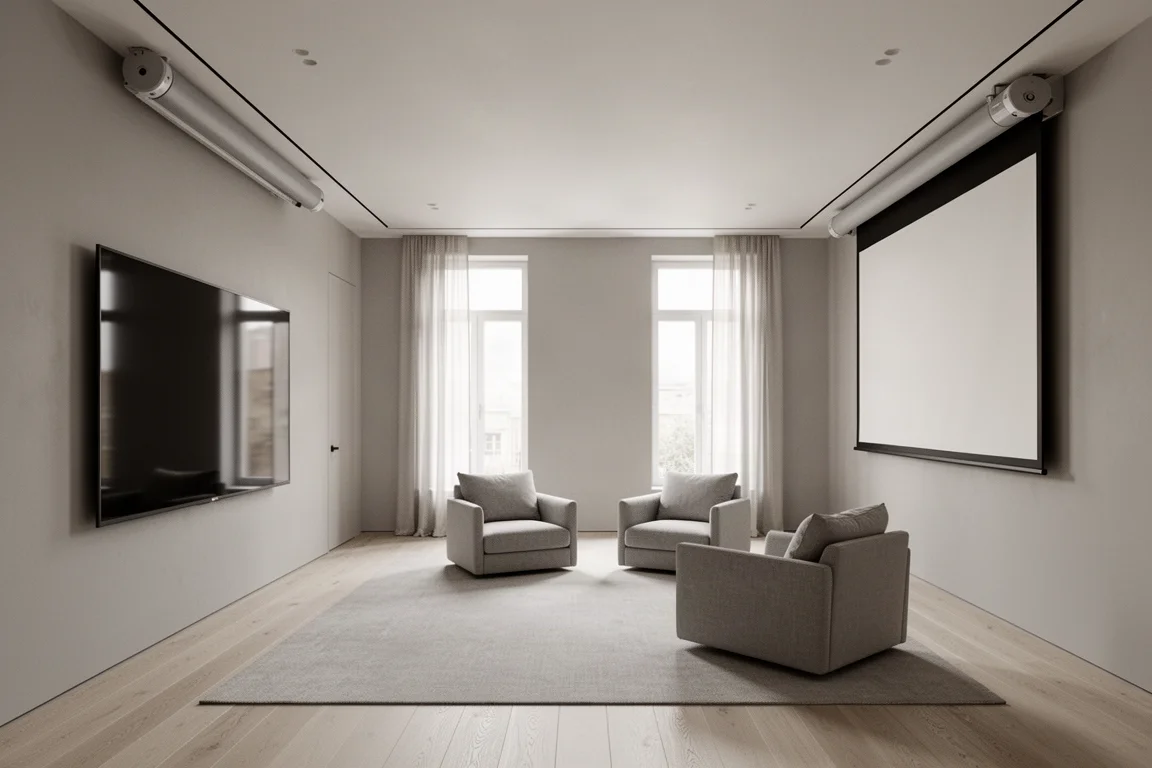
For anyone weighing a very large television against a projector, the 98QM850G is a useful case study. It delivers big-screen scale without a separate screen, without a mounting decision for a projector, and without the strict light control that front projection usually demands.
Who This Product Is For
This is a television for a room that can accommodate it and seating that faces it. Straight-on viewing rewards the 98QM850G with the accuracy and contrast it was built to deliver, and every seat on a four or five seat sofa lined up in front of it will see essentially the same picture.
It suits viewers whose library leans on 4K and 1080p material. Native 4K content looks best, 1080p scales up very well, and 4K sports in particular look excellent. Gamers who play single-player or non-competitive titles will find plenty to like too, thanks to responsive input, a 120Hz panel and deep contrast in dark scenes.
It is a harder recommendation for anyone who sits off to the side on a sectional, or on a separate lounge chair, and for households where most viewing happens on 720p broadcast channels or lower-resolution streams. In those situations the display’s strengths go largely unused, and a smaller or less expensive set may be the more sensible purchase.
Main Strengths: Picture Quality and Brightness
Picture accuracy out of the box is the first thing worth calling out. The Movie picture profile met the standard of a calibrated picture without any adjustment, with grayscale and white point accuracy landing at a margin of error of roughly 3 and color accuracy at 1.8. After calibration those figures improved to 2.4 and 1.2. In practice that means a rich, natural-looking image with convincing gradation straight out of the box, and little pressure to pay for a professional calibration, since a margin of error at or below 3 is difficult to improve in a way most people can actually see.
Brightness is the headline specification, and TCL’s claimed 2,000 nits is not misleading. Real-world output sits closer to about 1,300 nits in the Movie profile with the backlight set between 80 and 100 and the dynamic brightness and contrast aids set to low. Pushing every setting to maximum does get closer to the claimed figure, but the image begins to degrade, and 1,300 nits is already extremely bright in a normal room.
For a display this large, that is more than enough to enjoy both standard dynamic range and HDR content without a lot of fuss. It is an easy television to live with day to day, and it does not ask you to keep returning to the settings menu, which is what most buyers expect at this level.
Main Strengths: Motion, Gaming and Connectivity
Motion handling is another clear strength. Movies, games and sports broadcasts all look close to perfect to the naked eye, and sports in particular are smooth and free of judder, which makes this one of the more enjoyable sets for watching a game. The 120Hz native refresh rate, and the option to push motion rates higher, give you room to tune the picture to taste.
Gaming support is comprehensive. Two of the four HDMI inputs are HDMI 2.1 capable, and the set supports auto low latency mode, variable refresh rate and AMD FreeSync Premium Pro. Competitive first-person shooters still favour a smaller monitor, because a screen this size pushes peripheral information further from your crosshair, but for everything else the experience holds up well: aiming feels responsive, the 120Hz panel keeps motion blur in check, and deep blacks make dark, atmospheric games genuinely immersive.
Connectivity and smart features are equally complete. Google TV provides access to the major streaming services, including Apple TV, without a separate streaming device. Chromecast and AirPlay handle casting from a phone or laptop, Bluetooth 5.2 is on board, and the set works with Alexa, Google Assistant and Apple HomeKit for voice control. Soundtracks can be passed to a receiver or processor over ARC and eARC for Dolby Atmos, though it is worth noting that the ARC and eARC input is not one of the two HDMI 2.1 ports.
Things to Consider Before Buying
Off-axis viewing is the clearest weakness. Grayscale and color accuracy fall away as soon as you move off a straight-on position, and a green and purple cast, visible posterization and false color appear at wider angles. This is one of the weaker performers in that specific respect, and it is the single biggest reason to think carefully about your seating layout before buying.
Screen uniformity is good, arguably a little above average, but not excellent. Full-screen white and 50 percent gray test patterns reveal some brightness uniformity issues and vignetting. Everyday content hides most of this, so it matters far more to viewers who scrutinise test patterns than to people watching films and sport.
Blooming control is respectable without being class-leading. The 98QM850G sits roughly on par with, or just behind, a Sony X95L mini LED reference display, and behind both OLED and the Hisense 85UX. In low-light scenes with subtitles the set still does well, and blooming is rarely a distraction in normal viewing.
Upscaling is a mixed picture. Standard definition and HD content are handled admirably, and 1080p scaled to 4K looks genuinely good, but processing is not in the same league as Sony’s. A 720p broadcast does not reach the fidelity of native 4K, and while the softer image becomes tolerable over time, a set this size is hard to justify if the majority of your viewing will be at 720p or lower. Lower-bitrate broadcast feeds in general look soft, though that is largely a signal issue rather than a fault of the panel.
Buying Advice
Start with the room rather than the specification sheet. The 98QM850G is at its best when seating is arranged directly in front of it, so a straight-on sofa is close to a prerequisite. If your seating includes a sectional corner or a side chair that will be used often, expect a noticeable drop in picture quality at those positions.
Then look at what you actually watch. If 4K sports, 4K streaming and discs make up most of your viewing, this television will reward you, and 1080p material scales well enough that you will not feel short-changed. If your household lives on 720p broadcast channels, it is worth waiting until higher-resolution options reach your area before spending at this level.
Gamers should split the decision by genre. If you compete seriously in first-person shooters, a dedicated monitor remains the better tool. For single-player titles and casual multiplayer, the 98QM850G is a compelling option, and the immersion that comes from a screen this large and blacks this deep is difficult to match on a smaller display.
Two alternatives are worth knowing about before you commit. TCL’s own 98R754 retails for about $2,000 less, and while it is just as accurate out of the box, it is not as bright and its backlighting is less controlled, which shows up as a less refined image in contrast and perceived clarity. Sony’s 98-inch X90L retails for just under $8,000 but is not a mini LED design, so the TCL should hold the advantage on backlight brightness, while Sony’s processing remains a step ahead. Hisense also offers a 100-inch version of its U8 series at roughly the same cost as the TCL.
Finally, consider what a projection setup would actually involve. Ambient light rejecting screens are more directional than a white screen and tend to have narrower viewing angles than this television, and matching the right screen to the right projector is more complicated than most buyers expect. If you want scale without that complexity, the 98QM850G is a straightforward answer, and the 98R754 remains a sensible fallback if budget is the deciding factor.
Conclusion
The TCL 98QM850G gets the fundamentals right: accurate out-of-the-box picture quality, genuinely high brightness, excellent motion, and gaming support that stands up to scrutiny. Its weaknesses are real and specific, mainly off-axis viewing and processing that trails the best in the business, but they are predictable and easy to plan around. For a large room with seating arranged straight on, and a library built on 4K and 1080p content, it is a confident choice, and one of the stronger arguments for a very large television over a projector.
Product link
View more details for TCL 98QM850G
This product is mentioned in the review. Check the specifications, options, and compatibility before buying.
View more details for TCL 98QM850GFurther reading
Related Reviews
TVs
Best Sony XR TVs Compared: X90K, X95K, A80K, A90K, A90J, A95K and Z9K
A practical guide to Sony's XR television range, from the value-focused X90K to the 8K Mini LED Z9K, with clear advice on which model suits which room.
TVs
Hisense 100UR8SG Review: A 100-Inch RGB Mini-LED That Takes On OLED
A 100-inch RGB mini-LED television with measured peak brightness of 3,850 nits, wide color volume, and a price far below large-format OLED.
TVs
Hisense U9 vs Hisense U8 vs Samsung S90C OLED: Which TV Is Worth Buying?
A practical comparison of two Hisense RGB Mini-LED televisions and an OLED alternative, with real strengths, trade-offs and a clear buying recommendation.