Camping
Tarp Camping Guide: Lightweight Shelter, Real Trade-offs, and When It Works
An honest look at tarp camping benefits and challenges, from weight savings to weather exposure, with practical insights on gear and setup.
Introduction
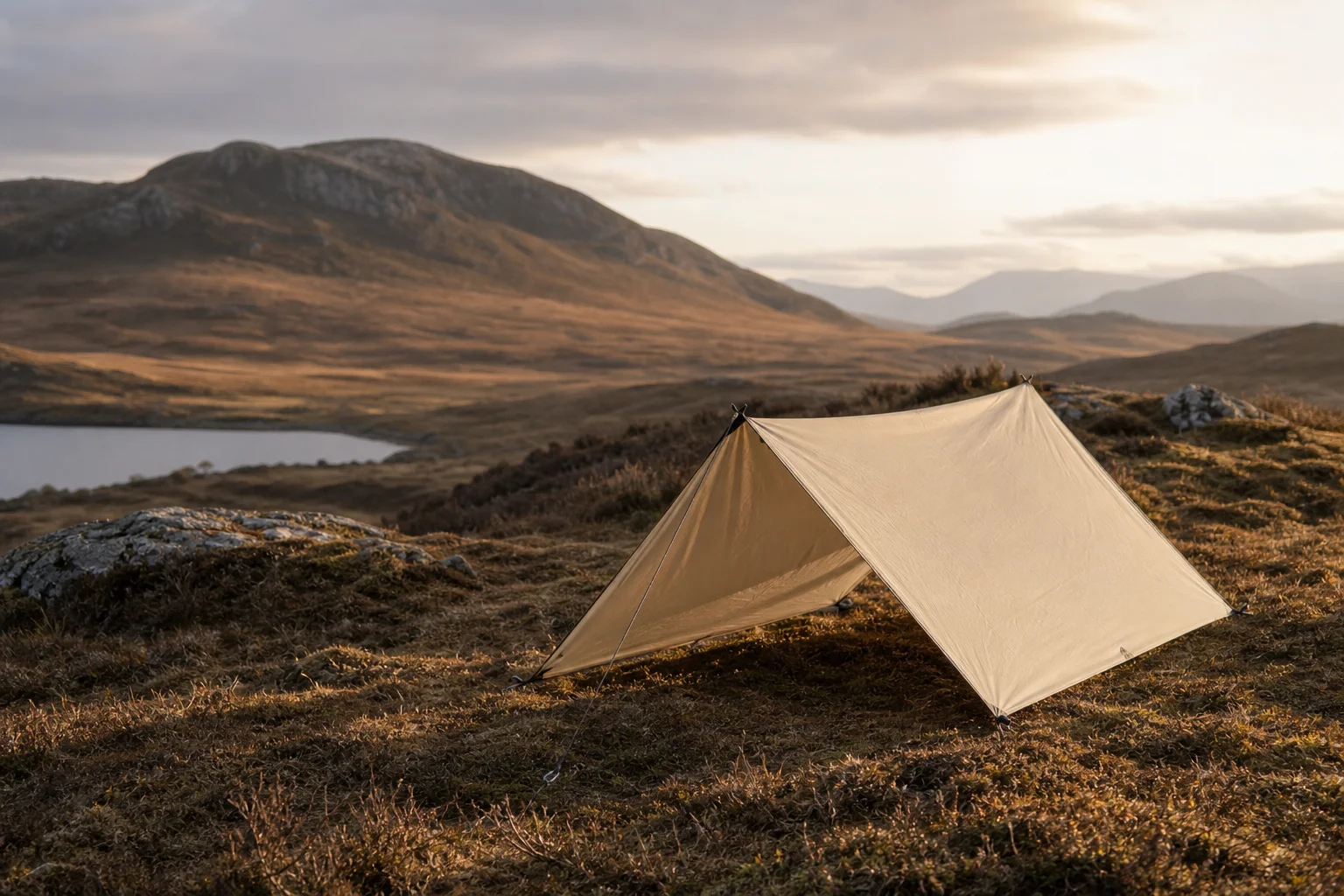
Tarp camping offers a compelling alternative to traditional tent camping, especially for backpackers seeking to reduce weight and pack volume. However, the trade-offs are real. This guide explores the genuine advantages and honest challenges of sleeping under canvas, based on extended field experience across varied conditions.
Why Tarp Camping Appeals to Lightweight Backpackers
The primary draw of tarp camping is straightforward: weight and space savings. A quality tarp shelter weighs significantly less than a comparable tent with poles, ground sheet, and fly. For multi-day treks across open moorland or remote terrain, this reduction translates directly to less strain on your shoulders and hips.
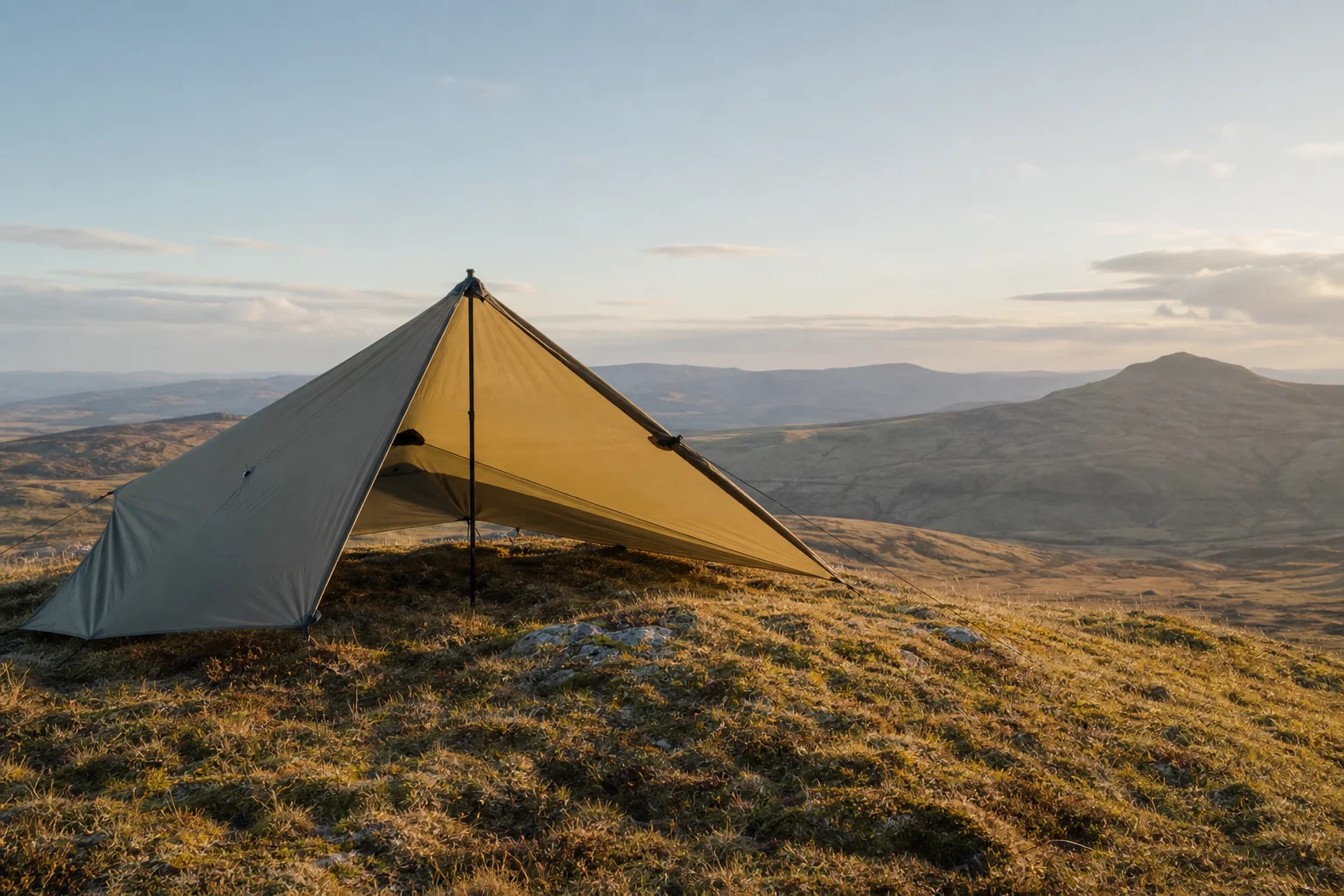
Beyond the numbers, tarp camping creates a different relationship with your environment. You remain open to the elements in a way that tent camping does not allow. There is no mesh barrier between you and the landscape, no enclosed space that can feel claustrophobic on long, confined nights. Many campers find this openness liberating, offering a stronger sense of connection to nature and genuine accomplishment.
Setting Up a Tarp Shelter
Tarp setup varies widely depending on the shelter design and your preferred configuration. A common approach is the ridge or A-frame style, which provides good headroom and weather protection while maintaining an open front for visibility and ventilation.
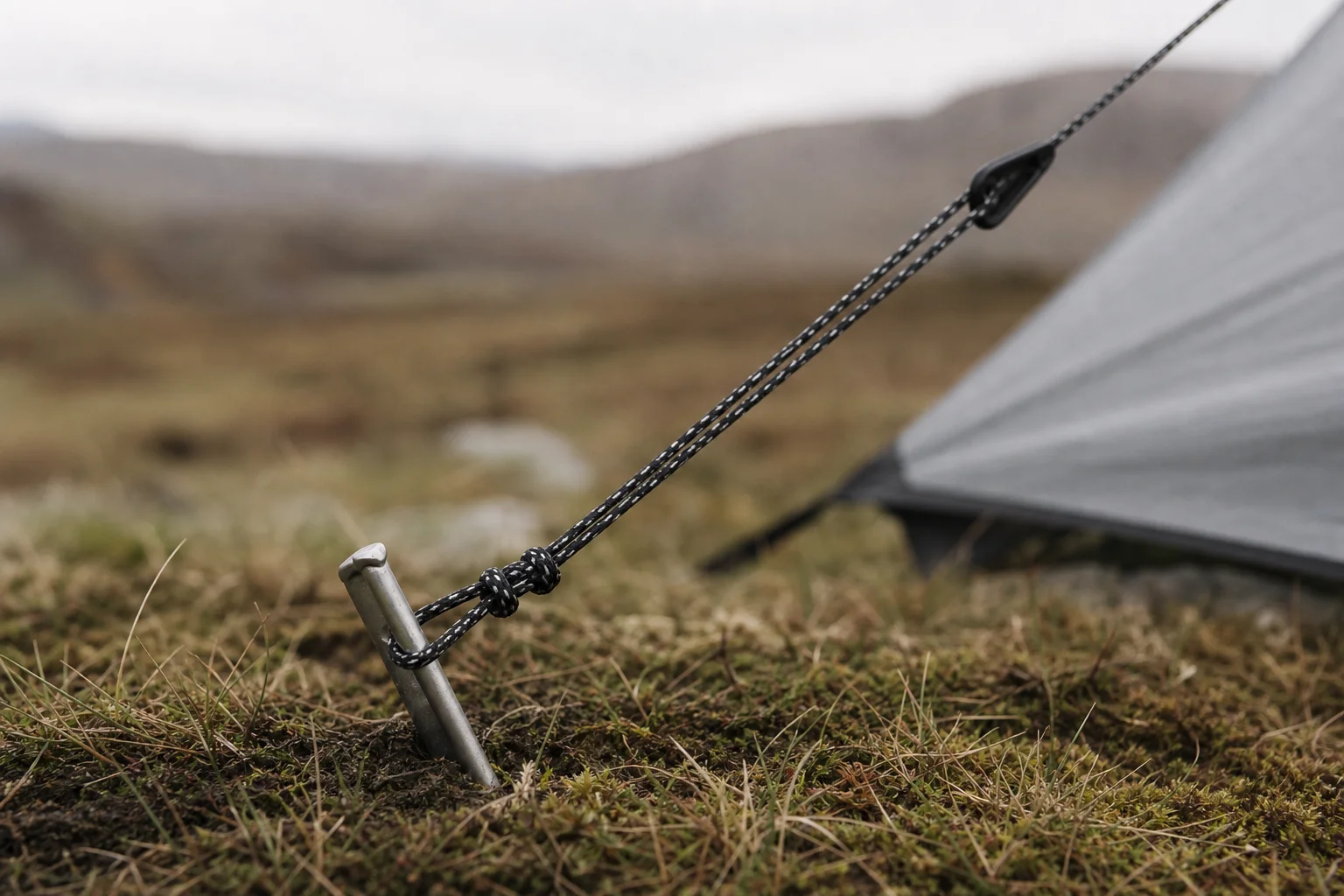
The DD Hammocks SuperLight Tarp simplifies the process compared to traditional two-pole designs. You stake the entire sheet flat to the ground first, then erect poles from inside to build tension. This method is more stable in wind and easier to adjust than untangling multiple guy ropes before pitching. The low doorway helps shed rain and wind, while the sheet extending to ground level on three sides offers excellent weather protection.
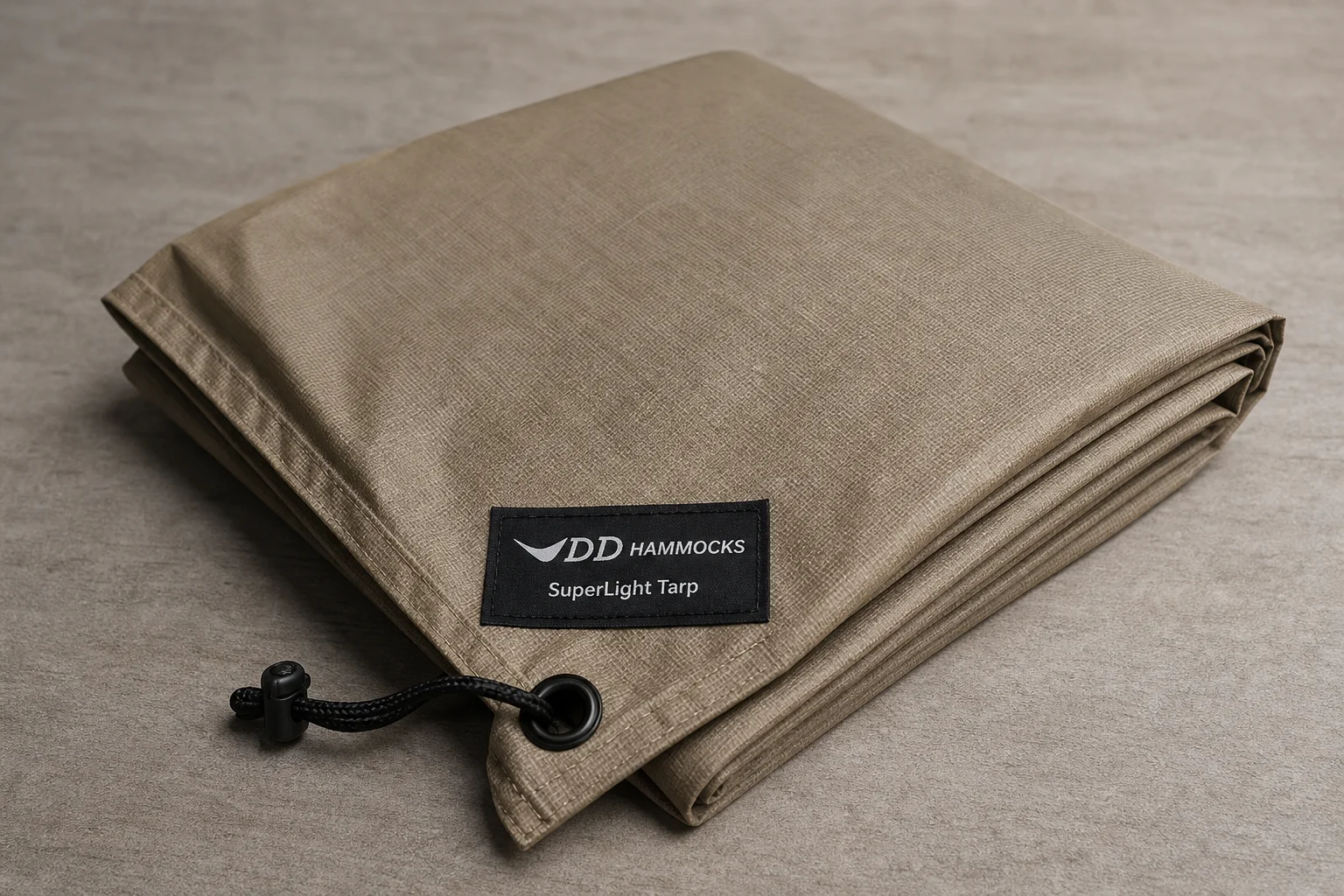
Setup difficulty varies. On your first attempts, you may struggle to achieve the ideal pitch, especially on uneven ground or in poor conditions. However, the learning curve is manageable, and multiple configuration methods exist. Most campers settle on a preferred approach once they understand the fundamentals.
Essential Gear for Tarp Camping Comfort
A quality sleeping pad is non-negotiable. Cheap pads often require doubling up to reach adequate insulation and comfort, creating frustration and poor sleep. Investing in a premium pad like the Therm-a-Rest NeoAir eliminates this problem entirely. A single high-quality pad provides sufficient R-value and comfort for extended use, even in cold conditions.
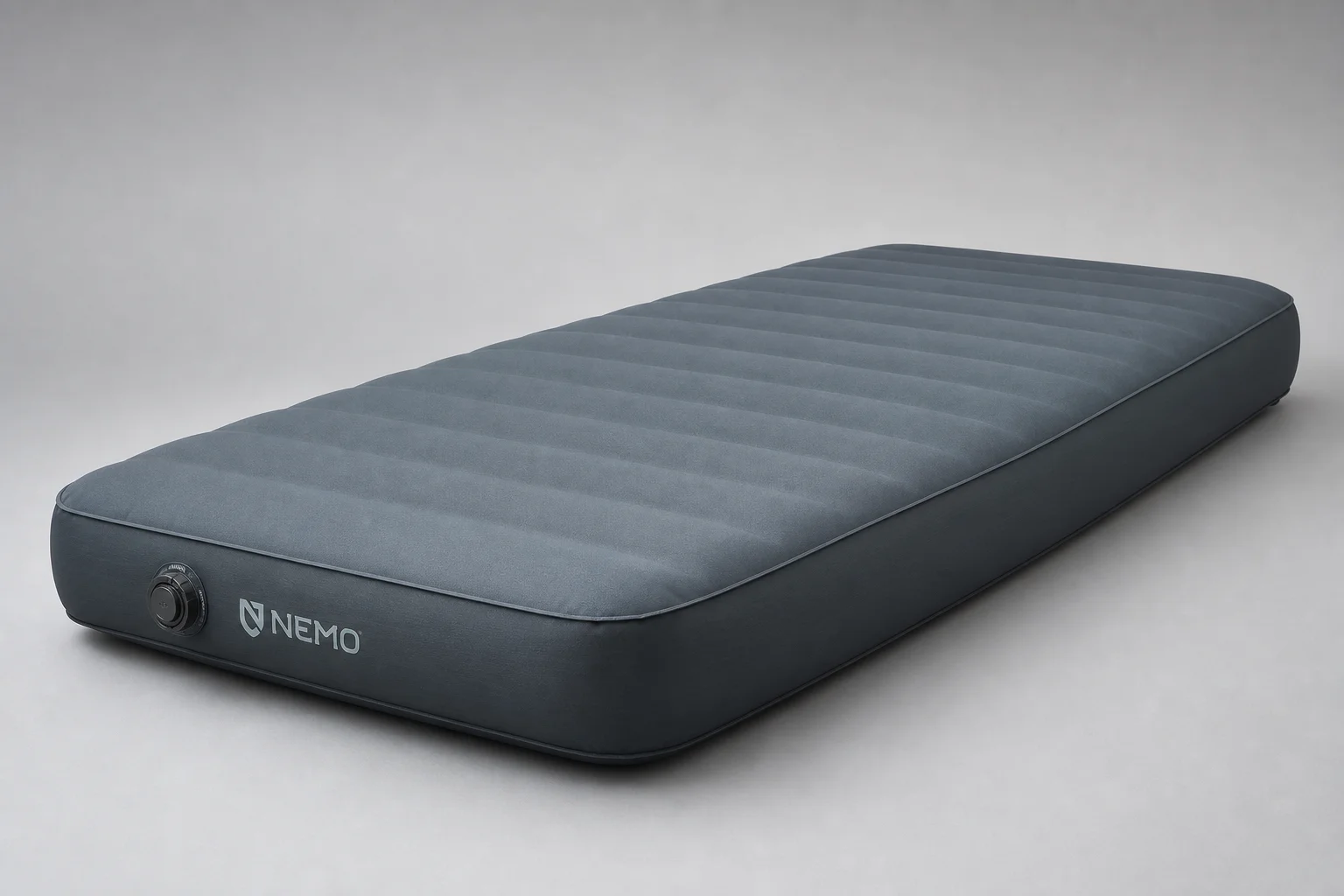
A breathable bivvy bag or sleeping bag rated for your expected conditions completes the core setup. The RAB Survival Zone Lite is a practical choice, offering warmth and weather protection without excessive weight. Together, a quality pad and bivvy bag compensate for the lack of a ground sheet that many tents provide.
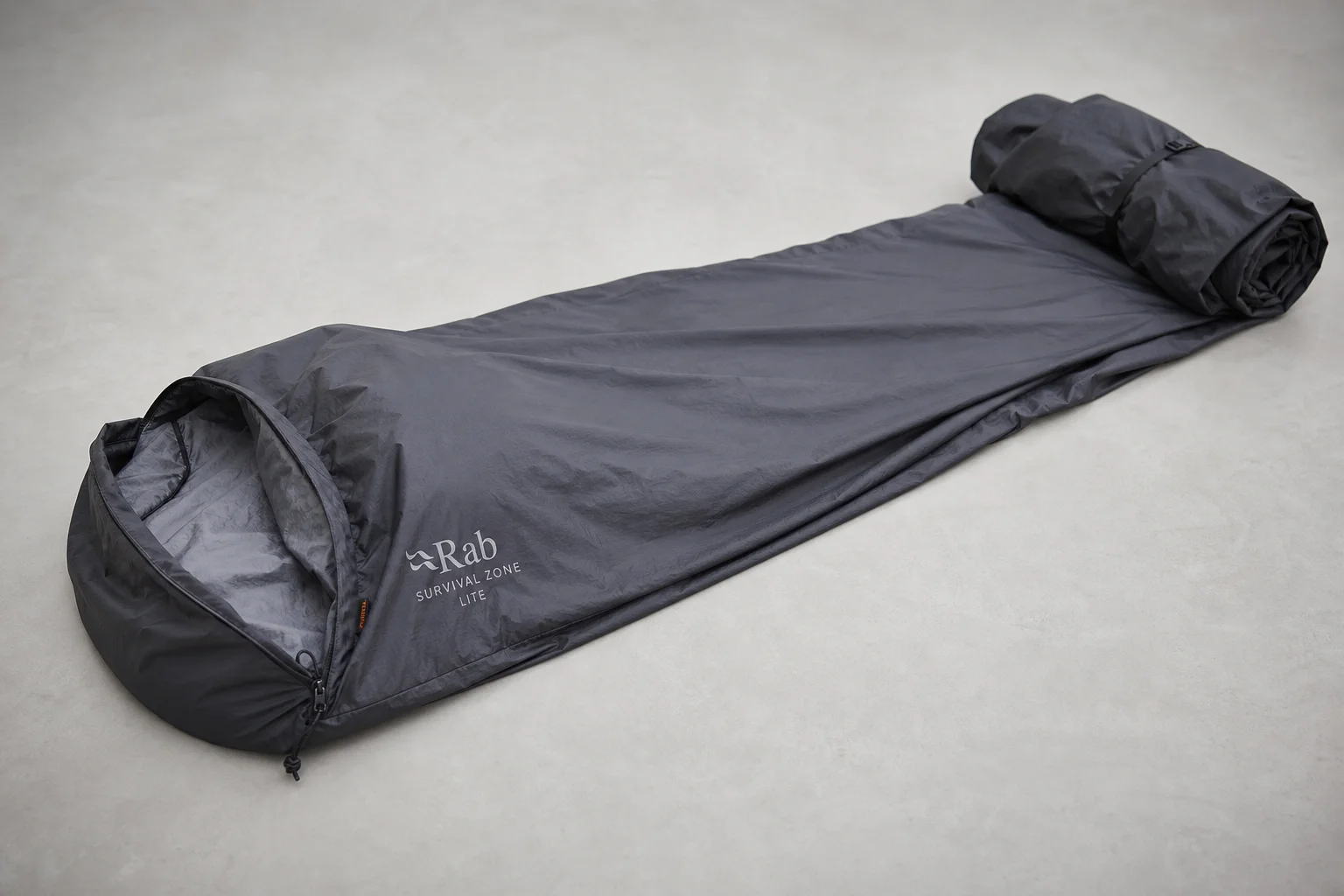
Ground sheets are optional but recommended by many experienced campers. If you choose to skip one, ensure your pitch location is well-drained and elevated. Rolling water and pooling are real risks in heavy rain without proper site selection.
Weight Savings and Practical Benefits
A complete tarp camping setup can weigh as little as 9-10 kilograms for a one-night trip, including all essentials. This is substantially lighter than equivalent tent-based systems. The reduced pack weight means less physical strain, lower injury risk, and greater comfort over long distances.
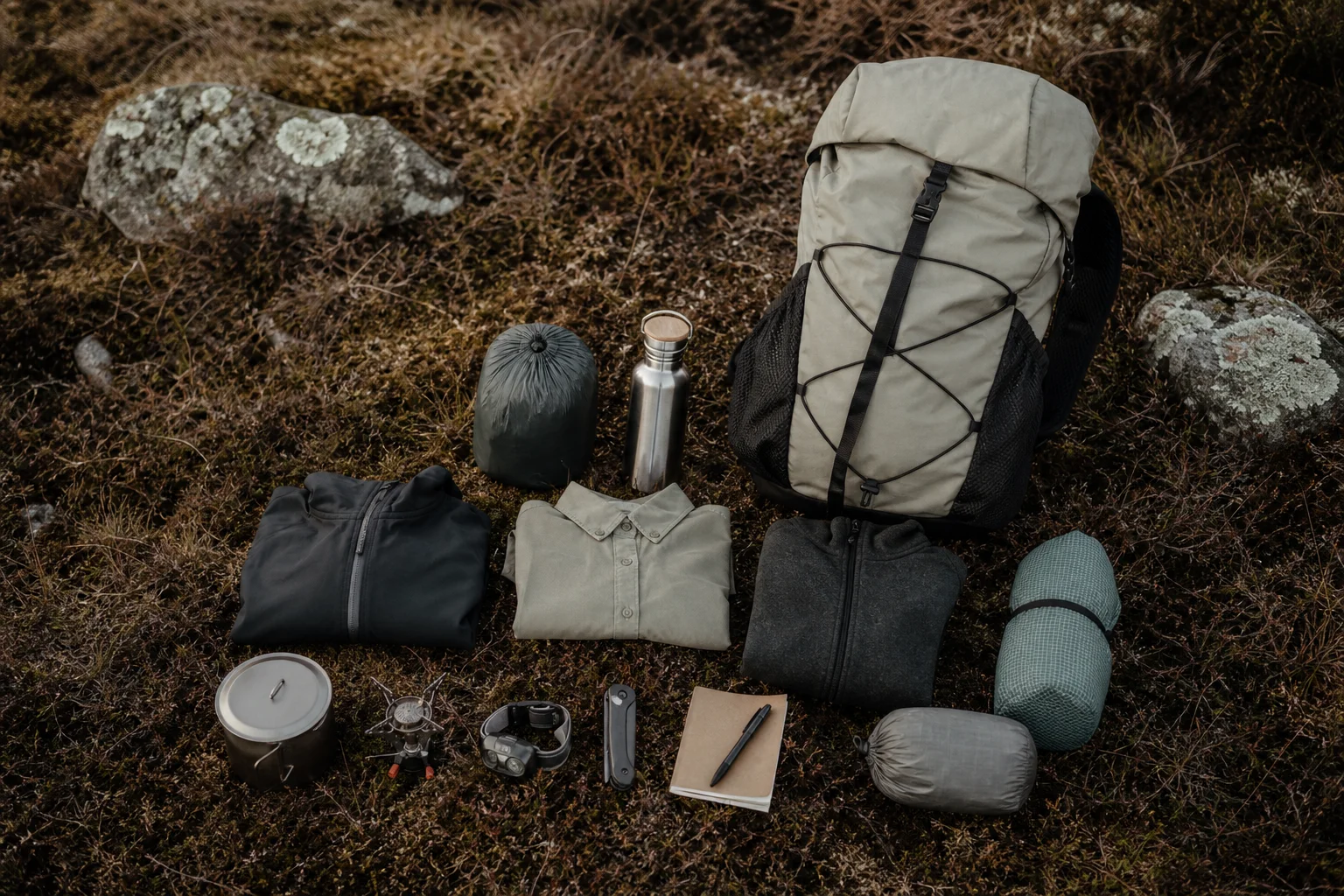
Tarps are also remarkably versatile. You can pitch them over small gaps, in tight woodland, or in minimal spaces where a tent would be impractical. This flexibility makes site selection easier and opens access to more remote or protected locations.
Tarp camping also costs less than quality tent systems, making it an accessible entry point for budget-conscious backpackers.
Real Challenges and Honest Trade-offs
Tarp camping is not universally superior to tent camping. Weather exposure is a genuine drawback. In sustained wind, the canvas flaps and moves, creating noise and discomfort. Wind can blow rain directly into your shelter if the pitch is not optimal. Extreme weather warnings exist for a reason; tarp camping in severe conditions is genuinely unpleasant and potentially unsafe.
Rain pooling is another real issue. Without a bathtub-style ground sheet, water can accumulate beneath you if your site selection is poor or if heavy rain overwhelms the drainage. Wet gear and a soaked sleeping pad ruin the experience quickly.
Setup in darkness is more challenging than with a tent. If you arrive late, pitching a tarp requires more spatial awareness and problem-solving than a simple tent pole assembly.
Wildlife encounters are more likely. Slugs, insects, and other creatures have direct access to your shelter. This is a minor but genuine negative for many campers.
Is Tarp Camping Right for You?
Tarp camping excels in fair to moderate weather, on well-drained sites, with adequate daylight for setup. It is ideal for weight-conscious backpackers, minimalist campers, and those seeking a closer connection to the outdoors.
Tent camping remains the better choice in extreme weather, on wet or poorly drained terrain, and for campers who prioritize comfort and containment over weight savings. The choice is not binary; having both options available allows you to match your shelter to conditions and trip objectives.
Conclusion
Tarp camping offers genuine advantages in weight, space, and cost, along with a unique sense of openness and adventure. The challenges are real but manageable with proper gear, site selection, and weather awareness. If you have not tried it, a lightweight tarp is worth experimenting with. The DD Hammocks SuperLight Tarp is an excellent starting point, and pairing it with quality sleep system components like the Therm-a-Rest NeoAir and RAB Survival Zone Lite creates a capable, comfortable setup for most conditions.
Further reading
Related Reviews
Outdoor Gear
Best Affordable Hiking Watches: Five Rugged Options for Outdoor Adventures
Five durable hiking watches that balance ruggedness, functionality, and value for outdoor enthusiasts who need reliable GPS tracking and weather resistance.
Outdoor Gear
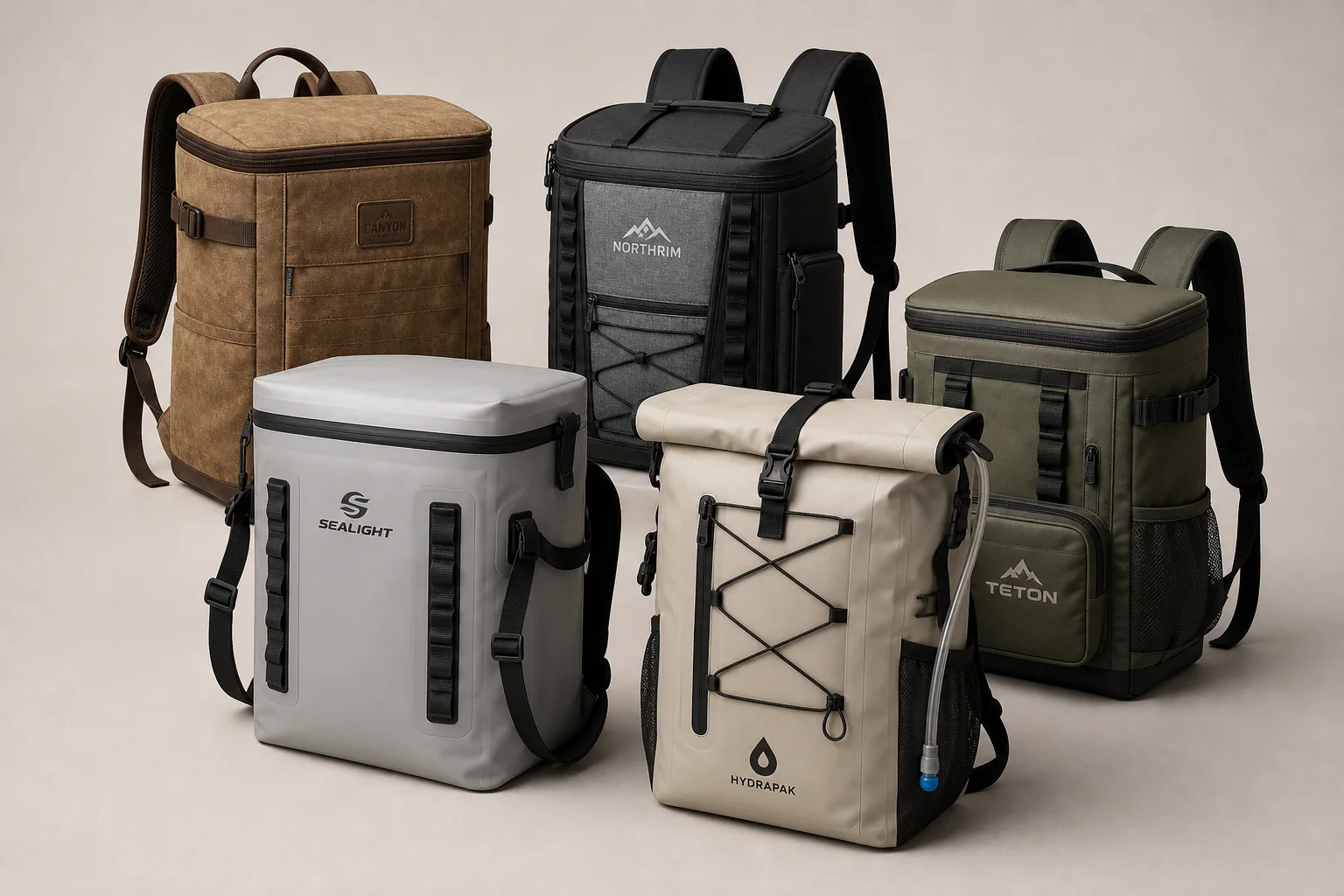
Best Backpack Coolers 2026: Five Practical Options for Outdoor Adventures
Five backpack coolers with distinct cooling capabilities, storage features, and design trade-offs to help you choose the right one for your outdoor needs.
Outdoor Safety
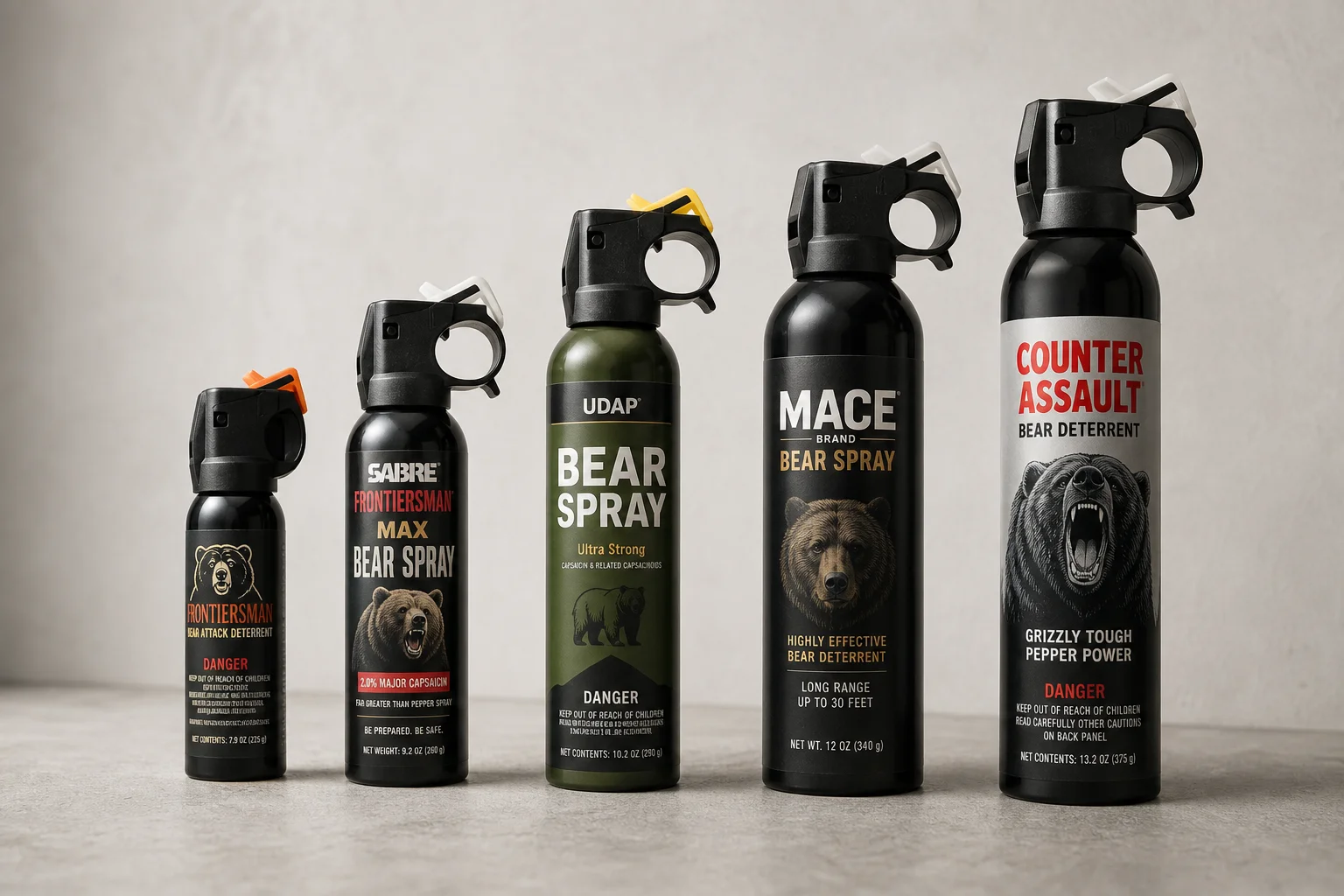
Best Bear Spray 2026: Five Options for Wilderness Protection
A practical comparison of five bear spray products, from compact carry options to maximum-range formulas, with clear strengths and trade-offs for different wilderness scenarios.