Stationery
Takuzuki Tsubutama Ballpoint Pen Review: A Jomon-Era Lacquer Craft, Reborn as a Writing Tool
A hand-lacquered wooden ballpoint pen from the relaunched Takuzuki brand, built with traditional urushi techniques and a precision stainless steel tip.
Introduction
Some pens are bought to write, and some are bought to experience. The Takuzuki Tsubutama, a 47,300 yen hand-finished ballpoint pen from a Japanese woodworking brand that relaunched under the Takuzuki name, sits firmly in the second camp, while still being genuinely pleasant to write with.
Takuzuki was previously known as Wood Bank Craft, a pen-focused brand under Wood Road Co., Ltd., a company that works with wood across multiple business areas. The relaunched brand brings together highly skilled, seasoned master craftsmen, and the relaunch event was held as a reservation-only three-day opening at the store, where many pens sold out on the very first day. This pen is one of the products available from that new chapter.
Who this product is for
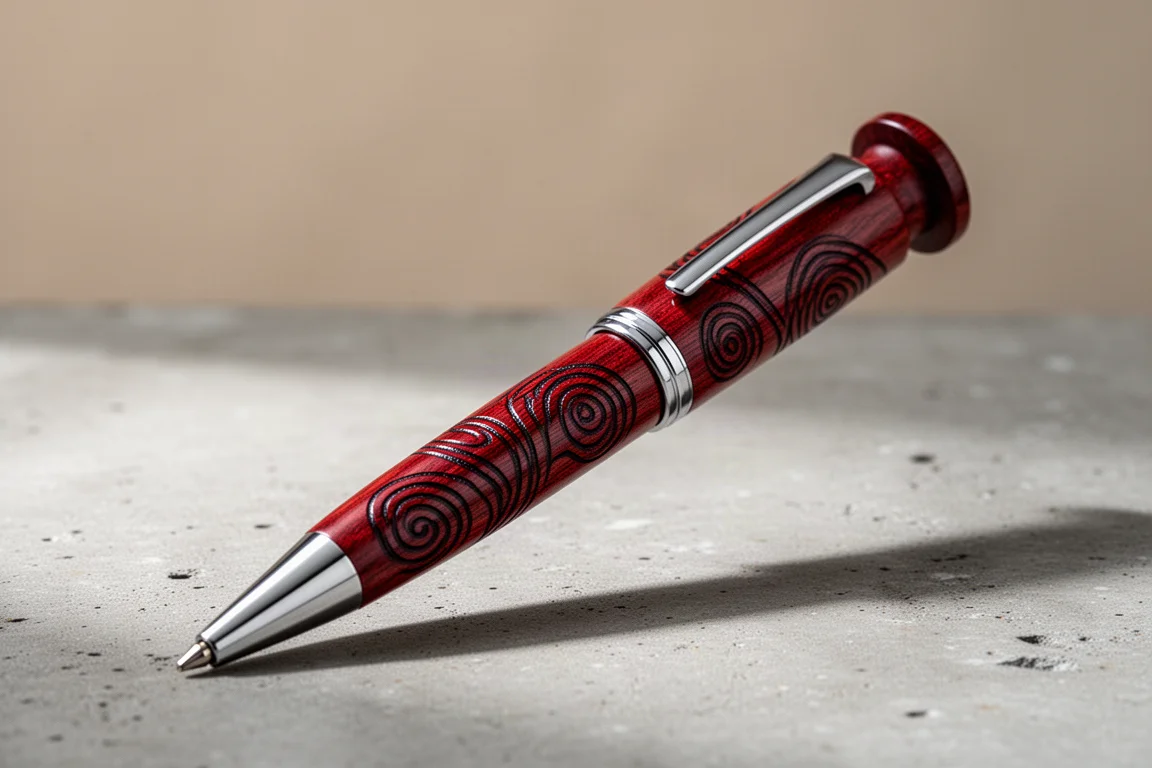
The Tsubutama is a wooden-barrel ballpoint pen built around a striking concept: it uses the lacquer technique found on a red lacquered comb excavated from the Torihama shell mound, a Jomon-period archaeological site in Fukui Prefecture. In the Jomon era, urushi lacquer was used as an adhesive and for decorative objects, and the idea of carrying that technique over to a writing instrument is what makes this pen stand out.
The barrel wood is horse chestnut (buna moku), cut and seasoned naturally by the craftsman for over a year, then coated in layers combining a mineral deposit created by bacteria collected from a river with domestic urushi lacquer. Every pen is finished one by one by hand, so no two are identical.
If you value natural materials, traditional Japanese craft, and packaging that turns unboxing into a ritual, this is squarely aimed at you. If you just want an inexpensive everyday pen, it is not that.
Main strengths
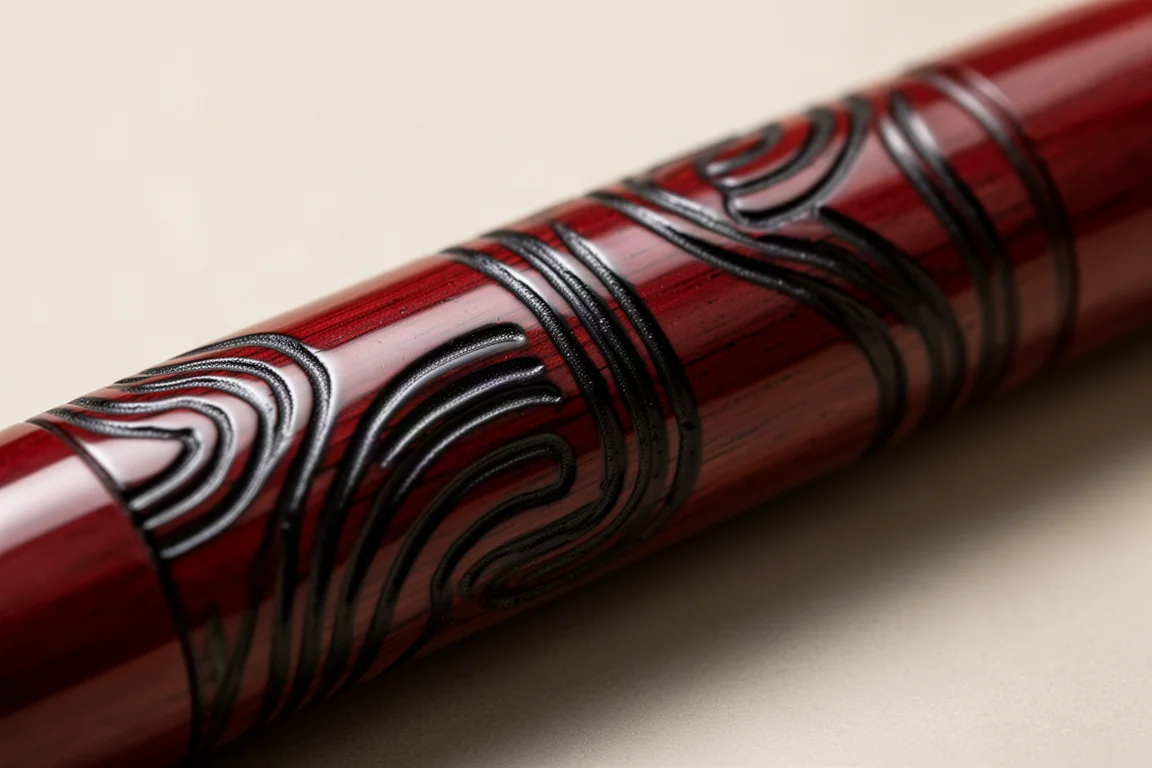
The most impressive part of the pen is the hand-painted Jomon pattern. The craftsman paints each pattern line individually using black urushi, and both the narrow spacing between lines and the precision of the straight strokes are remarkable. Because the pattern is raised lacquer, you can feel the relief under your fingertips, and the surface has a slightly tacky, lightly gripping feel. Even with dry hands, the pen does not slip, which makes it easier to hold than its looks suggest.
The metalwork is equally serious. The tip fitting is machined from stainless steel by the brand’s own metal craftsmen with a 1/100 precision level, and stainless steel is difficult to machine accurately, so it cannot be produced fully automatically; a human hand is always required. The ring and clip are available in eight colors and can be purchased separately and swapped by the user.
The knock mechanism uses a German click mechanism, producing a distinctive, quiet knock with almost no switch-like travel. The push area is wide, so knocking is easy, and the tactile feel is addictive. The pen has a high center of gravity that settles naturally in the hand, and it measures 139mm in length, 28.8g in weight, with a maximum barrel diameter of 11.5mm. It uses widely available G2-type refills, initially fitted with a Jetstream 0.5mm, and the writing experience is smooth and well balanced.
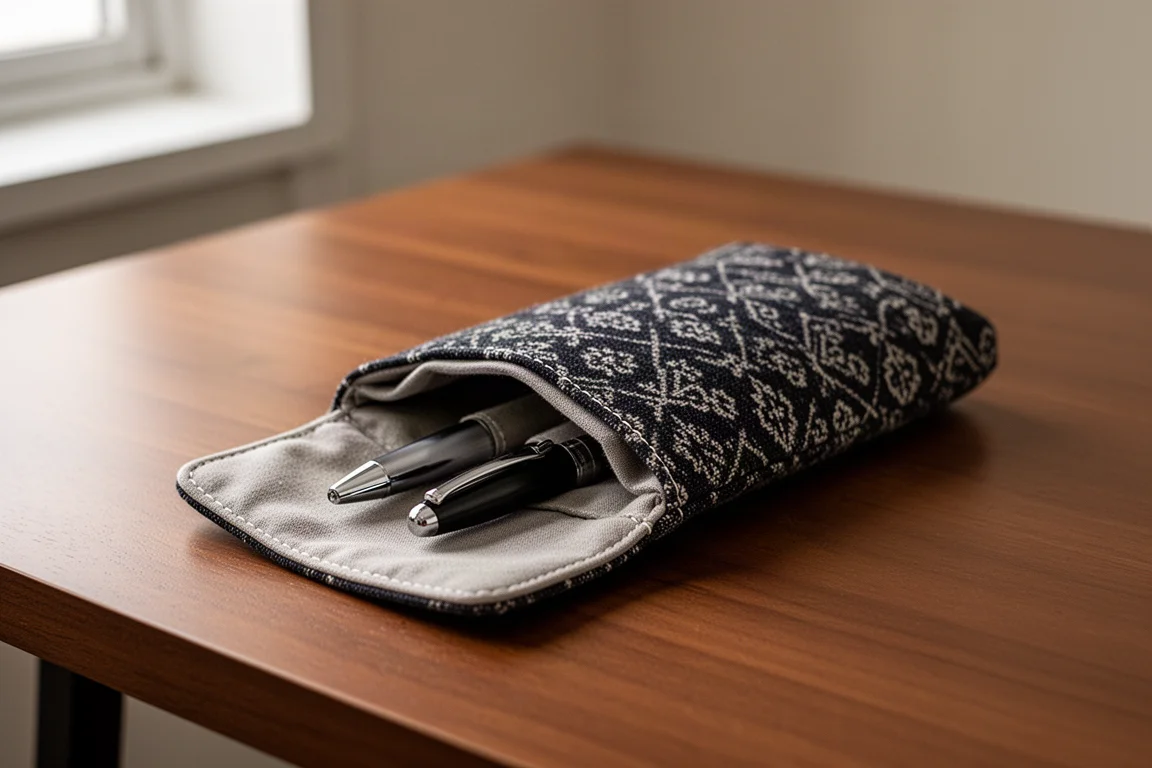
Then there is the packaging. The pen arrives in a tall paper bag with an embossed, three-dimensional logo, and inside is a white paper sleeve bearing the brand mark, designed around the image of the sun and the moon. Removing the sleeve reveals a message card, and the box itself carries a lovely scent: the bottom of the box contains a fragrance compartment plus a wooden pen tray made from a sacred cedar tree. A hand-stitched cloth roll pen case that holds two pens is also included, and every pen comes with all of this as standard.
Things to consider before buying
The paper sleeve fits the box almost perfectly. The bag holds the pen completely fixed with no movement during transport, which is excellent in practice, but there is barely any finger room when pulling the box out. Impatient buyers may find the unboxing a little frustrating, though many will enjoy the deliberate, drawn-out ritual of it.
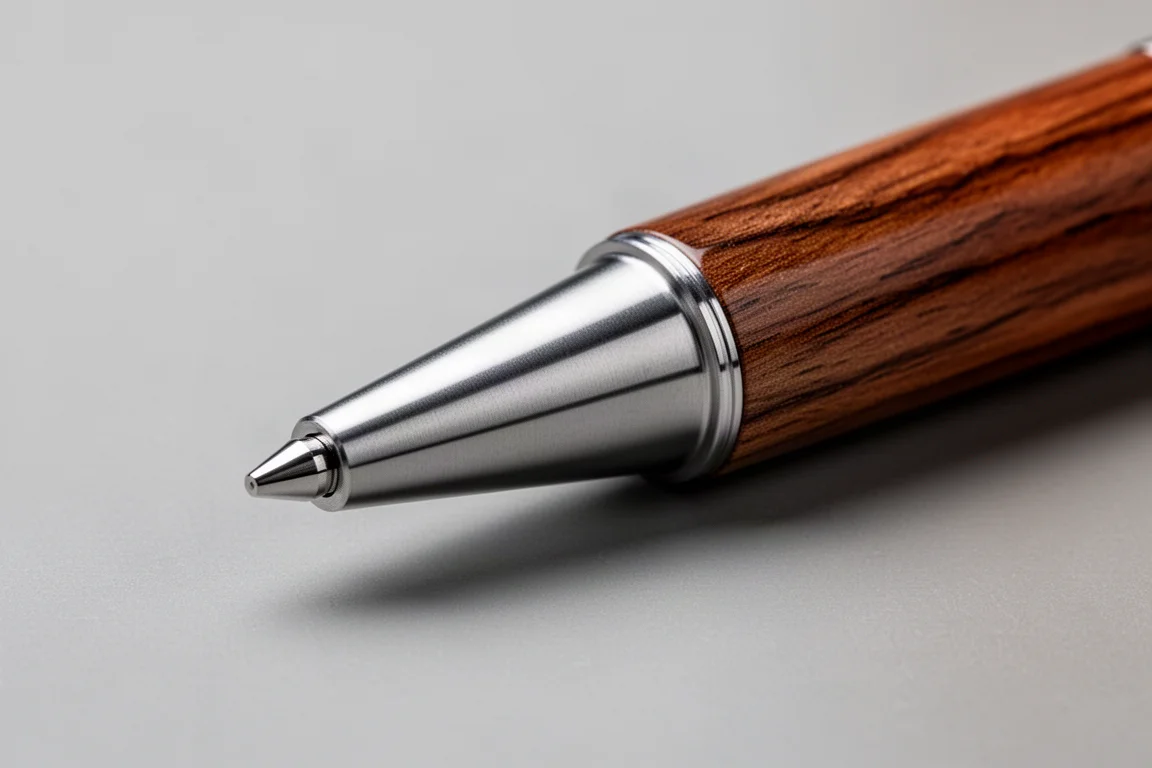
The tip shows very slight wobble, and this is intentional. A completely wobble-free tip is technically possible, but G2-type refills are not always perfectly straight at that section, and individual refills can be slightly angled. If the tip fitting had zero clearance, a slightly angled refill would jam and fail to extend when knocked. The clearance is kept to the minimum necessary for reliability.
The price is the other consideration. At 47,300 yen, this is now positioned as a high-end brand, and the amount is not something to spend on impulse. Judged on whether the product justifies its price, though, the quality holds up.
Buying advice
Buy the Tsubutama if you want a ballpoint pen that doubles as a piece of Japanese craft: hand-painted urushi, hand-machined stainless steel, naturally seasoned wood, and packaging that includes a cedar pen tray, a fragrant box, a message card, and a two-pen cloth case. It rewards owners who slow down and appreciate the details.
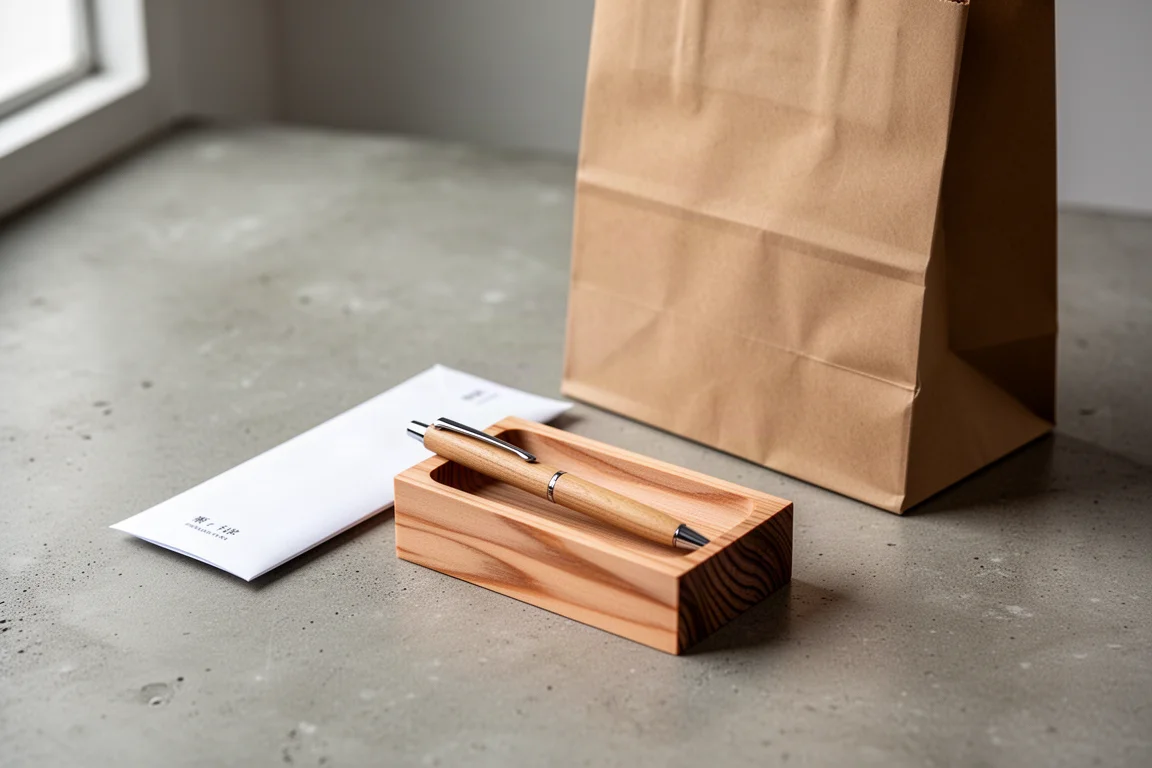
If you prefer a workhorse pen for daily note-taking, or you are unwilling to pay a premium for handcraft, look elsewhere. But if the story and craft speak to you, the writing quality, balance, and refill compatibility make it easy to live with long after the unboxing.
Conclusion
The Takuzuki Tsubutama is a rare thing: a ballpoint pen where traditional Jomon-era lacquer technique, modern machining precision, and genuine writing comfort all coexist. The brand’s commitment to Japanese materials and real craft shows in every part of the product, from the pattern painted one pen at a time to the standard-issue wooden tray. For enthusiasts of premium stationery and Japanese craft, this is about as complete as a pen package gets.
Product link
View more details for Takuzuki Tsubutama Ballpoint Pen
This product is mentioned in the review. Check the specifications, options, and compatibility before buying.
View more details for Takuzuki Tsubutama Ballpoint PenFurther reading
Related Reviews
Stationery
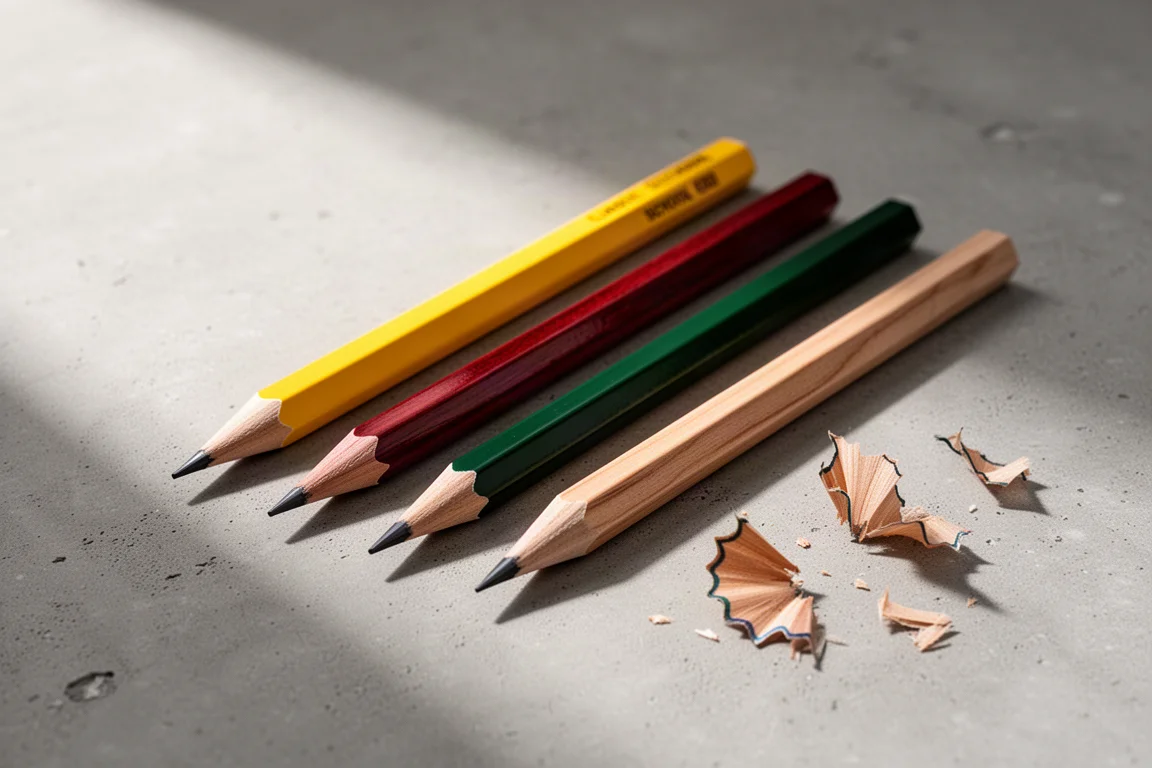
Musgrave Pencils Review: Four Classic Pencils from Tennessee's Last Pencil Factory
We put four Musgrave pencils to paper, from the classic Harvest to the Unigraph 1200 drawing pencil, to see what a century-old Tennessee workshop can still do.
Stationery
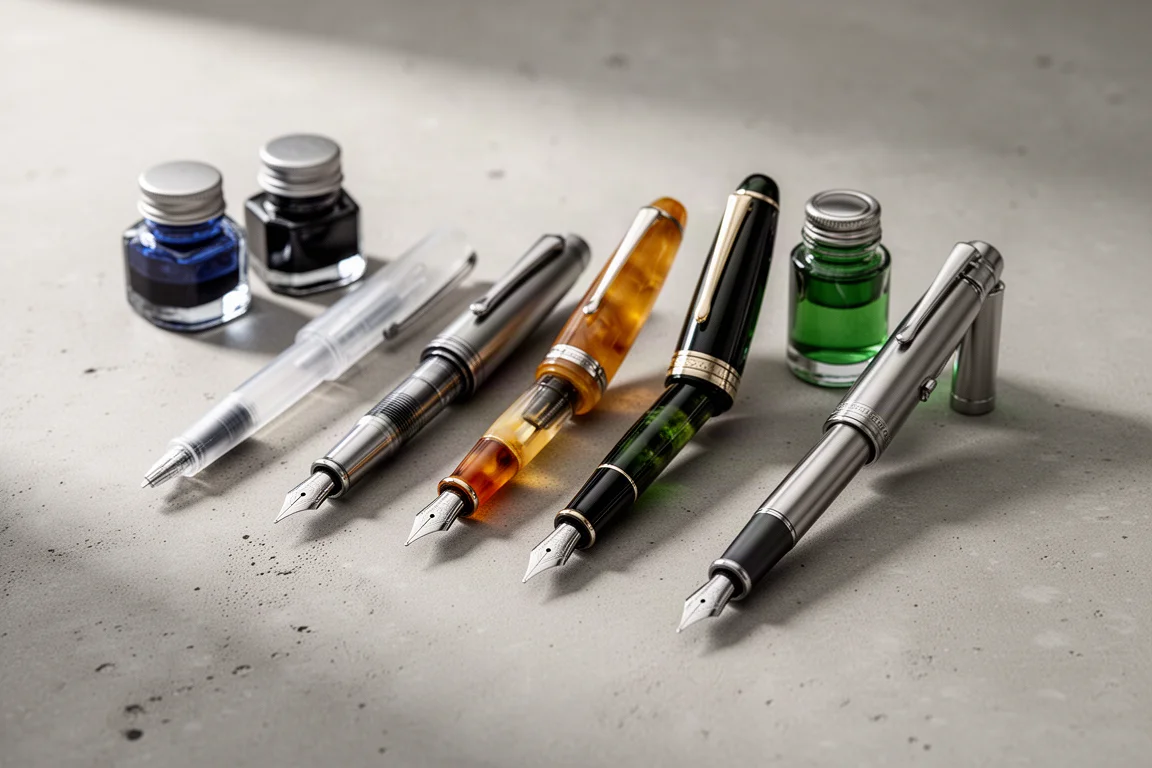
Fountain Pen Tiers Explained: From Starter Pens to Luxury Grails
A practical overview of the different levels of fountain pens and inks, from a sub-$20 starter setup to Italian piston fillers and retractable gold-nib everyday carries.
Stationery
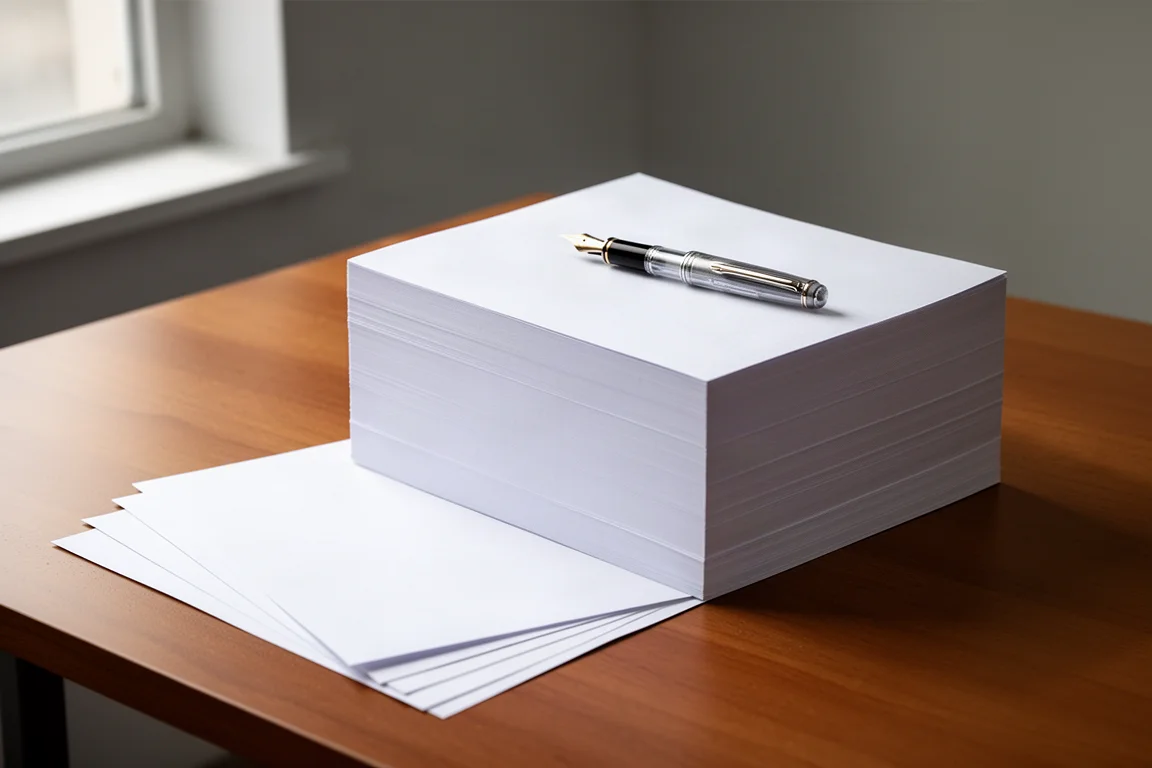
HP Premium 32 lb Copy Paper Review: A Fountain Pen Friendly Everyday Printer Paper
A heavy, smooth 120 GSM copy paper that handles fountain pens far better than standard printer stock, with only minor trade-offs in shading and sheen.