Stationery
Takumi-Tsuki Ake Review: A Hand-Lacquered Metal Pen Unlike Anything Else
The Ake from the Kirameki series pairs an ultra-thin stainless barrel with layers of traditional urushi lacquer, four swappable nib options, and a truly one-of-a-kind finish.
Introduction
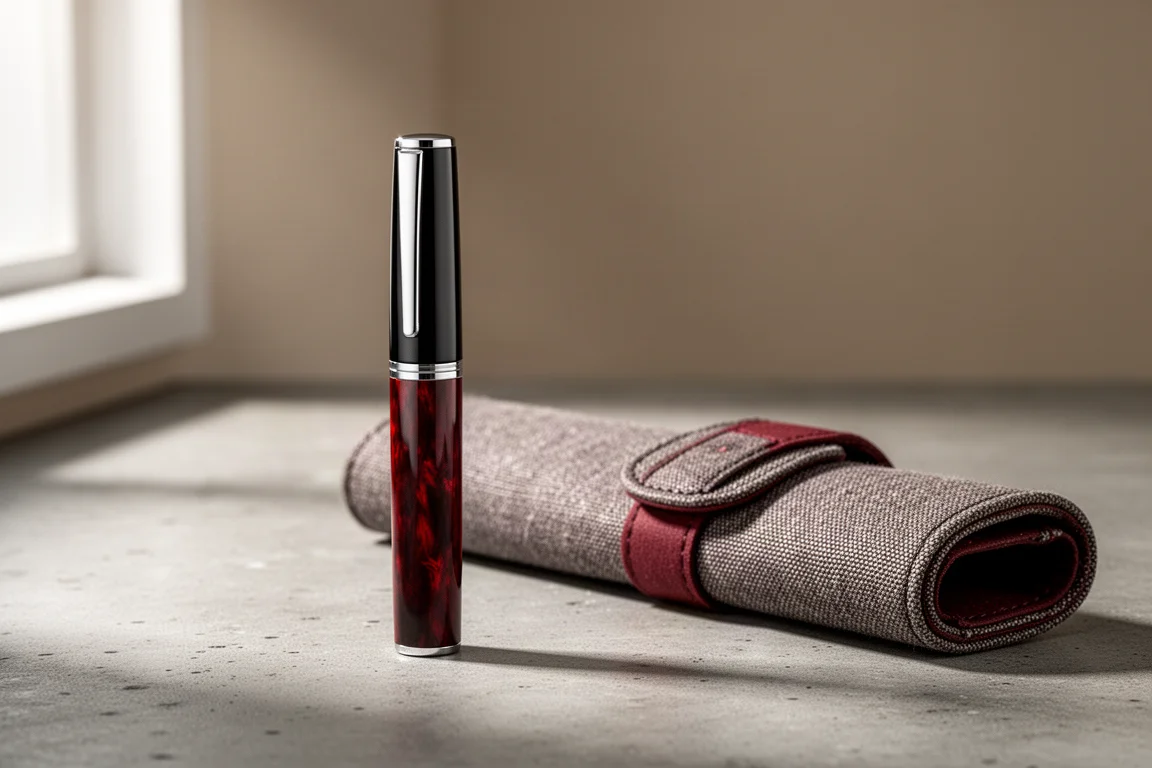
Some pens earn attention through specs. Others earn it through the hands that made them. The Ake from the Kirameki series by Takumi-Tsuki belongs firmly to the second category. It is a cap-style metal pen built on an exceptionally thin stainless barrel, finished with layers of genuine urushi lacquer, and sold as a body-only unit with a choice of four separately purchased nibs.
The brand itself carries an interesting story. Takumi-Tsuki was rebranded from Wood Bench Craft, and the company has built its reputation on hardware craftsmanship that large manufacturers simply cannot replicate with automated production. The Ake reviewed here is a newer addition to the lineup, sized to fit an A5 slim (Hobonichi-style) notebook cover almost exactly.
Unboxing and Presentation
The packaging deserves its own paragraph before the pen is even mentioned. The white sleeve carries a sun-and-moon inspired emblem at its center, with the brand color visible along the sides. Removing the sleeve reveals an embossed message card, and the bottom of the box holds a lottery-style resin card along with the manual and warranty documents. A small rubber piece is included, designed to help remove metal parts when swapping nibs.
The most memorable element sits at the back of the box: a pen tray made from rare, ceremonially significant cedar. This is a material that genuinely cannot be bought, and the fact that the brand is trusted to use it at all says a great deal about its standing. It is also the source of the pleasant aroma that reaches you before the box is even open. Every pen in the series also includes a fabric roll-type pen case that holds two pens, available in several designs.
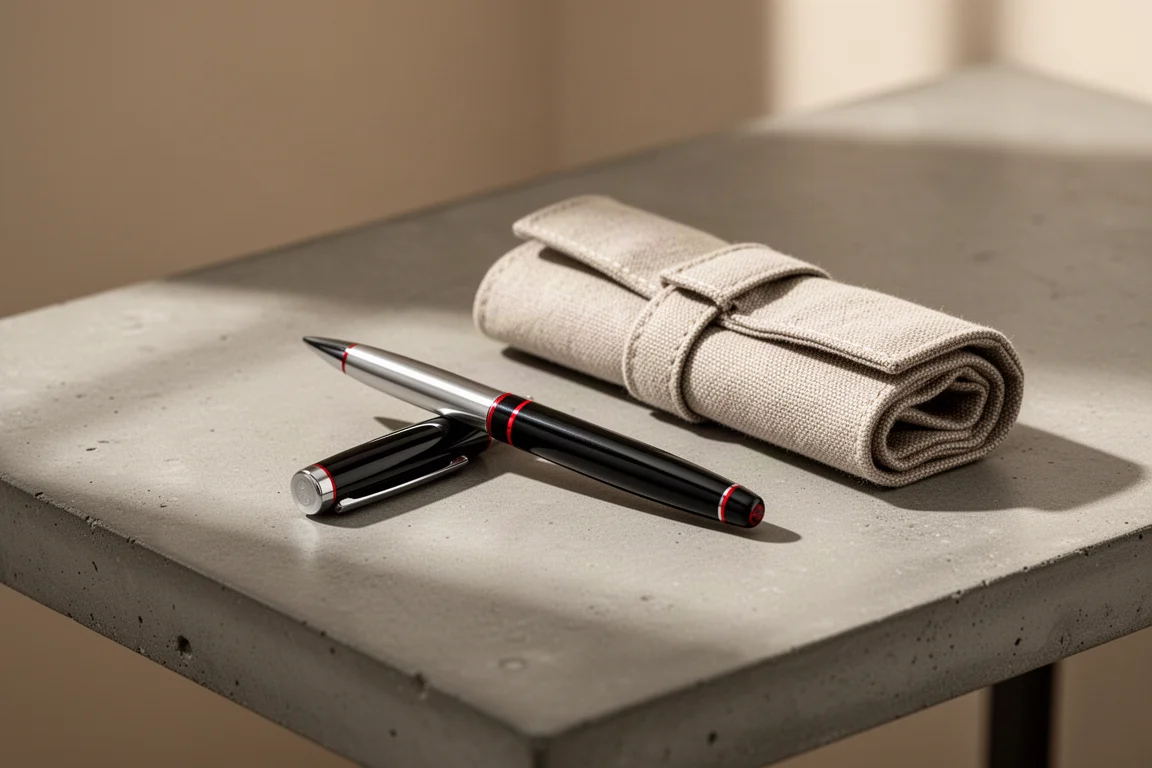
The reviewed unit is the Ake from the Kirameki series, priced at 45,100 yen including tax for the body. The pen fits an A5 slim notebook cover precisely, which matters more than it might sound for anyone who carries a planner daily.
Design and Build
The Kirameki series began as a cap-style metal pen focused on letting stainless steel speak for itself. The Ake takes that same base and adds something new: layers of urushi lacquer applied over the metal barrel. Urushi has been used since ancient times in lacquerware traditions and in the red lacquer of shrine architecture, and black urushi is used for the reviewed finish.
The defining feature of this series is the thinness of the metal barrel itself. Achieving this profile in this shape is a demonstration of the skill of the hardware artisans involved. The hardware cannot be produced by setting up a machine and running it automatically, which is exactly why major manufacturers cannot imitate it.
Body dimensions are 118.5mm in length, 33.3g in weight, and a 12mm barrel diameter. The weight balance sits near the center, and posting the cap adds stability during writing. The grip section threads are finished for the metal barrel, and the gold accent on the reviewed unit works well as a visual highlight.
The Finish: Urushi on Metal
Because every pen is hand-lacquered, no two are alike. The Kirameki urushi line currently comes in four variations: black over red, red over black, an all-red version, and an all-black version. Even with the same pattern, the balance shifts from one pen to the next. One may carry more black, another more red, some switch sharply at the boundary, others fade in a wide gradient. Every single unit is a one-off.
One detail worth knowing: where the black lacquer is applied over a red base, the undercoat can show through at the edges. The brand reportedly wants to reduce this exposed base, but on the reviewed unit it reads as a striking feature rather than a flaw.
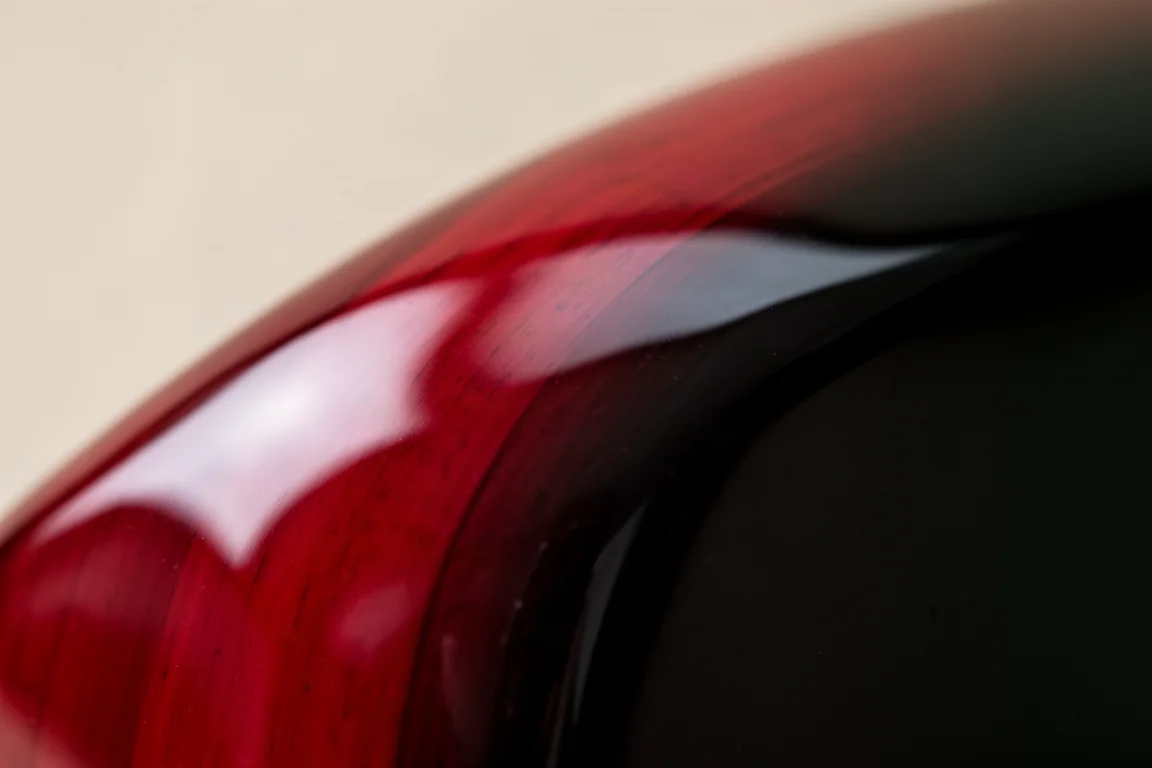
The surface feels smooth to the touch, and the lacquer layers soften the cold feel you would normally expect from a metal barrel. The lacquer is also applied to the flat face near the grip, so the finish extends beyond the visible barrel.
Nib Options: Four Ways to Customize
Here is the catch that shapes the total cost: the body ships without a nib. Refills are sold separately, and there are four to choose from, sharing the same specifications as the brand’s resin pen refills.
The ballpoint refill costs 6,600 yen including tax and accepts popular standard refills such as Jetstream, Energel, and Sarasa, which effectively eliminates refill wobble. The rollerball, at 9,900 yen, includes a mini converter so you can use your own ink, though glitter inks are not supported as they clog the nib. European-format mini cartridges also work.
The fountain pen option costs 12,100 yen, uses a size 5 steel nib in two writing widths, and comes in gold, silver, or pink gold. Like the rollerball it includes a mini converter and excludes glitter inks. Finally, the glass pen, at 6,600 yen, is handmade to match the pen by a glass artisan. Being dip-fed, it accepts any ink at all.
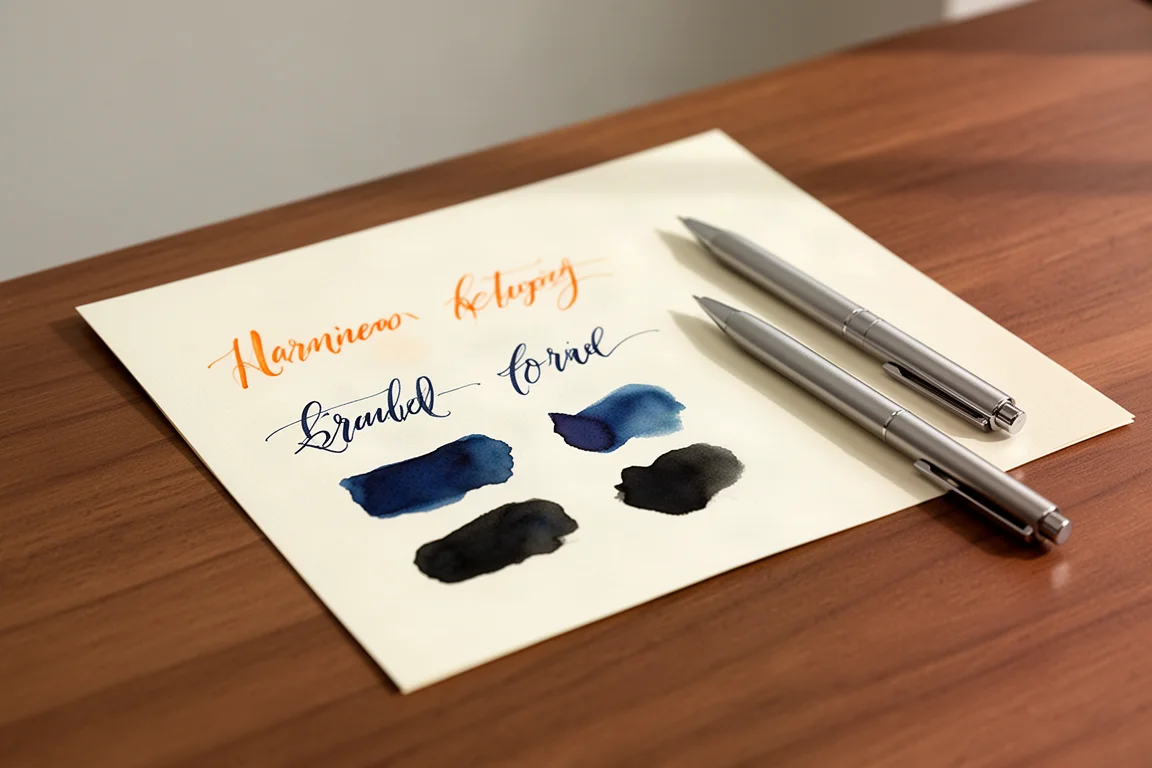
Those refill prices reveal something about where the value in this pen actually sits. The wood body was never the expensive part. The cost reflects the ongoing development of high-precision hardware and the artisan work behind it. The fountain pen and glass nibs are not simply mounted as finished parts; they are tuned and adjusted for writing feel before shipping.
Writing Performance with Each Nib
The ballpoint is genuinely excellent, with a smoothness and solidity that leaves little to criticize. The rollerball glides easily with a fluid feel, tested here with a mandarin orange ink. The fountain pen writes slightly smoother than a typical feedback-heavy nib, landing in a lightly textured, pleasant middle ground. The glass pen offers a similar lightly textured feel, with a hint of scratchiness at certain angles, but remains comfortable overall.
Things to Consider Before Buying
Two practical caveats deserve attention. First, there is no clip, so the pen rolls easily. One review unit took a tumble off a desk during use, and while it survived without visible damage, it is worth keeping clear of table edges. Second, although the size fits an A5 slim notebook cover, it only stores in a stretch-style pen holder that cinches tightly. Fixed-loop holders will not secure it.
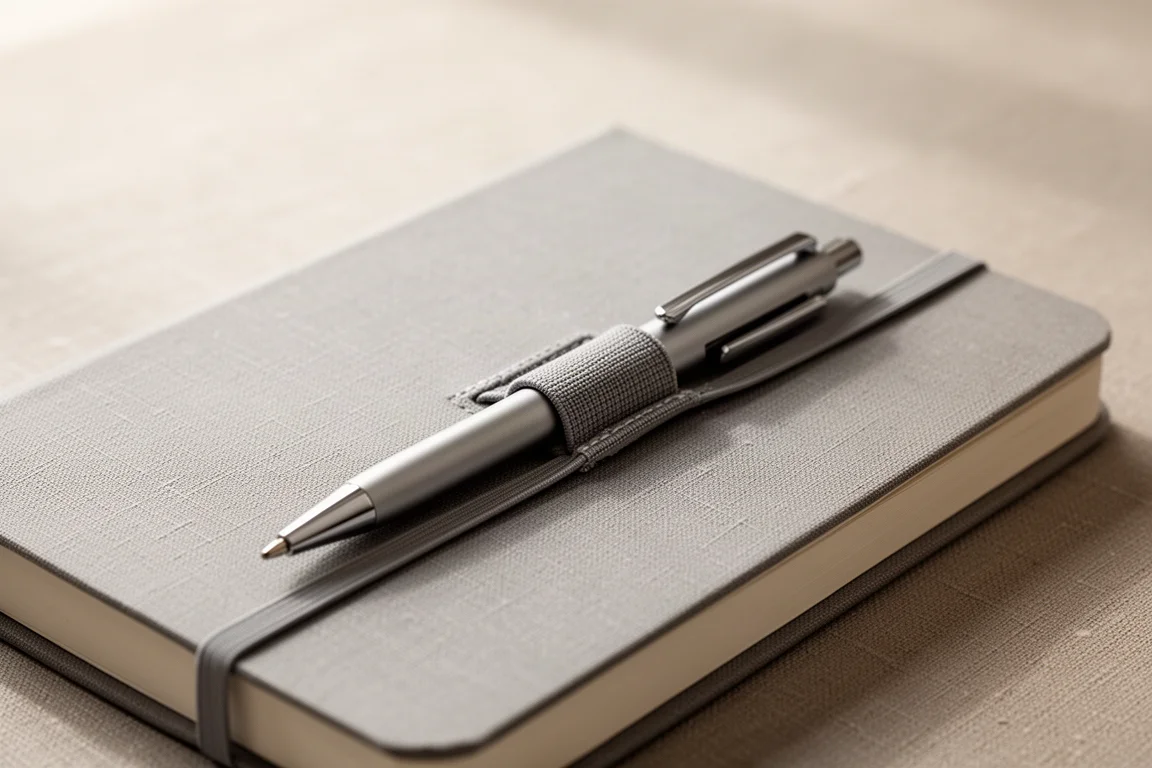
On the positive side of the ledger: the urushi-on-metal combination is genuinely novel, the four-way nib selection is remarkably flexible, the A5 slim sizing suits one of the most popular planner formats, and the ballpoint refill compatibility is a real everyday advantage. The unboxing experience itself, engaging sight, touch, and smell all at once, plus the included pen case, adds a level of occasion few pens at any price offer.
Buying Advice
At 45,100 yen for the body plus 6,600 to 12,100 yen for a nib, this is a considered purchase. The best match is someone who values one-of-a-kind handcraft over mainstream branding, wants a pen that pairs with a daily planner, and enjoys choosing a refill to suit their own writing style. If you dislike the scent or aging of natural materials in general, note that this series also offers alternative finishes within the same lineup.
Conclusion
The Takumi-Tsuki Ake shows the depth and possibility of urushi lacquer in a form few pens attempt. A novel material pairing, a finish that guarantees no two pens are alike, finely tuned nib options across four writing styles, and packaging that treats the purchase as an occasion. It is a pen worth wanting in more than one color.
Product link
View more details for Takumi-Tsuki Ake (Kirameki Series)
This product is mentioned in the review. Check the specifications, options, and compatibility before buying.
View more details for Takumi-Tsuki Ake (Kirameki Series)Further reading
Related Reviews
Stationery
Musgrave Pencils Review: Four Classic Pencils from Tennessee's Last Pencil Factory
We put four Musgrave pencils to paper, from the classic Harvest to the Unigraph 1200 drawing pencil, to see what a century-old Tennessee workshop can still do.
Stationery
Fountain Pen Tiers Explained: From Starter Pens to Luxury Grails
A practical overview of the different levels of fountain pens and inks, from a sub-$20 starter setup to Italian piston fillers and retractable gold-nib everyday carries.
Stationery
HP Premium 32 lb Copy Paper Review: A Fountain Pen Friendly Everyday Printer Paper
A heavy, smooth 120 GSM copy paper that handles fountain pens far better than standard printer stock, with only minor trade-offs in shading and sheen.