Loudspeakers
TAD CR1TX Review: A Stand-Mount Speaker Built Around a Neutral Midrange
The TAD CR1TX pairs a coaxial midrange with an unusually inert cabinet and some of the lowest distortion figures we have on record, but it rewards careful placement.
Introduction
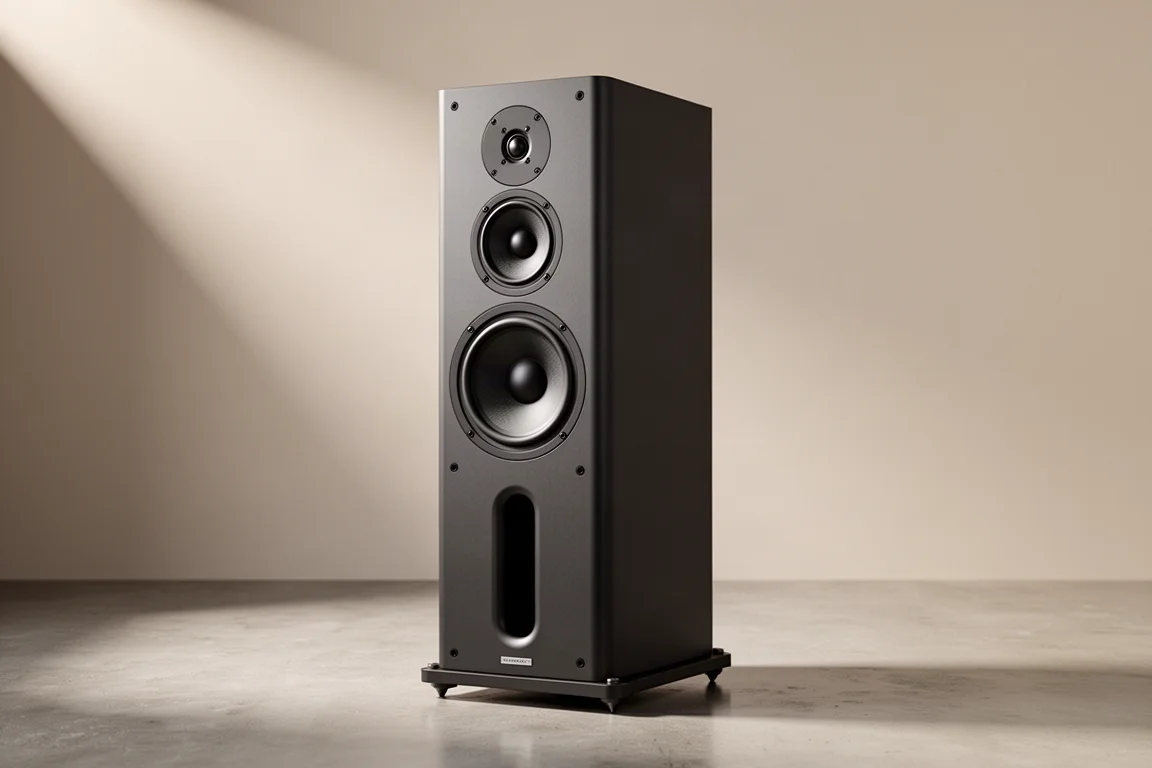
The TAD CR1TX is a three-way stand-mount loudspeaker built around a vented, bass reflex cabinet, and its reference price places it firmly at the top of the market. The driver complement runs from an 8-inch mid-bass unit through a 6.5-inch coaxial midrange to a 1-3/8-inch high-frequency tweeter, with crossover points at 250 Hz and 2 kHz.
What makes the CR1TX interesting is not the driver count but the behaviour behind it. The cabinet stays inert under heavy output, the midrange is unusually neutral, and distortion sits at a level that is rare even among far more expensive designs. At this price, though, room matching matters, and this is a speaker that asks for a specific placement rather than flattering every setup.
Design and Build
The CR1TX is a three-way bass reflex design, which means the enclosure is vented rather than sealed. Rated maximum output is 200 watts and specified sensitivity is 86 dB. Each speaker weighs 101 lb, and that mass is not decorative.
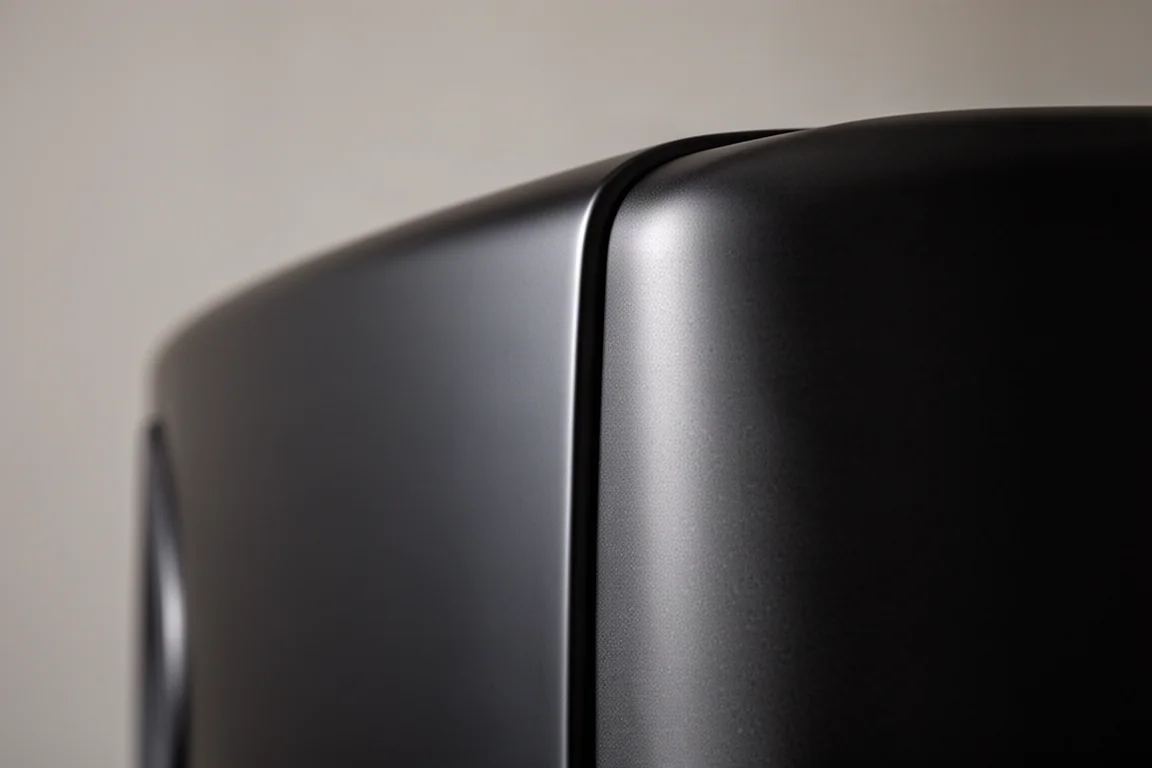
Even when the speakers were driven hard across bass-heavy material and a wide range of other genres, the cabinets stayed inert, with nothing to feel or hear from the panels. The weight of the enclosure clearly contributes to that composure, and it is one of the reasons the speaker behaves so calmly when the volume climbs.
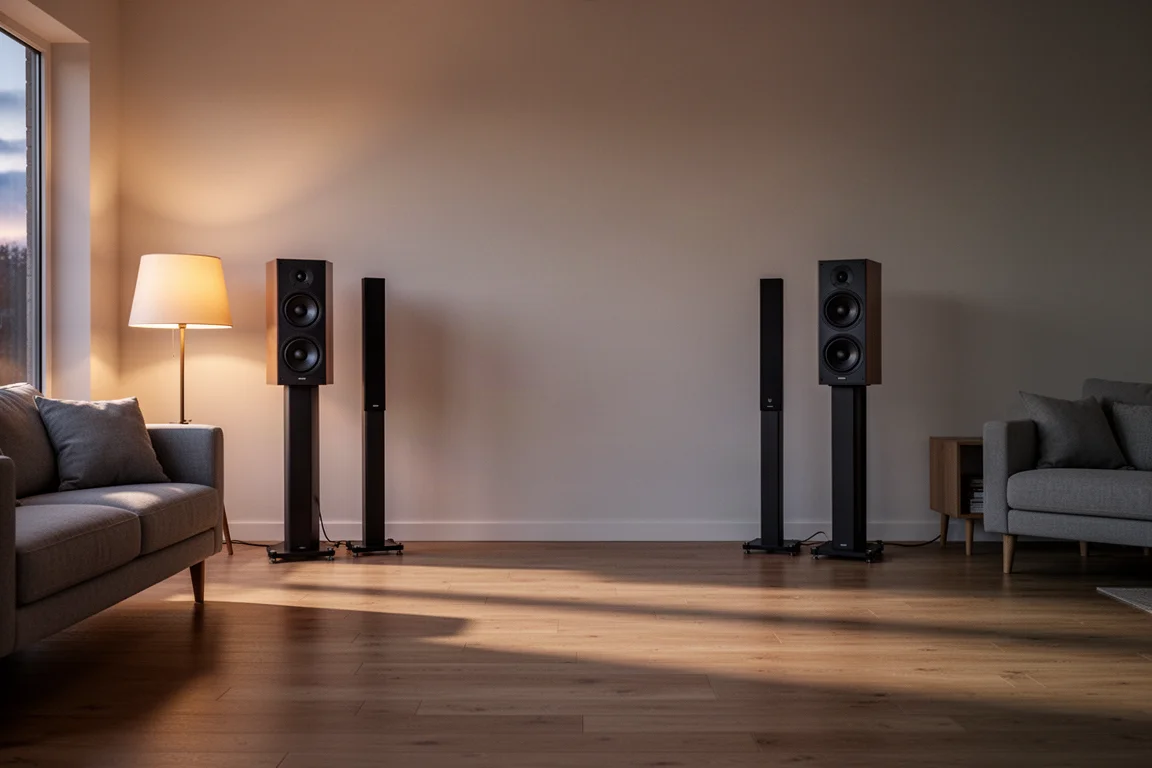
Moving a pair into position is genuinely a two-person job. Lifting 101 lb cabinets onto tall stands takes care, and the height involved makes the process slower than it first appears. Owners should plan for the space and the help before the speakers arrive rather than after.
Who This Speaker Is For
The CR1TX suits listeners who put midrange neutrality ahead of almost everything else, and who want a speaker that keeps its tonal character as they move around the room. The coaxial midrange and tweeter assembly is central to that behaviour.
It also makes sense for rooms where the speakers need to sit close to a rear wall. The design is clearly intended for that kind of placement, and the measured response supports it. Buyers who can only position speakers far out into open space, or who want a strongly boosted top end, are likely to be less happy.
Main Strengths
The midrange is the headline. Vocals and instruments in that band come across as neutral and uncoloured, with very little added edge or warmth, and that quality holds up across long listening sessions rather than only on first impressions.
Distortion is exceptionally low. Harmonic distortion stays well below one percent at both 86 dB and 96 dB at one metre, and multi-tone distortion is the lowest recorded on any speaker measured so far, including designs such as the KEF Blade 2 Meta and the PS Audio FR10. That is a rare distinction and it is audible as a lack of grit in the midrange at high output.
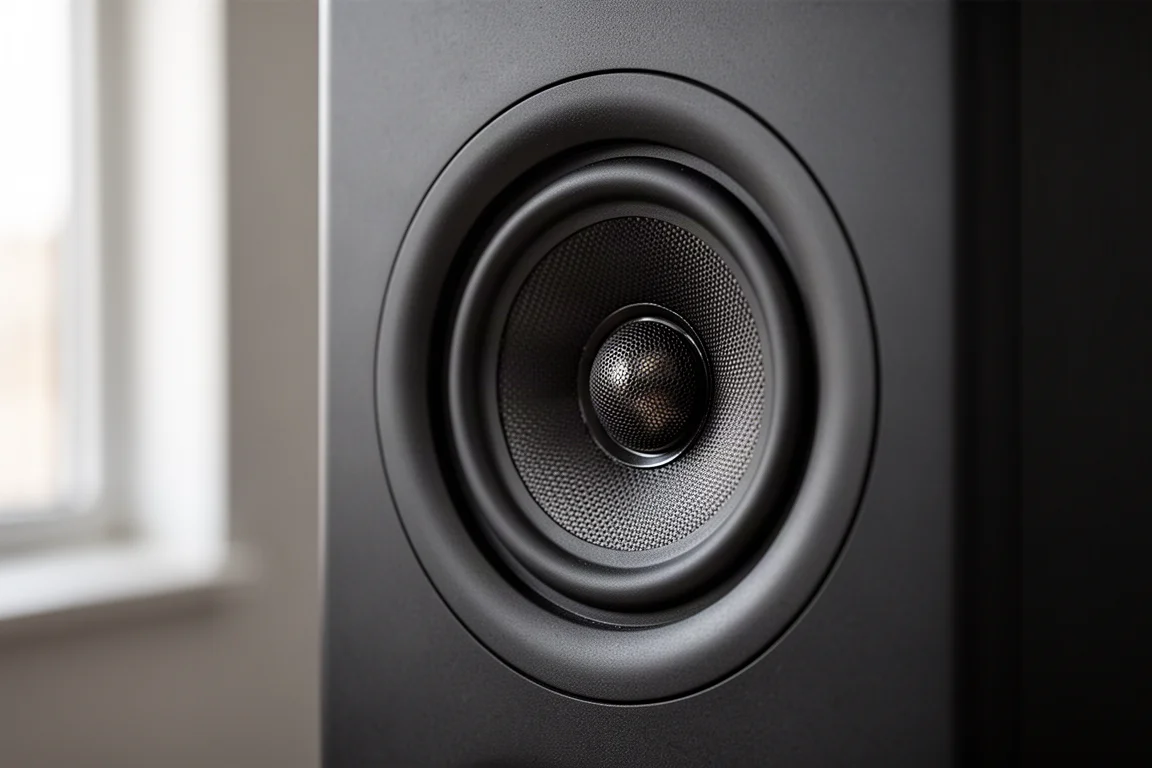
The coaxial driver pays off in real rooms. Tonality stays consistent roughly 50 to 60 degrees above or below the tweeter axis, compared with about 15 to 20 degrees for a typical two-way and around 30 degrees for a conventional three-way. Standing up or walking around the room does not shift the character of the sound, even though the stereo image naturally moves with the listener.
Soundstaging is wide and coherent once the speakers are set up correctly, and the horizontal directivity is smooth out to around 60 degrees, which helps the speaker integrate with a normal room rather than demanding a treated one.
Setup and Placement Notes
The manual recommends starting with the speakers about one foot from the wall, and that guidance matches the measured data closely. The response shows a sloped transition from the mid-bass into the midrange, which is the signature of a design intended to sit near a boundary.
Pointing the speakers directly at the listening position produced a hot treble and a thin lower midrange, with less weight in the 200 to 300 Hz region. Bringing them closer to the rear wall restored that weight and added the bass presence the speaker is capable of. Aiming them roughly 20 to 30 degrees off axis smoothed the top end considerably.
It helps to remember that anechoic measurements are taken without a wall behind the speaker, so they cannot show the low-frequency lift that a boundary provides. That difference explains why the on-axis data looks leaner than the speaker sounds when it is placed as intended.
Measured Performance
Measured output was 85.2 dB at 2.83 volts at one metre, essentially matching the 86 dB specification. Frequency response linearity sits within about plus or minus 3 dB, with an F3 of 69 Hz and an F10 of 38 Hz.
Horizontal directivity is remarkably even, holding together out to roughly plus or minus 60 degrees with no dip or discontinuity through the crossover region. Vertical directivity is similarly generous, staying only about 9 dB down at 70 degrees, where a typical two-and-a-half-way design can fall around 24 dB down at the crossover region over the same angle. There is a dip around 9 to 10 kHz, most likely from a diffraction element in the cabinet, and a slight recess in the upper midrange and lower treble that appears to be deliberate, a common technique for softening sharp recordings.
Compression behaviour is strong in the bass and midrange, with only about half a decibel of loss between 76 dB and 102 dB output, a span of 26 dB of dynamic range. The high frequencies run out of headroom sooner at 102 dB. At realistic living-room levels, and even at the loudest output the speakers could reach at a ten-foot listening distance, there was no audible sign of strain.
Things to Consider Before Buying
The price is the first consideration, and at roughly $887,000 per pair the CR1TX competes in a very small group of speakers. Everything about the ownership experience, from the placement requirements to the physical handling, reflects that position.
Weight is a practical issue rather than a footnote. At 101 lb each, these are not speakers to move alone, and anyone with back problems should arrange help in advance. Getting them onto tall stands is the most demanding part of the installation.
Placement is not optional. Pulled far into the room, the CR1TX loses the weight in the lower midrange and upper bass that makes it sound balanced, and the on-axis treble becomes noticeably hot when the tweeters are aimed straight at the listening position. Buyers who cannot place the speakers near a rear wall, or who prefer a bright, forward top end, should think carefully before committing.
Buying Advice
Plan the room before the speakers. A position roughly one foot from the rear wall, with the cabinets toed out about 20 to 30 degrees from the listening position, is where this speaker delivers its most neutral and coherent result. That combination also gives the best balance between the lower midrange weight and the smooth top end.
Stands need to be tall and rigid enough for a 101 lb cabinet, and the installation should involve at least two people. Because the design leans on boundary reinforcement for its bass weight, a room with a solid wall behind the speakers will suit it far better than an open-plan space where the speakers have to float.
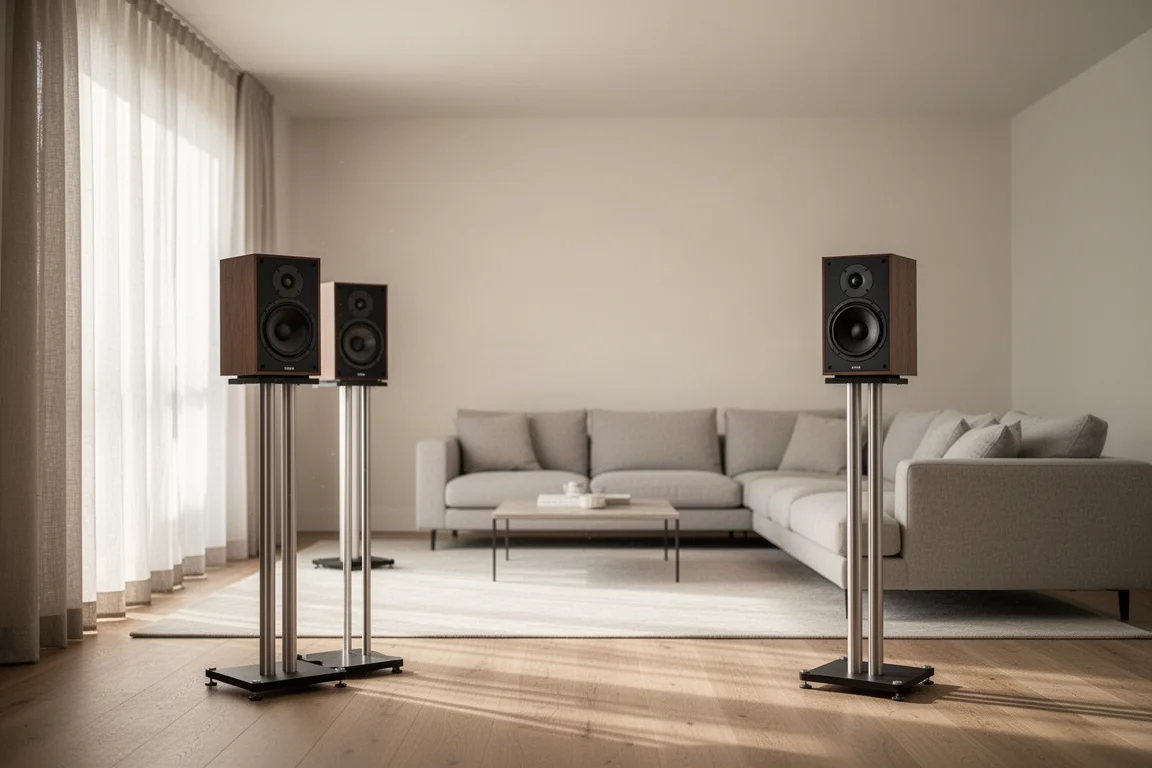
For the right listener, the CR1TX is a straightforward purchase decision. Buyers who value midrange neutrality, low distortion and a wide listening window, and who can place the speakers correctly, get a speaker that behaves like a reference tool in a normal living room rather than only in a treated studio.
Conclusion
The TAD CR1TX is a world-class stand-mount loudspeaker. Its neutral midrange, inert cabinet and record-low distortion are the qualities that stand out, and the coaxial driver gives it a consistency across listening positions that most conventional designs cannot match.
It is also demanding. The price is extreme, the cabinets are heavy, and the speaker only sounds its best when placed close to a wall and aimed slightly off axis. Buyers who can meet those conditions will find a speaker that justifies the attention it asks for. Those who cannot should look elsewhere, because this is a design that rewards a well-matched room rather than adapting to any room.
Product link
View more details for TAD CR1TX
This product is mentioned in the review. Check the specifications, options, and compatibility before buying.
View more details for TAD CR1TXFurther reading
Related Reviews
Loudspeakers
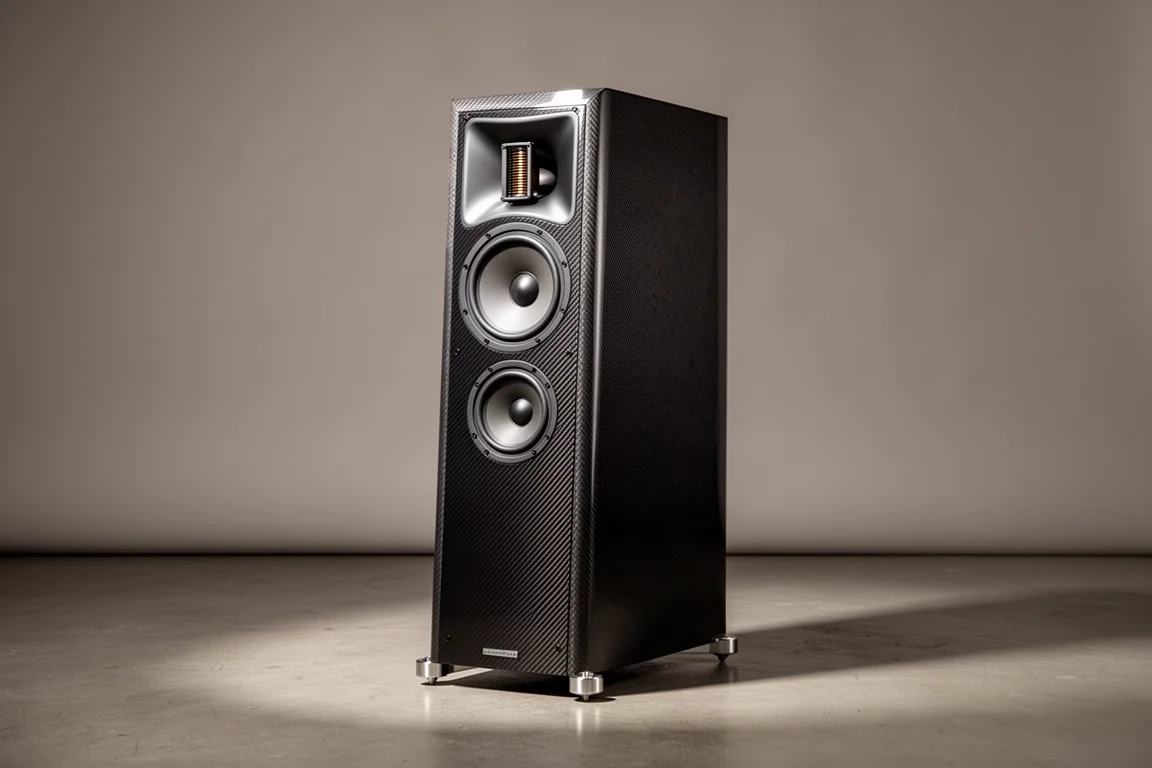
Borresen X2 Review: Deep Bass and a Warm Balance From a Slim Floorstander
A close look at the Borresen X2 loudspeaker: ribbon tweeter and carbon fiber drivers, bass below 30 Hz without a subwoofer, and how it behaves with solid state, integrated and tube amplification.
Loudspeakers
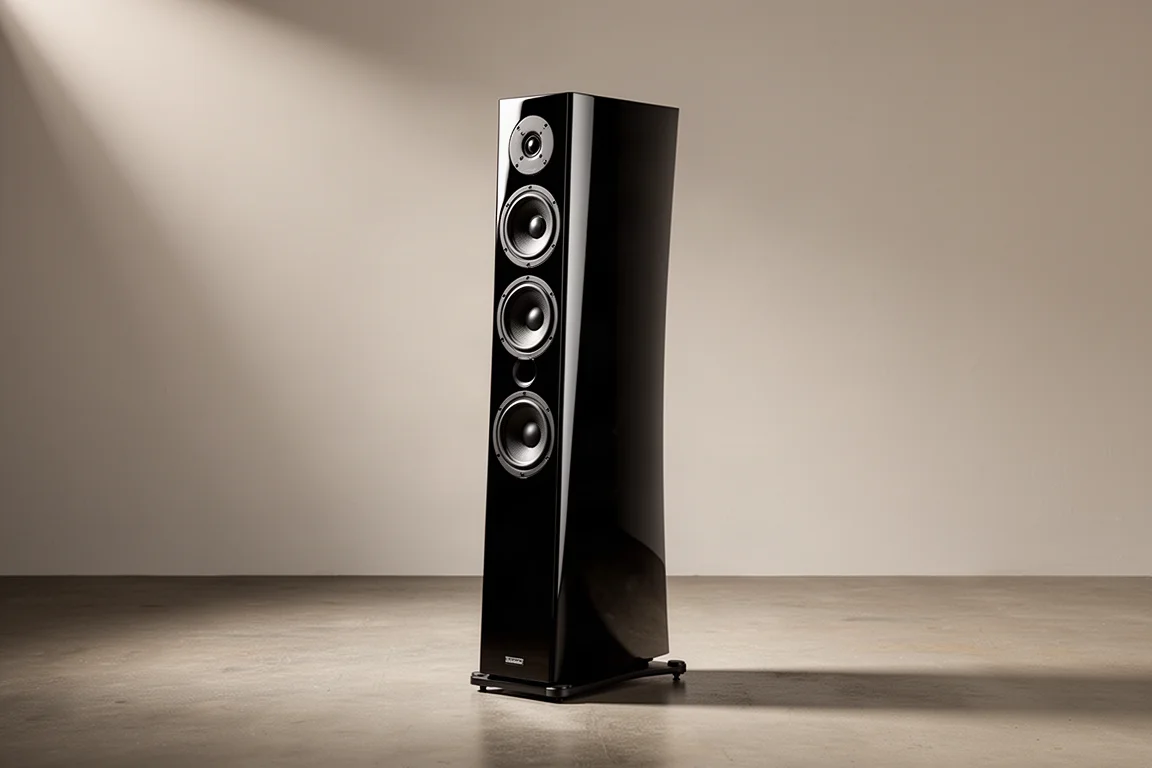
Borresen X3 Review: A Danish Floorstander Built Around Soundstaging
The Borresen X3 pairs a true ribbon tweeter and a slim Danish cabinet with remarkable imaging, fast transients, and a few practical trade-offs worth knowing before you buy.
Loudspeakers
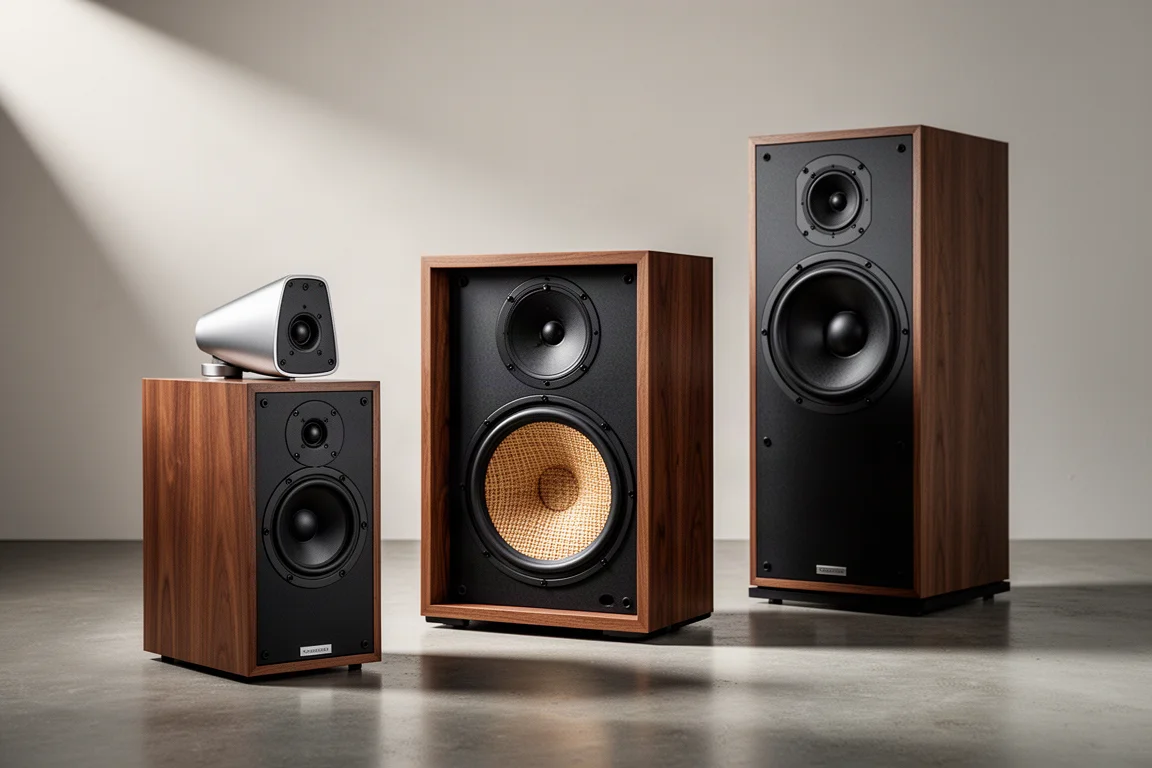
Bowers & Wilkins 705 S3 vs Wharfedale Linton vs Zu Audio DWX: Three Standmount Speakers Compared
A three-way standmount loudspeaker comparison covering the detail-led Bowers & Wilkins 705 S3, the value-focused Wharfedale Linton, and the dynamic Zu Audio DWX.