Loudspeakers
Borresen X3 Review: A Danish Floorstander Built Around Soundstaging
The Borresen X3 pairs a true ribbon tweeter and a slim Danish cabinet with remarkable imaging, fast transients, and a few practical trade-offs worth knowing before you buy.
Introduction
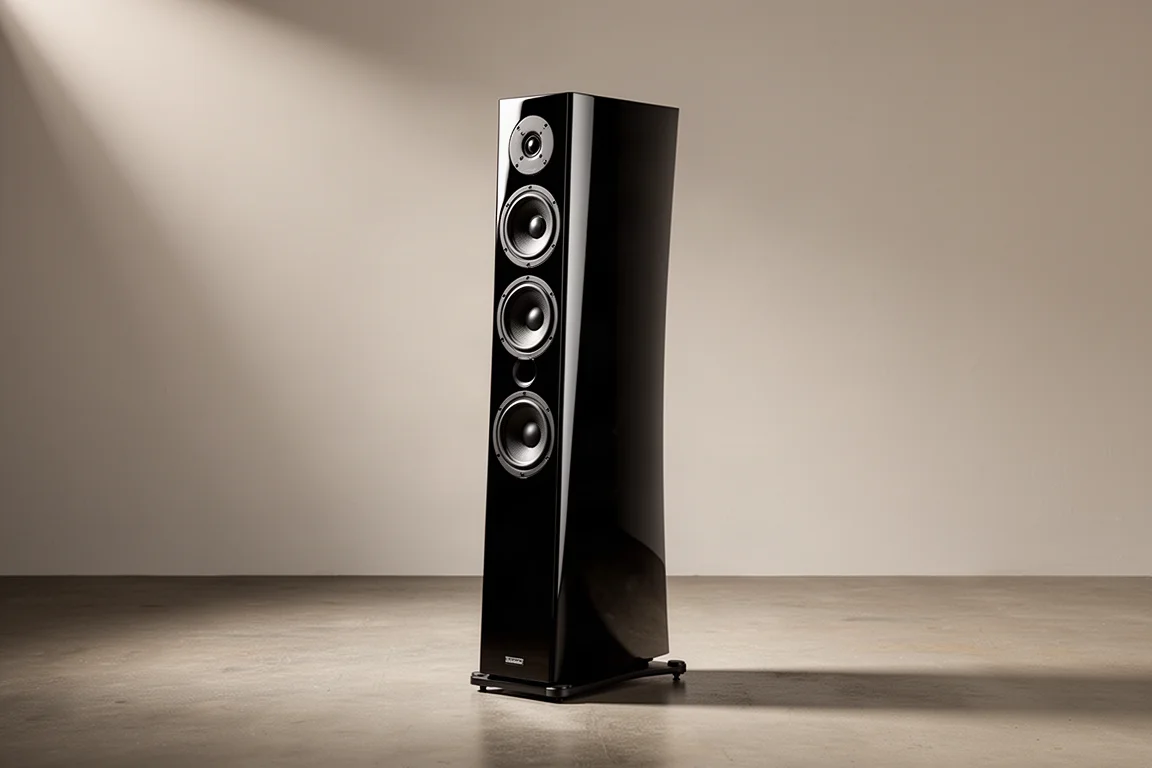
The Borresen X3 is a floorstanding loudspeaker from Denmark, priced at $11,000 per pair in gloss black or gloss white. Each cabinet stands 51 inches tall, measures roughly 9 inches across the front and tapers to about 3 inches at the rear, and weighs 121 pounds. It is a large speaker that asks for very little floor space.
Its signature is staging. The X3 images in a way that makes instruments and singers feel like separate, sharply outlined objects in the room, and it does this while staying balanced rather than hard or bright. For listeners who value clarity, separation and speed, that is the headline.
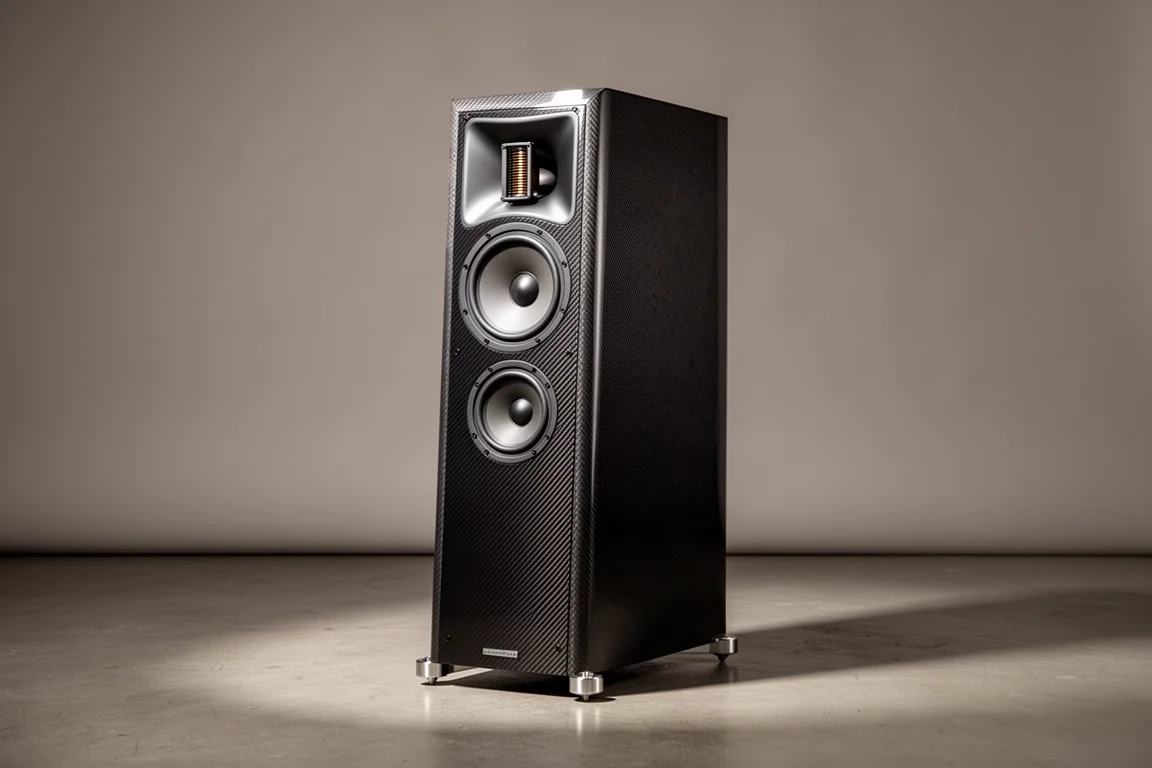
The engineering behind it is unusual in ways that matter. A 4.5 inch carbon fiber midwoofer sits at the top of the baffle, a true ribbon tweeter sits below it, and two woofers handle the low end. Each driver group has its own compartment, and the cabinet uses carbon fiber bracing and real wool stuffing rather than decorative trim.
Who this product is for
This is a speaker for listeners who chase transparency and resolution before weight and warmth. If the qualities you notice first in a system are the outlines of instruments, the space between performers and the speed of transient attack, the X3 speaks your language. It also rewards owners who enjoy fine tuning a setup, because its presentation locks in sharply once placement is right.
It suits rooms that can take a tall, slim floorstander and listeners with amplification that is clean and quiet. The cabinet is rigid and heavy, the binding posts are discreet and well made, and the internal wiring is proprietary to the brand.
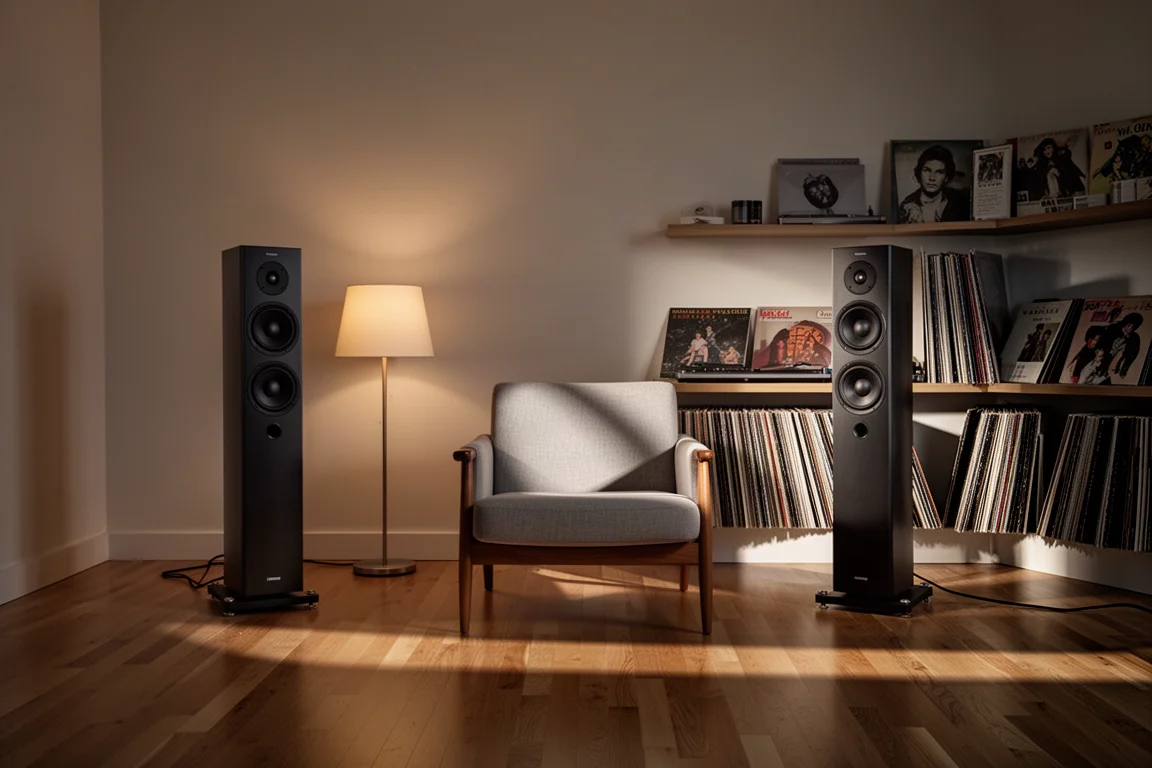
It is not aimed at buyers who want maximum low frequency weight from the main pair. The X3 reaches into the mid 30 Hz range in a normal room, which is impressive for its driver count, but it does not pretend to deliver the physical punch of a large woofer design. If room shaking bass is a priority, plan on adding a subwoofer.
Main strengths
The most obvious strength is the width and focus of the soundstage. The X3 projects a stage that extends beyond the physical positions of the cabinets while keeping each element crisply defined. Instruments and voices gain sharper outlines than most speakers at any price manage, and the effect is immediate rather than subtle.
Transient response is the other standout. The speaker sounds fast and alive, and it communicates both the space a recording was made in and the timing of the performance. That speed does not come with hardness or brightness. The tonal balance stays natural, and acoustic instruments retain a believable body.
Low level listening is better than expected for a speaker of this size. The X3 stays coherent and involving at hushed late night volumes, which makes long sessions easy to justify.
Build quality is peerless in the sense that the cabinet feels and looks like a much more expensive product. The carbon fiber trim on the outside is there to stiffen the structure, not simply to decorate it. Inside, the cabinet is lined with synthetic wool and stuffed with real wool, a material choice rarely seen at this price. The footers are solid and well finished.
How the driver array shapes the sound
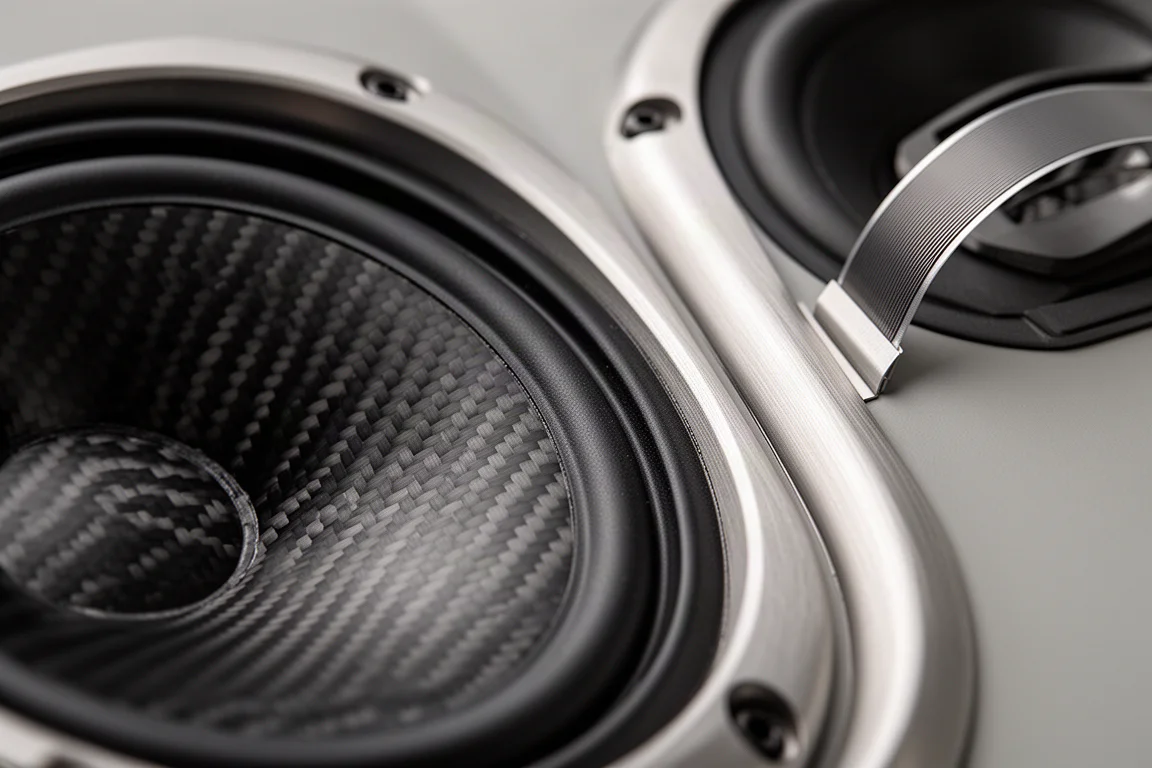
The top driver is a 4.5 inch midwoofer with a cone made from a carbon fiber the company calls spread tow. It is a three layer sandwich: the visible carbon fiber skin, a honeycomb core, and a second carbon fiber layer behind it. The result is a cone that is very light and very stiff, which keeps breakup modes to a minimum. The two woofers below use the same physical driver, crossed over to the tweeter at 2.5 kHz.
The tweeter is a true ribbon rather than a folded ribbon, and it is open at the back, so the rear wave of the ribbon is free to leave the cabinet. The midwoofer and the ribbon each sit in their own compartment and vent through the rear, which makes them behave much like a dipole. Listening at the rear ports reveals something close to the full range of those drivers, the same content you hear from the front. The two woofers, by contrast, are a conventional bass reflex design, with rear ports that are smaller in diameter than most.
Bass extension lands in the mid 30 Hz region in a typical room, which is a strong result for a pair of small woofers. Dynamic range is genuinely good for the driver count, though it will not be mistaken for a design built around a 15 inch woofer. That is a limitation to accept rather than a flaw to fix, and a subwoofer closes the gap when deep bass matters.
Listening impressions
The X3 is the kind of speaker that pulls you into a listening session and keeps you there. Live acoustic recordings become noticeably more revealing: on one well recorded live set, off microphone moments and shifts in vocal distance that normally pass unnoticed were clearly audible, and the natural character of the acoustic instruments came through with a rightness that is hard to describe in specifications.
Harmony heavy material benefits just as much. On familiar multi part vocal records, individual voices within a blend could be picked out separately while the blend itself stayed smooth. Hearing a recording you know well in that form is the sort of moment that sells a speaker on its own.
Bass texture and speed also impress. On dense, bass driven tracks, the small drivers move a surprising amount of air and keep the texture of the low end intact rather than smearing it. The overall impression is of space and time being rendered more accurately than usual, with the room of the original recording clearly implied.
Setup and placement notes
The tweeter center sits 39 inches from the floor, and that height was chosen deliberately to produce a big, tall stage that feels closer to a live event. In practice the speaker delivers exactly that, and it does so without requiring unusual amplification or room treatment.
Toe in matters more here than with most speakers. A moderate inward angle, with the speakers firing just behind the listening position, is the sweet spot. When the angle is off, the image becomes noticeably defocused; when it is right, the stage snaps into place. It is worth spending an extra session getting this dialed in.
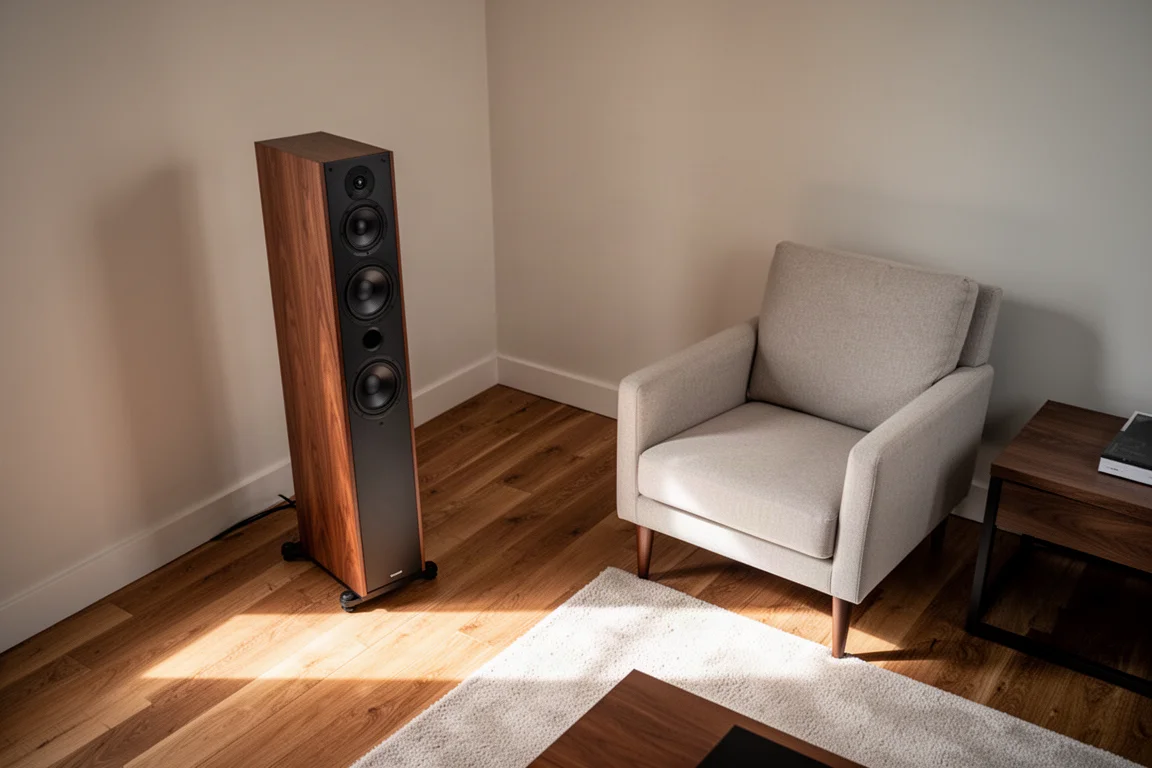
The footers look adjustable but are not, so leveling relies on the floor surface. Because the ribbon and the midwoofer compartments vent at the rear, the back of the cabinet is part of the design rather than an afterthought, and leaving some breathing room behind the speakers is a sensible part of planning the setup.
Things to consider before buying
Soundstage depth is good but not exceptional. The width and focus are the memorable qualities; front to back layering is competent rather than remarkable in an average room, and other setups may vary.
Deep bass is the second consideration. Extension into the mid 30 Hz range is impressive for the driver size, but buyers who want genuine room shaking low end should budget for a subwoofer alongside the speakers.
The cabinet is 51 inches tall and 121 pounds per side, which is a commitment in a smaller room, and the gloss finishes show handling marks if you are careless during placement. Finally, expect to spend real time on positioning. The speaker rewards that effort, but it does not forgive a casual setup.
Buying advice
At $11,000 a pair, the X3 looks, feels and sounds like a considerably more expensive speaker. That is the core of the value argument: the imaging, the transient speed and the cabinet work sit well above the price point, and the trade-offs are specific and easy to understand rather than vague.
Finish choice comes down to taste, and the gloss white is worth a serious look if your room leans bright and modern. Both gloss black and gloss white carry the same price. Pair the speaker with clean, quiet amplification and a source you trust, since it is transparent enough to show what is upstream.
If your priorities are imaging, resolution and speed, the X3 is easy to recommend and hard to walk away from. If your priorities are maximum bass weight and a forgiving setup, look at what a larger woofer design offers and treat the X3 as a specialist rather than a compromise.
Conclusion
The Borresen X3 is a slim Danish floorstander with an unusual driver arrangement, a beautifully built cabinet, and a sound that leans toward clarity, separation and speed. Its staging is the reason to buy it, its transient response is the reason to keep listening, and its limitations around bass depth and placement fussiness are the reasons to plan carefully.
For buyers who know they value imaging above all else, it is one of the more compelling options at its price, and it delivers a level of refinement that usually costs considerably more.
Product link
View more details for Borresen X3
This product is mentioned in the review. Check the specifications, options, and compatibility before buying.
View more details for Borresen X3Further reading
Related Reviews
Loudspeakers
Borresen X2 Review: Deep Bass and a Warm Balance From a Slim Floorstander
A close look at the Borresen X2 loudspeaker: ribbon tweeter and carbon fiber drivers, bass below 30 Hz without a subwoofer, and how it behaves with solid state, integrated and tube amplification.
Loudspeakers
Bowers & Wilkins 705 S3 vs Wharfedale Linton vs Zu Audio DWX: Three Standmount Speakers Compared
A three-way standmount loudspeaker comparison covering the detail-led Bowers & Wilkins 705 S3, the value-focused Wharfedale Linton, and the dynamic Zu Audio DWX.
Loudspeakers
Bowers & Wilkins Nautilus Review: A 31-Year-Old Icon Still in Production
The Bowers & Wilkins Nautilus has been built for 31 years without an acoustic change. Here is what its four-way active design, taper tubes and craftsmanship deliver, and what it asks of an owner.