Indoor Cycling
Tacx NEO Motion Plates Review: Long-Ride Comfort for Every NEO Trainer
A simple snapping pair of rails that adds forward-and-back movement to any Tacx NEO trainer, with a few trade-offs to weigh before buying.
Introduction
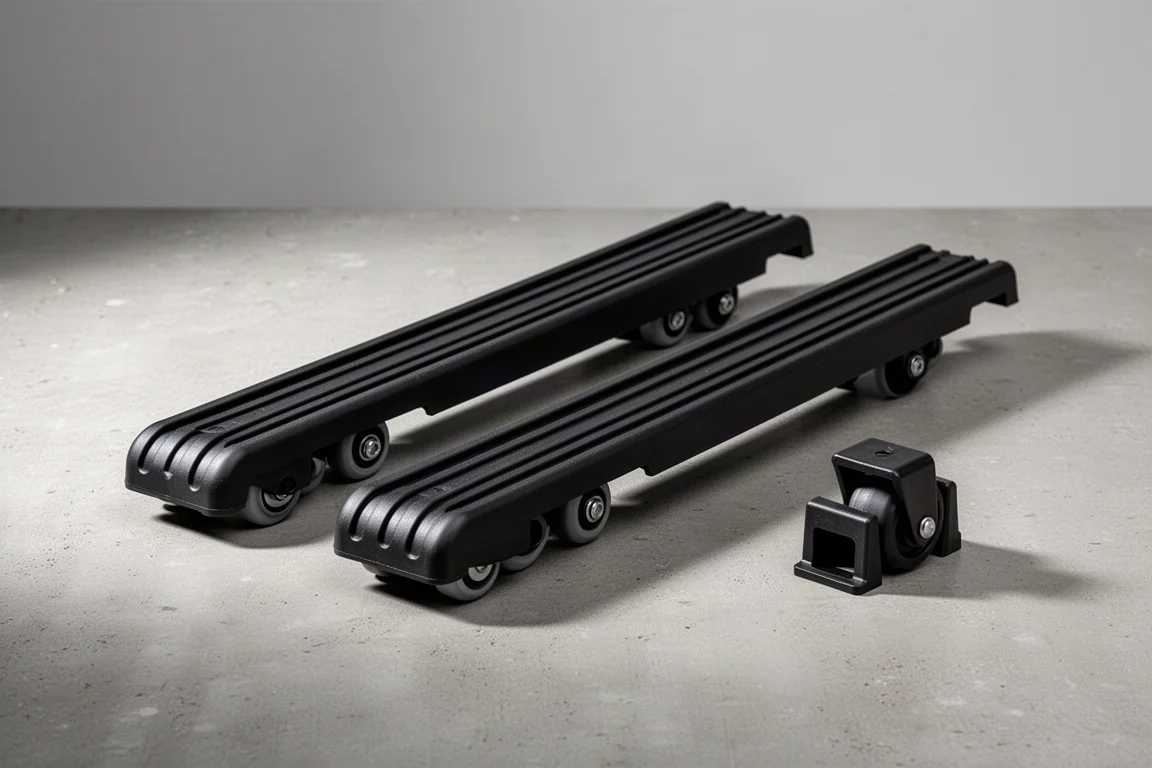
The Tacx NEO Motion Plates do one thing: they let your trainer move forward and backward about 2.5 to 3 centimeters, roughly an inch, while you ride. That may not sound like much, but for long indoor sessions the difference is real. Instead of sitting perfectly static for hours, your body shifts slightly with each pedal stroke, which makes one- to three-hour rides noticeably more comfortable.
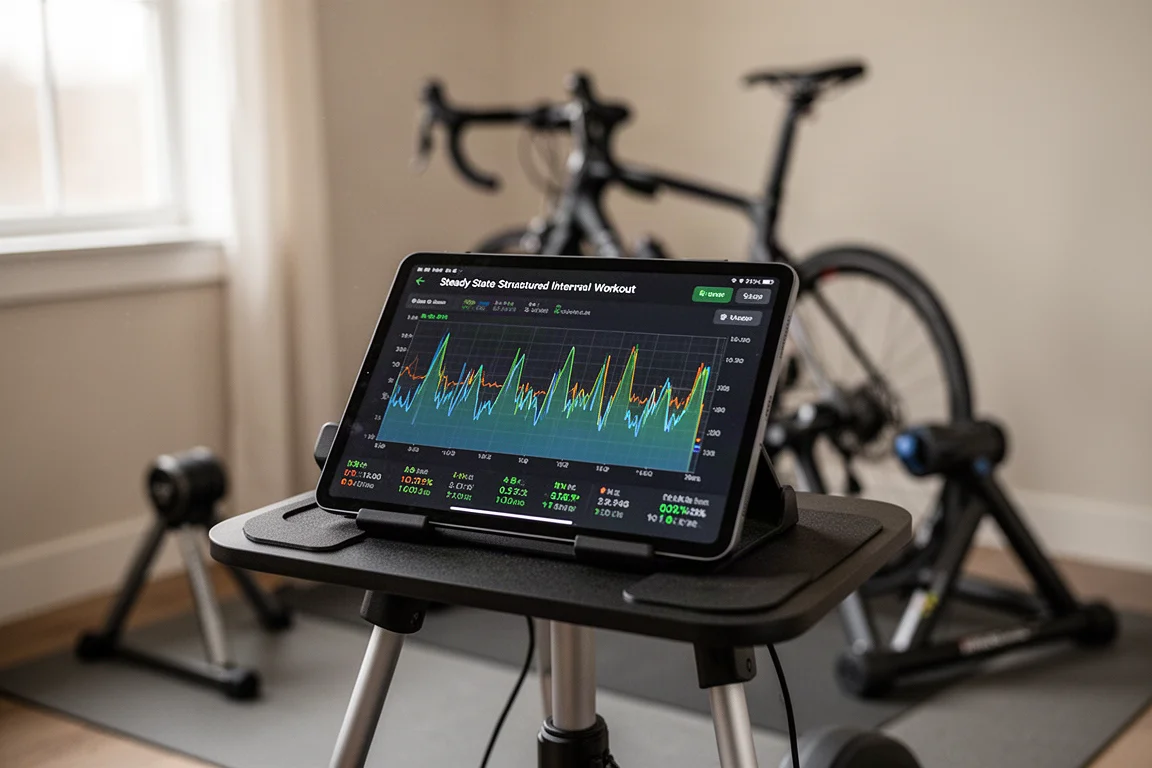
This is not a product trying to replicate the full outdoor road feel. It is aimed at riders doing long erg-style workouts, steady-state intervals, and the occasional Zwift ride, and after a few months of use it is very solid at exactly that job.
What’s in the Box and How It Installs
The package contains two rails and a front wheel mount, plus the usual paperwork. The rails are marked left and right with arrows indicating the forward direction, and orientation matters: installed backwards, they will not work properly.
Installation is genuinely simple. Small rubber feet from your NEO trainer pop into holders built into the motion trays, which is a clever touch. Each rail snaps into place magnetically, you align a notch on each side so the full range of motion is preserved, and the front wheel block goes in front with its arrow aligned to the midpoint of your front hub.
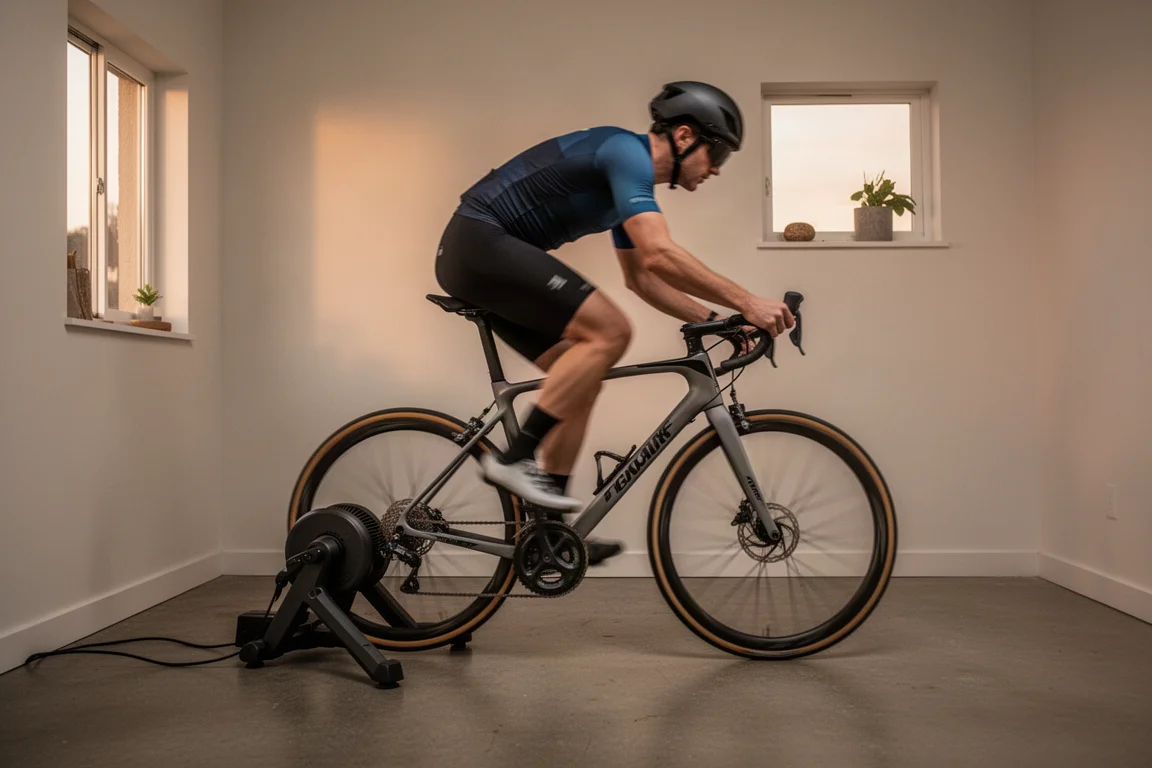
Compatibility is excellent. Because the NEO series base has never changed, the plates work with every Tacx NEO ever made: the original NEO, the NEO 2, the NEO 2S, and the NEO 2T. Removal is just as quick, taking only a couple of seconds if you need the trainer free for sprint-heavy races.
How the Movement Actually Works
Each rail carries two roller wheels that sit in a shallow valley groove. As you roll forward or backward, the elevation rises by roughly a centimeter, and the geometry always pulls you back to the self-centering midpoint. It is the same valley concept used by other rocker plates, applied here to fore-aft motion.
The NEO series already has a small amount of side-to-side tilt built in, more than most trainers. The plates add the missing forward-and-back dimension, and the included front wheel block allows your wheel to travel with you rather than holding it static like most front wheel blocks do.
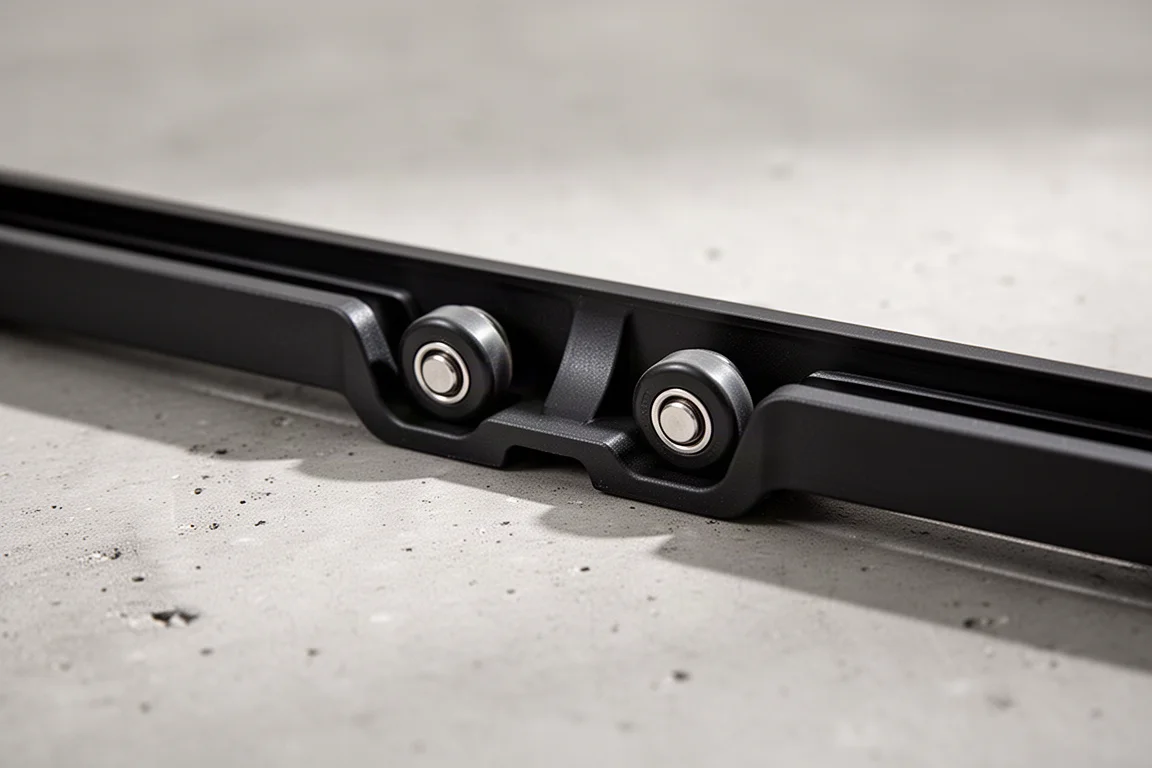
One caveat: the wheel block will not work with mountain bike tires, which are simply too wide for it. Road tires are the intended use.
Where It Fits: Footprint and Use Case
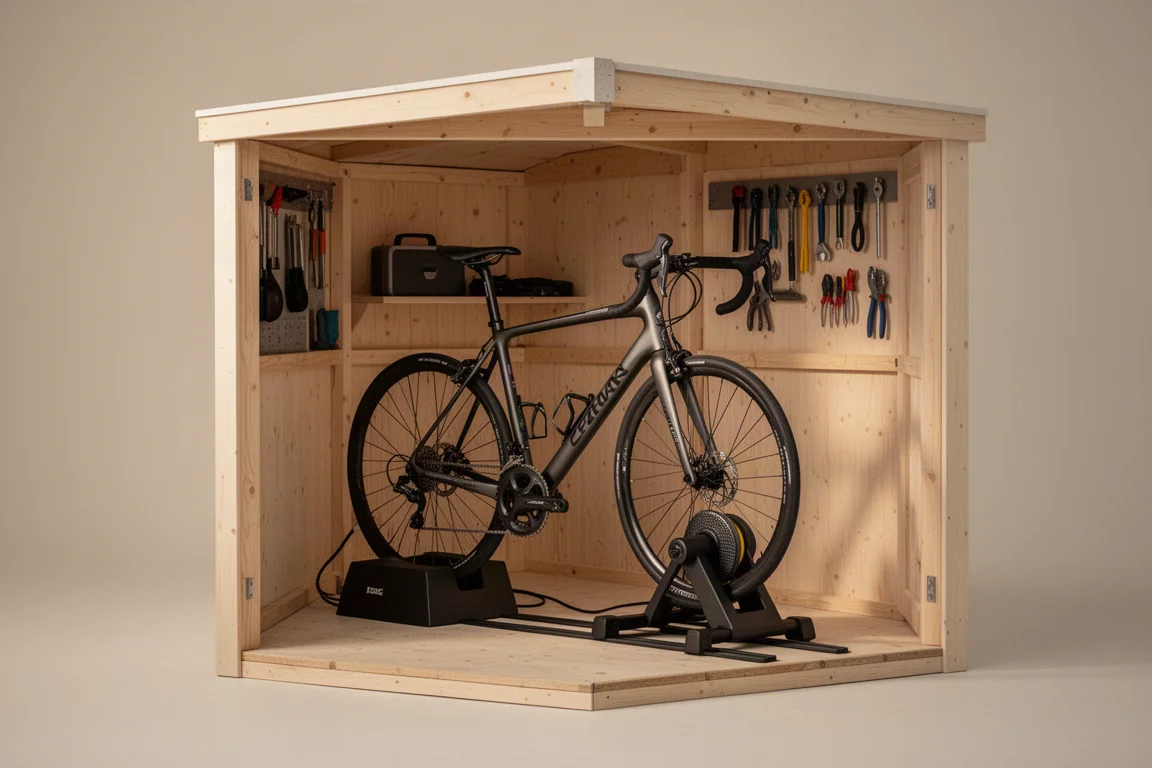
Compared with a full rocker plate, the motion plates have a much smaller footprint. That matters in tight spaces, and in a shed with little more room than the bike’s own footprint, they have worked flawlessly for months on an older NEO 2, primarily for erg-mode workouts mixed with regular Zwift riding.
In use, movement increases naturally with pedaling effort, and the plates are completely silent. There is no noise from the plates themselves at all, only the usual drivetrain sound. Hard sprint efforts in big gears can hit the end stops and feel slightly less stable, but it is not enough to tip the trainer over, and the plates pop off in seconds when race day calls.
Should You Buy the Tacx NEO Motion Plates?
Here is the uncomfortable part: $299 for two pieces of injection-molded plastic, two magnets, and a few rollers is a hard number to love. It is an accessory tax, plain and simple, and it feels especially sharp because Garmin acquired Tacx and applied its own premium to an otherwise straightforward product.
The defense is that there is simply nothing else at this price point that does this. Pre-assembled rocker plates generally run $300 to $450, tilt side to side rather than forward and back, and have a far larger footprint. Building your own rocker plate is cheaper but demands real time and effort. Wahoo’s KICKR AXIS feet cost around $100, but in testing they produced negligible movement compared with the stock feet, barely a millimeter on hard surfaces, something three tennis balls could achieve.
For structured riders whose workouts are mostly steady state with occasional short intervals rather than all-out sprints, the movement genuinely improves comfort on long rides. If that describes your training, the price is easier to stomach than it first appears.
Conclusion
The Tacx NEO Motion Plates are simple, silent, easy to install, compatible with every NEO trainer ever made, and effective at making long indoor rides more comfortable. The $299 price is difficult to justify on materials alone, but with no real competition offering fore-aft motion in a compact footprint, they remain the most practical option for NEO owners who spend hours in erg mode. If your riding is sprint-heavy or your budget is tight, they are easy to skip; if long structured rides are your norm, they are easy to recommend.
Product link
View more details for Tacx NEO Motion Plates
This product is mentioned in the review. Check the specifications, options, and compatibility before buying.
View more details for Tacx NEO Motion PlatesFurther reading
Related Reviews
Indoor Cycling
Best Budget Smart Indoor Trainer Setups: Six Options Worth Considering
Smart indoor trainers keep getting better while prices come down. Six setups and components worth considering, from the cheapest Zwift-ready option upward.
Indoor Cycling
Best Budget Smart Indoor Trainers for Immersive Cycling in 2026
A practical guide to affordable smart indoor trainer setups, including budget and mid-range options with virtual shifting.
Indoor Cycling
Best Indoor Cycling Apps and Smart Trainers: A Winter Buying Guide
A practical look at the indoor training platforms and smart trainers that matter this season, from a new challenger to Zwift to the entry-level trainer that stands out on value.