Cycling
Swytch Go Plus vs S-Works Aethos: Can a Conversion Kit Beat a Superbike on an 18 Percent Climb?
A two-way comparison of a front-wheel e-bike conversion kit and a lightweight premium road bike, tested on a climb averaging around 18 percent.
Introduction
A steep climb is the simplest test of two very different ideas about going uphill. One is to spend heavily on a light, fast road bike. The other is to keep a bike you already own and add electric assistance to it.
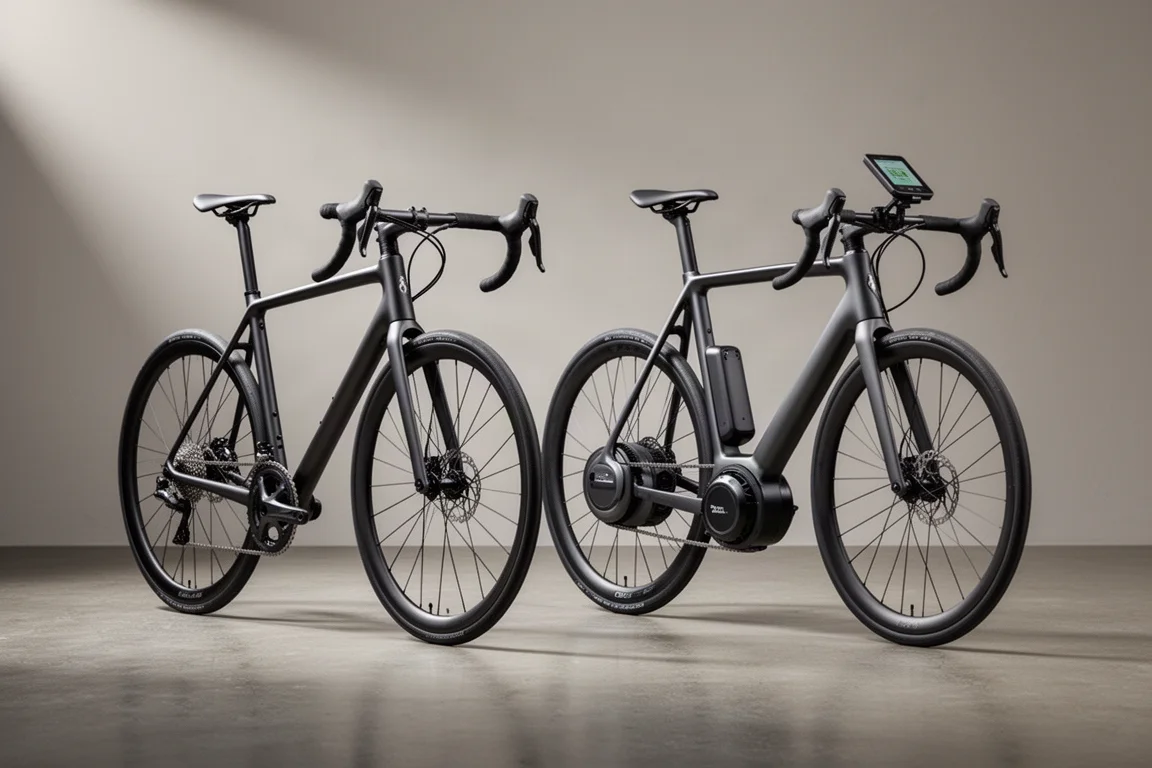
That is the comparison behind this guide: a roughly $10,000 S-Works Aethos superbike against an older machine fitted with a Swytch Go Plus conversion kit, on a road that averages around 18 percent gradient. The result says a lot about where assistance pays off and where it does not.

Both approaches have real strengths, and neither one is the right answer for every rider. What follows breaks down the kit, the superbike, and how each performed when the road pitched upward.
How We Compared These Two Bikes
The test was deliberately lopsided. On one side sat a lightweight road bike with no motor and a price tag well into premium territory. On the other sat a modest donor bike that had been fitted with a front-wheel conversion kit, adding a motor, a battery and a handlebar display.
The route was chosen to be far harder than a typical commute. Park Street in Bristol, a well-known city-centre climb, sits at roughly 8 percent. The road used for this comparison averages around 18 percent, which puts it well beyond what most riders meet on a daily ride.
That matters because gradient changes everything. Once a climb tips past about 10 or 11 percent, gear choice and cadence become critical, and the effort required rises sharply for every extra kilogram carried on the bike.
Swytch Go Plus Conversion Kit: Electric Assistance That Flattens Hills
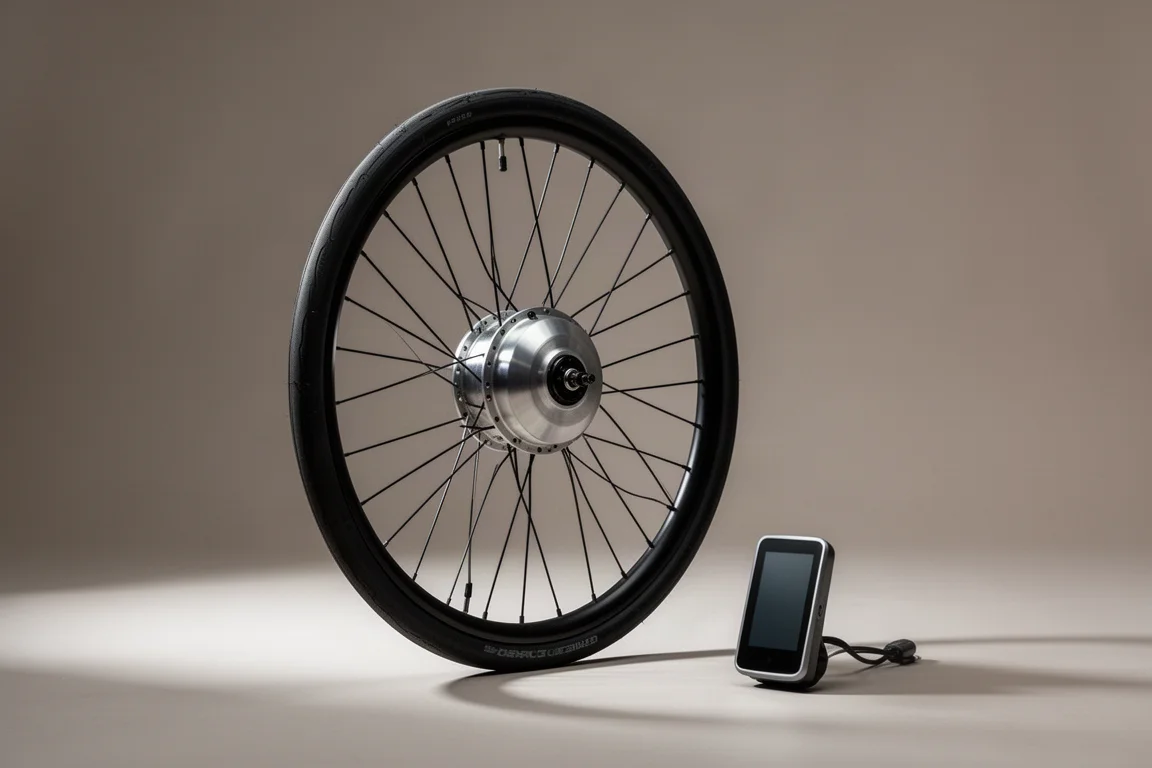
The Swytch Go Plus is a conversion kit that adds electric assistance to a bike you already own. The low-drag motor is housed in the front wheel, and the kit provides up to 40 miles of assistance. A compact OLED screen on the handlebars shows current speed, battery level and the selected power mode.
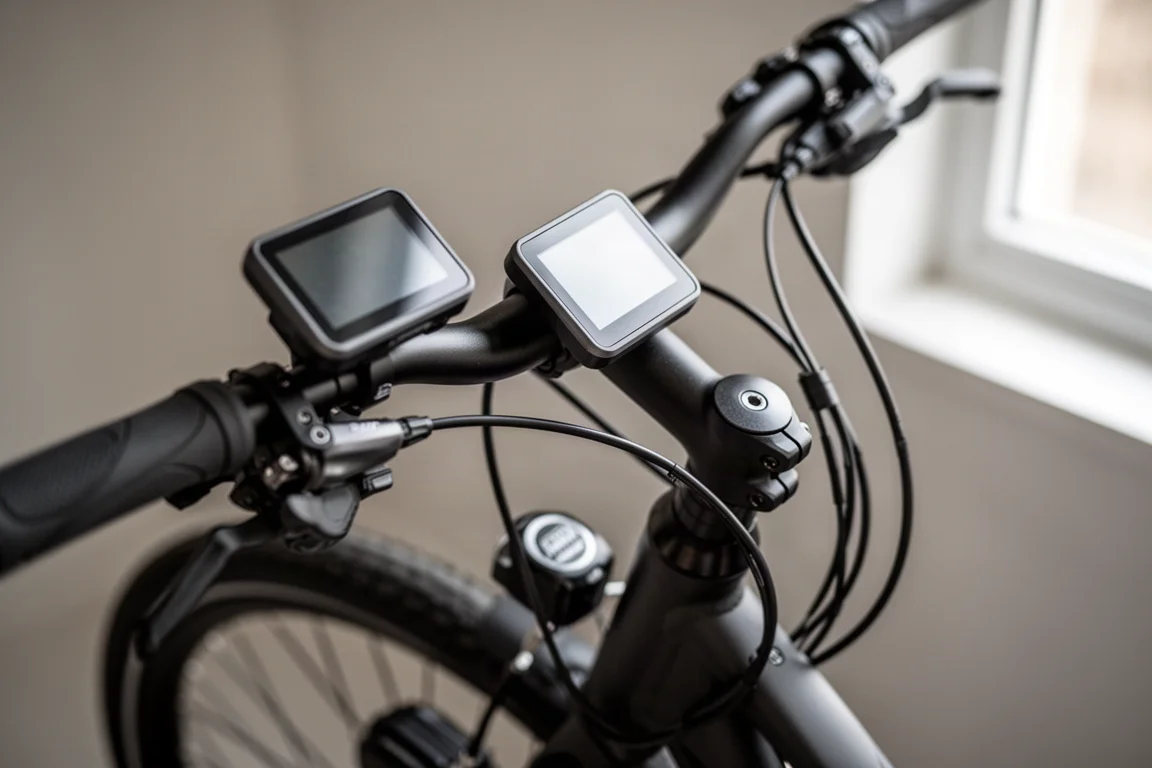
Assistance cuts out at 25 km/h to stay within UK legal limits. Above that speed the bike behaves like an ordinary pedal cycle, which means the rider carries the kit’s added weight with leg power alone. That weight is noticeable, but the finished build still comes in lighter than a conventional e-bike.
Power modes are easy to change on the move, and even the lower settings deliver plenty of support on steep ground. On the flatter opening section of the route the assisted bike was slower, and its rider had to work to hold the wheel ahead. Once the gradient arrived, that changed completely.
S-Works Aethos: A Lightweight Superbike Built for Climbing
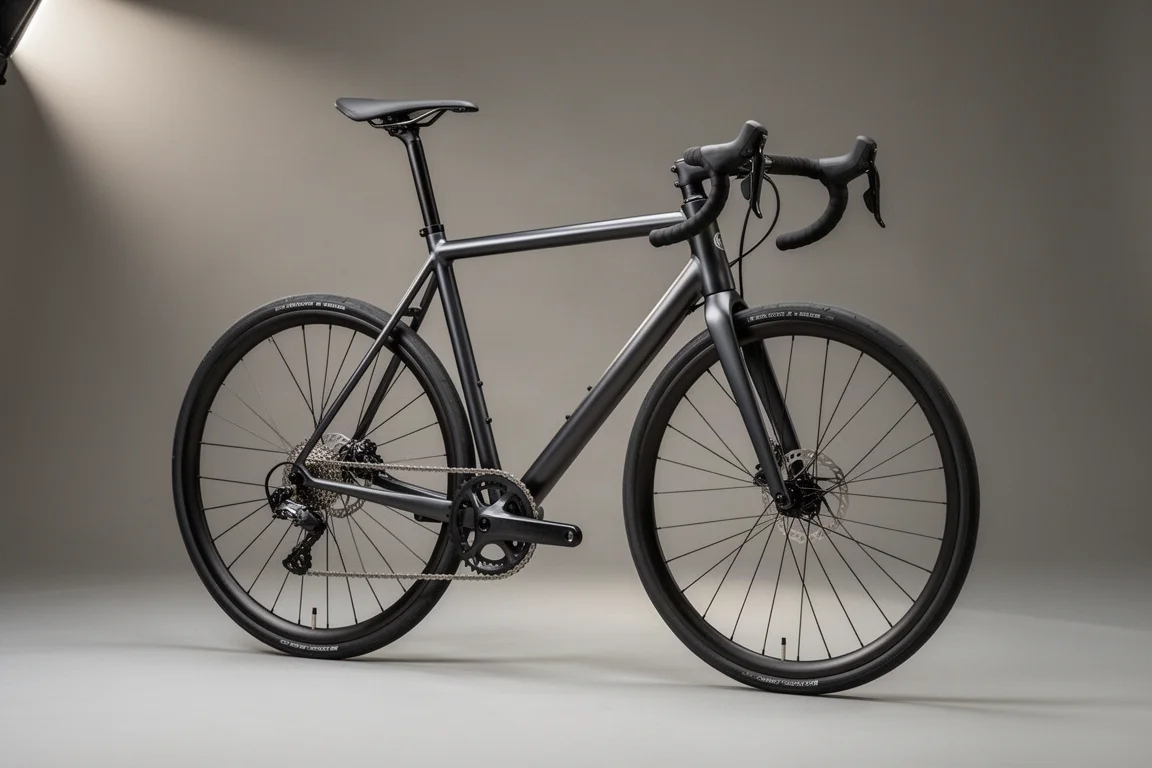
The S-Works Aethos is a premium road bike built around low weight. On flat and rolling roads it carries speed with very little effort, and in this comparison it pulled clear immediately on the flatter opening stretch.
Its advantage is simple physics. A lighter bike needs less power to lift itself up a gradient, so a fit rider gets more speed for the same effort. On a steep climb that advantage rests entirely on the rider’s legs, gearing and ability to keep cadence high.
There is no assistance to fall back on when the road rears up, which is exactly why the bike rewards riders who already have the fitness to use it well.
What the 18 Percent Gradient Revealed
On the flat, the superbike had the edge. Once the road steepened toward 18 percent, the assisted bike moved ahead and stayed there, with its rider describing the climb as a cruise rather than an effort.
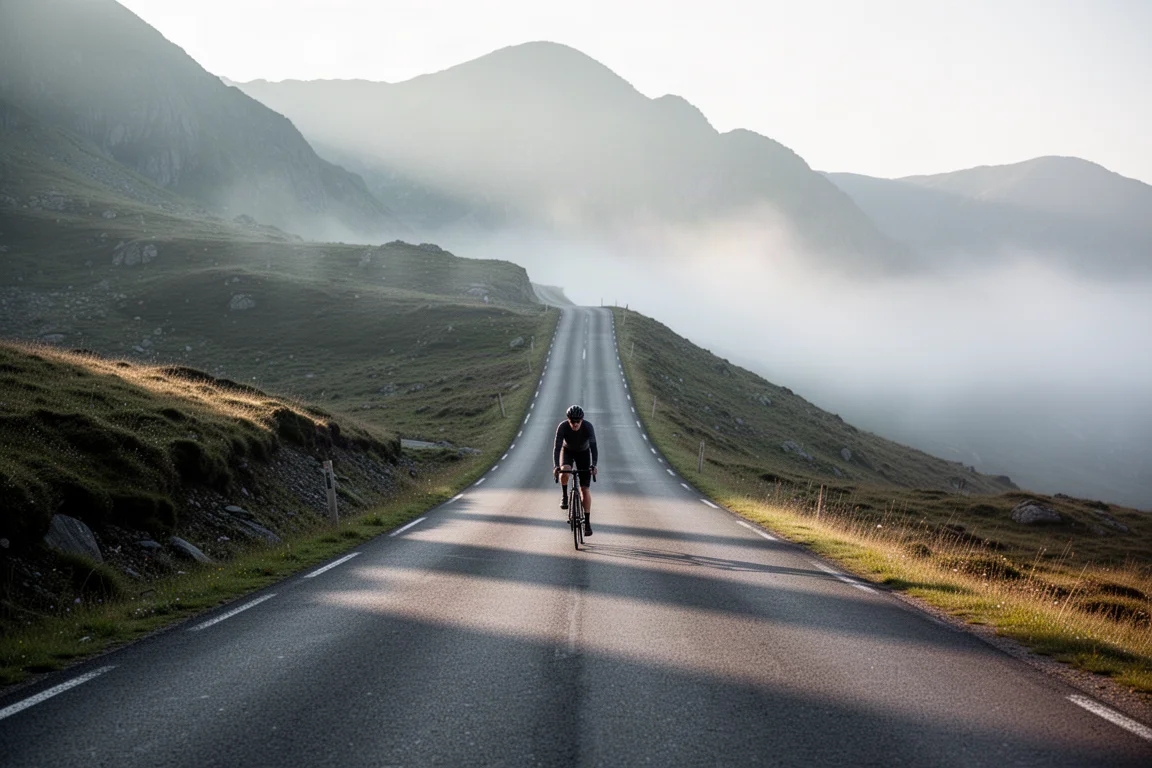
The contrast was stark enough to make the point about assistance clear. Matching the motor’s output on that gradient would require elite-level power from a rider, which is not a realistic expectation for most people on a commute or a weekend ride.
The rider on the unassisted bike confirmed the other side of the equation. Past 10 or 11 percent, dropping into easier gears and holding cadence becomes essential, and the margin for error disappears quickly.
It is also worth noting that a converted e-bike would not be eligible in a hill climb race, so this comparison is about everyday riding rather than competition.
Daily Riding and Commuting Considerations
Most riders never meet an 18 percent climb. A city-centre hill such as Park Street in Bristol, at roughly 8 percent, is a fairer picture of what commuting actually involves, and that is well within reach of a conversion kit.
For commuting, the kit’s advantages are practical. It keeps the bike you already like, it stays lighter than a full e-bike, and it can be ridden unassisted above the 25 km/h cut-off, so it still feels like a normal bicycle on flat ground.
The trade-offs are equally practical. You carry extra weight on the bike, you need to keep the battery charged, and assistance stops the moment you exceed the legal cut-off speed.
Buying Advice: Which One Fits Your Riding
Choose the conversion kit if your priority is making hills easier on a bike you already own, especially if your routes include steep local climbs or you want to arrive at work without a full change of clothes.
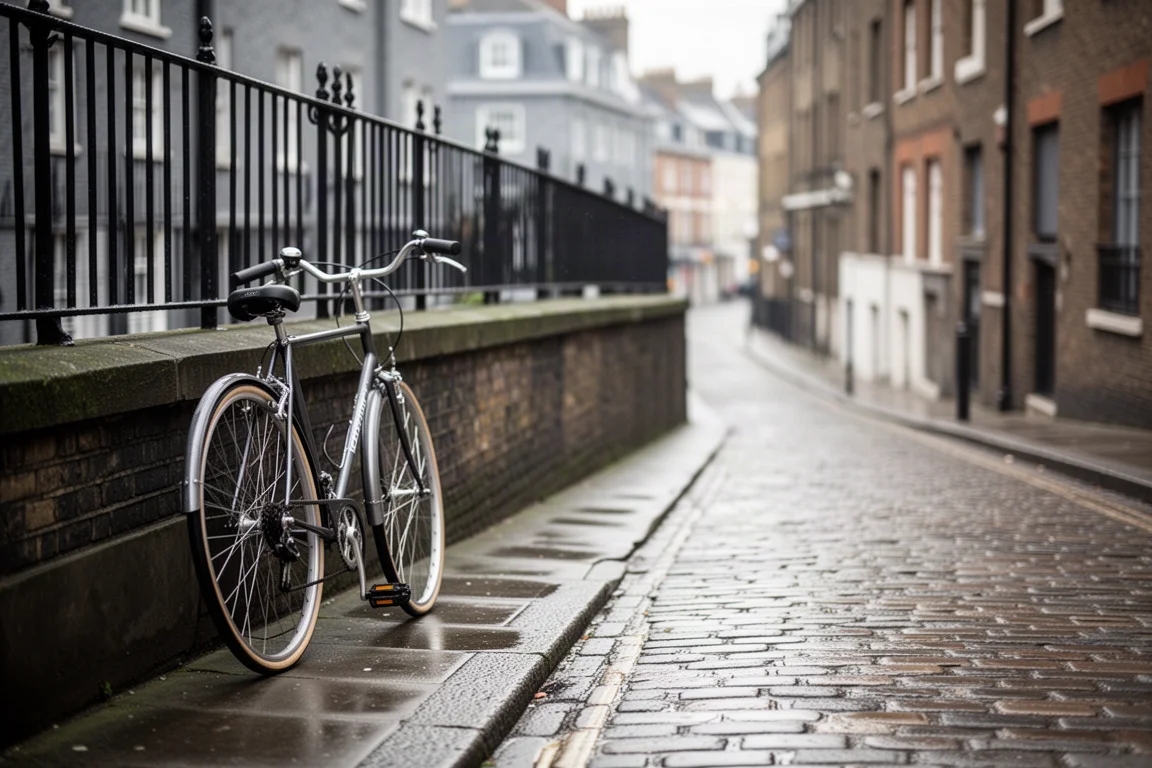
Choose a lightweight road bike such as the S-Works Aethos if your goal is performance and you are happy to supply all the power yourself. It is the more rewarding option on rolling terrain and the better match for riders who enjoy the challenge of a hard climb.
If you are unsure, start with the question you actually need answered. Do you want the hill to feel shorter, or do you want to get up it faster under your own power?
Conclusion
The comparison makes a simple point. On gentle gradients a light, expensive road bike is a joy and the faster choice. On a genuinely steep climb, a modest bike with electric assistance can turn a brutal effort into an easy one.
The Swytch Go Plus is the pragmatic pick for riders who want hills to stop being the hard part of the day. The S-Works Aethos remains the choice for riders who measure a climb by how fast they can ride it.
Further reading
Related Reviews
Cycling
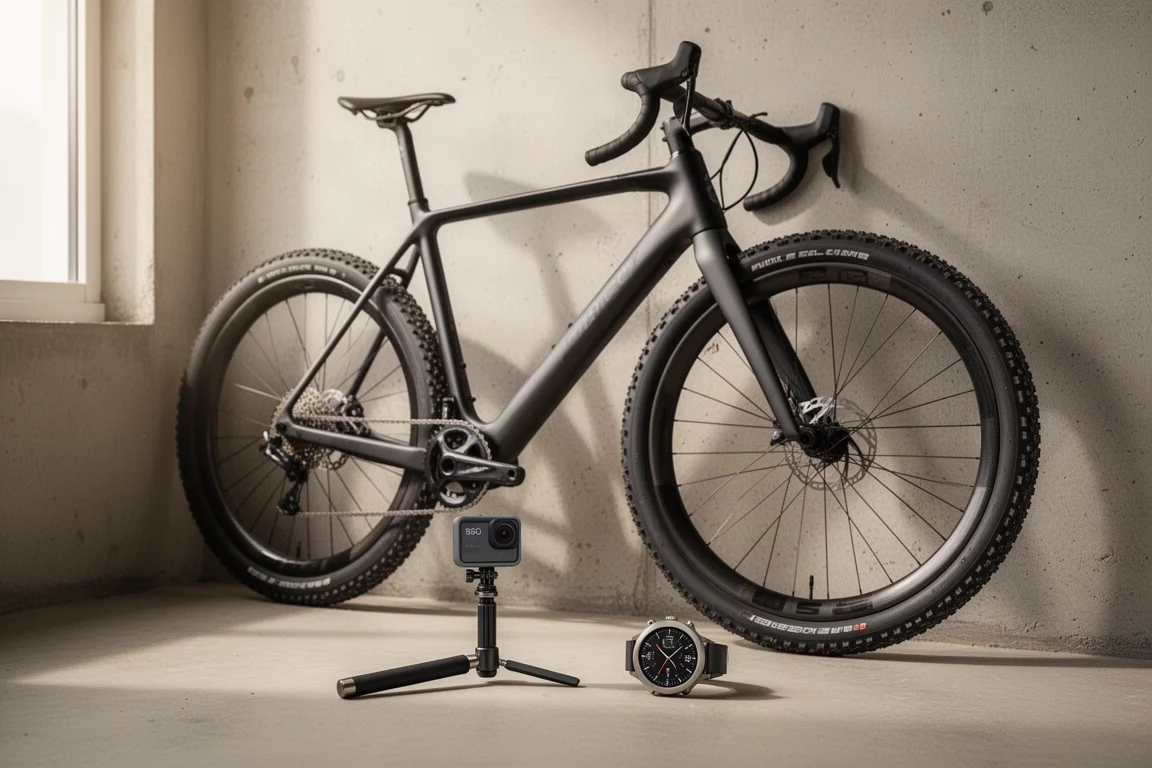
2026 Bike of the Year and the Cycling Gear Worth Watching
A drop bar roundup for 2026 covering the Ridley Kanzo Fast 2.0, Shimano Dura-Ace Di2 R9300, Trek Checkpoint ALR Gen 3, Specialized Tarmac SL9, Garmin Fenix 9 and Insta360 X6.
Cycling
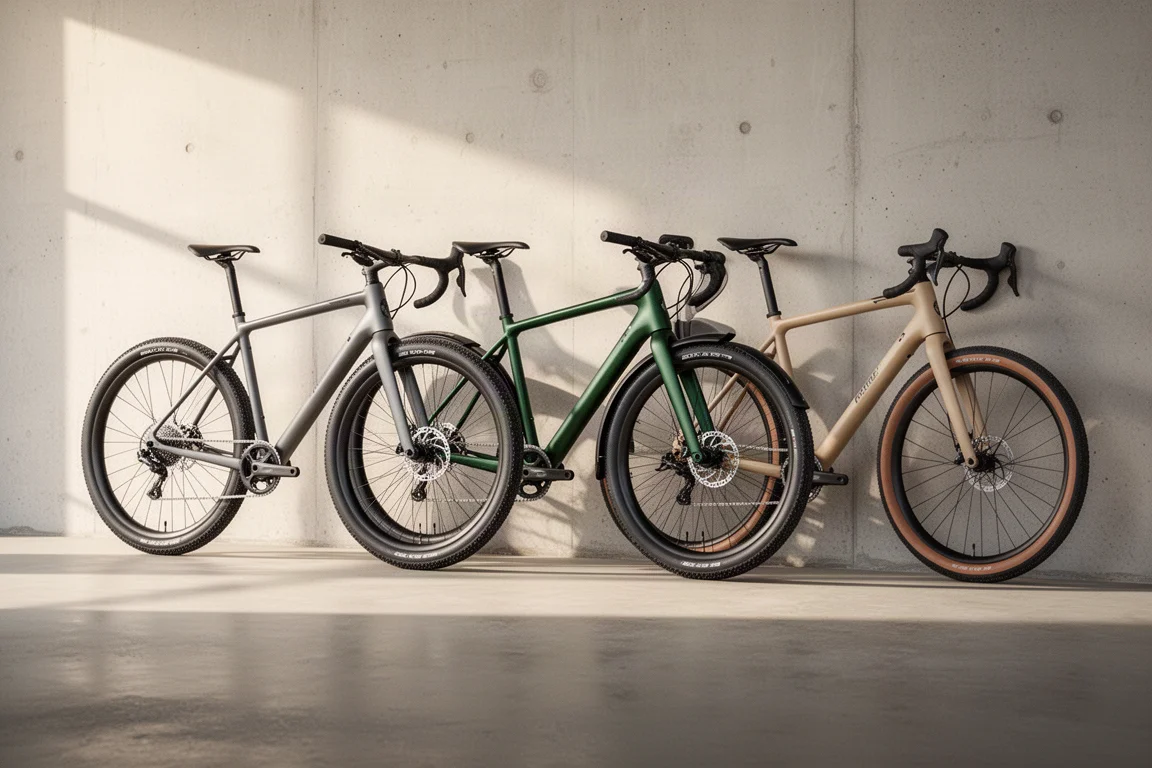
Best All-Road Bikes 2026: Six Versatile Endurance Road Bikes Worth Considering
A practical look at six all-road and endurance road bikes, from lightweight carbon speed machines to steel all-rounders and comfort-focused mile eaters.
Cycling
Best All-Road Bikes 2026: 8 Endurance Bikes for Road and Light Gravel
Eight all-road bikes that blur the line between endurance road and light gravel, compared on tire clearance, ride character, practicality, and value.