E-Bike Conversion Kits
Switch Electronic Conversion Kit Review: Front Wheel Power for Everyday Bikes
A front wheel motor kit that turns an ordinary bicycle electric, with a lightweight Switch Air battery and a longer-range Switch Max option to match different commutes.
Introduction
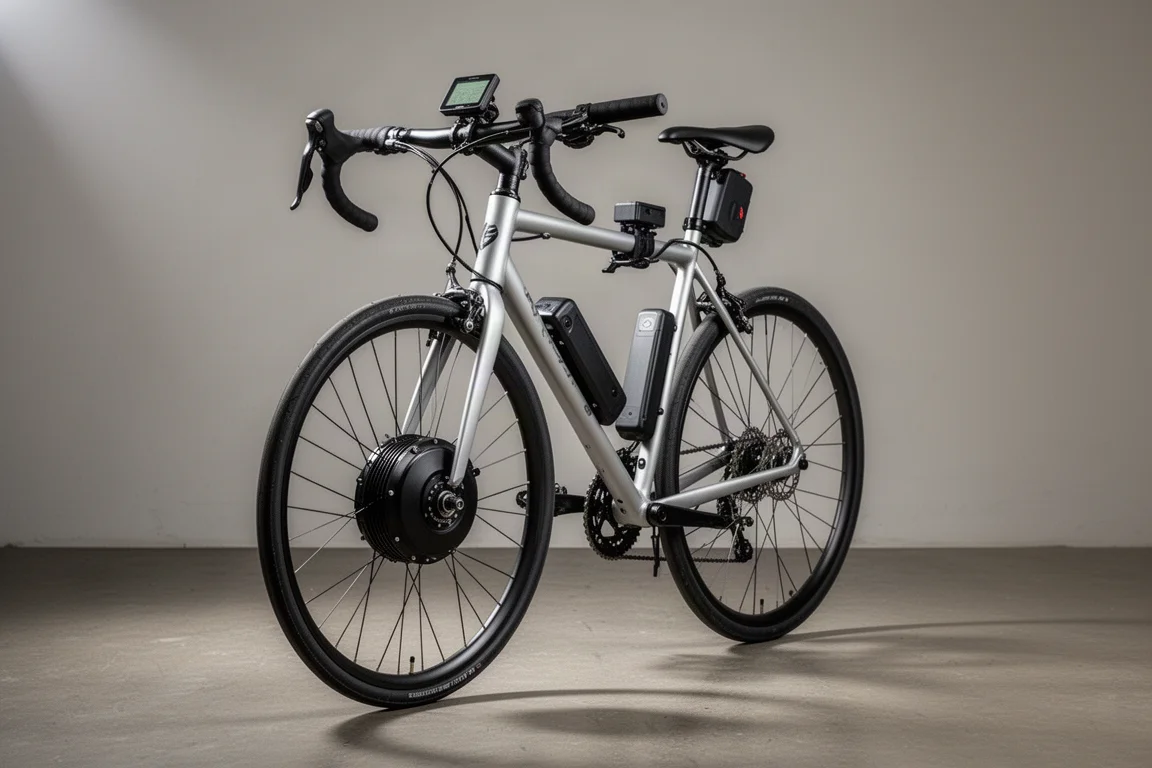
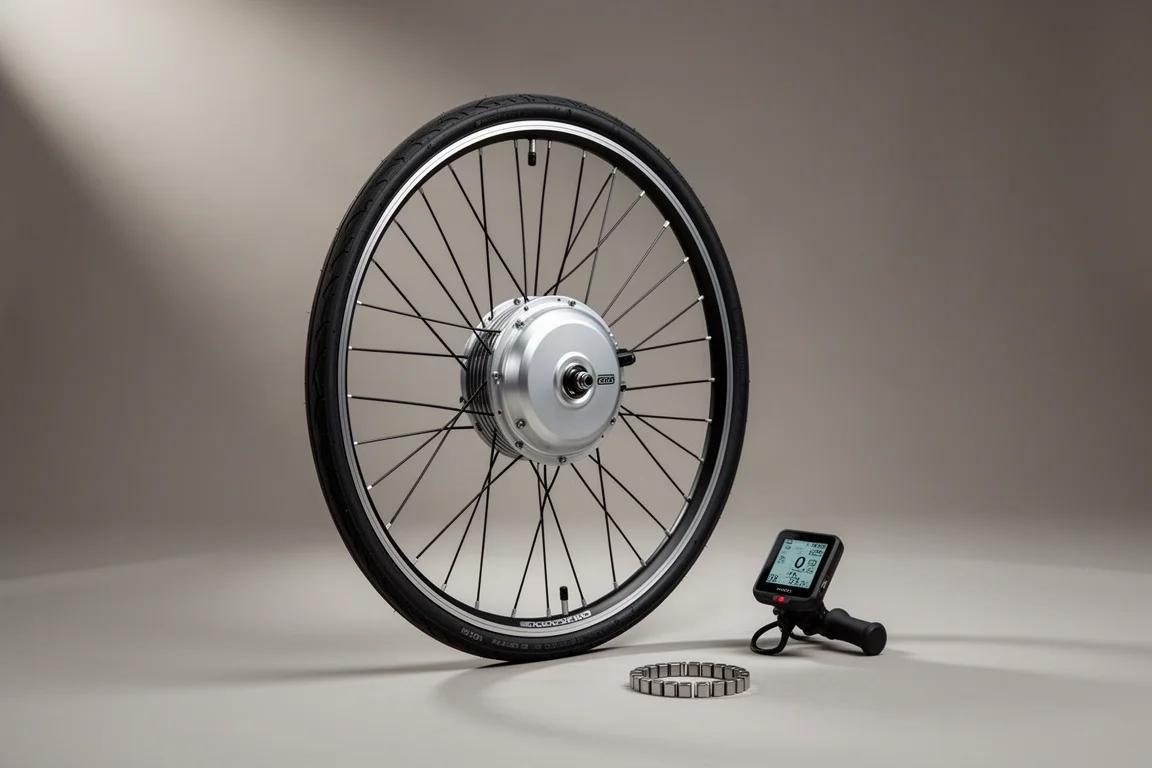
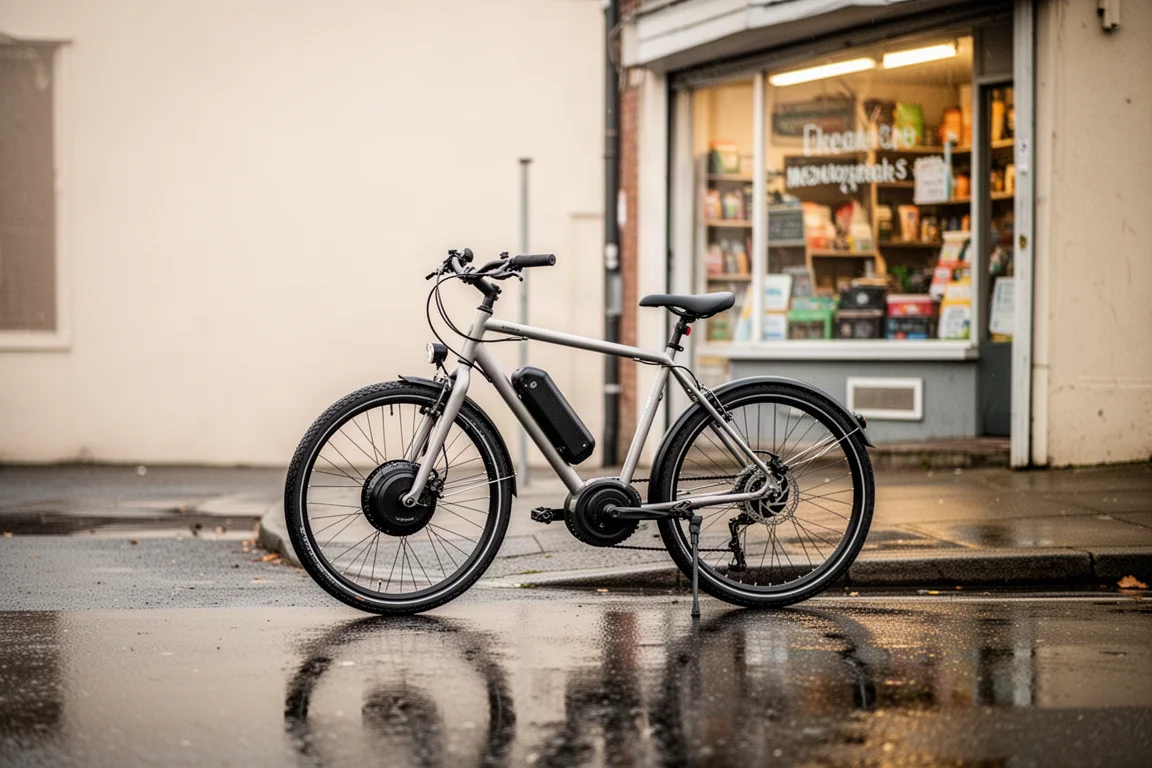
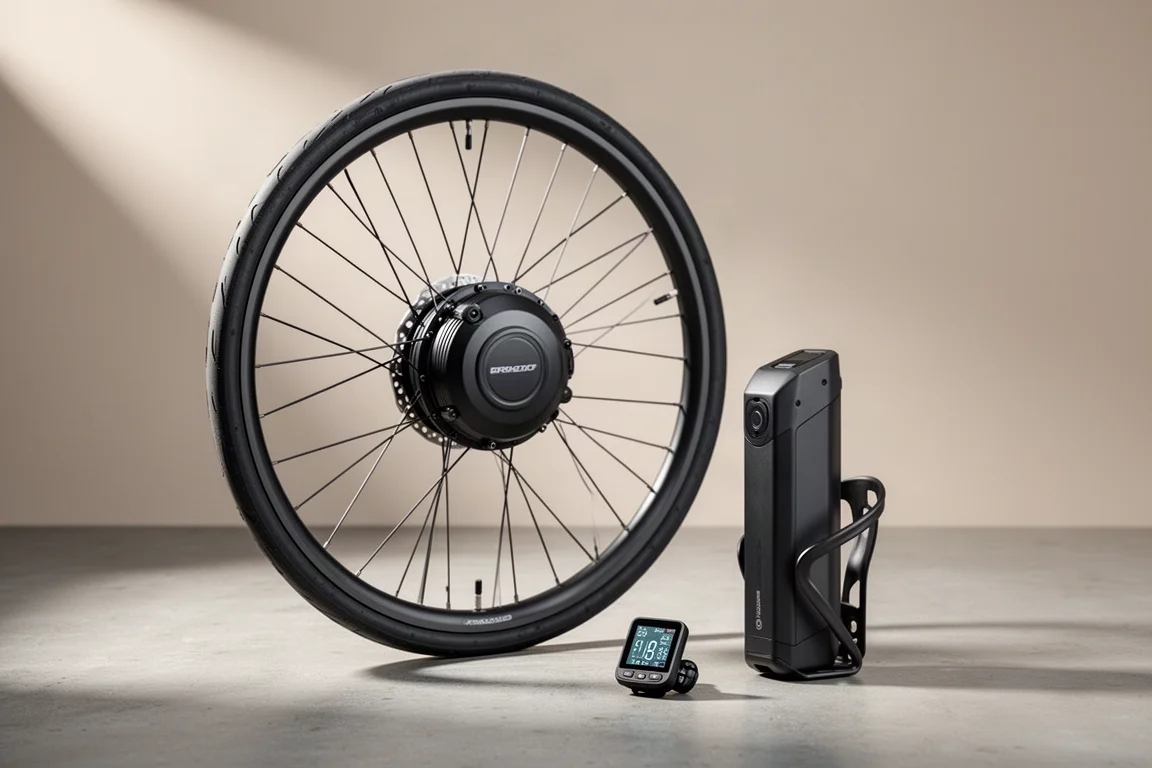
The Switch electronic conversion kit is a front wheel motor system that turns an ordinary bicycle into an electrically assisted one. Rather than replacing the bike, it replaces the front wheel with a hub motor wheel, then adds a pedal assist sensor, a handlebar display, a mounting bracket, a charger, and a battery.
The wheel is a 700c rim brake unit with an alloy braking surface, which means it can be fitted to a broad range of bikes, and it is not tubeless ready. The kit also supports several axle widths, so the correct adapter can be chosen to suit the dropouts on the frame. The one clear exception is through-axle bikes, which the kit does not fit.
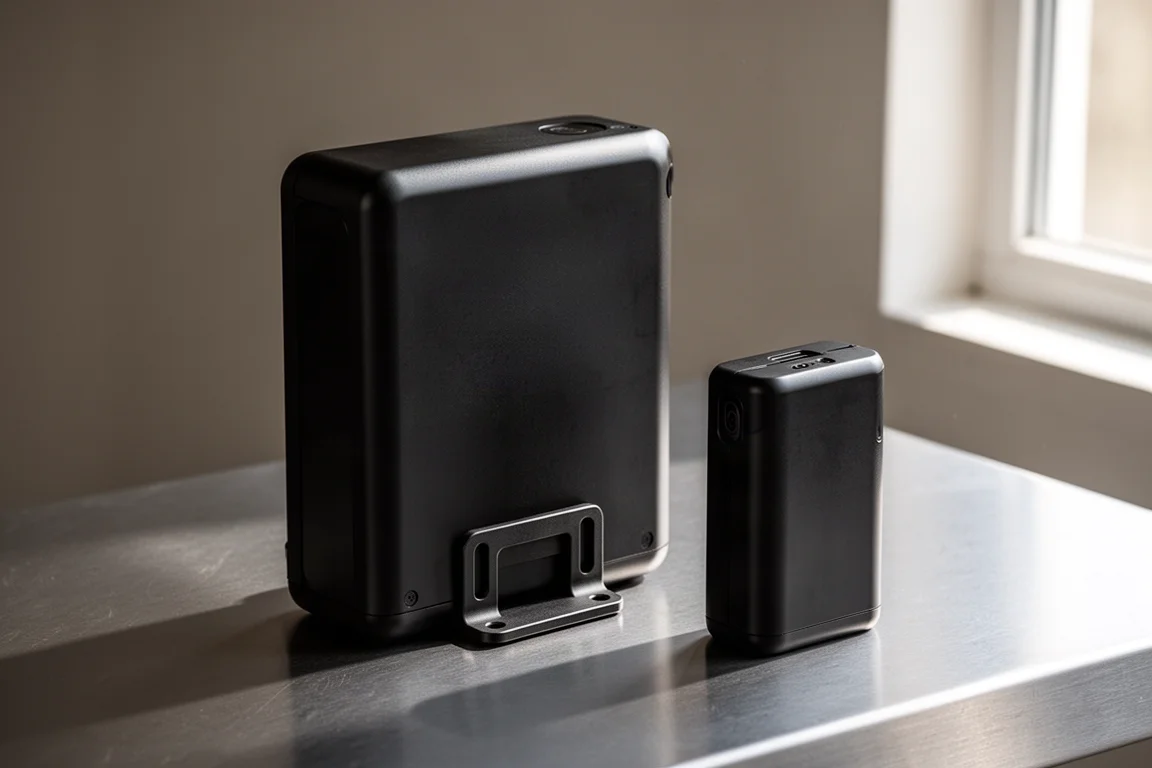
Two batteries are offered. The Switch Air is the compact option at 739 g with an official range of 15 km. The Switch Max weighs 1,136 g and doubles the official range to 30 km. The difference in size is noticeable but not dramatic, which makes the choice mostly about how far you actually ride.
What the Switch Kit Includes
The box contains the motor wheel, a pedal assist sensor ring with its magnets and a retaining circlip, a handlebar display, a mount with spacers for different bar diameters, a charger with a plug, a supply of cable ties, and a detailed instruction manual that has been updated since the earlier version of the kit. Axle adapters are supplied so the wheel can be matched to different dropout sizes.
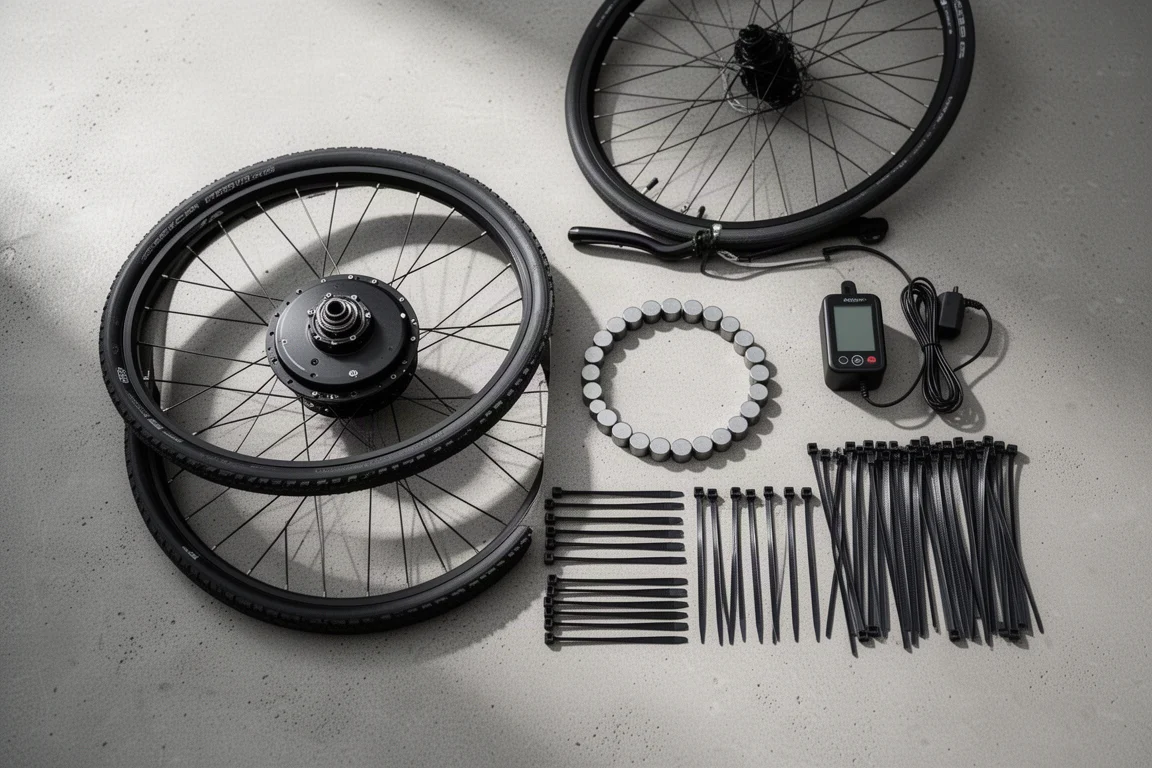
The magnet ring is the part that does the thinking. It sits on the crank and tells the system how fast you are pedalling, which the controller combines with wheel size to decide how much assistance the motor should provide. Five assistance levels are available, from a gentle nudge to full support on a climb.
Both battery options use the same mount, so a rider can start with the smaller pack and move up later if the commute turns out to be longer than expected. Each battery unclips from the frame, which matters if the bike lives in a shed or a shared store rather than indoors.
Switch Electronic Conversion Kit: Installation and Compatibility
Fitting the kit follows a logical sequence: remove the front wheel, install the motor wheel, swap to brake pads suited to an alloy braking surface if the bike runs rim brakes, fit the sensor ring around the crank, position the sensor close to the magnets, attach the display to the handlebar, and connect the cables. On a bike with a conventional crankset and reasonably open frame tubes, this is roughly a ten minute job.
Crank compatibility is where things can get complicated. The sensor ring does not fit SRAM cranks, because the preload adjustment sits exactly where the ring needs to go. Frames with wide carbon tubes and a large bottom bracket can also leave almost no clean space for the sensor housing near the magnets, and working around that may mean filing the bracket or holding it in place with a cable tie. Any modification of that kind will void the warranty, so it is worth checking the frame carefully before committing.
Axle width is the other variable. A nine millimetre adapter suited the carbon dropouts on the test bike, and the display mount went straight onto standard aluminium drop handlebars without any of the supplied spacers. Riders on alloy cranksets and traditional frame shapes will find the whole process far more straightforward than those on heavily shaped carbon frames.
Switch Air Battery: Compact and Light
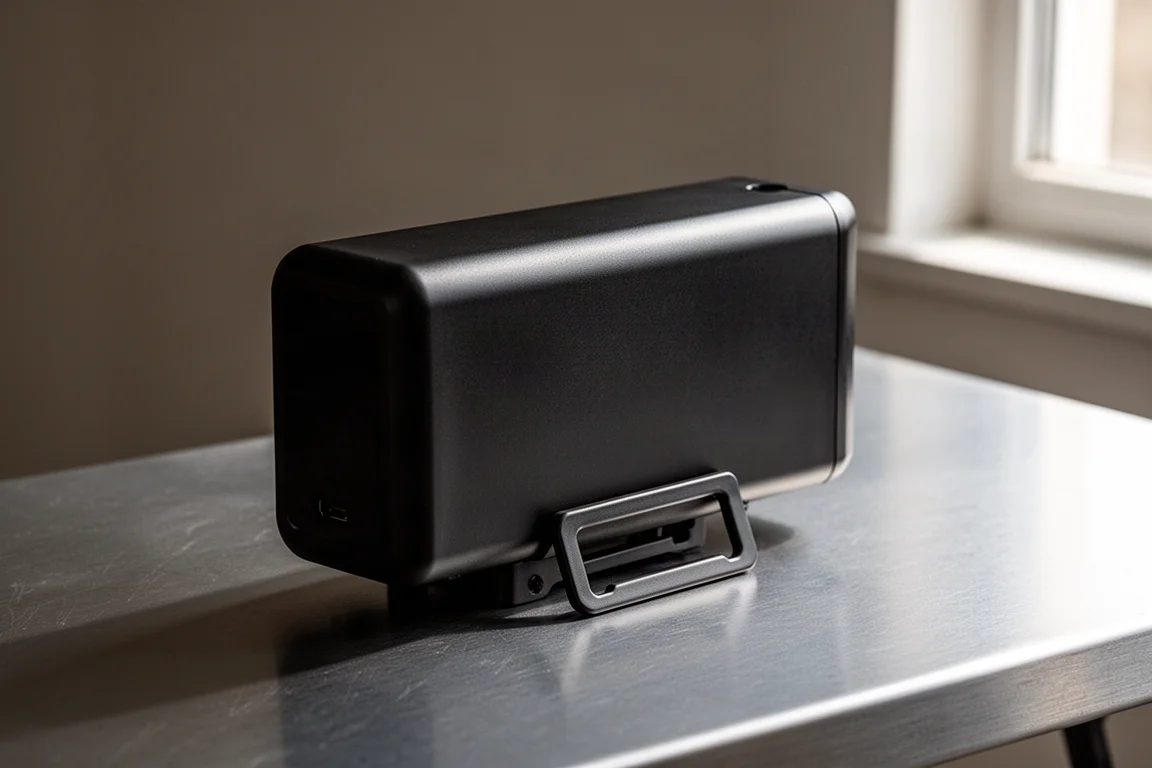
The Switch Air weighs 739 g and carries an official range of 15 km. It is the smaller of the two packs, and the size difference against the Max is noticeable when you hold them side by side, though not so great that the Air feels like a token battery.
Range claims are always optimistic, and the conditions matter enormously. On a demanding route with roughly eight degree temperatures, a strong headwind, significant elevation, and a greasy road surface, the Switch Air covered 10.9 km before it stopped assisting. That is short of the official number but not far off it, given how hostile the terrain was.
Switch Max Battery: Double the Range
The Switch Max weighs 1,136 g and roughly doubles the official range to 30 km. The extra heft is noticeable on the frame but it stays easy to carry, and the same mount means swapping between the two packs is a matter of seconds.
On the same cold, windy, hilly route, the Switch Max delivered 21.5 km of assistance. That is a little over double what the Air managed in identical conditions, which makes the bigger pack the more useful choice for anyone whose commute includes a proper climb at either end.
Real-World Range Results
The headline numbers are simple: 10.9 km from the Switch Air against an official 15 km, and 21.5 km from the Switch Max against an official 30 km. Both runs took place in conditions close to worst case, with low temperatures, a persistent headwind, plenty of climbing, and poor road surfaces. Power levels were varied throughout, with most time spent in the middle settings on flatter ground and the highest level on the climbs.

Taken together, the numbers suggest the official figures are realistic for the kind of riding these batteries were designed around. The target market is clearly commuter bikes in towns and cities, where a ten to twenty kilometre round trip on moderate terrain is a normal day. On that sort of route, the claimed ranges look achievable rather than aspirational.
Motor Noise and Riding Feel
One of the most noticeable improvements over the earlier version of the kit is noise. The motor is essentially silent in use, where the older unit sounded like a loud, whirring drive. That quietness changes the character of the ride, because the assistance fades into the background instead of announcing itself on every climb.
Power delivery is spread across five levels, and the middle settings feel natural enough for steady riding rather than a constant surge. With the system switched off, the front hub adds some rolling resistance, but it is mild. The bike still rolls and steers like a bicycle rather than a machine you are pushing home.
Riding With the Battery Empty and Carrying a Spare
Because the battery unclips from the mount, it can travel in a jersey pocket or a small bag. That makes mid-ride swaps entirely practical, and it also means the pack can be charged indoors without bringing the whole bike inside, which is a real advantage for anyone storing a bike in a shed or a communal rack.
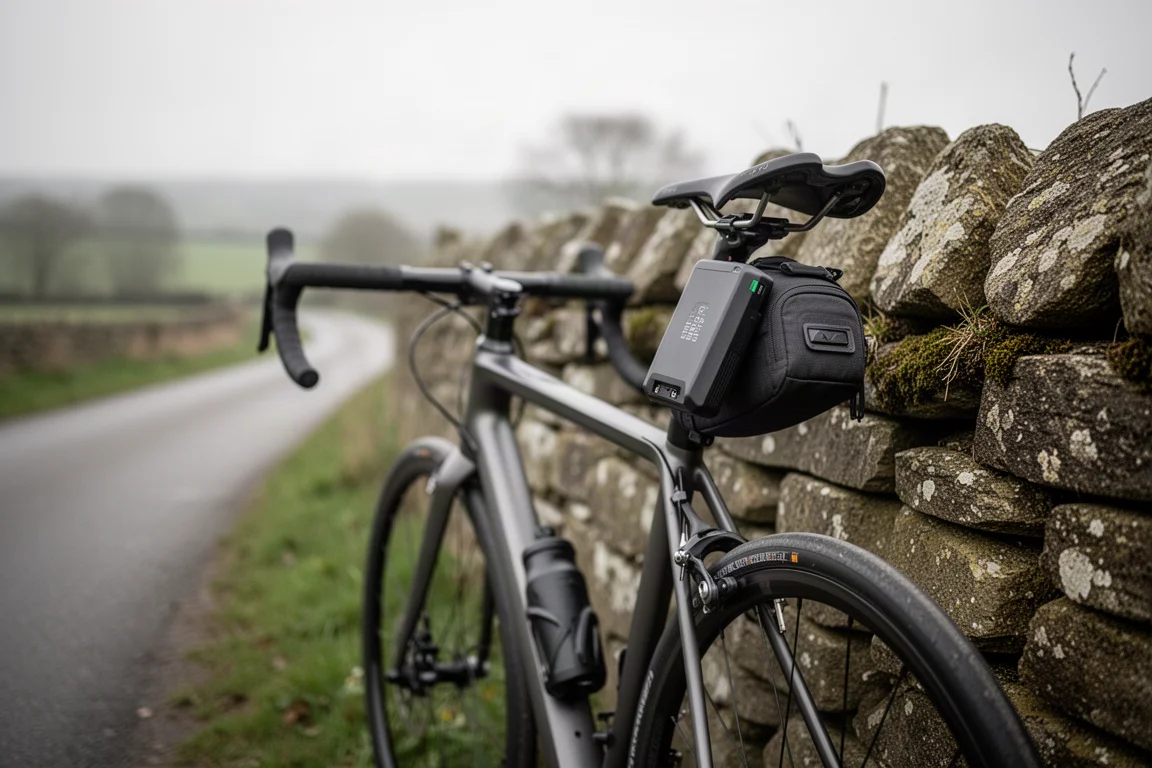
When the battery is empty, the bike remains rideable. The extra drag from the front wheel motor is present but modest, and a light road bike stays far easier to pedal than a heavy electric cargo bike that becomes a chore the moment assistance stops. The whole kit adds weight, but not so much that the bike stops feeling like a bike.
Commuting and Everyday Use
The natural home for this kit is a short ride around town where the terrain is not flat, whether that is a daily commute, a trip to the shops, or a hilly route home that you would rather not tackle unassisted. In those settings, the modest weight, the quiet motor, and the removable battery line up neatly with how the bike is actually used.
The connectors and cabling follow the familiar patterns found on many e-bikes, which keeps the setup approachable for riders who have handled an electric bike before. Installation is quick and the instructions are clear, which is a meaningful difference from the bare conversion kits sold through general marketplaces.
Buying Advice: Who the Switch Kit Suits
This kit suits someone converting an existing bike for short, hilly journeys who wants a complete package rather than a box of loose parts to figure out. The pieces fit together logically, the manual is genuinely useful, and the presence of a company standing behind the product is worth something if a component fails later.
Before ordering, check three things: whether your frame uses through axles, which the kit does not support; whether your crankset is a SRAM unit, since the sensor ring will not fit; and whether there is enough clearance between the frame and the crank for the sensor assembly. Riders on standard alloy cranksets and conventional frame tubes will have the easiest time.
If your riding is long distance and remote, a conversion kit of this type is the wrong tool, and the official range figures should be read as best case. For a ten to twenty kilometre commute with a climb in it, the Switch Air will cover most days and the Switch Max will cover the rest.
Conclusion
The Switch electronic conversion kit does exactly what it promises: it turns a normal rim brake bike into a front wheel drive electric bike with a short, straightforward installation. The quiet motor, the removable batteries, and the rideable feeling when the battery is flat are the qualities that matter day to day, while the range figures hold up best in the town and commuter conditions the kit was designed for.
Crank and axle compatibility are the two details to settle before buying. Get those right, and this is a sensible way to add electric assistance to a bike you already like.
Further reading
Related Reviews
E-Bike Conversion Kits
Best E-Bike Conversion Kits: Swytch Max Plus, Boost and Skarper Compared
Three e-bike conversion kits compared on fit, power delivery, range and price, plus the pitfalls to check before you convert an old bike.
E-Bike Conversion Kits
Boost E-Bike Conversion Kit Review: A Tidy Route to an Electric Bike
A rear-wheel conversion kit that turns a sound drop-bar bike into a smooth, cleanly finished electric bike for far less than a new one.
E-Bike Conversion Kits
Eagor E-Bike Conversion Kit Review: Carbon Wheels for Road Bikes
A carbon road bike conversion kit with smooth, quiet assistance, a real weight penalty, and one serious fault that keeps it from a recommendation.