Floorstanding Speakers
SVS Ultra Tower Review: Deep Bass, Revealing Detail, and a Room That Matters
A close look at the SVS Ultra Tower floorstander: its 3.5-way driver array, near full-range bass, forward upper midrange, and what placement and room treatment do to the sound.
Introduction
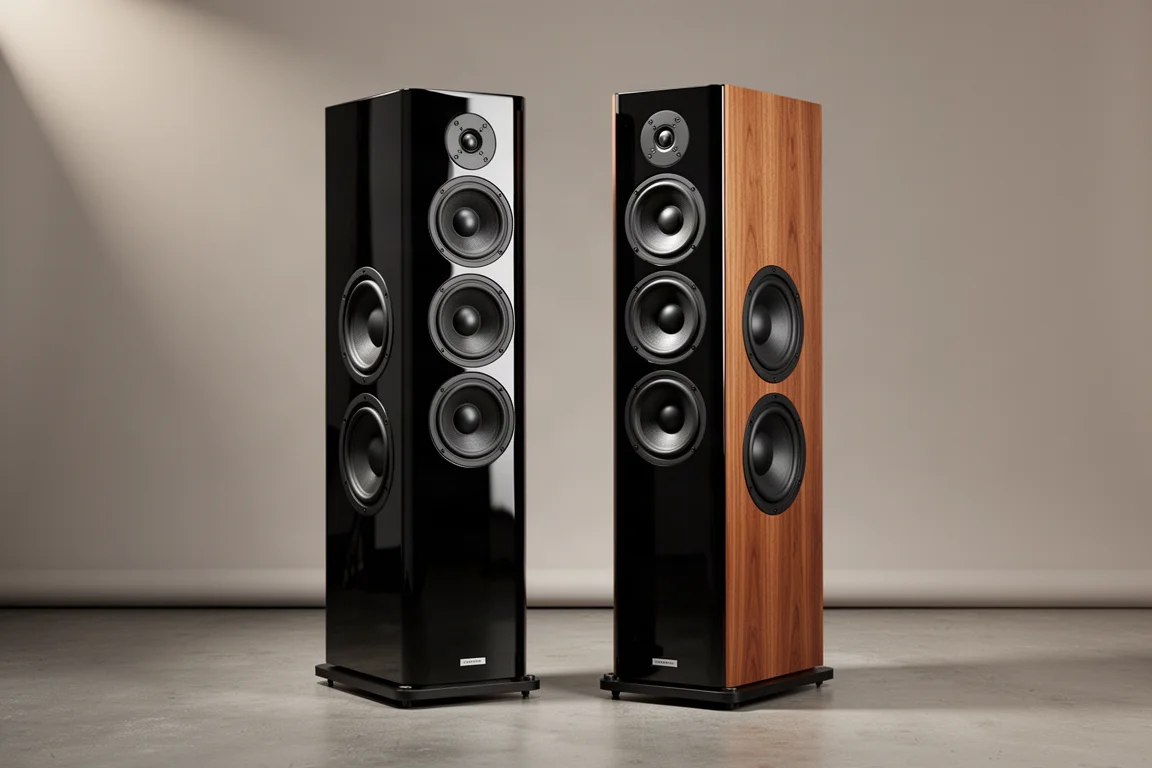
The SVS Ultra Tower is a floorstanding speaker that has stayed in the brand’s lineup for close to a decade, and that longevity says something on its own. It is a 3.5-way design built around a 1-inch aluminum dome tweeter, dual 6.5-inch midrange drivers, and horizontally opposed 8-inch woofers. That is an unusually generous driver array for the price, and it is the foundation of everything the speaker does well.
SVS rates the Ultra Tower down to 28 Hz (+/- 3 dB). For a tower at this size and price, that is close to full-range territory, and it explains why the speaker has such a strong following among listeners who want one pair of towers to handle both movies and music. At $2,600, it sits in a bracket where expectations are high and competition is thick.
Who This Speaker Is For
This is a speaker for listeners who want weight and scale without adding a subwoofer. The low-end output is genuinely substantial, and it arrives with the kind of dynamic contrast that makes film soundtracks and bass-heavy music feel physical rather than polite. If your priority is a single pair of towers that can carry an entertainment setup on its own, the Ultra Tower is built for exactly that brief.
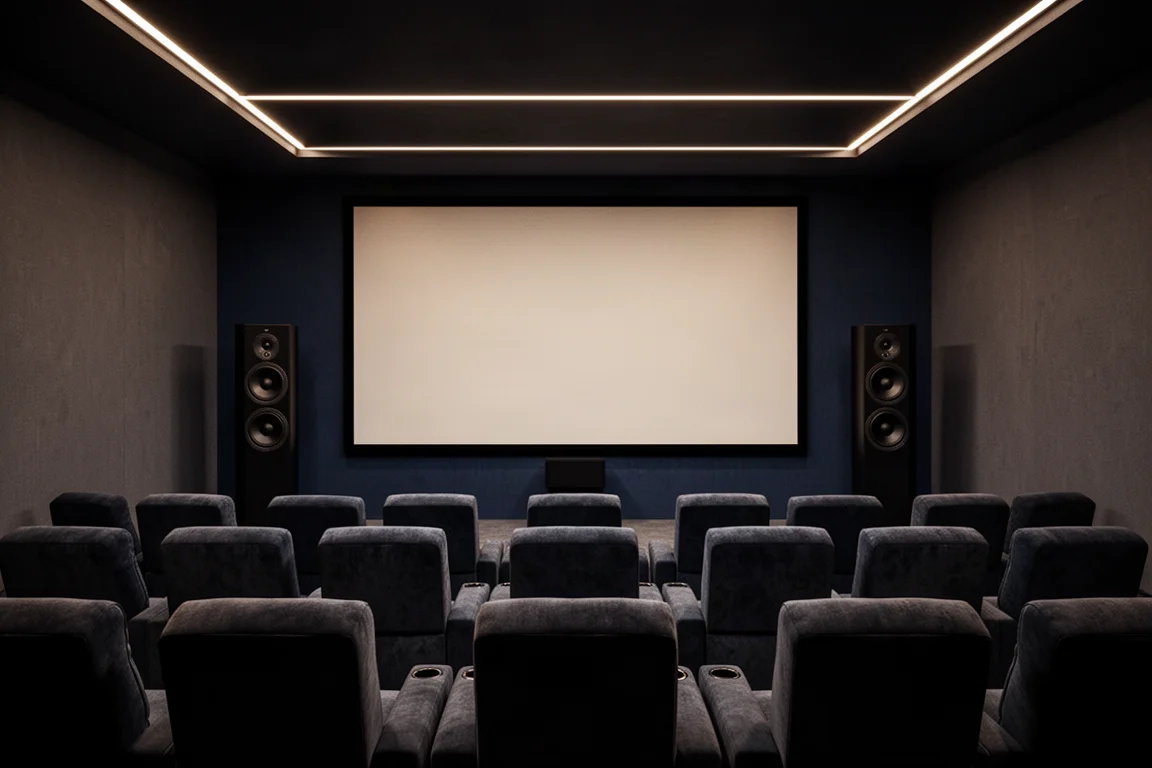
It also suits listeners who enjoy a revealing, slightly forward presentation. The Ultra Tower does not soften detail. It leans toward the analytical side in the upper midrange and treble, which appeals to people who want to hear the texture of a recording rather than a smoothed-over version of it.
Where it fits less comfortably is in a small, bare room. The same bass authority that makes the speaker exciting in a controlled space can overwhelm an untreated one, and the tonal balance shifts noticeably as a result.
Build Quality and Driver Configuration
Build quality is excellent. The cabinet feels solid and heavy, and the driver complement is laid out with clear intent: a dome tweeter and a pair of midrange drivers handling the critical midband, with the opposed 8-inch woofers doing the heavy lifting below. SVS also carries a strong reputation for customer service, which is one of the more underrated parts of buying a speaker in this price range.
The finish deserves a note. The piano gloss version looks striking, but it collects fingerprints and micro scratches far more readily than the brand’s non-gloss finishes. If keeping the cabinets looking pristine over years of use matters to you, the matte-style finish is the more practical choice.
It is worth remembering that SVS built its reputation primarily as a subwoofer company, and that heritage shows in the low-frequency confidence of this design.
Bass Performance and Dynamics
The bass is the headline, and it holds up. It extends low, hits hard, and stays dynamic and punchy rather than sluggish. There is a slight exaggeration in the low end, which many listeners will enjoy, but the overall character stays accurate and controlled. Paired with the 28 Hz rating, the result is a tower that behaves like it has a subwoofer built in.
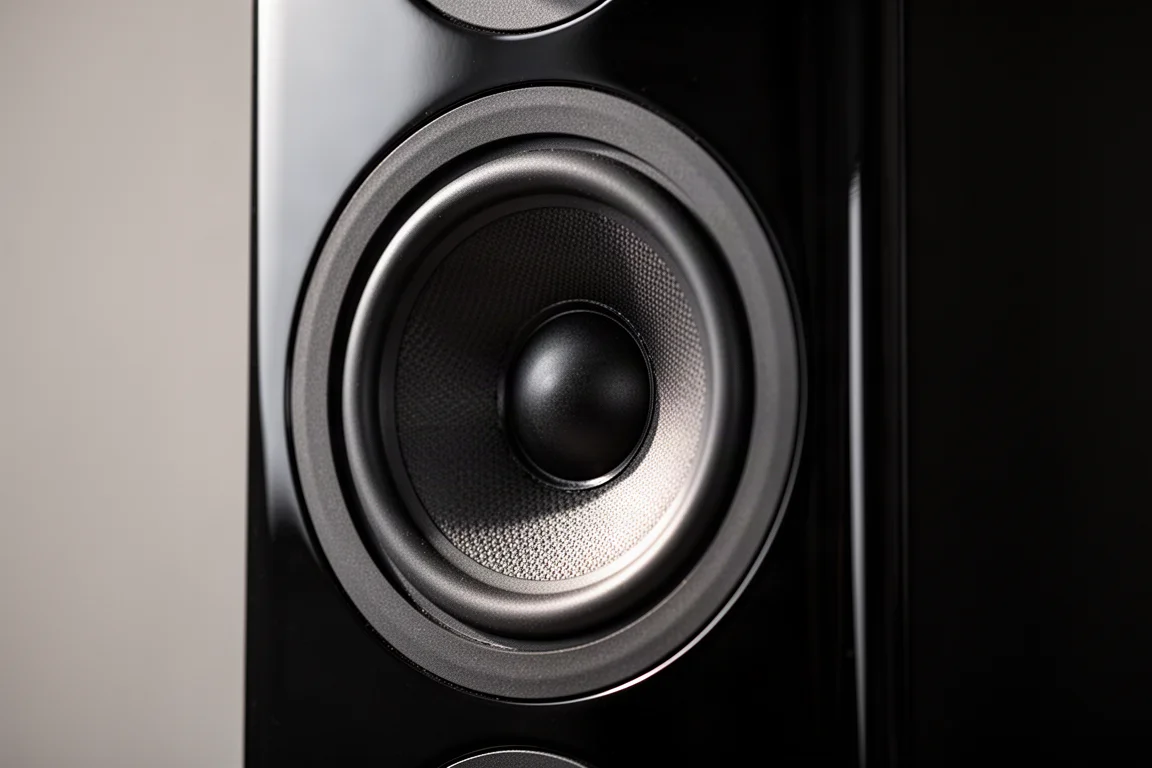
The cabinet is a ported design, so distance from the wall behind the speakers matters a great deal. Around two to three feet of clearance produced the most linear, well-behaved low end. Moving them closer to the wall, even to roughly 1.5 feet, still works, but the bass becomes more exaggerated. It does not turn muddy or boomy at that distance, though listeners who prefer a leaner, more linear bass response will want the extra space.
In an untreated room, room gain amplifies everything the woofers produce, and the low end can tip into boom. That is a room problem rather than a speaker flaw, but it is a real consideration for anyone buying these without any acoustic treatment in place.
Mid-range and Treble Character
The midrange is more capable than a casual listen might suggest. In a well-damped space it comes across as natural and crisp, and the upper midrange in particular benefits from a room that absorbs energy rather than reflecting it. In a heavily damped home theater room, that absorption pulls down the upper midrange and treble energy, and the speaker sounds balanced, airy, and sparkling.
In a more typical treated room, where diffusion and absorption are mixed rather than total, the midrange can sound a touch thin, and the upper midrange becomes the most opinionated part of the presentation. On guitar-driven tracks it can read as forward, aggressive, and bright. Listeners who enjoy brands known for a revealing, upfront character will find plenty to like here. Those who prefer a warmer, more relaxed midrange may find it tiring.
The tweeter is a metal dome, and it sounds like one. There is genuine sparkle and detail on top, along with a slight hardness and edge. It is not harsh, but it is not silky either, and it rewards careful pairing and placement more than most speakers in its class.
Soundstage and Imaging
Soundstaging is adequate rather than spectacular. The Ultra Tower throws a reasonably sized stage, sitting in the middle ground between intimate and expansive. The speakers never fully disappear, which is unsurprising for a large tower with this much cabinet volume, and that is not a fair criticism of the design.
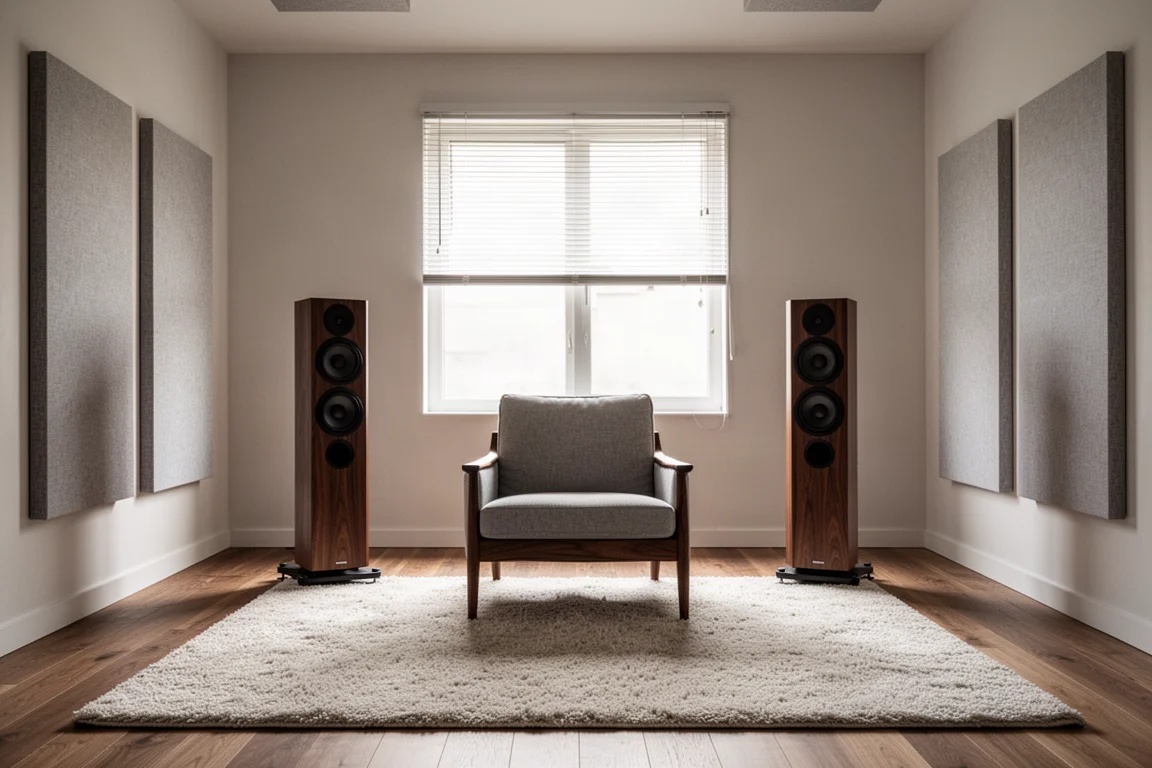
Imaging is where the speaker quietly excels. The center image locks in firmly, and side instruments are placed with real precision inside the stage. A useful discovery was that firing the speakers straight out into the room, rather than toeing them in toward the listening position, tamed the brightness considerably while keeping the center image dead center. That orientation made long listening sessions far more comfortable.
The presentation tends toward a wall of sound rather than a holographic, three-dimensional bubble. It is not congested or flat, and certain tracks do open up with some depth, but the overall effect is more two-dimensional than immersive.
Things to Consider Before Buying
Gear matching is less dramatic than you might expect. The Ultra Tower held onto its own voice across a wide range of amplification, from an AV receiver to a solid-state monoblock, a hybrid integrated, and a tube design. Differences showed up mainly as small gains in soundstaging and a slightly easier, more relaxed presentation. A hybrid amplifier with tone controls was the most flexible partner, since a small treble cut helped on brighter recordings.
That consistency is good news for buyers. If you plan to drive these with an AV receiver as part of a home theater setup, the speaker will still sound like itself. You do not need exotic amplification to get the intended result.
The other consideration is competition. Nearly a decade after release, this price bracket is crowded with strong alternatives, and some listeners will prefer a warmer or more refined presentation. The Ultra Tower remains relevant because it does one specific thing very well: it delivers near full-range bass and high dynamic capability from a single pair of towers, and it has been loved by home theater listeners for years precisely because of that.
Buying Advice
Buy the Ultra Tower if you want one pair of speakers that can carry both movies and music, and if you value deep, punchy bass and an honest, revealing midrange over a soft, forgiving one. It is an excellent choice for that listener, and the fact that it remains competitive after nearly a decade on the market is a meaningful endorsement.
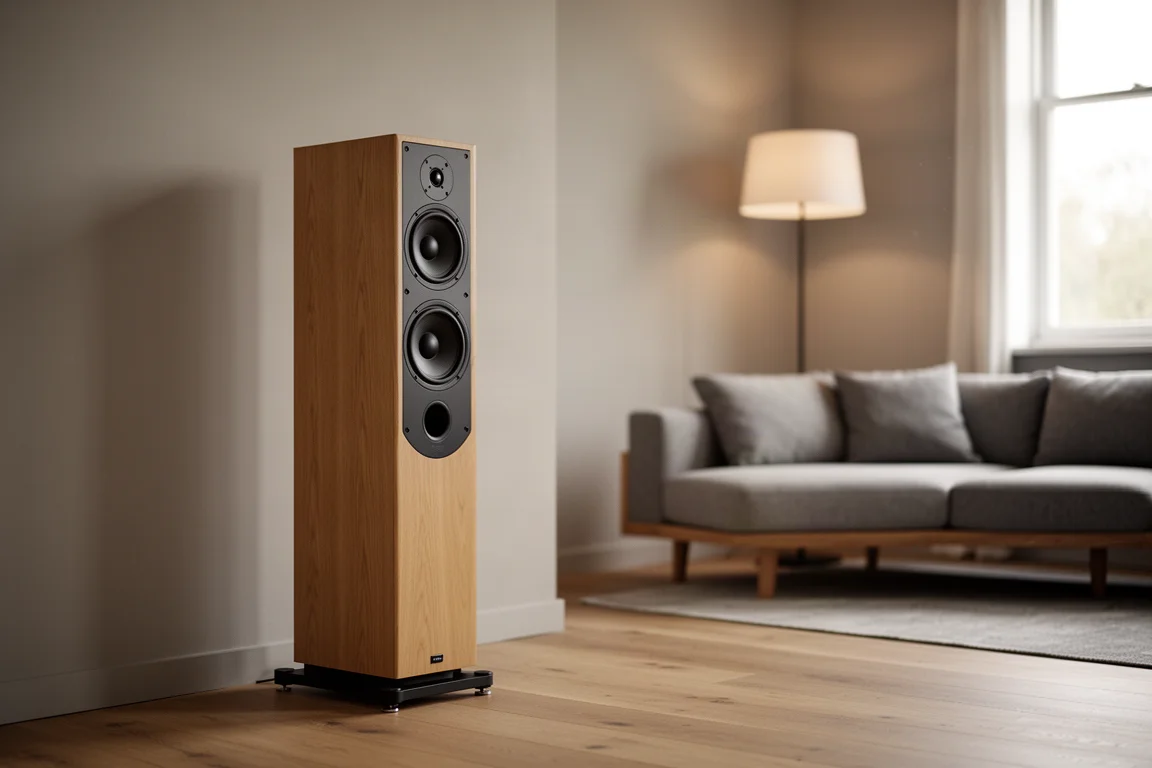
Plan your room before you plan your electronics. Give the speakers two to three feet behind them if you can, treat the first reflection points, and try firing them straight ahead rather than angled in. Those three decisions will shape your experience more than any amplifier swap.
If you want a leaner, more linear low end, a warmer midrange, or a smaller footprint, this is not the speaker to talk yourself into. If you want scale, weight, and detail at an achievable price, it is a confident purchase.
Conclusion
The SVS Ultra Tower remains an excellent floorstander. Its bass is deep, dynamic, and genuinely near full range, its imaging is precise, and its build quality is beyond reproach. The upper midrange and metal dome tweeter are forward and a little edgy, and the bass demands a room that can handle it. For listeners chasing a single pair of towers for movies and music, those trade-offs are easy to accept, and that is why this speaker has stayed relevant for close to a decade.
Product link
View more details for SVS Ultra Tower
This product is mentioned in the review. Check the specifications, options, and compatibility before buying.
View more details for SVS Ultra TowerFurther reading
Related Reviews
Floorstanding Speakers
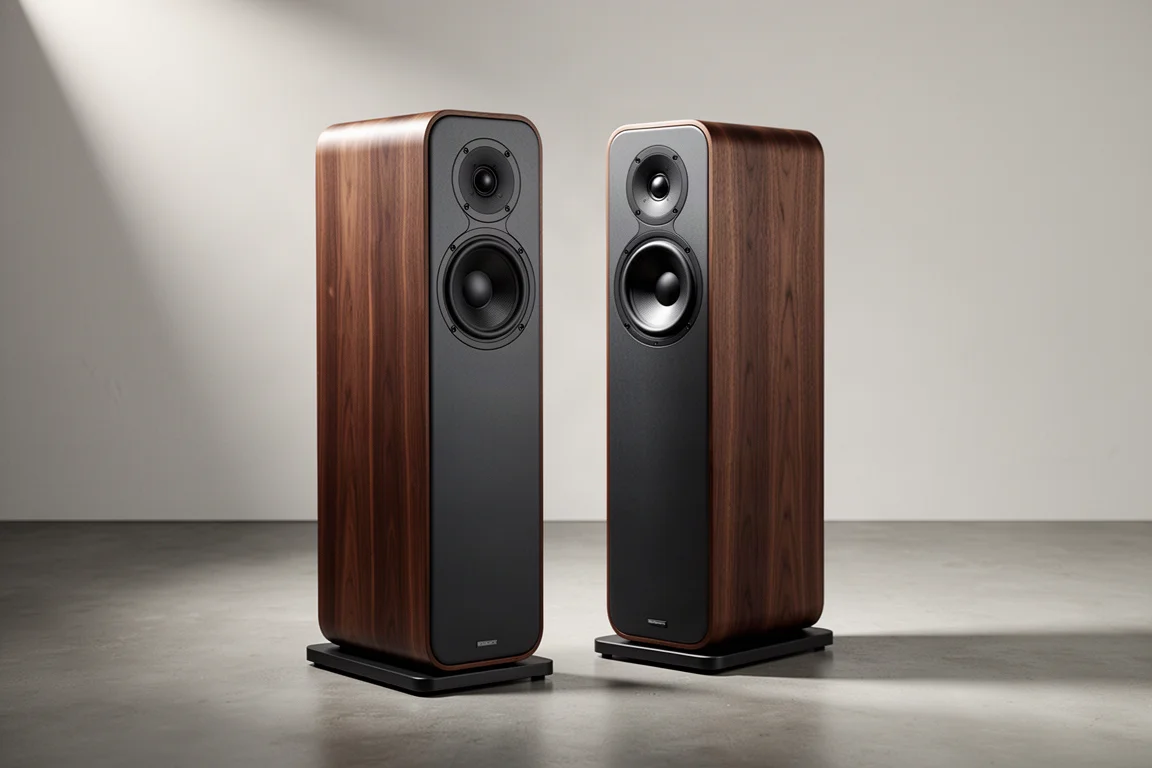
Acoustic Energy AE109 Mark II Review: A Refined Floorstander at £699
The Acoustic Energy AE109 Mark II is a slim, warm sounding floorstander that delivers clarity, midrange body and strong imaging in small to medium rooms.
Floorstanding Speakers
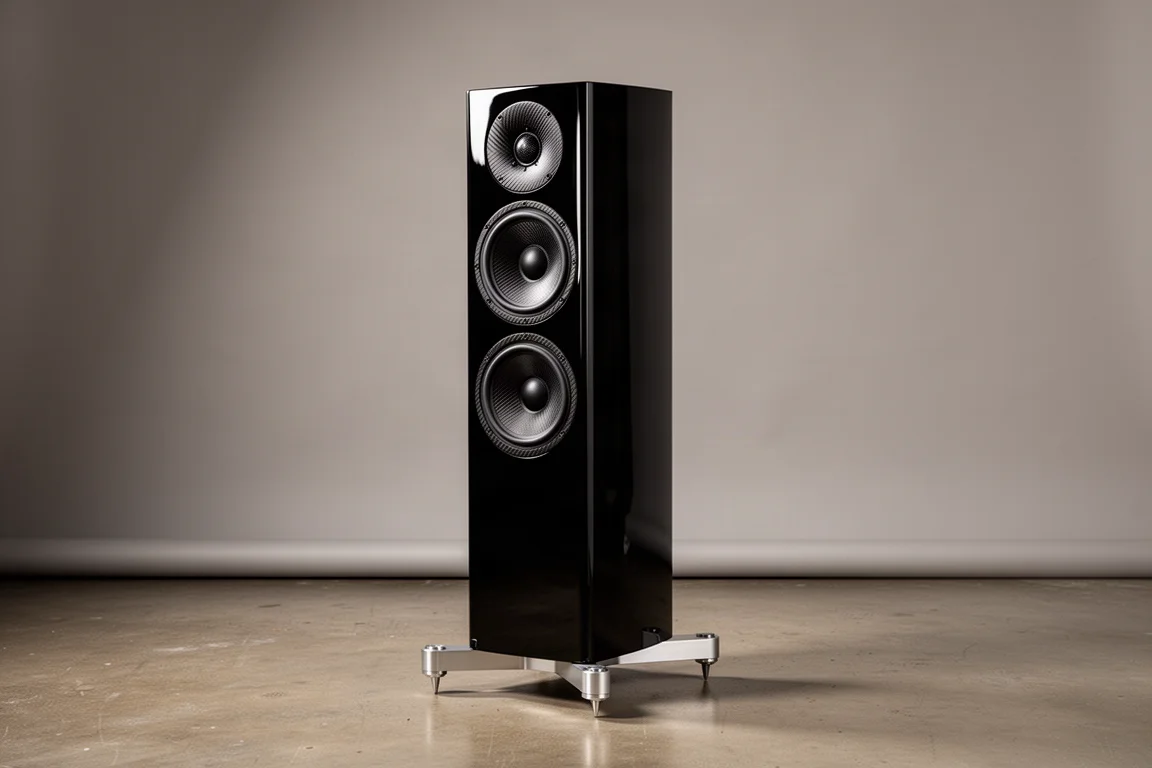
Acoustic Energy AE509 Review: A Slim Floorstander With Deep, Defined Bass
A practical look at the Acoustic Energy AE509, a slim floorstanding speaker with carbon fibre drivers, deep and well-defined bass, and an easy-going character that rewards careful system matching.
Floorstanding Speakers
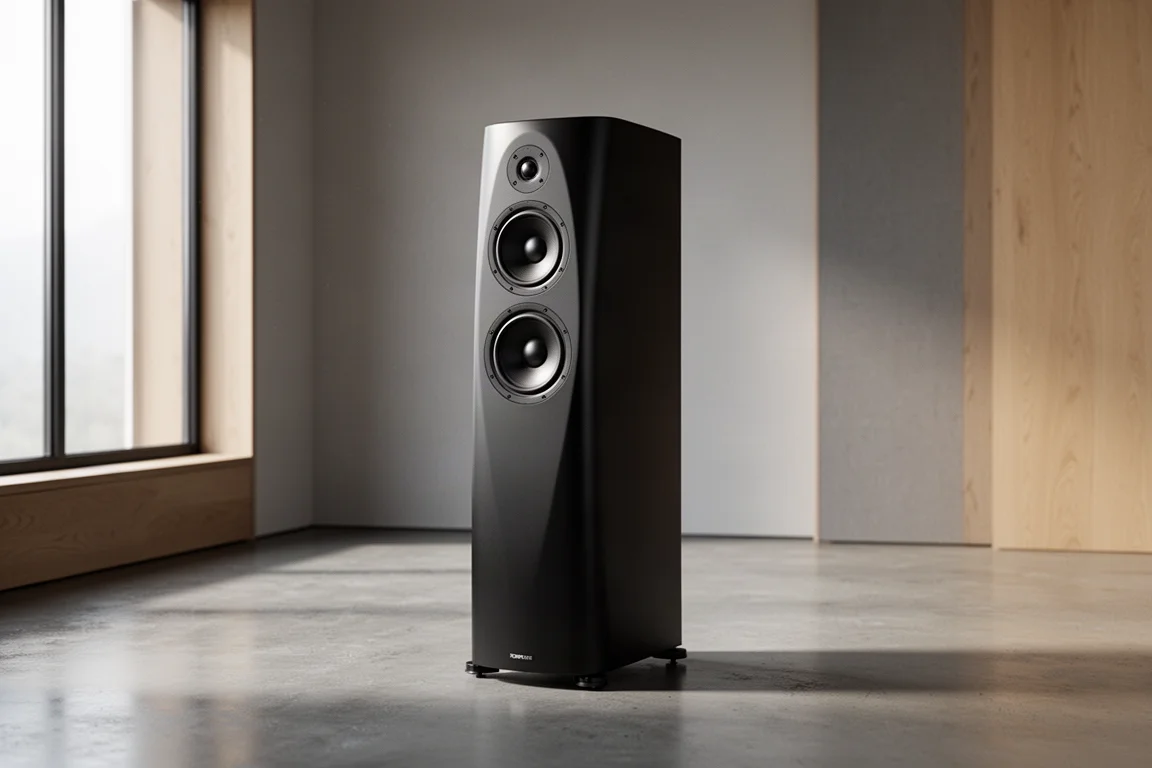
Arendal 1528 Tower 8 Review: Reference Neutrality With Real Demands
A close look at the Arendal 1528 Tower 8, a nearly five-foot, 200-pound floorstander that rewards generous space, serious power, and high listening levels with reference-grade neutrality.