Floorstanding Speakers
SVS Ultra Evolution Pinnacle Tower Review: A Warmer Flagship Built for Long Sessions
SVS rebuilt its flagship tower from the ground up. Here is how the Ultra Evolution Pinnacle sounds, where it works best, and what to weigh before buying.
Introduction
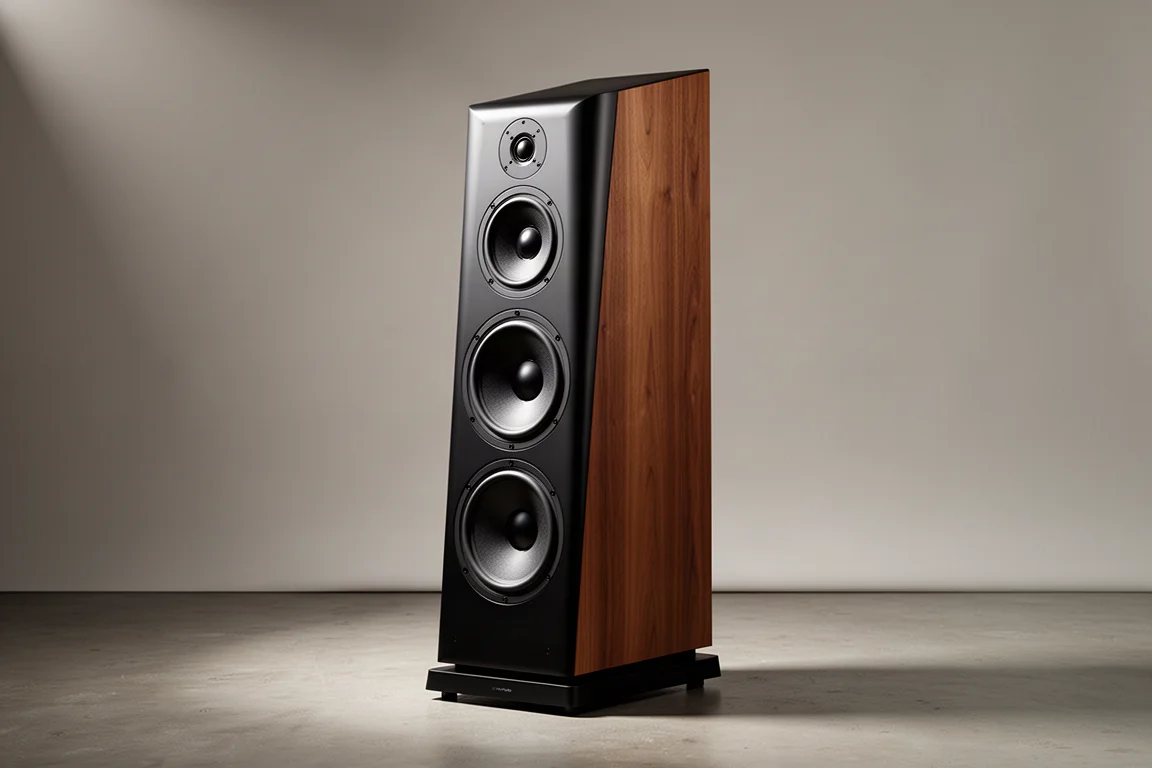
SVS rebuilt its flagship tower from the ground up, and the Ultra Evolution Pinnacle is not simply a louder, costlier version of the Ultra Tower it follows. At $5,000 per pair, against roughly $2,000 per pair for the older model, the price jump is steep. What the extra money buys is a different tonal philosophy: a warm, rich, easygoing presentation that stays comfortable across long listening sessions, rather than a bright, forward top end that turns tiring as the volume rises.
The hardware explains part of that shift. The Pinnacle carries a 1-inch diamond-coated tweeter built on an aircraft-grade aluminum dome, using a process that grows a thin diamond layer over the dome to increase rigidity. A front lens, which SVS calls an organic cell lattice diffuser, is intended to keep high frequencies linear and widen the listening sweet spot. A 5.25-inch midrange driver sits above the tweeter and another sits below it.
The bass section is where the design gets unusual. Two 8-inch woofers face forward, and two identical 8-inch woofers sit on the rear panel above each port. Those rear drivers are not passive radiators. They are fully active woofers. The opposing arrangement borrows directly from SVS subwoofer design, where opposed drivers cancel internal cabinet resonance.
Who This Speaker Is For
The Pinnacle suits listeners who want a full-range tower that never asks for a subwoofer and never asks for patience. Its character leans warm, so it rewards people who listen for hours and would rather avoid a top end that draws attention to itself. If your priority is a fatigue-free presentation with real bass weight, this is the kind of speaker that fits.
It is also a sensible choice for two-channel listeners who value a cohesive, time-aligned presentation. The sloped front baffle offsets the tweeter slightly rearward while the midrange drivers and woofers aim toward the listening position, so bass, midrange, and treble reach the ear together. The result is a speaker that holds together rather than sounding like separate drivers doing separate jobs.
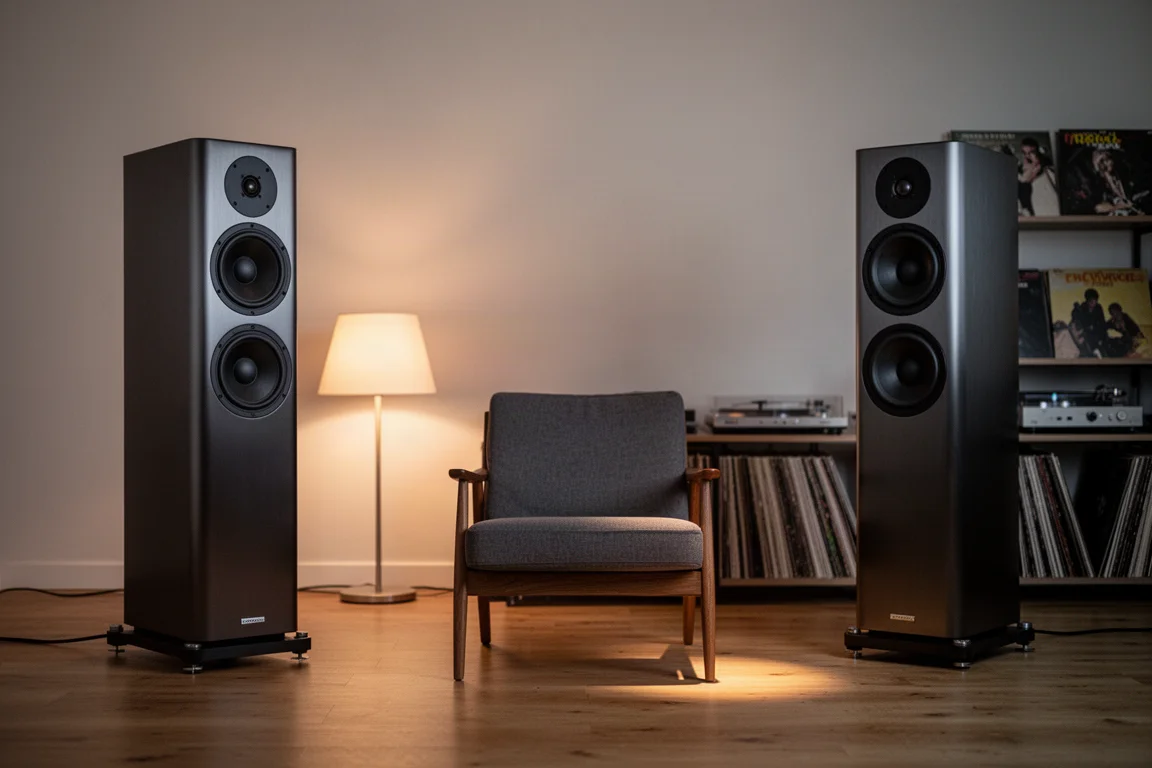
It is less obviously aimed at listeners who chase maximum air and sparkle in the treble, or who mostly play music quietly in the background. The Pinnacle is at its best when it has room to breathe and enough power behind it, and it wants a moderate listening level before it fully opens up.
Main Strengths
A Diamond-Coated Tweeter That Never Turns Bright
The top end is the clearest departure from the previous flagship. Rather than a lifted, detail-forward treble, the Pinnacle delivers a warm, rich high frequency that stays easy to digest even at high volume. Ear fatigue is not part of the experience, which matters if you settle in for a long evening of records.
That smoothness does not come at the cost of haze. The tweeter retains clarity, transient response, and transparency, so detail is present without being pushed forward. The trade-off is that this is not the most airy or spacious top end available. The presentation favors comfort and control over an exaggerated sense of openness.
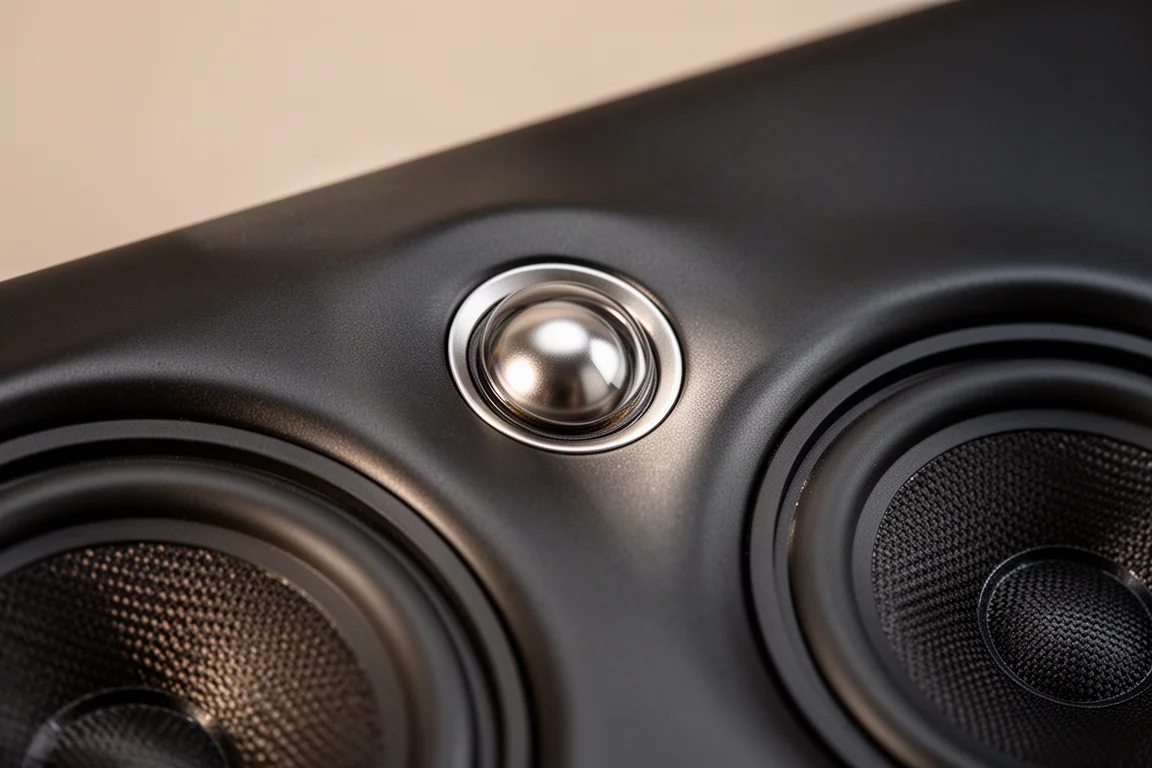
The diamond coating is the technical justification for that balance. A stiffer dome should extend into high frequencies with less distortion, and the diffuser lens is meant to keep dispersion even. In practice, the effect is a treble that sounds refined rather than restrained.
Midrange Clarity, Time Alignment, and a Disappearing Cabinet
Midrange is where most music lives, and the Pinnacle treats it as the center of the performance. Guitars, strings, and both male and female voices come through with a warmth that stays clear rather than muffled. Transients and detail survive the inviting tone, so nothing feels smoothed over or softened for the sake of comfort.
Time alignment does much of the work here. With the drivers physically arranged so their outputs arrive together, the speaker sounds cohesive and coherent instead of bright. A large tower like this effectively disappears in the room, leaving the music rather than the cabinets.
Soundstaging follows a similar pattern. Depth is the standout quality, with individual instruments and voices placed precisely within a realistic stage. Width is open and adequate rather than exaggerated, and the speaker does not collapse into the plane of its own baffle. Toe-in matters. Angling the speakers so the tweeters aim at each shoulder produced the best balance of depth, imaging, and width.
Bass Authority Without a Subwoofer
Four active 8-inch woofers do the low-frequency work: two facing forward and two on the rear panel, above each port. Because the opposing drivers cancel phase and internal cabinet resonance, the bass behaves more evenly across a room than a single-driver design typically manages. It is a similar benefit to running multiple subwoofers, which is a reliable way to smooth the low-frequency nulls that rooms create.
The result is deep, muscular, full-bodied bass with more texture and extension than the previous flagship. It fills the room and delivers genuine physical weight, and a subwoofer is simply not needed. If anything, the low end is generous enough that placement becomes a real consideration.
Things to Consider Before Buying
Placement and Room Interaction
Rear-firing active woofers and dual rear ports mean the Pinnacle should not sit tight against a wall. Close to a boundary the bass stays surprisingly controlled and never turns muddy, but it gains warmth and a great deal of output, which may be more than you want. Roughly 3 feet of clearance from the wall behind the speakers is a comfortable starting point.
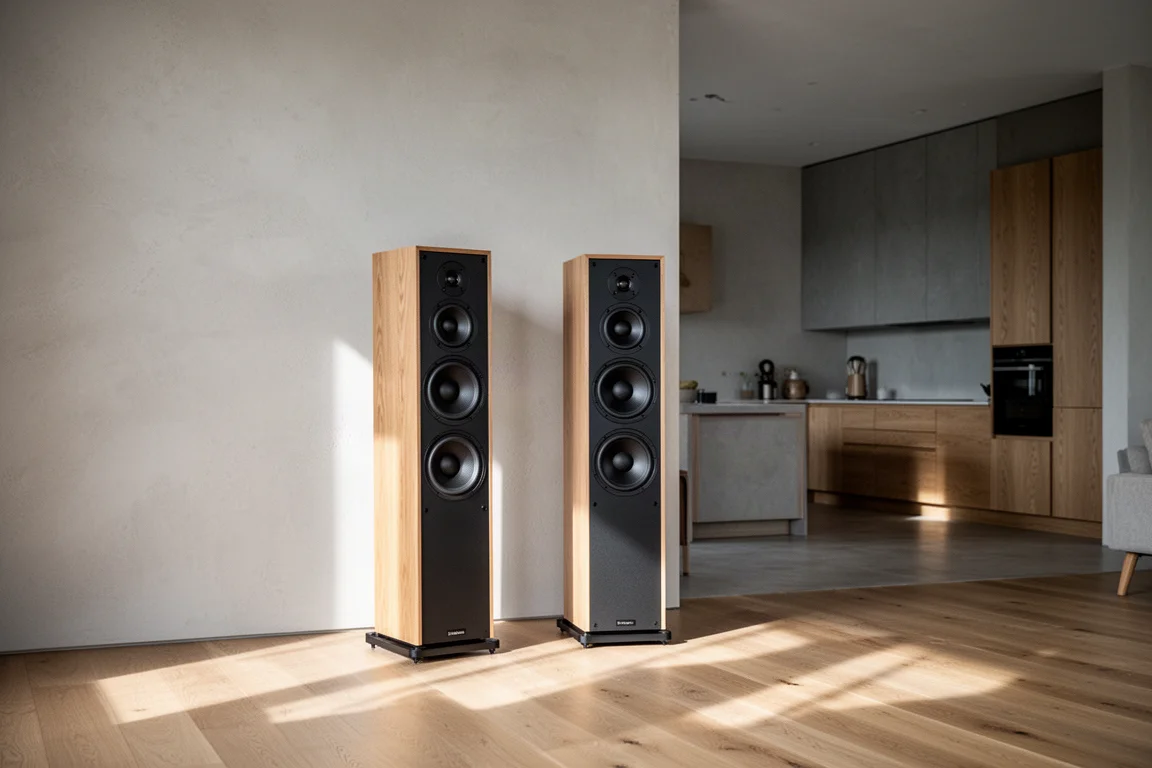
Toe-in is worth experimenting with. Aiming the tweeters at each shoulder gave the best compromise between depth, imaging, and width, while angling the speakers further outward widened the stage at the expense of some precision.
Amplifier Matching and Listening Level
At 88 dB sensitivity at 1 meter, the Pinnacle sits in the middle of the field. It will run from a 20-watt tube integrated amplifier, but it responds well to a high-current solid-state integrated with real headroom, which adds dynamic range and deeper extension. One pairing in particular stood out for transients, bass authority, midrange presence, and a quiet background, elevating everything the speaker already does well.
Volume is the other consideration. At low levels the speaker does not fully come alive, and it takes a medium to high listening level before it sounds complete and satisfying. Buyers who mostly listen quietly should weigh that carefully.
Buying Advice
The Pinnacle is priced at $5,000 per pair, which puts it in direct conversation with other towers and large stand-mount speakers in the same band. Two frequently mentioned alternatives, the Arendal 1723 THX Tower and the Arendal 1528 Bookshelf, share a linear, natural, neutral character. The SVS is the warmest, richest, and most authoritative of the three in the bass, while the Arendal models aim for an uncolored balance with no region pushed forward.
Sensitivity separates them further. The 1723 THX Tower is rated at 92 dB at 1 meter, making it the most flexible with modest amplification and the easiest to drive loudly in a large room. The 1528 Bookshelf is rated at 84 dB, measured around 86 dB, so it needs substantial amplification and suits small to medium rooms. The Pinnacle’s 88 dB lands between them.
Buying confidence is helped by the support terms: a 45-day risk-free in-home trial and a 5-year unconditional warranty. In a room-dependent purchase like a large tower, an in-home trial is the most useful specification on the sheet.
Conclusion
The Ultra Evolution Pinnacle is a genuine redesign rather than a refresh. It trades the previous flagship’s forward treble for a warm, refined, fatigue-free presentation with clear midrange and genuinely commanding bass, and it does so without hiding detail. Give it space behind it, feed it decent power, and listen at a level where it can stretch, and it makes a strong case for the higher asking price.
Product link
View more details for SVS Ultra Evolution Pinnacle Tower
This product is mentioned in the review. Check the specifications, options, and compatibility before buying.
View more details for SVS Ultra Evolution Pinnacle TowerFurther reading
Related Reviews
Floorstanding Speakers
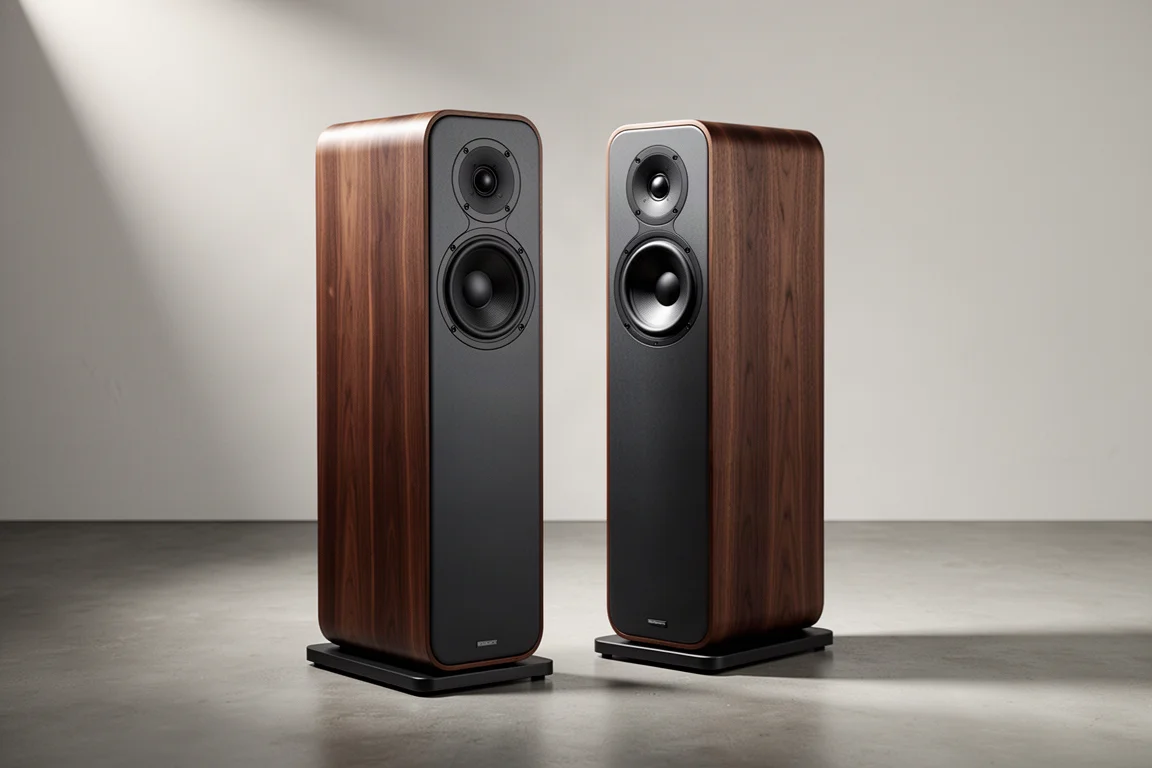
Acoustic Energy AE109 Mark II Review: A Refined Floorstander at £699
The Acoustic Energy AE109 Mark II is a slim, warm sounding floorstander that delivers clarity, midrange body and strong imaging in small to medium rooms.
Floorstanding Speakers
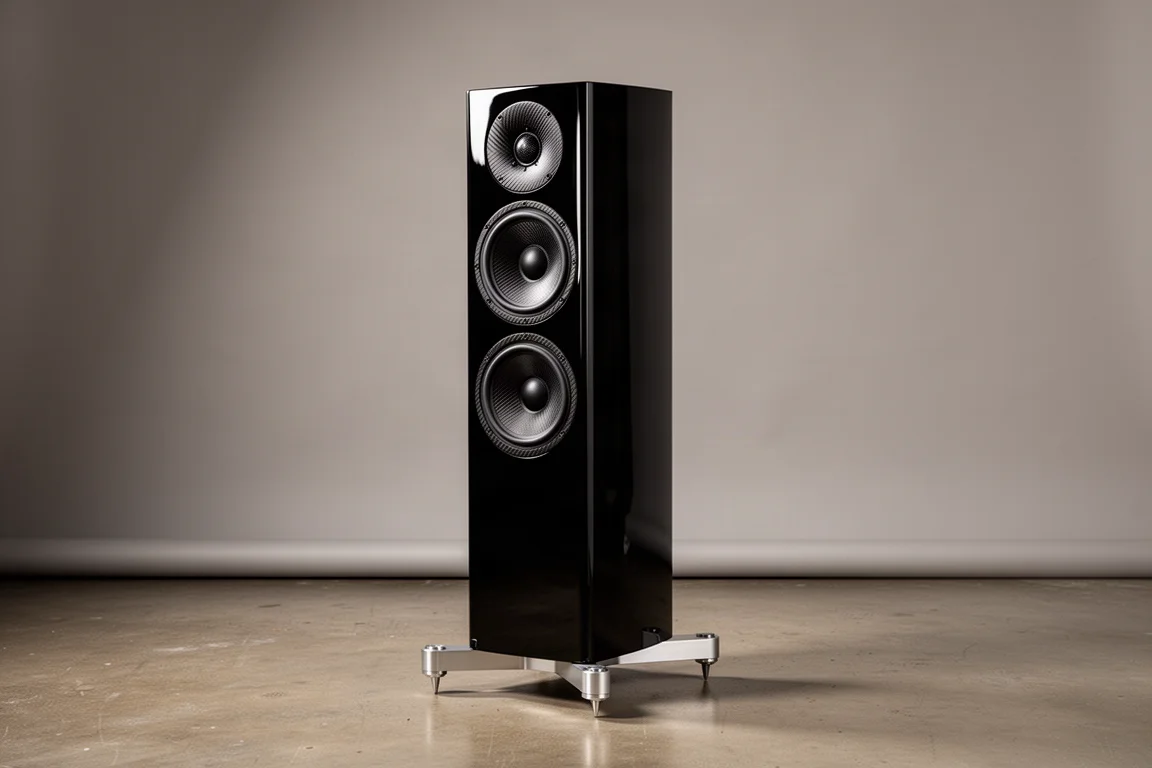
Acoustic Energy AE509 Review: A Slim Floorstander With Deep, Defined Bass
A practical look at the Acoustic Energy AE509, a slim floorstanding speaker with carbon fibre drivers, deep and well-defined bass, and an easy-going character that rewards careful system matching.
Floorstanding Speakers
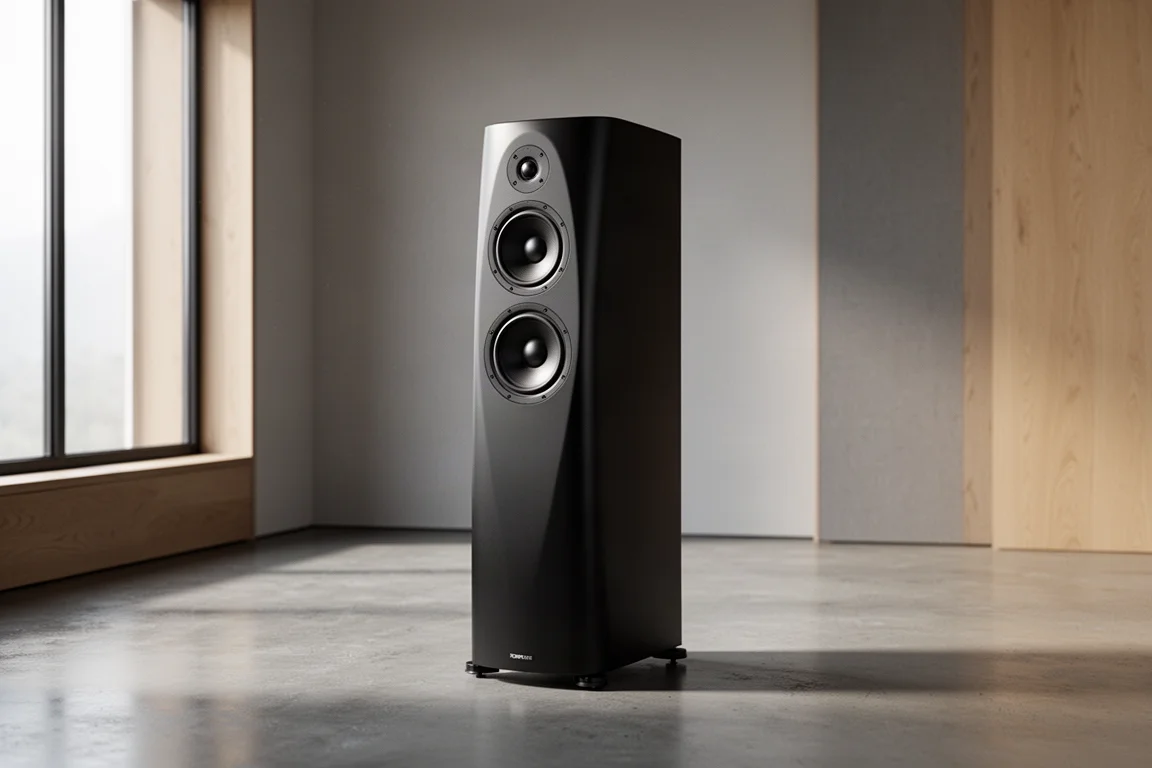
Arendal 1528 Tower 8 Review: Reference Neutrality With Real Demands
A close look at the Arendal 1528 Tower 8, a nearly five-foot, 200-pound floorstander that rewards generous space, serious power, and high listening levels with reference-grade neutrality.