Floorstanding Speakers
SVS Ultra Evolution Pinnacle Review: A Full-Range Tower That Skips the Subwoofer
A close look at the SVS Ultra Evolution Pinnacle, a nearly 100-pound flagship tower with four 8-inch woofers, 30 Hz bass, and a warm, high-dynamic character.
Introduction
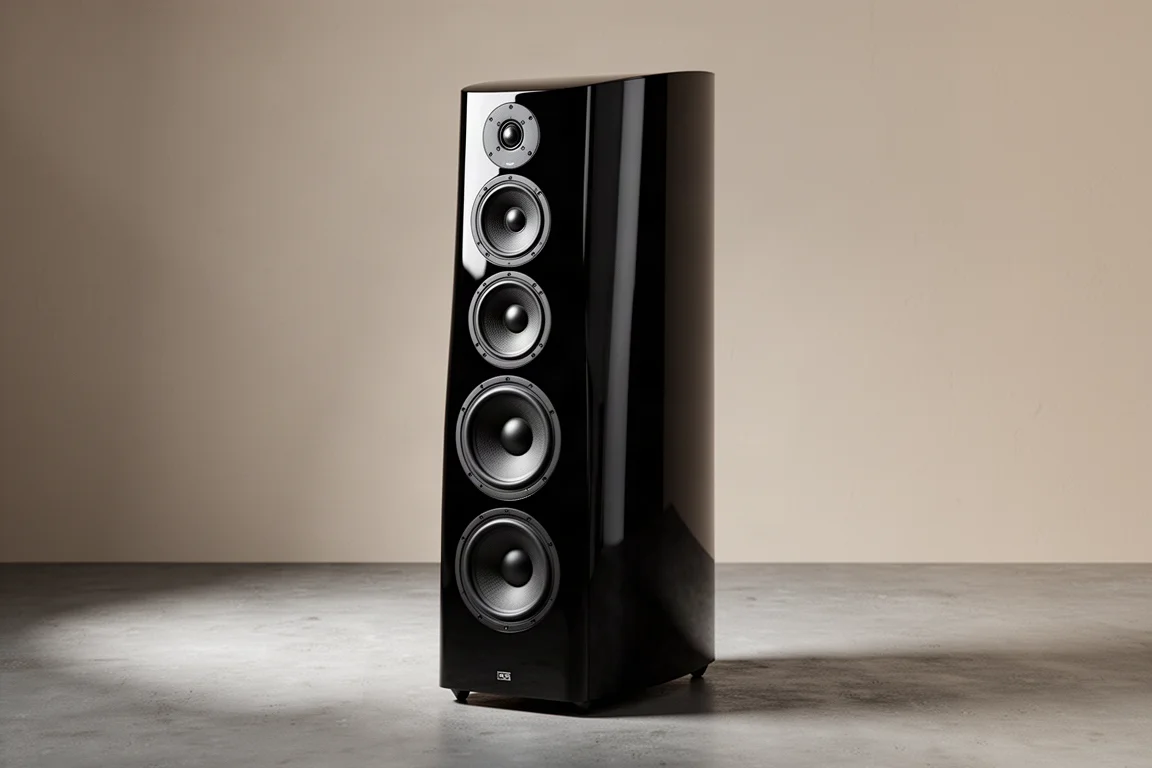
The SVS Ultra Evolution Pinnacle is the flagship tower in the Ultra Evolution line, and its three-part name carries real meaning. Ultra keeps continuity with the long-running flagship series it replaces, Evolution signals a genuinely new design approach, and Pinnacle identifies the largest model in the range. Priced at around $5,000 per pair, it is a substantial floorstander weighing close to 100 pounds and built around four 8-inch woofers.
What sets it apart from most towers in this price class is its bass capability. Where many designs in this segment lean on a subwoofer to reach the bottom octaves, the Pinnacle is engineered to run full range on its own. It pairs that low-end reach with very high dynamic range and a warm tonal balance, and it does so without demanding an extreme listening distance or an unusually large room.
Who the SVS Ultra Evolution Pinnacle Is For
The Pinnacle suits listeners building a serious two-channel system who want full-range performance from the speakers alone. If you would rather not add subwoofers at all, or you only want subwoofers to address room modes rather than to supply bass, this speaker is designed for exactly that scenario. Four 8-inch woofers, 300 watts of power handling, and measured extension down to roughly 30 Hz give it weight and scale that most towers cannot produce on their own.
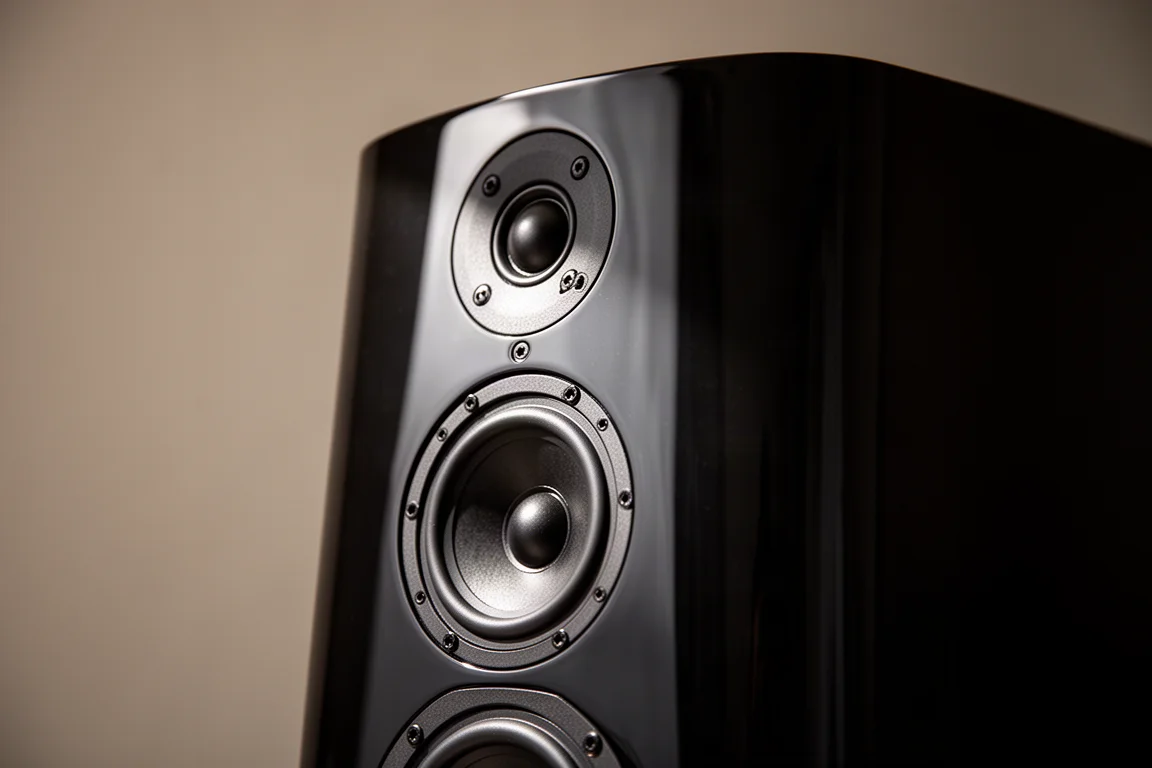
It also works well for listeners who value a relaxed, non-fatiguing balance. The presentation is warm rather than bright, which makes long sessions comfortable. Because the driver array is arranged so the individual drivers sum cleanly at short distances, the speaker can be used closer to the listening seat than a typical large tower, so it is not limited to very large rooms.
SVS also supports the purchase with a 45-day trial and shipping covered both ways, which softens the risk of committing to a speaker of this size.
Design and Build Quality
Physically, this is a large and heavy speaker, close to 100 pounds per cabinet. The enclosure uses three internal braces, and the midrange drivers and tweeter sit in their own compartment, fully separated from the bass drivers. The woofers have their own ports and their own internal volumes, which contributes to the weight and rigidity of the design. The flared ports are generously sized.
Finish options include gloss white, gloss black, and black oak, and the angled front baffle gives the cabinet a distinctive profile. Packaging deserves a mention too: despite the size, unboxing and setup are straightforward, which matters a great deal when you are handling a speaker this heavy.
Main Strengths: Tonality, Dynamics, and Bass
Tonally, the Pinnacle leans warm. The midrange sits slightly above the tweeter, by roughly a decibel or two, and the treble is a touch recessed relative to the mids and bass. That balance is easy to live with. It is not fatiguing, it does not spotlight harsh recordings, and it stays comfortable across long listening sessions while still sounding open and detailed.
Dynamics are the other headline. Four high-excursion 8-inch woofers give the speaker enormous headroom, and with adequate amplification it punches and slams convincingly. Bass output is genuinely full range: the port is tuned to 30 Hz, the response holds up until roughly 30 Hz before rolling off, and in a room the speaker reaches below that. For music and film material alike, the sense of scale is closer to a system with subwoofers than to a conventional tower.
Dispersion is wide as well, holding close to a 50-degree window out to 20 kHz without a waveguide on the tweeter. That means the character stays consistent across a broad listening area rather than collapsing into a narrow sweet spot.
Driver Array, Crossover, and Measurements
The driver layout is a WMTMW arrangement: woofer, midrange, tweeter, midrange, woofer across the front baffle, with two additional 8-inch woofers mounted on the rear of the cabinet in opposition to the front pair. Because the front and rear woofers move in opposite directions, their mechanical forces largely cancel, leaving the cabinet unusually inert. The arrangement also loads bass into the room differently than a front-only array and makes more efficient use of cabinet volume.
The tweeter is a dome with a very thin diamond vapour deposit that raises its breakup point, plus a webbing lens over the dome. It also uses a substantial rear chamber and a bucking magnet, which help it play lower than a typical dome. That matters because the crossover points are 140 Hz to the woofers and 1,800 Hz to the tweeter, both low for this type of design. The bass drivers use composite glass fibre cones, cast aluminum baskets, and vented pole pieces.
Measured on axis, the response is quite flat. Off axis it is less perfect, with a dip around the crossover and a rise just above it, so the speaker rewards being aimed directly at the listening position. Vertical response stays well controlled within roughly a 10-degree window around tweeter height. Grilles slightly disturb the response through diffraction, though the effect is subtle and not especially audible.
Things to Consider Before Buying
The first consideration is amplification. SVS rates the speaker at 6 ohms nominal, but with four woofers in parallel it behaves like a 4-ohm load, and it should not be driven by a receiver or amplifier that cannot handle that. Plan on a capable amplifier with real current delivery.
The second is size. At close to 100 pounds and with a large footprint, the Pinnacle needs floor space and careful placement, and it is not a speaker you will want to move often. It also has a warm tonal signature, so listeners who prefer a bright, forward treble may find it slightly soft out of the box, though a small shelving adjustment through a tone control or room correction can lift the top end without exhausting headroom.
There is strong competition in this price range as well. Several well-regarded towers occupy the same territory, and each brings its own strengths, so it is worth comparing a few options before committing. If the Pinnacle is simply too large, the line includes two smaller towers that share the same design approach with less output and lower cost, along with a true three-way centre channel, a pair of bookshelf speakers, and an elevation model for immersive setups.
Setup and Amplification Notes
One setup point matters more than any other: do not high-pass these speakers. Their bass drivers cover a narrow band, and filtering them at a typical 80 Hz subwoofer crossover would waste most of their output and introduce phase rotation that makes integration harder. Run the Pinnacle full range and let it contribute its own bass.
If you do add subwoofers, the goal should be smoothing room modes or adding headroom for film soundtracks rather than supplying missing low end. Ported subwoofers with deep tuning, around 20 Hz or lower, integrate more predictably with this speaker than sealed designs, which are trickier to match to a ported tower.
In terms of placement, toe the speakers in so they aim at the listening seat, and sit with your ears at roughly tweeter height. That is where the on-axis response is most linear and where the vertical window stays consistent.
Buying Advice
The Pinnacle makes the most sense for a listener who wants a full-range two-channel system without the complexity of subwoofer integration. Give it a capable 4-ohm amplifier, aim it at the listening position, and it delivers deep bass, high dynamic range, and a relaxed tonal balance that holds up over long sessions. For that listener, it is a straightforward recommendation.
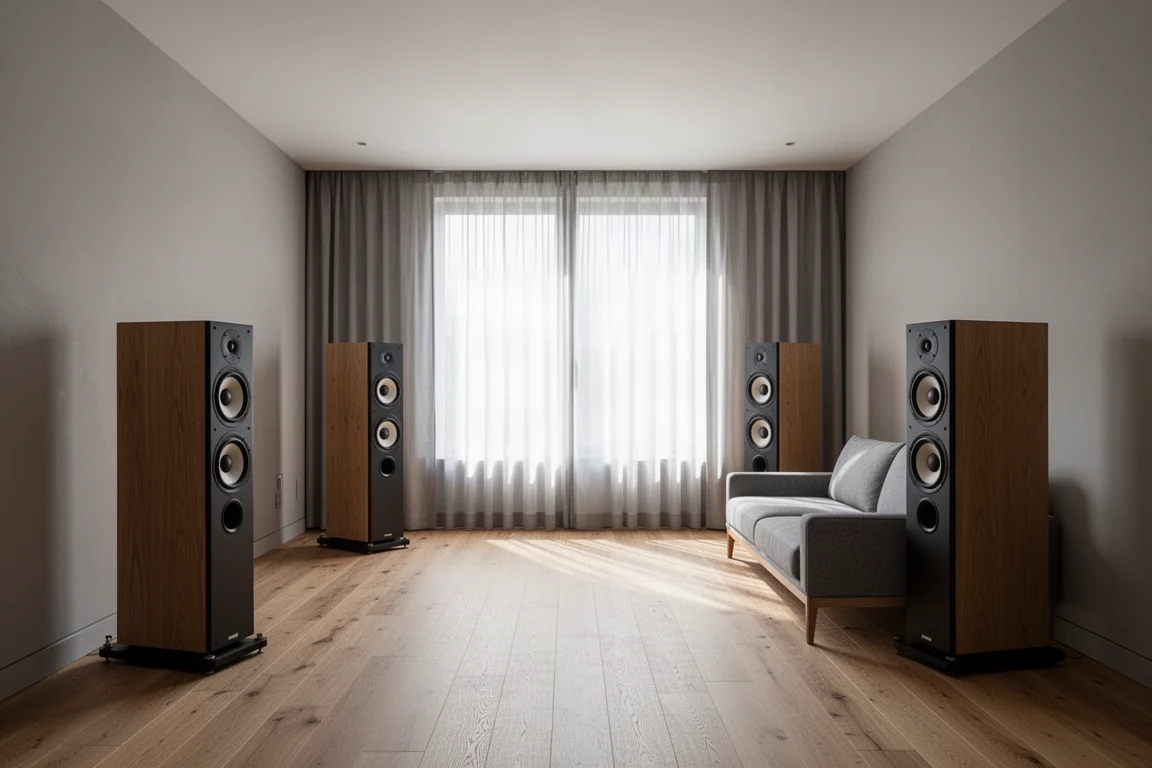
If you are building a larger multichannel system, it is worth weighing how much bass you actually need from the mains, since the Pinnacle’s output goes well beyond what many home theatre setups require from a tower. Buyers who want the same character in a smaller footprint should look at the models below it in the line.
The purchasing experience is unusually low risk. SVS offers a 45-day trial with shipping paid both ways, and its post-purchase support is a genuine strength. That gives you room to hear the speaker in your own space, which is ultimately the only test that matters.
Conclusion
The SVS Ultra Evolution Pinnacle is a large, heavy, unapologetically full-range tower with real bass, serious dynamics, and a warm character that stays easy on the ears. It asks for a good amplifier, floor space, and a willingness to run it without a high-pass filter, and in return it delivers performance that most towers in its price class need a subwoofer to approach. If you want one pair of speakers to handle everything, this is a compelling place to start.
Product link
View more details for SVS Ultra Evolution Pinnacle
This product is mentioned in the review. Check the specifications, options, and compatibility before buying.
View more details for SVS Ultra Evolution PinnacleFurther reading
Related Reviews
Floorstanding Speakers
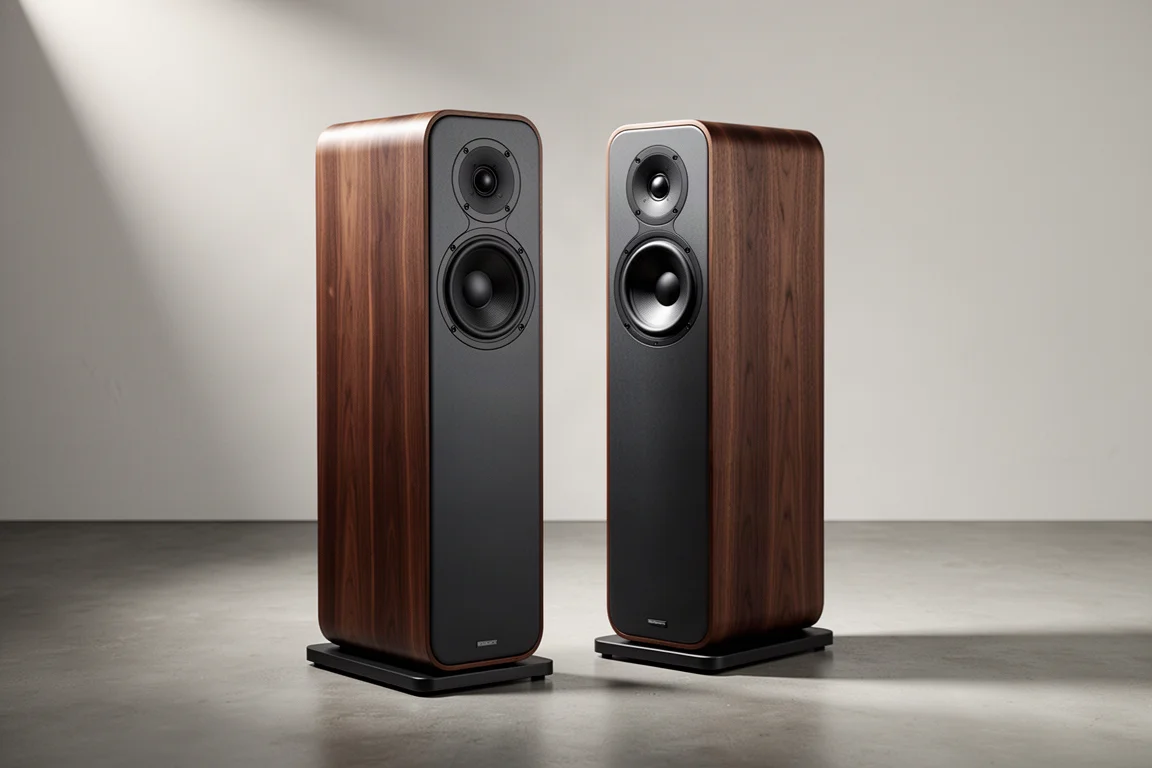
Acoustic Energy AE109 Mark II Review: A Refined Floorstander at £699
The Acoustic Energy AE109 Mark II is a slim, warm sounding floorstander that delivers clarity, midrange body and strong imaging in small to medium rooms.
Floorstanding Speakers
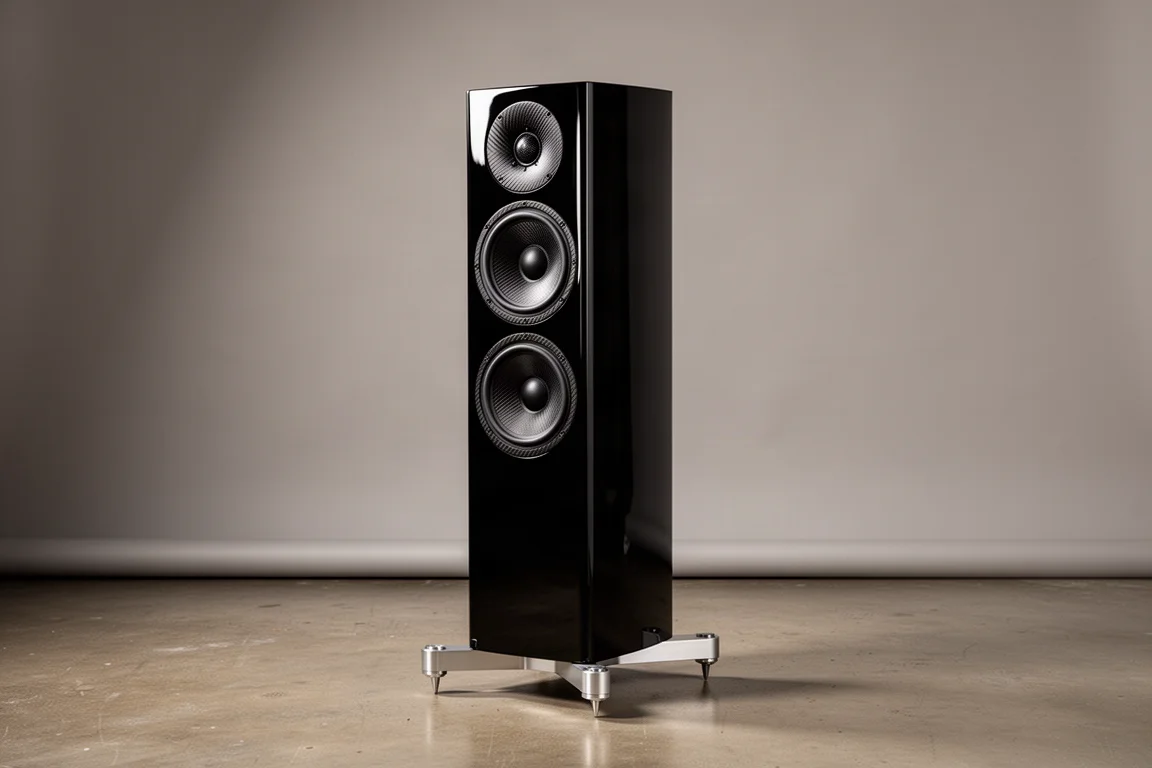
Acoustic Energy AE509 Review: A Slim Floorstander With Deep, Defined Bass
A practical look at the Acoustic Energy AE509, a slim floorstanding speaker with carbon fibre drivers, deep and well-defined bass, and an easy-going character that rewards careful system matching.
Floorstanding Speakers
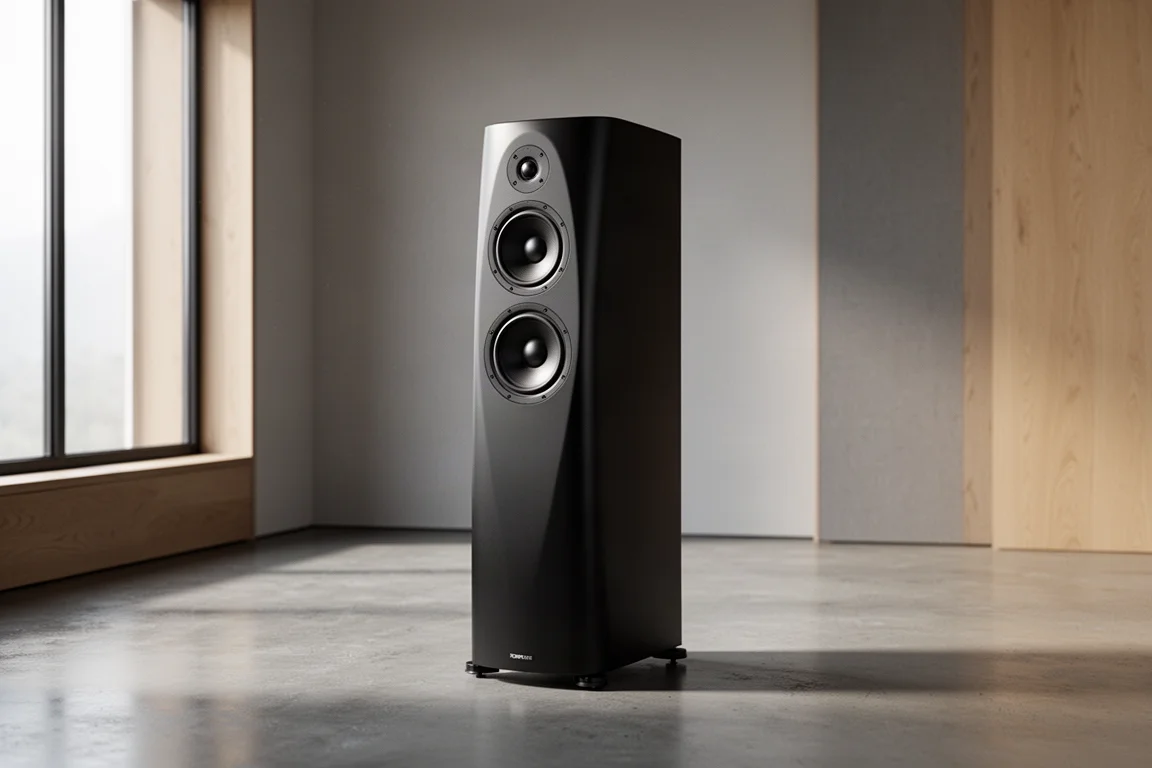
Arendal 1528 Tower 8 Review: Reference Neutrality With Real Demands
A close look at the Arendal 1528 Tower 8, a nearly five-foot, 200-pound floorstander that rewards generous space, serious power, and high listening levels with reference-grade neutrality.