Sports Watches
Suunto Vertical 2 Review: AMOLED Battery Life That Changes the Game
A bigger battery, a built-in flashlight, and a new AMOLED display make the Suunto Vertical 2 a serious long-haul sports watch, with a few software rough edges to consider.
Introduction
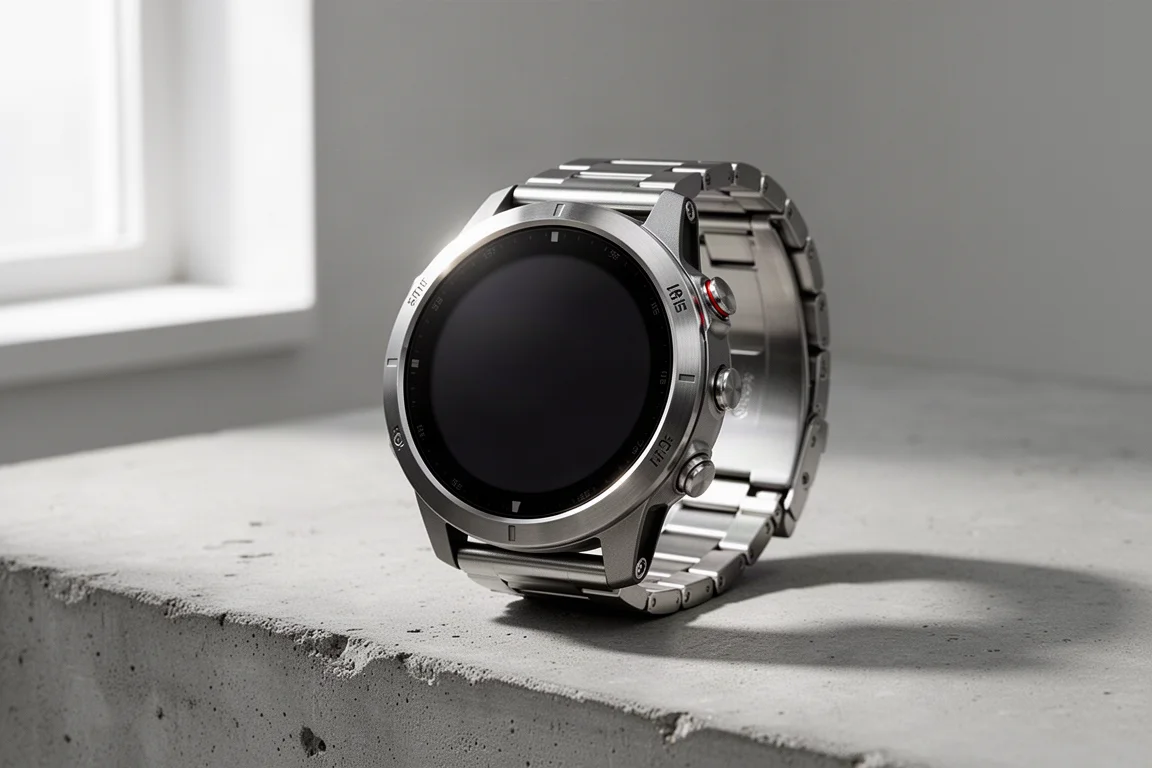
The Suunto Vertical 2 marks a real turning point for the brand. The big headline is the move from a MIP-based display to AMOLED, and Suunto has been blunt about what that means: no new MIP-display models are coming. Suunto will keep selling the original Vertical 1 until stock runs out, and a few dive models with MIP displays remain, but the AMOLED era has officially started.
What makes that shift interesting is that Suunto claims the Vertical 2 matches the Vertical 1’s dual-frequency battery life despite the new display. To test that claim, the watch was pushed through a nearly 15-hour, 70 km mountain hike in one shot, with always-on display, loaded navigation, and the optical heart rate sensor running the whole time. On top of that, this is the first Suunto watch with a built-in LED flashlight, a feature other brands are now adopting as well.
The Flashlight: A First for Suunto
Hold the upper right button and the LED flashlight on the side of the case fires up. There are four white brightness levels (25, 50, 75 and full brightness), plus a red light mode. Suunto also puts an SOS flash, a slow breathing mode, and a red alert mode directly in the main flashlight menu, which is friendlier than competing implementations where those modes are buried deep in settings.
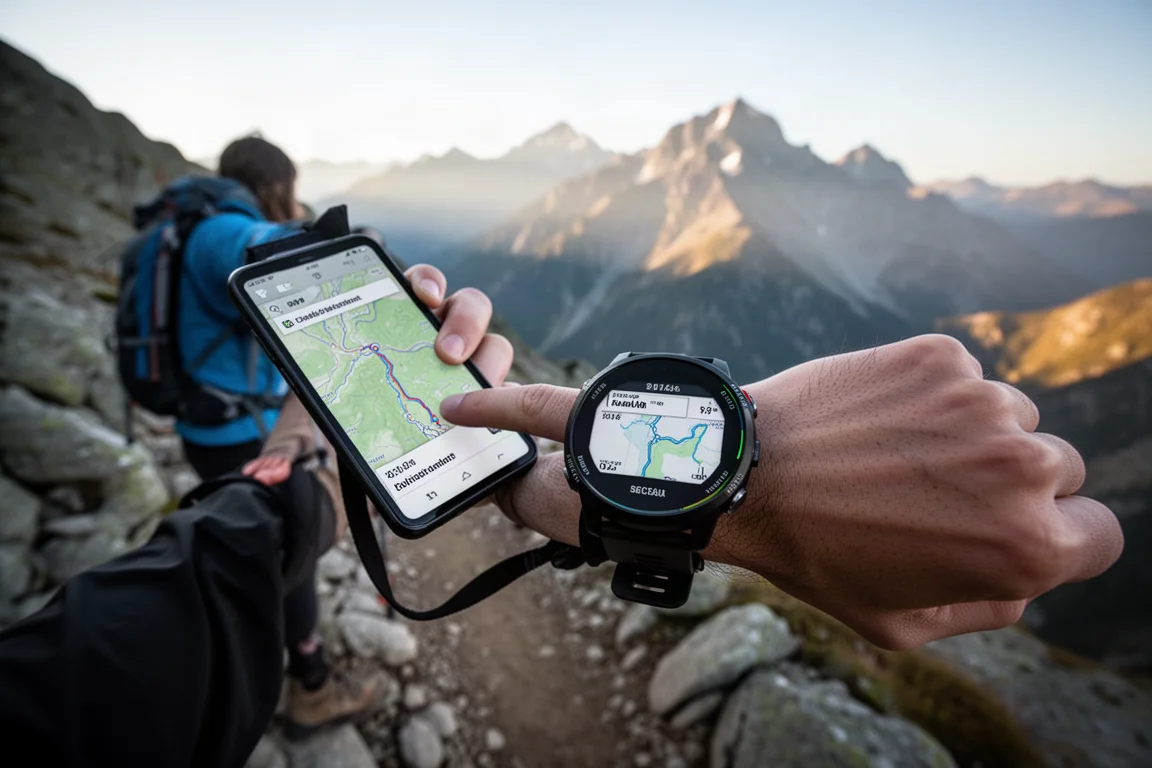
There are rough edges, though. The flashlight always turns on at 50% brightness instead of remembering your last setting. The long-press shortcut only works from the watch face, not from any menu, and in a sport mode you have to dig into the controls menu to enable it. The flashlight menu also lingers on screen far too long after you try to leave it, and there is no dedicated steady flash mode for running, or automatic activation after sunset, as some competitors offer. The good news: Suunto appears aware of these issues, and they are the kind of thing that can be fixed with software updates.
AMOLED Display and Battery Life
The move to AMOLED could easily have cost the Vertical 2 its endurance credentials. It did not. Suunto claims 65 hours in dual-frequency mode, 75 hours in single-band, and up to 250 hours in tour mode. That dual-frequency claim is identical to the MIP-based Vertical 1, and it is rare for any company to even approach that with an AMOLED watch, let alone claim parity.
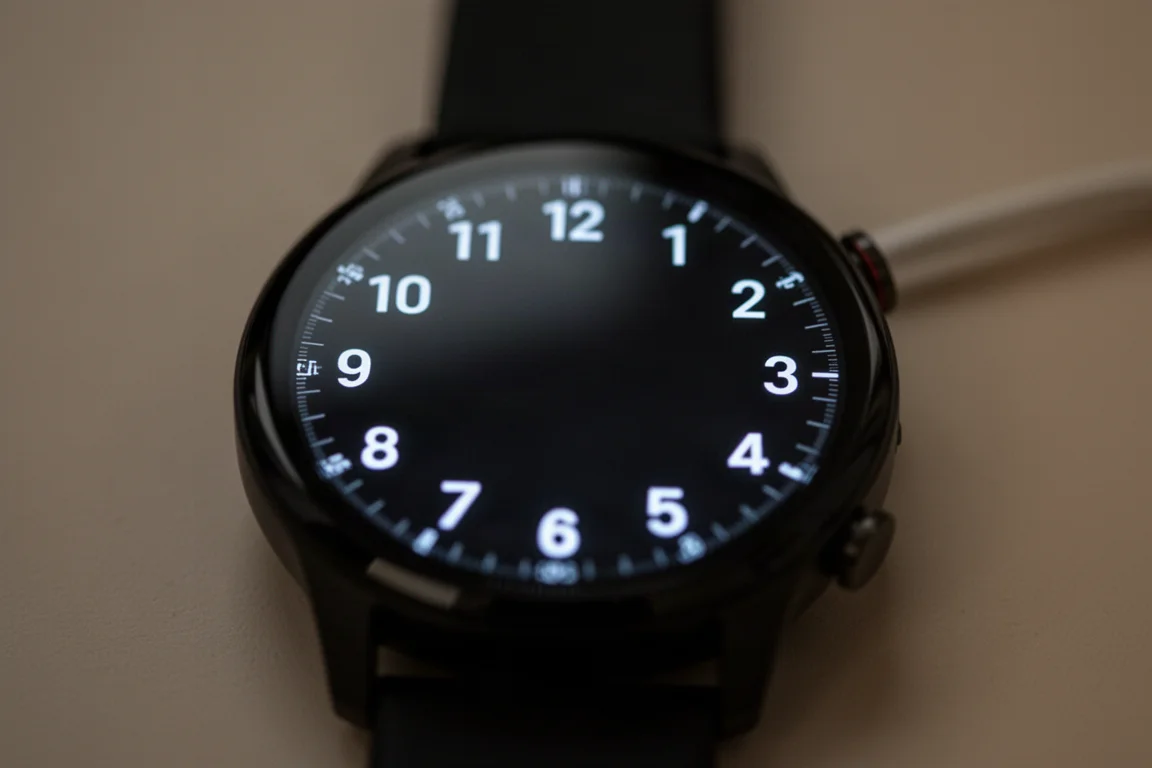
Real-world testing backed it up. On the 15-hour mountain hike, with always-on display, active navigation, and heart rate enabled, the watch burned a consistent 2% per hour, working out to roughly 50 hours of estimated battery life. That is below the 65-hour claim, but the claim excludes always-on display and navigation, so the result is genuinely impressive. It even beat a much larger competing flagship on battery burn for the first half of the day. Visibility is no concern either: the 2,000-nit display was easy to read in bright Mediterranean sun while swimming, running and riding, and wrist-raise detection worked flawlessly. The one weak spot is the always-on dim state, where the numerals look thin and are harder to read than they should be, another candidate for a software fix.
Heart Rate, Charging and Everyday Features
The new optical heart rate sensor, shared with the Suunto Race, is a major step up. On tempo runs it held pace increases steadily with only minor drift of a few beats per minute at the top end. Suunto’s older optical sensors were largely unusable for most sports; this one is fully usable.
The charging connector has also been repositioned, and the new magnetic cable actually stays attached. Where older Suunto chargers would fall off at the slightest touch, this one holds firm even when swung around. Suunto also added the ability to download maps over a phone’s hotspot or Wi-Fi without the charging cable, a small but welcome quality-of-life touch.
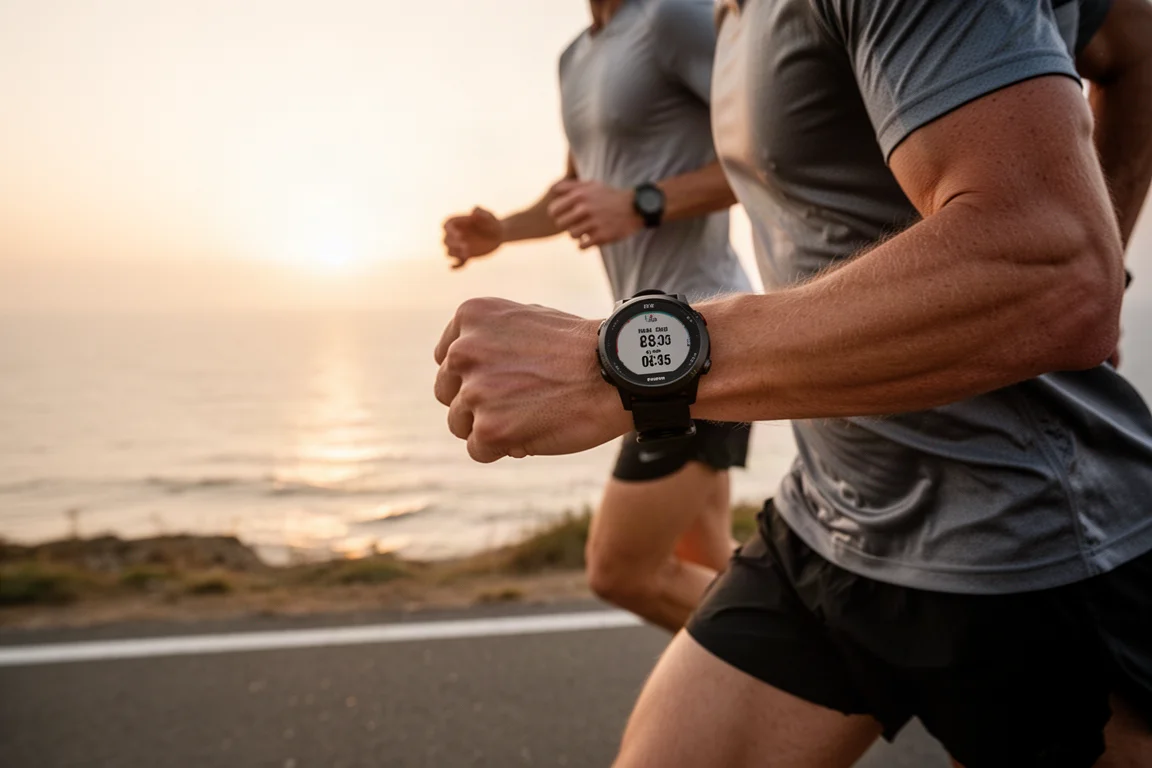
Other upgrades include improved climb guidance, which shows the full elevation profile with your position on it, plus distance and ascent remaining to the top of the current climb and a count of climbs left. The faster processor and increased RAM make the interface noticeably snappier than the Vertical 1. Multi-sensor pairing lets you save multiple sensors of the same type, most usefully several power meters for different bikes and a trainer, and switch between them easily. GPS accuracy on land is spot on, matching reference watches even against rock cliffs, and elevation data stayed within 5 meters of two reference devices all day. Open water swim tracking, however, remains a weak point for Suunto, producing messy tracks even on a straight buoy-line swim.
Vertical 2 vs Suunto Race 2
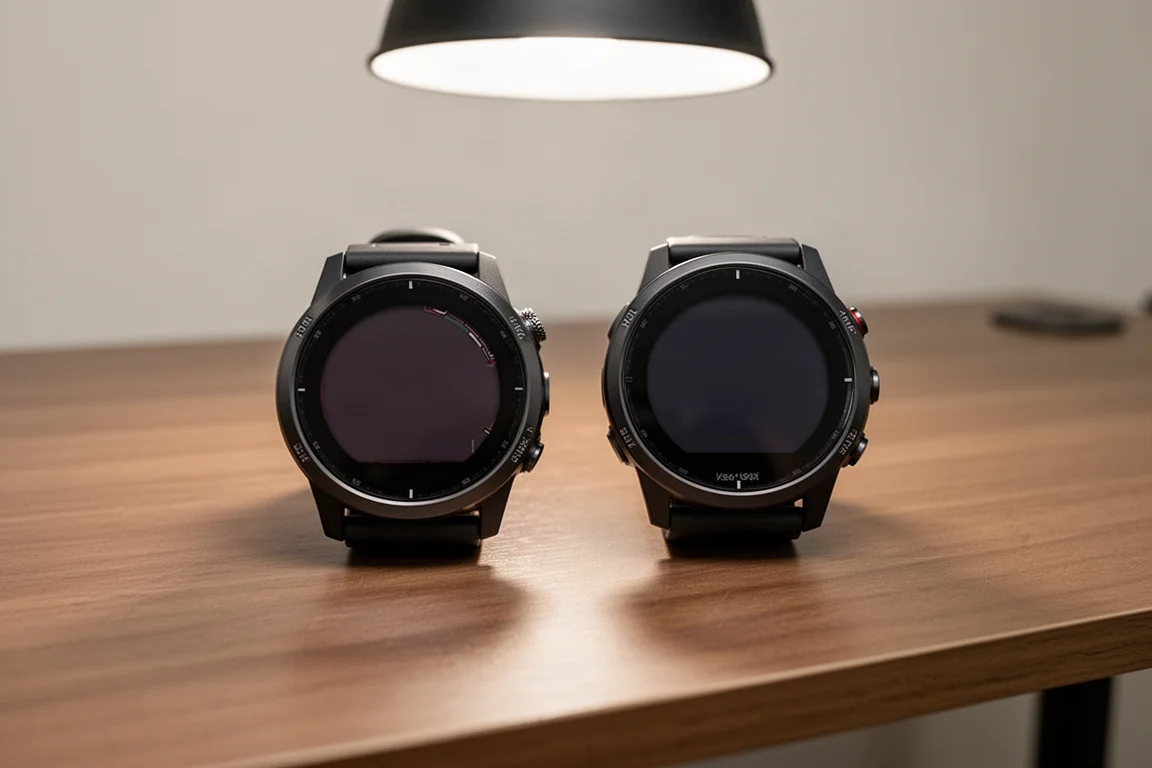
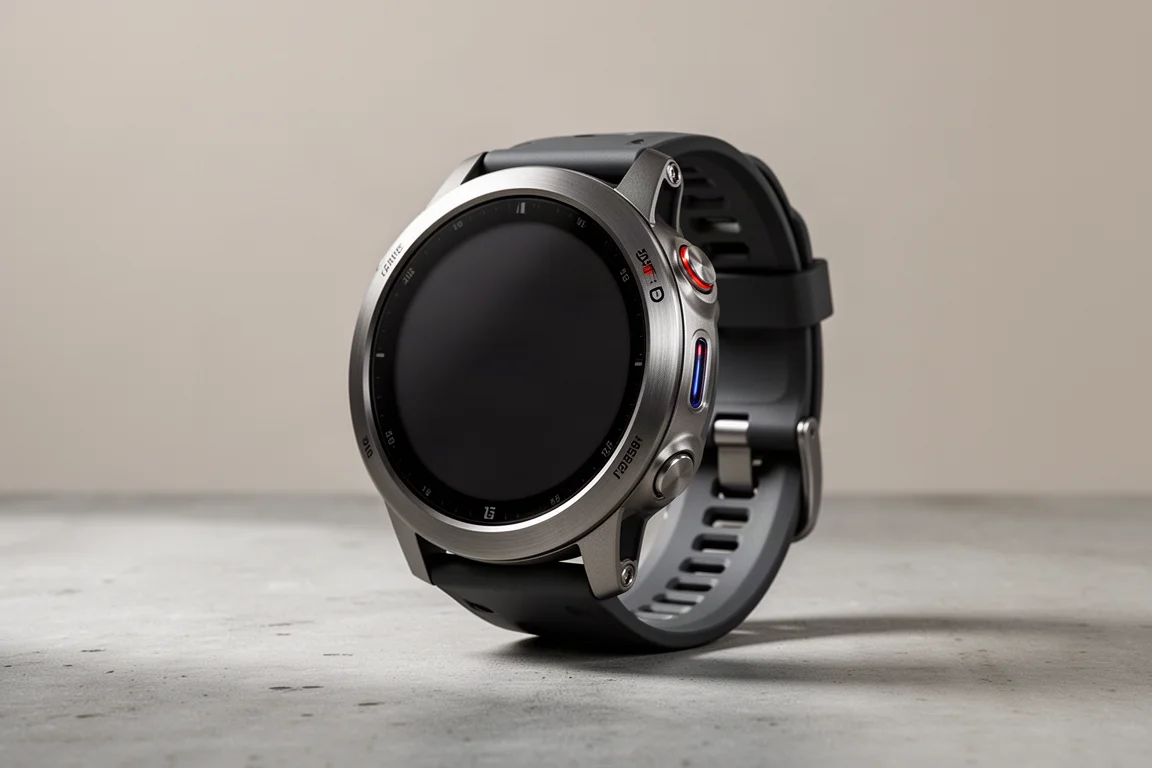
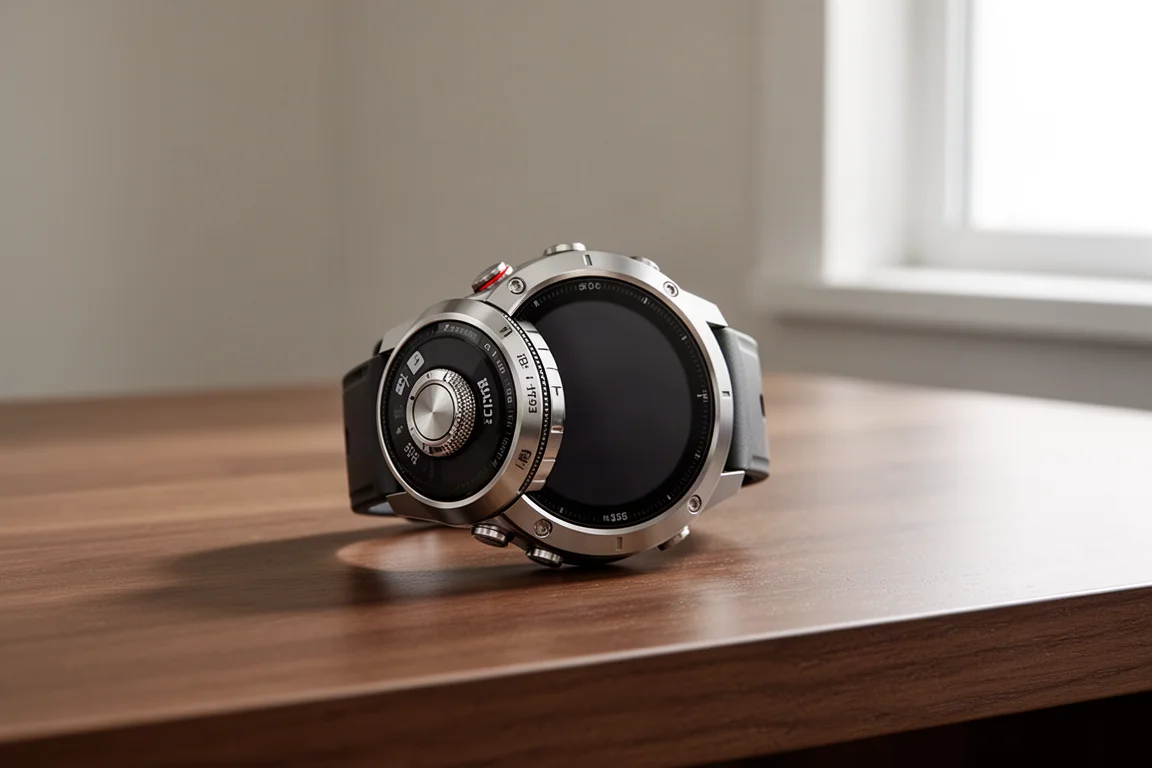
Internally, these are nearly the same watch. All the software features are shared; the differences are purely hardware. The Vertical 2 adds the LED flashlight, more battery life including the higher-end tour modes, and 20 hours of daily battery life versus 16 on the Race 2. It is about 1mm thicker at 13.5mm, and the lugs and sides are metal rather than the Race 2’s plastic, though both offer stainless steel and titanium case options. The Race 2 uses a rotating digital crown where the Vertical 2 sticks with three buttons, which many will prefer for sport use.
Pricing and Buying Advice
Suunto raised the base price from $499 to $599, while the titanium version stays at $699. The Race 2 sits at $499. Yes, that is a $100 gap for essentially the same watch, but you are paying for a flashlight, better battery, and metal construction, the same tiered logic every competitor uses. Some of the confusion around this launch came from buyers expecting a MIP display; once an AMOLED watch delivers the same dual-frequency battery life as its MIP predecessor, there is simply less reason to keep MIP around, especially since the overwhelming majority of the market prefers AMOLED.
If you want the best AMOLED battery life available right now, nothing else on the market comes close on spec or in real-world use, and the price remains reasonable compared to competitors that have raised theirs sharply. If you can live without the flashlight, a bit of battery, and metal lugs, the Race 2 saves you $100.
Conclusion
The Suunto Vertical 2 is a confident step forward: class-leading AMOLED battery life, a genuinely useful flashlight, a much better heart rate sensor, and a faster interface, all at a familiar price. The software quirks around the flashlight and the dim always-on state are annoyances rather than dealbreakers, and most look fixable. For long-distance hikers, ultra runners, and anyone who wants a watch that lasts multiple days of real navigation, it is an easy recommendation.
Further reading
Related Reviews
Sports Watches
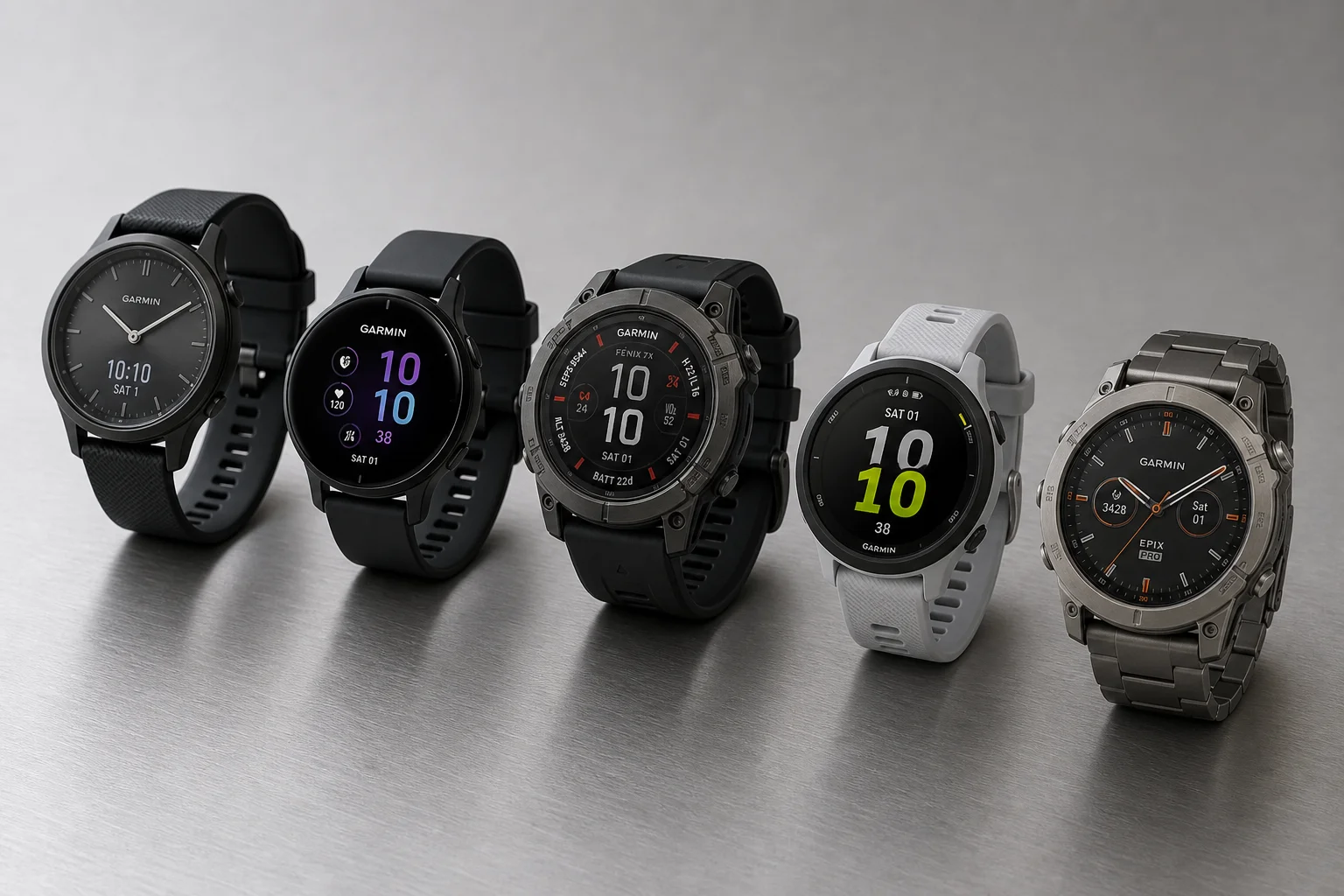
Garmin Sports Watch Guide: Finding the Right Model for Your Fitness Level
A comprehensive overview of Garmin's sports watch lineup, from casual fitness trackers to advanced multisport devices, helping you choose the right model for your needs and budget.
Sports Watches
Coros Pace Pro Review: A Complete Overhaul That Finally Feels Premium
Coros rebuilt the Pace Pro from the ground up with an AMOLED display, onboard maps, and a new heart rate sensor. Here is how it all holds up in real use.
Sports Watches
Polar Vantage M3 Review: The Sweet Spot in Polar's New Watch Lineup
A closer look at the Polar Vantage M3, which brings an AMOLED display, dual-frequency GPS, offline maps and the same software platform as Polar's flagship watches at a friendlier price.