Sports Watches
Coros Pace Pro Review: A Complete Overhaul That Finally Feels Premium
Coros rebuilt the Pace Pro from the ground up with an AMOLED display, onboard maps, and a new heart rate sensor. Here is how it all holds up in real use.
Introduction
The Coros Pace Pro is not a modest refresh of the Pace 3. Coros overhauled it inside and out, to the point that it shares very little with its predecessor. After putting the watch through swimming, cycling, hiking, and running over an extended testing period, the short version is this: it is arguably Coros’ best watch today, and the changes make it much more appropriately positioned, even if the price jump is significant.
Price and Positioning
The Pace Pro jumps from the Pace 3’s $229 to $349. That is a big step up, but it now sits in the feature and price range of Coros’ Apex series, which raises the question of why it kept the Pace name at all. Regardless of naming, the watch justifies the move with a materially better display, onboard maps, and a new sensor package.
Display and Design
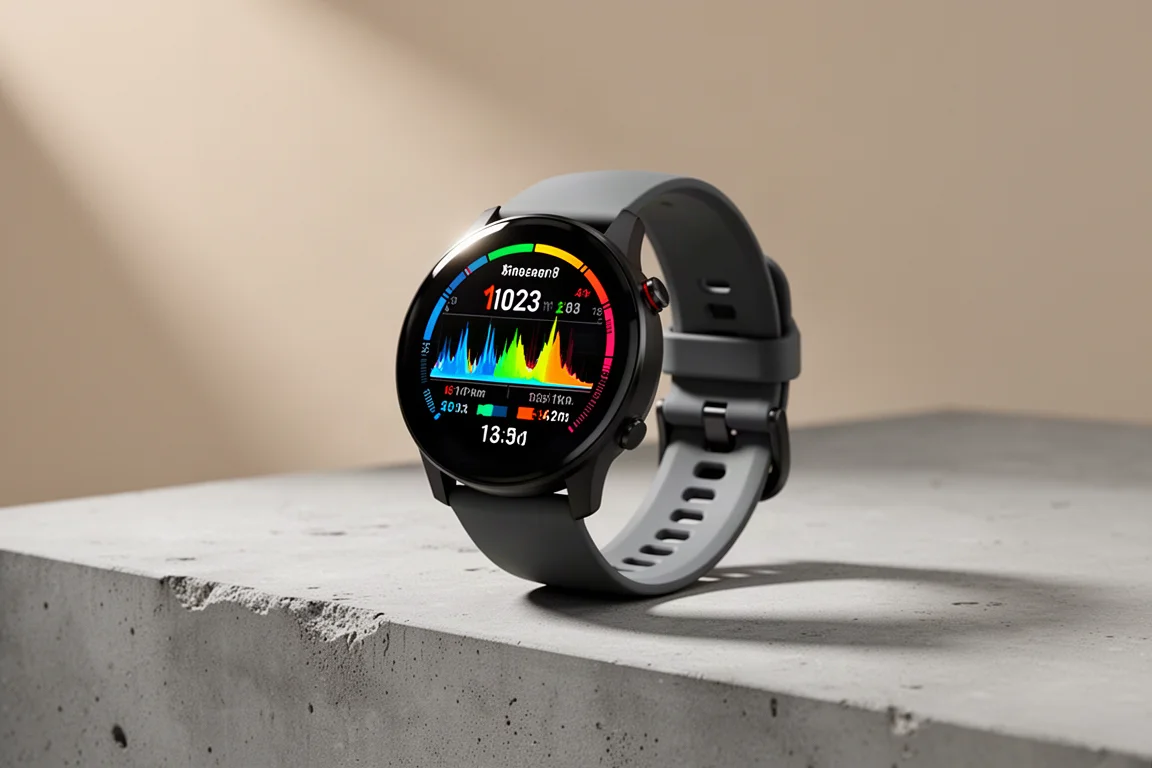
This is the first Coros watch with an AMOLED display, replacing the MIP panels the company has traditionally used. AMOLED panels are brighter and more vibrant, and the 1.3-inch screen here hits 1,500 nits, so it stays readable in direct sun and is genuinely usable at night, something MIP displays can struggle with depending on the backlight. It is a clear upgrade in day-to-day use.
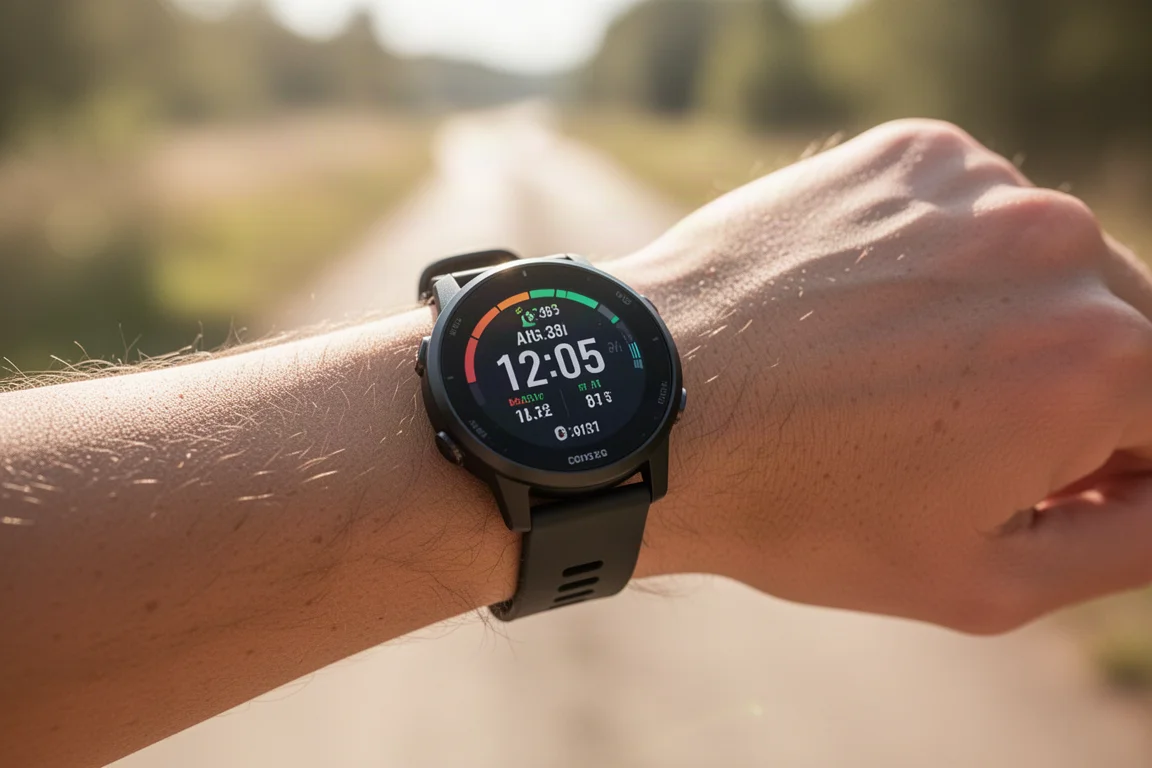
The case grows from 42mm on the Pace 3 to 46mm, and the side buttons are larger too, which makes hitting the lap or start button during intervals much easier. The fabric band of the Pace 3 is gone, replaced by a silicone band. The watch is heavier as a result, and if you want the old fabric band you now have to buy it separately, the reverse of before. Honestly, the silicone band works well.
One quirk: the charging port is new, slightly deeper and thicker than before, so older Coros cables will not fit without modification. Instead of a dedicated cable, you get a small keyring-style adapter that you plug your own USB-C cable into. Coros made the change because the old connector tended to get loose over time. If you are truly stuck, an older Coros cable can be carefully trimmed slightly to fit the deeper port, and Coros confirmed that is technically acceptable, though not ideal.
Battery Life in Real Use
Coros claims 38 hours in all systems mode and 31 hours in dual frequency mode, and there is no longer a plain base GPS mode. It is either one of those two.
Real-world numbers were mixed at times. One outdoor ride produced 10% battery burn per hour in dual frequency mode, which traced back to a GPS firmware bug. Coros addressed it with a firmware tweak that temporarily trades a little GPS accuracy while the fix is finalized with the chipset provider. With navigation enabled, that works out to roughly 5% per hour, or around 20 hours, rather than the claimed 31.
On the smartwatch side, Coros claims 6 days with the always-on display and 20 days with gesture-based display. Testing with 1 to 3 hours of GPS workouts per day landed at about 4 days in always-on mode, close to the claim. Gesture mode was not tested since the always-on approach of seeing the time at a glance is simply more practical.
Maps and Navigation
The headline addition is onboard downloadable maps, previously reserved for the Apex and Vertex series. You pick a region in the Coros app and download it over Bluetooth or Wi-Fi, and the files are remarkably small. The entire region of Mallorca and nearby islands comes in around 60 megabytes.
Routes from Strava, Komoot, or the Coros app can be loaded onto the watch and followed with an on-screen route line, plus turn-by-turn prompts for some, though not all, turns. You do get off-course deviation warnings, which covers the basics well.
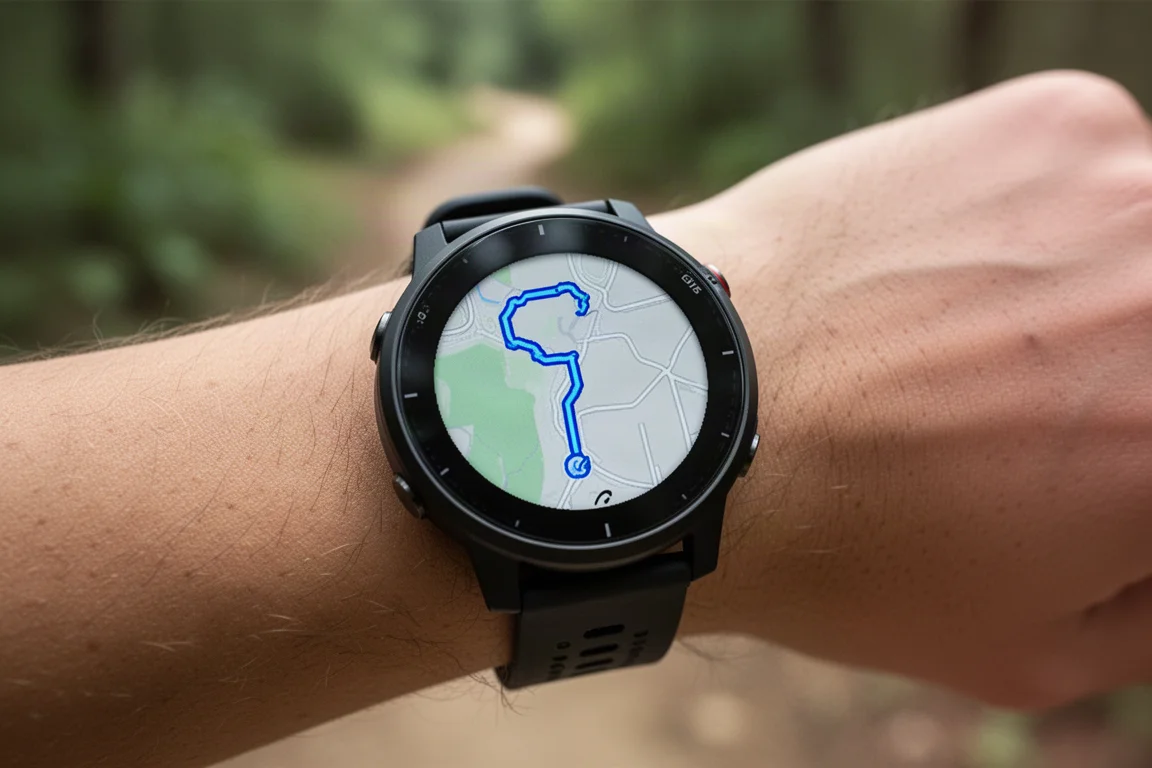
There are real limits, though. The maps are not routable, so the watch will not reroute you back if you go off course, and there are no names on screen yet for trails, roads, or lakes. Coros says names are coming next year in the first quarter. It is not as capable as fully routable map systems, but for staying on track through trails, it works just fine.
Performance, Storage, and Software
Coros says the processor is double the speed of the Pace 3. In menus, honestly, you will not notice any difference; both watches feel equally quick. Where the extra speed shows is map rendering, which is noticeably faster than the Apex or Vertex series when scrolling. Kudos there.
Storage jumps from 4GB to 32GB, which is mostly useful for maps, though Coros’ maps are so compact you will struggle to fill even a fraction of it. Music support is MP3 files only, with no streaming services, and realistically that is not coming for a company of Coros’ size. A podcast file implementation would help bridge that gap, but it has not arrived yet.
The software itself covers all the expected ground: customizable per-sport data pages, structured workouts, training load, recovery time, stress, HRV status, sleep tracking with sleep stages, and daily stats including altitude, sunrise and sunset, pressure, and weather. One annoyance: trending load resets every Monday rather than rolling on a true last-seven-days window. Sleep timing, the fall-asleep and wake-up values, proved spot on in testing.
GPS and Heart Rate Accuracy
The new optical heart rate sensor is the same unit as in the Coros Vertex 2S, and it brings ECG capability. Note that the ECG is not medically certified by the FDA or CE and does not do AFib detection, so treat it as a curiosity rather than a health tool.
Heart rate performance was strong overall. Indoor trainer intervals, trail runs, and structured short intervals all tracked well, with only minor latency on recovery portions of very short intervals, which is fairly common for optical sensors. Outdoor cycling was the exception: accuracy was poor, notably worse than most watches, so a separate strap is the sensible choice for outdoor rides.

GPS accuracy is generally very good. Interval runs around open areas with no tall buildings tracked spot on, with impressively consistent lines repeated lap after lap. On trail runs with the interim firmware, a slight 2 to 4 meter offset appeared compared to other watches, likely the trade-off made to fix the battery bug. On mountain roads with steep cliffs and sharp 180-degree switchbacks at speed, the Pace Pro matched high-end bike computers and higher-end watches, despite the battery burn during that session.
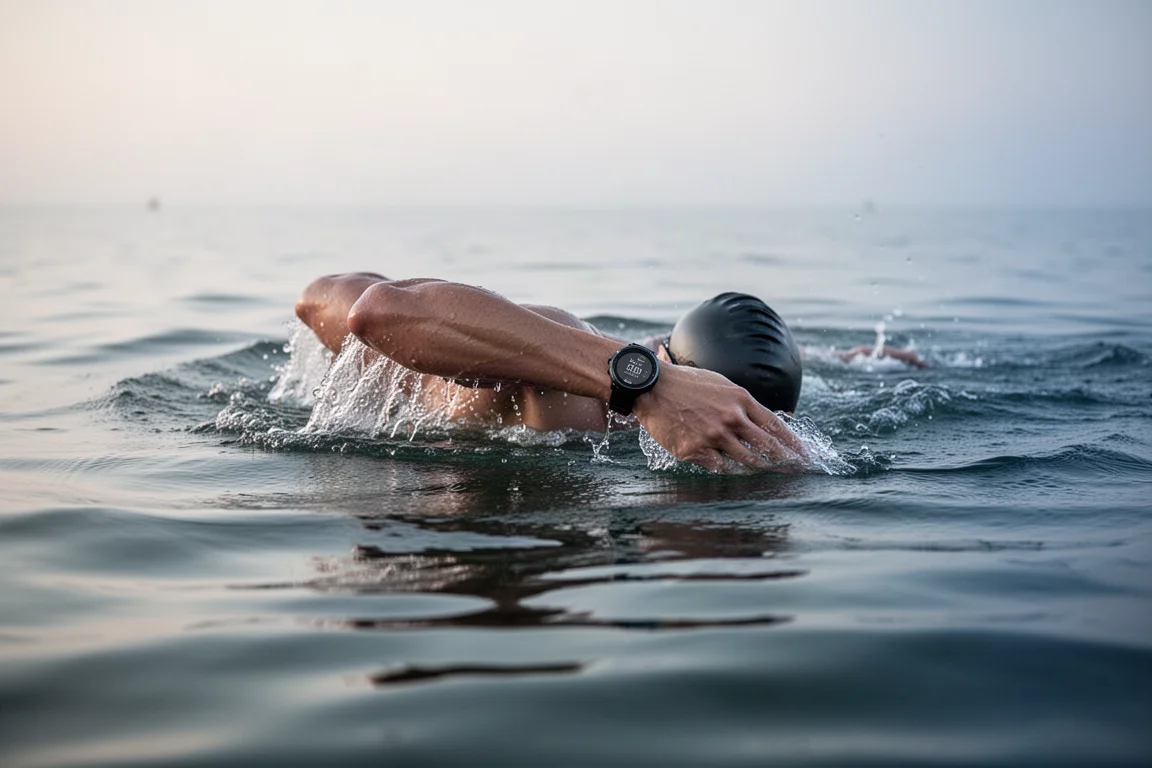
The open water swim result is notable: this is the first time a Coros watch has delivered a reasonably accurate open water swim track. It is not perfect, slightly cutting some turns when zoomed in, but it is a huge improvement over every previous Coros watch.
How It Compares
At $349, the Pace Pro competes directly with the Suunto Race S at the same price, the Polar Vantage M3 at $399, and the Garmin Forerunner 265 in the $400-plus range. The Forerunner 265 lacks mapping but offers other strengths instead, so the choice comes down to which trade-offs matter to you.
Against Coros’ own lineup, the argument is straightforward: the Vertex sits at the top, but the Pace Pro delivered better GPS and heart rate accuracy in testing, has the mapping most people need, and stepping up to the Apex or Vertex series mostly buys a few minor extras such as rock climbing modes and the longer battery life that comes with a MIP display. For most people, 31 to 38 hours of GPS battery time is plenty.
Things to Consider Before Buying
- Battery life in dual frequency mode currently trails the claim, especially with navigation enabled, pending the final GPS firmware fix.
- Outdoor cycling heart rate from the wrist is best skipped in favor of a strap.
- Maps are not routable and lack place names until the announced update.
- No music streaming services, MP3 files only.
- The new charging connector means old Coros cables will not work.
Buying Advice
If you want a Coros watch with a bright AMOLED screen, onboard maps, and solid everyday accuracy, the Pace Pro is the sweet spot in the current lineup, and the $349 price is well matched to what it delivers. If you primarily need maximum GPS battery life or fully routable maps, look higher in the range or at competitors. Otherwise, this is easy to recommend.
Conclusion
The Pace Pro is a genuine step forward: a brilliant display, a competent mapping system, a new heart rate sensor, and the best open water swim tracking Coros has produced. With a few firmware bumps still to land, it is already the company’s most compelling watch and a serious contender in its price bracket.
Product link
View more details for Coros Pace Pro
This product is mentioned in the review. Check the specifications, options, and compatibility before buying.
View more details for Coros Pace ProFurther reading
Related Reviews
Sports Watches
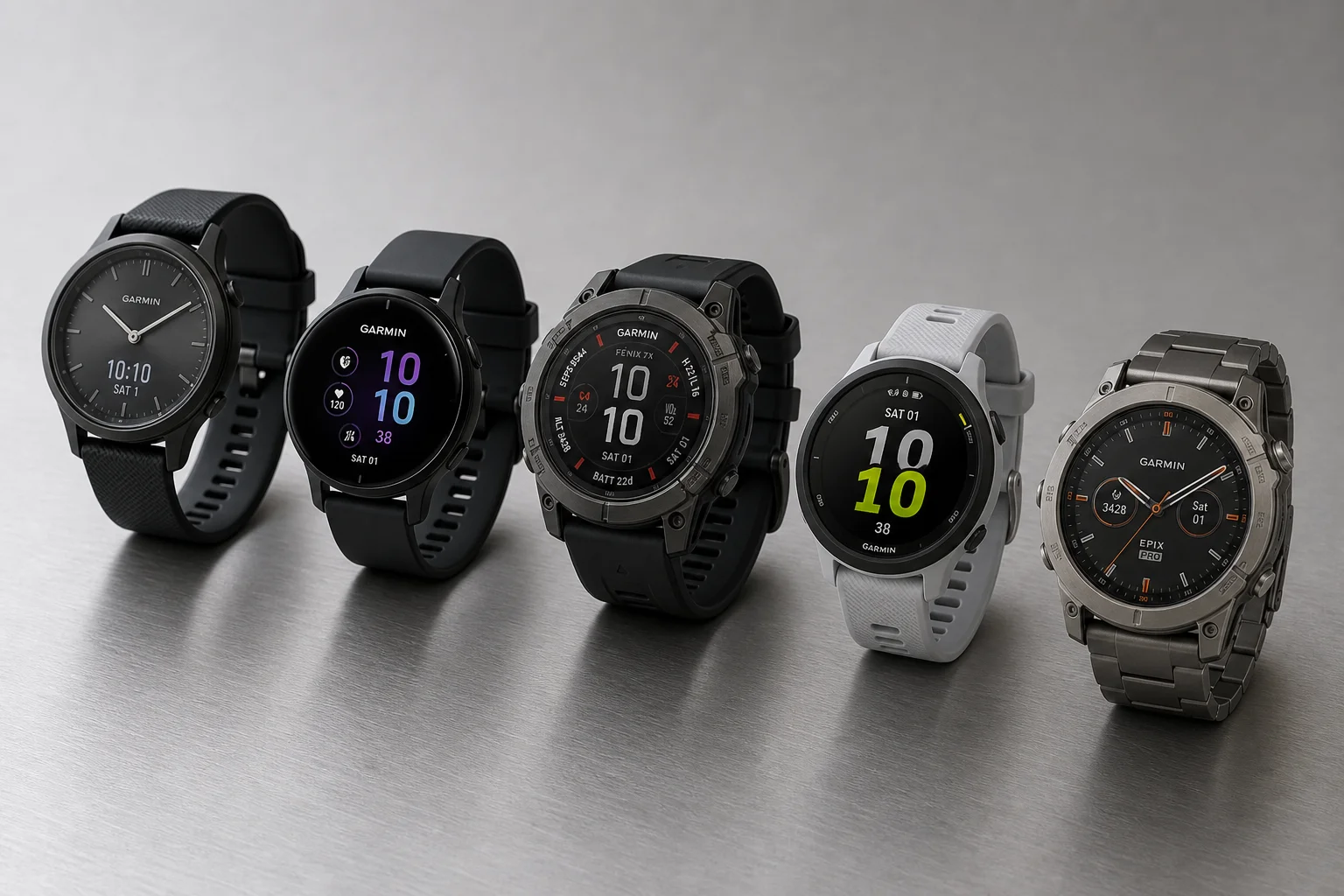
Garmin Sports Watch Guide: Finding the Right Model for Your Fitness Level
A comprehensive overview of Garmin's sports watch lineup, from casual fitness trackers to advanced multisport devices, helping you choose the right model for your needs and budget.
Sports Watches
Polar Vantage M3 Review: The Sweet Spot in Polar's New Watch Lineup
A closer look at the Polar Vantage M3, which brings an AMOLED display, dual-frequency GPS, offline maps and the same software platform as Polar's flagship watches at a friendlier price.
Cycling Gear
Aero Helmets and Bottle Setups Tested: Six Options Ranked by Measured Watt Savings
Wind tunnel data on six aero helmets and bottle setups, with real watt savings, practical trade-offs, and guidance on what is worth buying first.