Sports Watches
Polar Vantage M3 Review: The Sweet Spot in Polar's New Watch Lineup
A closer look at the Polar Vantage M3, which brings an AMOLED display, dual-frequency GPS, offline maps and the same software platform as Polar's flagship watches at a friendlier price.
Introduction
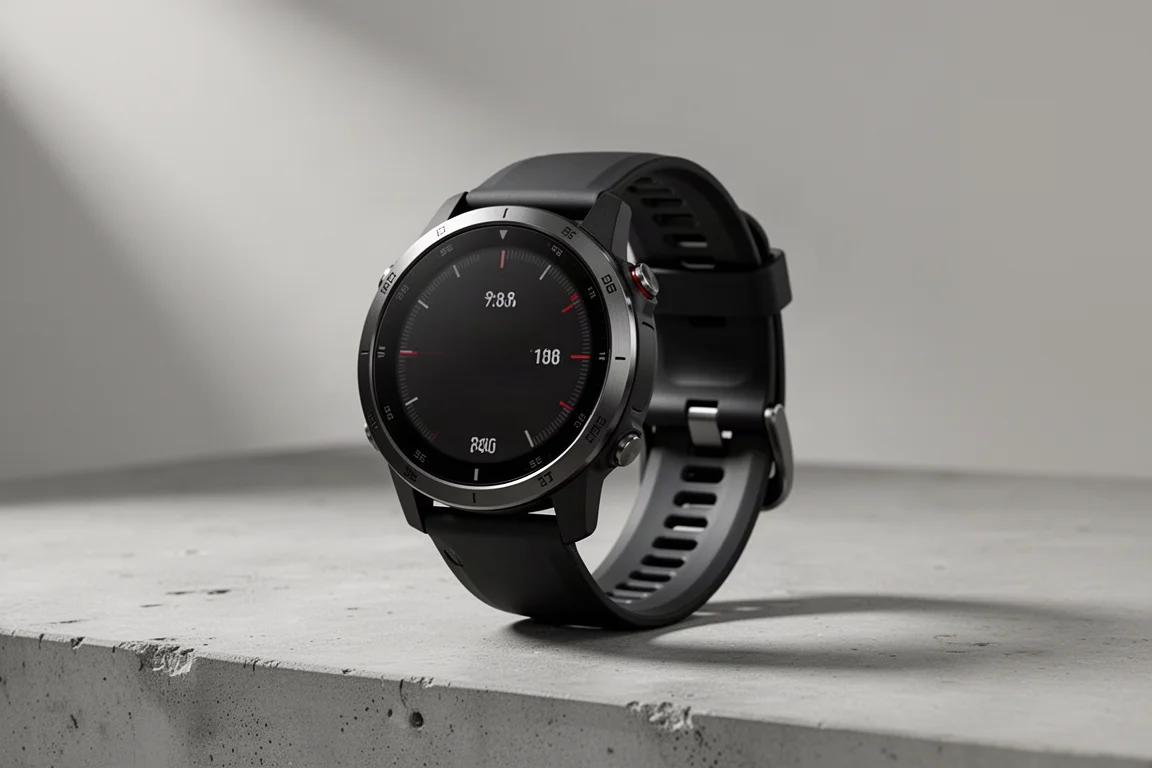
The Polar Vantage M3 is the third watch in Polar’s recent trio of high-end sports watches, completing the company’s transition from MIP-based displays to AMOLED across the line. It joins the Polar Vantage V3, announced almost exactly a year earlier, and the Grit X2 Pro, announced the following spring, and the important thing is that all three run the exact same software platform. The only differences are battery, display size and case exterior.
Against the previous Vantage M2, the M3 is a big jump in features. In this review we walk through what changed, how the interface feels day to day, where accuracy held up and where it did not, and whether the price lands in the right place.
What’s New on the Vantage M3
The headline change is the move to an AMOLED display, replacing the MIP panels of older Polar watches. Notably, Polar kept the same battery specs as before: a claimed 7 days in smartwatch mode and 30 hours in GPS mode. With the always-on display enabled, real-world use drops to roughly half that. In testing with always-on active plus 1 to 3 hours of GPS per day, expect about 3 to 4 days of battery life.
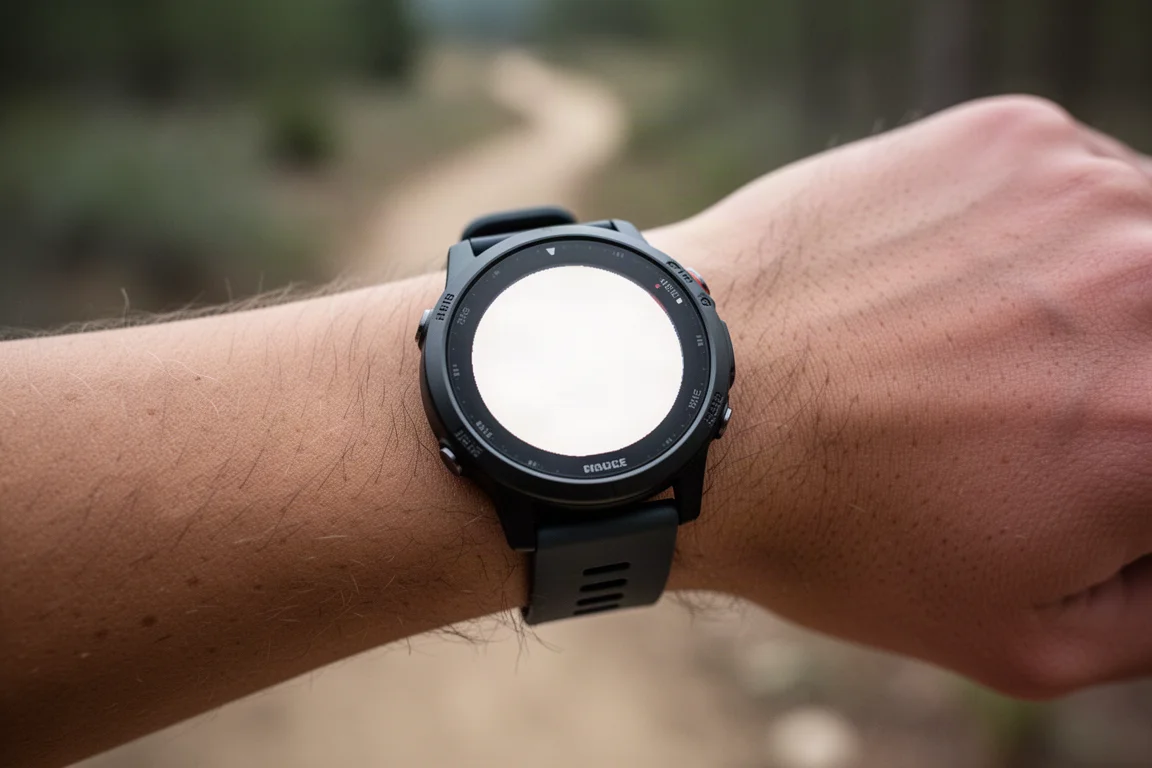
The spec sheet is essentially the same as the Vantage V3 and Grit X2 Pro, with one interesting exception: screen brightness. The M3 is rated at 1,500 nits versus 150 nits on the other two watches. In practice, no major difference was noticed in bright sun or darkness.
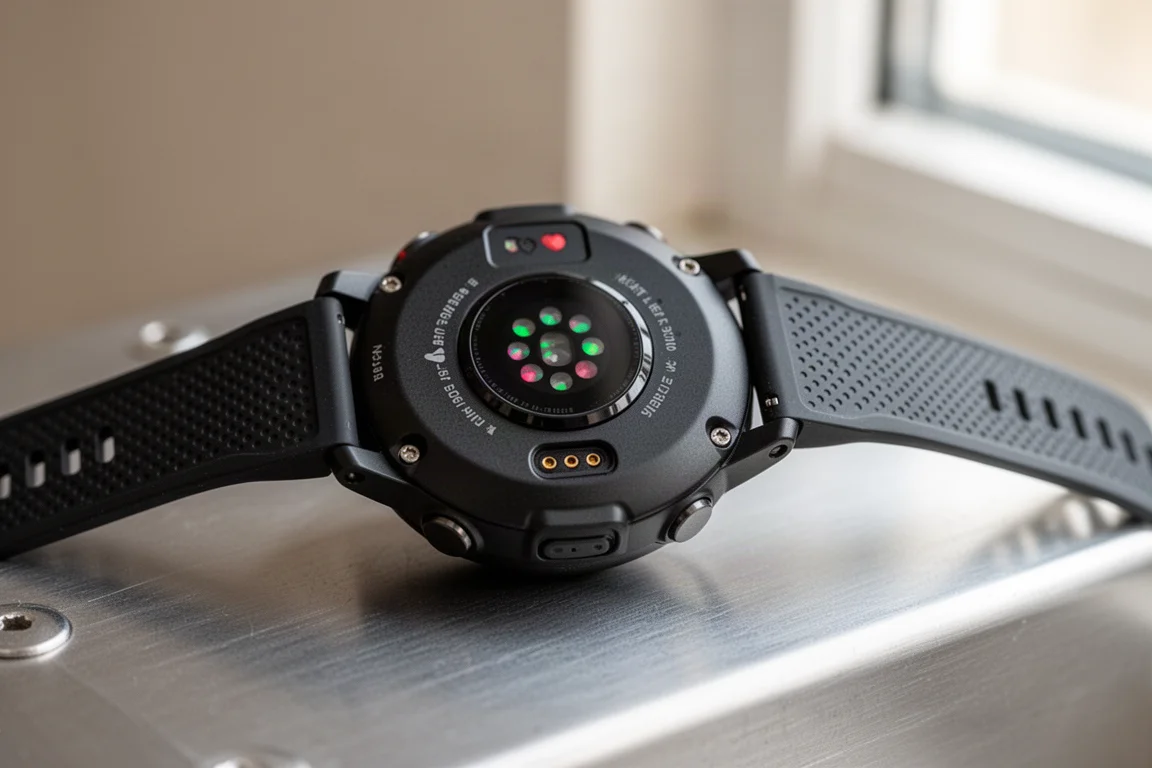
On the back sits a new fourth-generation optical heart rate sensor, up from the second-generation unit in the M2. With it come SpO2 blood oxygenation tracking, an ECG function, and skin temperature tracking that records nightly temperature variance against your personal baseline. One caveat: the ECG does not include Afib detection support, so it is not a certified medical ECG; you can view the results, but the watch will not detect an Afib condition.
Sports Features and Interface Tour
From a sports standpoint, the M3 gains dual-frequency multiband GPS and offline maps. By default the watch includes European and North American maps in base detail mode, and you can download more detailed maps from the Polar Flow site. In the first quarter of the following year, Polar plans to add points of interest on the watch, letting you navigate to campgrounds and similar locations, though without street or trail names. That update rolls out to the M3, V3 and Grit X2 Pro alike.
Coming from the M2, you also gain Hill Splitter, a feature that has been around on higher-end Polar watches for years, plus a long list of features that debuted on the V3 and Grit X2 Pro and are bundled in by virtue of the shared platform.
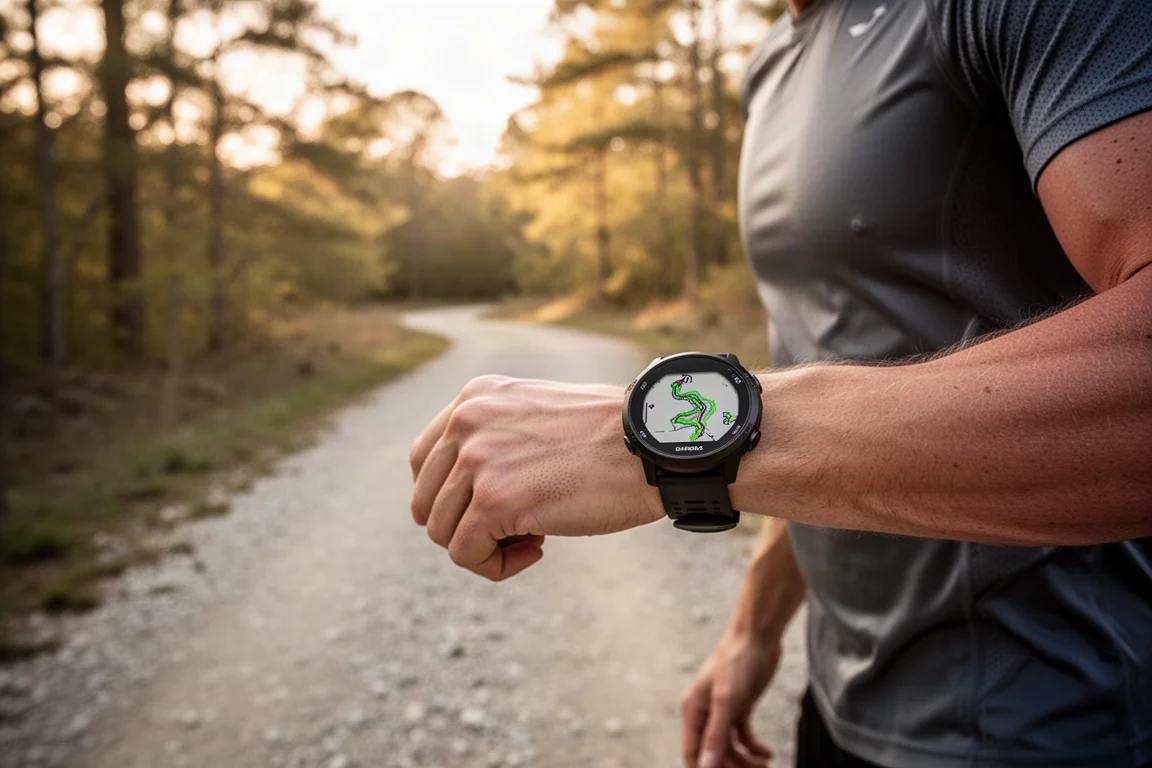
Day to day, the interface is widget-based: swipe right from the watch face to reach daily steps, a weekly training summary, Nightly Recharge sleep scoring, Fit Fuel energy forecasting, nightly skin temperature, cardio load status, workout suggestions, compass, sunrise and sunset, weather and media controls. There is 32GB of storage but no music storage on the watch; media controls simply manage the music on your phone. Sleep-related data does feel a little scattered across separate widgets, and a more consolidated presentation would help.
Starting a workout is straightforward: pick a sport mode, wait for a GPS lock, then configure data pages, load courses or structured workouts, or broadcast heart rate. During a workout you can view the map, pan and zoom with your finger, and see your historical trail, and mapping feels generally responsive. Post-workout summaries include running power, cadence, altitude, automatic laps and a route map.
How It Compares to the Vantage V3 and Grit X2 Pro
The biggest difference is price. The Vantage M3 sits at $399, the Vantage V3 in the middle at $599, and the Grit X2 Pro at $749. Display size is the next distinction: 1.28 inches here versus 1.39 inches on the other two, though the M3’s brighter 1,500-nit panel offsets some of that on paper.
On durability, the Grit X2 Pro offers 100-meter water resistance versus 50 meters for the Vantage series, plus an 810H military-spec durability rating. All three share the same operating temperature range of -20°C to +50°C. Case construction is similar across the trio, with a metal bezel on the upper portion and a plastic body on the bottom; the sides differ, with aluminum on the V3 and steel on the Grit X2 Pro. The Grit X2 Pro also gets sapphire crystal glass, while both Vantage models use Gorilla Glass 3. No durability issues were encountered with either.
On the software side, five features were slated for the first quarter of the following year across all three watches: new watch faces, a new workout launcher interface, Find My Phone support, points of interest for offline maps, and TrainingPeaks workout synchronization into Polar Flow. Notably, TrainingPeaks sync extends across the entire Flow platform, covering nearly every Polar watch of the last several years.
Accuracy: Heart Rate, GPS and Elevation
Heart rate accuracy was very good on longer interval sets, closely matching reference devices and performing similarly to other premium watches. Shorter, faster intervals showed a little latency on recovery drops, and an indoor trainer ride followed the trend with minor lag. Outdoor cycling was the weak spot: readings were poor across the board, which is not unusual for wrist-based optical sensors on that sport, but it is worth knowing.

GPS tracks were solid. A repeating loop run traced spot-on lines, with corner tracking very similar to other watches carried alongside. In a dense downtown core with tall buildings, tracks showed some corner-cutting and were not quite as clean as the best comparators, but the rest of the route was fine. Mountain road rides on twisty switchbacks showed no problems climbing or descending, and elevation readings ran only a couple of meters off dedicated bike computers while trending in the same direction.
Buying Advice
If you want Polar’s current flagship software experience without paying flagship prices, the Vantage M3 is the clear value pick in the trio. Runners and triathletes who train with structured workouts, follow routes and care about recovery metrics get essentially the whole platform here. If you need deeper water resistance, a steel case, sapphire glass or a larger display, the Grit X2 Pro or Vantage V3 justify their premiums; for most people, the M3 covers the same training ground.
One honest caveat for prospective buyers: Polar’s software update cadence has been slow, with roughly one feature set per year compared with competitors shipping updates far more often. The features promised for Q1 are meaningful, but if rapid feature development is a priority, factor that in.
Conclusion
The Polar Vantage M3 sticks the landing on pricing where its pricier siblings did not quite manage it. You get an AMOLED display, dual-frequency GPS, offline maps, a newer heart rate sensor with SpO2, ECG and skin temperature tracking, and generally good accuracy for both heart rate and GPS, with outdoor cycling being the notable exception. Backed by the full Polar Flow platform, it is a solid watch that should compete well in this segment, provided you accept that software improvements arrive slowly.
Product link
View more details for Polar Vantage M3
This product is mentioned in the review. Check the specifications, options, and compatibility before buying.
View more details for Polar Vantage M3Further reading
Related Reviews
Sports Watches
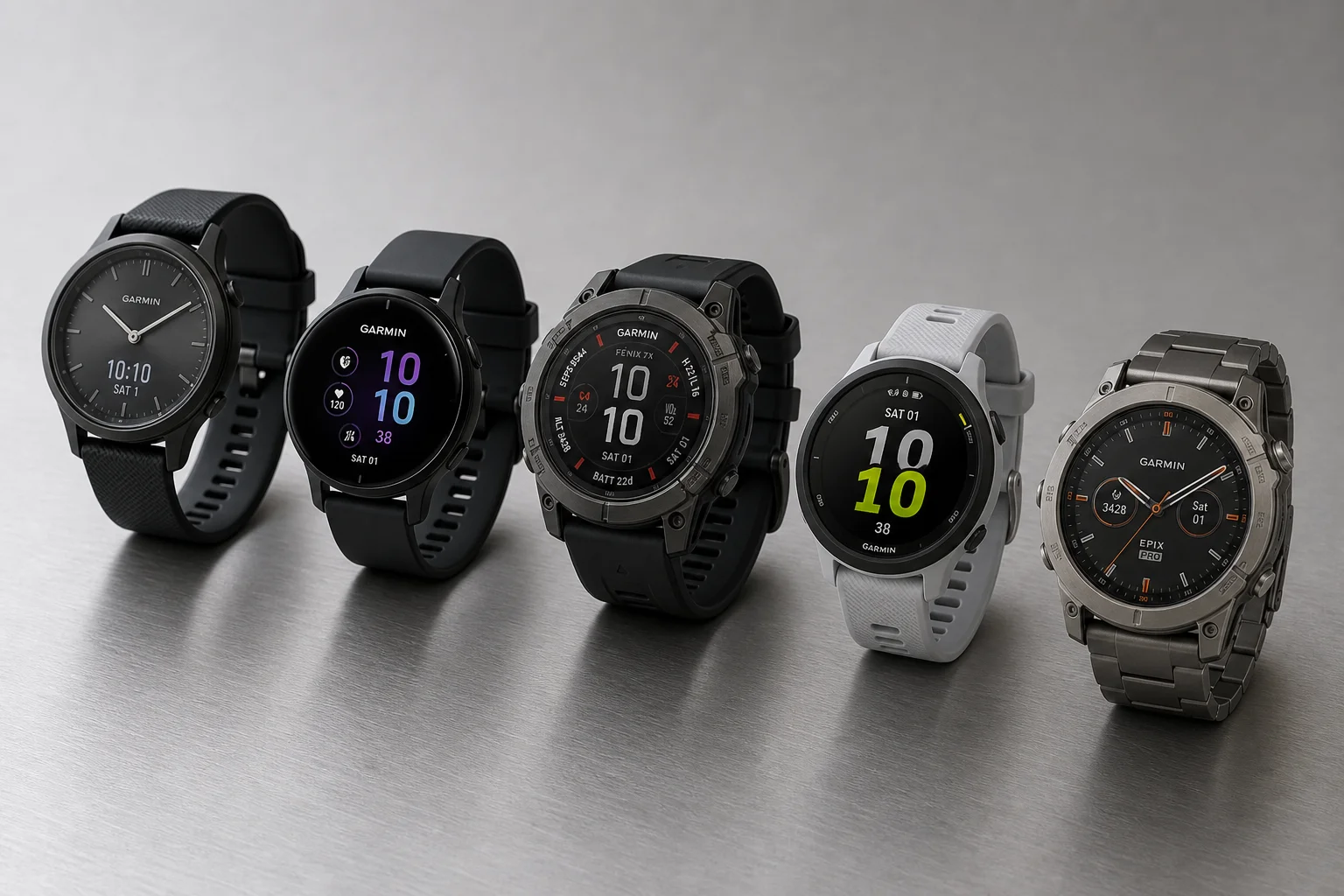
Garmin Sports Watch Guide: Finding the Right Model for Your Fitness Level
A comprehensive overview of Garmin's sports watch lineup, from casual fitness trackers to advanced multisport devices, helping you choose the right model for your needs and budget.
Sports Watches
Coros Pace Pro Review: A Complete Overhaul That Finally Feels Premium
Coros rebuilt the Pace Pro from the ground up with an AMOLED display, onboard maps, and a new heart rate sensor. Here is how it all holds up in real use.
Outdoor Lighting
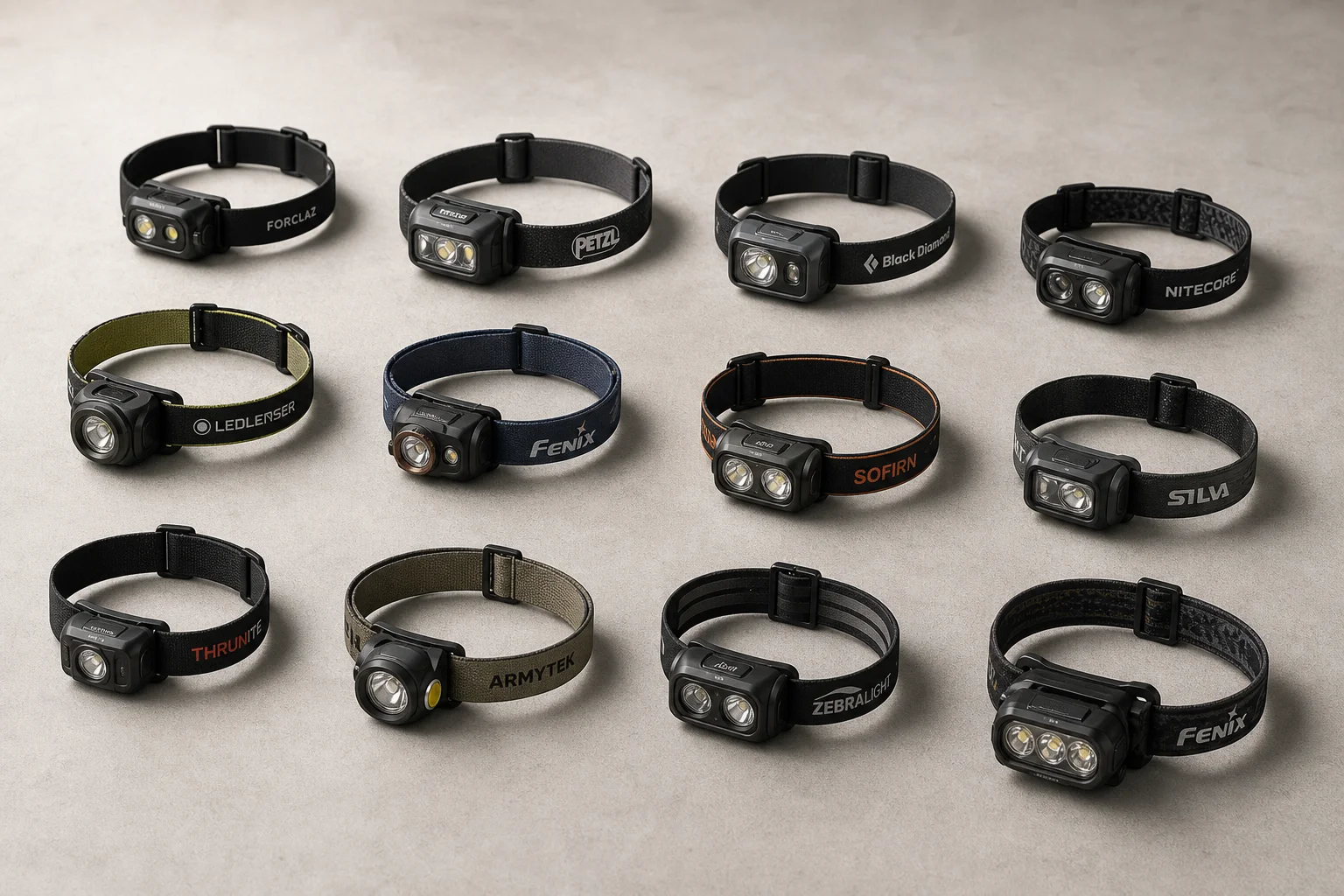
Best Head Torches 2026: 13 Tested Models for Running, Camping, and Work
A comprehensive roundup of 13 head torches tested across comfort, output, battery life, and build quality. Find the right torch for running, hiking, camping, or general use.