Sports Watches
Suunto Race vs the Competition: A $449 AMOLED Sports Watch That Changes the Math
The Suunto Race brings a 1,000-nit AMOLED display, dual-frequency GPS and full maps at $449, undercutting the Polar Vantage V3 and Garmin Forerunner 965 by a wide margin.
Introduction
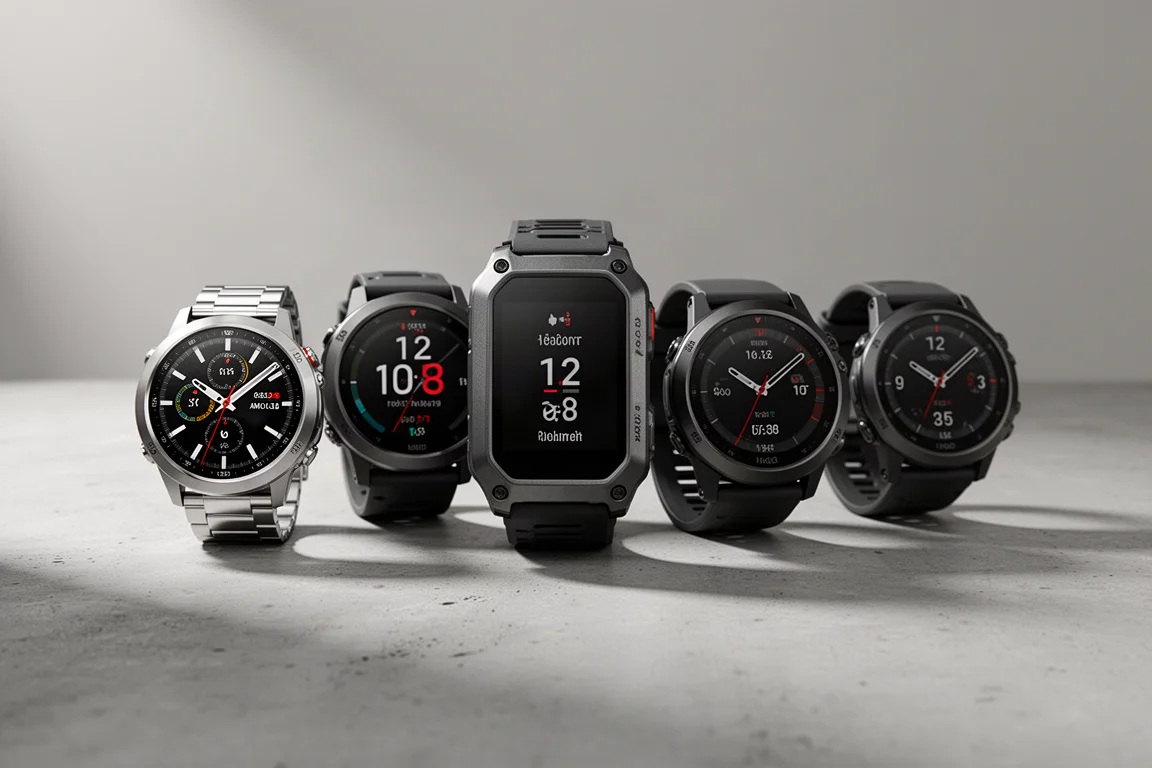
Suunto is making an aggressive move with the new Suunto Race. It takes the recently released Suunto Vertical, adds a bright AMOLED screen and more than a dozen new features, and prices it at $449 for the base model and $549 for the titanium model. Against a Polar Vantage V3 at $599 and a Garmin Forerunner 965 at the same $599, that is a $150 gap that is hard to ignore.
The question is whether Suunto has the features and accuracy to back up that pricing. Early hands-on impressions suggest the Race delivers far more than its price implies, and it is the first Suunto watch built entirely on in-house algorithms rather than licensed third-party training engines.
Suunto Race: AMOLED Display and Polished Hardware
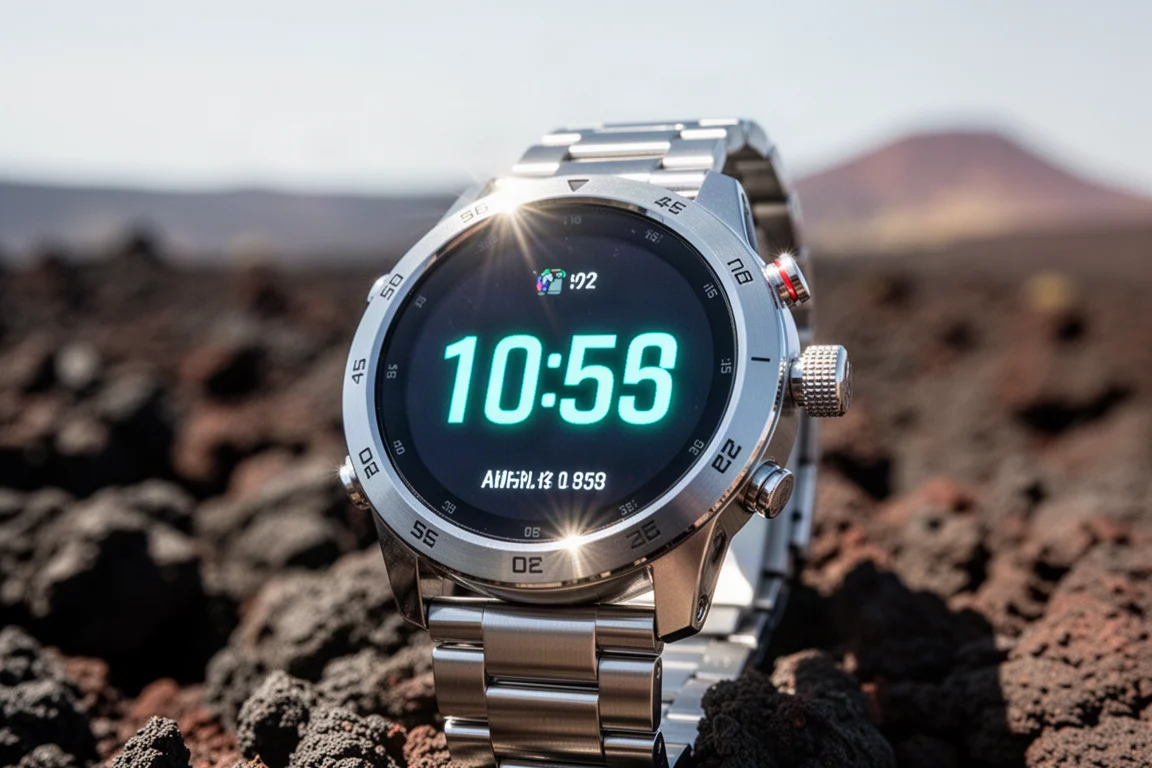
The headline change is the 1.43-inch AMOLED touchscreen at 1,000 nits, which puts it in the same brightness ballpark as most competitors, including the Polar Vantage V3 and most Garmin watches. Outdoors in bright sun, open water and lava fields, the screen has shown no practical problems, and frankly today’s AMOLED panels no longer need higher peak brightness.
The body itself is a step up in polish. Where the Suunto Vertical is something of a brick, the Race is more tapered, with a sapphire crystal top and either a stainless steel back on the base model or titanium on the higher trim. Weight comes in at 69g for titanium and 83g for stainless steel, with standard 22mm straps so you can swap in anything you like. Water resistance is rated to 100 meters, and the watch retains shallow depth tracking for snorkeling and free diving, though it is not designed as a dive watch.
Features That Make the Race Competitive
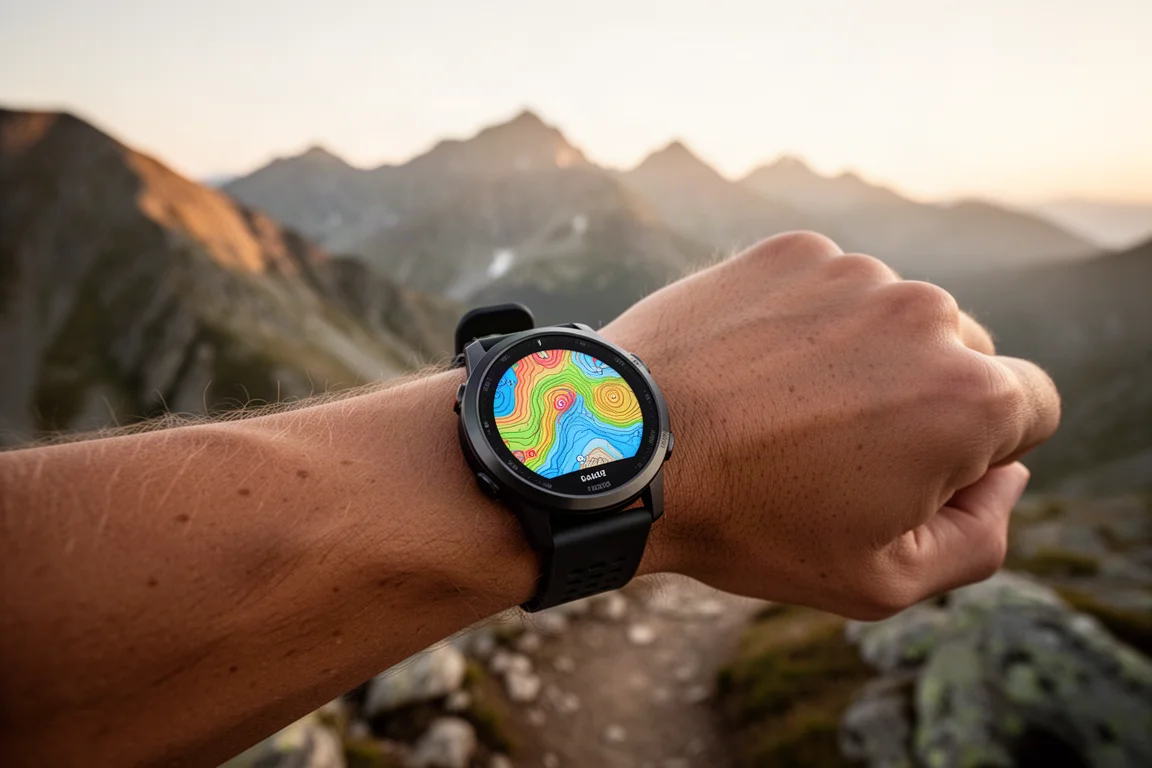
The new digital crown handles menu scrolling and map zoom, and the Race carries over the full onboard maps from the Suunto Vertical, now looking noticeably better on the AMOLED panel. Maps download over Wi-Fi by region, and the process is straightforward on both watches.
Dual-frequency GPS is on board, which is the current gold standard for track accuracy. The Suunto Vertical already sits comfortably in the top tier alongside Garmin and Apple, and initial data from the Race points to similar performance. Battery life runs from about 40 hours of GPS with all dual-band features enabled up to roughly 120 hours in lower-power modes, and in always-on smartwatch mode the claim is 7 days, which early use seems to support.
New software features round out the package: HRV tracking that unlocks a 7-day average after 3 nights and a baseline after 14, an updated Suunto Coach that folds HRV into training and recovery guidance, a revamped UI with mini widgets and a consolidated daily summary, sleep stages in the morning report, plus multiple alarms, a find-my-phone function, stand reminders, race estimate progress, customizable widgets, do not disturb, improved music controls, and a new rope skipping sport. There is still some brief lag when opening a component for the first time, but once inside it runs smoothly.
Suunto Vertical: The Rugged Sibling
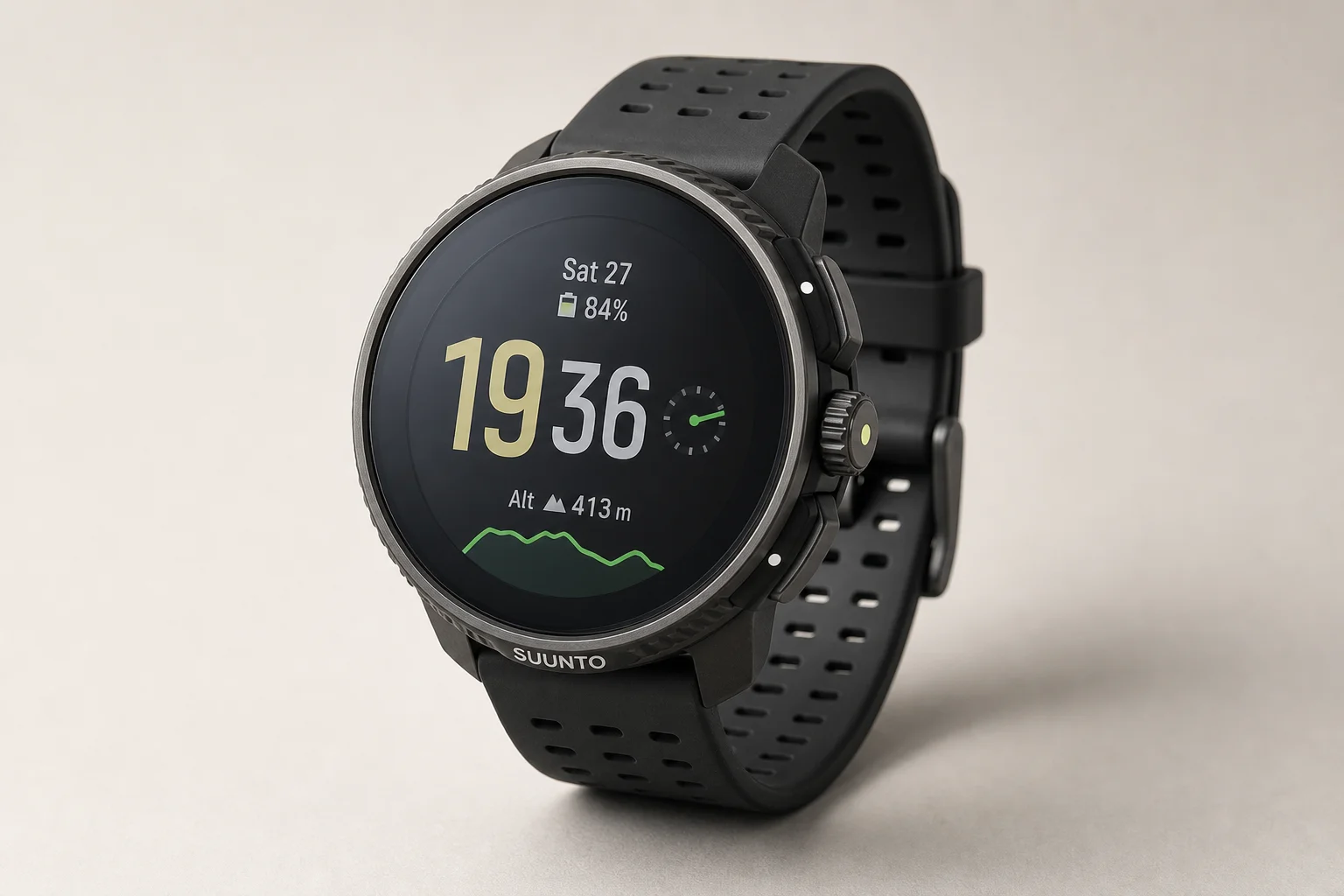
The Suunto Vertical keeps its place as the rugged, solar-friendly option in the lineup. It already offered full maps, dual-frequency GPS with top-tier accuracy, and long battery life, and nearly all of the Race’s new software features are rolling out to it as well. Suunto treats the two watches as software equals, differing mainly in display technology, much like how Garmin splits a comparable pair of lineups between different display types.
If you prefer maximum battery life and a button-driven rugged design over a bright touchscreen, the Vertical remains a sensible pick, especially since its feature set will keep converging with the Race over the coming months.
Polar Vantage V3: The $599 Alternative
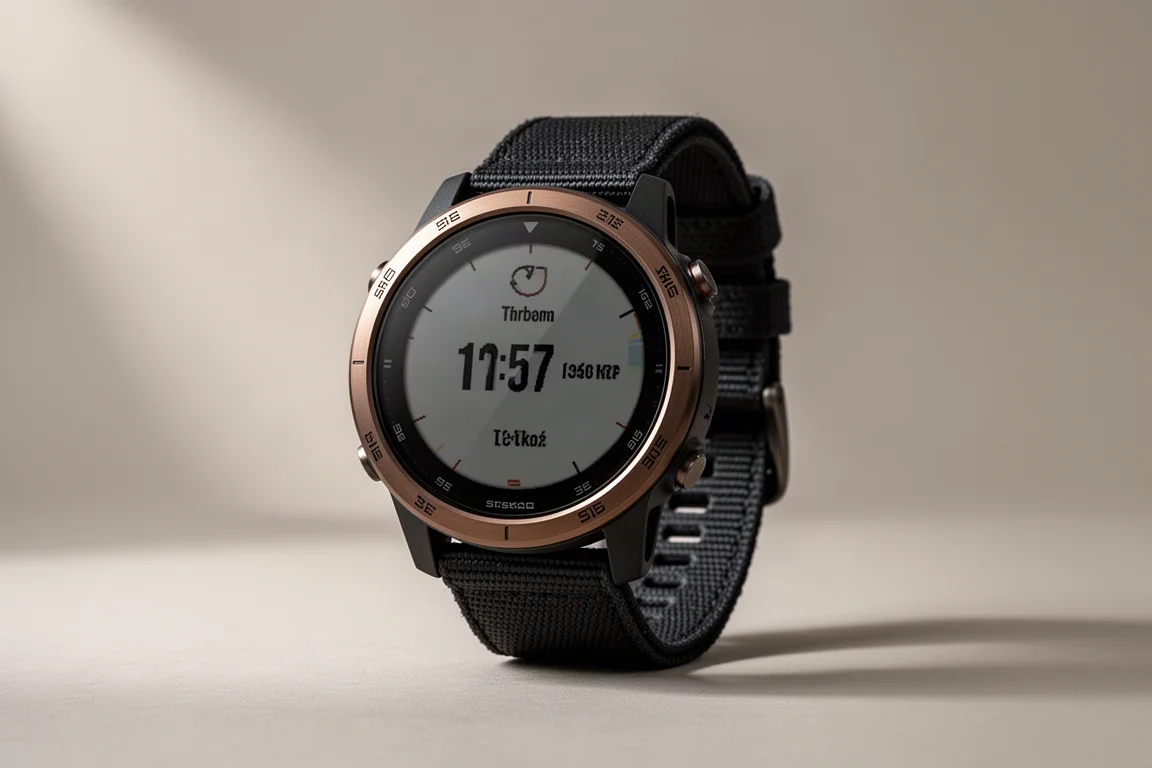
The Polar Vantage V3 launched at $599, putting it $150 above the base Suunto Race with essentially the same AMOLED brightness class. It is a polished, capable multisport watch, but you have to get deep into nitpicking to justify the extra outlay over the Race.
For buyers loyal to Polar’s ecosystem or specific training metrics, the V3 is a solid watch. On pure value, though, the Race’s pricing makes the comparison uncomfortable for Polar.
Garmin Forerunner 965: The Feature Benchmark
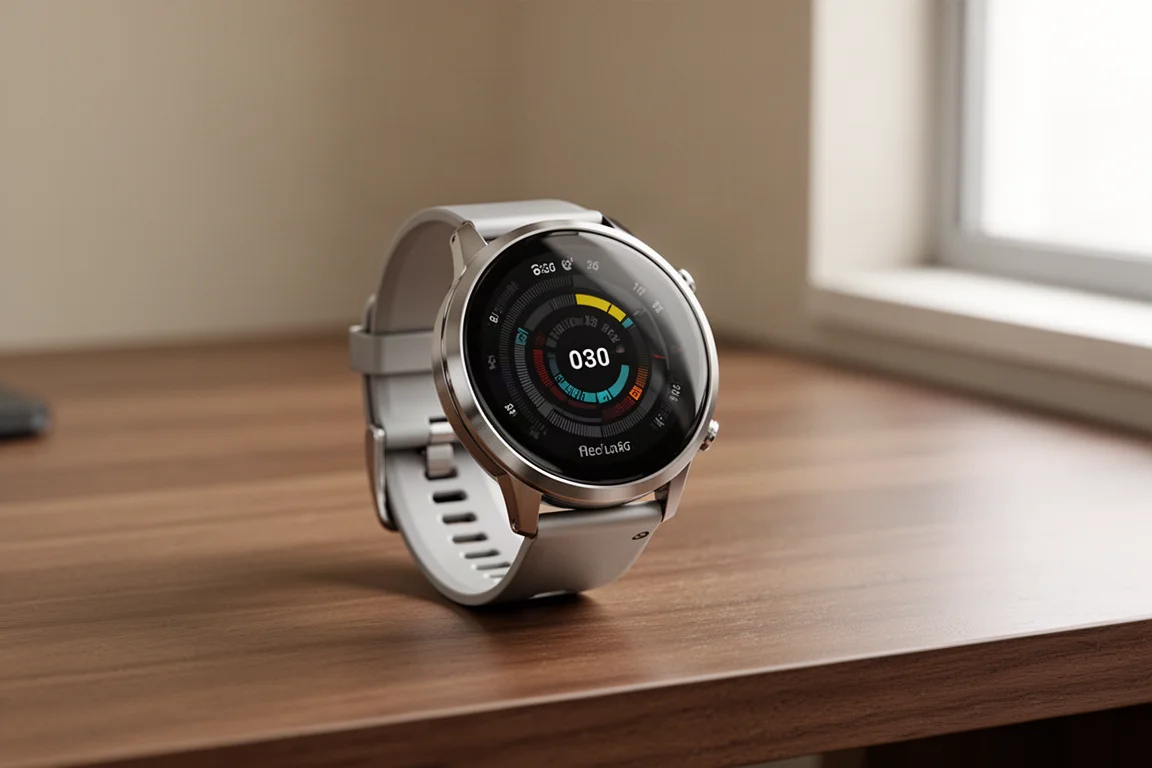
At $599, the Garmin Forerunner 965 matches the Vantage V3’s price and sits $150 above the Race. Garmin unquestionably still offers more features overall, and that is part of why it commands the premium. Stylistically, however, the Race compares more directly with the Garmin Epix, while the price comparison lands against the Forerunner.
If you are deep in Garmin’s ecosystem and need its breadth of features, the 965 is worth the money. If you mainly want accurate GPS, maps, solid training tools and a great display, the Race covers the core of it for substantially less.

Garmin Epix: The Style Match
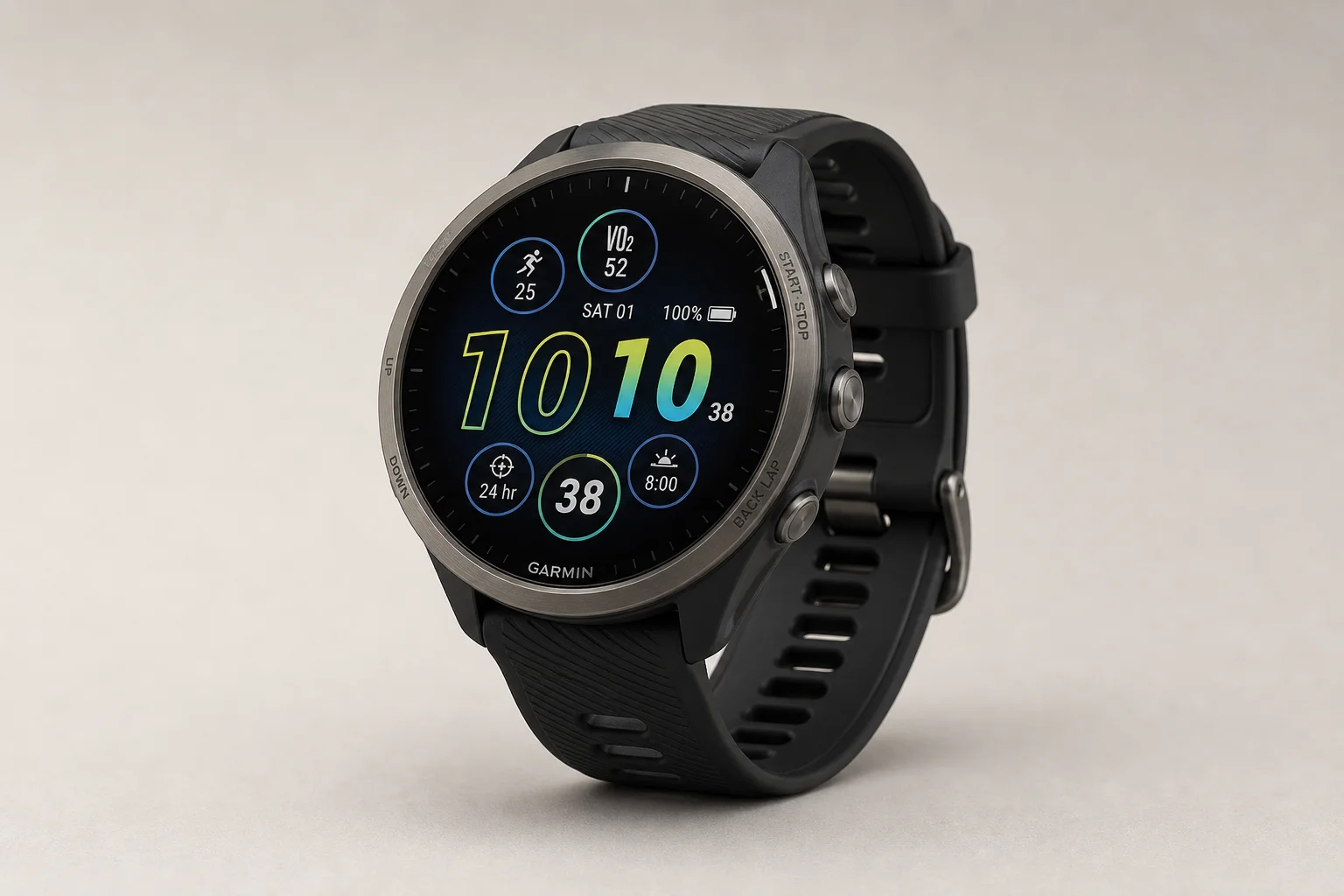
The Garmin Epix is the watch the Suunto Race most resembles in look and feel: a premium AMOLED sports watch with maps and a stainless-grade finish. It sits in a higher price bracket, and that difference buys you Garmin’s larger feature set rather than a better core experience.
For buyers who want that premium AMOLED aesthetic without the flagship price, the Race is now the obvious spoiler in this segment.
Overall Buying Advice
The value story here is straightforward. The Suunto Race delivers sapphire glass, dual-frequency GPS, full maps, a 1,000-nit AMOLED display and a genuinely modern feature set at $449, with a titanium trim at $549. Competing AMOLED sports watches from Polar and Garmin start at $599. Unless you specifically need Garmin’s deeper feature ecosystem or Polar’s particular training stack, the Race is the easiest recommendation on pure value.
Suunto also deserves credit for pushing nearly all of the Race’s new software to the Suunto Vertical and most of it to the Suunto Peak Pro, so existing owners are not left behind.
Conclusion
The Suunto Race is a dramatically polished entry in the endurance sports watch space, and its aggressive pricing resets expectations for what a $449 AMOLED GPS watch should include. Garmin still leads on raw feature count, but for the core mix of accuracy, maps, display quality and battery life, the Race now sits at the top of the value chart.
Further reading
Related Reviews
Sports Watches
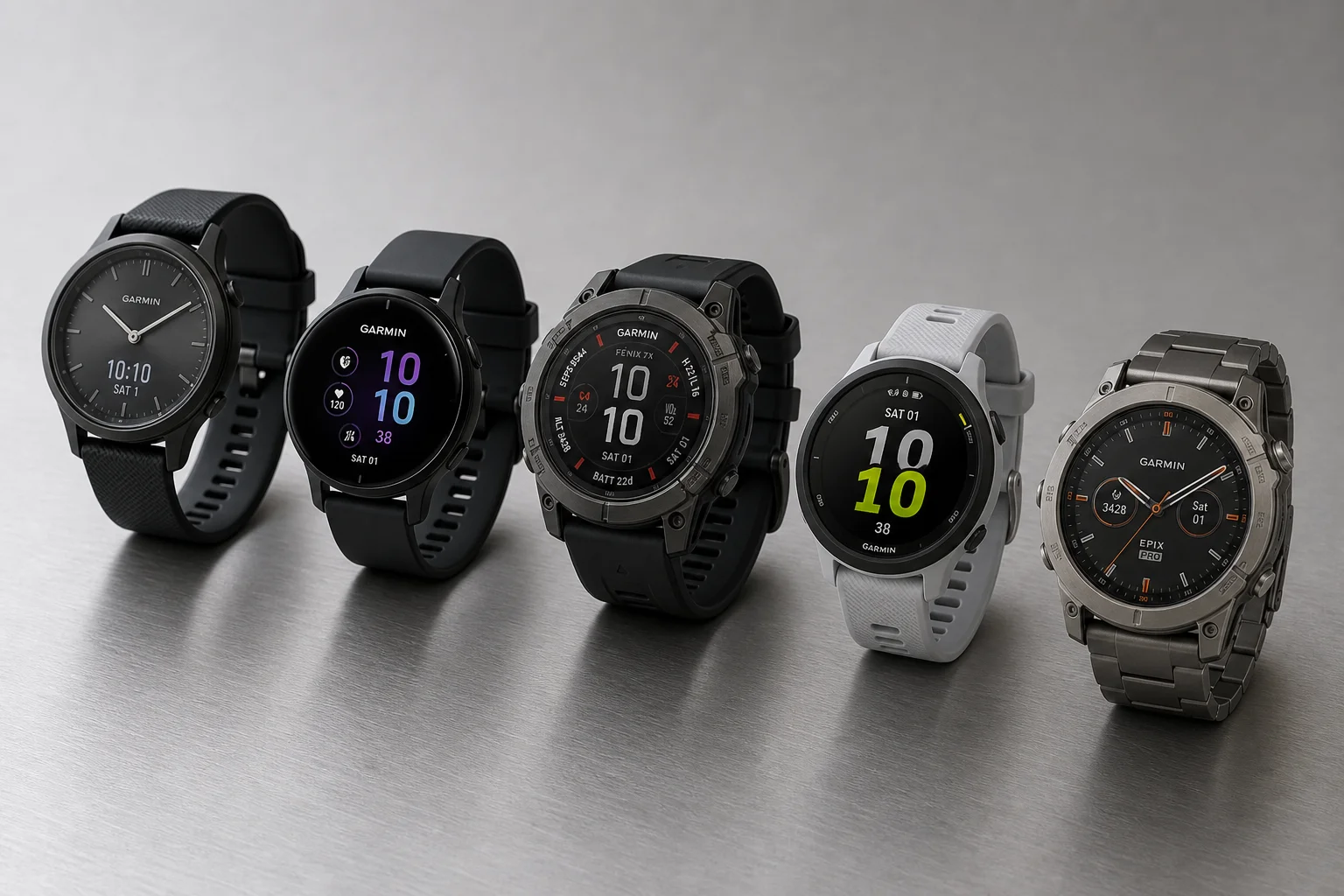
Garmin Sports Watch Guide: Finding the Right Model for Your Fitness Level
A comprehensive overview of Garmin's sports watch lineup, from casual fitness trackers to advanced multisport devices, helping you choose the right model for your needs and budget.
Sports Watches
Coros Pace Pro Review: A Complete Overhaul That Finally Feels Premium
Coros rebuilt the Pace Pro from the ground up with an AMOLED display, onboard maps, and a new heart rate sensor. Here is how it all holds up in real use.
Sports Watches
Polar Vantage M3 Review: The Sweet Spot in Polar's New Watch Lineup
A closer look at the Polar Vantage M3, which brings an AMOLED display, dual-frequency GPS, offline maps and the same software platform as Polar's flagship watches at a friendlier price.