GPS Sports Watches
Suunto Race and Race S Revisited: Has the Heart Rate Update Fixed the Big Weak Spot?
Months of retesting after Suunto's 2026 software update show major wrist heart rate improvements on both the Race and Race S, though a few quirks remain.
Introduction
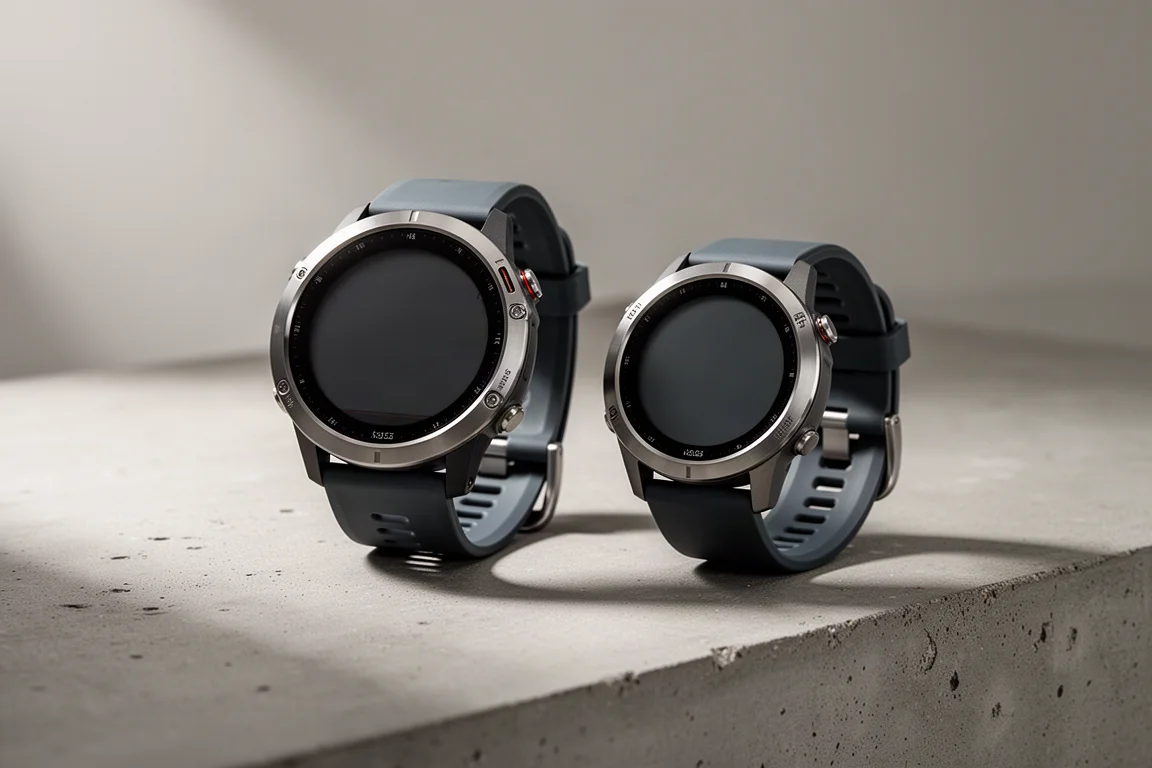
The Suunto Race and Race S were easy watches to like: strong health and sports features, solid navigation, very good GPS accuracy, attractive designs, and pricing that undercut a lot of premium-material competition. The one consistent reservation was wrist-based heart rate accuracy, which left a lot of room for improvement.
In early 2026, Suunto released a significant software update for many of its watches. Beyond the new features, the release notes flagged substantially improved wrist heart rate accuracy. To see whether that claim holds up in practice, both watches were retested over several months across indoor and outdoor cycling, treadmill and outdoor running, trail running, weight training, and high-intensity interval training. This is not a one-run impression; it is a large sample of sessions on both devices, before and after the update.
Why the Retest Mattered
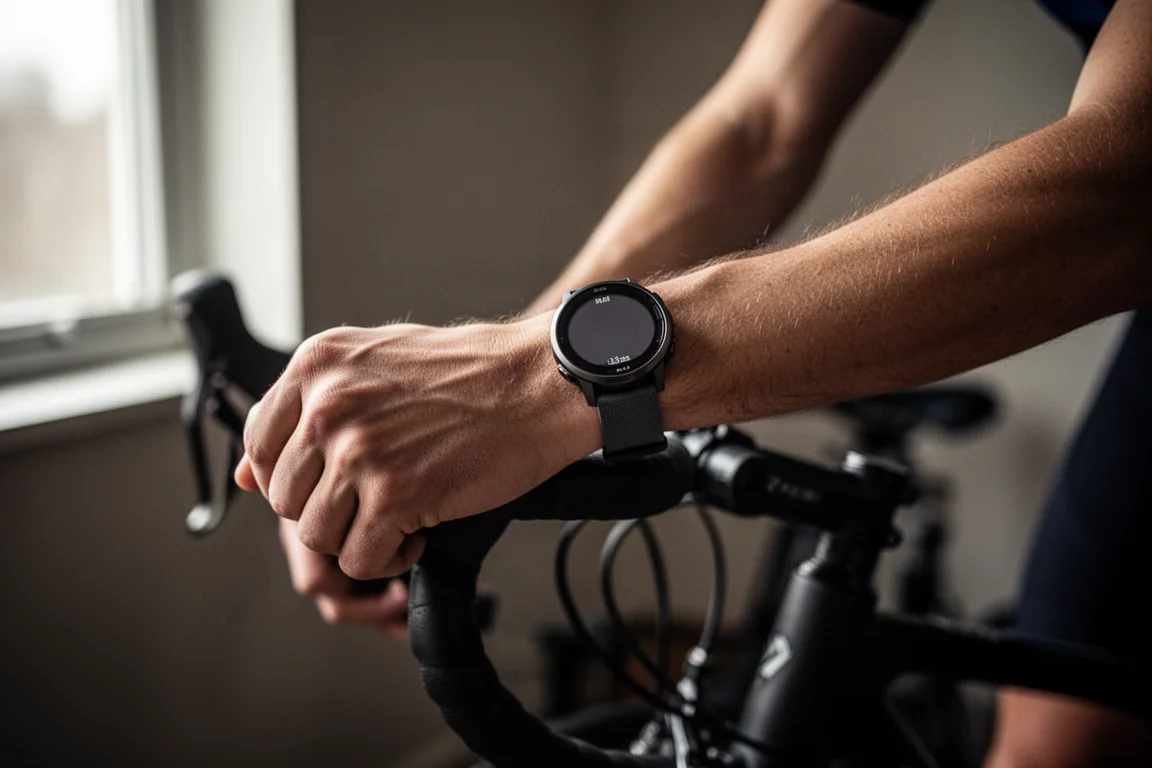
Wrist-based optical heart rate is easy to test badly, so the retest used a consistent method: each session was recorded with the Suunto watch alongside external heart rate sensors as the reference. Indoor cycling served as the baseline, since a static position and no road vibration make it the friendliest scenario for any optical sensor.
The pattern before the update was consistent on both watches: great watches at a great price, but with a recommendation to pair an external heart rate strap if accurate training feedback mattered. The question was whether a pure software change could close that gap, because improvements of this size usually come from new hardware rather than an update.
Indoor Cycling on the Race S
Originally, the Race S handled indoor cycling reasonably well but with a general shakiness throughout. No wild spikes or drops, and it stayed relatively close to the reference sensors most of the time, just not as tightly as preferred.
After the update, that shakiness is essentially gone. It now tracks extremely close to external sensors, which counts as a massive improvement. The only note was a brief moment of shakiness at the start of one ride, which can happen with any optical sensor and resolved immediately.
Road and Gravel Riding on the Race S
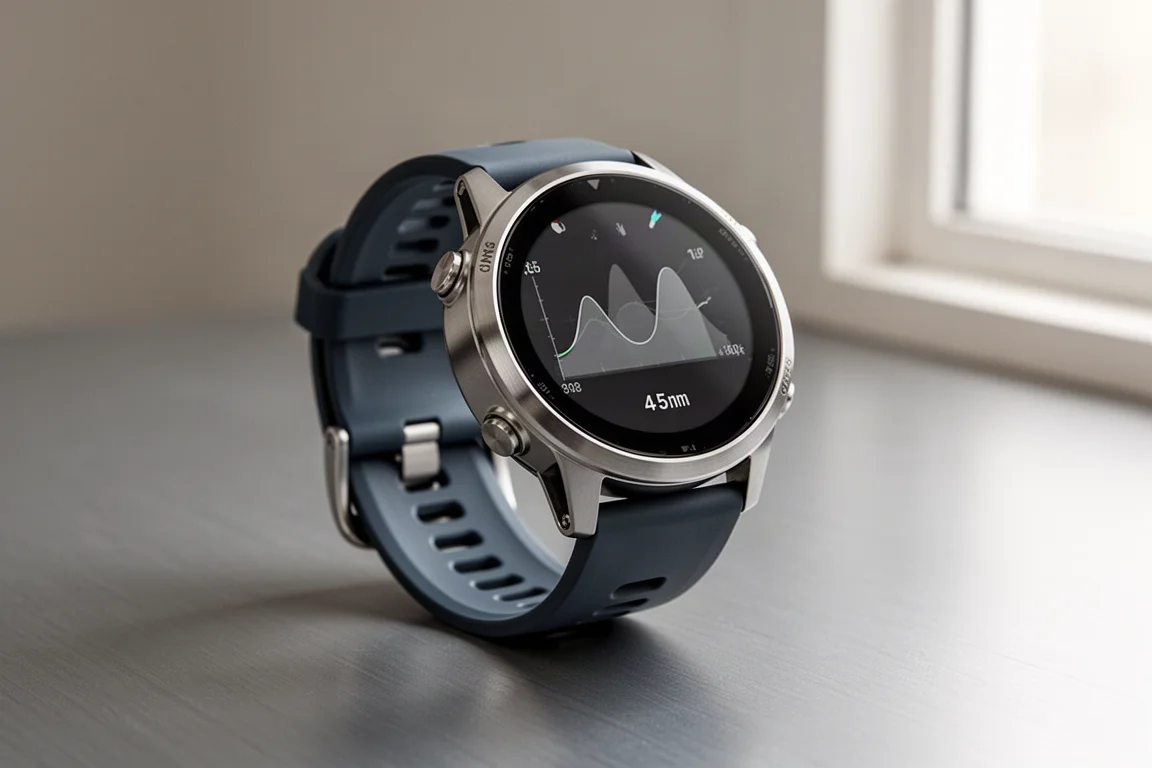
Outdoor riding adds variables: a tighter grip on the handlebars and, more importantly, bumps and vibration that make even a snug watch move on the wrist. Before the update, results were mixed. Some rides followed the reference sensors closely, while a couple went off the rails entirely. Cold weather was considered as an explanation, since blood vessel constriction below around 45°F (7.2°C) can affect optical accuracy, but the weather on those rides was actually warm.
After the update, things look much more consistent. A few short spikes and drifts remain, and one ride stayed flat for the first 20 minutes before locking on and tracking in line for the rest. That was the only real outlier. Overall, road and gravel riding is now clearly more reliable.
Running on the Race S
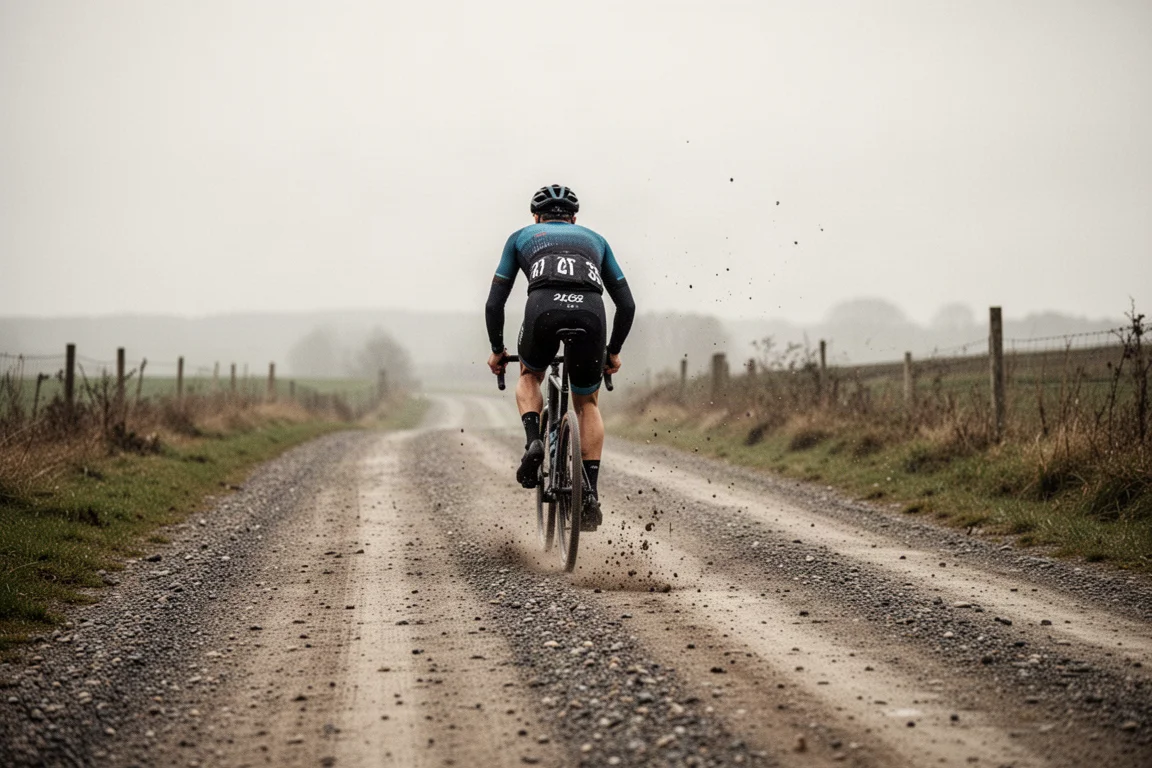
Running was previously the weaker discipline for the Race S. Even the best pre-update result was not way off, but it was not solid either, and several runs showed the classic signature of cadence lock, where the sensor mistakes the rhythm of footfalls for heart rate.
After the update, the treadmill results are essentially perfect, spot-on for the entire run apart from a brief blip at the start. Outdoor steady-state runs were also strong, with only momentary wanderings of a few beats per minute. Interval runs were mostly good: solid warm-ups, three of four intervals tracked well on one session, though cadence lock appeared a few times, both at the start of runs and near the end of intervals. A trail run was also encouraging; it missed a brief rest stop at the summit, but importantly the descents, where cadence lock is most likely, showed no sign of it.
Cadence lock still shows up occasionally, but the overall picture is a massive improvement over a pre-update record where no run could really be called great.
Weight Training and HIIT on the Race S
Weight training and high-intensity interval training are the hardest cases for any wrist sensor: constant grip tension, flexed wrists, and wild arm movement. Before the update, none of the Race S workouts came close to the reference data.
After the update, weight training showed a really big improvement. The results were not perfect, but they followed the trends closely. On HIIT, a combined ski erg and wall ball session locked on after a slow start and was then practically spot-on, including the wall balls. Rowing did not fare as well, possibly caught by stroke-rate cadence lock, and one ski erg session lagged behind the reference sensors on rising heart rate even while following the general trend. The bottom line: much more consistent, with results that actually mean something.
Indoor Cycling on the Original Race
The larger Race started from a similar place: mostly okay indoors, with occasional general shakiness and a couple of sessions that lost the plot entirely. After the update, most of that shakiness improved and several sessions were very good, but a couple of rides still threw in unexpected spikes despite being easy efforts. Better, but not flawless.
Outdoor Riding and Running on the Original Race
Before the update, finding a genuinely good outdoor ride on the original Race took some digging; the best result drifted near the end, and the rest of the dataset spoke for itself. After the update, three of the retest rides were really good, with only minor blips, and one ride still went a little screwy for no obvious reason. The overall trend is clearly positive.
Running tells a similar story. Pre-update runs were generally close-ish but never quite right, likely wandering in and out of cadence lock, and even treadmill runs were not great. Post-update, a treadmill run was spot-on, an outdoor interval run hit a cadence lock early but performed well on the intervals, and a trail run read unexpectedly high on the uphill section, which is odd since cadence lock typically shows up on descents where foot impact is greatest.
Weight Training and HIIT on the Original Race
Interestingly, the original Race was never horrendous with weights. Several pre-update sessions followed the trends well. After the update, there was not much difference for the most part, with a few struggles on intervals at the end of some workouts. For this watch, the bigger gains came in cycling and running rather than in the gym.
What Explains the Difference Between the Two
Two factors likely explain why the Race S benefits more. First, the Race S was originally said to have better heart rate accuracy than the original Race. Second, size and weight matter: a larger, heavier watch bounces around more on the wrist than a smaller, lighter one, and road vibration punishes that.
Across both watches, the improvements show up in two areas: the general shakiness is largely gone, and recovery is faster, meaning that when the sensor does get thrown off, it gets back in line much quicker than before.
Buying Advice
It is genuinely unusual to see heart rate accuracy improve this much from a software update alone, and Suunto deserves credit for extending these changes to previous-generation watches rather than reserving them for new hardware. For anyone holding an older sports watch, it is worth checking whether the manufacturer has pushed similar updates, because a well-supported older model can be a much better deal than it was on launch day.
View more details for Suunto Race
If choosing between the two, the Race S now looks like the safer bet for heart rate reliability across a wider range of activities, while the larger Race remains a strong all-rounder with improved, if still occasionally imperfect, wrist readings. Anyone doing serious structured training may still want an external strap for the hardest sessions, but neither watch needs one just to produce meaningful data anymore.
Conclusion
The 2026 update genuinely changes the recommendation. The Suunto Race S went from shaky to consistently close across cycling, running, and even gym work, with only occasional cadence lock. The original Race improved as well, particularly on the bike and the treadmill, though it still has more rough edges. Both watches keep their original strengths: good GPS, strong feature sets, premium feel, and competitive pricing. The one thing holding them back has largely been addressed, and that makes both much easier to recommend.
Further reading
Related Reviews
GPS Sports Watches
Polar Grit X2 Pro vs Vantage V3 vs COROS Vertix 2S: Which Flagship Adventure Watch Makes Sense
Polar's new flagship shares its internals with the Vantage V3 and goes up against the COROS Vertix 2S. Here is what two months of testing revealed about GPS, heart rate, navigation, and value.
GPS Sports Watches
Coros Apex 2 vs Garmin: Six GPS Sports Watches Worth Comparing
A practical look at the Coros Apex 2, Apex 2 Pro, Vertex 2, and three Garmin rivals, with what each does well and where the trade-offs sit.
GPS Sports Watches
Coros Apex 4 Hands-On: Titanium Build, Faster Mapping, and a Battery Built for the Mountains
A first look at the new Coros Apex 4 GPS sports watch, including its titanium construction, improved mapping, built-in speaker, and standout battery life.