GPS Sports Watches
Coros Apex 2 vs Garmin: Six GPS Sports Watches Worth Comparing
A practical look at the Coros Apex 2, Apex 2 Pro, Vertex 2, and three Garmin rivals, with what each does well and where the trade-offs sit.
Introduction
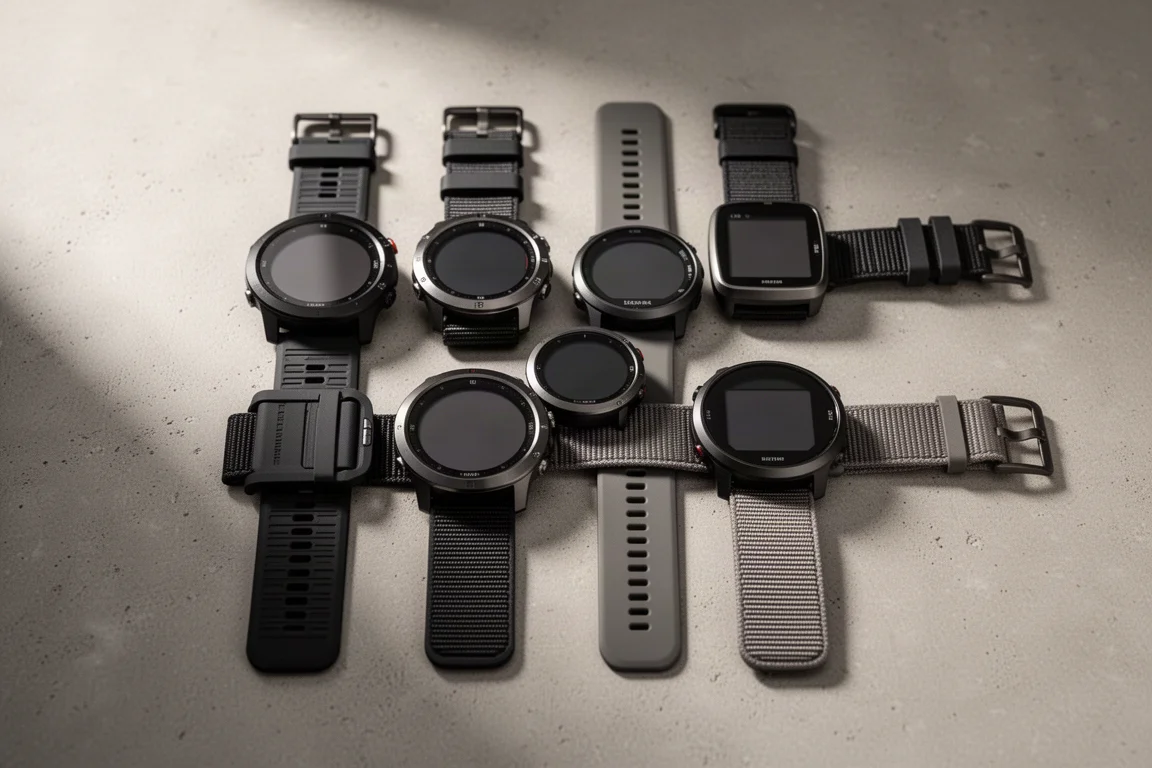
Coros launched the Apex 2 and Apex 2 Pro at the same time, and they are almost exactly the same watch. That makes them a useful starting point for comparing the wider GPS sports watch market, because the obvious rivals are already priced right alongside them: the Garmin Forerunner 955, the Forerunner 255, and the Instinct 2 series. This roundup walks through what each does well, where the trade-offs sit, and which type of buyer each one suits.
What Sets the Coros Apex 2 Series Apart
The big-ticket upgrade on the Apex 2 Pro is multiband GPS, also known as dual-frequency GPS. Both editions include All System GPS. The pair also gains a new optical heart rate sensor, manual HRV readings that take about 60 seconds, blood oxygenation (SpO2) readings, and Wi-Fi connectivity that is currently future-proofing for firmware updates rather than an active feature today.
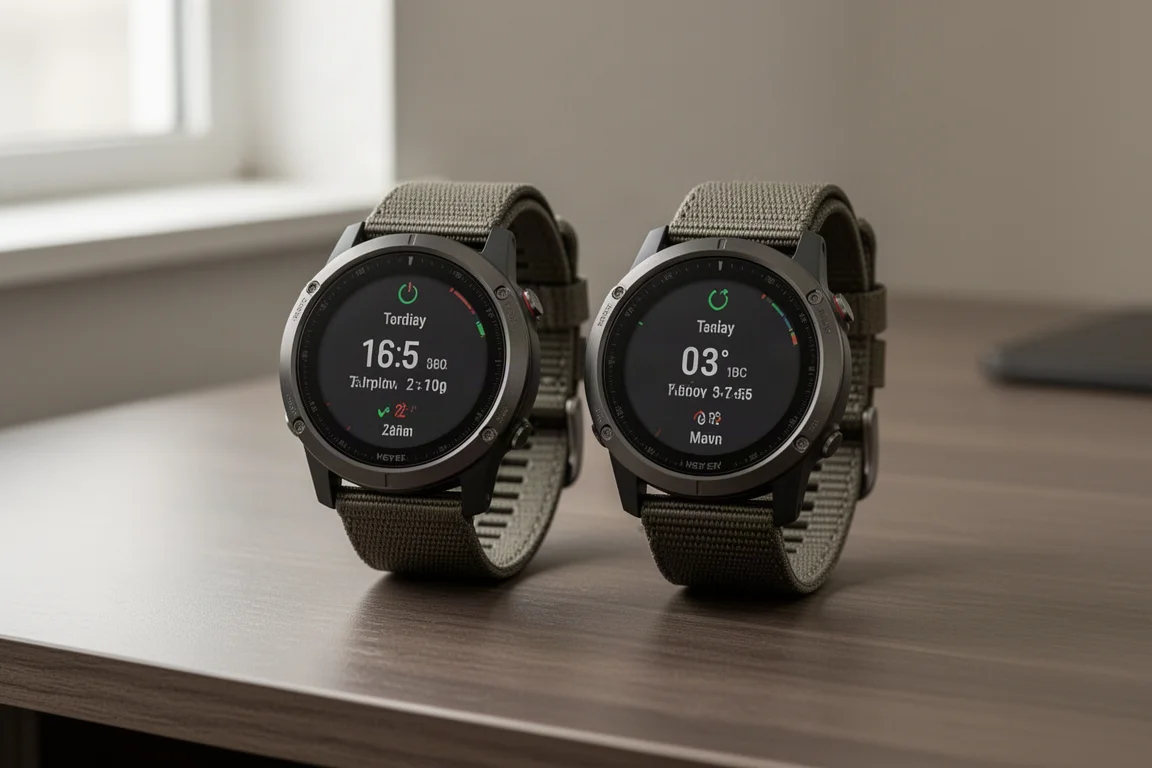
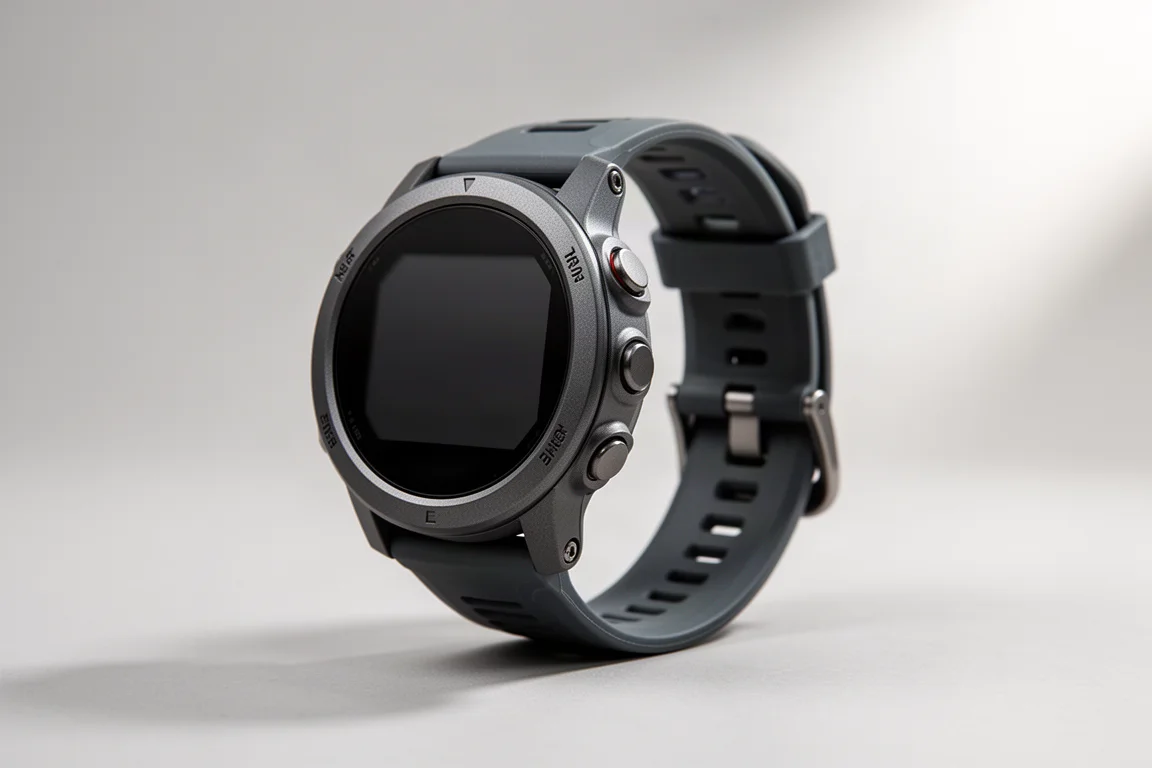
Storage is a meaningful difference between the two models. The Apex 2 Pro carries 32GB with global base maps preloaded, while the base Apex 2 has 8GB and requires downloading maps manually through a computer. Both watches now share the same three-button layout including a digital crown, include nylon straps as standard, and have a limited touchscreen that today only really works for moving and zooming the map.
Coros Apex 2 Pro
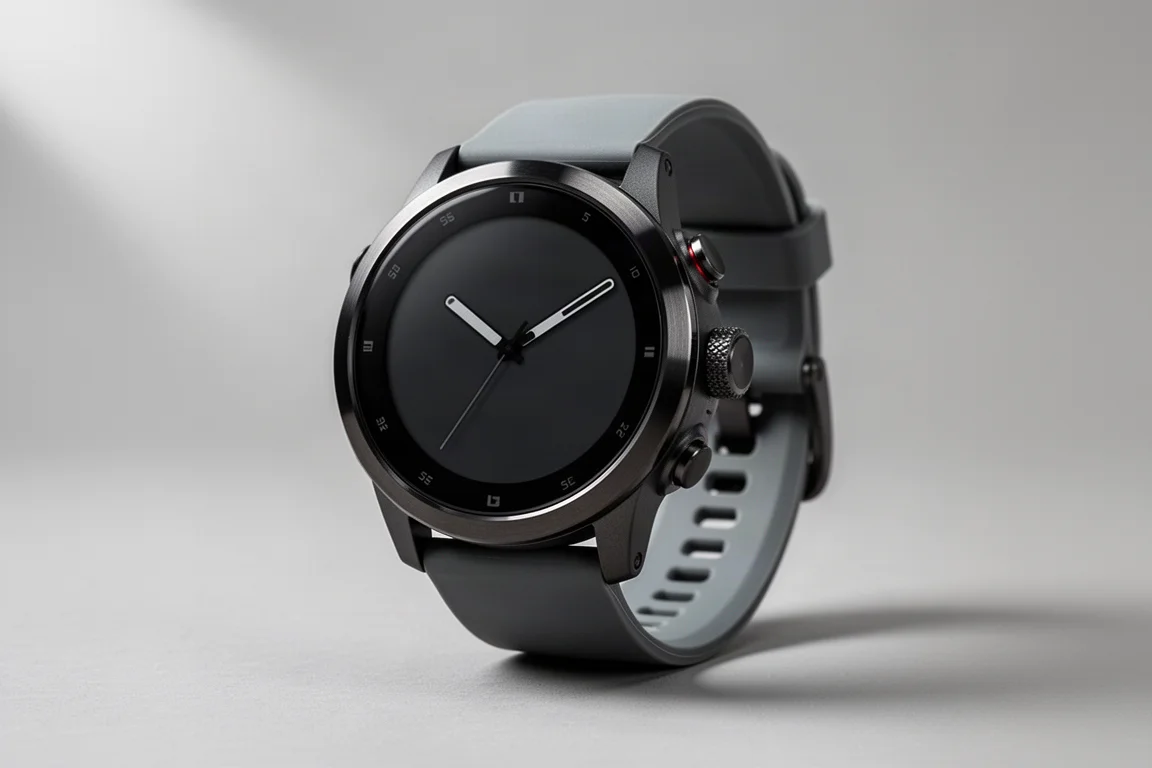
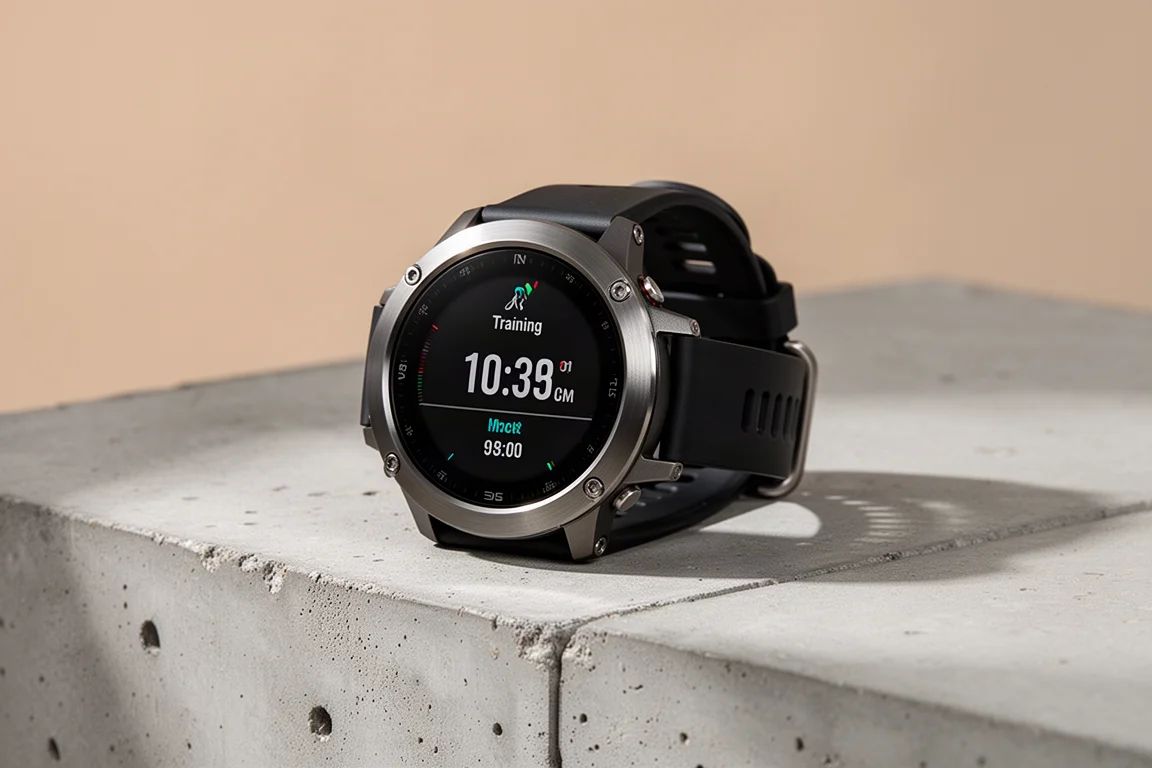
The Apex 2 Pro sits at $499 and adds multiband GPS, a 1.3-inch display at 260 x 260 pixels, 32GB of storage, longer battery life, and a multi-pitch climb sport mode over the base model. In practice it functions as a smaller take on the Coros Vertex 2. The catch is positioning: it shares its price point with watches that offer more features and stronger accuracy, which makes the value conversation harder than it should be.
Coros Apex 2
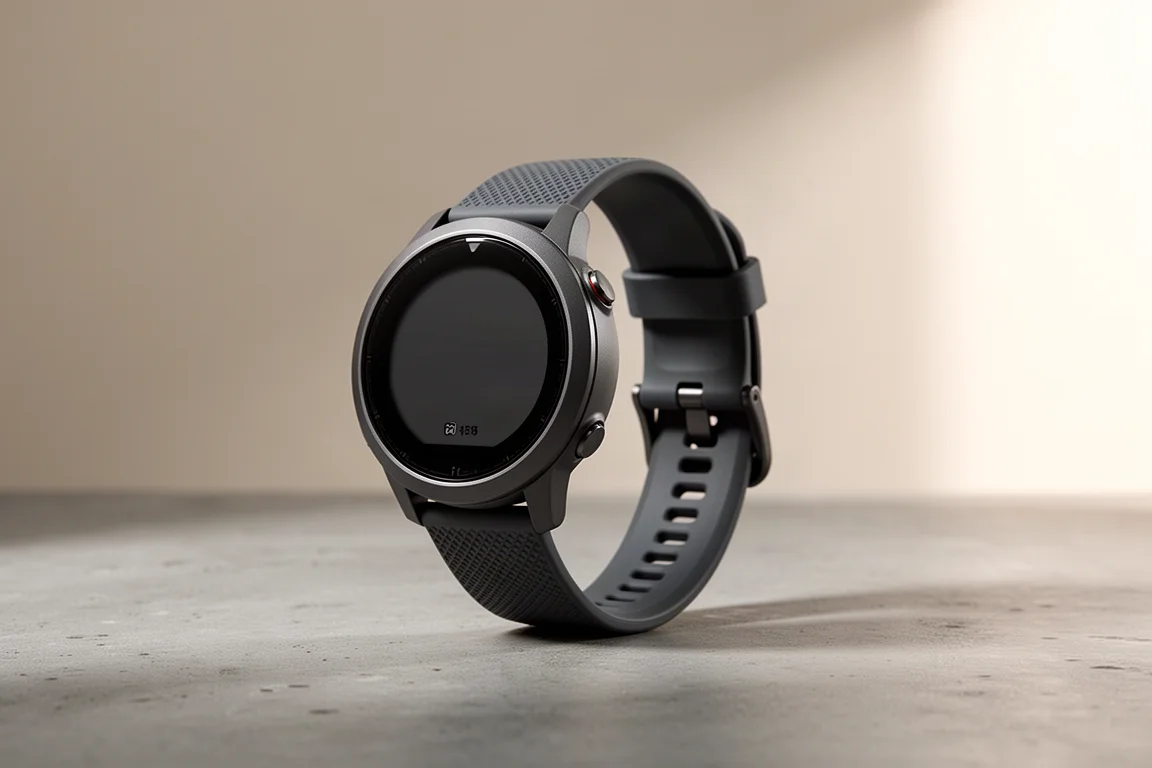
The Apex 2 base model comes in at $399 with All System GPS, a 1.2-inch 240 x 240 display, 8GB of storage, and the same button layout and nylon strap as the Pro. Its main advantage at this price is onboard maps, which rivals like the Forerunner 255 and Instinct 2 do not include. On the other side, those Garmin options bring stronger navigation features such as turn-by-turn alerts and broader music support. Coros positions this model for smaller wrists and for buyers who want maps at a price where competitors skip them.
Coros Vertex 2
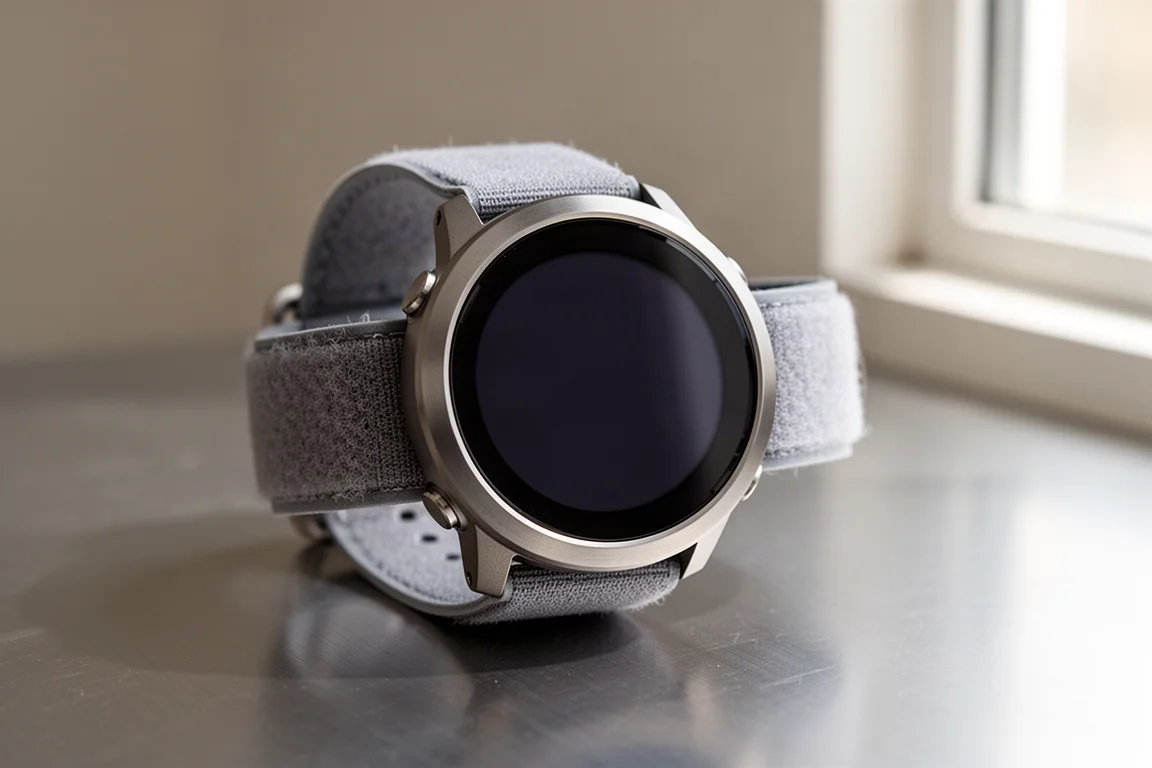
The Vertex 2 is the larger, premium sibling of the Apex 2 series, and Coros describes the Apex 2 Pro as essentially a mini Vertex 2. It carries the same new sensor package, Wi-Fi connectivity earmarked for future firmware and mapping updates, and the same software experience. Battery life across the Coros range is a consistent strong point, though it is worth knowing that Coros generally trades a little GPS accuracy for that endurance.
Everyday Use and Sport Tracking
Daily use is identical across the Apex 2 pair. The digital crown scrolls through widgets including steps, floors, training load trends, and notifications. Step counting reads as accurate, but floor counting noticeably undercounts, which matters only if stair tracking is a priority for you. Sleep timing is very close to reality, but sleep stage data is inconsistent, and no manufacturer’s sleep stage numbers here deserve much weight.
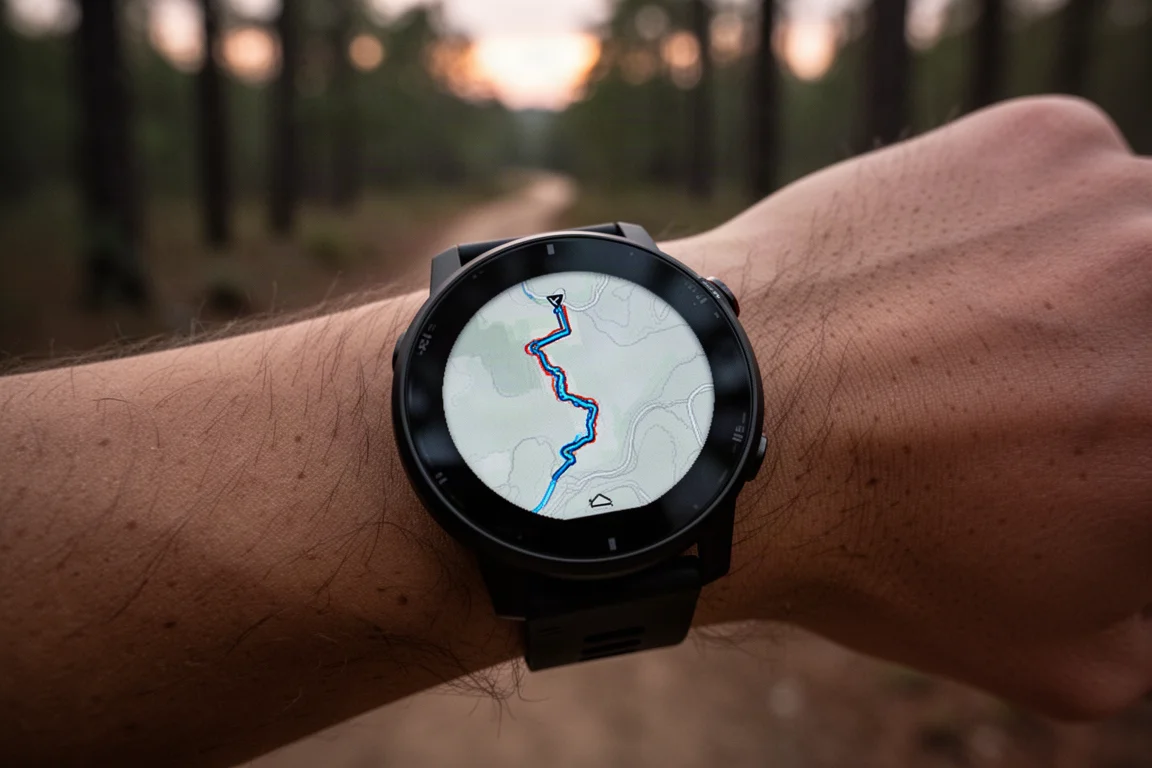
Sport tracking covers the expected modes: run, trail run, intervals, courses loaded onto the watch (up to 10 at once), running power, and support for common Bluetooth sensors such as power meters and cycling speed and cadence sensors. There is no ANT+ support and no radar sensor compatibility. MP3 music storage works with Bluetooth headphones, but there are no streaming services, and major providers are unlikely to arrive. One genuine gap: navigation gives no turn-by-turn alerts. You only find out you missed a turn when the off-course warning fires, and the maps are not routable, so the watch cannot reroute you.
Garmin Forerunner 955
At the same $499 as the Apex 2 Pro, the Forerunner 955 is the benchmark. In side-by-side GPS testing it held a cleaner track through tunnels, bridges, and dense city sections, and its heart rate readings were steady where rivals drifted. It simply offers more features and stronger accuracy at the price, which is why it remains the default pick for serious runners and triathletes who want the fullest package.
Garmin Forerunner 255
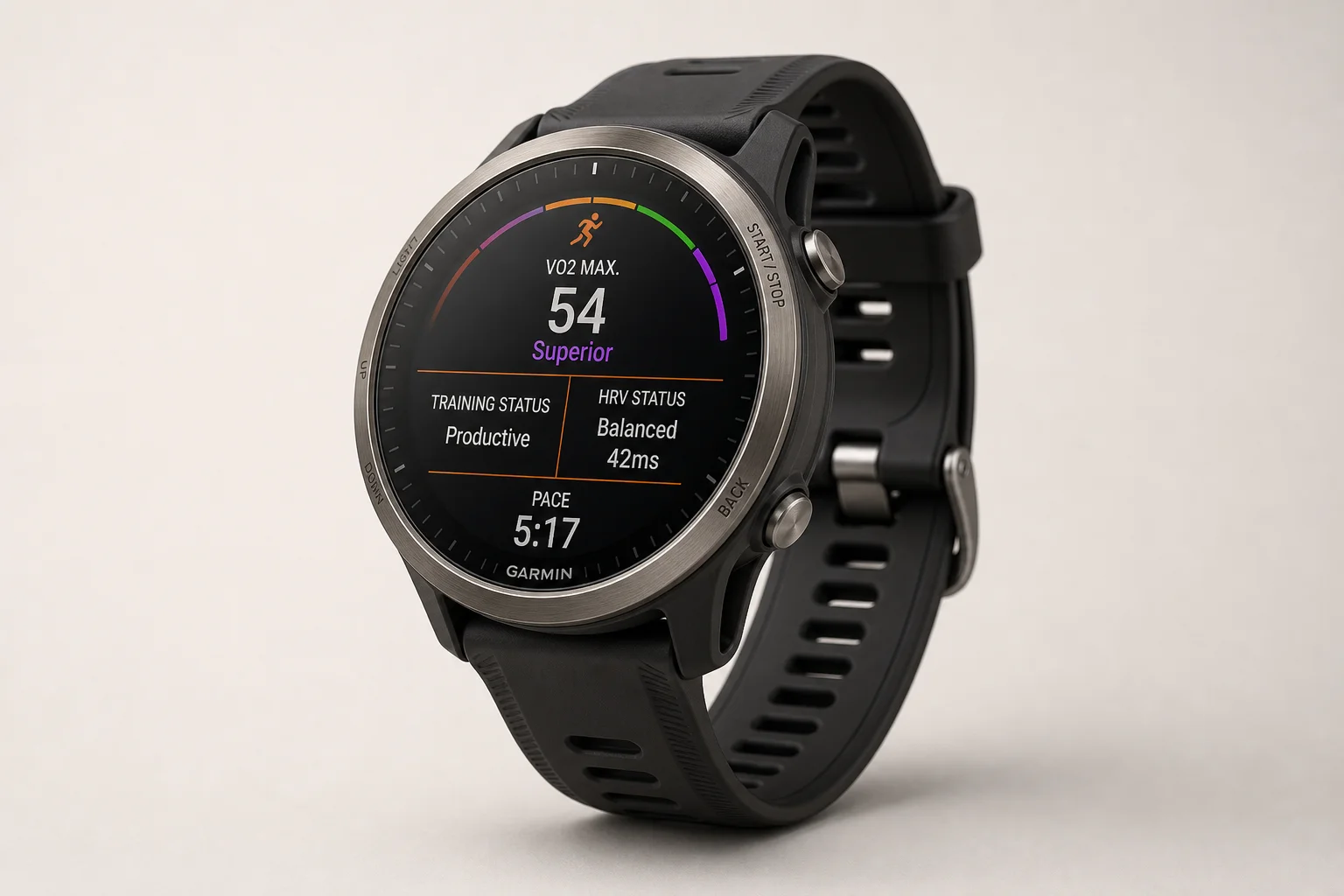
The Forerunner 255 flips between $349.99 and $399 depending on the music variant, placing it in the same ballpark as the Apex 2. It skips onboard maps, which is the Coros watch’s clearest advantage here, but it counters with turn-by-turn navigation, broader music support, and a wider feature set overall. For most runners who do not need maps on the wrist, it is the more complete buy at the price.
Garmin Instinct 2
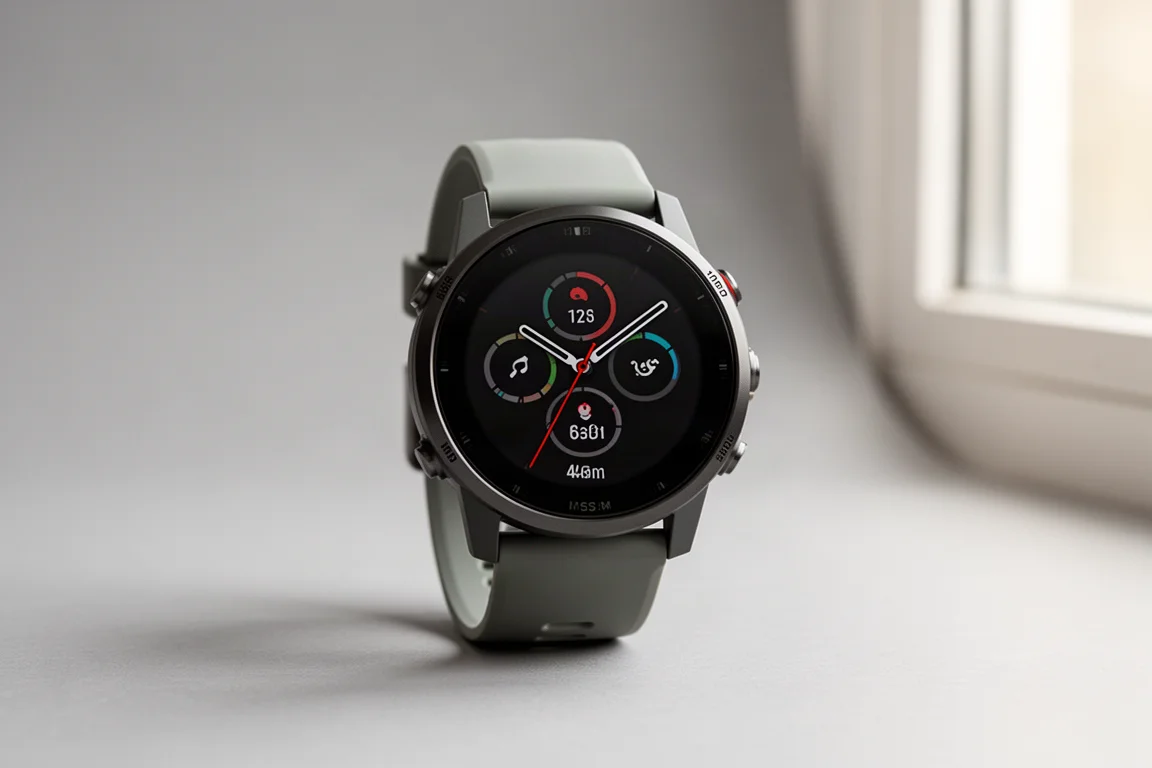
The Instinct 2 series lands at $400, right alongside the Apex 2. Like the Forerunner 255, it lacks maps but brings richer navigation features, more music support, and a rugged outdoor design. It suits buyers who want durability and navigation features over a screenful of maps, and it is one of the reasons the Apex 2’s value case needs scrutiny before buying.
GPS and Heart Rate Accuracy
Testing both Apex 2 watches side by side on runs through tree lines, tunnels, bridges, and dense city streets showed accuracy that is good but not great. The Apex 2 Pro, despite having multiband GPS enabled, was more offset than a comparable non-multiband rival in several sections, including placing a track in the middle of a lake and missing turns. Pairing the optional Coros POD, which has no GPS but contributes compass, gyro, and accelerometer data, fixed distance readings on one test run but actually introduced more positional errors in built-up areas.
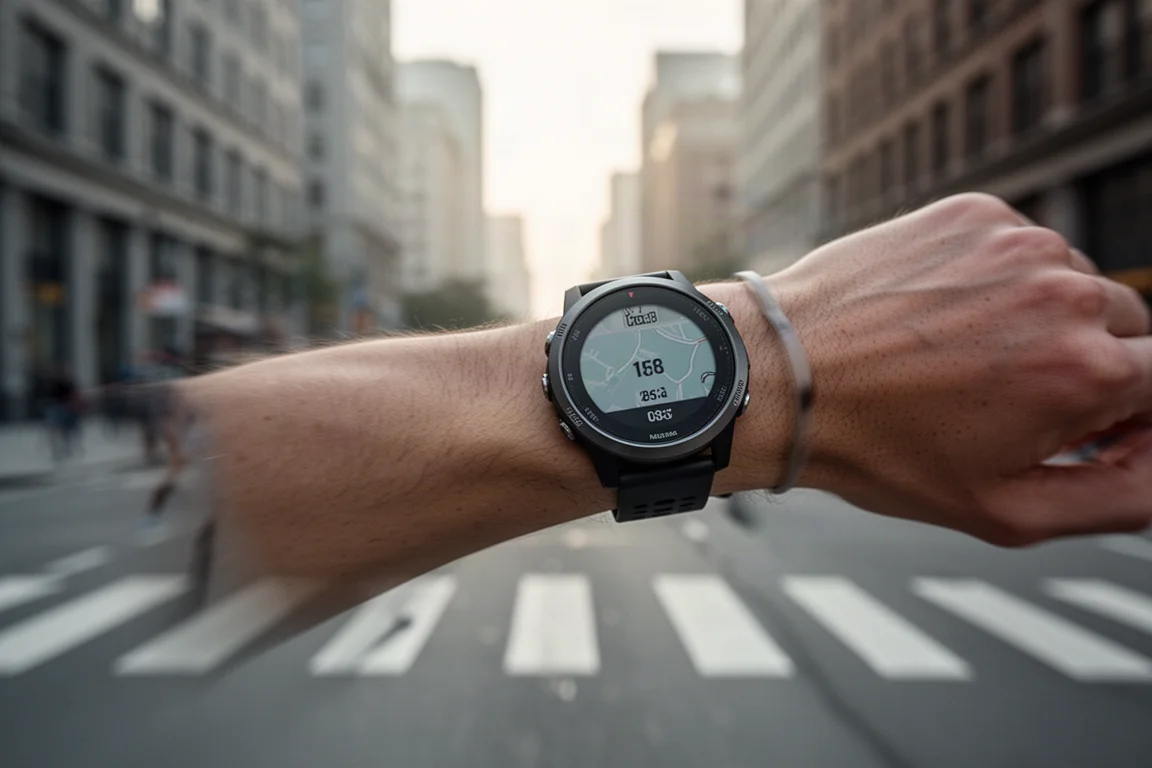
Heart rate results were more encouraging. Steady-state runs with hard intervals were nailed almost perfectly across both watches, and indoor trainer intervals were flawless. Outdoor cycling drifted badly for stretches of three to five minutes at a time, which is common for wrist-based optical sensors but still noticeable. Open water swims started well, then lost the plot during a treading-water test on both watches simultaneously, with the base model staying offset for the remainder of the swim.
Buying Advice: Where Each Watch Fits
Coros is most compelling when it undercuts the competition on price, as the $199 Coros Pace 2 demonstrates with a full triathlon feature set and solid accuracy. At $399 and $499, the Apex 2 series competes directly against Garmin’s best rather than undercutting it, and that is where the argument gets tougher.
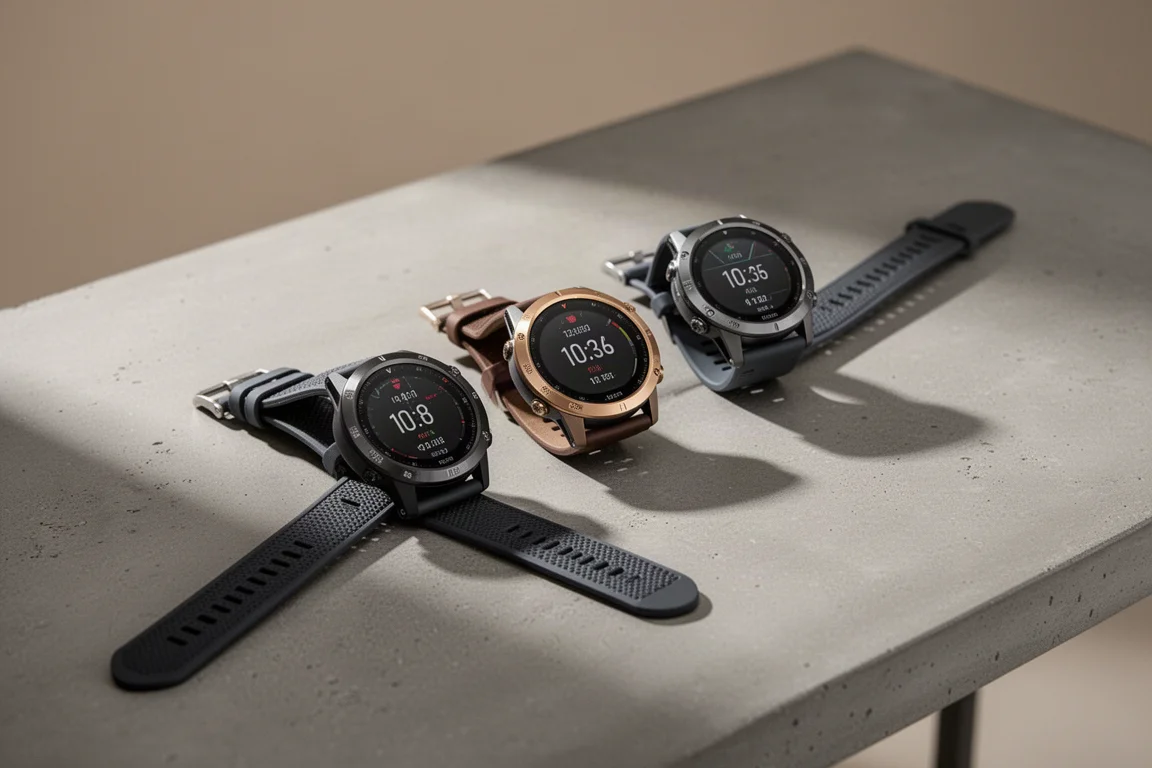
If you want maps on the wrist at around $400, the Apex 2 is the only one of this group that offers them. If you want the strongest accuracy, turn-by-turn navigation, and the deepest feature set, the Forerunner 955 justifies its $499. Runners on a budget should weigh the Forerunner 255, and the Instinct 2 covers rugged outdoor use. The Vertex 2 fits those who want the full-size Coros experience with the same battery strengths. If Coros can improve its mapping and navigation, the value case for the Apex 2 especially becomes much more interesting.
Conclusion
The Apex 2 watches do the fundamentals well and track workouts reliably, but their accuracy is good rather than exceptional, and their pricing puts them shoulder to shoulder with more capable rivals. Buy the Apex 2 for maps at a price Garmin does not offer them, the Pro only if the smaller size matters more than the value math, and look to Garmin when navigation and features top your list.
Further reading
Related Reviews
GPS Sports Watches
Polar Grit X2 Pro vs Vantage V3 vs COROS Vertix 2S: Which Flagship Adventure Watch Makes Sense
Polar's new flagship shares its internals with the Vantage V3 and goes up against the COROS Vertix 2S. Here is what two months of testing revealed about GPS, heart rate, navigation, and value.
GPS Sports Watches
Coros Apex 4 Hands-On: Titanium Build, Faster Mapping, and a Battery Built for the Mountains
A first look at the new Coros Apex 4 GPS sports watch, including its titanium construction, improved mapping, built-in speaker, and standout battery life.
GPS Sports Watches
Coros Apex 4 vs Coros Pace Pro: Which GPS Sports Watch Makes More Sense?
We put the new Coros Apex 4 through multi-day ultra testing and compared it with the brilliant Pace Pro to see which one deserves a place on your wrist.