GPS Sports Watches
Polar Grit X2 Pro vs Vantage V3 vs COROS Vertix 2S: Which Flagship Adventure Watch Makes Sense
Polar's new flagship shares its internals with the Vantage V3 and goes up against the COROS Vertix 2S. Here is what two months of testing revealed about GPS, heart rate, navigation, and value.
Introduction
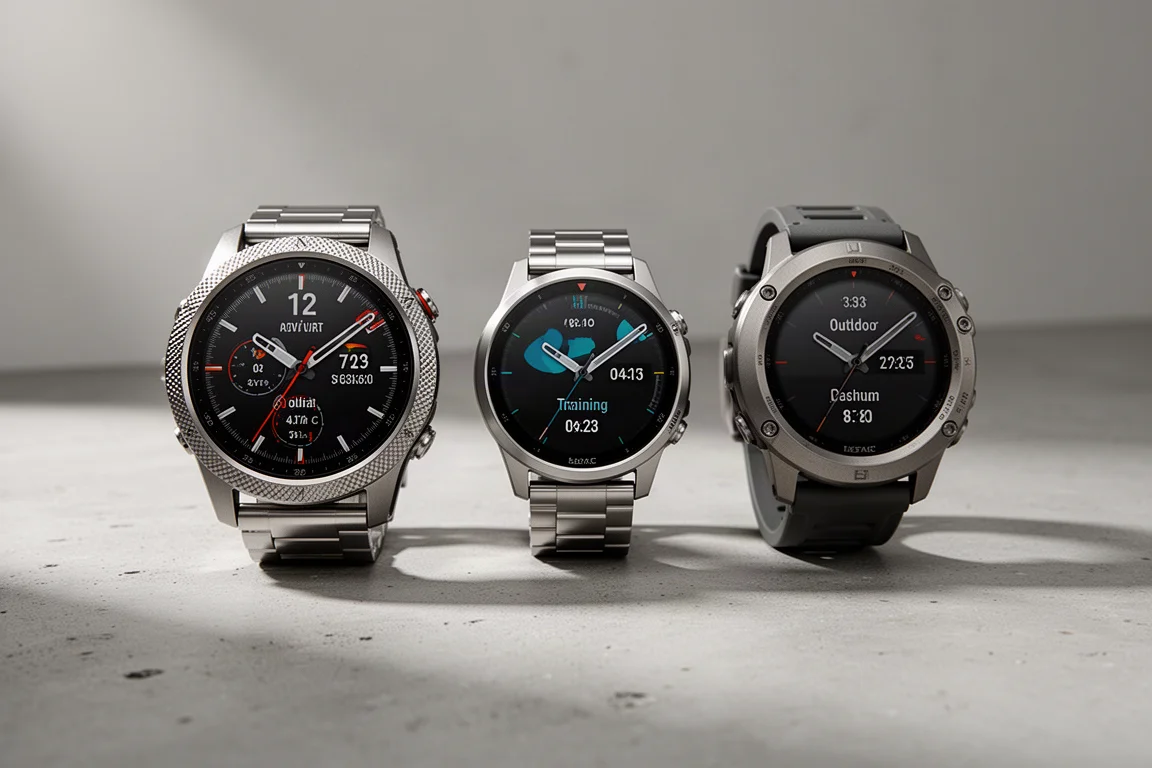
Flagship sports watches only come around every couple of years, and Polar’s latest arrival, the Grit X2 Pro, is the company’s new top-of-the-line model. It arrived with a big promise: a watch designed for life lived outdoors, with up to 140 hours of battery life for multi-day adventures, aimed squarely at ultra runners and outdoor enthusiasts. To put that promise to the test, it was taken on a three-day, sunrise-to-sunset hike across an entire island, plus two months of everyday training. This roundup compares it against the Polar Vantage V3 and the COROS Vertix 2S, covering the good and the bad with no sponsorship from anyone.
Evaluation Criteria
The comparisons here focus on the things that matter at flagship prices: GPS accuracy across trails, cities, cliffs, and tunnels; optical heart rate reliability on intervals and trail runs; navigation, maps, and battery life on a genuine multi-day effort; and the everyday experience of activity tracking, training suggestions, and app quality. At $749 and up, expectations have to be higher than for a $300 watch, so quirks that would slide on cheaper devices count against it here.
Polar Grit X2 Pro: Same Engine, Prettier Case
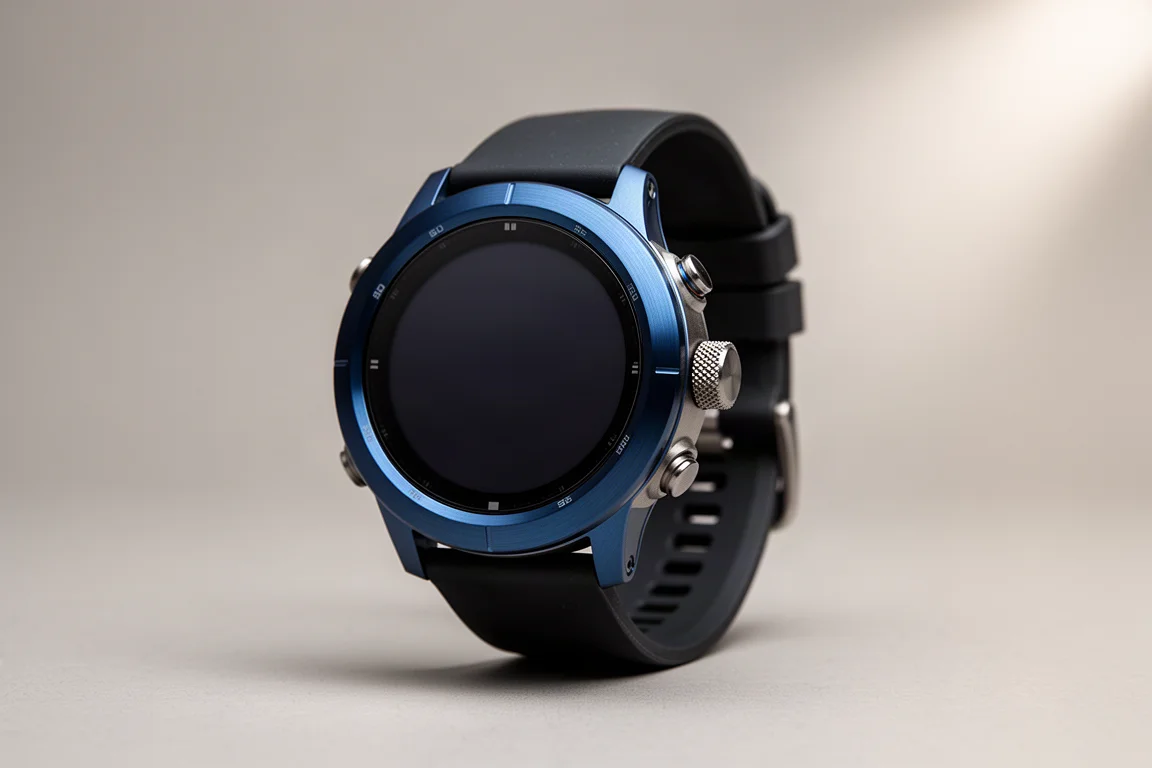
The most important spec of the Grit X2 Pro is one Polar itself confirms: inside, it is the exact same watch as the Vantage V3, with identical components across the board. The difference is the external case, built from more premium materials, plus a slightly different antenna design dictated by the new bezel. Polar says it spent extra time on the GPS antenna to deliver better results, and that claim mostly holds up in testing.
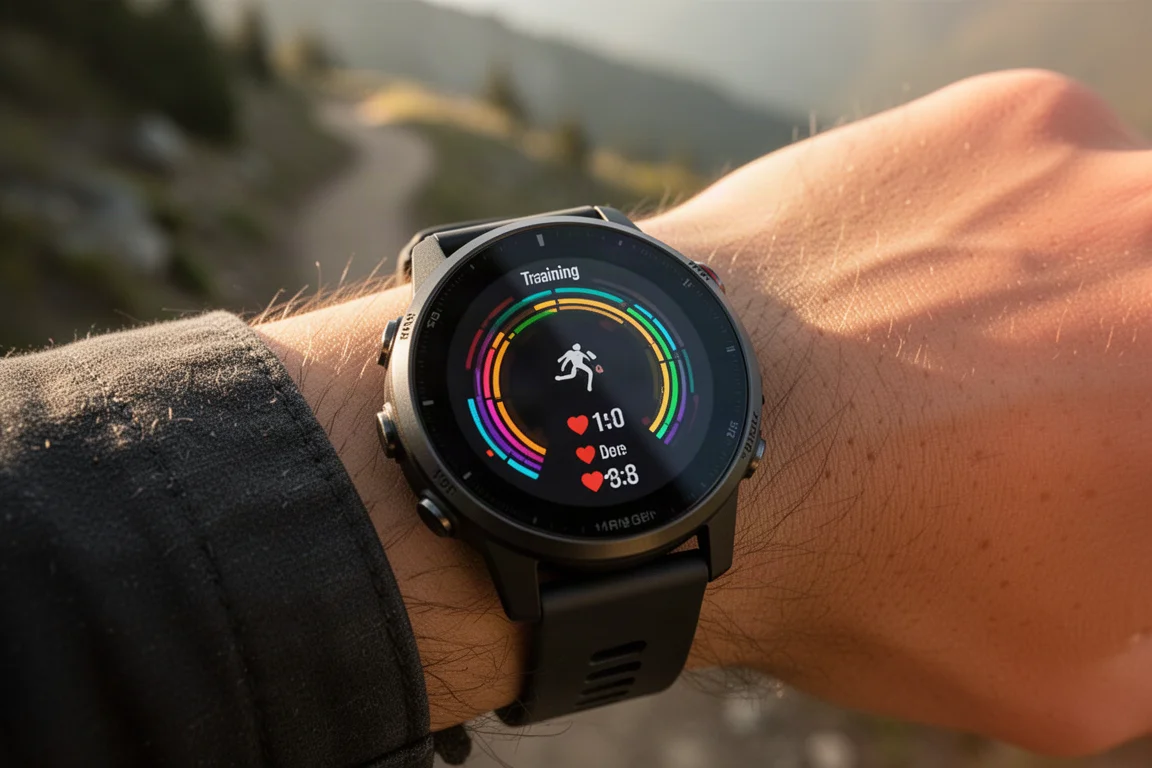
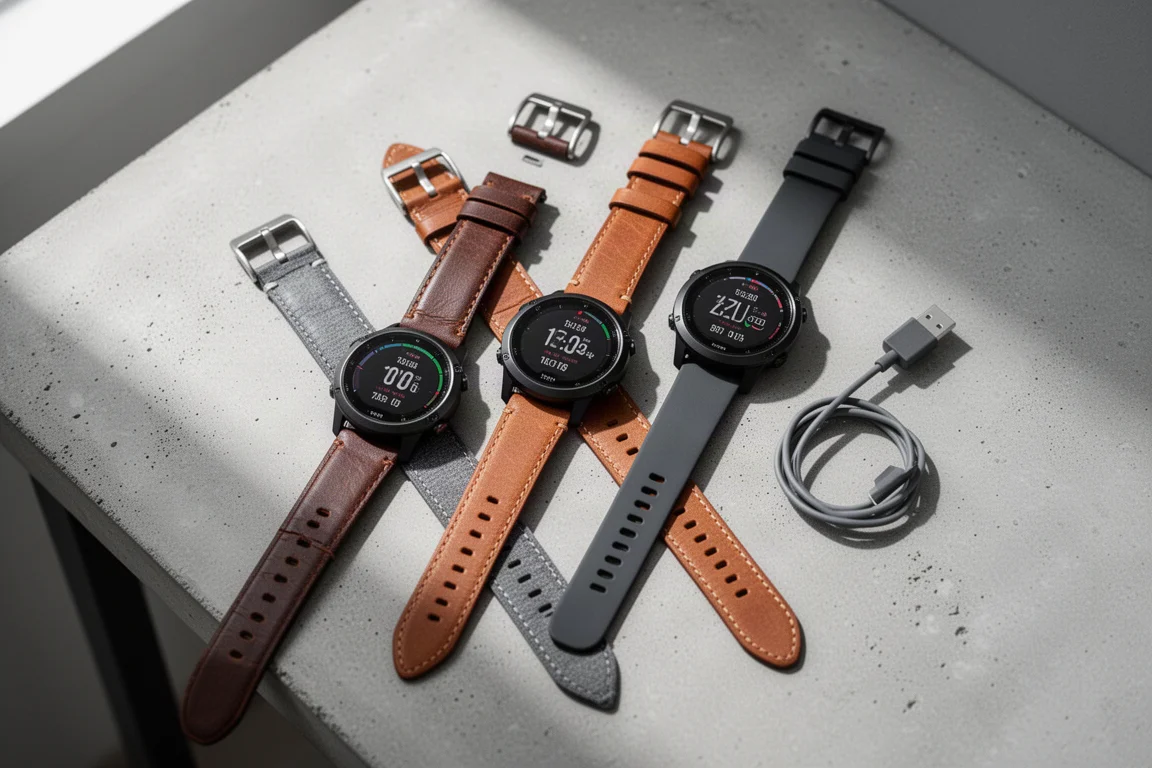
The AMOLED display is genuinely excellent. In every lighting condition tested, from mountain tops to open water in summer, there was never a moment of trouble reading it. The Titan edition, at $869, adds a leather band that is arguably the single best part of the package, with a silicone band included for workouts. One day-to-day quirk: Polar translates non-step activities like rides and swims into step counts, which inflates numbers dramatically compared to other watches, and occasional bugs produced wildly high totals, such as over 40,000 steps after a four-hour drive.
Polar Vantage V3: The Better-Value Sibling
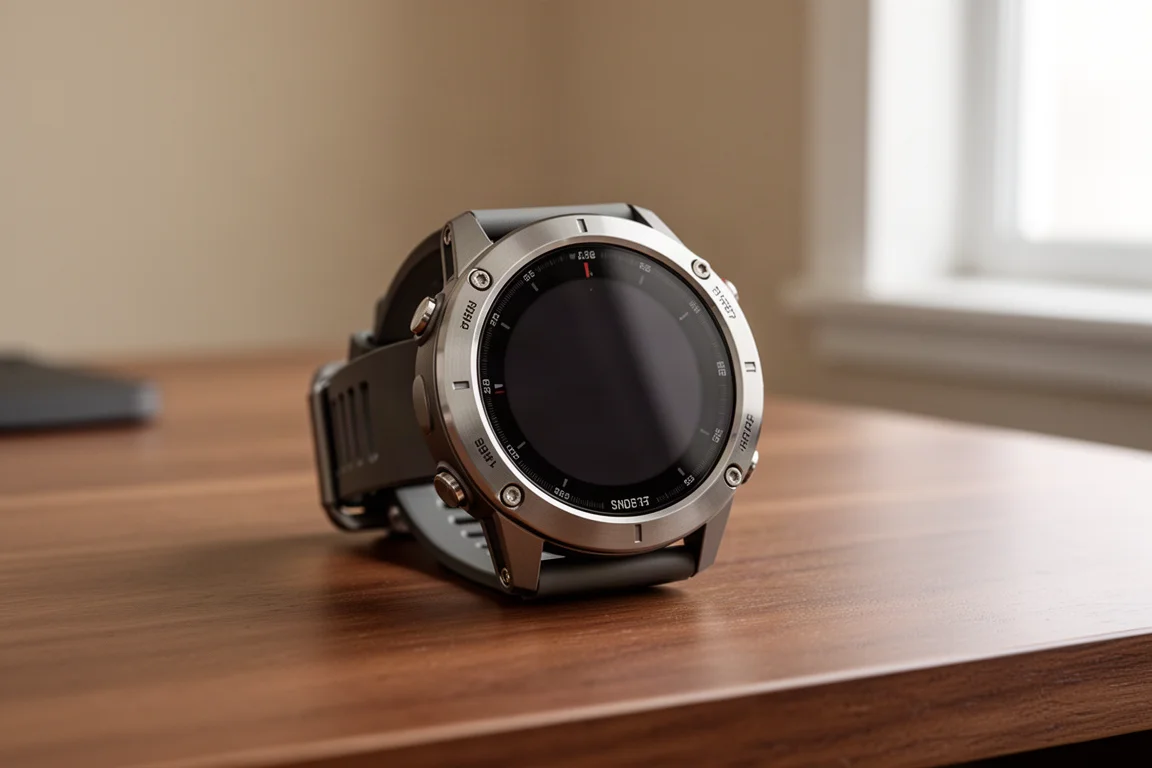
Since the Vantage V3 shares every internal component with the Grit X2 Pro, most of the experience carries over: the same AMOLED display, the same sport tracking, the same training load dashboard, and the same software quirks. It launched in the fall before the Grit X2 Pro at $599, which puts it at the same price as watches with considerably deeper feature sets.
For buyers who want the Polar platform without paying for the premium case and leather band, the Vantage V3 is the logical pick. It inherits the same weaknesses too, including limited data fields per page and the dated Polar Flow app, which most people agree is due for a visual refresh. If Polar reprices its flagships to match market reality, the Vantage V3 is the model that benefits most.
COROS Vertix 2S: The Practical Rival
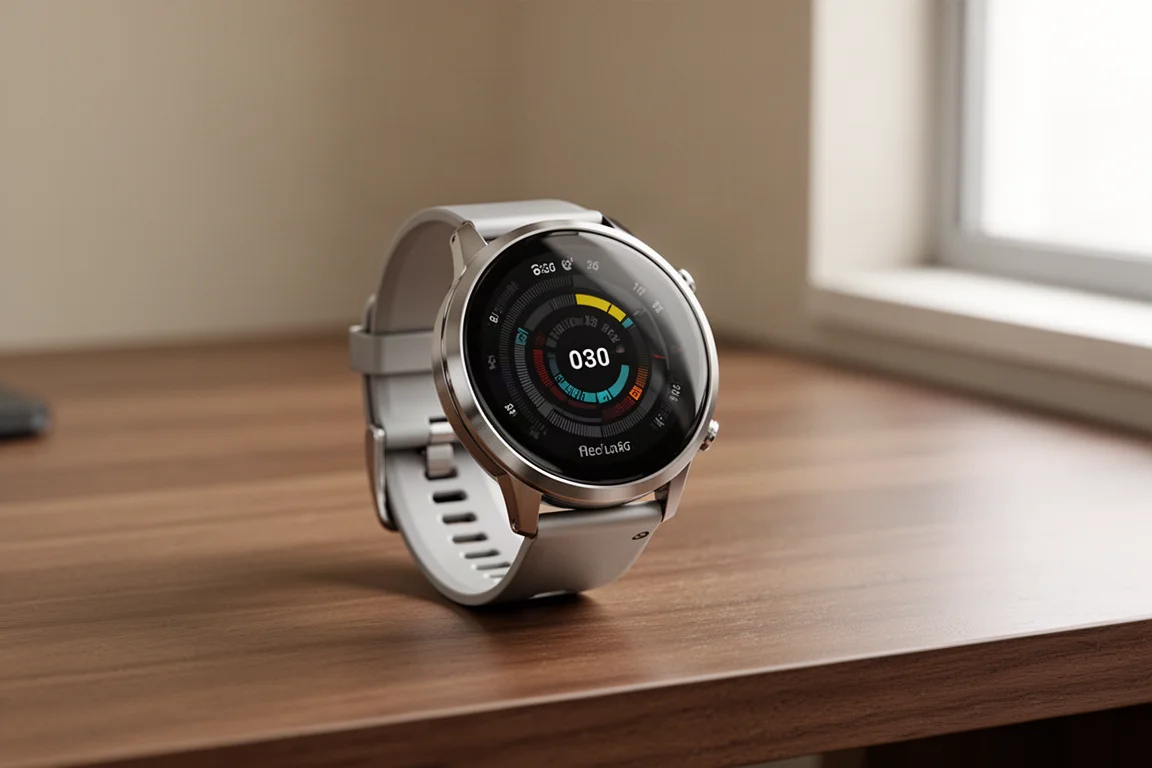
The Vertix 2S was carried along for every test, from the island trek to interval sessions, and it consistently behaved like a mature flagship. On the four-hour drive day that confused the Polar into reporting 40,000 steps, the Vertix 2S logged a sensible count. During GPS testing across mountain switchbacks and dense terrain, it stayed in the same accurate ballpark as the best units available.
It is not flawless. On the same Amsterdam interval run where the Polar had a bad day, the Vertix 2S also underperformed, and open water swimming remains a challenge for the category generally. But as an adventure-oriented alternative at a typically lower price point, it competes directly for the buyers Polar is hoping to attract.
Navigation: The Reason for the Hike
Navigation is where the Grit X2 Pro is marketed hardest, and the results were mixed. Base maps cover North America and Europe, and free detailed country maps download easily from Polar’s site and copy over like a USB drive. The maps carry full contour and topographic data but no labels: no town names, rivers, streams, or trails. Routes can be loaded via GPX files for turn-by-turn navigation, or as Strava routes, though Strava routes do not support turn-by-turn prompts.
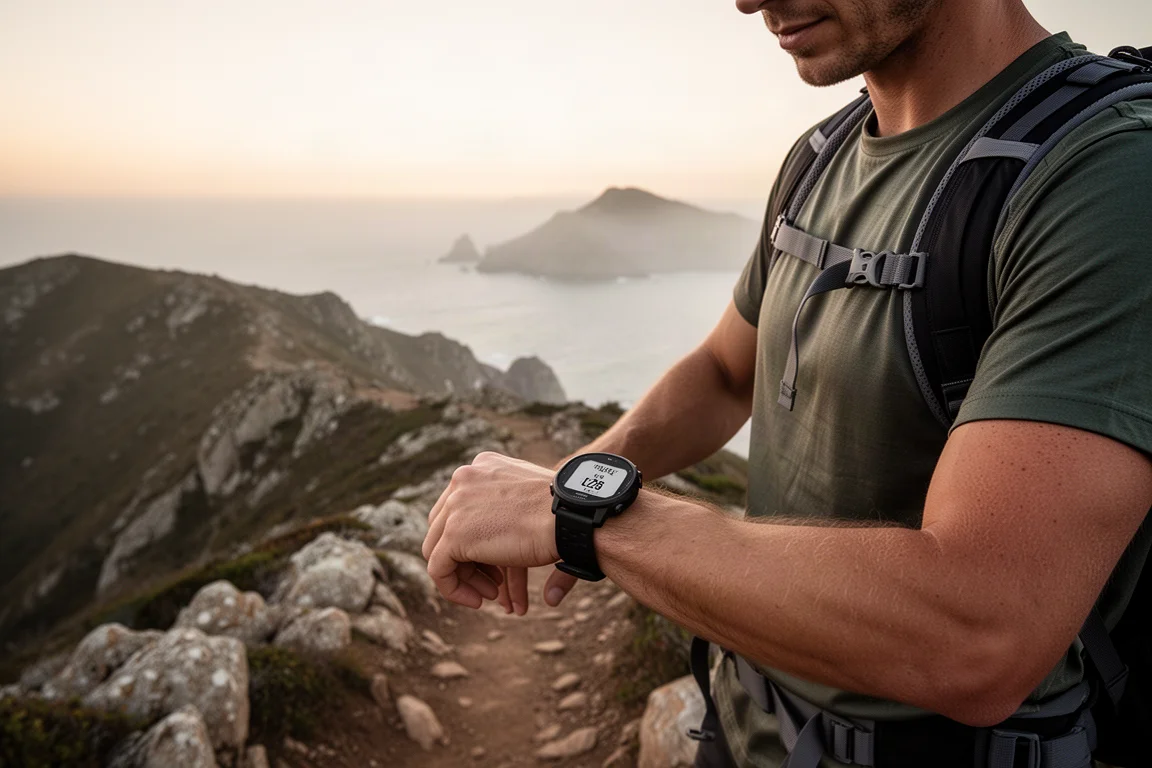
Two problems stood out. First, the compass demands calibration endlessly, many times per day, an entire ritual of rotations that every other watch on the market either skips or requires only once. Second, the elevation profile does not track your actual position reliably: repeatedly, mid-climb, it showed the summit already behind, offset by kilometers even after a month and a half of testing on different routes. Battery life held up reasonably: Polar claims 40 hours in gesture-based mode, and the full hike required a top-up charge each morning with navigation enabled.
Heart Rate Accuracy: Mostly Strong, With Caveats
On a two-hour all-up-then-all-down trail run, the optical sensor nailed sustained high efforts and fast descents without cadence lock issues, which is genuinely impressive. An interval run was also solid, with minor wobble. Polar’s new firmware adds auto-correction of bad heart rate data, retroactively fixing the file on the watch.
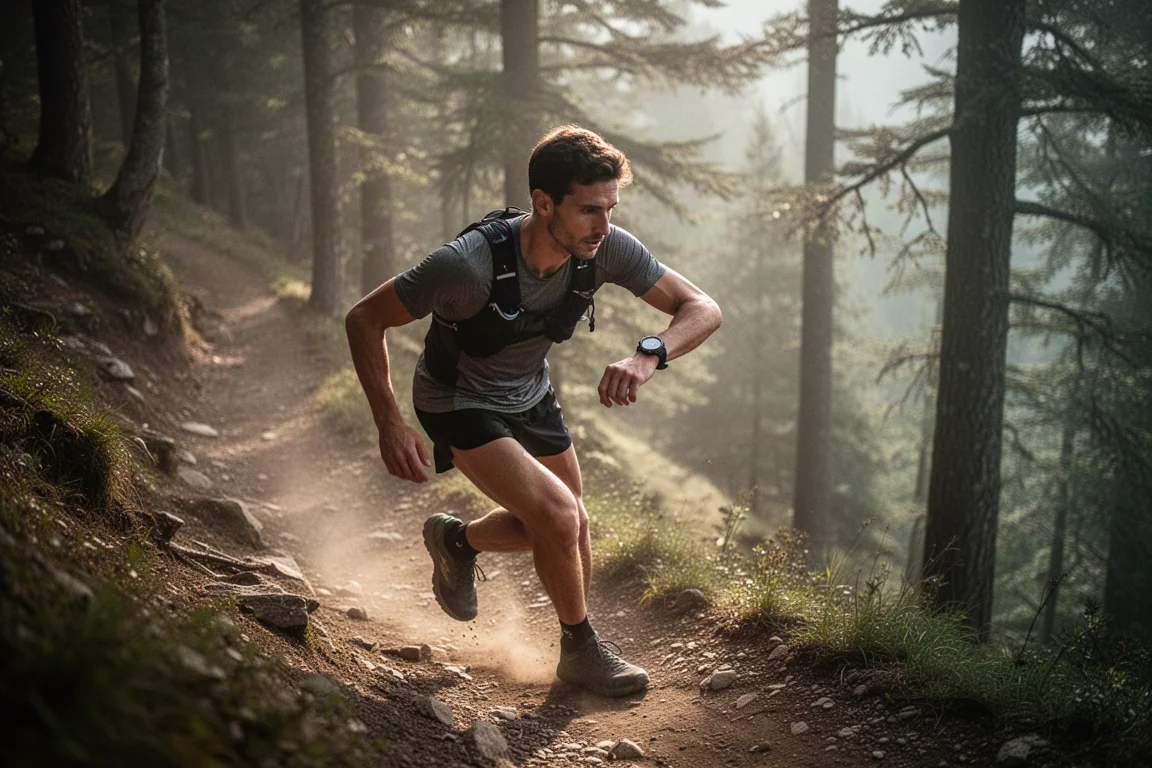
That correction feature, however, never actually triggered in testing. During a problematic interval session where the watch showed 150 bpm while standing still and every other watch read around 100, Polar’s advice to stop and wait produced no fix, and the saved file was never corrected either. It is a good idea that did not show up in practice across dozens of workouts.
GPS Accuracy: Polar’s Best Yet
Setting aside water activities, this is by far Polar’s most accurate GPS device to date. Mountain trail runs under overhangs and in canyons were spot on. The city test with tall buildings on both sides went well, cutting only one block. Cycling up huge mountain switchbacks produced no issues.
The island hike was the real stress test. Dense jungle and cliffs produced expected scatter, but nothing dramatic. Day two included a 300-meter tunnel straight through a mountain, and Polar nailed the entry and exit points, better than the Garmin comparison unit. Open water swimming was the one clear weak spot, with wobbled tracks and cut corners. Day three, out of the mountains, every unit performed well.
Value: The Uncomfortable Part
Here is the honest problem. At $749 for the standard version and $869 for the Titan edition, the Grit X2 Pro is priced at or above the flagship level of every competitor, and competitors at $300 to $400 offer features it lacks: more data fields per page (four here versus six to twelve elsewhere), TrainingPeaks workout integration, labeled maps, and automatic heart rate broadcasting that stays on.
The Vantage V3 at $599 sits at the same price as the Garmin 965, an immensely deep and widely loved watch. Polar simply cannot compete at these price points. If Polar readjusted pricing and filled gaps like TrainingPeaks support and map labels, this conversation would change, because this is by far Polar’s best watch to date. It is just not the best value on the market at its current price.
Conclusion
The Grit X2 Pro is Polar’s most accurate and most refined watch ever, with a beautiful display and a stunning Titan edition leather band, and it survives genuine multi-day adventure use. The Vantage V3 delivers the identical experience for less money, and the COROS Vertix 2S remains the safer all-around adventure buy. For devoted Polar fans, the Grit X2 Pro is a worthy upgrade. For everyone else, wait for a price adjustment or look at the alternatives first.
Further reading
Related Reviews

Backpacking Gear
Building a 10 lb Base Weight: An Ultralight Backpacking Gear List
A practical walkthrough of the ultralight pieces behind a 10 lb base weight, from a 765 g pack and a roomy one-person tent to a full camp chair and a dependable water filter.

Road Bikes
10 New Road Bikes Worth Watching: Aero, Titanium, Steel and Endurance Standouts
A practical roundup of 10 new road bikes, from aero flagships chasing single-watt gains to titanium, steel and endurance platforms built for real roads.
Bikepacking Gear
11 Bikepacking Essentials for Long-Distance Cycling
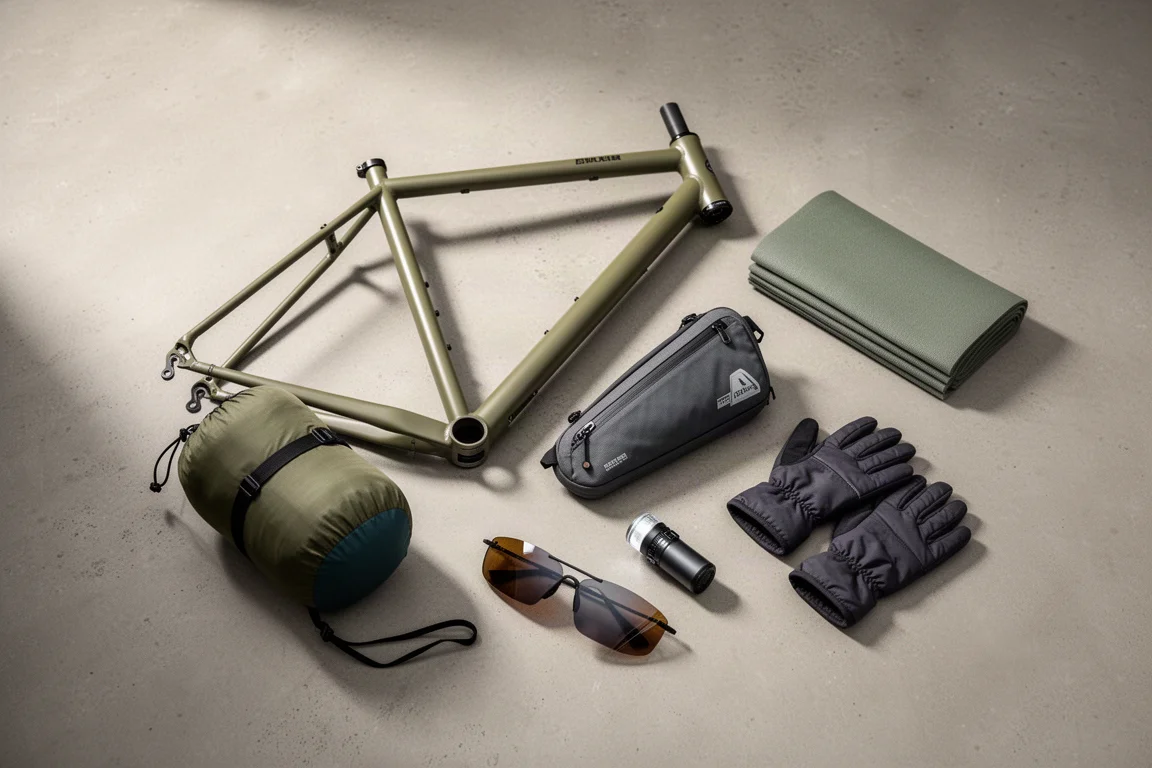
Eleven bikepacking essentials for long-distance cycling, from a steel gravel frame and a two-person tent to helmet lights, packable gloves, and a frame bag that puts weight in the right place.