GPS Sports Watches
Suunto Race First Look: A Strong, Keenly Priced AMOLED Sports Watch
Early testing of the Suunto Race points to excellent dual-band GPS, impressive battery life for an AMOLED watch, and a price that undercuts its main rivals.
Introduction
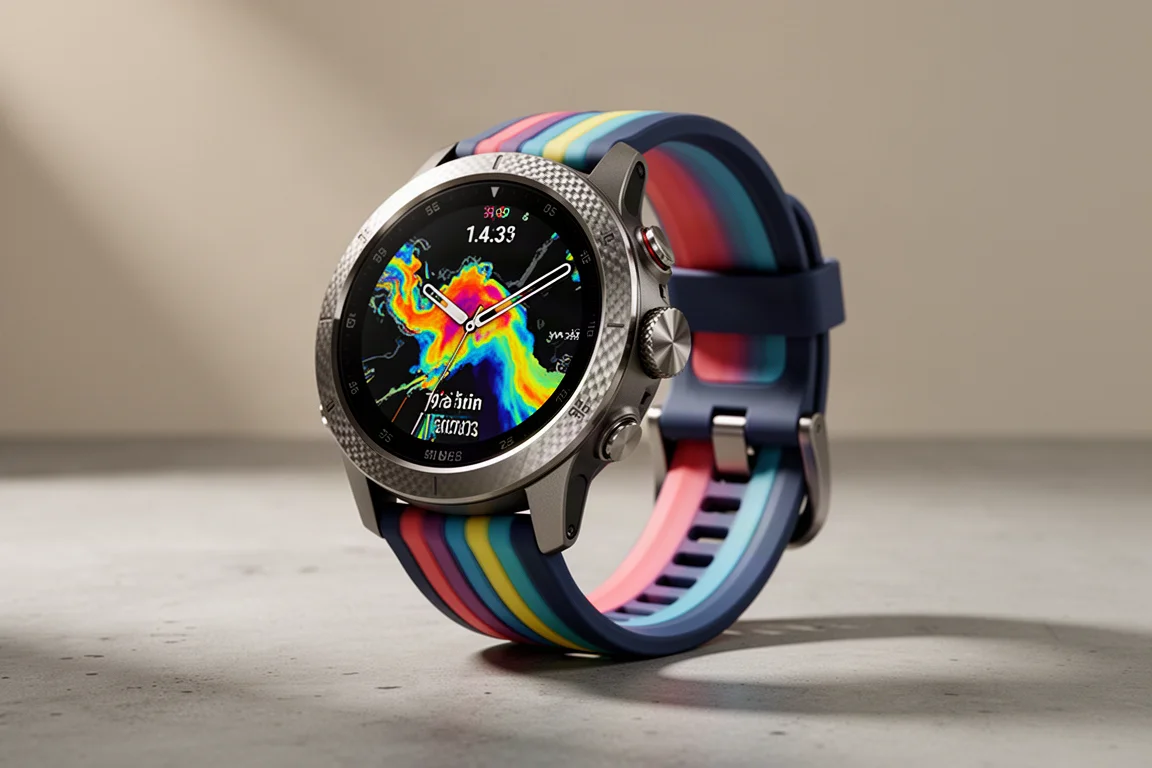
Suunto is back on form. The Suunto Race is the company’s first multi-sport watch with an AMOLED display, and it builds directly on the Suunto Vertical, which already impressed as an outdoor-focused option. Where the Vertical leaned outdoorsy, the Race is positioned as a performance watch, aimed squarely at buyers comparing the Garmin Forerunner 965 and the Polar Vantage V3.
The headline story is pricing. The Race launches in two versions, a cheaper stainless steel model and a pricier titanium edition, and its starting price undercuts the watches it competes against, including the Garmin Forerunner 965, Garmin Epix Pro, Polar Vantage V3, and even the Apple Watch Ultra. For a feature-packed top-end multi-sports watch, that aggressive pricing is arguably the most exciting thing about it.
Who This Watch Is For
The Race is aimed at runners and multi-sport athletes who want serious tracking without paying flagship Garmin or Polar money. If you prioritize accurate GPS, solid battery life, and clear on-wrist maps, it fits the brief. If you want the deepest smartwatch feature set, Garmin still does more, but Suunto has packed in the key capabilities at a lower price.
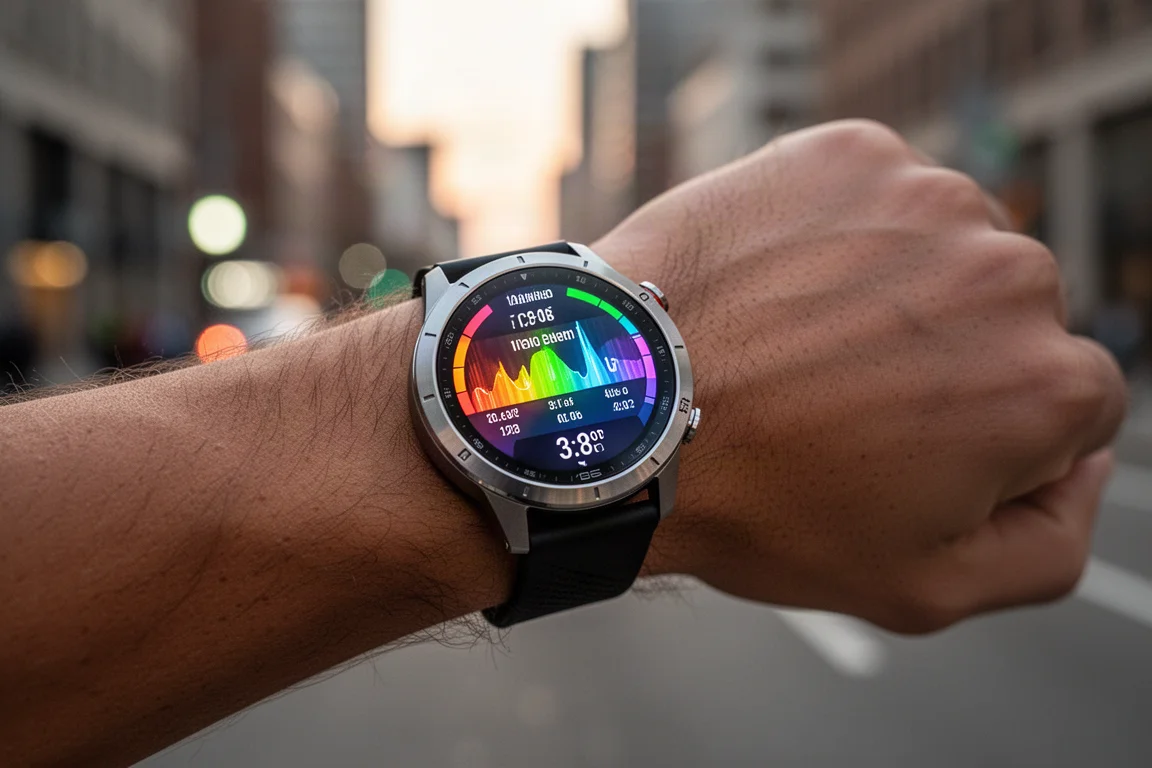
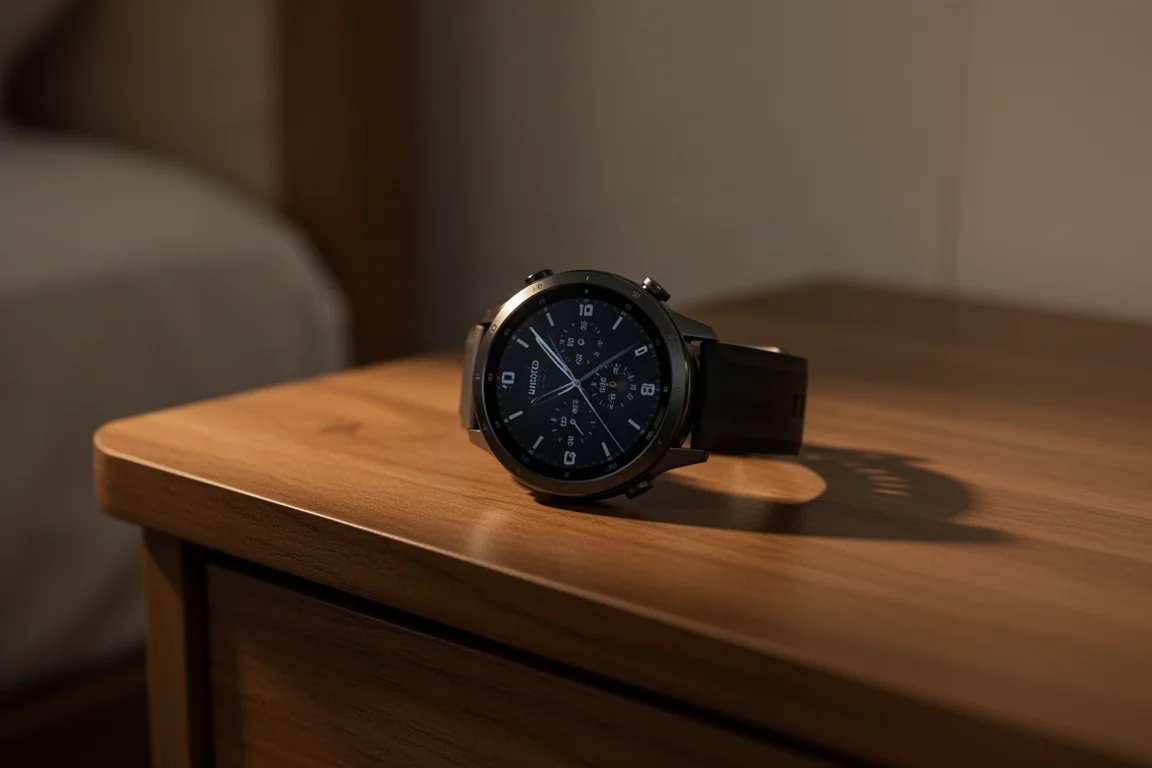
On the wrist, it is a big watch in keeping with the Vertical’s outdoor design language, with a large bezel and big buttons. Testers found it comfortable for all-day wear, and the titanium chassis drew positive comments for looking genuinely smart. The 1.43-inch, 466 x 466 AMOLED touchscreen is bright and vibrant, works as an always-on display, and supports raise-to-wake, with visibility holding up in both low light and bright outdoor conditions.
Main Strengths
GPS tracking has been the standout. In dual-band mode, the Race has produced tracks on par with the Garmin Forerunner 965, widely regarded as the best dual-band performer on the market. Tracks are consistent, corners are not cut wide, and splits land at the same time as rival multiband watches, even under heavy tree cover. It is right up there with Garmin as the best dual-band GPS available.
Battery life is another clear strength for an AMOLED watch. Suunto claims up to 12 days in smartwatch mode with daily use, up to 26 days with continuous heart rate tracking switched off and no training, 40 hours in top GPS mode, and up to 120 hours in a restricted low-accuracy mode. Early testing backed this up: a 1-hour run in the highest accuracy GPS mode burned around 3%, a longer run in dual-band mode cost under 5%, and overnight drain averaged just 2% with all tracking, including blood oxygen, enabled. Daily use without training burned roughly 4 to 5% per day.
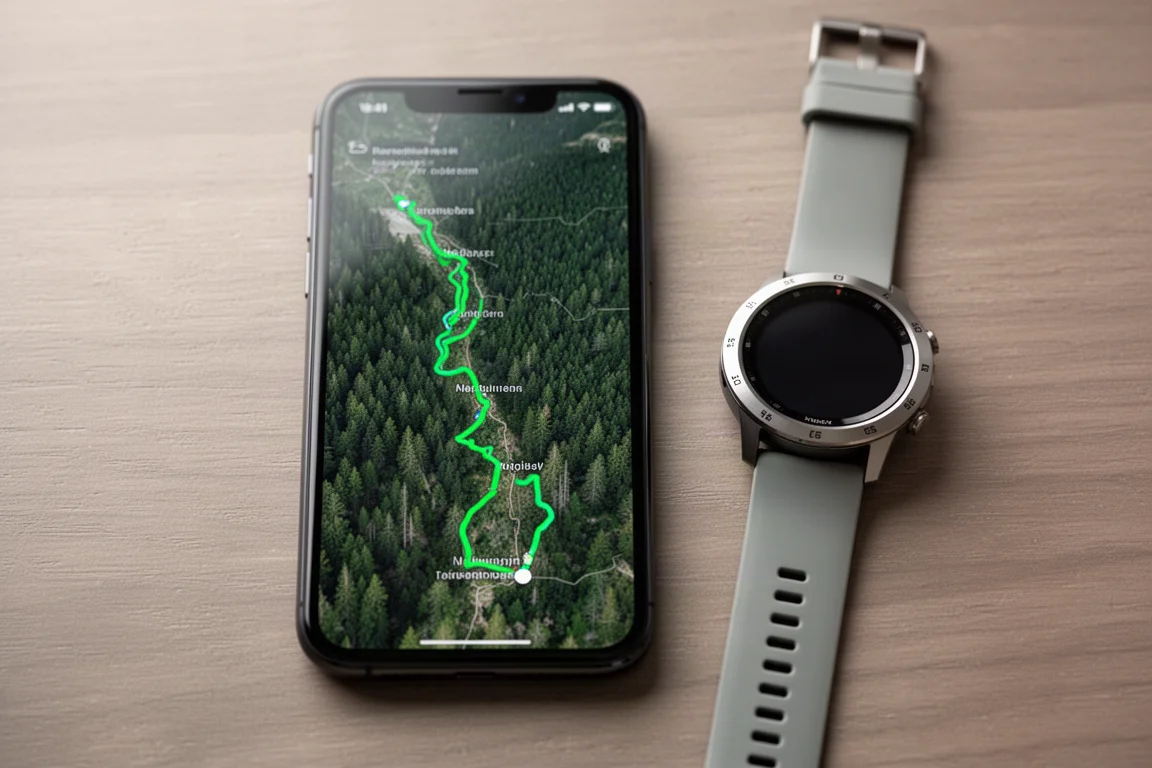
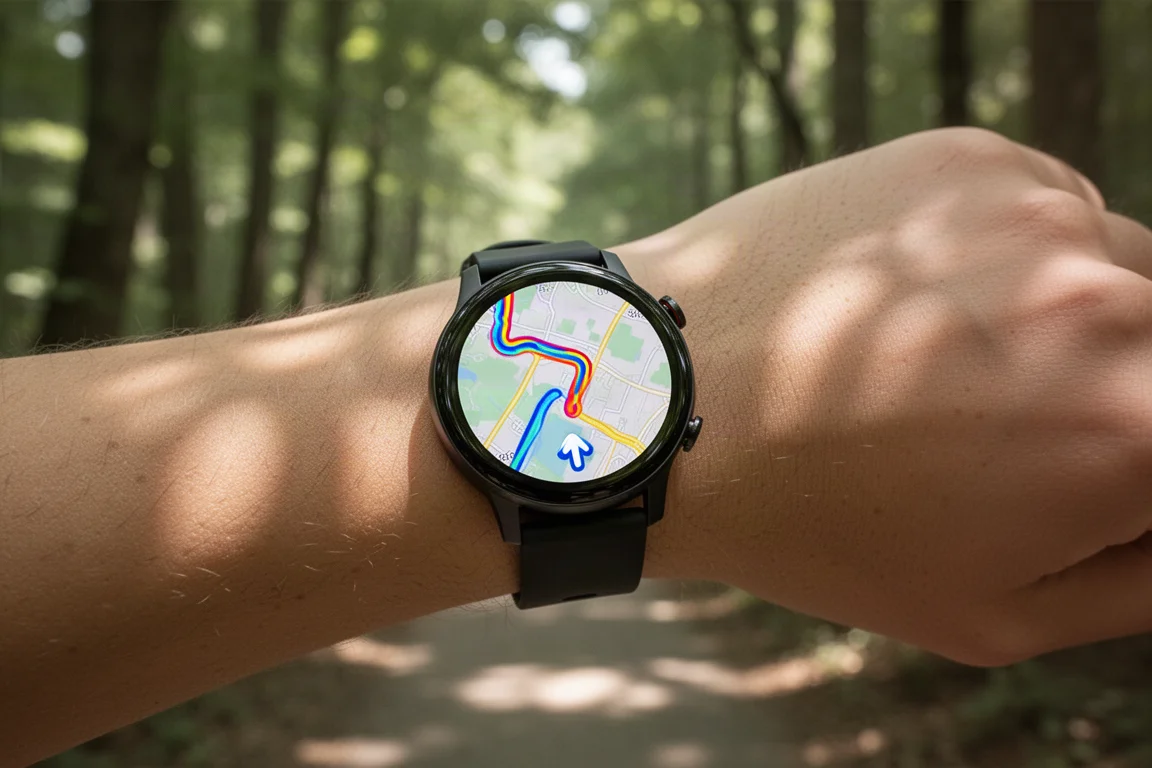
Mapping is free and offline, carried over from the Vertical and elevated by the AMOLED display. Routes are easy to create in the Suunto app and send to the watch, with the next turn highlighted by a color-coded arrow that makes following a route simple. The screen stayed readable in sunlight and under tree cover. Downloads do take time, roughly an hour for a map section, so plan ahead before travelling somewhere new.
Things to Consider Before Buying
Heart rate accuracy is the weak point so far. On hard efforts, such as a progression 10K run near maximum heart rate, readings tracked a Polar H10 chest strap impressively well. But on easy and steady runs the optical sensor ran too high, with one easy forest run misclassified as a high-effort session. In intervals it lagged and registered lower spikes. The practical advice: keep a chest strap handy for structured training and reliable daily readings.
Daytime resting readings also ran high, and sleep tracking has been somewhat inconsistent, likely because the heart rate sensor uses fewer LEDs and is less power hungry than Garmin and Polar equivalents. Some testers also noticed mild touchscreen lag and a slightly sluggish wake response compared with the Forerunner 965 and Vantage V3, though others found interaction smooth with no real lag issues. Strap changes were another friction point: the quick-release spring pins were stiff enough to need a knife to budge, and the thick silicone strap with hook fastening is less comfortable than the nylon straps offered on cheaper rivals like the Coros Pace 3.
Buying Advice
As a sports tracking watch, the Race performs as well as anything currently available, and the always-on AMOLED screen has not seriously dented battery life. Smartwatch features are lighter than Garmin’s, limited to notifications, phone music control, and third-party apps via the Suunto Plus store, but they work on both Android and iOS and feel nicer on the bright display.
The value proposition is the deciding factor. With HRV-based recovery insights similar to what Garmin and Polar offer, free offline maps, top-tier GPS, and week-plus battery life from an AMOLED watch, Suunto has delivered the key features at a notably lower price. Unless you catch substantial sales on other brands, there is little at this price point with this material quality, especially for the titanium edition. If further testing of the training analysis, sleep tracking, and navigation holds up, the Race looks like a strong contender, provided you accept the optical heart rate caveats and strap quirks.
Conclusion
The Suunto Race is a very good sports watch at a fantastic price. GPS accuracy is on point, battery life matches or beats its AMOLED rivals, and the new display is easily the most exciting Suunto in years. The optical heart rate sensor needs a chest strap backup for hard training, and the software could use some polish, but for runners after flagship tracking without flagship pricing, the Race is one to seriously consider.
Product link
View more details for Suunto Race
This product is mentioned in the review. Check the specifications, options, and compatibility before buying.
View more details for Suunto RaceFurther reading
Related Reviews
GPS Sports Watches
Polar Grit X2 Pro vs Vantage V3 vs COROS Vertix 2S: Which Flagship Adventure Watch Makes Sense
Polar's new flagship shares its internals with the Vantage V3 and goes up against the COROS Vertix 2S. Here is what two months of testing revealed about GPS, heart rate, navigation, and value.
GPS Sports Watches
Coros Apex 2 vs Garmin: Six GPS Sports Watches Worth Comparing
A practical look at the Coros Apex 2, Apex 2 Pro, Vertex 2, and three Garmin rivals, with what each does well and where the trade-offs sit.
GPS Sports Watches
Coros Apex 4 Hands-On: Titanium Build, Faster Mapping, and a Battery Built for the Mountains
A first look at the new Coros Apex 4 GPS sports watch, including its titanium construction, improved mapping, built-in speaker, and standout battery life.