Sports Watches
Suunto Race 3S Review: A Premium Multisport Watch That Grows Up
Suunto's new Race 3S adds a sapphire lens, titanium build, a brighter display, and improved battery life, but the $599 price changes the value story.
Introduction
The Suunto Race 3S is the company’s latest premium lightweight sports watch, and it is positioned as the new flagship trail running watch. In practice, it is much more than that: this is a full-featured multisport watch covering running, cycling, swimming, triathlon, gym training, and a wide range of outdoor profiles.
It is the follow-up to the popular Race S, and Suunto has taken things up a notch in materials and construction. The original Race S offered a lot for the money, and the Race 3S adds several things that were missing, including a sapphire lens and a more accurate heart rate sensor. The catch is the price: $599 versus the original’s $349. Here is what you get for that bump.
Size, Weight, and Build Quality
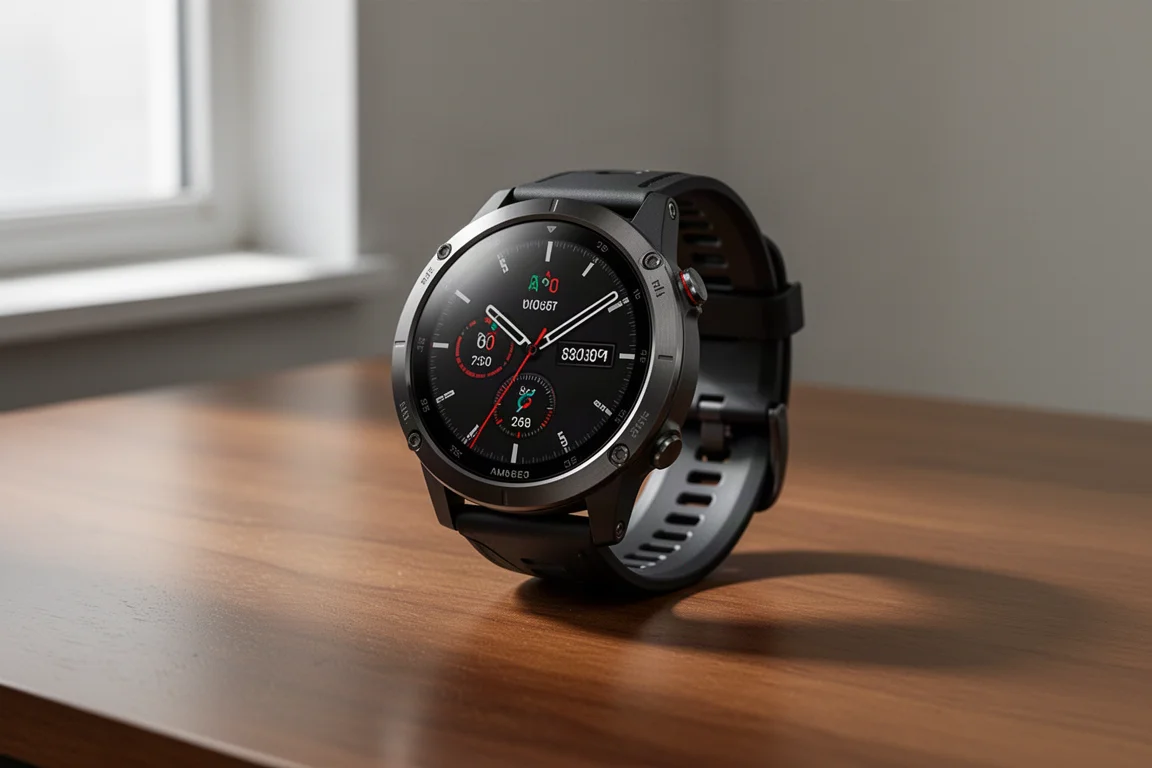
The Race 3S uses a 46mm case, just slightly larger than the 45mm Race S, but it is noticeably thinner, which you can feel on the wrist. At around 56g total and roughly 38g for the case itself, it is genuinely lightweight. It hits a nice sweet spot for a range of wrist sizes: it fits comfortably even on a larger 183mm wrist, and it is lighter and easier to sleep with than the larger Race 2.
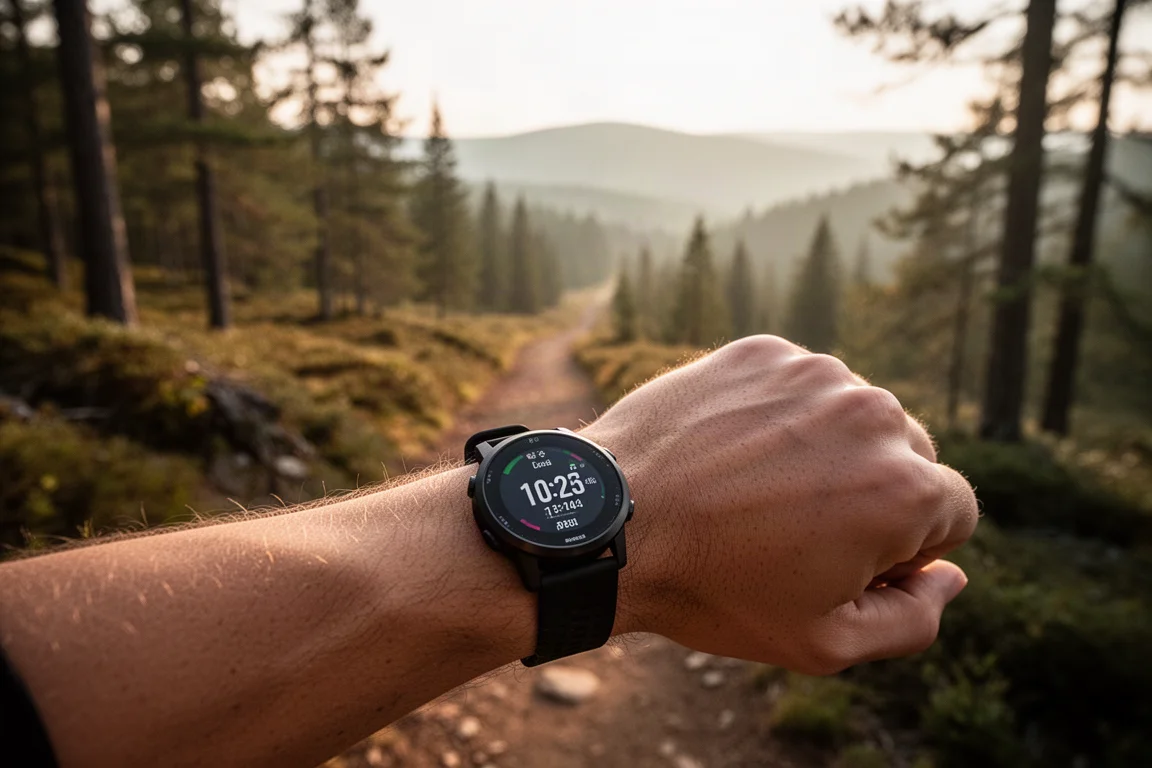
Materials are where Suunto made real upgrades. You now get a titanium bezel and a titanium back plate instead of the stainless steel of the original, and the Race 3S finally comes with a sapphire lens for increased scratch resistance. Water resistance is rated at 50 meters. The design is refined with a slightly beveled bezel, sharing cues with the Race 2, and it looks excellent in all three colorways: black, white, and an off-white and purple option that has genuine flagship-watch appeal.
Display and Interface
The 1.32-inch AMOLED display peaks at 2,000 nits, roughly three times brighter than the original Race S. That is plenty bright for direct sunlight, with tons of pixels and excellent clarity. There are brighter displays on other watches, but 2,000 nits is perfectly readable outdoors with zero issues.
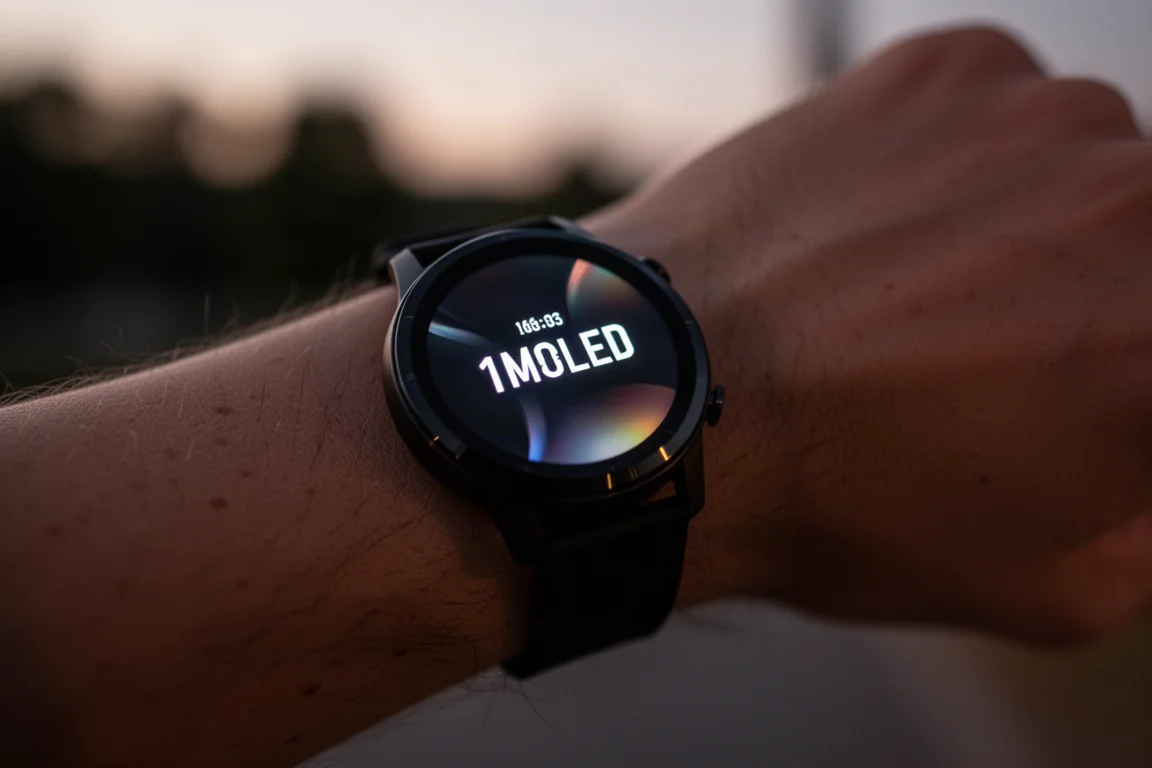
One quibble: in low-light situations, such as evenings, the display can feel a bit too bright. More nuance in how the ambient light sensor dims the panel would be welcome. On the interface side, a faster processor keeps navigation snappy, though the difference over the original (which got much faster via a software update after launch) is subtle, and in a few cases the older watch even felt quicker. Control comes via a three-button layout with a rotating crown on the middle button, plus a touchscreen, and nearly everything can be done either way. One notable omission is a built-in LED flashlight like on Suunto’s Vertical 2, though the display flashlight mode lights up the entire screen.
Battery, Storage, and Sport Features
Battery life is improved. Expect around 10 days without the always-on display, or about seven days with it enabled, which matched testing with an average of one hour of workouts per day. For outdoor activity tracking, Suunto claims up to 38 hours in the dual-band highest accuracy mode without always-on display, and up to 32 hours with it, up from 30 hours on the original.
Storage doubles to 64GB, used for maps and music. Note that music support covers files you own, such as MP3s, with no streaming services, though you can control phone playback from the watch. Offline topo maps are high-contrast and generally fast when panning, zooming, and orienting, with only occasional lag.
Sport coverage is nearly exhaustive: running, cycling, gym, pool and openwater swimming, triathlon, outdoor recreation profiles, and even snorkeling with a depth sensor good to 10 meters. Advanced running metrics include stride length, vertical oscillation, running power, estimated VO2 max, and a race time predictor for common distances that seems about right.
GPS and Heart Rate Accuracy
The Race 3S uses a dual-band, multi-band satellite chipset, and it performed really well in testing. Total distances for running and cycling were solid, and track detail was among the most accurate of the watches compared, staying tight on straight sections and impressively on the actual path through corners and curves. High-speed gravel ride tracks came out super crisp, even on tight turnarounds.
Heart rate is where the upgrades really show. The original Race S was good value, but an external chest strap was always recommended. With the 3S, a test run produced essentially picture-perfect results with only tiny deviations, and an indoor ride with intervals showed the sensor being super responsive to quick heart rate changes after a slightly shaky warm-up. One outdoor ride in warm weather did not track rises and drops as well as a chest strap, which may be a one-off, but the latest sensor is still a clear improvement over the previous generation.
Health Tracking and the New AI Coach
Health sensors include the latest heart rate sensor, an SpO2 sensor for blood oxygen saturation, HRV tracking, and stress tracking. Sleep tracking covers sleep stages and sleep quality, which reads slightly on the positive side but still roughly matches how you actually feel, plus overnight HRV and a recovery index based on sleep and workouts.
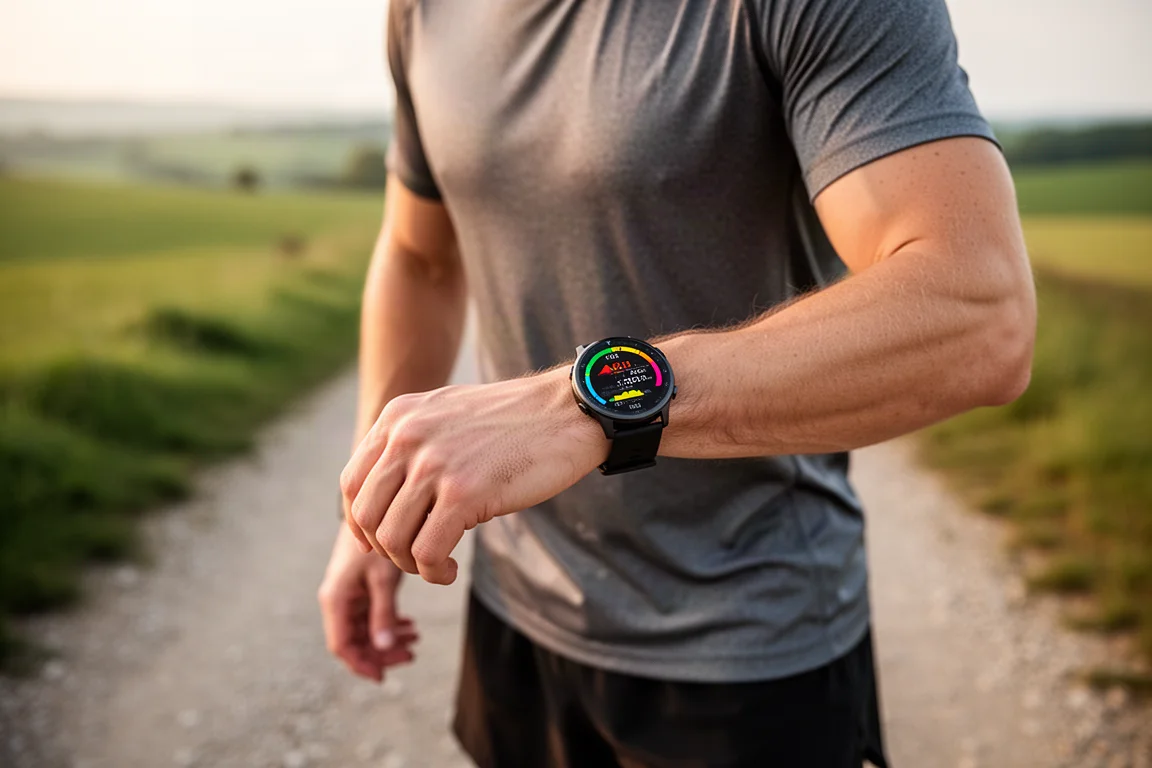
One practical tip: sleep tracking and some recovery metrics are not enabled by default, so go into the sleep settings and switch them on if you want the full picture. Suunto is also launching a new AI coach, a more conversational coaching experience in the Suunto app that interprets your data, including training load, CTL, and TSB, and offers guidance in a friendlier way than the current visualizations. It comes with three free months if activated by the end of 2026; the price after that has not been confirmed.
Buying Advice: Is the Race 3S Worth It?
The Race 3S is a genuinely big upgrade with better materials, better accuracy, and a strong feature set, and it looks great doing it. The issue is positioning. At $599, it competes with the Garmin Forerunner 965 and 970, while the Coros Pace 4 Pro offers similar features at $449, and Suunto’s own Ambit 2 delivers many of the same features for around $399. A price closer to $499 to $549 would make this an easier recommendation.
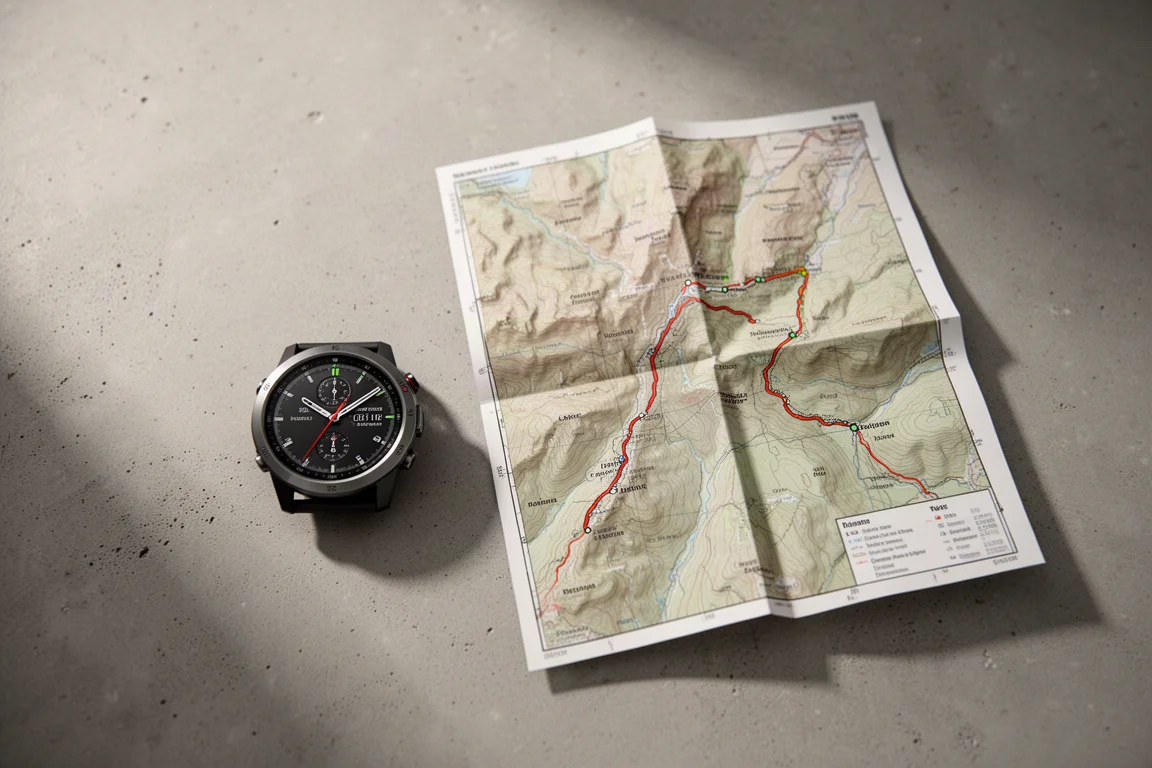
If you want a premium lightweight multisport watch with a sapphire lens, titanium build, and strong GPS accuracy, the Race 3S delivers. If price matters most, the Ambit 2 or a competitor’s offering may be the smarter buy.
Conclusion
The Suunto Race 3S is a refined, capable multisport watch that finally addresses the original’s shortcomings with a sapphire lens, titanium construction, a much brighter display, improved battery life, and a better heart rate sensor. Whether it is worth the jump from $349 to $599 depends on how much you value those premium touches, but as a complete package, it is one of the most appealing watches in Suunto’s lineup.
Product link
View more details for Suunto Race 3S
This product is mentioned in the review. Check the specifications, options, and compatibility before buying.
View more details for Suunto Race 3SFurther reading
Related Reviews
Sports Watches
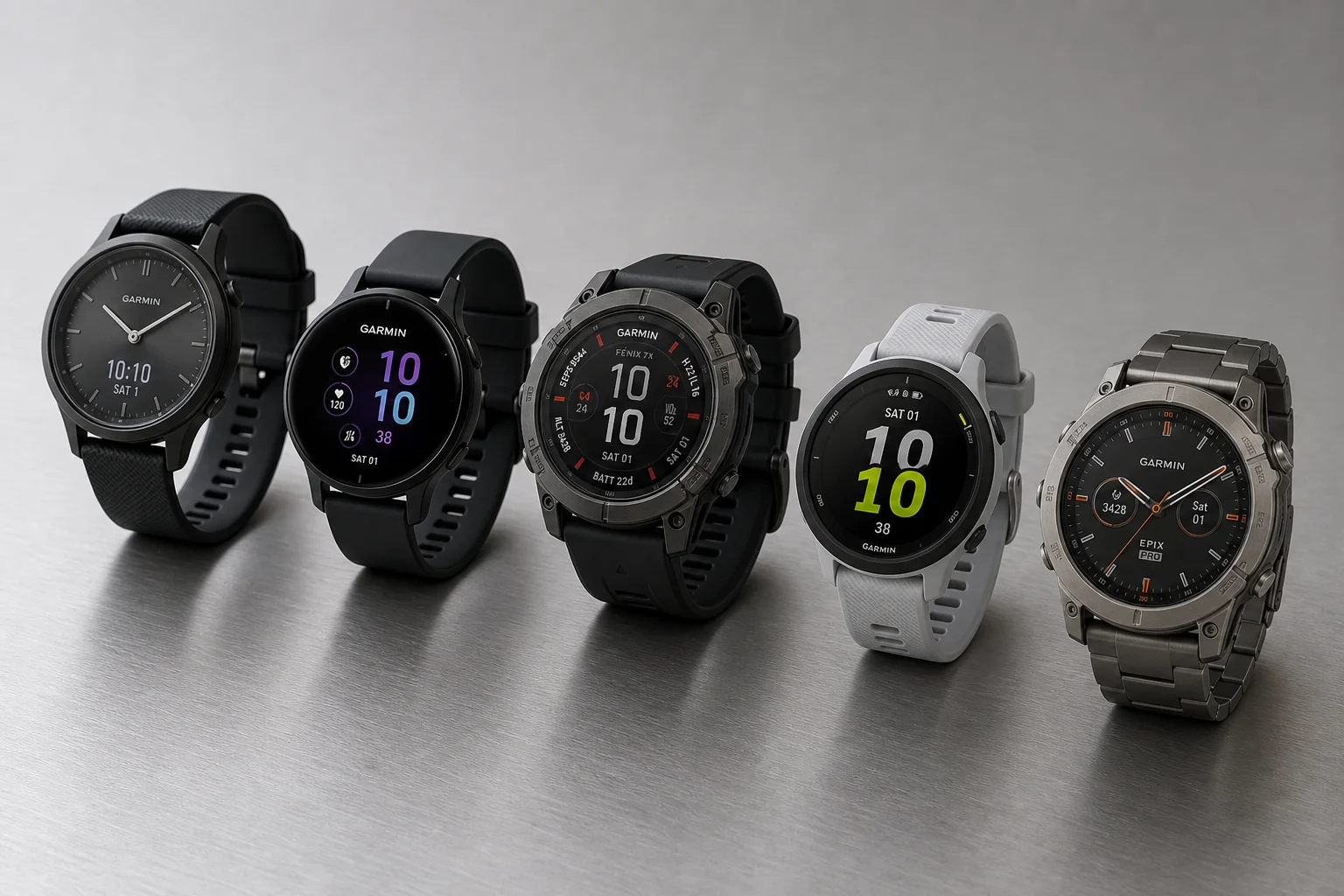
Garmin Sports Watch Guide: Finding the Right Model for Your Fitness Level
A comprehensive overview of Garmin's sports watch lineup, from casual fitness trackers to advanced multisport devices, helping you choose the right model for your needs and budget.
Sports Watches
Coros Pace Pro Review: A Complete Overhaul That Finally Feels Premium
Coros rebuilt the Pace Pro from the ground up with an AMOLED display, onboard maps, and a new heart rate sensor. Here is how it all holds up in real use.
Sports Watches
Polar Vantage M3 Review: The Sweet Spot in Polar's New Watch Lineup
A closer look at the Polar Vantage M3, which brings an AMOLED display, dual-frequency GPS, offline maps and the same software platform as Polar's flagship watches at a friendlier price.