GPS Sports Watches
Suunto 5 Peak Review: A Slim Multi-Sport Watch with Serious Battery Life
A month with the Suunto 5 Peak: strong GPS battery life, breadcrumb navigation, and a few compromises worth knowing before you buy.
Introduction
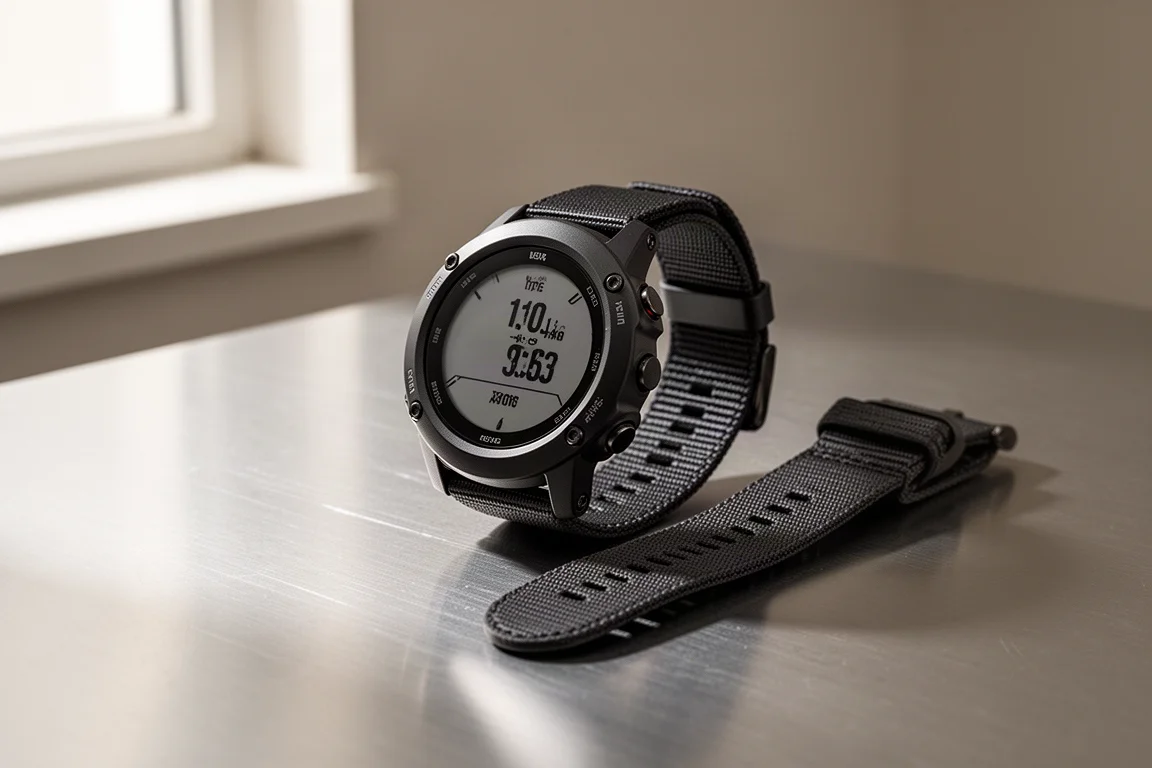
The Suunto 5 Peak is a slim, lightweight multi-sport GPS watch aimed at runners, cyclists, triathletes, and hikers who want long battery life without paying flagship money. It sits in the mid-tier budget bracket at 299 euros or 329 US dollars, and after a month of daily use across runs, rides, and hikes, it proved to be a capable watch with a few clear trade-offs.
What’s New Compared to the Previous Suunto 5
The most obvious change is the slimmer profile. The case itself is only about a millimeter and a half thinner, but the real difference is the band: the older Suunto 5 used a bulky, non-flexible strap almost twice the thickness of the case, while the 5 Peak moves to a standard 22mm strap you can swap out for anything you like.
Inside, there is a new GPS chipset, which also enables a Tour mode that stretches battery life to up to 100 hours of GPS recording. Wireless firmware updates have been added too, matching what arrived on the Suunto 9 Peak earlier. Beyond that, most features were already rolled into the older watch over the previous nine months, including Android pre-defined replies, music control, and Snap to Route, which uses a loaded route to smooth out your GPS track and improve pace and distance accuracy. That is especially useful for city marathons where you run a known, fixed course.
One carryover is the old clip-on charger. It works fine, but it can occasionally clip slightly out of alignment, and it lacks the foolproof magnetic design of the newer Suunto 9 Peak charger.
Who This Watch Is For
This is a full multi-sport watch, meaning you can combine swimming, biking, and running into a single activity, so a triathlon is entirely on the table. It has an optical heart rate sensor that measures during workouts and 24/7, supports Bluetooth Smart pairing for power meters, cadence sensors, and heart rate straps, and offers automated suggested workouts that adapt their volume to what you have actually been doing.
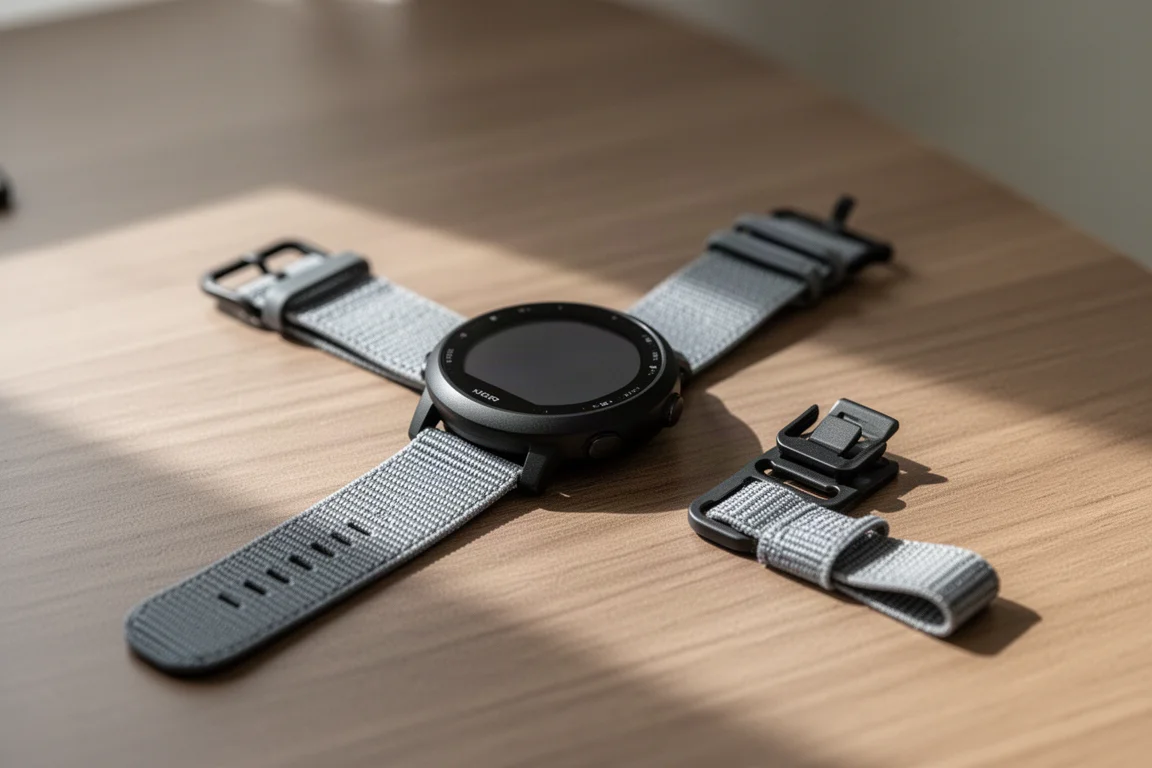
If you mostly want a light, long-lasting watch for running and general training, it fits well. If you want maps, music storage, or a bright touchscreen, this is not the watch for that, and it is worth reading the trade-offs below.
Main Strengths
GPS performance was the pleasant surprise. Despite not carrying the most advanced chipset, it generally held its own when tested alongside far more expensive watches with dual-frequency multi-band GPS. Near cliffs and when passing under bridges, underpasses, and tunnels, the track wobbled a bit more than those pricier units, but for the price it was solid.

Routing and navigation are genuinely good. Routes loaded to a connected platform sync automatically to the watch, and out on the trail you get turn-by-turn breadcrumb navigation plus an elevation profile. There are no maps on the watch itself, just the breadcrumb trail, but that worked well in practice.
Workout heart rate accuracy was also respectable across indoor and outdoor runs, rides, and hikes, mostly staying close to reference, with occasional brief bobbles of a few beats per minute before snapping back. Battery life lived up to the claims: seven-hour rides and five to six-hour hikes were no problem, and the watch lasted multiple days of everyday use without charging.
Things to Consider Before Buying
The display is the biggest weakness. It is very dim, even in well-lit rooms, and looks worse off-angle in darker conditions. In direct sunlight it is fine, but if you have less-than-perfect eyesight, this alone may be a reason to look elsewhere.
Sensor pairing is also clunky, particularly for cyclists and triathletes. You can only pair one sensor of each type, so one power meter only, no second bike or trainer in the mix, and the watch does not even tell you what a paired device is. There is no structured workout support either: the suggested workouts tell you to go hard or go easy, but you cannot download structured sessions from third-party training platforms, which is a long-standing feature elsewhere.
Compared with the Suunto 9 Peak, you give up battery capacity, a barometric altimeter (though the GPS-based elevation data held up well in testing), a slightly larger 1.2-inch screen, a touchscreen, and metal buttons. Compared with the Wear OS-based Suunto 7, the picture flips: that watch has a beautiful display, downloadable music and maps, but only four to six hours of GPS battery and roughly a day to a day and a half of smartwatch use, versus a couple of weeks for the 5 Peak.
Buying Advice
If hiking and navigation are part of your plan, the Suunto 5 Peak makes a lot of sense in this price bracket, because the breadcrumb routing, heat-map-backed route features, and long Tour mode battery life are exactly what you want for those activities.

If you have no interest in navigation, plenty of competing watches in this price range offer brighter displays and more features, and you may be better served there. And if you can live with charging daily and want a richer smartwatch experience, the Suunto 7 is a different beast worth considering, since sale prices between the two are often similar.
Conclusion
The Suunto 5 Peak is a good multi-sport option in the mid-tier budget GPS watch space, with dependable battery life, solid GPS for the money, and genuinely useful navigation. Its dim display and dated sensor pairing hold it back, but for hikers and navigation-focused users who value battery life above all, it remains a sensible pick.
Product link
View more details for Suunto 5 Peak
This product is mentioned in the review. Check the specifications, options, and compatibility before buying.
View more details for Suunto 5 PeakFurther reading
Related Reviews
GPS Sports Watches
Polar Grit X2 Pro vs Vantage V3 vs COROS Vertix 2S: Which Flagship Adventure Watch Makes Sense
Polar's new flagship shares its internals with the Vantage V3 and goes up against the COROS Vertix 2S. Here is what two months of testing revealed about GPS, heart rate, navigation, and value.
GPS Sports Watches
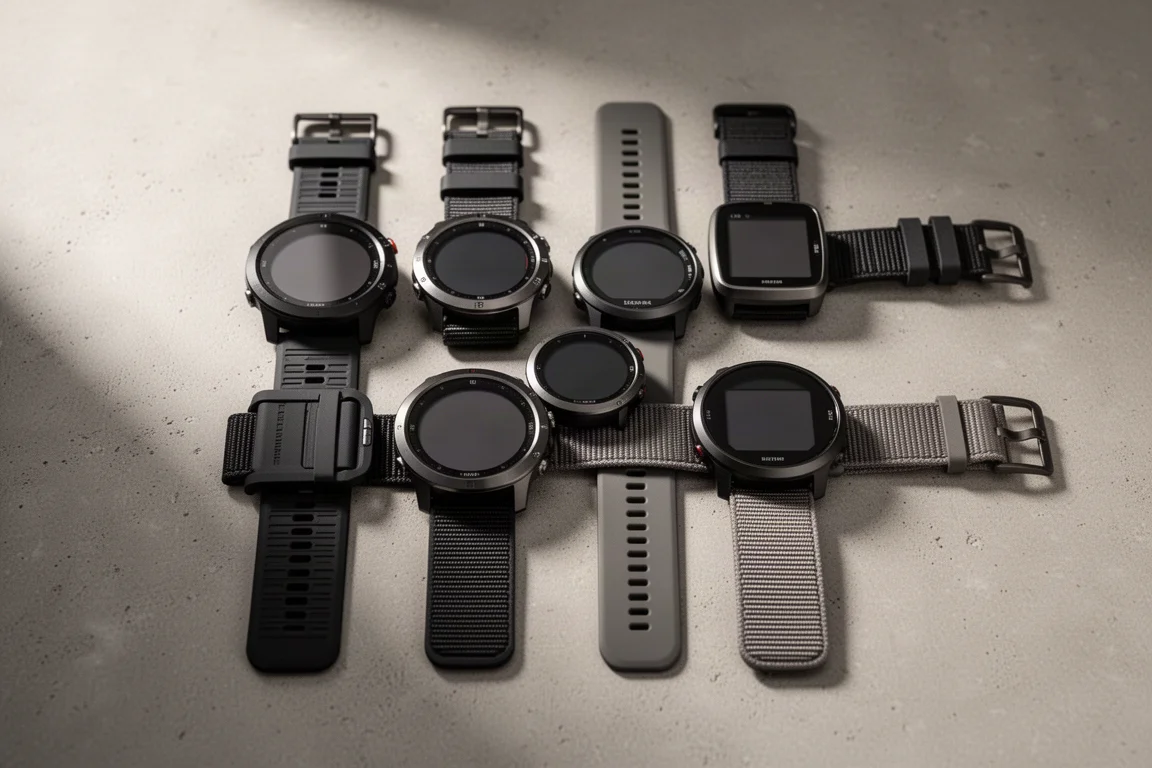
Coros Apex 2 vs Garmin: Six GPS Sports Watches Worth Comparing
A practical look at the Coros Apex 2, Apex 2 Pro, Vertex 2, and three Garmin rivals, with what each does well and where the trade-offs sit.
GPS Sports Watches
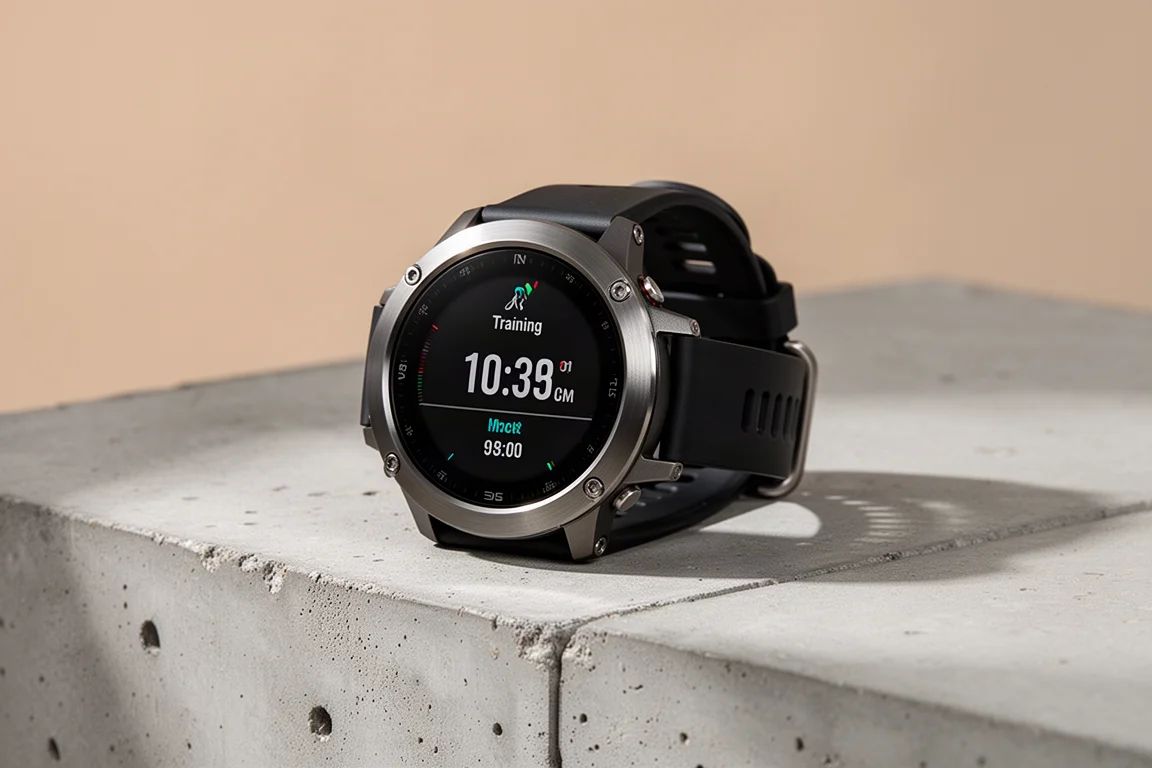
Coros Apex 4 Hands-On: Titanium Build, Faster Mapping, and a Battery Built for the Mountains
A first look at the new Coros Apex 4 GPS sports watch, including its titanium construction, improved mapping, built-in speaker, and standout battery life.