GPS Running Watches
Garmin vs Coros Running Watches 2026: Which Brand Should You Buy?
A practical comparison of the current Garmin and Coros lineups, covering price, battery life, apps, health tracking, and where each brand clearly wins.
Introduction
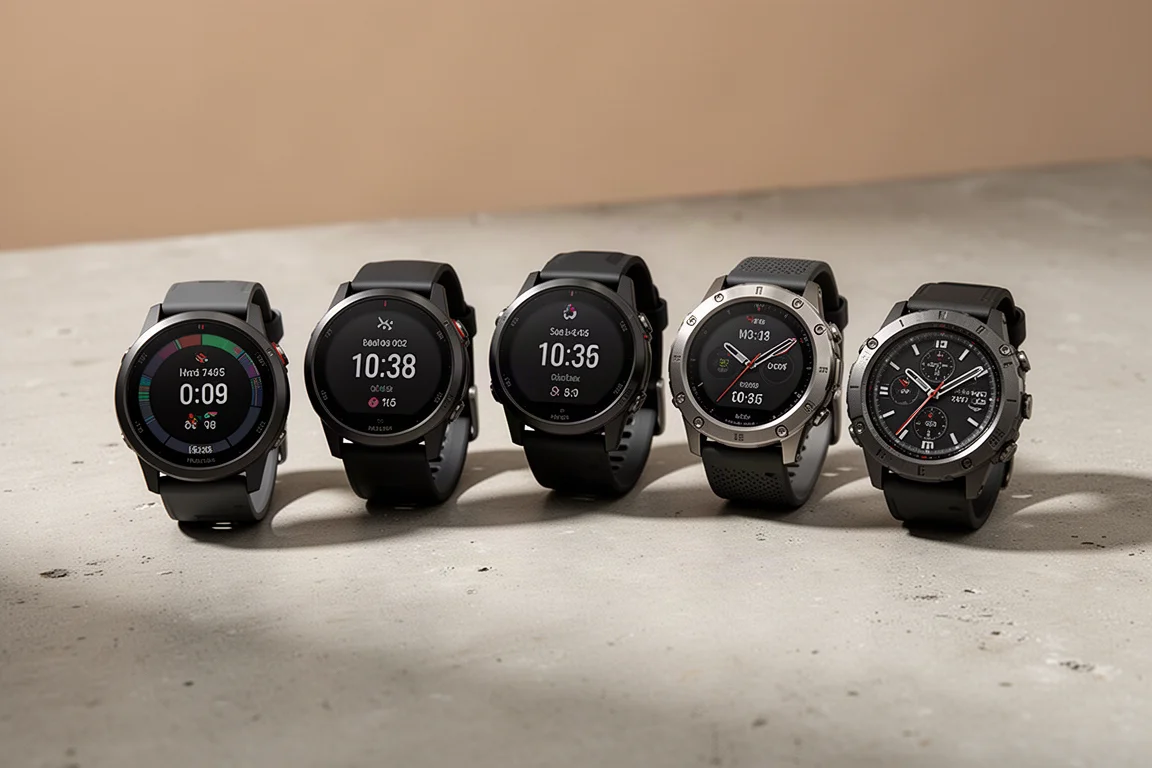
Comparing Garmin and Coros is tricky because both of these statements are true: Garmin is better than Coros, and Coros is better than Garmin. Each brand simply does some things better than the other, and knowing those differences is the key to choosing the right running watch.
This comparison looks at the current lineups from both brands, the companion apps, the wider ecosystems, and the strengths and weaknesses worth knowing before you buy. The short version: Garmin gives you a watch that does absolutely everything, while Coros gives you a watch that does the most important things brilliantly well.
Where Coros Wins
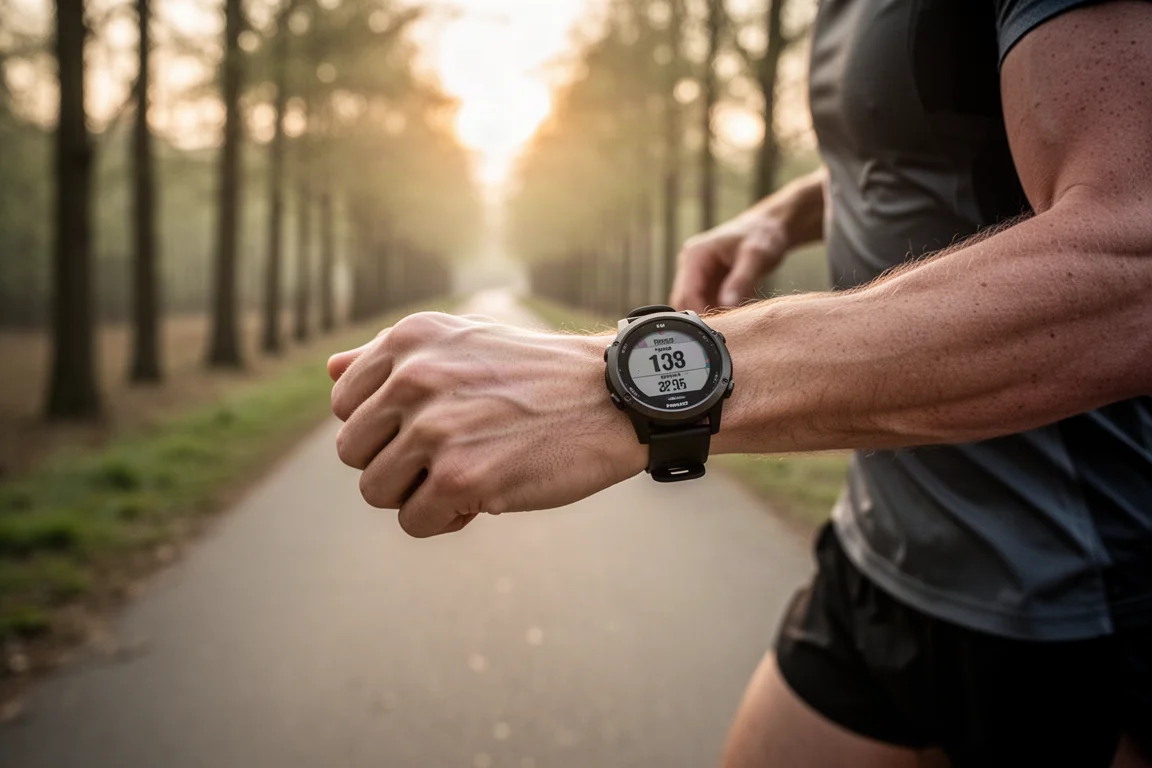
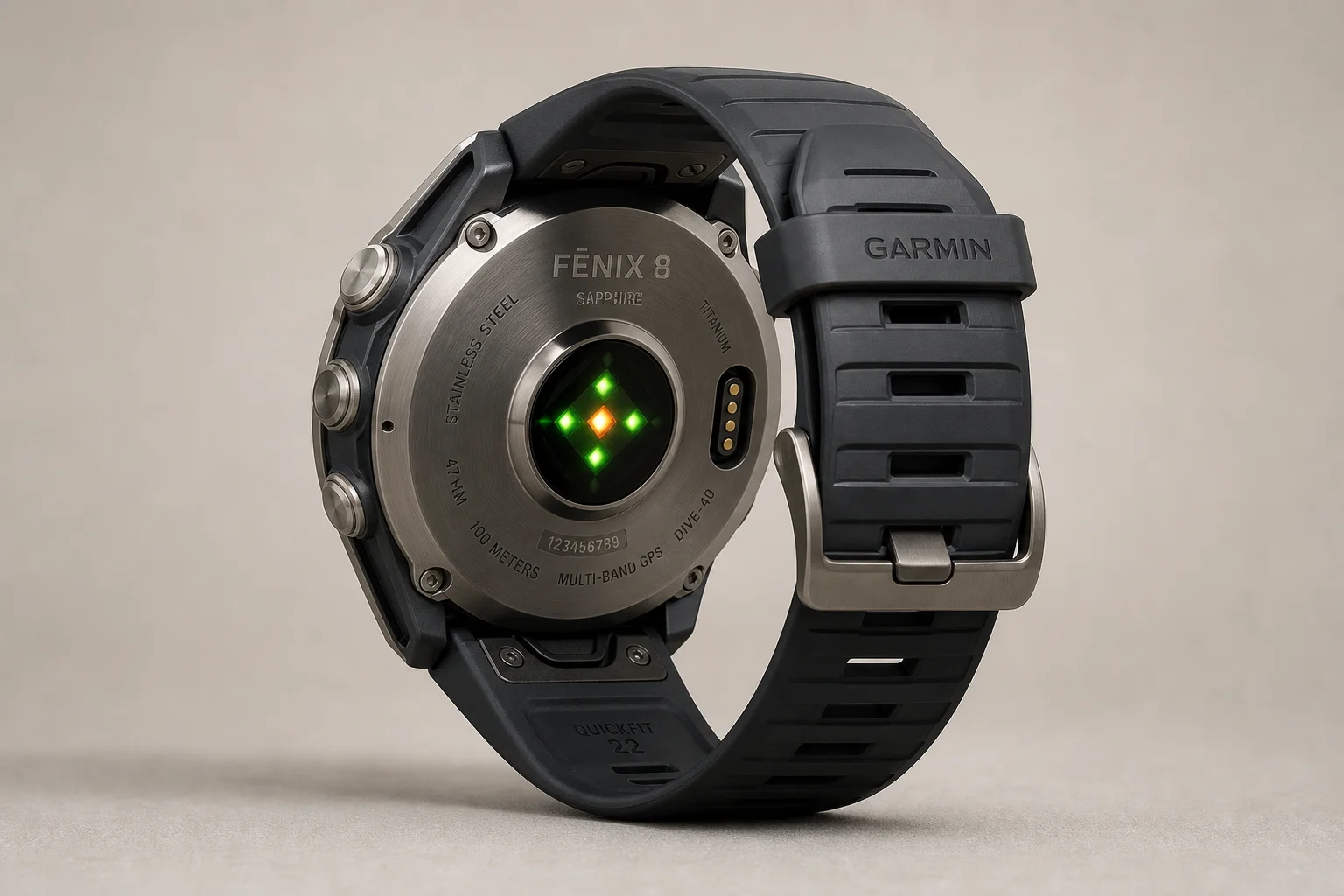
Price is the most obvious Coros advantage. Coros is the cheaper option at every rung of the ladder, not just at the entry level. The entry-level Coros Pace 4 sits at £229 versus £260 for the Garmin Forerunner 170. At the top end, the Coros Vertix comes in at £519 versus £750 for the base-spec Garmin Fenix 8, and that Fenix price can easily rise past £1,000 depending on how you spec it. Build quality on Garmin watches tends to be a little higher on average, but Coros is still very good.
Battery life is the other headline win for Coros. It was one of the main selling points when the brand burst onto the scene, especially among ultra runners. The Coros Pace 4 is genuinely impressive: a 1-hour run drains about 5% of the battery, versus around 8 to 9% on a Garmin Forerunner 165 with a similar setup. Coros runs a leaner operating system with less happening in the background to drain the battery, and the tech inside is genuinely strong. For ultras, multi-day hikes, or travelling without packing yet another cable, it simply buys you more freedom.
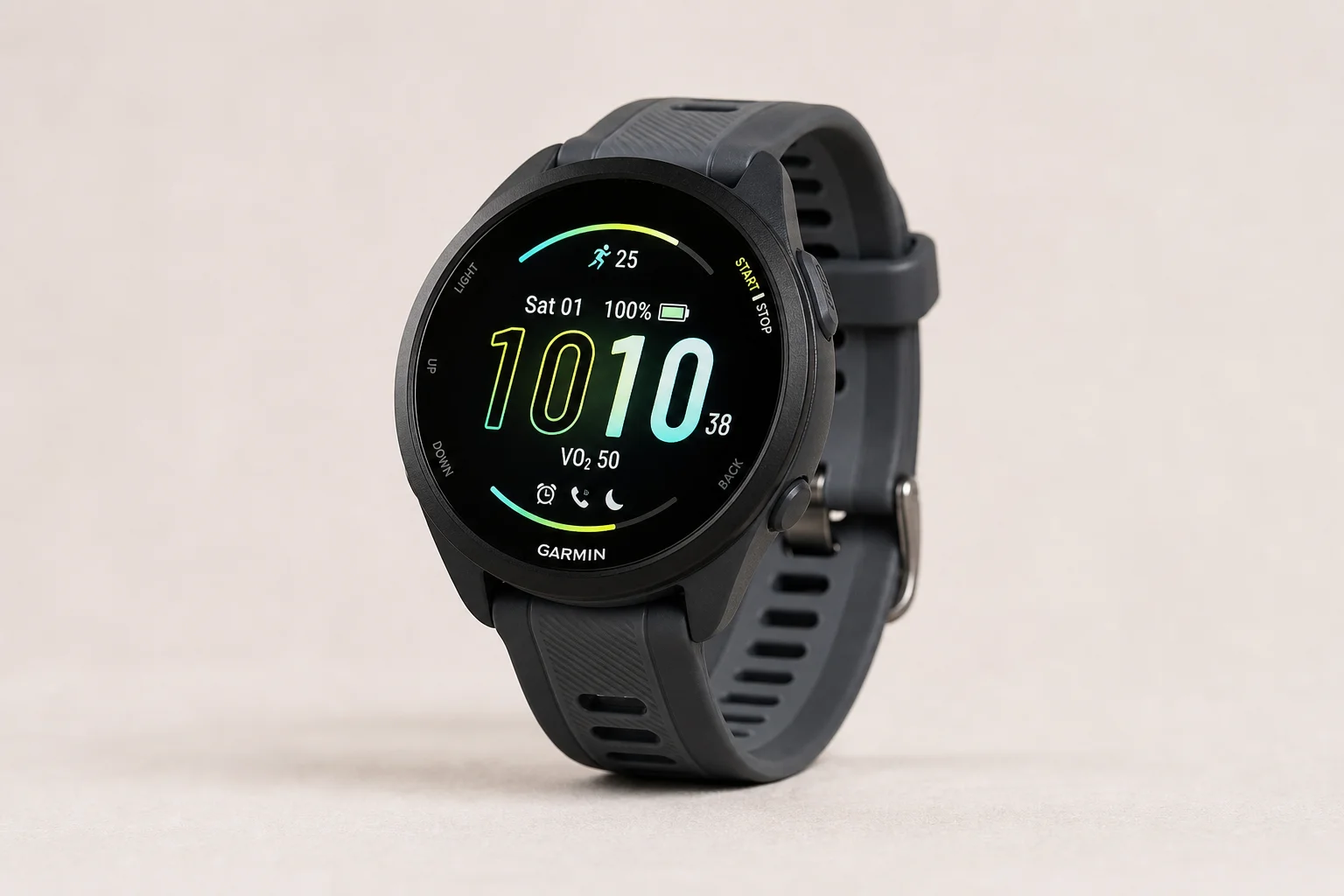
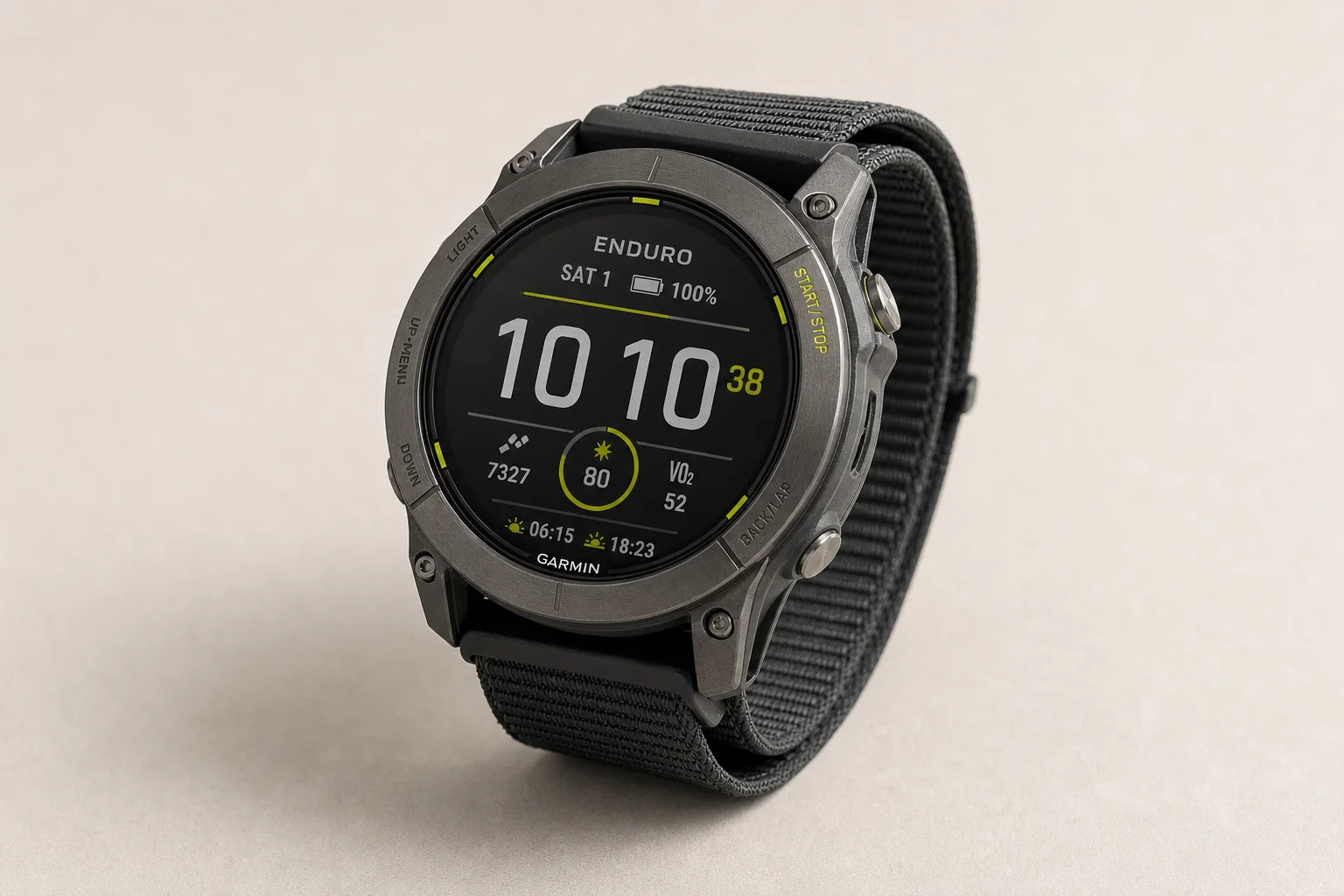
One battery-related feature Garmin has that Coros does not is solar charging on some devices. On a watch like the Enduro 3, a ring around the display handles the solar charging. On a sunny day at max-accuracy GPS settings it tends to lose only 1 to 2% of battery, and if you hike an expedition without max-accuracy GPS you can theoretically get unlimited battery life while tracking an activity. The catch is that solar charging lives on the more premium Fenix, Enduro and Instinct lines, which cost a lot more. For most people buying entry-level or mid-tier watches, Coros wins on battery.
App Experience: Coros vs Garmin Connect
Opening the Coros app gets you what you want in about four seconds. It is extremely easy to use: training load, recent activities, routes and workouts are all right there, presented clearly. You can send routes and workouts to your watch in an instant, and delete them from the app too, something that is a real chore on Garmin.
Garmin Connect, on the other hand, is undoubtedly more powerful, but it is also completely overwhelming. It has decades of features stacked on top of each other across nested menus, and it can be slow to send workouts and routes to the watch. Deleting them has to be done manually, one by one. Firmware updates are also handled more gracefully by Coros, which sends a friendly notification explaining new features. Garmin tends to just update silently with no idea what changed.
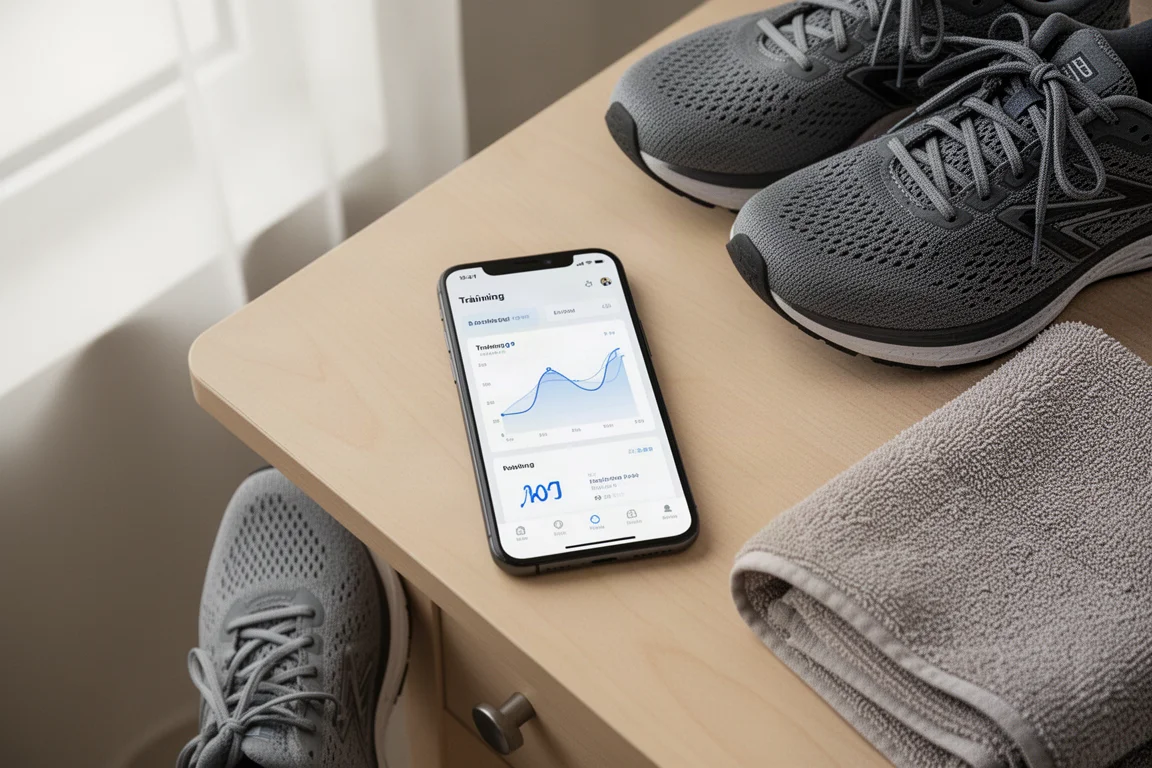
The flip side: if you are a complete data obsessive, Coros can feel a little thin. There is sleep tracking, HRV and stress, but Garmin goes into much more detail if you have the right device, with more numbers, more graphs and more export options, closer in spirit to platforms like Whoop or the Oura ring.
Another important difference is update support. Coros generally keeps sending new features and improvements for around 4 to 5 years after a device launches, and if the watch can support a new feature you get it. Garmin tends to offer around 2 years of updates, after which it is mostly bug fixes, with the newest features reserved for the latest watches.
Health and Recovery Tracking
This is where Garmin’s big lead sits. Body Battery, stress tracking, training readiness, sleep scores, HRV status and recovery time combine into a complete life picture that extends well beyond your workouts. With the heart rate sensor on during runs and daily life, Garmin knows how you are sleeping, how your HRV is changing and how much stress you are carrying, then tells you before you get out of bed how hard you should train that day.
Body Battery is the feature that converts a lot of people: a single number between 0 and 100 that rises as you rest and falls through the day, dropping quickly when you exercise. It is worth knowing that some people thrive on this data and make genuinely great improvements with it, while others find a low morning score demoralizing. It depends entirely on what kind of person you are.
Coros covers a lot of ground too, including training load, resting heart rate, stress, fatigue, HRV, sleep tracking and a strong base fitness line. But Garmin’s picture is broader and far more integrated into daily life.
Music, Payments and the App Store
One thing Garmin can do that Coros cannot, at least for now, is leave your phone at home and still take music with you. On Garmin’s music-compatible models, you get offline playlists from Spotify, Deezer and Amazon Music. Sync tracks over Wi-Fi, pair your headphones to the watch and go. You will need a paid subscription to those services, and it drains the battery faster. Coros only supports sending individual MP3 files to the watch, which is a real hassle by comparison.
Garmin also has Garmin Pay, letting you add cards and tap your wrist at any contactless terminal. Bank support varies by region; in the UK it is fairly minimal, mostly digital banks like Monzo, Starling, Revolut and Santander. It is a feature that sounds unnecessary until you start using it every day.
Then there is Connect IQ, Garmin’s own app store. You can install watch faces, widgets and custom data fields, so if there is a metric Garmin has not built in, someone else probably has: custom pacing fields, hydration trackers, even a displayable parkrun barcode. The store can be a little clunky and some third-party apps drain the battery faster, but the customization potential is huge. Coros has no third-party apps; you can change watch faces and data screens through the Coros app, but the choices are fairly limited.
Garmin’s customer service has also built a strong reputation over the years, particularly for out-of-warranty support and replacements.
Rugged and Adventure Models: Garmin Fenix 8, Enduro 3 and Coros Vertix 2
For multi-day adventures, expedition tracking and ultra distances, this is where the premium rugged watches from both brands come in. The Garmin Fenix 8 starts at £750 for the base spec and can climb well past £1,000 depending on screen size, materials and add-ons. It brings solar charging, a huge feature set and the full Garmin ecosystem in a genuinely well-built package.

The Garmin Enduro 3 focuses on maximum battery life, with the solar ring around its display keeping daily drain to around 1 to 2% even on max-accuracy GPS on sunny days, and theoretically unlimited battery life while activity tracking in the right conditions.
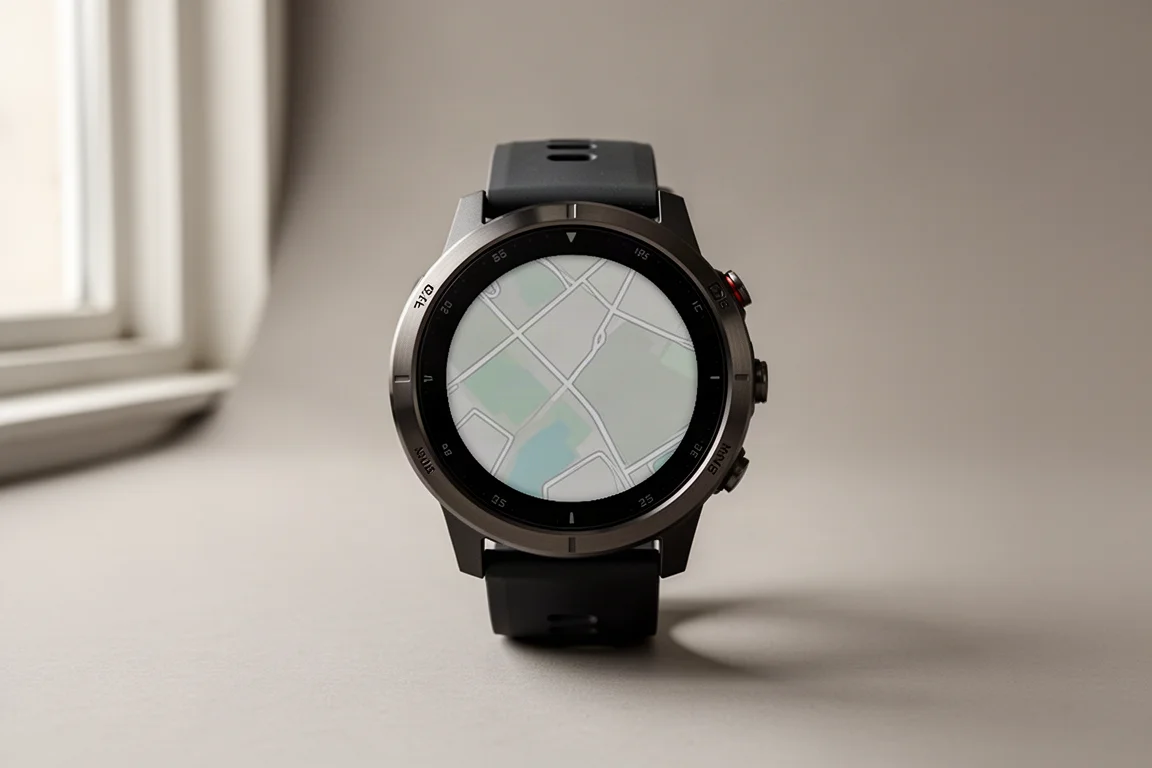
On the Coros side, the Vertix 2 delivers the brand’s signature battery endurance at £519, well below the Fenix, while the Apex 4 sits in the middle of the lineup with the same dual-band GPS accuracy and lean, efficient software. All current Coros watches, including the Pace 4, Vertix 2 and Apex 4, feature dual-band GPS, which is very accurate. Garmin’s entry-level Forerunner 70 and 170 are single-band devices, though everything higher in the range is dual-band.
Which Brand Should You Choose?
Coros is all about functional simplicity: a smaller company that listens to user feedback and keeps improving its products. It is cheaper, lasts longer between charges, and has a far easier app, with fewer watches to choose from, which makes the buying process genuinely simpler.
Garmin offers far more variety: the Forerunner line for running, plus the Fenix, Enduro and Venu lines, each with different screen sizes, materials and add-ons like music. That variety is a real positive for some and overwhelming for others, which is exactly where Coros fits in. But Garmin brings music compatibility, Garmin Pay, Connect IQ, a health platform that rivals Whoop and the Oura ring, plus smart scales and a huge range of cycle computers that all sync into the same ecosystem. Coros currently has just one cycle computer.
If you are worried about losing years of training data when switching, there are good solutions that let you download your history and re-upload it to a new platform.
Conclusion
Both statements hold true. Coros is better than Garmin, and Garmin is better than Coros. If you want a watch that does absolutely everything, get a Garmin. If you want a watch that does the most important things brilliantly well, buy a Coros. Match the brand to your priorities and either choice is a good one.
Further reading
Related Reviews
GPS Running Watches
Huawei Watch GT Runner 2 Review: Bold Dual-Antenna GPS Promises, Mixed Real-World Results
A close look at the Huawei Watch GT Runner 2, a running watch built around a new dual-antenna floating GPS design that promises big accuracy gains, and how those claims hold up against a Garmin Forerunner 970 reference.

Backpacking Gear
Building a 10 lb Base Weight: An Ultralight Backpacking Gear List
A practical walkthrough of the ultralight pieces behind a 10 lb base weight, from a 765 g pack and a roomy one-person tent to a full camp chair and a dependable water filter.

Road Bikes
10 New Road Bikes Worth Watching: Aero, Titanium, Steel and Endurance Standouts
A practical roundup of 10 new road bikes, from aero flagships chasing single-watt gains to titanium, steel and endurance platforms built for real roads.