GPS Running Watches
Huawei Watch GT Runner 2 Review: Bold Dual-Antenna GPS Promises, Mixed Real-World Results
A close look at the Huawei Watch GT Runner 2, a running watch built around a new dual-antenna floating GPS design that promises big accuracy gains, and how those claims hold up against a Garmin Forerunner 970 reference.
Introduction
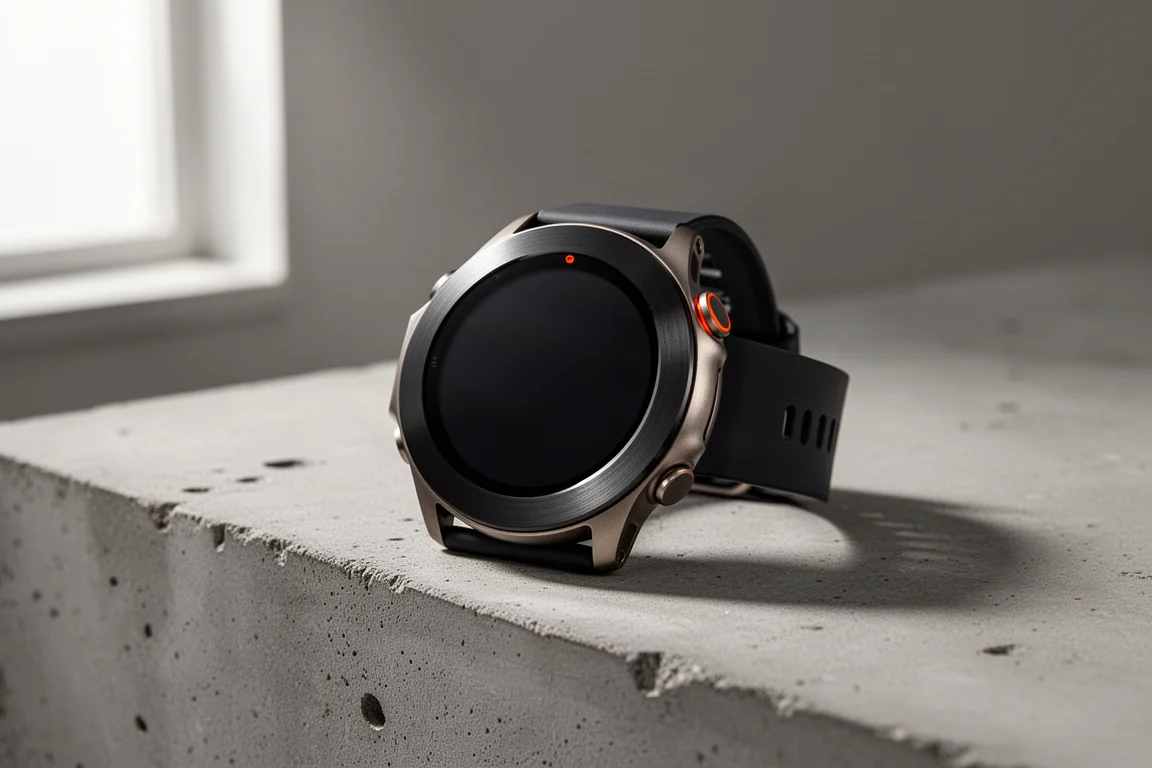
The Huawei Watch GT Runner 2 arrives with one very specific headline claim: some of the best GPS accuracy available in a sports watch right now. Huawei has built its pitch around a new dual-antenna floating GPS design, and the company was confident enough in its testing to name a current Garmin Forerunner 970-class device as its gold-standard reference during media presentations. That kind of transparency is unusual, and it makes the accuracy question the obvious place to start this review.
The watch also carries a list of non-GPS features, some of which are genuinely useful. But because Huawei has hung its hat on GPS accuracy being the defining feature of this watch, that is what deserves the closest scrutiny. This review walks through what the design promises, what the real-world testing showed, and whether this watch makes sense for the way you actually run.
Who This Watch Is For
The GT Runner 2 is aimed squarely at runners who care about precise pace and distance data, including trail runners and anyone who logs long hours in GPS-challenging environments. Huawei positions it as a road running watch tuned for difficult downtown conditions, with multiband GPS on at all times.
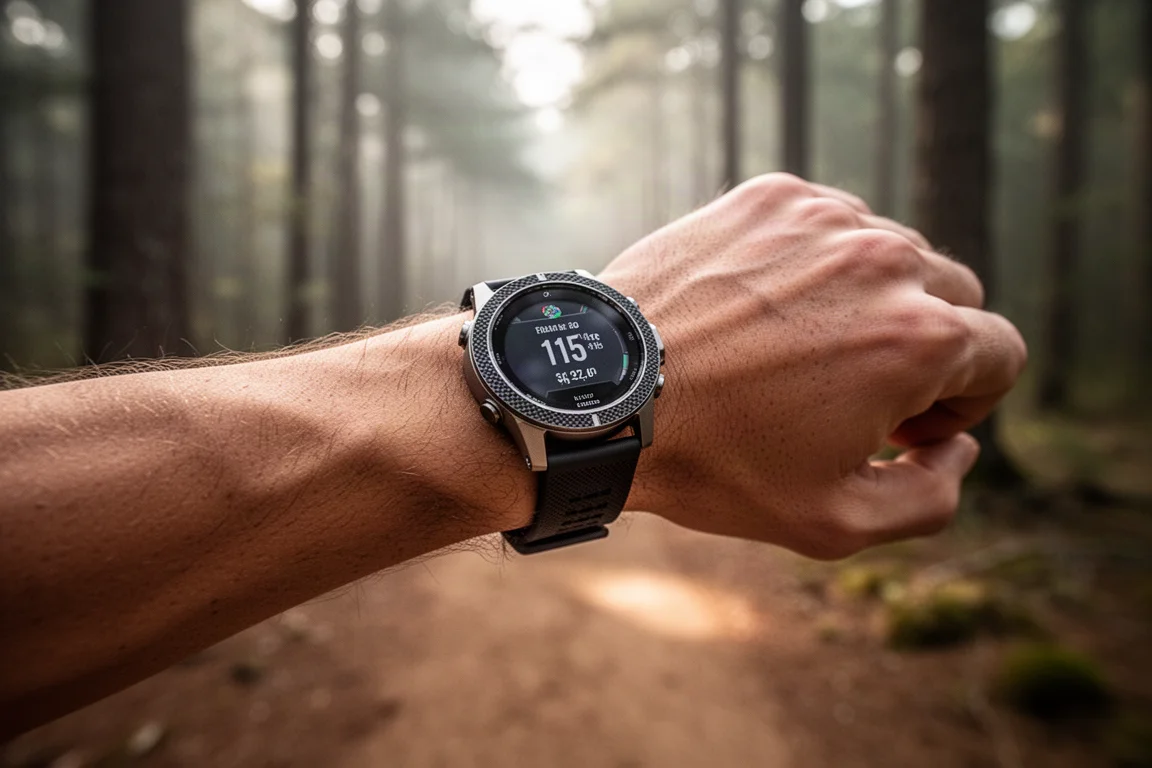
One notable claim from the company is that accuracy is slightly better on the left wrist than the right. That is worth knowing if you wear your watch on the right side, though a watch that depends on which wrist it is worn on raises reasonable questions by itself.
The Dual-Antenna Design, Explained
Over the last decade, GPS watch quality has shifted from being driven mainly by the GPS chipset to being driven by antenna design. The antenna is a very thin piece of wire usually placed in the watch bezel, and because every bezel differs in material and thickness, the difference between an excellent GPS watch and a poor one often comes down to fractions of a millimeter in antenna placement.
Huawei’s argument is that it has nailed that delicate engineering task twice. The titanium case hosts one antenna along its upper edge, while an orange rubber isolation ring separates an ungrounded top portion of the bezel that serves as a second antenna. The swirling visual effect on the bezel is not physical rotation but the electrical polarization inside matching the GPS antennas.
On paper, the results Huawei presented looked strong: examples around tall buildings in a central business district, a stadium running path with a tunnel section, and long-distance accuracy comparisons against a centimeter-level GPS reference backpack on the Berlin Marathon route. The company claims a 20% accuracy improvement over its previous watch and 10% better pace and distance accuracy, with up to 32 hours of battery life in multiband GPS mode using a gesture-based display that turns off when the wrist is lowered.

Real-World GPS Testing
Testing used the industry-standard setup: the GT Runner 2 on one wrist and a Garmin Forerunner 970 on the hand, with additional reference watches on the other wrist, all on final production firmware across multiple long runs.
The results were consistently disappointing for a watch sold on GPS accuracy. On a two-and-a-half-hour trail run, the GT Runner 2 tracked well at a high level but drifted offset from every other watch on the first ascent. Later, on a steep, wide-open, switchbacked ascent with nothing blocking the sky, it wandered up to 50 meters off the trail, which is a huge error in an environment with a fully open view.
A three-hour run told the same story. The watch became progressively offset climbing, was the odd one out even on flat, open ridge sections, and later cut across a quiet running path where the route clearly did not go. Against reference watches including the Forerunner 970, a high-end vertical-focused model, and a rugged adventure watch, the Huawei unit was slightly off in nearly every scenario.

Downtown High-Rise Environments
Huawei specifically tuned this watch for difficult downtown environments, so a high-rise circuit among tall hotel buildings was an obvious test. At a glance the track looked close to reality. Zooming in, it fell apart: the watch repeatedly placed the run in the middle of the road while the run was actually on the sidewalk, and while crossing a crosswalk where three other GPS watches tracked correctly, the GT Runner 2 did not. It also swerved back and forth across the road on a straight stretch, which simply did not reflect the run.
Elevation accuracy fared poorly as well. On a two-and-a-half-hour run the elevation drifted badly over the course of the run, and on a three-hour coastal run it sank so far off that it read negative elevation while still well inland and twenty minutes from the finish. Other watches had no such problem, though one mountain run did come out fine.
What Works Well
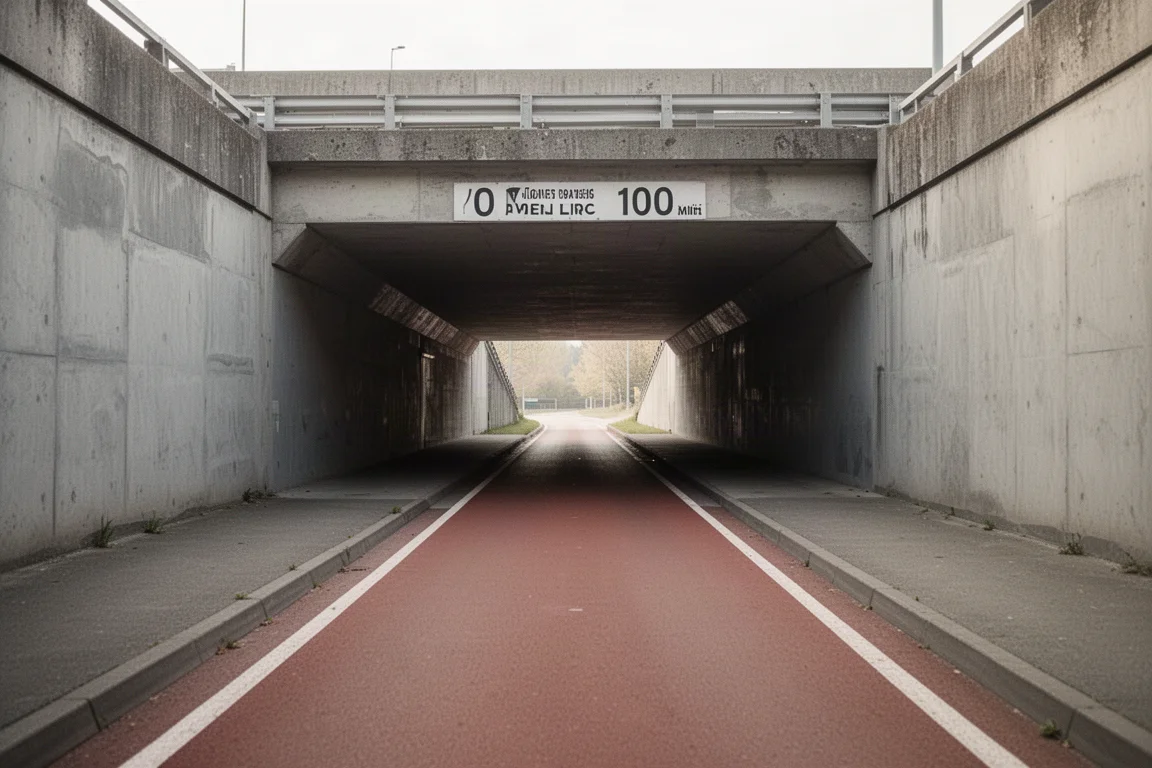
Credit where it is due. Heart rate accuracy was strong, with optical heart rate tracking matching the reference across an entire run while another comparison watch showed notable offsets. Tunnels were also handled impressively: across two passes on two different days, the watch tracked cleanly through a roughly 100-meter underpass, performing better than the Forerunner 970, which was running its adaptive battery-saving satellite mode. The catch is that on both sides of that tunnel, the Huawei track was offset. Good tunnel, bad everything else.
Things to Consider Before Buying
The central question is whether firmware updates could improve the GPS accuracy over time. History suggests that is unlikely. Across roughly two decades of GPS watch testing, it is exceptionally rare, on the order of one watch in a hundred, for GPS accuracy issues to be fixed in firmware. Fixes almost always require new hardware at the antenna or chipset level, and that has held true across the whole industry. Given that this watch introduces an entirely new antenna hardware design, a firmware fix would be a genuine surprise.
Huawei’s response to shared test data was that the watch is optimized for road running. In practice, road running results were no better than trail results in the same scenarios, so buyers should not count on a road-specific advantage.
Buying Advice
The Huawei Watch GT Runner 2 is a well-built watch with real strengths in heart rate tracking, tunnel handling, and claimed battery life of up to 32 hours in multiband GPS mode. But its defining feature, the dual-antenna GPS design marketed as a major accuracy leap, underperformed across trail, road, and downtown testing on production firmware. Runners whose priority is GPS accuracy should treat this watch with caution and compare it carefully against established alternatives before committing. If GPS precision is secondary to heart rate accuracy and battery life, it may still earn a place, but the headline promise is not delivering in real-world use yet.
Conclusion
The Huawei Watch GT Runner 2 backs an ambitious engineering story with premium hardware and some genuinely good features, but the dual-antenna GPS accuracy it is built around does not hold up against a Garmin Forerunner 970 or other modern watches in open-sky, trail, and dense urban conditions. Until proven otherwise in practice, accuracy-focused runners have better options.
Product link
View more details for Huawei Watch GT Runner 2
This product is mentioned in the review. Check the specifications, options, and compatibility before buying.
View more details for Huawei Watch GT Runner 2Further reading
Related Reviews
Wearables
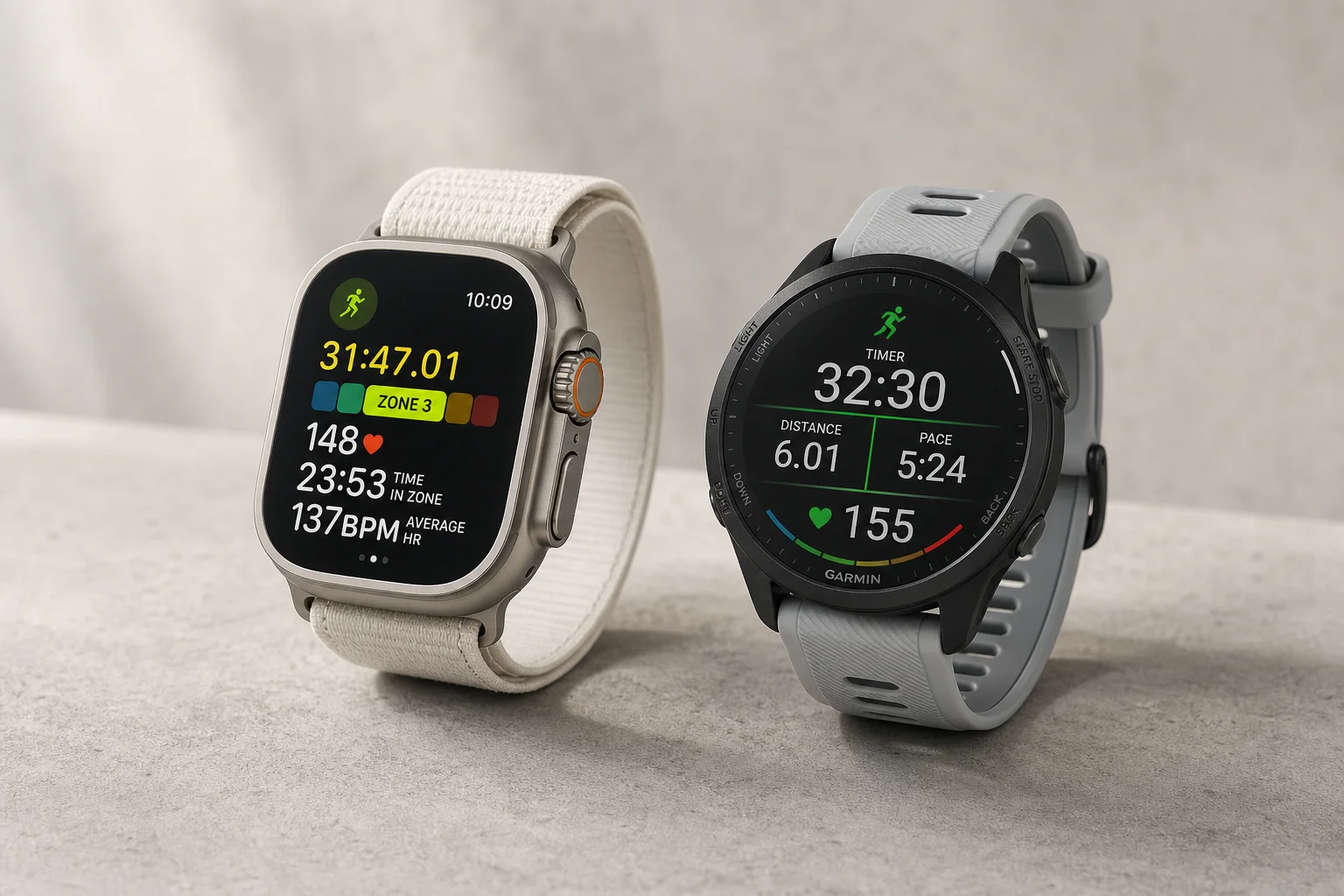
Apple Watch vs Garmin for Running: A Year of Training Compared
After a year training for marathons with both devices, here's what actually matters when choosing a running watch.
Smartwatches
Best Budget Smartwatches 2026: Five Affordable Options That Actually Work
Five budget smartwatches tested for real daily use. From entry-level options to premium features at fraction of the cost, here's what actually delivers.
Outdoor Lighting
Best Head Torches 2026: 13 Tested Models for Running, Camping, and Work
A comprehensive roundup of 13 head torches tested across comfort, output, battery life, and build quality. Find the right torch for running, hiking, camping, or general use.