Backpacking Packs
Superior Wilderness Designs Big Wild 70 Review: A Load Hauler Built for Bulky Gear
A detailed look at the Big Wild 70, a 70 litre pack designed for packrafting, winter trips, and loads that simply will not fit in a weekend pack.
Introduction
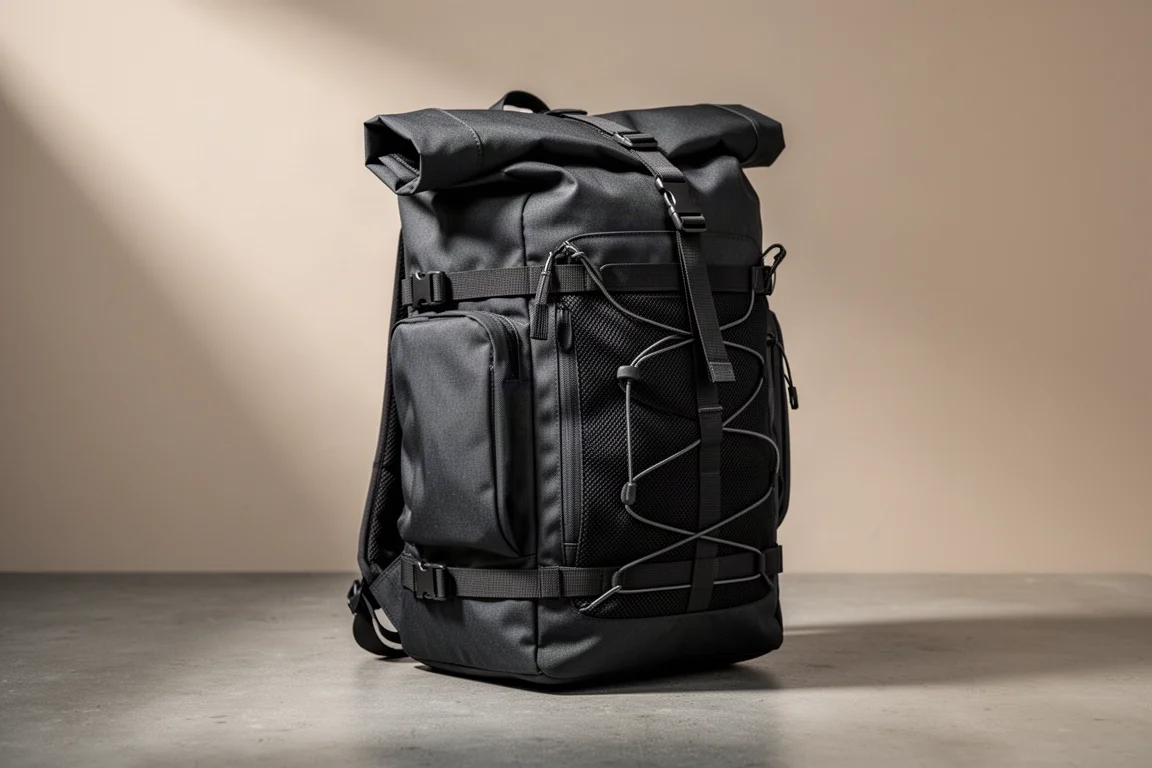
The Superior Wilderness Designs Big Wild 70 is a 70 litre backpack, which raises an obvious question: why carry a pack this large when most weekend trips fit comfortably in something closer to 40 litres?
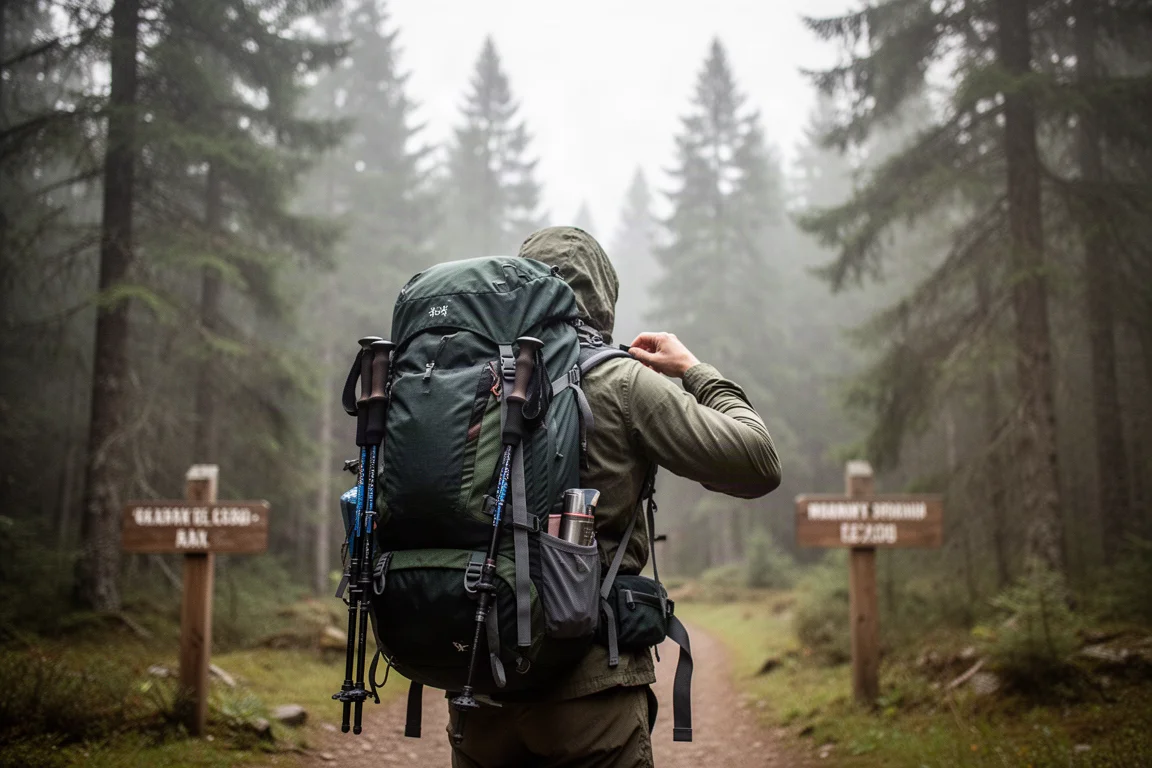
The answer is bulk rather than distance. The Big Wild 70 is purpose-built as a load hauler, aimed at winter backpacking, packrafting, and trips where the gear list includes items that are large, awkward, and unwilling to compress. The design brief is to carry as much as 65 lbs of gear and stay comfortable while doing it, and in real winter use the pack has handled loads in the 40 to 45 lb range without complaint.
Pricing starts at $399 USD, which places it firmly in premium territory. That cost buys a very specific set of design decisions, and this review walks through what those decisions are, where they pay off, and the couple of small things worth knowing before you commit.
Who This Pack Is For
This is not a general-purpose weekend pack, and Superior Wilderness Designs does not appear to have designed it as one. It is a pack for people whose trips involve carrying gear outside the bag as much as inside it.
The clearest use case is packrafting. A packraft, paddle, and personal flotation device are bulky, awkward shapes, and the Big Wild 70 is built to swallow them and then strap them externally when needed. The same logic applies to winter travel, where snowshoes, a shovel, and layers add volume quickly.
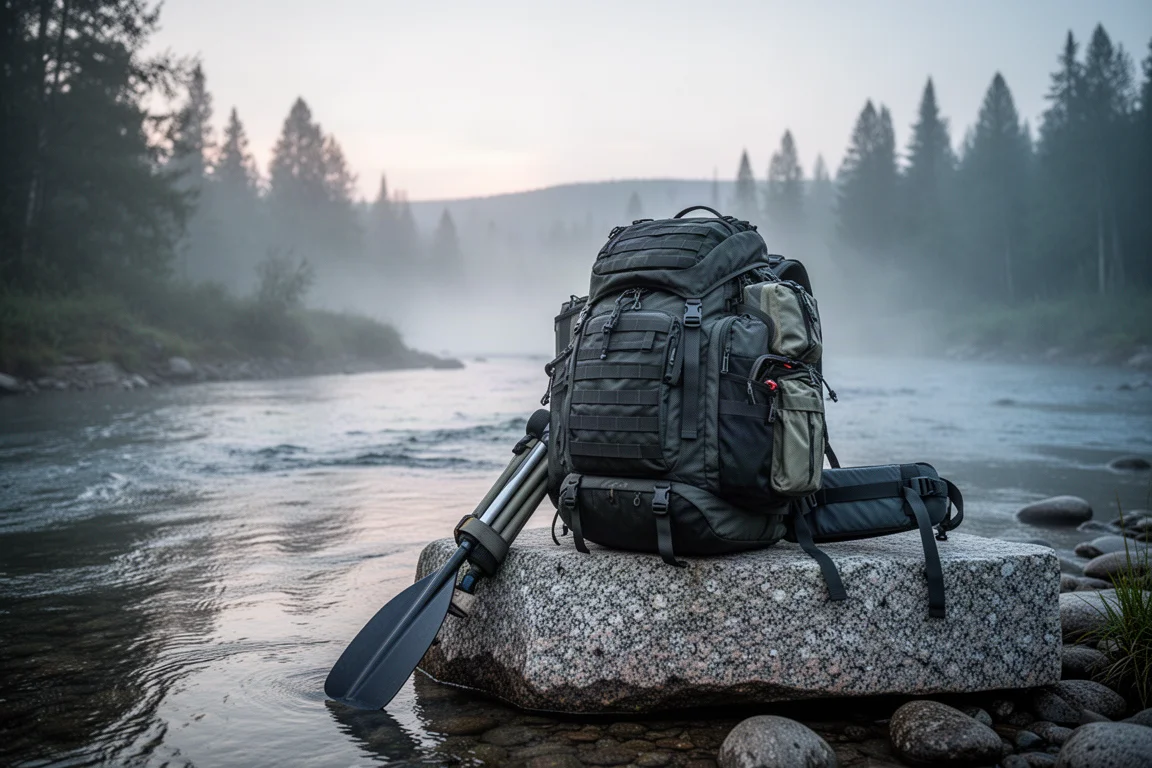
If your trips are three-season weekends with a compact kit, a 70 litre pack will feel like more bag than you need. If your trips involve water, snow, or a bear canister, the capacity stops being excessive and starts being the point.
Main Strengths
The strengths of this pack cluster around three areas: how it carries weight, how much you can attach to it, and how the main compartment is closed and organised.
A Frame and Suspension Built for Heavy Loads
The suspension is the most distinctive part of the design, and it differs from what you see on many stripped-down ultralight packs.
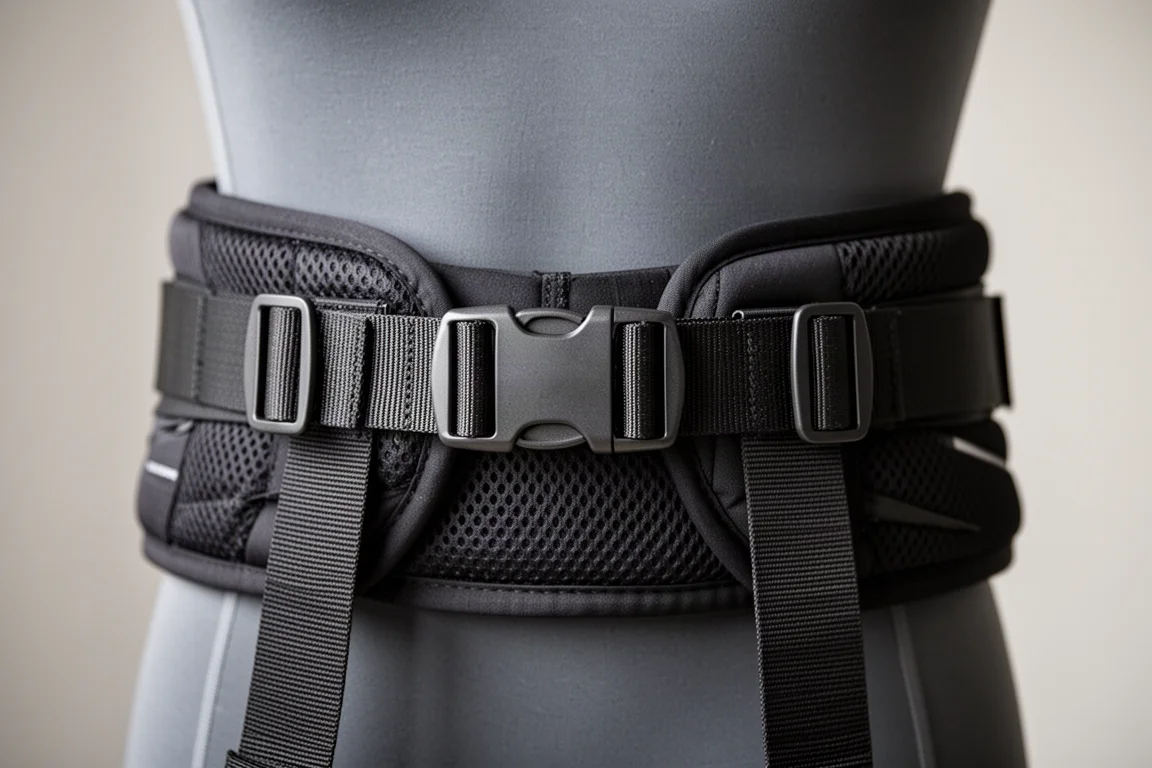
The hip belt is fully floating and completely removable from the pack. That modularity matters for packrafting, because the pack can be broken down enough to fit inside the tubes of a raft. When assembled, the hip belt wraps fully around the waist and connects directly to the aluminum stays, so load transfers cleanly to the hips rather than hanging off the shoulders.
Torso adjustment happens at the hip belt rather than the shoulder straps, with up to 3 inches of height adjustment across a set of loops. The hip belt also has two separate adjustment points, which allows far more fine-tuning of tension around the waist than a single wide strap that you simply cinch down.
The frame extends noticeably above where the shoulder straps attach. That extra height, combined with load lifters that run on adjustable sliders, gives you a precise way to tune how weight moves from the shoulders down into the frame and hip belt. The shoulder straps themselves are well shaped and use a thick piece of foam.
There is also a thoughtful detail at the lumbar area: a panel of ultra stretch mesh with a removable piece of foam behind it. Leave the foam in for comfort, or pull it out and you have a sit pad effectively integrated into the pack.
Modular Attachment Points for Bulky Gear
Almost everything on the outside of this pack is adjustable or removable, which is the core of its appeal for mixed activities.
The pack uses removable webbing straps and a dense network of loops and attachment points, so compression and accessory mounting can be configured around whatever you are carrying. The front pocket is a removable stretch mesh piece, similar in spirit to the mesh pocket found on traditional ultralight packs, and it attaches with simple plastic clips. Remove it and you gain a set of additional attachment points on the front panel.
That flexibility means a paddle and a flotation device can live on the outside of the pack, while a water filter and smaller items stay reachable in the front pocket without opening the main body.
Attachment points are anchored at flat-felled seams. That construction detail is what allows the webbing to take serious tension without risking a tear at the mounting point.
A Wide Roll-Top and Oversized Side Pockets
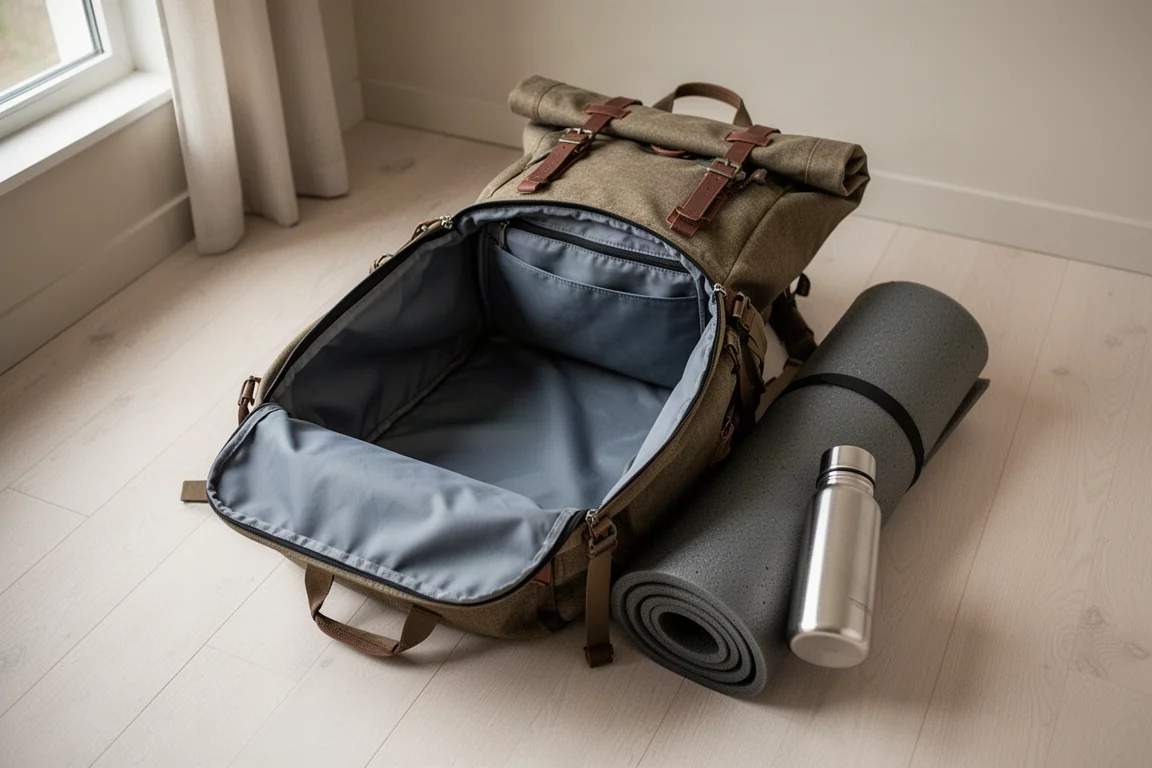
The main compartment closes with a roll-top and a single strap across the top. That top strap is generously long, long enough to accommodate a bear canister or a foam pad strapped above the load.
The roll-top opening itself is wide, and a piece of plastic runs through the top edge to give it rigidity. The practical benefit is that rolling it down and compressing the pack is quick and stays tidy rather than fighting you.
The side pockets are deliberately oversized. They are sized for more than a water bottle, which is what makes carrying a paddle, snowshoes, or other bulky items on the flanks realistic. Even on a pack this large, a bottle in the side pocket can be reached, removed, and replaced without taking the pack off.
Things to Consider Before Buying
After several months of winter use, there are no major failures or glaring problems to report. There are, however, two small points worth weighing.
The first is the sternum strap. Adjustment is not especially quick, and the double-sided buckle means both sides move rather than one. A single-sided adjustment with a small piece of elastic webbing would be easier to fine-tune and would allow a little more give for breathing. This is a personal preference rather than a functional flaw, but it is the one thing that would change if given the choice.
The second is hip belt pockets, which are not included. Pockets can be added separately and mount to the hip belt easily, but at this price point it would be reasonable to expect at least one to come in the box. The counter-argument is understandable: some buyers prefer to assemble their own accessory kit rather than pay for pockets they may not want.
Nothing else has stood out as a concern so far, though longer-term use across packrafting trips and further winter outings will be the real test.
Buying Advice
Buy the Big Wild 70 if your trips regularly involve gear that is bulky rather than merely heavy. Packrafting is the clearest fit, followed by winter backpacking and any itinerary where a bear canister, snowshoes, or a paddle needs to travel with you.
The value case rests on construction quality and modularity rather than raw weight. The seams, the attachment hardware, and the suspension are all built to take abuse, and the pack can be reconfigured for very different activities without buying a second bag. For someone juggling packrafting, winter trips, and heavier loads, that single-purchase versatility is what justifies the price.
Skip it if your trips are lighter three-season weekends, or if you want a stripped-down, minimal pack with fixed features and nothing to remove. This design rewards people who like to tune and adapt their setup.
Conclusion
The Big Wild 70 makes sense once you accept the premise behind it. It is not competing with a 40 litre weekend pack; it is solving the problem of carrying large, awkward loads comfortably over real distances.
The floating, removable hip belt and high frame do the heavy lifting, the attachment system handles whatever you need to bolt to the outside, and the wide roll-top keeps the main body manageable. The sternum strap adjustment and the absence of included hip belt pockets are minor notes rather than deal-breakers. For packrafters and winter travellers, this is a well-constructed, thoughtfully designed pack that carries weight the way it should.
Product link
View more details for Superior Wilderness Designs Big Wild 70L
This product is mentioned in the review. Check the specifications, options, and compatibility before buying.
View more details for Superior Wilderness Designs Big Wild 70LFurther reading
Related Reviews
Backpacking Packs
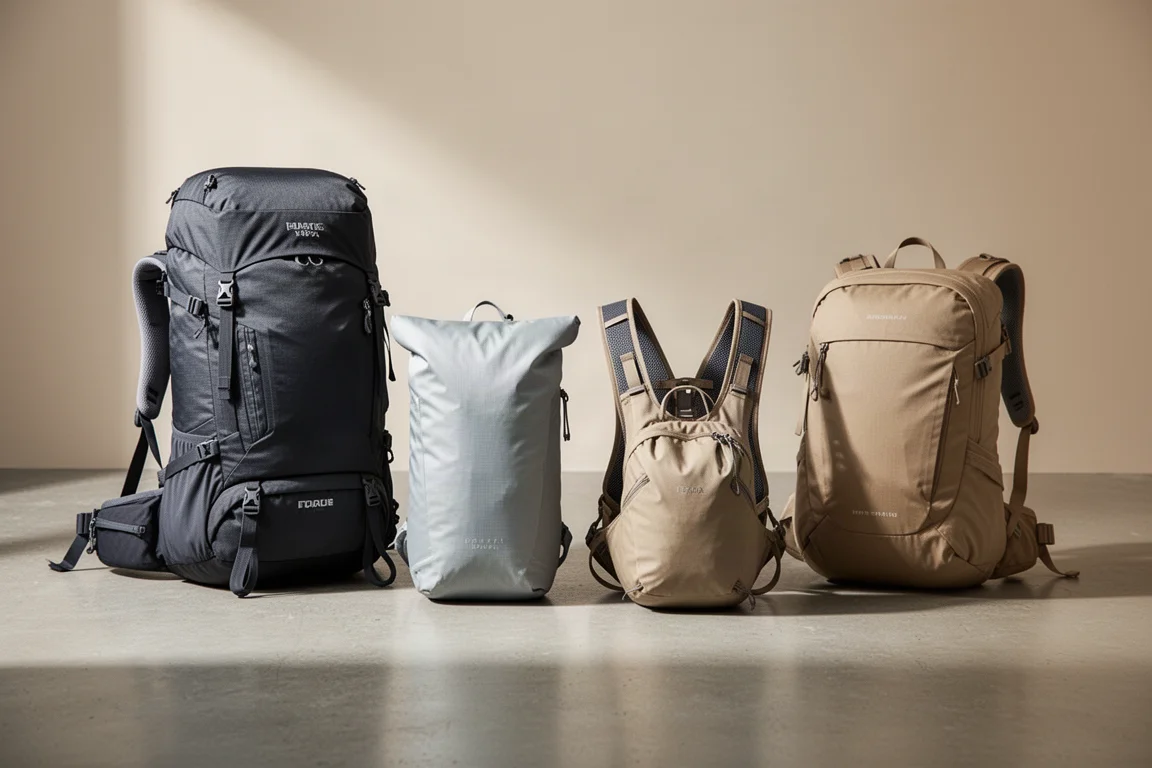
Backpacking Pack Types Compared: Traditional, Ultralight, Frameless, and Hybrid
Four pack categories, four representative packs, and a practical way to decide which kind of backpacking pack matches the weight of your gear.
Backpacking Packs
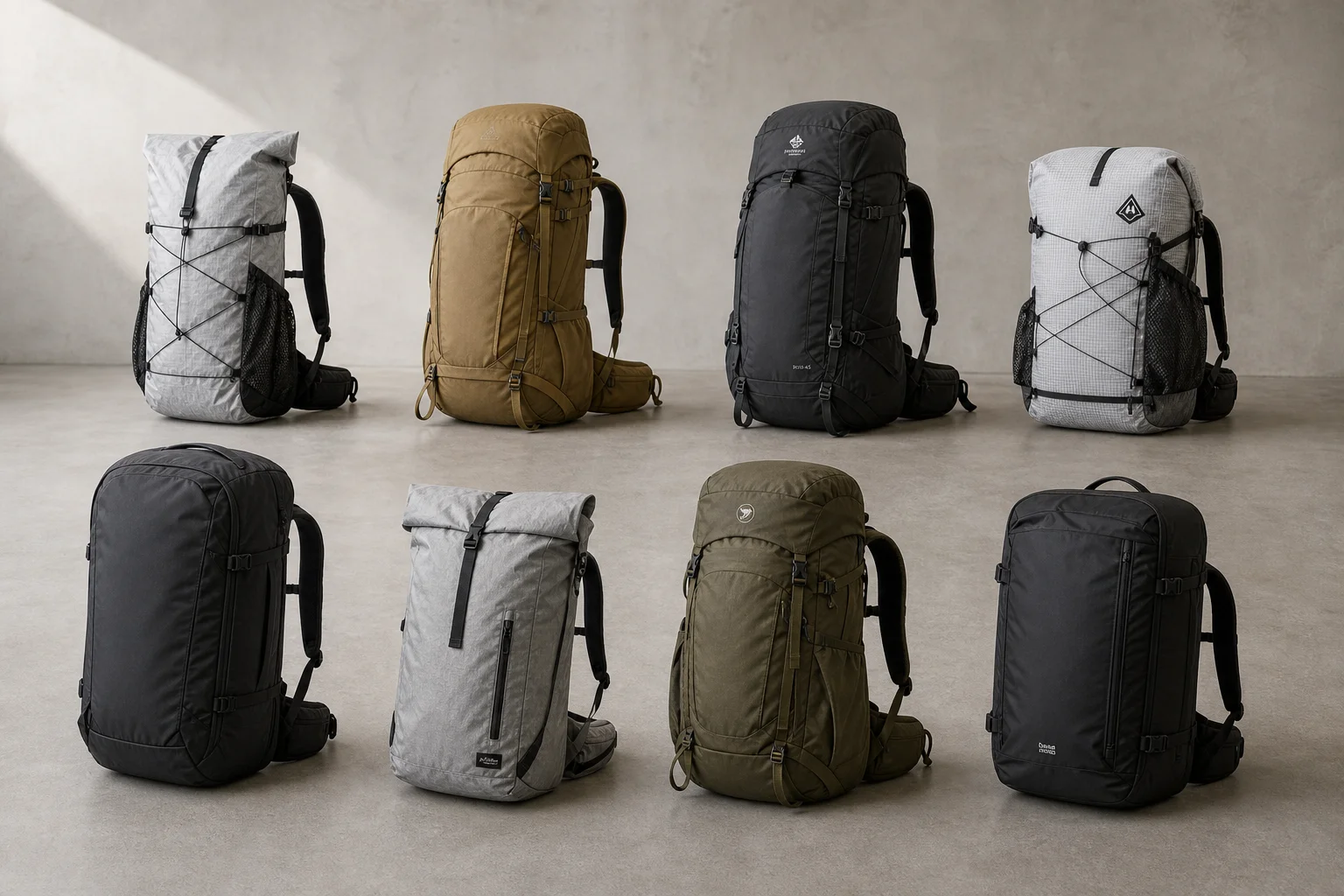
Best Backpacking Packs 2026: Six Picks for Every Style of Trip
Six backpacking packs that earned their place by weight class and purpose, with the real strengths and trade-offs to weigh before you buy.
Backpacking Packs
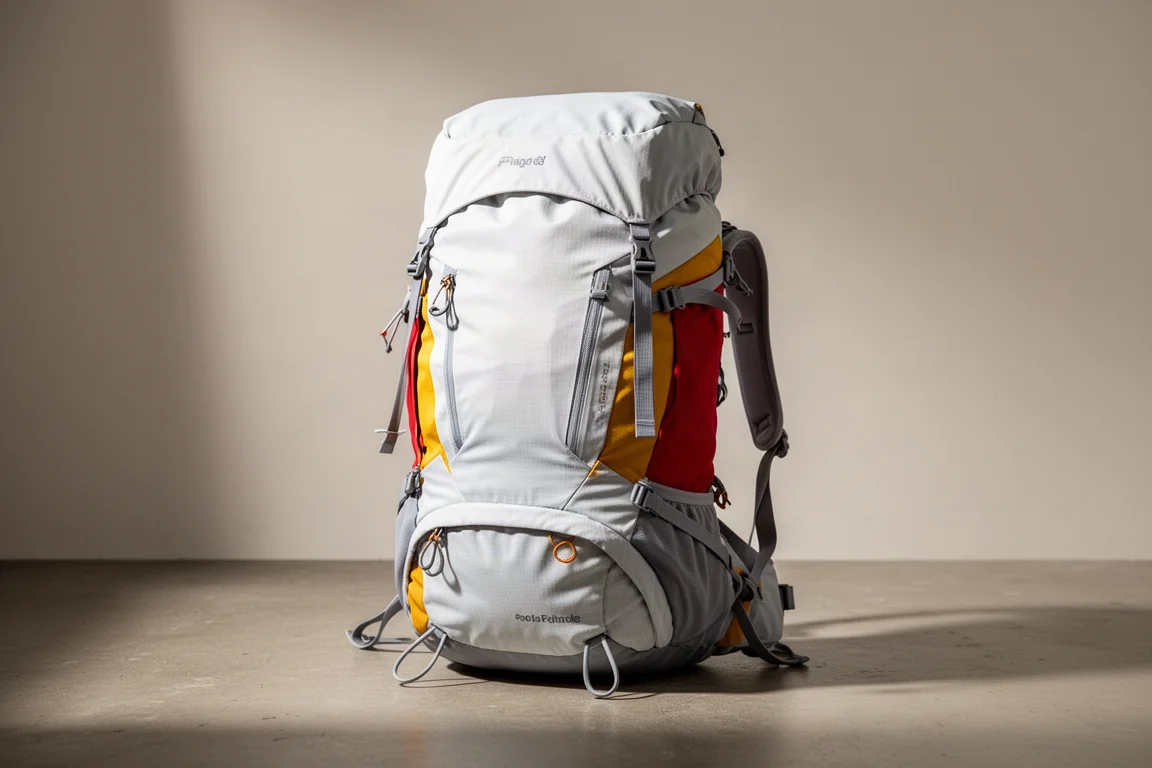
Big Agnes Prospector 50 Review: A Hybrid Pack That Sits Between Two Worlds
A 50-liter backpacking pack that mixes ultralight features with traditional padding and panel access. Here is who it suits and where it falls short.