Aquarium Kits
Superfish Start 150 Review: A Budget All-in-One Aquarium Kit for Planted Tanks
The Superfish Start 150 bundles a 146-litre tank, LED lid, internal filter, heater and starter accessories into one low-cost kit. Here is how it holds up as a planted aquarium.
Introduction
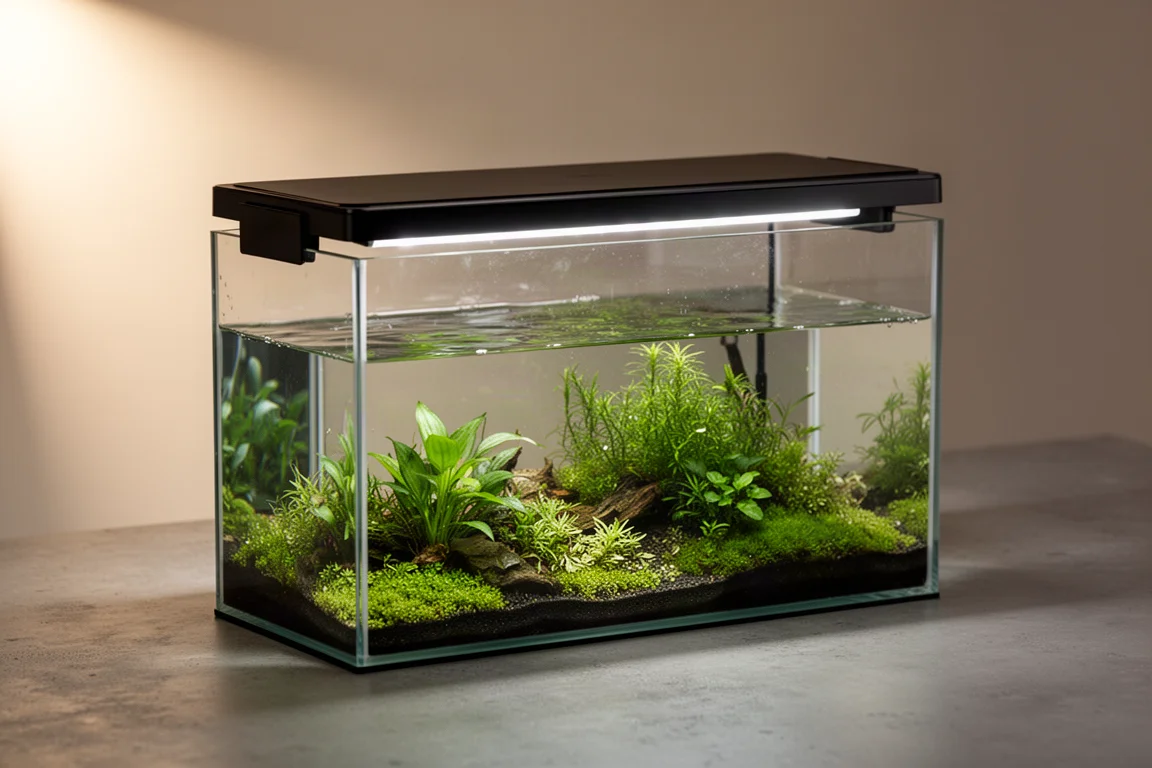
The Superfish Start 150 is an all-in-one starter aquarium aimed squarely at the entry end of the market, and it is one of the most affordable ways to begin keeping fish. The version covered here is the 150, a 146-litre tank that sits at the top of a range of sizes, so smaller versions exist for smaller spaces and smaller budgets. It is available in black or white, and both finishes use the same frame and lid design.
What makes the kit interesting is not only the price. The box contains a tank, a fitted lid with an integrated LED strip, an internal filter, a heater, a thermometer, a net, fish food and water treatment, which means a beginner can go from unboxing to a running aquarium without hunting for extra parts. The open question is whether a kit at this price point can support a proper planted aquascape, with layered stone, rooted wood and a group of fish that looks good in a living room. The short answer is yes, with a couple of optional additions.
Who This Kit Is For
This kit suits the first-time keeper who wants a single purchase that covers the essentials, and anyone who wants a tidy framed tank that looks at home in a living room rather than a bare glass box on a stand. The range of sizes matters here: choose the version that fits the space you have and the budget you want to spend, since the 150 is the largest and the most expensive of the line, yet still inexpensive for what it includes.
It also suits a keeper who plans to upgrade gradually. The lid has a second slot for an additional LED strip, and the filter and heater can be supplemented or replaced later, so the kit can grow with the hobby instead of being swapped out after a year.
That flexibility is what separates a starter kit worth buying from a dead end. The essentials are covered on day one, and the parts most likely to be improved later are the ones with an obvious upgrade path, which keeps the initial spend low without locking anyone into a setup they will outgrow.
What Comes in the Box
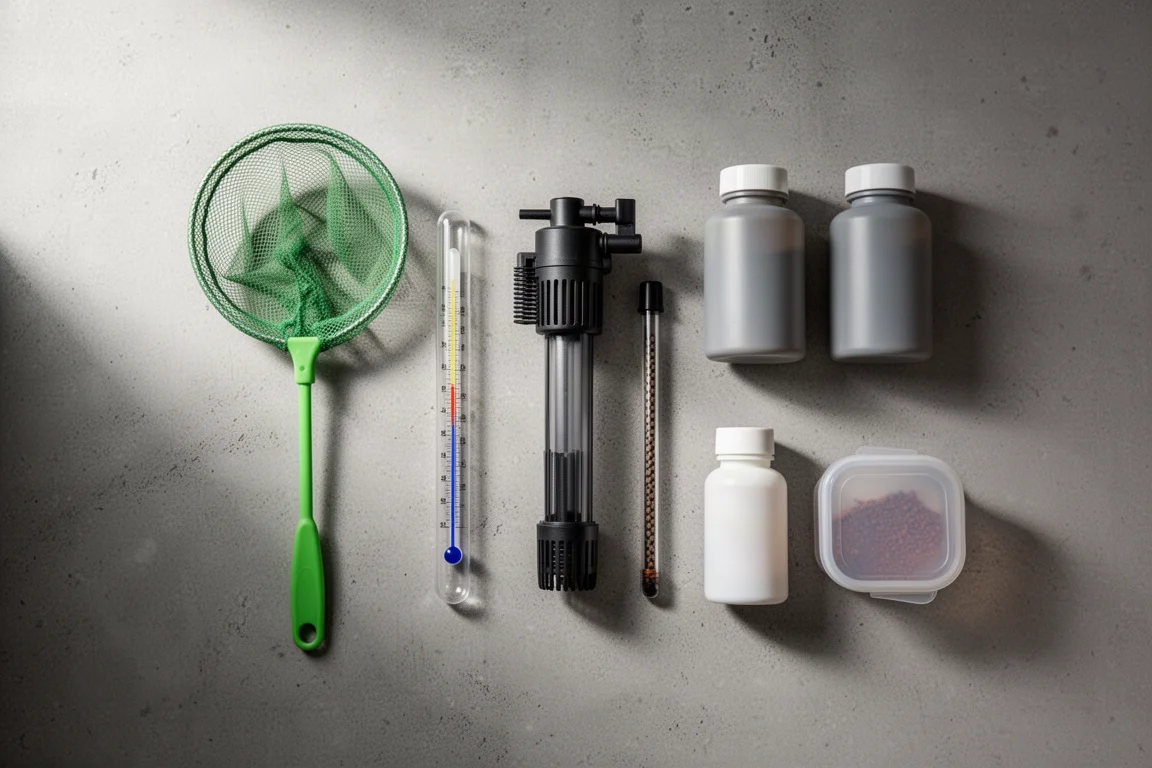
Unpacking is straightforward. Alongside the tank and lid you get an internal filter, a heater, a thermometer, a net, fish food, and a water treatment that covers both beneficial bacteria and tap water conditioning. The lid feels more substantial than the price would suggest, and the tank itself has a reassuring weight to it.
Two details stand out. The first is the heater, which is included even though a warm room may mean you never need to run it. The second is that the kit genuinely covers the first fill and the first fish, so there is no separate shopping list of small items that quietly pushes the total cost upward.
Main Strengths: Tank, Lid, and Lighting
The frame and lid give the aquarium a very neat finish. The top is tidy, the proportions are clean, and the whole thing reads more like a piece of furniture than a budget tank. At 146 litres there is real depth from front to back, which leaves room for a layered layout with stonework in the middle and planting space behind it.
The standard lighting is a single LED strip built into the lid. It is bright enough for undemanding plants such as anubias and Java fern, which is a sensible baseline for a starter kit. For demanding, fast-growing plants there is a second slot in the lid for an extra strip. The additional strip brings red and blue LEDs alongside white, and the difference in colour rendition is noticeable: greens and reds in the plants look richer, and the blue and red tones on small tetras pick up considerably.
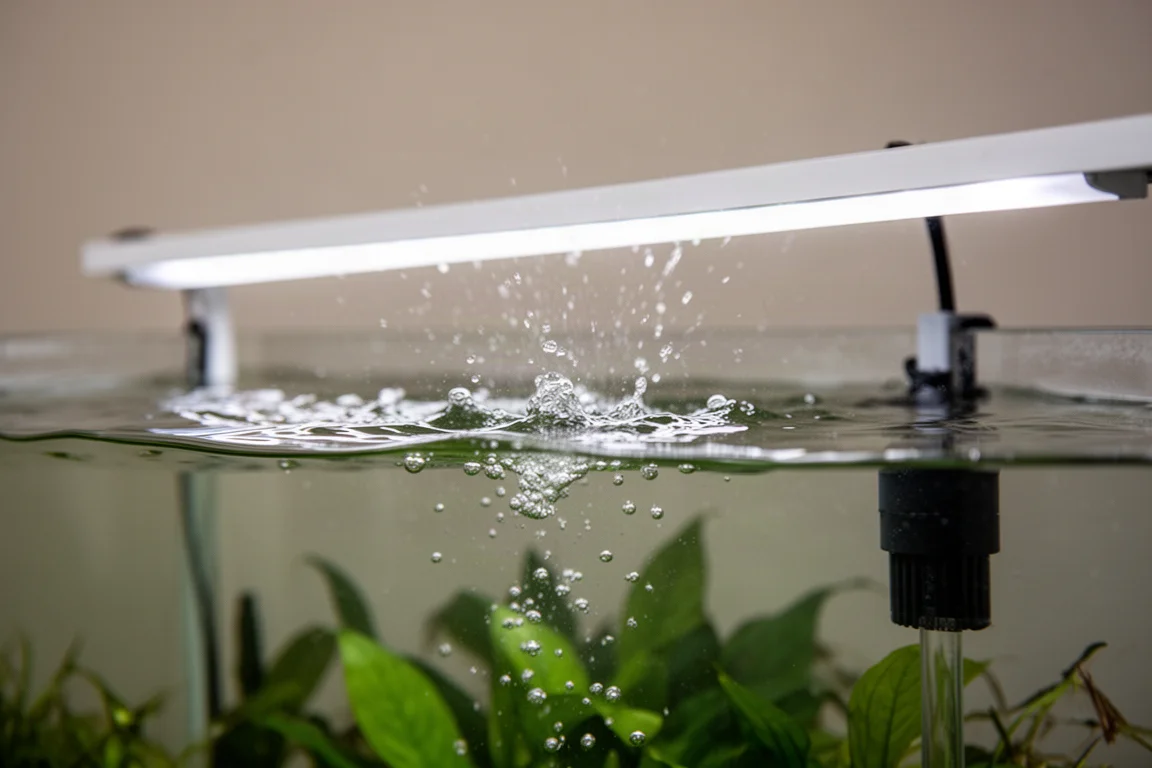
Because the aquarium is tall, light has to travel a fair distance to reach the substrate, and that is the main reason a second strip is worth considering for a heavily planted layout. For a simpler setup built around ferns and slow-growing species, the single strip is enough, and there is no obligation to add anything at all.
Filtration, Heater, and Water Treatment
The kit includes an AquaFlow XL internal filter with a spray bar, four suction cups on the back, and directional flow you can aim where you want it. Inside there are two sponges and a bag of ceramic media, which together provide mechanical and biological filtration. Positioned in a back corner and screened by plants, it disappears from view almost entirely.
Out of the box the flow is strong and produces visible surface agitation. That is useful for gas exchange, but it can be brisk for slow-moving fish, so the flow can be turned down and the spray bar angled to soften it. The heater is included as well, though in an already warm room it may not be needed.
Beneficial bacteria and a tap water treatment are part of the kit. The bacteria is best added once fish are producing waste, since the colony needs that waste to establish and multiply. It colonises the ceramic media in the filter and also works into the substrate, which acts as a large additional filtration surface in a planted tank.
Main Strengths: Substrate, Hardscape, and Planting
The layout starts below the waterline. A nutrient base layer with root tabs goes in first, capped with a planting base of crushed lava rock and sand, then finished with a decorative sand in the foreground. The crushed lava rock adds nutrients and provides a large surface area for beneficial bacteria. The substrate is sloped so it is deepest at the back and shallowest at the front, which creates a sense of depth and leaves a generous zone for roots to spread.
Because the tank is tall, the hardscape is built high. Stone is arranged as a few separate islands rather than one solid mass, and pieces of wood and root are positioned so they reach toward the surface. Root pieces are glued in place with cyanoacrylate gel, and any visible glue is covered with a sprinkle of sand. Fine gravel and detail stones then blend the different materials together, and offcuts of root are glued creeping across the foreground stone so the layout reads as established rather than freshly assembled.
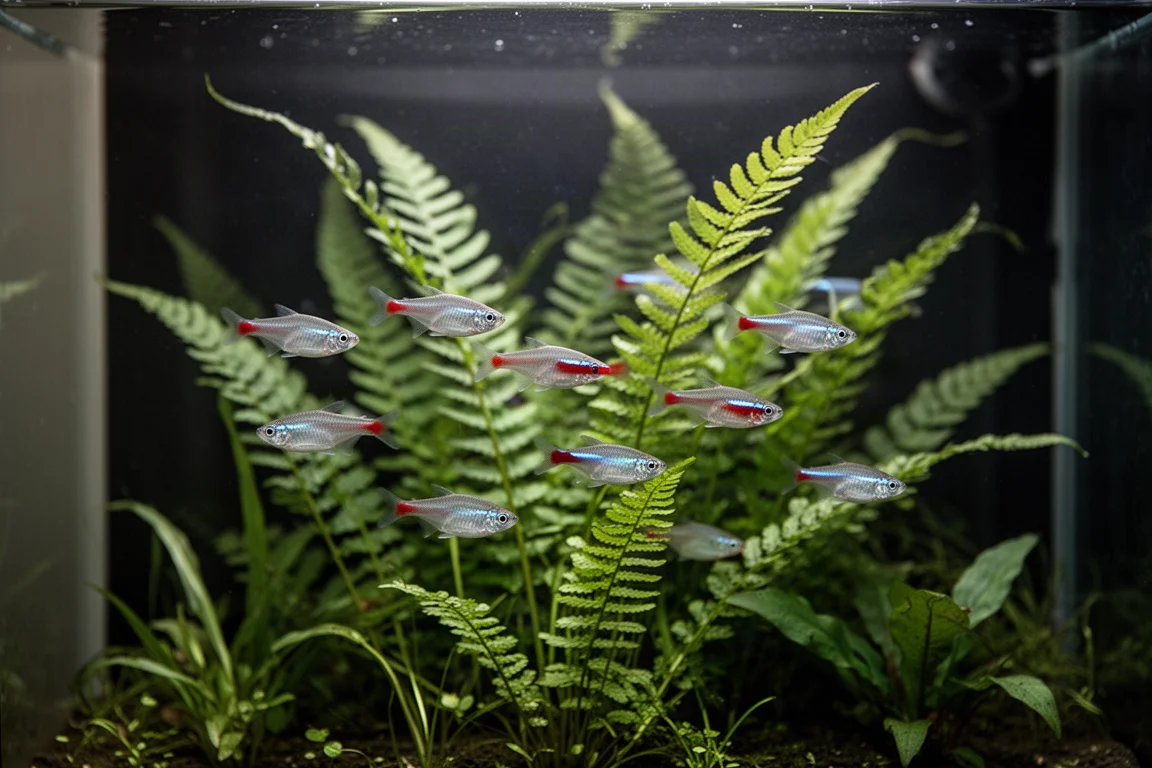
Planting follows, and it is easier to fill the tank partway before adding stems, because you can see exactly where each plant lands. Feature plants such as Bolbitis, Java fern, Monte Carlo and a small-leafed Cryptocoryne go in first, with stem plants behind them, including Ludwigia varieties, pearl weed and limnophila. A practical note on cost: buying a few pots of stems, letting them grow, then trimming and replanting the cuttings fills a tank within a few months at a fraction of the price of buying the finished look in one go. Fast-growing stems such as pearl weed and limnophila are especially good value for beginners because they grow quickly and take up excess nutrients.
Stocking the Tank and How It Runs Day to Day
In a densely planted aquarium, a group of around 20 female bettas can be kept together with a shoal of neon tetras, plus a few cardinals and embers. Dense planting is what makes that kind of grouping work: the wood, stone and stems break line of sight and give each fish its own territory. Keeping numbers up rather than low also spreads any aggression, in much the same way that a large group disperses disputes among cichlids.
Snails make a useful cleanup crew in a planted tank. They break down waste so it works into the substrate, where plant roots take it up. If the tank is not overfed, the population tends to stabilise at a steady level rather than exploding.
A few running notes help with day-to-day maintenance. Pile a little extra gravel in one corner so that when you refill after a water change, the hose can trickle down without disturbing the substrate or the nutrient layer beneath it. Water clears quickly once the filter is running, and a fine filter floss can polish the last of the haze if any remains after the first fill.
Things to Consider Before Buying
- The single standard LED strip suits undemanding plants. For a demanding, heavily planted layout, budget for the second strip from the start.
- Flow from the internal filter is strong and may need turning down for slow-moving fish.
- A heater is included, but if the room is already warm you may not need to run it.
- The 146-litre version needs a sturdy, level stand. It is heavy when filled, so sort out an uneven floor before setup rather than after.
- The finished aquascape look costs more than the kit. Plants, substrate, stone and wood are separate purchases, and buying the complete look in one go is expensive.
- Protective stickers on the glass need careful removal. A blade helps, but rushing it risks marking the surface.
- As an entry-level kit, the filter and lighting are the parts most likely to be upgraded later.
Buying Advice
Choose the size that fits the room and the budget first, then decide how far you want to take the planting. The 150 is the largest and most expensive version in the range, and it is still inexpensive relative to what is in the box: a 146-litre tank, a lid with integrated LED, an internal filter, a heater and the starter accessories.
If you want a simple setup built around ferns and slow-growing plants, the kit as supplied will do the job. If you want a lush planted tank, add the second LED strip and plan the planting budget separately. Feature plants and hardscape create the impact; stems fill in around them and can be propagated from cuttings over the following months, which keeps the long-term cost down.
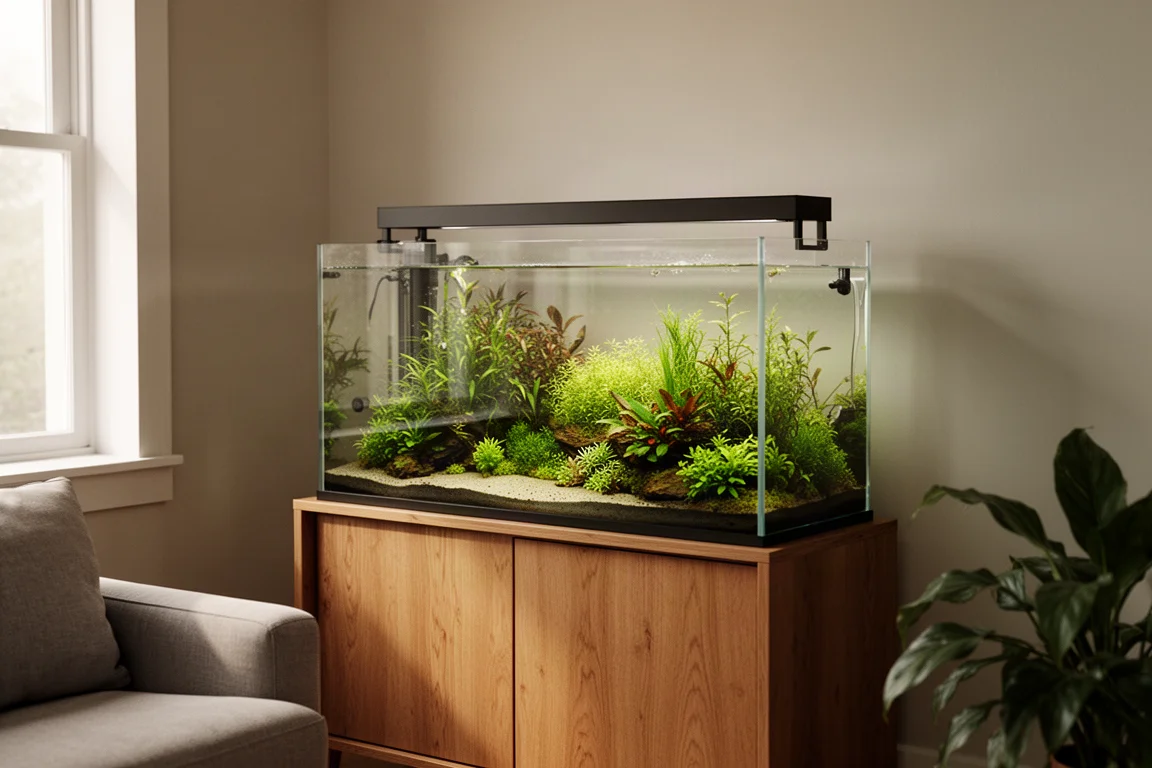
For anyone starting out, this is a low-risk way to begin. The kit covers the essentials, looks neat in a living space, and leaves clear room to upgrade lighting and filtration as ambitions grow. Match the size to your space, decide on the planting level you want, and the rest of the setup follows naturally.
Conclusion
The Superfish Start 150 does what an entry-level all-in-one kit should do. It removes the guesswork from a first purchase, it looks tidy enough to live with, and it is built well enough to keep. With a nutrient-rich substrate, a high hardscape and a mix of feature plants and stems, it can hold its own as a planted aquarium, and the optional second LED strip opens the door to more demanding planting.
Buy it if you want a complete, affordable start with room to grow. Add the second strip and a plant budget if you want the full aquascape look, and expect the tank to improve over the first few months as the plants fill in and the water settles.
Product link
View more details for Superfish Start 150
This product is mentioned in the review. Check the specifications, options, and compatibility before buying.
View more details for Superfish Start 150Further reading
Related Reviews
Aquarium Kits
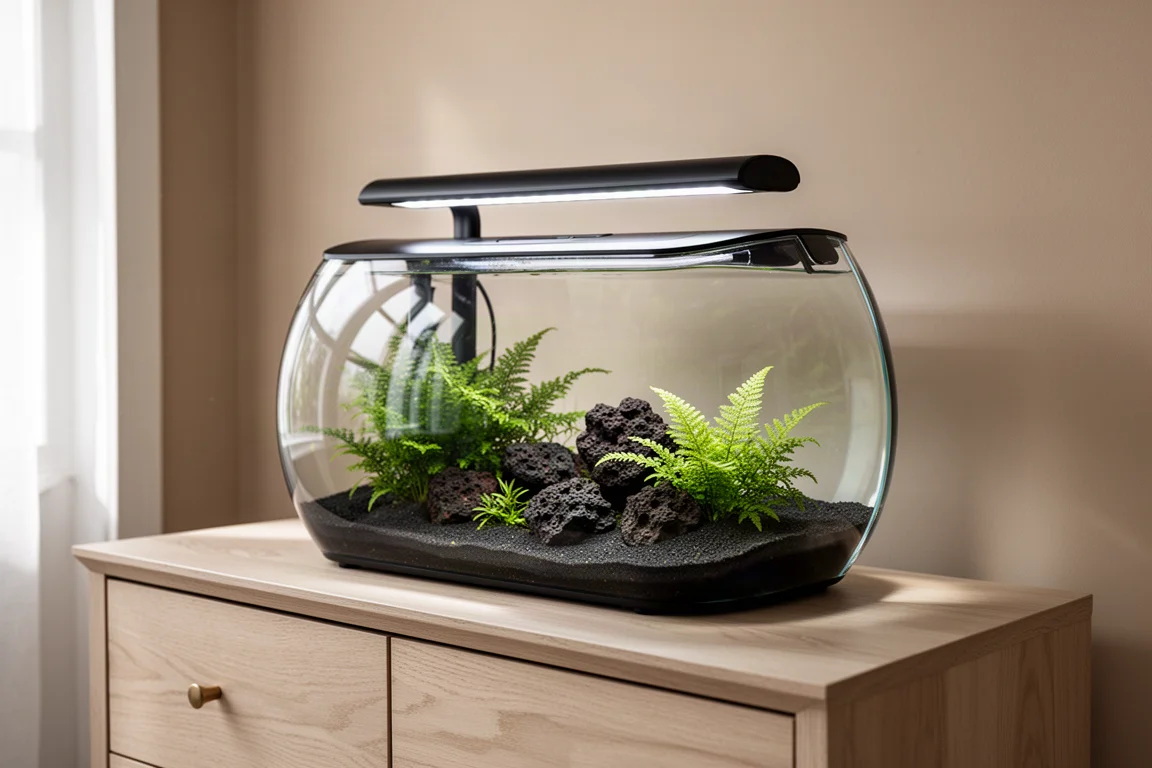
Fluval Flex 2.0 Review: A Compact All-in-One Aquarium That Impresses
A practical look at the Fluval Flex 2.0, covering its built-in filtration, RGB LED lighting, easy planted setup, and the trade-offs to check before buying.
Aquarium Kits
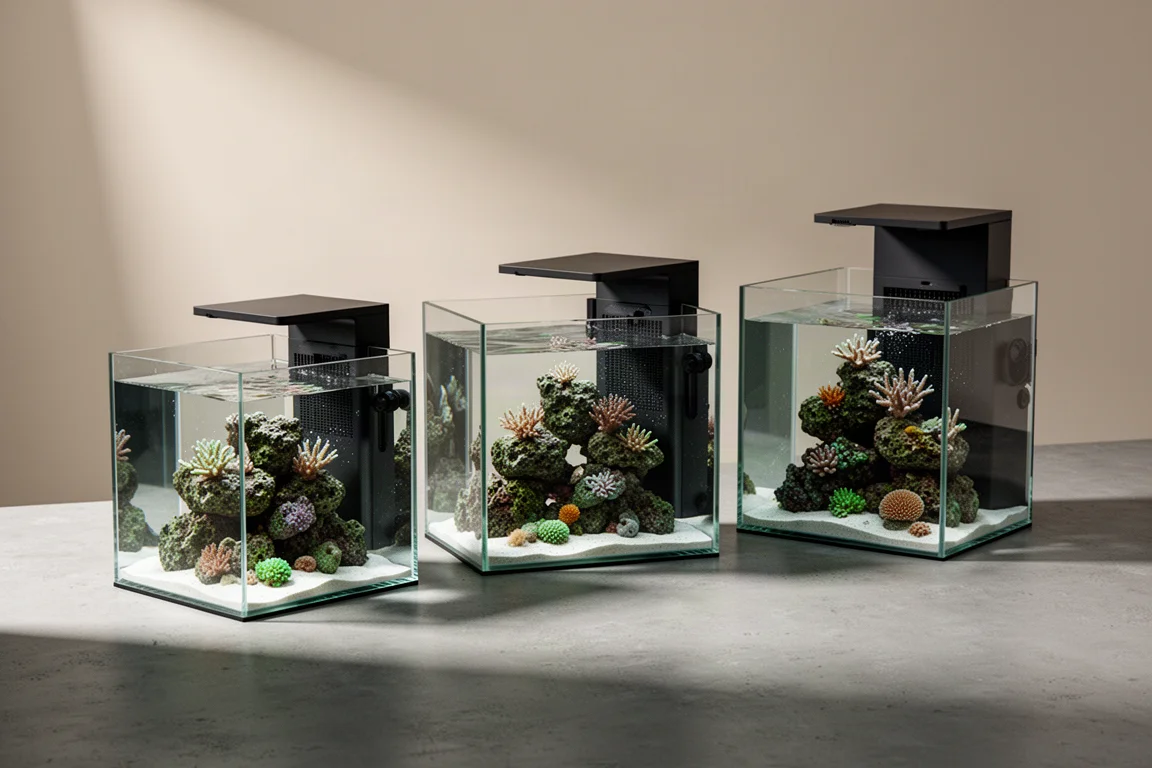
PNW Custom Nano Reef Tanks: Three Compact All-in-One Kits Compared
A closer look at three PNW Custom all-in-one reef tanks, from a 40 oz micro system to a 5 gallon kit, including what each one ships with and who it suits.
Aquarium Kits
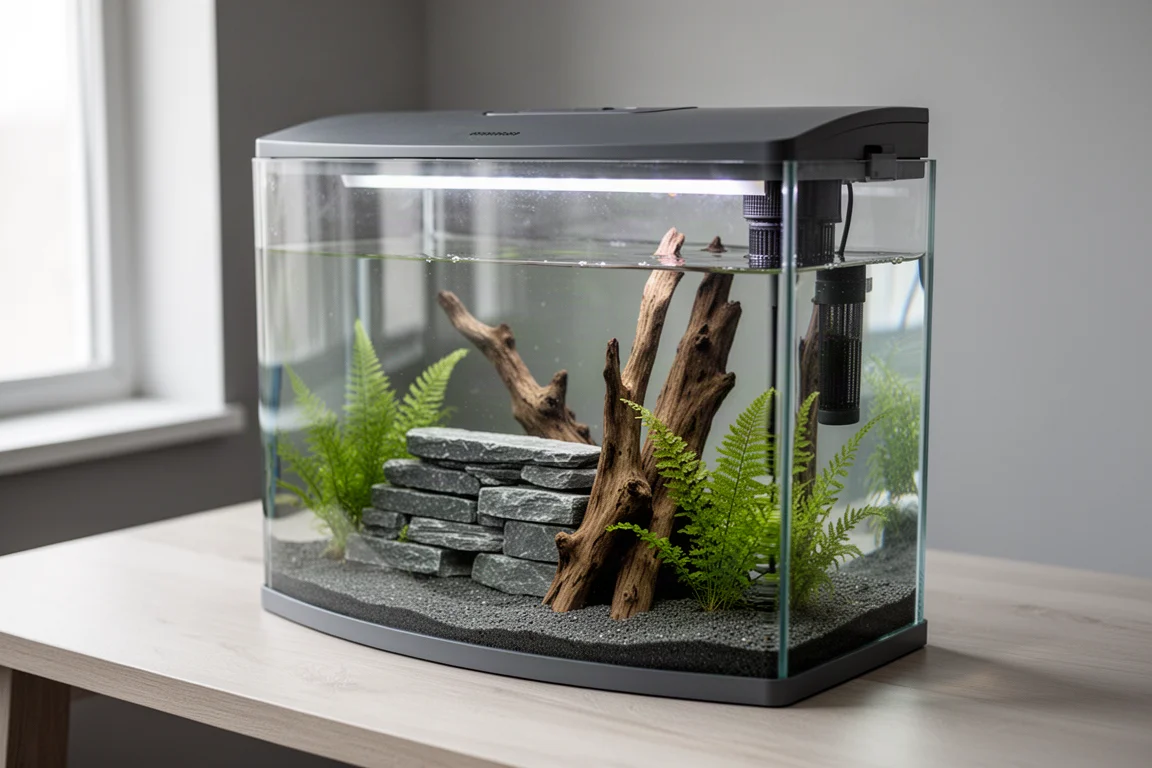
Superfish Panorama 35 LED Review: A Compact All-in-One Nano Aquarium Kit
A practical look at the Superfish Panorama 35 LED kit, its top filter and 6W LED, plus the Superfish Scaper LED 64 as a low-cost lighting upgrade.