Backpacking Gear
Super Ultralight Backpacking Gear: 8 Pieces That Make a Five-Pound Base Weight Work
A practical look at eight super ultralight backpacking items, what each one does well, and the trade-offs worth weighing before you buy.
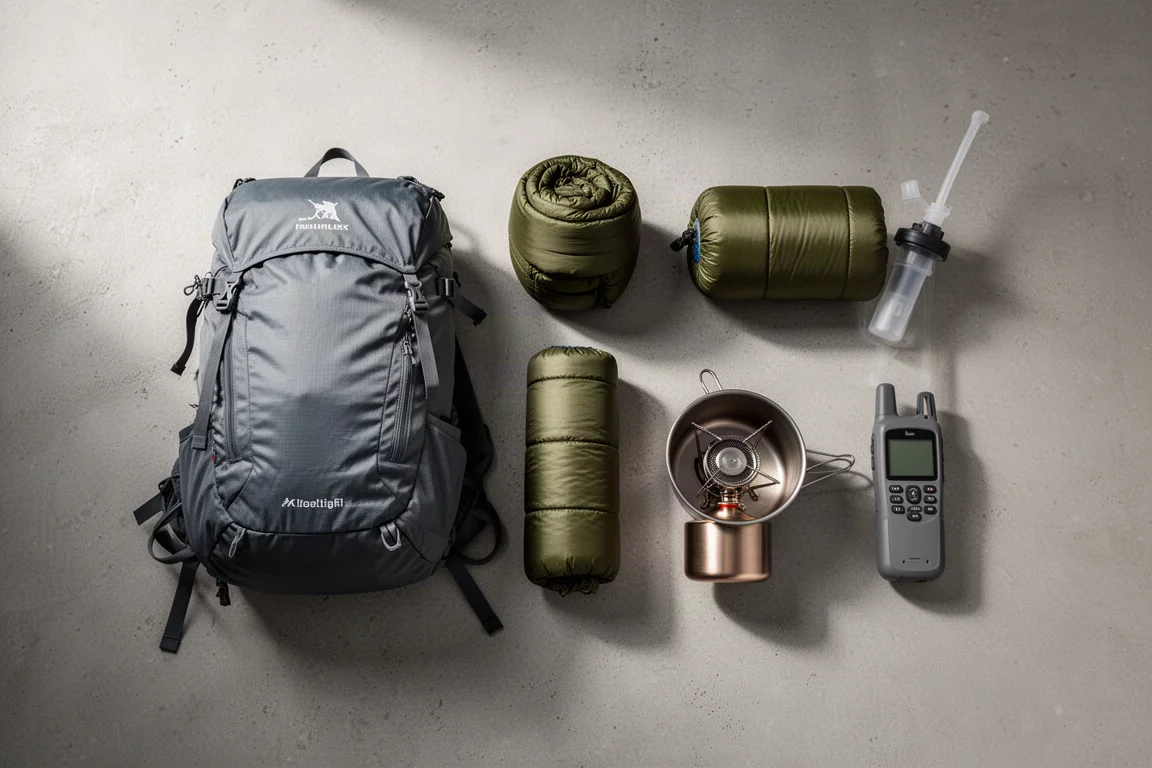
Introduction
Super ultralight backpacking is built around a hard number: a base weight of roughly five pounds, with food and water bringing the total pack in under ten pounds. Reaching that number without giving up shelter, warmth, water treatment, or a way to call for help takes deliberate choices, and it means accepting a few trade-offs along the way. The eight items below are the ones that carried their weight on a real backcountry trip, and each one is worth understanding on its own terms before you buy.
What Makes a Super Ultralight Kit Work
The pattern across this kit is that every category is covered by the smallest version of a familiar object. The shelter pitches from a single trekking pole. The sleeping pad compresses to roughly the size of a soda can. The quilt uses one strap instead of a full attachment system. The cook kit nests inside a 550 ml titanium pot, and the water filter rides on a shoulder strap instead of inside the pack.
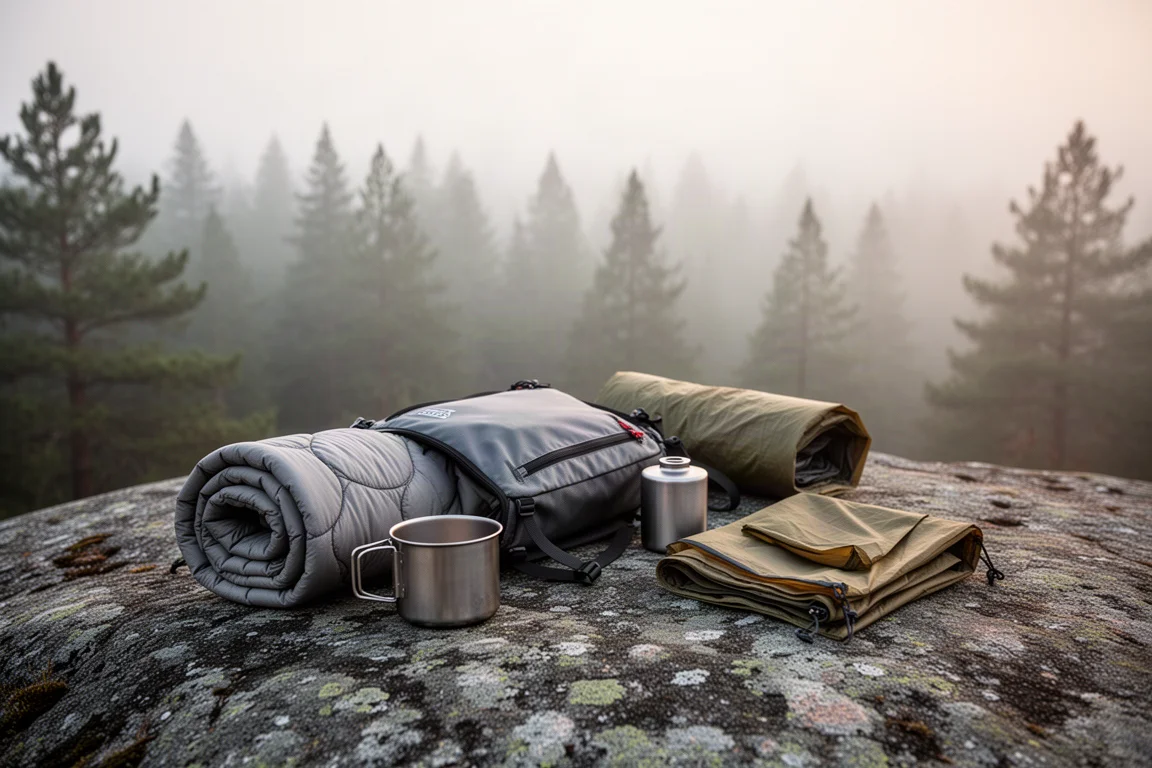
What separates this list from a simple exercise in cutting grams is that none of these items exist purely to save weight. Each one still performs the job it was bought for, and the compromises, where they exist, are specific and predictable rather than vague. That is the difference between a kit that works and a kit that only looks light on a spreadsheet.
The Pack: Durston Wapta 30
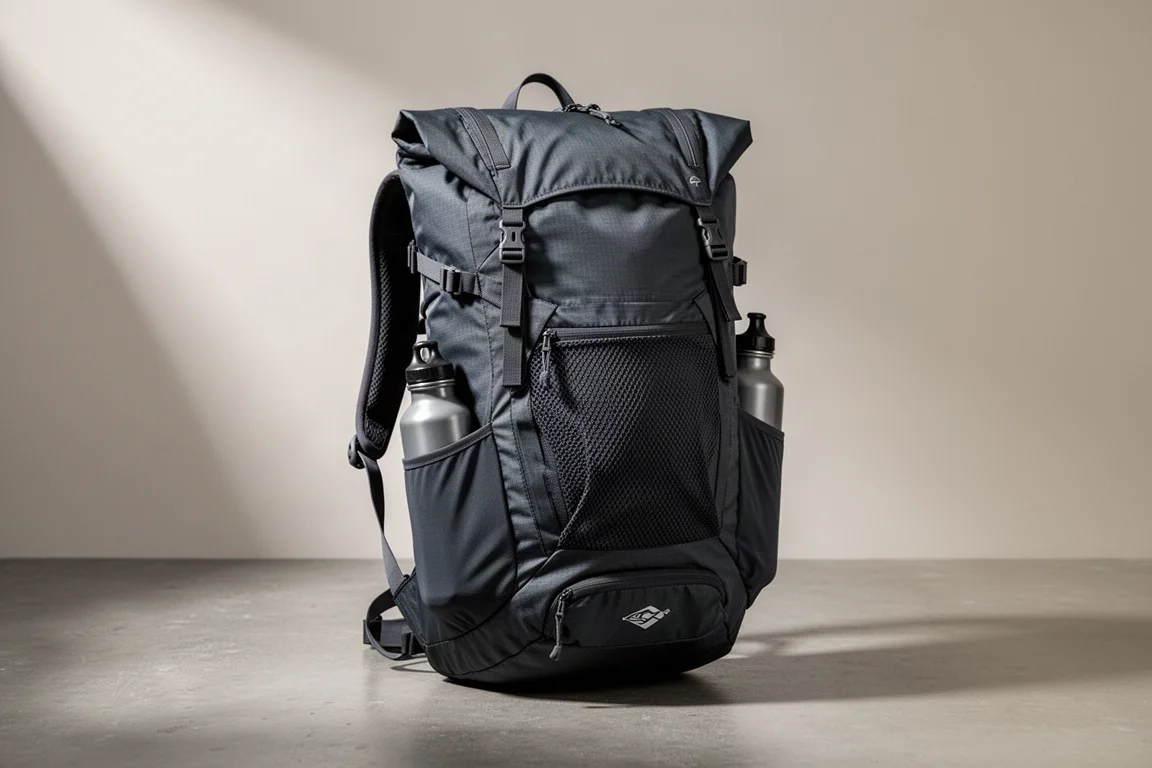
The Durston Wapta 30 is modular by design. It can be run with a hip belt and a full set of straps, but in minimalist mode, without the hip belt and the extra straps, it comes in under 400 g. That flexibility is what makes it useful across a wide range of trips rather than only the lightest ones.
Weight carry is the second strength. Even without a hip belt, the pack handles loads up to about 30 lbs comfortably. Much of that comes down to shoulder straps that carry just enough padding for that kind of load without adding bulk, plus foam paneling on the back that gives the pack structure.
The third strength is access. A pack this light encourages long days and constant movement, which means the items you need during the day should never be buried. The Wapta 30 provides two shoulder pockets, two easily reachable side pockets for water, a large front pocket, and a bottom pocket that suits snacks and small essentials.
At this weight class there is very little to criticize. The main consideration is that minimalist mode removes hip-based load transfer, which matters only if you plan to carry loads heavier than the pack is designed for.
Shelter: Zpacks Plex Solo Lite
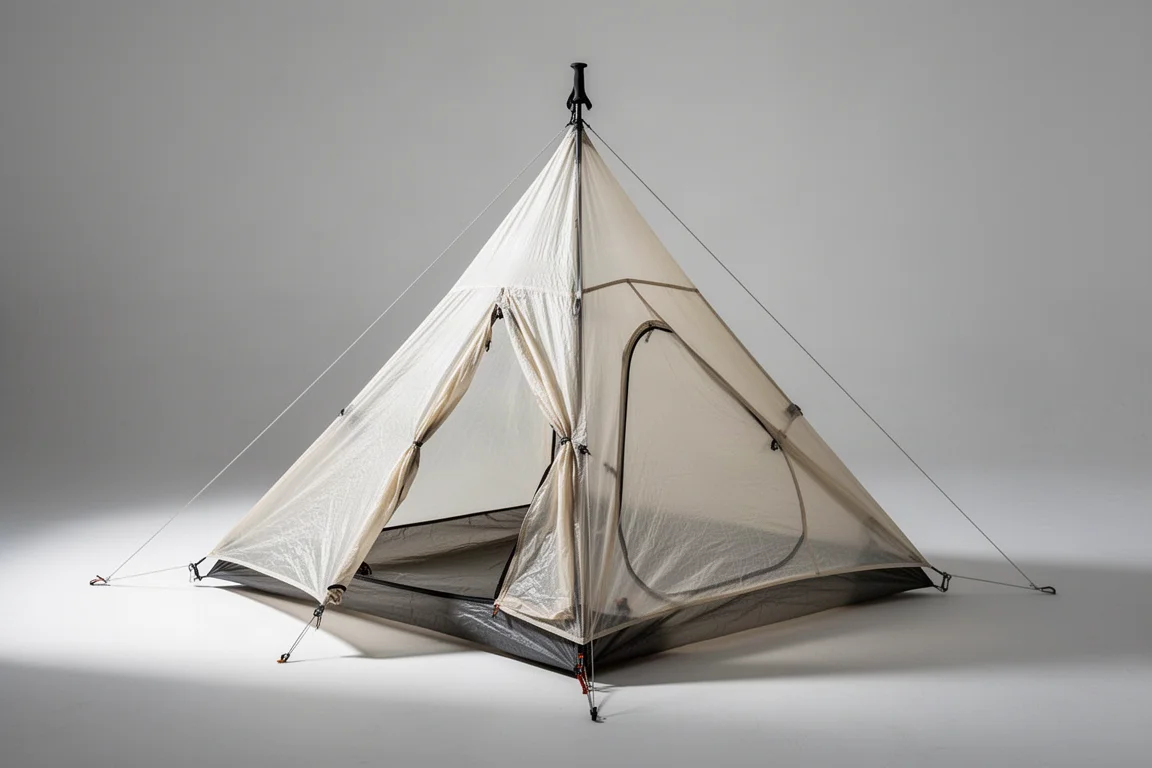
The Plex Solo Lite pitches with a single pole, which is a meaningful advantage for two reasons. It simplifies setup at the end of a long day, and it adds redundancy: if one trekking pole breaks, the shelter can still be pitched. The Dyneema fabric is also easy to wipe down when condensation builds inside or rain collects on the outside.
The trade-off is packed volume. For an ultralight tent it is fairly bulky, and a silpoly or silnylon shelter would pack down smaller. Interior space is compact as well, and some hikers find it too tight. It is a small tent by any measure, though the footprint has proven workable for high-mileage use.
Sleep System: Nemo Tensor Elite
The Tensor Elite is one of the most impressive items in this kit from a weight and volume standpoint. It packs down to roughly the size of a soda can, and it is relatively comfortable compared with the only other super ultralight pad in this class, the Therm-a-Rest UberLite. At temperatures around 7 °C it kept its sleeper plenty warm.
Part of that comfort comes from the fabric. Because the material is very light, the pad has a little give to it, which does a good job of relieving pressure points. The concerns are durability and sizing: the construction is potentially fragile, and it is only offered in a 20-inch width, so anyone who prefers a wider pad will need to look elsewhere.
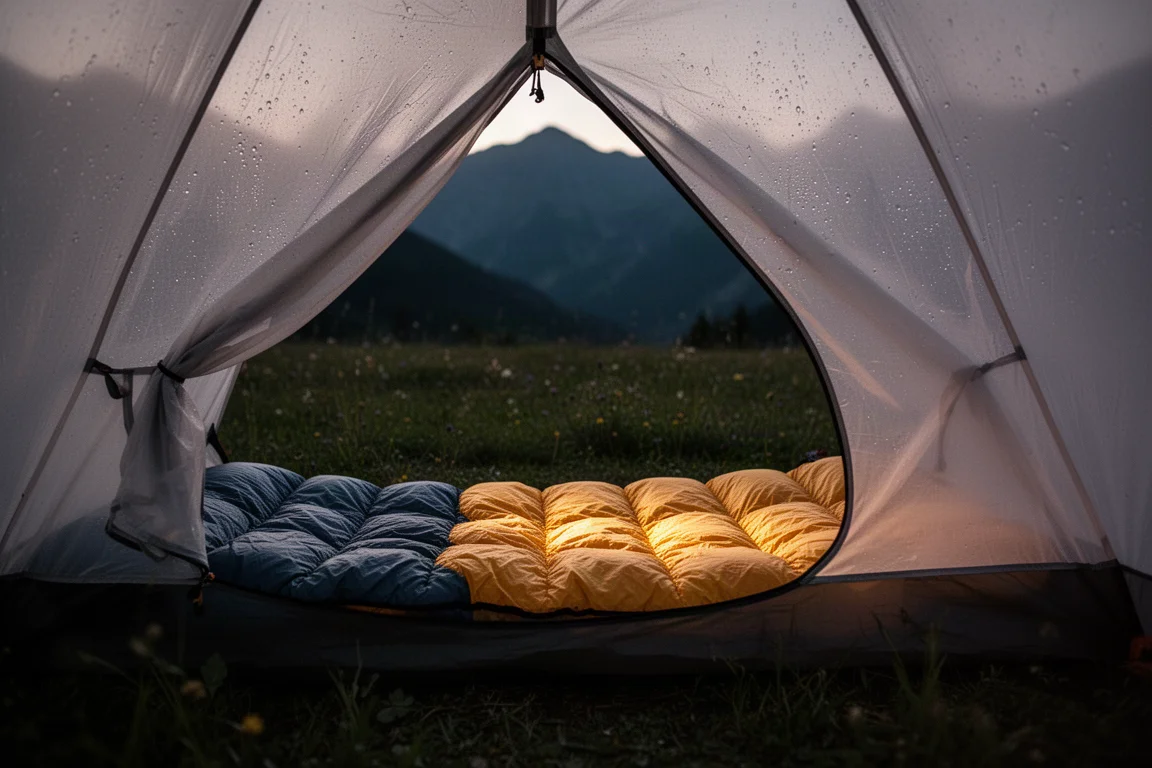
For side sleepers and anyone who has been disappointed by the comfort of the lightest pads, the combination of small packed size and a bit of surface give is the reason this one stands out, rather than the low weight alone.
Warmth: Zpacks 30° Down Quilt
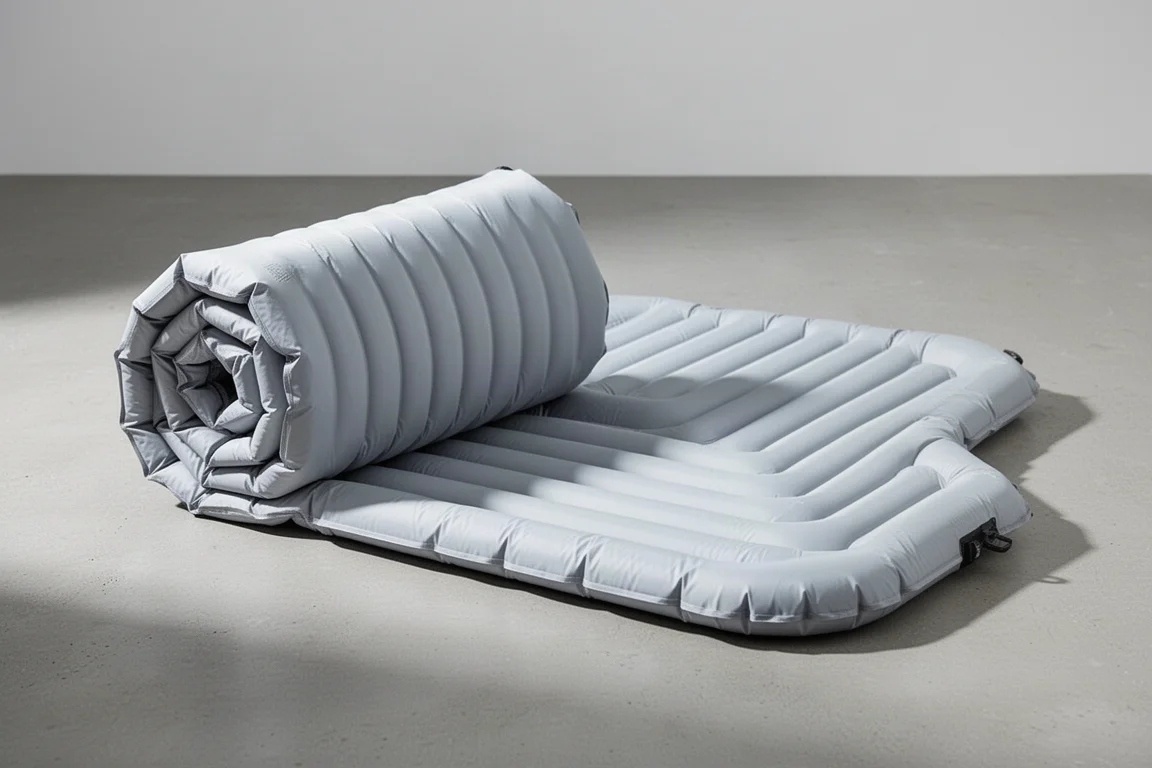
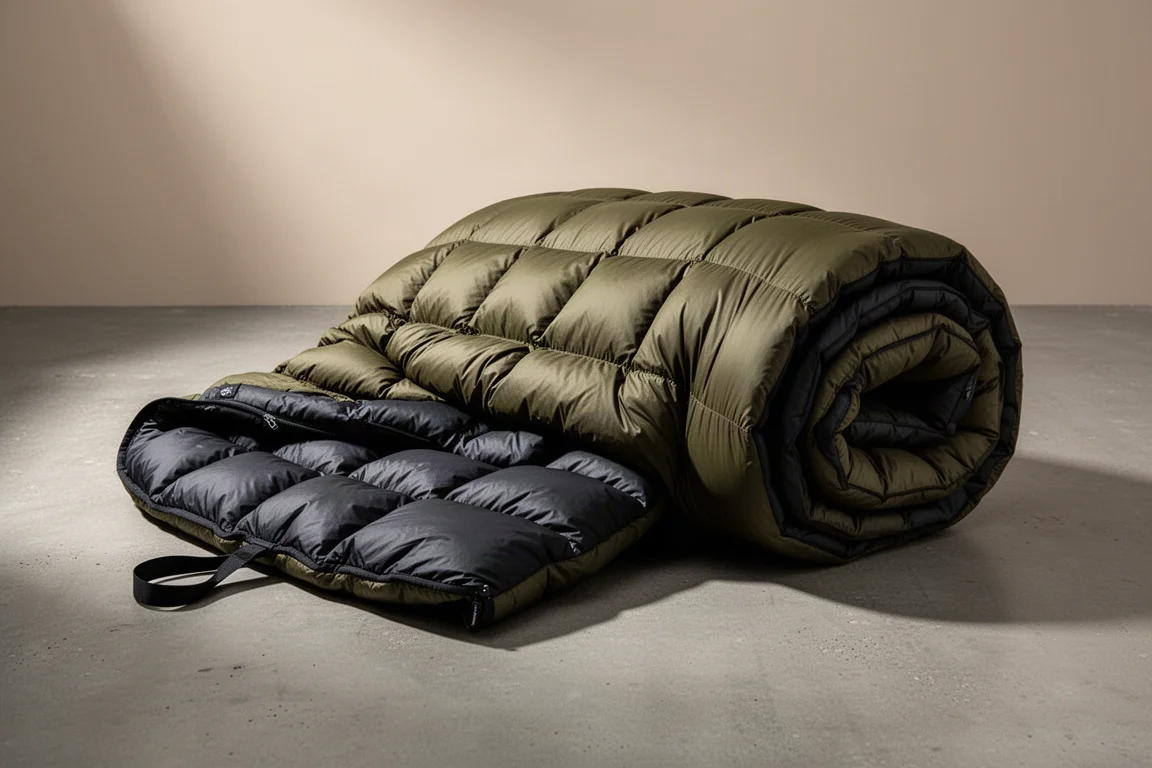
The Zpacks 30° quilt uses a 7-denier shell fabric and 950 fill power down, an aggressive combination aimed squarely at warmth per gram. It attaches to a sleeping pad with a single ultralight strap. That design raises a reasonable concern about drafts creeping underneath, but in practice it has not been a problem, and the quilt has been warm down to freezing.
The limits are worth stating plainly. Like the matching down jacket in this kit, the materials are delicate and need care. The quilt is also not built for pushing into sub-freezing conditions; a realistic comfort range sits closer to 30 to 40 °F.
Water Treatment: Katadyn BeFree
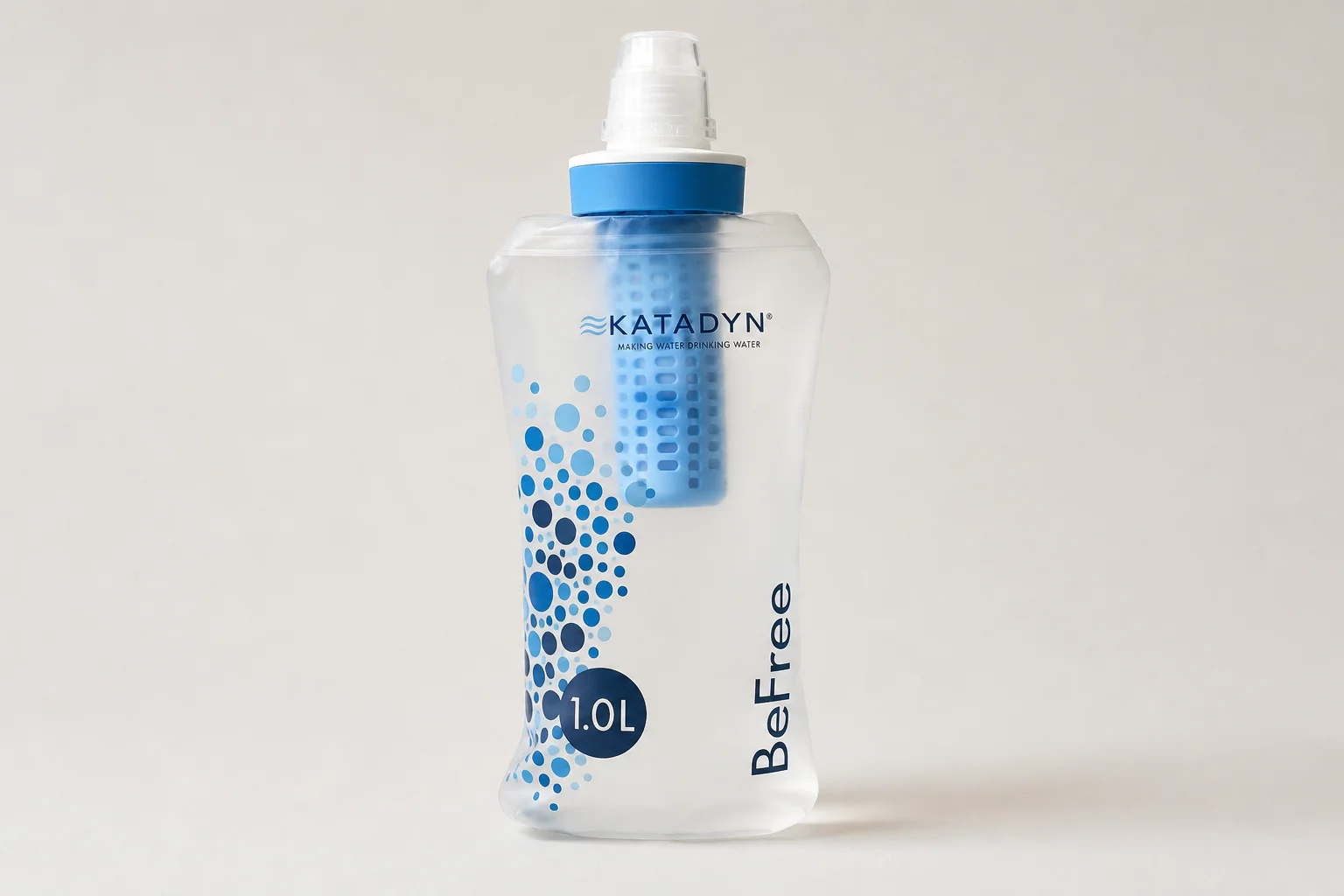
The BeFree filters quickly, which matters when you are treating water several times a day, and it is light and compact enough to live on a shoulder strap. Two long-term issues are worth knowing about: the filter can clog with use, and the soft flask is prone to developing leaks after a few years.
Safety and Messaging: Garmin inReach Messenger
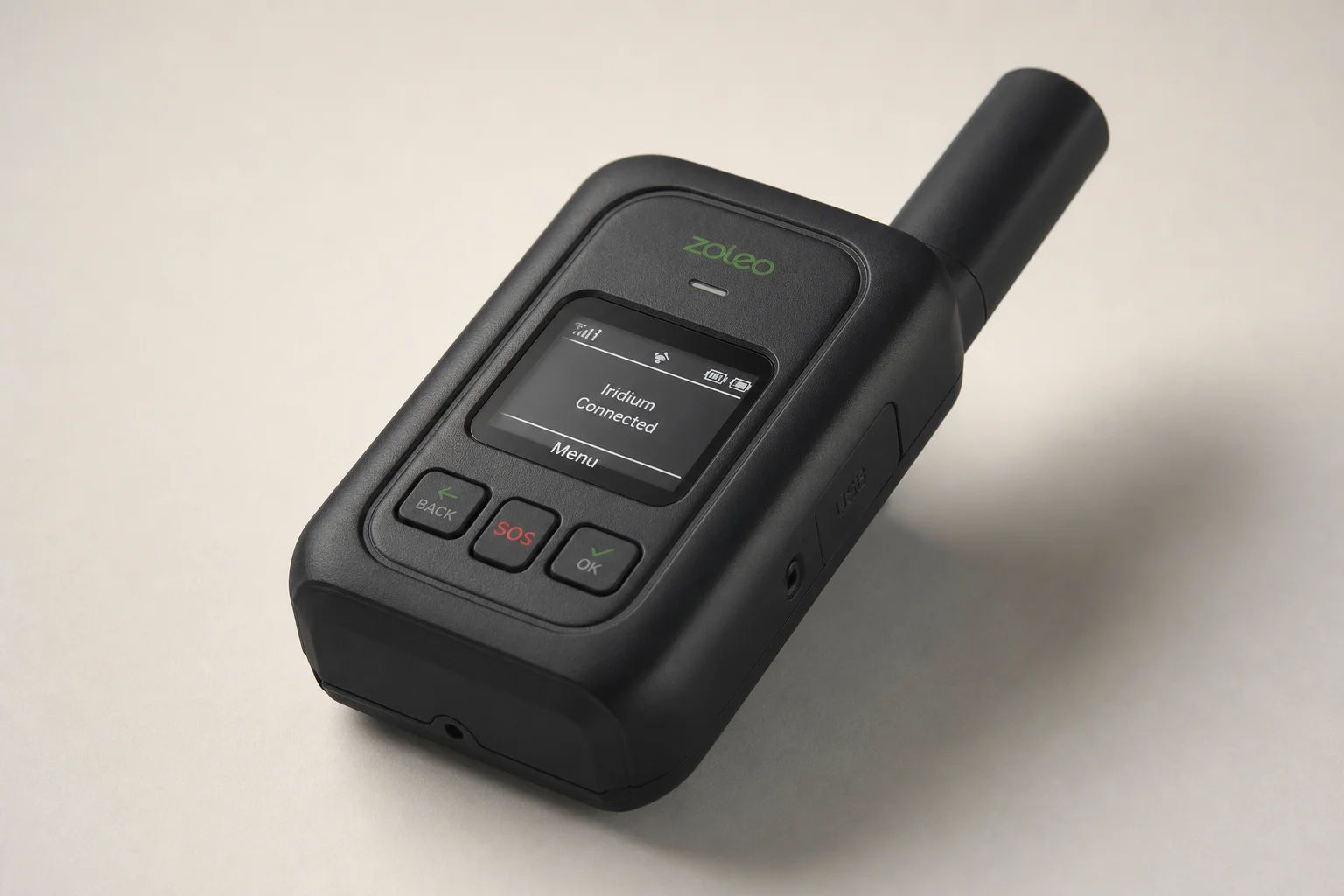
The inReach Messenger handles two jobs that matter in remote terrain. It sends and receives messages, including photos, and it provides SOS functionality when something goes wrong. For solo trips and routes far from help, that combination is the reason it stays in the kit.
The costs are real. It is one of the heaviest single items in a super ultralight setup, and it is expensive. There is a case for leaving it behind on shorter, more travelled routes, but on genuinely remote trips the messaging and emergency contact capability is hard to replace.
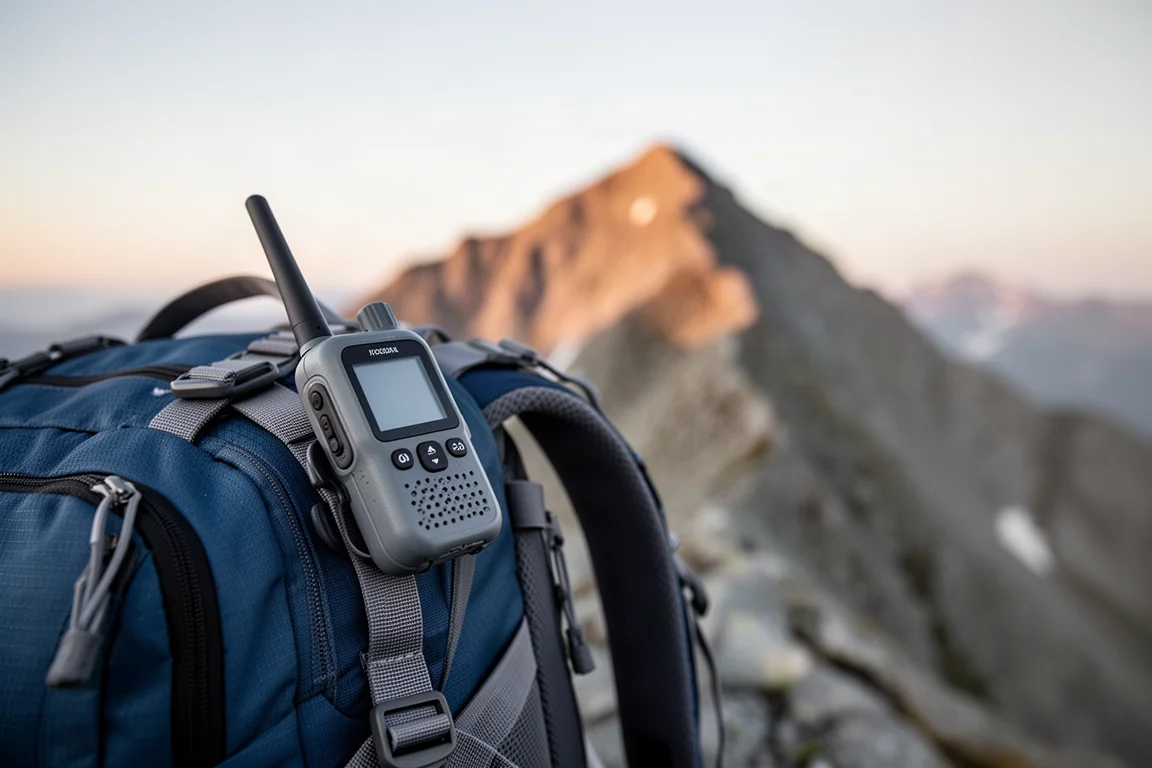
That calculation is personal, and it usually comes down to how far from help the route goes and whether someone at home expects updates along the way.
Cook Kit: Toaks 550ml Titanium Pot
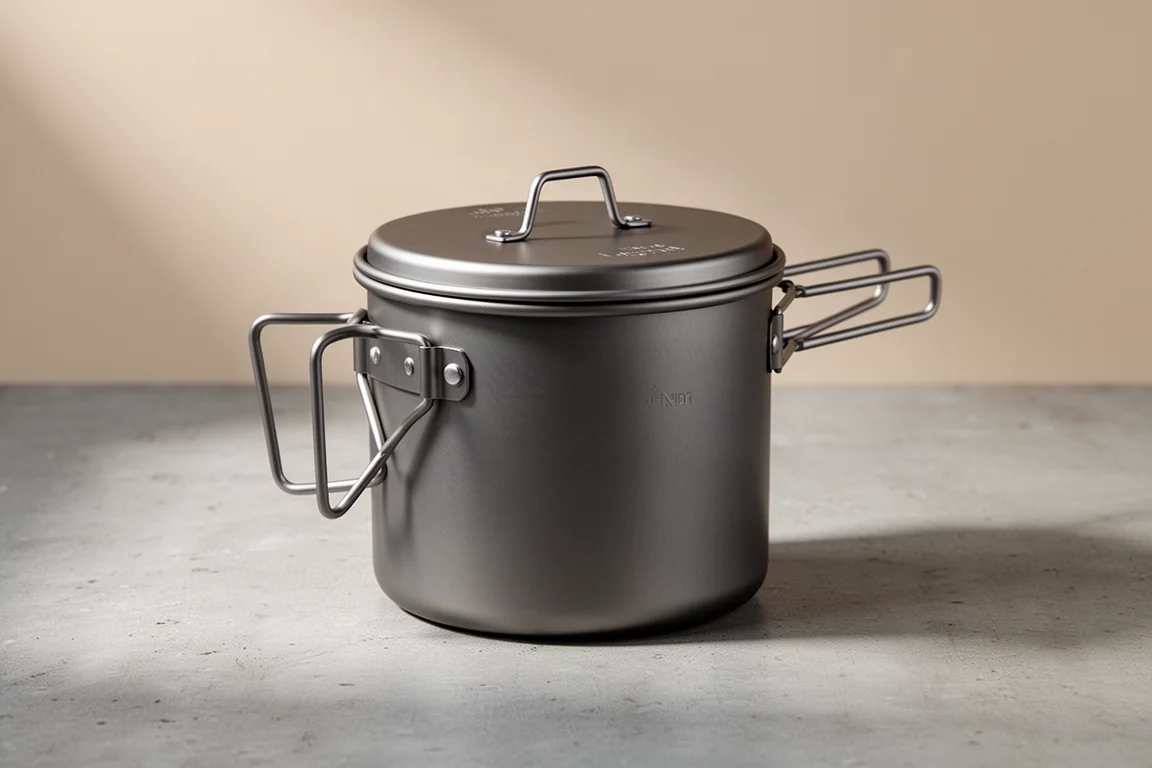
The cook kit lives inside a Toaks 550 ml titanium pot: the pot itself, a fuel canister, the lid, a mini lighter, a canister stove, and a pot grabber. The 550 ml capacity is enough to rehydrate essentially any freeze-dried meal. It is not enough if you want to make a hot drink alongside your meal; that calls for something closer to a 750 ml pot.
The pot has no handles, which saves weight and also means you never have to handle a hot metal grip. A small pot grabber does the pouring instead.
Cooking: BRS Stove
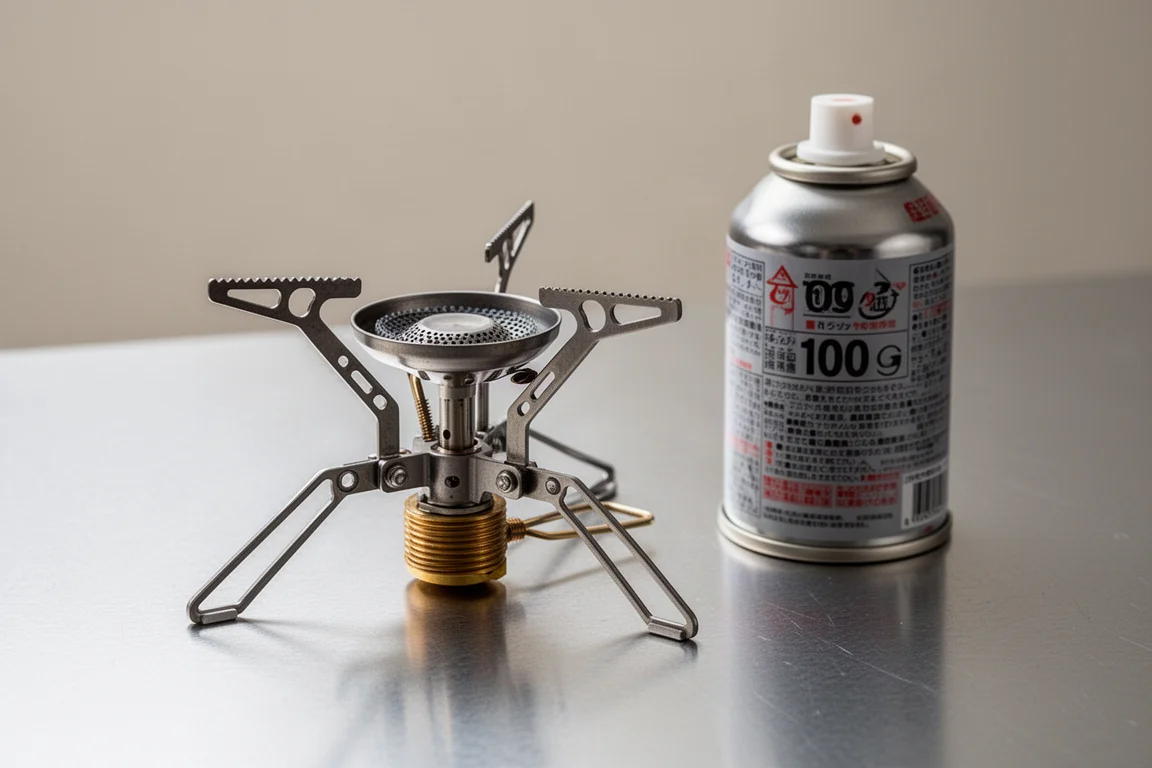
The BRS stove is compact and simply works. It has been in service for around five years without a failure. The one clear limitation is wind: it performs poorly in direct exposure, so on breezy days you need to find shelter or improvise a windbreak.
Buying Advice
The right way to read this list is by category rather than by weight alone. The pack and the shelter are the two items where a well-chosen option changes how the whole kit carries and pitches, so they are worth the most attention. The quilt and the sleeping pad are where the largest weight and volume savings sit, and both demand careful handling because of their light fabrics.
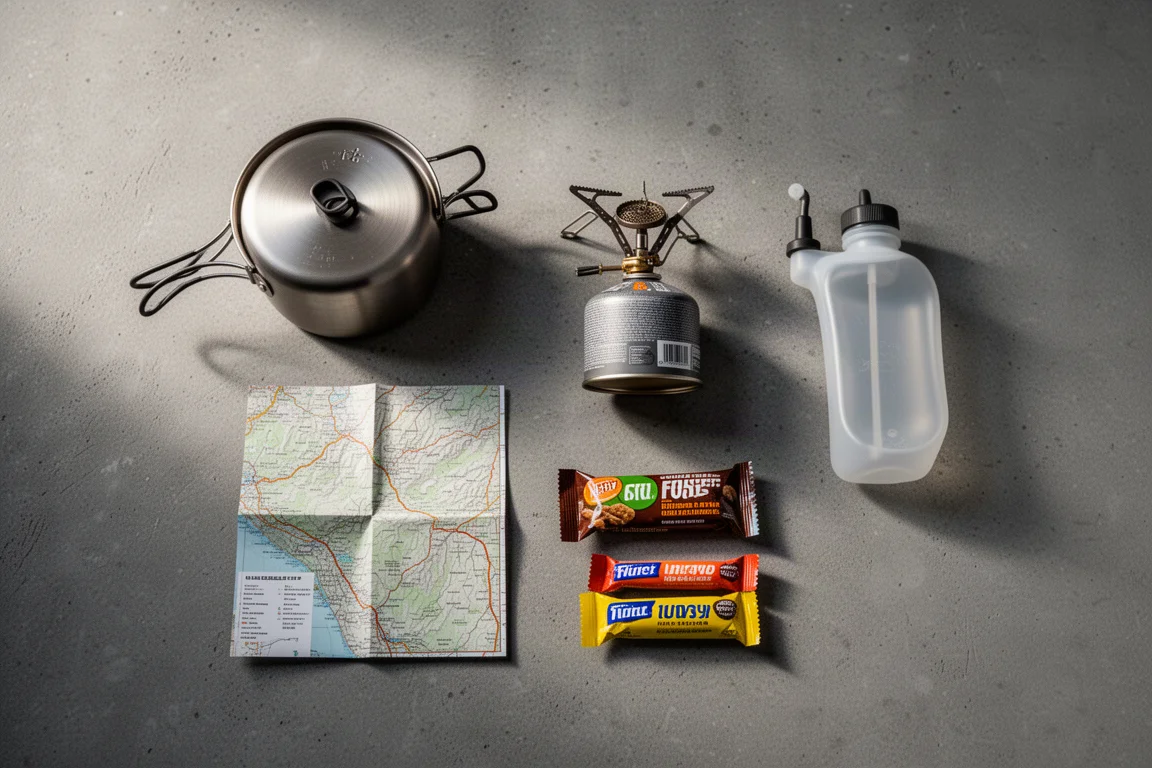
For the smaller items the decisions are simpler. A squeeze filter and a compact canister stove are inexpensive ways to keep the water and cook systems light, and a satellite communicator is the one place where extra weight and cost buy something you cannot otherwise replace. Build the kit around the conditions you actually hike in, and treat the extreme numbers as a target rather than a requirement.
Conclusion
A five-pound base weight is achievable, but it works because each item still does its job. The Durston Wapta 30 carries a real load without a hip belt, the Plex Solo Lite pitches from one pole, the Tensor Elite and the Zpacks quilt deliver warmth at very low weight, and the BeFree, Toaks pot, and BRS stove keep the essentials simple. The inReach Messenger is the deliberate exception to the weight rule, and it is the piece most buyers will be glad they kept.
Further reading
Related Reviews

Backpacking Gear
Building a 10 lb Base Weight: An Ultralight Backpacking Gear List
A practical walkthrough of the ultralight pieces behind a 10 lb base weight, from a 765 g pack and a roomy one-person tent to a full camp chair and a dependable water filter.
Backpacking Gear
A 15-Pound Lightweight Backpacking Gear List for Solo Trips
A beginner-friendly 15-pound backpacking setup built from easy-to-find gear, with notes on what each piece does, how it packs, and where to spend your attention.
Backpacking Gear
8 Ultralight Backpacking Gear Upgrades Worth Carrying
Eight small, affordable backpacking upgrades that solve real trail annoyances, from a pillow that stays put to a fuel valve that rescues leftover canister gas.