Chainsaws
STIHL MSA 300 C Review: A Battery Chainsaw That Feels Like a Gas Saw
The STIHL MSA 300 C delivers professional build quality and gas-saw familiarity, with a torque limitation worth understanding before you buy.
Introduction
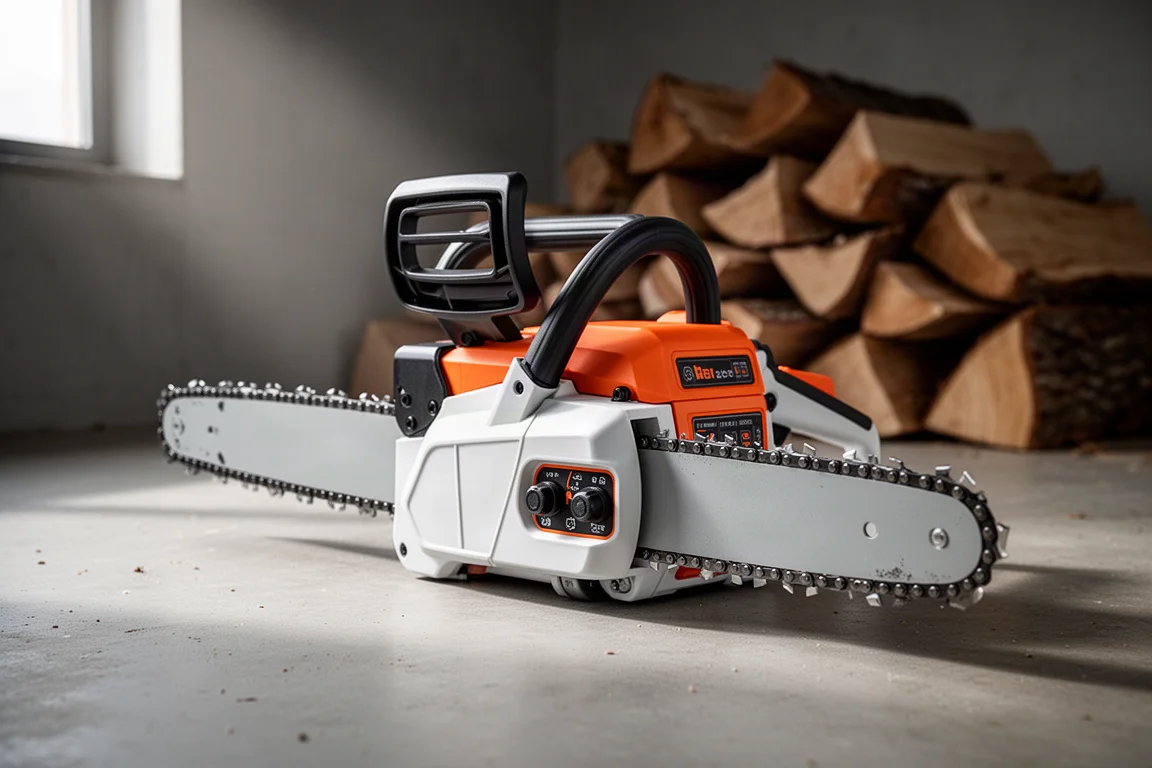
The STIHL MSA 300 C is a 36-volt battery-powered chainsaw aimed at users who want professional-grade build quality without the fuss of a gas engine. STIHL is not widely known for its battery saws, but picking up the MSA 300 C feels remarkably close to using one of the brand’s gas models: the grip, the balance, and the general feel are all familiar in the best way. It is the kind of tool that instantly communicates quality the moment you hold it.
One practical note before anything else: if you are a commercial, government, or large landscaping buyer, STIHL offers demo programs through local field application specialists. Going through your dealer to arrange a hands-on trial is simple and worthwhile before committing to any saw in this class.
Who This Saw Is For
The most natural buyer for this saw is someone who owns a chainsaw that sits on a shelf, pulled out only occasionally. If you do not want to deal with fuel sitting around, hard starts after long storage, or ongoing engine maintenance, the MSA 300 C makes that problem disappear: drop in the battery, add bar and chain oil, get to work, and put it back on the shelf with minimal upkeep. It is also a strong option for anyone who simply does not want exhaust emissions while cutting.
Main Strengths
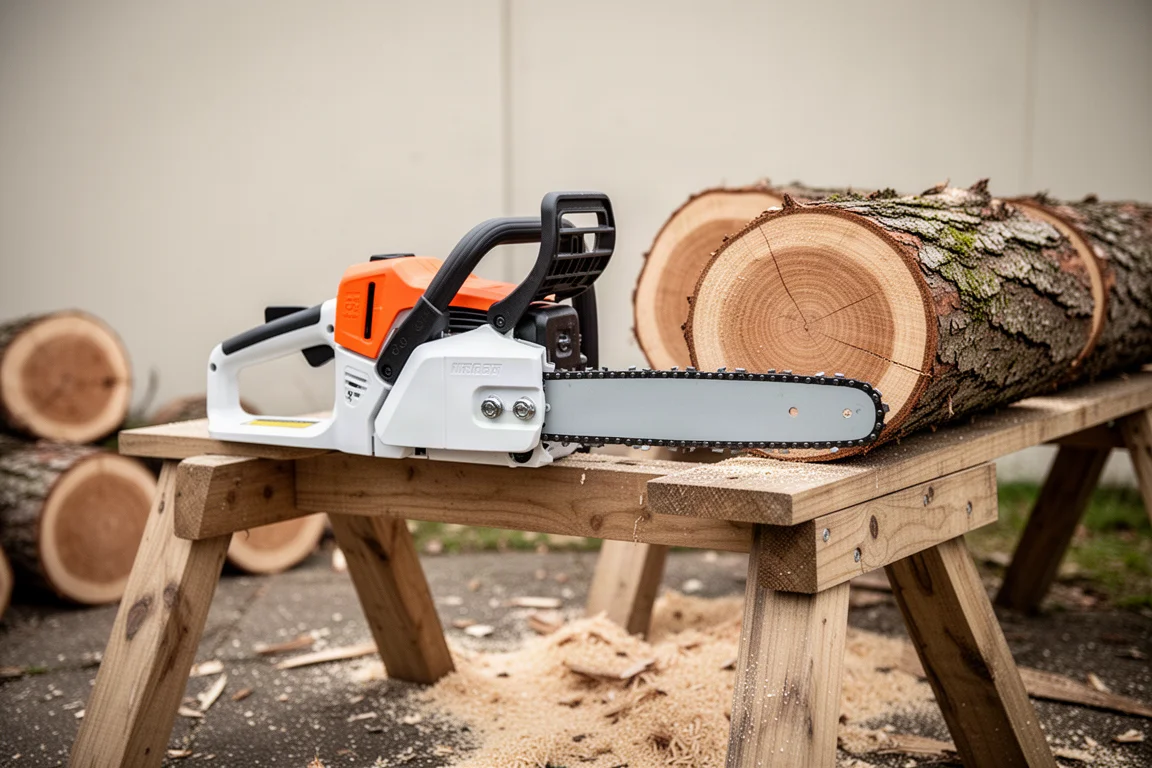
The headline strength is how it feels. The handle has the same solid character as any STIHL gas chainsaw, the chain brake feels identical to what you would find on a gas model, and the metal bucking spikes and oil caps match what you would expect from commercial or homeowner-grade saws alike. Build quality is genuinely hard to fault: the same screws, the same professional-grade construction you would find on any professional STIHL chainsaw, which is rare in the broader tool market.
Chain and bar flexibility is another big plus. This is a 3/25 drive saw, and as long as you stay within that, you can mix and match multiple bar lengths and chain types. STIHL’s RM series semi-chisel and RS series full chisel chains are all compatible, and any STIHL dealership has knowledgeable staff to help you choose. Compared with buying a saw at a big-box store where chain options are limited to whatever is on the shelf, that support network is a genuine advantage.
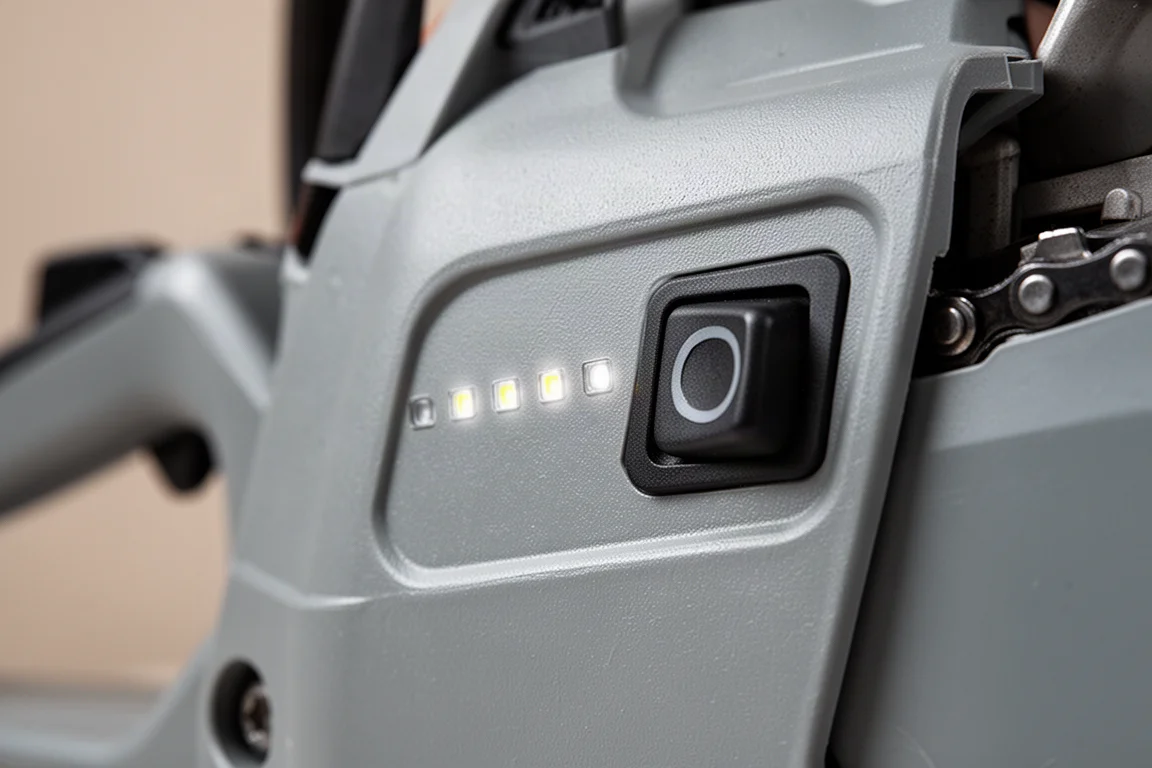
The indicator system is thoughtfully done. Lights show when the chain brake is on, when bar oil is running low, and when the motor is overheating, and a light inside the housing constantly checks the oil level. There is also a three-level power mode system: high mode delivers the fastest cuts but drains the battery quickly, medium mode is still very fast while extending battery life considerably, and eco mode is well suited to smaller 4 to 6 inch limbs without noticeably robbing power. A Tool Connect system on the side pairs with the STIHL app for location tracking and basic functionality as well.
Things to Consider Before Buying
Torque is the deciding factor for many people, and it is the MSA 300 C’s main weakness. When cutting hardwood, applying pressure quickly bogs the saw down, slowing the cut or even stopping it entirely. It is a completely different saw in softwoods: with a full chisel chain it chews through material without bogging, but in hardwoods under pressure it can slow to a crawl. If you are sensitive to power and torque shortfalls, this may frustrate you.
That said, the raw performance is still impressive despite the torque shortfall. Against a comparable dual-battery competitor using the same semi-chisel chains, the cut time difference through a large hardwood maple log was very small, which surprised us.
Price is the other consideration. The bare tool carries an $819 MSRP, with no battery included. It accepts AP series batteries only, and the AP 500 S used here is an 8.8 amp-hour pack with 10 cells that is fairly heavy and fairly expensive. Compared with newer dual-battery systems on the market, the cell technology here is a generation behind, so expect some difference in speed and efficiency.
Controls, Battery, and Small Annoyances
Every start requires a sequence: engage the rear safety, then press the side power button to enable the motor. If you remove your hand, the light blinks and you have to hit the power button again. That repeated step can get old during long sessions, though it does keep the multiple safeties honest.
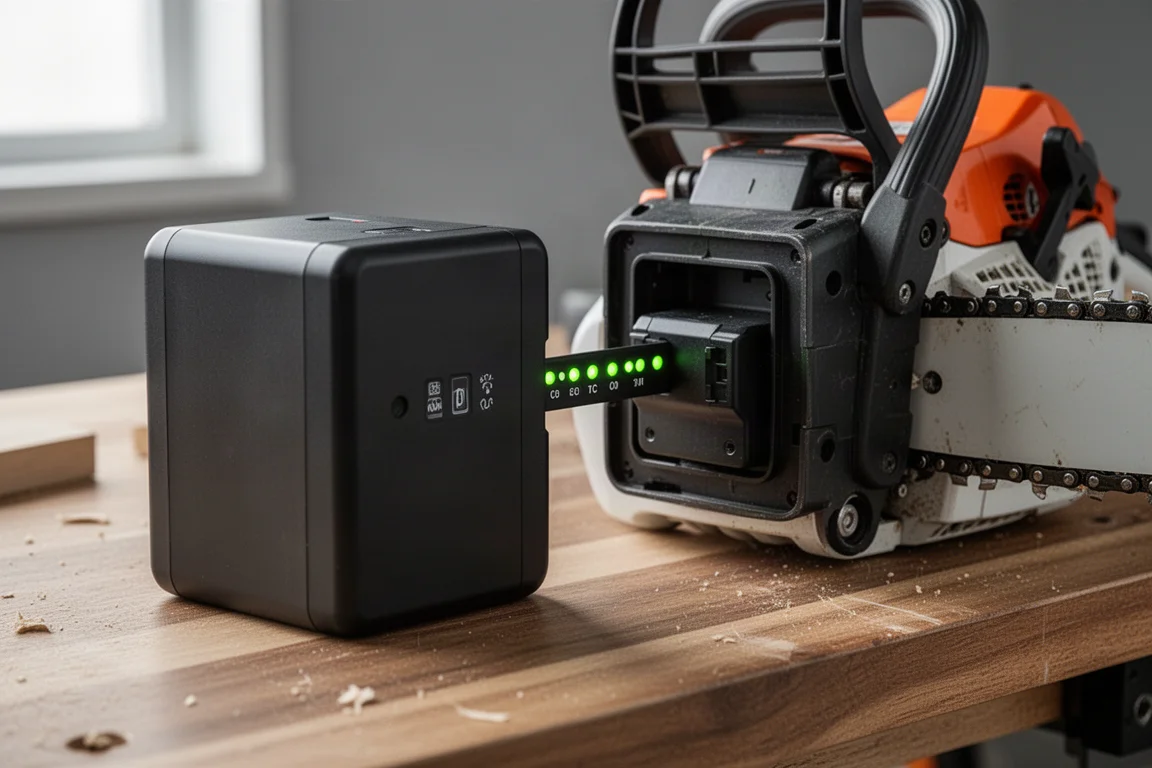
The battery housing has a practical flaw: chips accumulate inside it, and in snowy conditions snow got in and prevented the battery from seating cleanly. With nothing in the housing the battery slides in perfectly, and the fuel-style charge monitor on top of the battery is excellent to have in view.
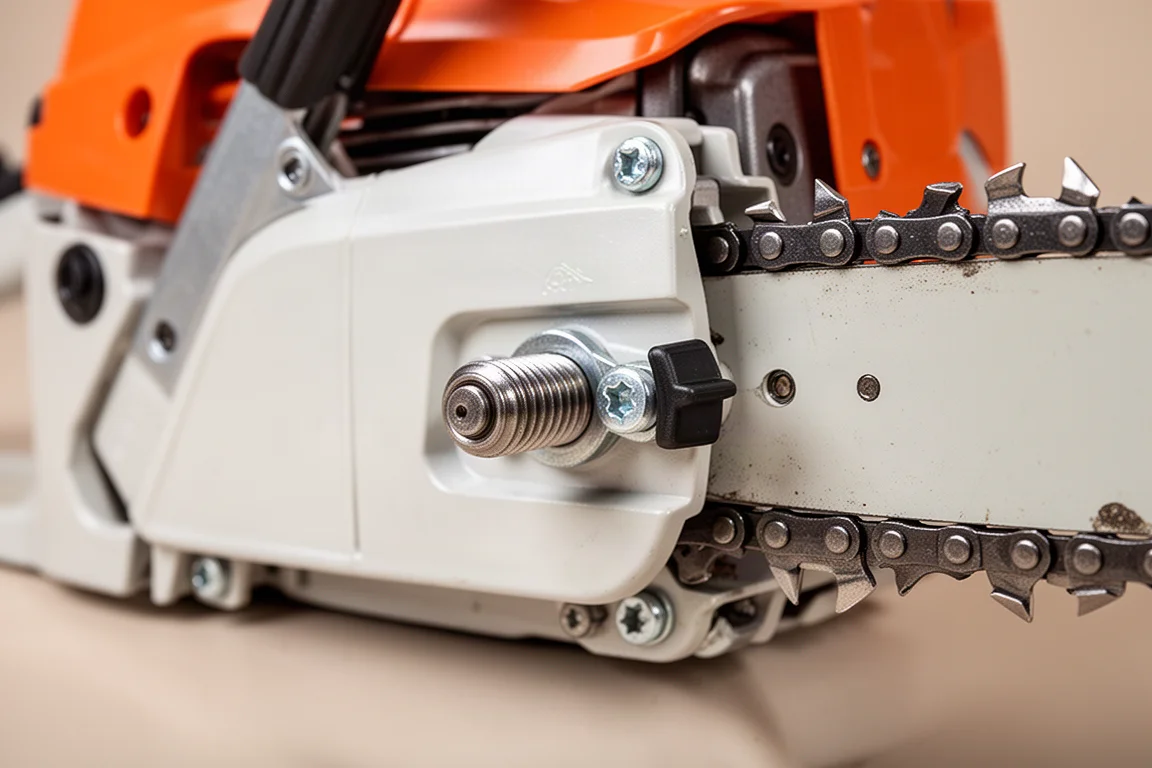
One more gap: there is no onboard wrench storage. Professional users carry tools anyway, but it would have been nice to tuck one into the saw for field adjustments. On the plus side, the chain adjustment system matches other professional saws, making it easy to loosen, tension, and retighten the bar exactly where you need it.
Buying Advice
Buy the MSA 300 C if your cutting is mostly softwoods, occasional limbs, and shelf-then-go tasks where low maintenance matters more than raw torque. Skip it, or at least test it first, if your regular work is sustained hardwood cutting under pressure; the bogging behavior will wear on you. Battery technology across the board still has not fully matched gas power, and this saw is honest about that trade-off rather than hiding it.
Conclusion
The STIHL MSA 300 C is a well-built, familiar-feeling battery chainsaw with excellent chain compatibility, smart indicator lights, and professional-grade construction, held back by a torque shortfall in hardwood and a bare-tool price that excludes the battery. If your use case leans toward softwoods and low-maintenance convenience, it is an easy saw to recommend.
Product link
View more details for STIHL MSA 300 C
This product is mentioned in the review. Check the specifications, options, and compatibility before buying.
View more details for STIHL MSA 300 CFurther reading
Related Reviews

Chainsaws
Best Gas Chainsaws 2026: Eight Saws Put to the Test
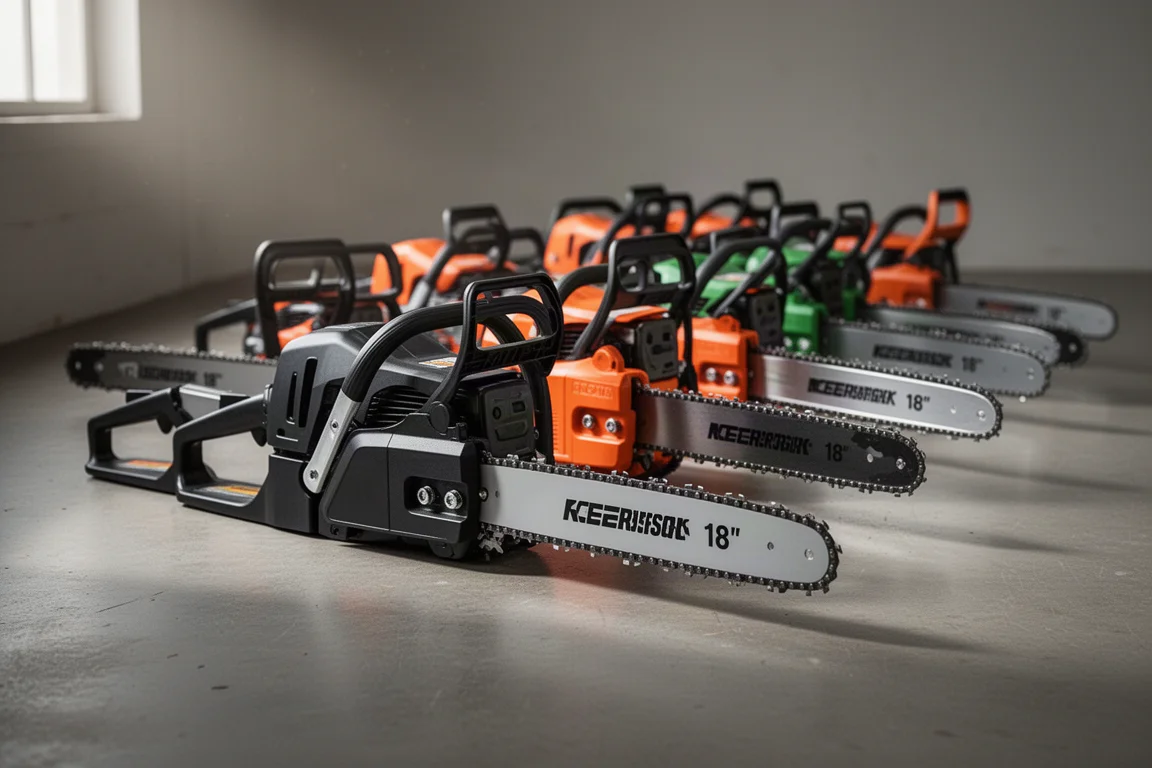
We tested eight 18-inch gas chainsaws from budget picks to premium models to find the best value, the fastest cutter, and the most refined option.
Chainsaws
Best Gas Chainsaws Tested: 8 Saws From Budget to Professional Grade
Eight 18-inch chainsaws tested on starting, cutting speed, torque, vibration, and noise, from a $96 budget saw to a $430 Stihl MS250.
Chainsaws
$100 Chainsaw vs $550 Stihl: Can Budget Saws Really Compete?
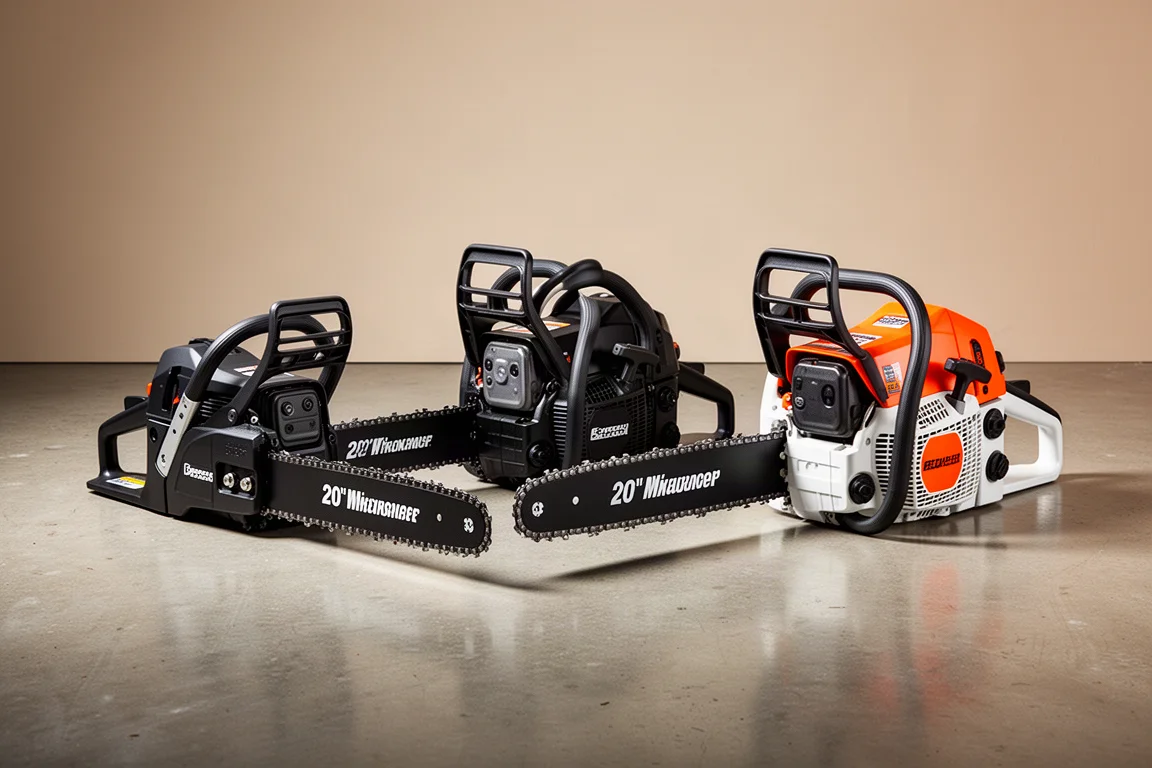
Two budget chainsaws face off against the Stihl MS 291 in torque, cutting speed, fuel efficiency, and cold-start tests to see where the money actually goes.