Chainsaws
STIHL MSA 120 C vs Wild Badger 40V: Budget Battery Chainsaws Compared
Two of the most affordable battery chainsaws on the market, tested for power, comfort, ergonomics, and chain tensioning.
Introduction
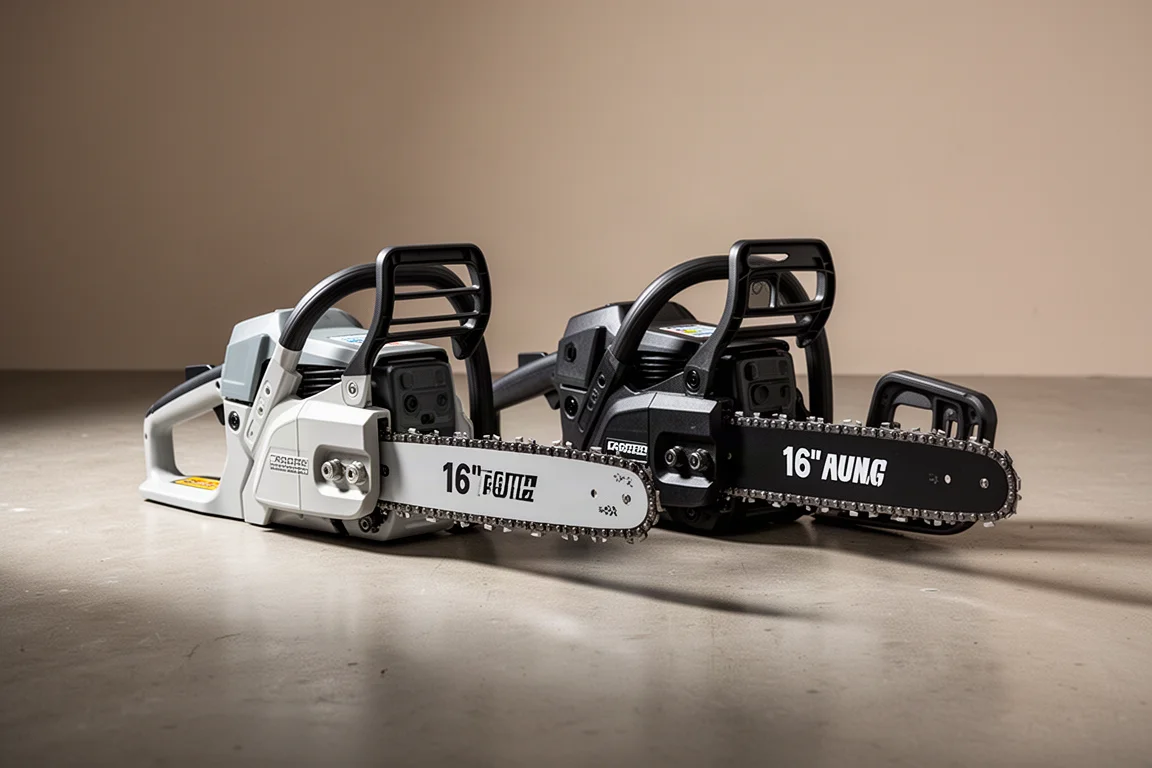
Two of the cheapest battery chainsaws you can find right now make for a surprisingly interesting matchup: the STIHL MSA 120 C at $299 with an AK20 battery (a 36V, 4Ah pack), and the Wild Badger 40V, which runs $162 on Amazon or around $199 at Tractor Supply. Despite the naming, both saws realistically run on the same effective voltage, roughly 36V with a 4Ah battery, so this is a fair fight between similarly specified tools.
Evaluation Criteria
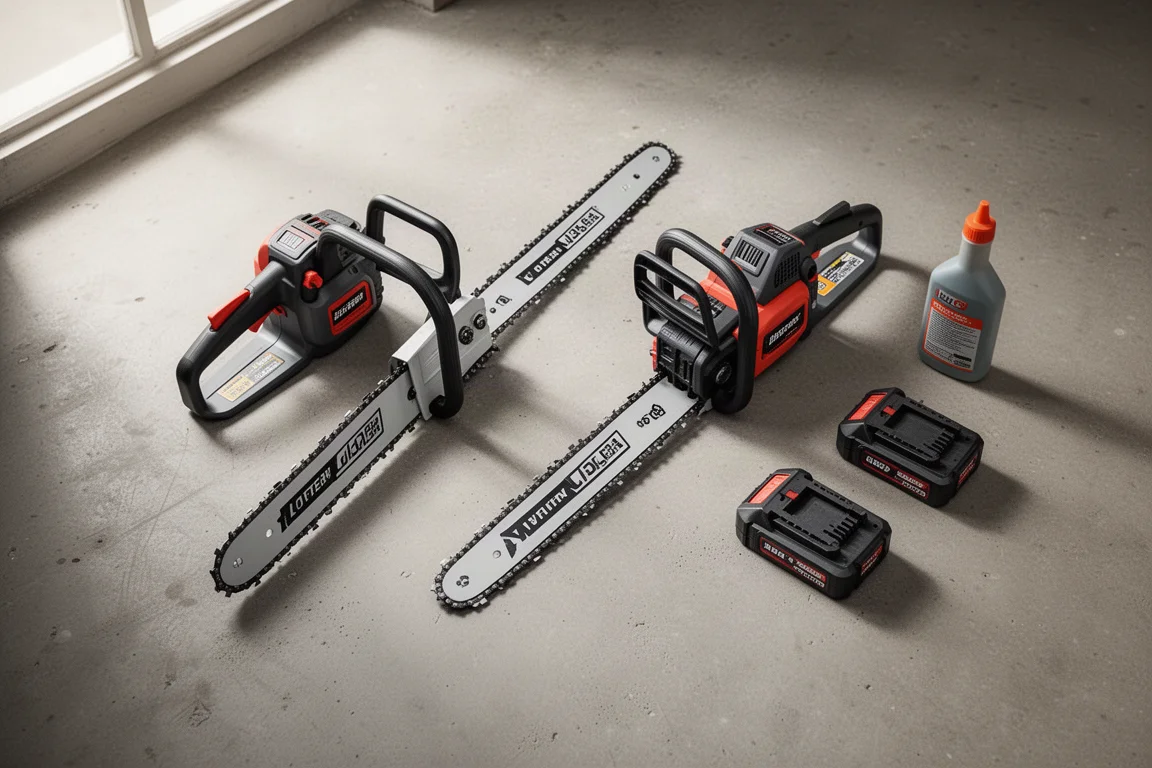
Raw power is not the only thing that matters in a chainsaw. Build quality, ease of use, ergonomics, and how the saw feels over repeated cuts all come into play. Both saws here share some basics: plastic bucking spikes, a chain brake (the Wild Badger uses an electric chain brake), and a single-speed trigger with no variable speed control. The comparison below looks at power, comfort, ergonomics, and the practical details of daily use.
Cutting Performance and Power
The STIHL’s chain speed sounds faster with no load, but as soon as the bar hits wood there is a definite difference. When the Wild Badger gets into a cut, the torque kicks in instead of bogging down, and pushing it a little harder seems to cut just as fast. There is no doubt the Wild Badger has more power than the STIHL, even though both are effectively 36V tools.
The Wild Badger does have quirks. It sometimes cuts out, likely a thermal cutout, though the battery never felt warm. It also grips and grabs a bit in the cut, with more vibration and catching. The STIHL, by contrast, feels butter smooth, and if it could hold its chain speed under load it could definitely keep up.
Comfort and Ergonomics
The STIHL feels a little more front heavy, while the Wild Badger sits back heavy, likely due to battery placement. On the STIHL there is much more room to grab and hang on to the rear handle with gloves on, which matters when you wear gloves most of the time. The Wild Badger has a lower grip position, which gives a bit less leverage, though its higher rear handle keeps you on plane.
The Wild Badger’s trigger leg takes some getting used to: you push it and there is roughly a one-second wait before the chain kicks on. The STIHL’s trigger is quick and the saw gets up to speed fast, which makes repeated small cuts noticeably more comfortable. For small cleanup work where you hit the trigger over and over, that smoothness adds up.
Chain Tensioning: Two Very Different Approaches
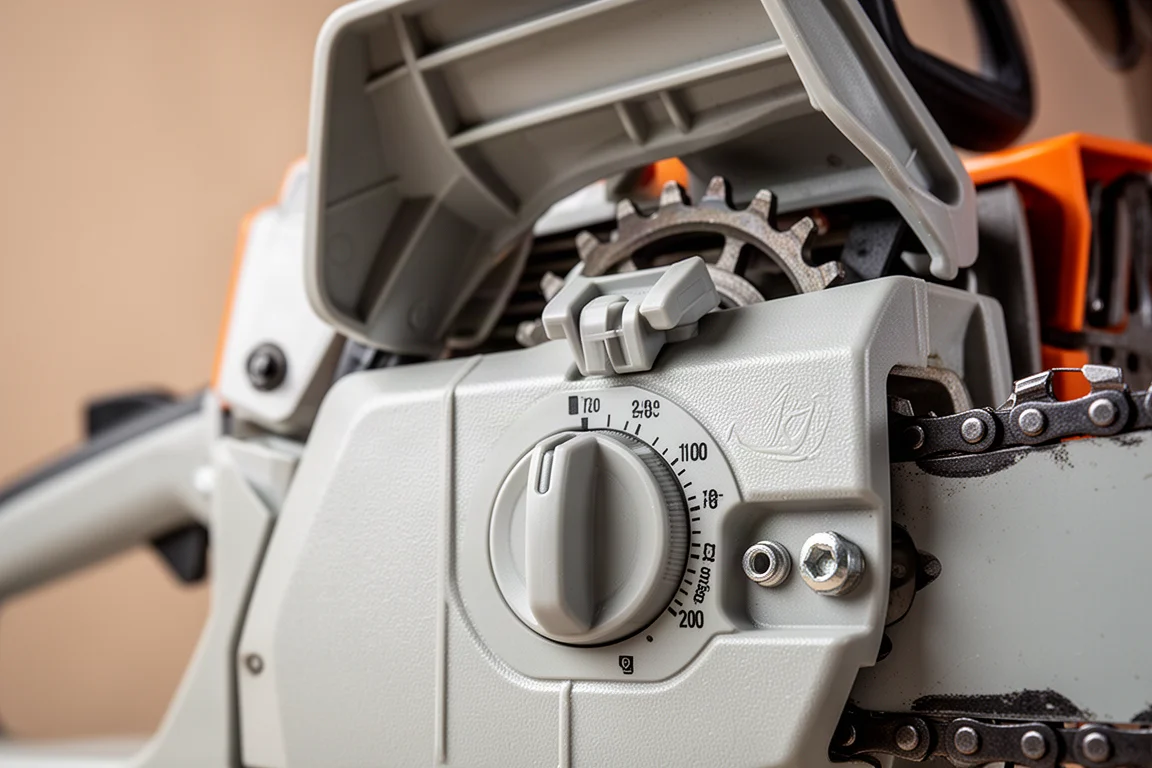
The STIHL uses a tool-free system: lift the cover, turn the adjustment dial to loosen or tighten the chain, then snap it back down. It is simple and great for homeowners who never want to carry a tool. The downsides are real, though: it does not always stay tight, and these mechanisms have been known to break off or slip over time. The oiler works well, but you cannot always get the chain as tight as you might like.
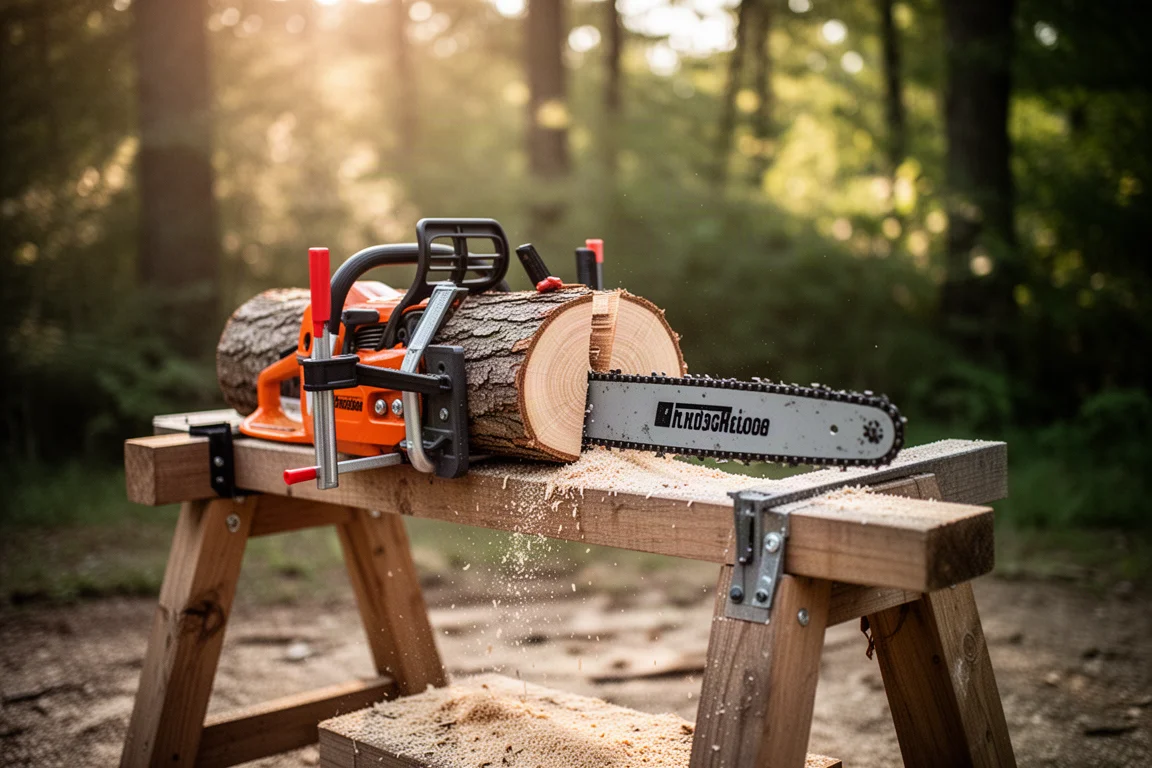
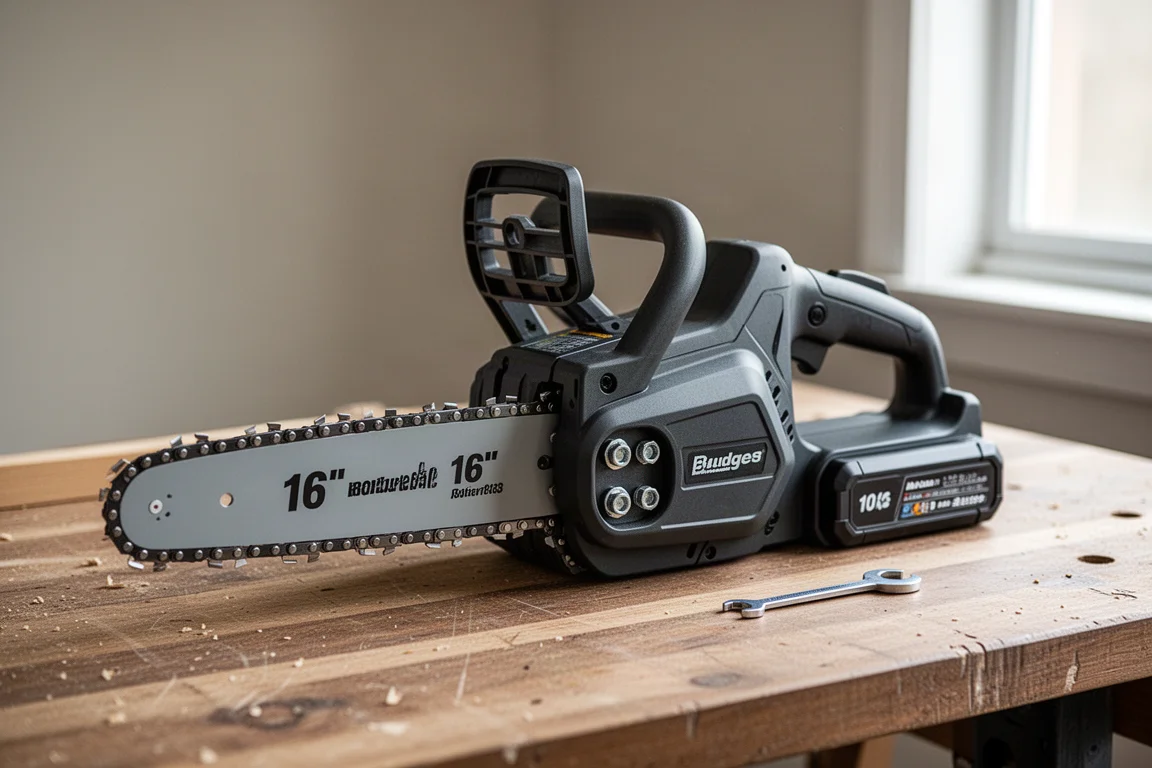
The Wild Badger takes the traditional route with two bar nuts and a combination tool, which most people prefer because the tension holds once you tighten it. The catch: there is no onboard storage for the tool, so it is easy to lose. And with lower-quality equipment, tightening the bar nuts can sometimes pull the chain tight along with them. Neither approach is 100 percent wrong, it comes down to whether you value convenience or holding tension.
Bars, Chains, and Maintenance
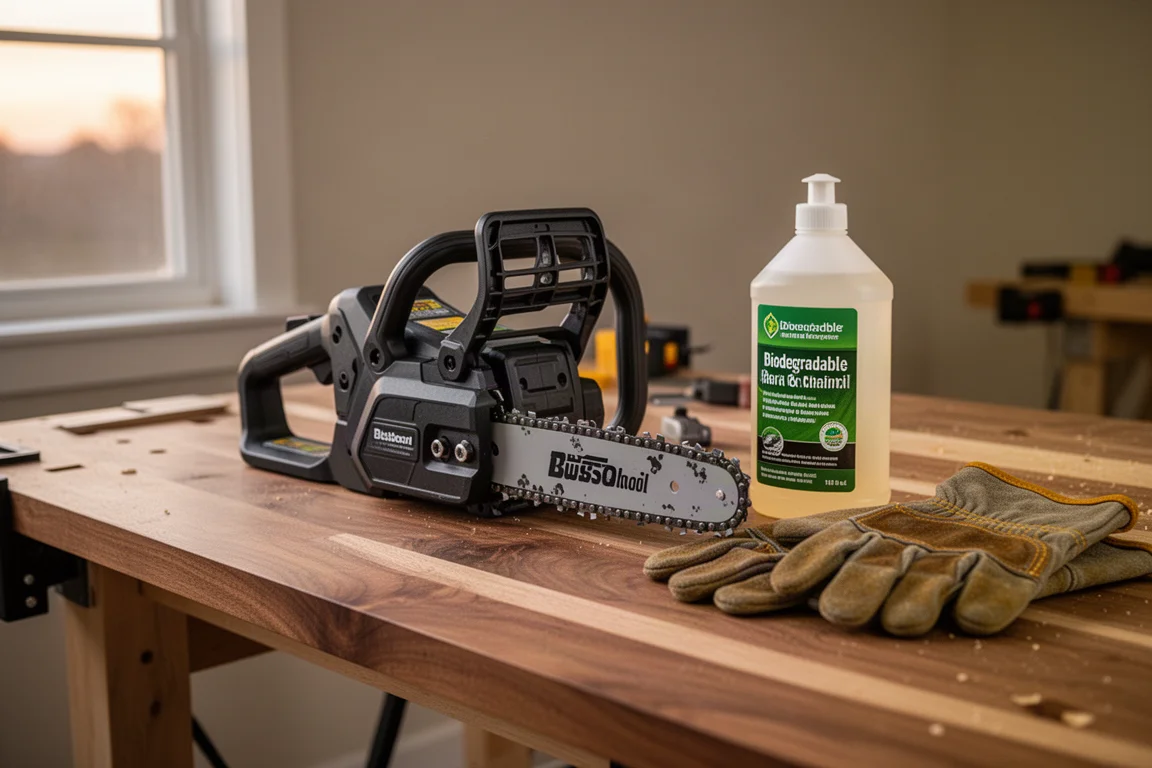
Both saws take low-profile chains, and replacement bars are available, with Tractor Supply stocking options for the Wild Badger. Stick with low-profile, non-aggressive chains: pushing a battery saw through aggressive chain designs leads to tearing through batteries and more cutouts. Both saws also worked fine with a biodegradable bar and chain oil.
Which One Should You Buy?
If you use a chainsaw once every few years and want the most power for the money, the Wild Badger at $162 is a capable saw that will get through larger wood. If you use a chainsaw every year for cleanup and value smoothness, quick triggers, and ergonomics because it spends more time in your hands, the STIHL is worth nearly double the price.
Both are sold in surprisingly similar places: Tractor Supply, Ace Hardware, and John Deere dealers carry STIHL, so neither is hard to find. It comes down to where you spend your time and where you want to spend your money.
Conclusion
The Wild Badger takes the cake on power and is the pick for larger tree cutting. The STIHL wins on comfort, refinement, and ergonomics for regular small-scale cleanup. Match the saw to your workload and you will be happy with either choice.
Further reading
Related Reviews

Chainsaws
Best Gas Chainsaws 2026: Eight Saws Put to the Test
We tested eight 18-inch gas chainsaws from budget picks to premium models to find the best value, the fastest cutter, and the most refined option.
Chainsaws
Best Gas Chainsaws Tested: 8 Saws From Budget to Professional Grade
Eight 18-inch chainsaws tested on starting, cutting speed, torque, vibration, and noise, from a $96 budget saw to a $430 Stihl MS250.
Chainsaws
$100 Chainsaw vs $550 Stihl: Can Budget Saws Really Compete?
Two budget chainsaws face off against the Stihl MS 291 in torque, cutting speed, fuel efficiency, and cold-start tests to see where the money actually goes.